


Sorry, this content isn't available right now
The link you followed may have expired, or the page may only be visible to an audience you're not in.
СОХРАНИМ КОЛОКОЛЬНЮ В КАЛЯЗИНЕ - СИМВОЛ НЕПОТОПЛЯЕМОСТИ ПРАВОСЛАВНОЙ РОССИИ |

СОХРАНИМ КОЛОКОЛЬНЮ В КАЛЯЗИНЕ - СИМВОЛ НЕПОТОПЛЯЕМОСТИ ПРАВОСЛАВНОЙ РОССИИ!
подписать петицию
https://www.change.org/p/министерство-культуры-рф-...no_msg&fb_ref=Default]
СОХРАНИМ КОЛОКОЛЬНЮ В КАЛЯЗИНЕ - СИМВОЛ НЕПОТОПЛЯЕМОСТИ ПРАВОСЛАВНОЙ РОССИИ!

СОХРАНИМ КОЛОКОЛЬНЮ В КАЛЯЗИНЕ - СИМВОЛ НЕПОТОПЛЯЕМОСТИ ПРАВОСЛАВНОЙ РОССИИ |
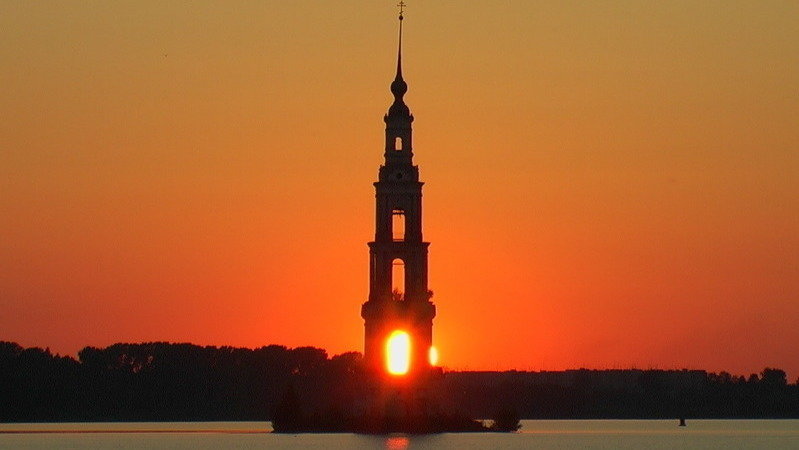
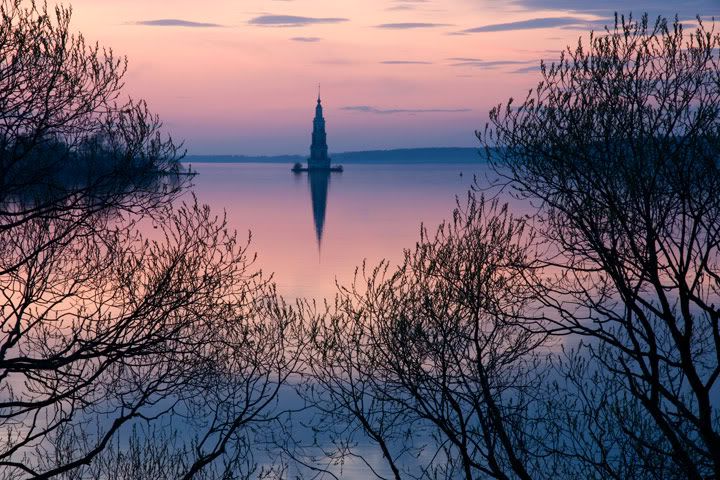
Обращаемся ко всем неравнодушным гражданам и общественным объединениям поддержать обращение общественности Калязинского района Тверской области в Министерство Культуры РФ и к Патриарху Московскому и Всея Руси Кириллу по включению Колокольни Николаевского соборав федеральную целевую программу реставрации объектов культурного наследия «Культура России» на 2016 год
Просим помочь всех, кому не безразлична судьба уникального символа России! Нельзя допустить его безвозвратной потери!
… «Кто хочет увидеть единым взором, в один окоём, нашу недотопленную Россию — не упустите посмотреть на калязинскую колокольню.
…Стоит колокольня! Как наша надежда. Как наша молитва: нет, всю Русь до конца не попустит Господь утопить...
Так писал об уникальном памятнике Александр Исаевич Солженицын в своём сборнике «На изломах».
«Безгласная — пусто в высокой звоннице, откуда прежде благовестили колокола, - обросшая по низу бархатистым мохом, отчетливо зримым в колебаниях воды, с осыпающейся штукатуркой, отваливающейся лепниной, она собирала вокруг себя простор...» - это слова Юрия Нагибина
|
Люди и животніе в современном мире |
Дневник |
+++
Всё идёт к тому, что люди будут разводить мышей и закатывать их в консервы, чтобы кормить кошек, а зайцев и кроликов будут разводить и закатывать в консервные банки, чтобы кормить собак! А в это самое время другие люди будут умирать от голода. И погляди: если кто-то убьёт собаку, не исключено, что он заплатит за это денег больше, чем если бы убил человека (конечно, зависит и от того, кому этот пёс принадлежал). До чего же мы дошли!.. Человек в наши дни стоит дешевле, чем собака.
Преподобный Паисий Святогорец
П.С. Свята правда Паїсій.

+++
+++
Всё идёт к тому, что люди будут разводить мышей и закатывать их в консервы, чтобы кормить кошек, а зайцев и кроликов будут разводить и закатывать в консервные банки, чтобы кормить собак! А в это самое время другие люди будут умирать от голода. И погляди: если кто-то убьёт собаку, не исключено, что он заплатит за это денег больше, чем если бы убил человека (конечно, зависит и от того, кому этот пёс принадлежал). До чего же мы дошли!.. Человек в наши дни стоит дешевле, чем собака.
Преподобный Паисий Святогорец

+++
|
(+) Роман Гурик - Свидетельство врагам и Благодарная память соотечественников - завтра местные выборы - 2015.10.215. |
Дневник |


(+) Роман Гурик - Свидетельство врагам и Благодарная память соотечественников - завтра местные выборы - 2015.10.215.
+
+
Вечная память и благодарность - всем погибшим за нас и за Украину. ((( Павел В. Л. Киев 2015.10.24. ( http://www.nebesnasotnya.in.ua/2015/10/23/%D1%81%D0%B8%D0%BB%D1%8C%D0%BD%D0%BE-%D0%B7%D0%B2%D0%B5%D1%80%D0%BD%D0%B5%D0%BD%D0%BD%D1%8F-%D1%80%D0%BE%D0%B4%D0%B8%D1%87%D1%96%D0%B2-%D0%B3%D0%B5%D1%80%D0%BE%D1%97%D0%B2-%D0%BD%D0%B5%D0%B1%D0%B5/ )
+++
|
|
|
|
|
+++

+++
|
Россия воюет в Сирии - мысли Зубова |
Дневник |
|
27 декабря. События разных лет... в 537 году в Константинополе завершено строительство Софийского собора |

|
ПАМЯТНИК «ТЫСЯЧЕЛЕТИЕ РОССИИ» В НОВГОРОДЕ |

|
Church - on the water - Temple of Santiago - (ruines known as t...) - m.-16th c. - Grijalva River - near t. of Nueva Quechula - Chiapas s.- Mexico _ |
http://en.whaatsnew.com/2015/10/people/194673
+
http://www.liveinternet.ru/users/paul_v_lashkevich/post374586542/
+++

+++
Colonial-era church emerges from the water in a reservoir in Mexico
Par Mashable dans People le 18 October 2015 а 21 h 47 min
745
Shares
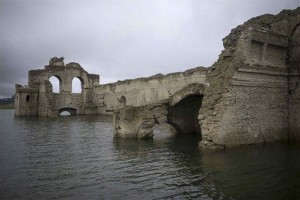
ChurchThe remains of a mid-16th century church known as the Temple of Santiago, as well as the Temple of Quechula, is visible from the surface of the Grijalva River, which feeds the Nezahualcoyotl reservoir, due to the lack of rain near the town of Nueva Quechula, in Chiapas state, Mexico, Friday, Oct. 16, 2015. в
Image: David von Blohn/Associated Press
By The Associated Press2015-10-18 19:47:23 UTC
Leonel Mendoza fishes every day in a reservoir surrounded by forest and mountains in the southern Mexico state of Chiapas. But in recent days, he also has been ferrying curious passengers out to see the remains of a colonial-era church that has emerged from the receding waters.
A drought this year has hit the watershed of the Grijalva river, dropping the water level in the Nezahualcoyotl reservoir by 25 meters (82 feet).
It is the second time a drop in the reservoir has revealed the church since it was flooded when the dam was completed in 1966. In 2002, the water was so low visitors could walk inside the church.
Church 2
Image: David von Blohn/Associated Press
“The people celebrated. They came to eat, to hang out, to do business. I sold them fried fish. They did processions around the church,” Mendoza recalled during a telephone interview Friday.
The church in the Quechula locality was built by a group of monks headed by Friar Bartolome de la Casas, who arrived in the region inhabited by the Zoque people in the mid-16th century.
The church is 61 meters (183 feet) long and 14 meters (42 feet) wide, with walls rising 10 meters (30 feet). The bell tower reaches 16 meters (48 feet) above the ground.
Church 3
“The church was abandoned due the big plagues of 1773-1776,” said architect Carlos Navarete, who worked with Mexican authorities on a report about the structure.
It depended on the nearby monastery of Tecpatan, founded in 1564. Navarrete believes that based on architectural similarities, it is the work of the same builder at very nearly the same time. Its importance was derived from its location on the King’s Highway, a road designed by Spanish conquistadors and still in use until the 20th century.
“At that time we still found the wood from the chorus loft and the roof beams,” he said. “Also a large ossuary of the victims of the plague that depopulated the area.”
“It was a church built thinking that this could be a great population center, but it never achieved that,” Navarrete said. “It probably never even had a dedicated priest, only receiving visits from those from Tecpatan.”
Church 4
Image: David von Blohn/Associated Press
+++
|
Church - on the water - Temple of Santiago - (ruines known as t...) - m.-16th c. - Grijalva River - near t. of Nueva Quechula - Chiapas s.- Mexico _ |
http://www.newser.com/story/comments/214619/400-year-old-church-emerges-in-reservoir.html
+++
The remains of a mid-16th century church known as the Temple of Santiago is visible from the surface of the Grijalva River, near the town of Nueva Quechula, in Chiapas state, Mexico, Oct. 16, 2015.
(AP Photo/David von Blohn)

+

+

+
NEWSER) – Huh, this wasn't there last year—a 16th-century church emerging from the waters of a Mexican reservoir. But it actually makes sense, because drought is causing the water level to fall 82 feet in the Nezahualcoyotl reservoir, revealing a church that was flooded during construction of a dam nearly 40 years ago, the AP reports. Known as the Temple of Santiago, the building is about half-way visible in the watershed to the Grijalva river. In fact, the water level got so low in 2002 that people could actually walk inside: "The people celebrated. They came to eat, to hang out, to do business. I sold them fried fish," says a fisherman who's now offering Temple of Santiago boat tours. "They did processions around the church."
The church harks back to colonial times, when the Spanish friar Bartolome de las Casas showed up with a group of monks who built the Temple of Santiago, the Independent reports. Las Casas, the first Bishop of Chiapas, initially believed in subjugating the native people, but later argued for abolishing slavery and helped persuade King Charles of Spain to grant the natives their freedom, reports Latin American History. But when conquistadors and settlers revolted, Charles reversed much of the new legislation. As for the church, it "was abandoned due the big plagues of 1773-1776," an architect says. Re-discovered in the 20th century, he says, it contained "a large ossuary of the victims of the plague that depopulated the area."
+++

+++
|
Church - on the water - Temple of Santiago - (ruines known as t...) - m.-16th c. - Grijalva River - near t. of Nueva Quechula - Chiapas s.- Mexico _ |
Дневник |
Church - on the water - Temple of Santiago - (ruines known as t...) - m.-16th c. - Grijalva River - near t. of Nueva Quechula - Chiapas s.- Mexico _
( Internrt -articles - http://www.liveinternet.ru/users/paul_v_lashkevich/post374580630/ )
comida mexicana como patrimonio dela humanidad unesco
COORDINATES
17° 3' 49.24" N 93° 25' 38.61" W
Photo taken in Tecpatán, Chis., Mexico
17° 3' 58.40" N 93° 25' 57.46" W
http://www.panoramio.com/photo/30914924

+++
http://www.info7.mx/a/galeria/9163

+++
http://www.newser.com/story/214619/400-year-old-church-emerges-in-reservoir.html

+++
NEWSER) – Huh, this wasn't there last year—a 16th-century church emerging from the waters of a Mexican reservoir. But it actually makes sense, because drought is causing the water level to fall 82 feet in the Nezahualcoyotl reservoir, revealing a church that was flooded during construction of a dam nearly 40 years ago, the AP reports. Known as the Temple of Santiago, the building is about half-way visible in the watershed to the Grijalva river. In fact, the water level got so low in 2002 that people could actually walk inside: "The people celebrated. They came to eat, to hang out, to do business. I sold them fried fish," says a fisherman who's now offering Temple of Santiago boat tours. "They did processions around the church."
The church harks back to colonial times, when the Spanish friar Bartolome de las Casas showed up with a group of monks who built the Temple of Santiago, the Independent reports. Las Casas, the first Bishop of Chiapas, initially believed in subjugating the native people, but later argued for abolishing slavery and helped persuade King Charles of Spain to grant the natives their freedom, reports Latin American History. But when conquistadors and settlers revolted, Charles reversed much of the new legislation. As for the church, it "was abandoned due the big plagues of 1773-1776," an architect says. Re-discovered in the 20th century, he says, it contained "a large ossuary of the victims of the plague that depopulated the area."
 |
 |
|
|
|
|
 CLICK BELOW TO VOTE
+++
|


 The remains of a mid-16th century church known as the Temple of Santiago, as well as the Temple of Quechula, is visible from the surface of the Grijalva River, which feeds the Nezahualcoyotl reservoir, due to the lack of rain near the town of Nueva Quechula, in Chiapas state, Mexico, Friday, Oct. 16, 2015. â


