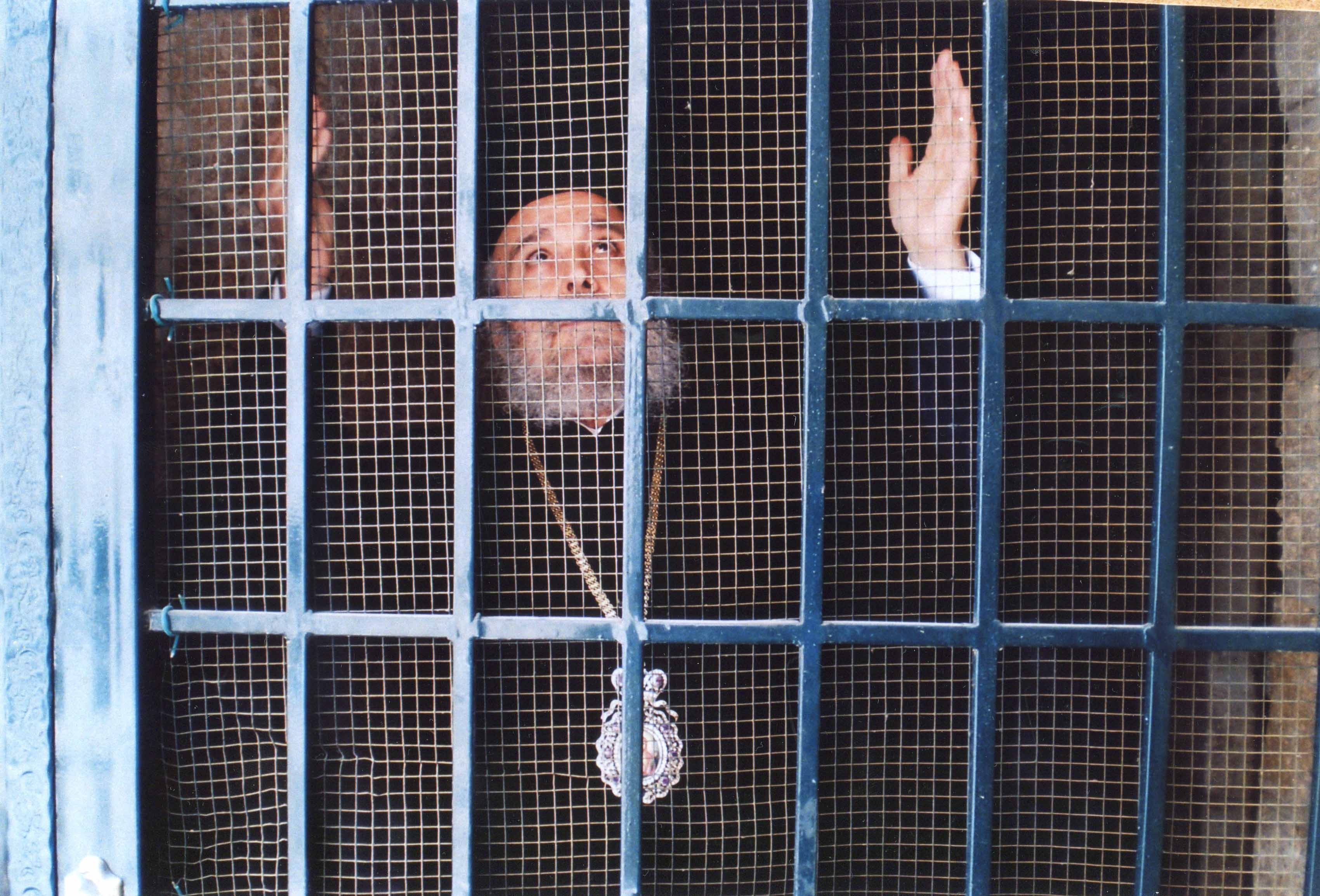
На днях Ватикан обнародовал программный документ, где впервые зафиксирован официальный отказ от миссионерской работы среди иудеев. Отныне евреи – согласно католической доктрине – единственный народ на Земле, не нуждающийся для спасения души в «благой вести» христианства. Получается, несмотря на то, что иудеи не верят в Иисуса, католические богословы признают спасение евреев «теологически бесспорным» и объявляют этот вопиющий парадокс «неразрешимой божественной тайной». Мол, если Всевышний обещал спасти евреев, он сам справится с этой задачей – без помощи христиан.
Этот революционный шаг в развитии христианской теологии был приурочен к 50-летию Nostra Aetate – декларации Второго Ватиканского собора, на котором было в значительной степени пересмотрено отношение католичества к иудаизму и осуждены попытки насильственного крещения евреев.
Напомним, что до 1960-х годов каждую Страстную пятницу евреев обвиняли в «вероломстве», читай – распятии, и это обвинение было изъято из литургии именно Вторым Ватиканским собором, объявившим, что «завет между Б-гом и евреями продолжает действовать». Теперь же Папский престол сделал следующий шаг, объявив излишним и добровольное приобщение евреев к христианской вере.
Документ под названием «Дары (т. е. дары евреям) и призвание Б-жье безвозвратны» содержит ряд важных посылов. В частности, отмечается, что христиане не могут быть антисемитами, поскольку их религия уходит корнями в иудаизм.Более того, на недавней встрече с еврейскими религиозными лидерами папа Франциск заявил, что антисемитизмом являются не только нападки на евреев, но и выступления против Израиля.
Всё это не означает, что в отношениях между иудаизмом и Римом не осталось проблем – они есть. Так, например, до сих пор не обнародованы данные о еврейских детях, спасенных католической церковью в годы Холокоста и не возвращенных в еврейскую общину – на рассекречивании этой информации настаивают еврейские организации.
Но в целом Святой престол делает всё возможное для диалога с евреями – именно от католических теологов исходила инициатива отмечать во всем мире День иудаизма, чтобы «подчеркнуть еврейские корни христианства и содействовать христианско-иудейскому диалогу».
В некоторых странах, включая Италию, Австрию, Нидерланды и Польшу, уже существует подобный день. Его проводят 17 января. Его мероприятия включают в себя научные конференции и дискуссии по отношениям между иудеями и христианскими церквями, семинары по традициям иудаизма, концерты еврейской национальной музыки, выставки и другое.
Особенности проведения "Дня иудаизма" в разных странах должны определить местные Епископские конференции, поскольку отношения между католической церковью и иудаизмом в разных странах складываются по-разному.
(Из Михаила Гольда.)
Большинство протестантских церквей и течений давно отказались от анти-еврейской риторики. Католическая церковь медленно и постепенно движется в том же направлении, теперь уже можно сказать, что ею пройдена большая часть пути.
А что же происходит в православных церквях, прежде всего в РПЦ? Пребывают всё в той же позиции злобы и нетерпимости, включая поддержку кровавого навета об употребления евреями крови христианских младенцев? (Я имею в виду поклонение понтифика РПЦ Кирилла-Гундяева мощам Гавриила Белостокского "умученного жидами").
+++
22 фев, 2016 at 9:12 PM
кр. крест
close-to-corinth
Тут снова страсти по поводу недавнего ватиканского документа про миссию к иудеям. К счастью, никакого отказа от миссии нет.
Иначе это было бы просто предательством Христа.
Ведь спасение (согласно Павлу и согласно Евангелию) только через Мессию Иисуса.
Другого Пути спасения нет.
Итак, пишет mikhail_zeleny
О новом документе Ватикана по иудео-христианскому диалогу
Комиссия Ватикана по отношениям с евреями обнародовала 10 декабря документ под названием Дары и призвание Божье непреложны, вызвавший разговоры об отказе Ватикана от миссии к евреям и даже о (якобы) признании иудаизма как равноценного христианству пути к Богу для евреев. Мне такие оценки представляются неверными.
Насколько я понял из этого ватиканского документа (я его читал, не без помощи гуглпереводчика, правда), речь идёт всего лишь об отказе только от миссии к евреям как организованного института, но не от свидетельства перед евреями как такового.
Прямо оговорено, что не принимается позиция "двух равноправных путей к Богу": иудаизма (соблюдения Торы) как пути для евреев и христианства (веры в Иисуса) для неевреев. Т.е. принципиально ничего не изменилось (и слава Богу, с моей точки зрения, т.к. обратное было бы изменой Христу), просто иначе расставляются акценты (и тоже, я считаю, слава Богу) - Деян.3:17 ("Впрочем я знаю, братия, что вы, как и начальники ваши, сделали это по неведению") отдается приоритет перед Мф.27:6 ("Кровь Его на нас и на детях наших"). Ну и диалог (в т.ч. и полемика, и свидетельство) переводится из плоскости внешнего диалога (между "чужими") в плоскость диалога внутреннего (между "своими"). Как оно, собственно, и было когда-то в 1-м веке.
Короче говоря, документ не запрещает христианину на вопрос еврея "Слушай, ну как ты думаешь - может, мы, евреи, и без Иисуса в Мире Грядущем удел иметь будем? Может, нам не обязательно в Иисуса веровать - это только для вас, неевреев?" ответить "нет". И крестить еврея, изъявившее такого желание, документ не запрещает. А вот чего он запрещает - это, что называется, "лезть без мыла" к евреям в стилистике небезызвестных "Евреев за Иисуса" - "Ви таки знаете, что такое нахес и что такое тухес? Так вот - с Иешуа у вас будет нахес, а без Иешуа у вас будет полный тухес!" :)
Но, собственно, "лезть без мыла" - плохая миссионерская стратегия не только по отношению к евреям. По большому счету, времена миссий как организованного института давно прошли, и это касается миссий как к евреям, так и к неевреям. Не работает это сейчас, зато работает другое - индивидуальное свидетельство, индивидуальный диалог и т.п. А миссия как массовая кампания... что она сейчас вообще дать может, во всяком случае в развитом мире? Про то, что существует такая штука, как христианство, там уже давно все слышали, поэтому просто не осбого смысла в массовых "миссионерских кампаниях" а-ля Билли Грэм, массовых раздачах Нового Завета и т.п. Так что католики отказались, в сущности, от вещи давно уже ненужной.
5. The universality of salvation in Jesus Christ and God’s unrevoked covenant with Israel
Since God has never revoked his covenant with his people Israel, there cannot be different paths or approaches to God’s salvation. The theory that there may be two different paths to salvation, the Jewish path without Christ and the path with the Christ, whom Christians believe is Jesus of Nazareth, would in fact endanger the foundations of Christian faith. Confessing the universal and therefore also exclusive mediation of salvation through Jesus Christ belongs to the core of Christian faith. So too does the confession of the one God, the God of Israel, who through his revelation in Jesus Christ has become totally manifest as the God of all peoples, insofar as in him the promise has been fulfilled that all peoples will pray to the God of Israel as the one God (cf. Is 56:1-8). The document “Notes on the correct way to present the Jews and Judaism in preaching and catechesis in the Roman Catholic Church” published by the Holy See’s Commission for Religious Relations with the Jews in 1985 therefore maintained that the Church and Judaism cannot be represented as “two parallel ways to salvation”, but that the Church must “witness to Christ as the Redeemer for all” (No.I, 7). The Christian faith confesses that God wants to lead all people to salvation, that
Jesus Christ is the universal mediator of salvation, and that there is no “other name under heaven given to the human race by which we are to be saved” (Acts 4:12).
From the Christian confession that there can be only one path to salvation, however, it does not in any way follow that the Jews are excluded from God’s salvation because they do not believe in Jesus Christ as the Messiah of Israel and the Son of God. Such a claim would find no support in the soteriological understanding of Saint Paul, who in the Letter to the Romans not only gives expression to his conviction that there can be no breach in the history of salvation, but that salvation comes from the Jews (cf. also Jn 4:22). God entrusted Israel with a unique mission, and He does not bring his mysterious plan of salvation for all peoples (cf. 1 Tim 2:4) to fulfilment without drawing into it his “first-born son” (Ex 4:22). From this it is self-evident that Paul in the Letter to the Romans definitively negates the question he himself has posed, whether God has repudiated his own people. Just as decisively he asserts: “For the gifts and the call of God are irrevocable” (Rom 11:29). That the Jews are participants in God’s salvation is theologically unquestionable, but how that can be possible without confessing Christ explicitly, is and remains an unfathomable divine mystery. It is therefore no accident that Paul’s soteriological reflections in Romans 9-11 on the irrevocable redemption of Israel against the background of the Christ-mystery culminate in a magnificent doxology: “Oh, the depth of the riches and wisdom and knowledge of God! How inscrutable are his judgments and how unsearchable his ways” (Rom 11:33). Bernard of Clairvaux (De cons. III/1,3) says that for the Jews “a determined point in time has been fixed which cannot be anticipated”.
Another focus for Catholics must continue to be the highly complex theological question of how Christian belief in the universal salvific significance of Jesus Christ can be combined in a coherent way with the equally clear statement of faith in the never-revoked covenant of God with Israel. It is the belief of the Church that Christ is the Saviour for all. There cannot be two ways of salvation, therefore, since Christ is also the Redeemer of the Jews in addition to the Gentiles. Here we confront the mystery of God’s work, which is not a matter of missionary efforts to convert Jews, but rather the expectation that the Lord will bring about the hour when we will all be united, “when all peoples will call on God with one voice and ‘serve him shoulder to shoulder’ ” (“Nostra aetate”, No.4). The Declaration of the Second Vatican Council on Judaism, that is the fourth article of “Nostra aetate”, is located within a decidedly theological framework regarding the universality of salvation in Jesus Christ and God’s unrevoked covenant with Israel. That does not mean that all theological questions which arise in the relationship of Christianity and Judaism were resolved in the text. These questions were introduced in the Declaration, but require further theological reflection. Of course, there had been earlier magisterial texts which focussed on Judaism, but “Nostra aetate” (No.4) provides the first theological overview of the relationship of the Catholic Church to the Jews.
Because it was such a theological breakthrough, the Conciliar text is not infrequently over-interpreted, and things are read into it which it does not in fact contain. An important example of over-interpretation would be the following: that the covenant that God made with his people Israel perdures and is never invalidated. Although this statement is true, it cannot be explicitly read into “Nostra aetate” (No.4). This statement was instead first made with full clarity by Saint Pope John Paul II when he said during a meeting with Jewish representatives in Mainz on 17 November 1980 that the Old Covenant had never bee n revoked by God: “The first dimension of this dialogue, that is, the meeting between the people of God of the Old Covenant, never revoked by God ... and that of the New Covenant, is at the same time a dialogue within our Church, that is to say, between the first and the second part of her Bible” (No.3). The same conviction is stated also in t he Catechism of the Church in 1993: “The Old Covenant has never been revoked” (121).
The Church’s mandate to evangelize in relation to Judaism
It is easy to understand that the so-called ‘mission to the Jews’ is a very delicate and sensitive matter for Jews because, in their eyes, it involves the very existence of the Jewish people. This question also proves to be awkward for Christians, because for them the universal salvific significance of Jesus Christ and consequently the universal mission of the Church are of fundamental importance. The Church is therefore obliged to view evangelisation to Jews, who believe in the one God, in a different manner from that to people of other religions and world views. In concrete terms this means that the Catholic Church neither conducts nor supports any specific institutional mission work directed towards Jews. While there is a principled rejection of an institutional Jewish mission, Christians are nonetheless called to bear witness to their faith in Jesus Christ also to Jews, although they should do so in a humble and sensitive manner, acknowledging that Jews are bearers of God’s Word, and particularly in view of the great tragedy of the Shoah.
The concept of mission must be presented correctly in dialogue between Jews and Christians. Christian mission has its origin in the sending of Jesus by the Father. He gives his disciples a share in this call in relation to God’s people of Israel (cf. Mt 10:6) and then as the risen Lord with regard to all nations (cf. Mt 28:19). Thus the people of God attains a new dimension through Jesus, who calls his Church from both Jews and Gentiles (cf. Eph 2:1122) on the basis of faith in Christ and by means of baptism, through which there is incorporation into his Body which is the Church (“Lumen gentium”, 14). Christian mission and witness, in personal life and in proclamation, belong together. The principle that Jesus gives his disciples when he sends them out is to suffer violence rather than to inflict violence. Christians must put their trust in God, who will carry out his universal plan of salvation in ways that only he knows, for they are witnesses to Christ, but they do not themselves have to implement the salvation of humankind. Zeal for the “house of the Lord” and confident trust in the victorious deeds of God belong together. Christian mission means that all Christians, in community with the Church, confess and proclaim the historical realisation of God’s universal will for salvation in Christ Jesus (cf. “Ad gentes”, 7). They experience his sacramental presence in the liturgy and make it tangible in their service to others, especially those in need.
It is and remains a qualitative definition of the Church of the New Covenant that it consists of Jews and Gentiles, even if the quantitative proportions of Jewish and Gentile Christians may initially give a different impression. Just as after the death and resurrection of Jesus Christ there were not two unrelated covenants, so too the people of the covenant of Israel are not disconnected from ‘the people of God drawn from the Gentiles’. Rather, the enduring role of the covenant people of Israel in God’s plan of salvation is to relate dynamically to the ‘people of God of Jews and Gentiles, united in Christ’, he whom the Church confesses as the universal mediator of creation and salvation. In the context of God’s universal will of salvation, all people who have not yet received the gospel are aligned with the people of God of the New Covenant. “In the first place there is the people to whom the covenants and promises were given and from whom Christ was born according to the flesh (cf. Rom 9:4-5). On account of their fathers this people remains most dear to God, for he does not repent of the gifts he makes nor of the calls he issues (cf. Rom 11:28-29)” (“Lumen gentium”, 16).
The goals of dialogue with Judaism
The first goal of the dialogue is to add depth to the reciprocal knowledge of Jews and Christians. One can only learn to love what one has gradually come to know, and one can only know truly and profoundly what one loves. This profound knowledge is accompanied by a mutual enrichment whereby the dialogue partners become the recipients of gifts. The Conciliar declaration “Nostra aetate” (No. 4) speaks of the rich spiritual patrimony that should be further discovered step by step through biblical and theological studies and through dialogue. To that extent, from the Christian perspective, an important goal is the mining of the spiritual treasures concealed in Judaism for Christians. In this regard one must mention above all the interpretation of the Sacred Scriptures. In the foreword by Cardinal Joseph Ratzinger to the 2001 document of the Pontifical Biblical Commission “The Jewish People and their Sacred Scriptures in the Christian Bible”, the respect of Christians for the Jewish interpretation of the Old Testament is stressed. It highlights that “Christians can learn a great deal from a Jewish exegesis practised for more than 2000 years; in return Christians may hope that Jews can profit from Christian exegetical research.” In the field of exegesis many Jewish and Christian scholars now work together and find their collaboration mutually fruitful precisely because they belong to different religious traditions.
This reciprocal acquiring of knowledge must not be limited to specialists alone. Therefore it is important that Catholic educational institutions, particularly in the training of priests, integrate into their curricula both “Nostra aetate” and the subsequent documents of the Holy See regarding the implementation of the Conciliar declaration. The Church is also grateful for the analogous efforts within the Jewish community. The fundamental changes in relations between Christians and Jews which were initiated by “Nostra aetate” (No. 4) must also be made known to the coming generations and be received and disseminated by them. One important goal of Jewish-Christian dialogue certainly consists in joint engagement throughout the world for justice, peace, conservation of creation, and reconciliation. In the past, it may have been that the different religions - against the background of a narrowly understood claim to truth and a corresponding intolerance - contributed to the incitement of conflict and confrontation. But today religions should not be part of the problem, but part of the solution. Only when religions engage in a successful dialogue with one another, and in that way contribute towards world peace, can this be realised also on the social and political levels. Religious freedom guaranteed by civil authority is the prerequisite for such dialogue and peace. In this regard, the litmus-test is how religious minorities are treated, and which rights of theirs are guaranteed. In Jewish-Christian dialogue the situation of Christian communities in the state of Israel is of great relevance, since there - as nowhere else in the world - a Christian minority faces a Jewish majority. Peace in the Holy Land - lacking and constantly prayed for - plays a major role in dialogue between Jews and Christians.
Another important goal of Jewish-Catholic dialogue consists in jointly combatting all manifestations of racial discrimination against Jews and all forms of anti-Semitism, which have certainly not yet been eradicated and re-emerge in different ways in various contexts. History teaches us where even the slightest perceptible forms of anti-Semitism can lead: the human tragedy of the Shoah in which two-thirds of European Jewry were annihilated. Both faith traditions are called to maintain together an unceasing vigilance and sensitivity in the social sphere as well. Because of the strong bond of friendship between Jews and Catholics, the Catholic Church feels particularly obliged to do all that is possible with our Jewish friends to repel anti-Semitic tendencies. Pope Francis has repeatedly stressed that a Christian can never be an anti-Semite, especially because of the Jewish roots of Christianity.Justice and peace, however, should not simply be abstractions within dialogue, but should also be evidenced in tangible ways. The social-charitable sphere provides a rich field of activity, since both Jewish and Christian ethics include the imperative to support the poor, disadvantaged and sick. Thus, for example, the Holy See’s Commission for Religious Relations with the Jews and the International Jewish Committee on Interreligious Consultations (IJCIC) worked together in 2004 in Argentina during the financial crisis in that country to organise joint soup kitchens for the poor and homeless, and to enable impoverished children to attend school by providing meals for them. Most Christian churches have large charitable organisations, which likewise exist within Judaism. These would be able to work together to alleviate human need. Judaism teaches that the commandment “to walk in His ways” (Deut 11:22) requires the imitation of the Divine Attributes (Imitatio Dei) through care for the vulnerable, the poor and the suffering (Babylonian Talmud, Sotah 14a). This principle accords with Jesus’ instruction to support those in need (cf. eg. Mt 25:35-46). Jews and Christians cannot simply accept poverty and human suffering; rather they must strive to overcome these problems.
When Jews and Christians make a joint contribution through concrete humanitarian aid for justice and peace in the world, they bear witness to the loving care of God. No longer in confrontational opposition but cooperating side by side, Jews and Christians should seek to strive for a better world. Saint Pope John Paul II called for such cooperation in his address to the Central Council of German Jewry and to the Conference of Rabbis in Mainz on 17 November 1980: “Jews and Christians, as children of Abraham, are called to be a blessing for the world ... , by committing themselves together for peace and justice among all men and peoples, with the fullness and depth that God himself intended us to have, and with the readiness for sacrifices that this goal may demand”.
Vatican issues new document on Christian-Jewish dialogue
174
1361
Print
2015-12-10 Vatican Radio
(Vatican Radio) The Vatican’s Commission for Religious Relations with Jews has released a new document exploring the unresolved theological questions at the heart of Christian-Jewish dialogue.
The new document, entitled ‘The Gifts and Calling of God are irrevocable’, marks the 50th anniversary of the ground-breaking declaration ‘Nostra Aetate’. It was presented at a press conference in the Vatican on Thursday, by Cardinal Kurt Koch, Fr Norbert Hofmann of the Vatican Commission, together with two Jewish representatives, Rabbi David Rosen, International Director of Interreligious Affairs for the American Jewish Committee, and Dr Ed Kessler, founding director of the Cambridge Woolf Institute.
Please find below the full text of the document "The Gifts and Calling of God are irrevocable"
COMMISSION FOR RELIGIOUS RELATIONS WITH THE JEWS
“THE GIFTS AND THE CALLING OF GOD ARE IRREVOCABLE” (Rom 11:29)
A REFLECTION ON THEOLOGICAL QUESTIONS PERTAINING TO CATHOLIC-JEWISH RELATIONS ON THE OCCASION OF THE 50TH ANNIVERSARY OF “NOSTRA AETATE” (NO.4)
INDEX
A brief history of the impact of “Nostra aetate” (No.4) over the last 50 years
The special theological status of Jewish-Catholic dialogue Revelation in history as ‘Word of God’ in Judaism and Christianity
The relationship between the Old and New Testament and the Old and New Covenant
5. The universality of salvation in Jesus Christ and God’s unrevoked covenant with Israel
The Church’s mandate to evangelize in relation to Judaism
The goals of dialogue with Judaism
PREFACE
Fifty years ago, the declaration “Nostra aetate ” of the Second Vatican Council was promulgated. Its fourth article presents the relationship between the Catholic Church and the Jewish people in a new theological framework. The following reflections aim at looking back with gratitude on all that has been achieved over the last decades in the Jewish-Catholic relationship, providing at the same time a new stimulus for the future. Stressing once again the unique status of this relationship within the wider ambit of interreligious dialogue, theological questions are further discussed, such as the relevance of revelation, the relationship between the Old and the New Covenant, the relationship between the universality of salvation in Jesus Christ and the affirmation that the covenant of God with Israel has never been revoked, and the Church’s mandate to evangelize in relation to Judaism. This document presents Catholic reflections on these questions, placing them in a theological context, in order that their significance may be deepened for members of both faith traditions. The text is not a magisterial document or doctrinal teaching of the Catholic Church, but is a reflection prepared by the Commission for Religious Relations with the Jews on current theological questions that have developed since the Second Vatican Council. It is intended to be a starting point for further theological thought with a view to enriching and intensifying the theological dimension of Jewish-Catholic dialogue.
1. A brief history of the impact of “Nostra aetate” (No.4) over the last 50 years
“Nostra aetate” (No.4) is rightly counted among those documents of the Second Vatican Council which have been able to effect, in a particularly striking manner, a new direction of the Catholic Church since then. This shift in the relations of the Church with the Jewish people and Judaism becomes apparent only when we recall that there were previously great reservations on both sides, in part because the history of Christianity has been seen to be discriminatory against Jews, even including attempts at forced conversion (cf. “Evangelii gaudium”, 248). The background of this complex connection consists inter alia in an asymmetrical relationship: as a minority the Jews were often confronted by and dependent upon a Christian majority. The dark and terrible shadow of the Shoah over Europe during the Nazi period led the Church to reflect anew on her bond with the Jewish people.
The fundamental esteem for Judaism expressed in “Nostra aetate” (No.4) however has enabled communities that once faced one another with scepticism to become - step by step over the years - reliable partners and even good friends, capable of weathering crises together and negotiating conflicts positively. Therefore, the fourth article of “Nostra aetate” is recognised as the solid foundation for improving the relationship between Catholics and Jews. For the practical implementation of “Nostra aetate” (No.4), Blessed Pope Paul VI on 22 October 1974 established the Commission for Religious Relations with the Jews which, although organisationally attached to the Pontifical Council for Promoting Christian Unity, is operationally independent and entrusted with the task of accompanying and fostering religious dialogue with Judaism. From a theological perspective it also makes good sense to link this Commission with the Council for Promoting Christian Unity, since the separation between Synagogue and Church may be viewed as the first and most far-reaching breach among the chosen people.
Within a year of its foundation, the Holy See’s Commission published its first official document on 1 December 1974, with the title “Guidelines and Suggestions for Implementing the Conciliar Declaration Nostra Aetate (No.4)”. The crucial and new concern of this document consists in becoming acquainted with Judaism as it defines itself, giving expression to the high esteem in which Christianity holds Judaism and stressing the great significance for the Catholic Church of dialogue with the Jews, as stated in the words of the document: “On the practical level in particular, Christians must therefore strive to acquire a better knowledge of the basic components of the religious tradition of Judaism: they must strive to learn by what essential traits the Jews define themselves in the light of their own religious experience” (Preamble). On the basis of the Church’s witness of faith in Jesus Christ, the document reflects upon the specific nature of the Church’s dialogue with Judaism. Reference is made in the text to the roots of Christian liturgy in its Jewish matrix, new possibilities are outlined for rapprochement in the spheres of teaching, education and training, and finally suggestions are made for joint social action. Eleven years later on 24 June 1985, the Holy See’s Commission issued a second document entitled “Notes on the correct way to present the Jews and Judaism in preaching and catechesis in the Roman Catholic Church”. This document has a stronger theolo gical- exegetical orientation insofar as it reflects on the relationship of the Old and New Testaments, delineates the Jewish roots of the Christian faith, explicates the manner in which ‘the Jews’ are represented in the New Testament, points out commonalities in liturgy, above all in the great festivals of the church year, and briefly focuses on the relationship of Judaism and Christianity in history. With regard to the “land of the forefathers” the document emphasizes: “Christians are invited to understand this religious attachment which finds its roots in Biblical tradition, without however making their own any particular religious interpretation of this relationship. ... The existence of the State of Israel and its political options should be envisaged not in a perspective which is in itself religious, but in their reference to the common principles of international law.” The permanence of Israel is however to be perceived as an “historic fact and a sign to be interpreted within God’s design” (VI, 1).
A third document of the Commission for Religious Relations with the Jews was presented to the public on 16 March 1998. It deals with the Shoah under the title “We remember. A reflection on the Shoah”. This text delivers the harsh but accurate judgement that the balance of the 2000-year relationship between Jews and Christians is regrettably negative. It recalls the attitude of Christians towards the anti-Semitism of the National Socialists and focuses on the duty of Christians to remember the human catastrophe of the Shoah. In a letter at the beginning of this declaration Saint Pope John Paul II expresses his hope that this document will truly “help to heal the wounds of past misunderstandings and injustices. May it enable memory to play its necessary part in the process of shaping a future in which the unspeakable iniquity of the Shoah will never again be possible.” In the series of documents issued by the Holy See, reference must be made to the text published by the Pontifical Biblical Commission on 24 May 2001, which deals explicitly with Jewish-Catholic dialogue: “The Jewish People and their Sacred Scriptures in the Christian Bible”. This represents the most significant exegetical and theological document of the Jewish-Catholic dialogue and is a treasure-trove of common issues which have their basis in the Scriptures of Judaism and Christianity. The Sacred Scriptures of the Jewish people are considered a “fundamental component of the Christian Bible”, the fundamental themes of the Holy Scripture of the Jewish people and their adoption into the faith in Christ are discussed, and the manner in which Jews are represented in the New Testament is illustrated in detail.
Texts and documents, as important as they are, cannot replace personal encounters and face-to-face dialogues. While under Blessed Pope Paul VI the first steps in Jewish- Catholic dialogue were undertaken, Saint Pope John Paul II succeeded in fostering and deepening this dialogue through compelling gestures towards the Jewish people. He was the first pope to visit the former concentration camp of Auschwitz-Birkenau to pray for the victims of the Shoah, and he visited the Roman Synagogue to express his solidarity with the Jewish community. In the context of an historical pilgrimage to the Holy Land, he was also a guest of the state of Israel where he participated in interreligious encounters, paid a visit to both Chief Rabbis and prayed at the Western Wall. Again and again he met with Jewish groups, whether in the Vatican or during his numerous apostolic journeys. So too Benedict XVI, even before his election to the papacy, engaged in Jewish-Catholic dialogue by offering in a series of lectures important theological reflections on the relationship between the Old and the New Covenant, and the Synagogue and the Church. Following his election and in the footsteps of Saint Pope John Paul II he fostered this dialogue in his own way by reinforcing the same gestures and giving expression to his esteem for Judaism through the power of his words. As Archbishop of Buenos Aires, Cardinal Jorge Mario Bergoglio was greatly committed to fostering Jewish-Catholic dialogue and had many friends among the Jews of Argentina. Now as Pope he continues, at the international level, to intensify dialogue with Judaism through many friendly encounters. One of his first such encounters was in May 2014 in Israel, where he met with the two Chief Rabbis, visited the Western Wall, and prayed for the victims of the Shoah in Yad Vashem. Even before the establishment of the Holy See’s Commission, there were contacts and links with various Jewish organisations through the then Secretariat for Promoting Christian Unity. Since Judaism is multi-facetted and not constituted as an organisational unity, the Catholic Church was faced with the challenge of determining with whom to engage, because it was not possible to conduct individual and independent bilateral dialogues with all Jewish groupings and organisations which had declared their readiness to dialogue. To resolve this problem the Jewish organisations took up the suggestion of the Catholic Church to establish a single organisation for this dialogue. The International Jewish Committee on Interreligious Consultations (IJCIC) is the official Jewish representative to the Holy See’s Commission for Religious Relations with the Jews.
The IJCIC began its work in 1970, and a year later the first joint conference was organized in Paris. The conferences which have been conducted regularly since are the responsibility of the entity known as the International Catholic-Jewish Liaison Committee (ILC), and they shape the collaboration between the IJCIC and the Holy See’s Commission. In February 2011, once more in Paris, the ILC was able to look back with gratitude on 40 years of institutional dialogue. Much has developed over the past 40 years; the former confrontation has turned into successful cooperation, the previous potential for conflict has become positive conflict management, and the past co-existence marked by tension has been replaced by resilient and fruitful mutuality. The bonds of friendship forged in the meantime have proved to be stable, so that it has become possible to address even controversial subjects together without the danger of permanent damage being done to the dialogue. This was all the more necessary because over the past decades the dialogue had not always been free of tensions. In general, however, one can observe with appreciation that in Jewish-Catholic dialogue since the new millennium above all, intensive efforts have been made to deal openly and positively with any arising differences of opinion and conflicts, in such a way that mutual relations have become stronger. Beside the dialogue with the IJCIC we should also mention the institutional conversation with the Chief Rabbinate of Israel, which is clearly to be seen as a fruit of the encounter of Saint Pope John Paul II with both Chief Rabbis in Jerusalem during his visit to Israel in March 2000. The first meeting was organised in June 2002 in Jerusalem, and since then such meetings have been conducted annually, taking place in Rome and Jerusalem alternately. The two delegations are relatively small so that a very personal and intensive discussion on various subjects is possible, such as on the sanctity of life, the status of the family, the significance of the Sacred Scriptures for life in society, religious freedom, the ethical foundations of human behaviour, the ecological challenge, the relationship of secular and religious authority and the essential qualities of religious leadership in secular society. The fact that the Catholic representatives taking part in the meetings are bishops and priests and the Jewish representatives almost exclusively rabbis permits individual topics to be examined from a religious perspective as well. The dialogue with the Chief Rabbinate of Israel has to that extent enabled more open relations between Orthodox Judaism and the Catholic Church at a global level. After each meeting a joint declaration is published which in each instance has testified to the richness of the common spiritual heritage of Judaism and Christianity and to what valuable treasures are still to be unearthed. In reviewing over more than ten years of dialogue we can gratefully affirm that a strong friendship has resulted which represents a firm foundation for the future.
The efforts of the Holy See’s Commission for Religious Relations with the Jews cannot of course be restricted to these two institutional dialogues. The Commission aims in fact at being open to all streams within Judaism and at maintaining contact with all Jewish groupings and organisations that wish to establish links with the Holy See. The Jewish side shows a particular interest in audiences with the Pope, which are in every instance prepared by the Commission. Besides direct contacts with Judaism the Holy See’s Commission also strives to provide opportunities within the Catholic Church for dialogue with Judaism and to work together with individual Bishops’ Conferences to support them locally in promoting Jewish-Catholic dialogue. The introduction of the ‘Day of Judaism’ in some European countries is a good example of this. Over the past decades both the ‘dialogue ad extra’ and the ‘dialogue ad intra’ have led with increasing clarity to the awareness that Christians and Jews are irrevocably interdependent, and that the dialogue between the two is not a matter of choice but of duty as far as theology is concerned. Jews and Christians can enrich one another in mutual friendship. Without her Jewish roots the Church would be in danger of losing its soteriological anchoring in salvation history and would slide into an ultimately unhistorical Gnosis. Pope Francis states that “while it is true that certain Christian beliefs are unacceptable to Judaism, and that the Church cannot refrain from proclaiming Jesus as Lord and Messiah, there exists as well a rich complementarity which allows us to read the texts of the Hebrew Scriptures together and to help one another to mine the riches of God’s word. We can also share many ethical convictions and a common concern for justice and the development of peoples” (“Evangelii gaudium”, 249).
The special theological status of Jewish-Catholic dialogue
The dialogue with Judaism is for Christians something quite special, since Christianity possesses Jewish roots which determine relations between the two in a unique way (cf. “Evangelii gaudium”, 247). In spite of the historical breach and the painful conflicts arising from it, the Church remains conscious of its enduring continuity with Israel. Judaism is not to be considered simply as another religion; the Jews are instead our “elder brothers” (Saint Pope John Paul II), our “fathers in faith” (Benedict XVI). Jesus was a Jew, was at home in the Jewish tradition of his time, and was decisively shaped by this religious milieu (cf. “Ecclesia in Medio Oriente”, 20). His first disciples gathered around him had the same heritage and were defined by the same Jewish tradition in their everyday life. In his unique relationship with his heavenly Father, Jesus was intent above all on proclaiming the coming of the Kingdom of God. “The time is fulfilled and the kingdom of God is at hand, repent and believe in the gospel” (Mk 1:15). Within Judaism there were many very different kinds of ideas regarding how the kingdom of God would be realised, and yet Jesus’ central message on the Kingdom of God is in accordance with some Jewish thinking of his day. One cannot understand Jesus’ teaching or that of his disciples without situating it within the Jewish horizon in the context of the living tradition of Israel; one would understand his teachings even less so if they were seen in opposition to this tradition. In Jesus not a few Jews of his time saw the coming of a ‘new Moses’, the promised Christ (Messiah). But his coming nevertheless provoked a drama with consequences still felt today. Fully and completely human, a Jew of his time, descendant of Abraham, son of David, shaped by the whole tradition of Israel, heir of the prophets, Jesus stands in continuity with his people and its history. On the other hand he is, in the light of the Christian faith, himself God - the Son - and he transcends time, history, and every earthly reality. The community of those who believe in him confesses his divinity (cf. Phil 2:6-11). In this sense he is perceived to be in discontinuity with the history that prepared his coming. From the perspective of the Christian faith, he fulfils the mission and expectation of Israel in a perfect way. At the same time, however, he overcomes and transcends them in an eschatological manner. Herein consists the fundamental difference between Judaism and Christianity, that is, how the figure of Jesus is to be evaluated. Jews are able to see Jesus as belonging to their people, a Jewish teacher who felt himself called in a particular way to preach the Kingdom of God. That this Kingdom of God has come with himself as God’s representative is beyond the horizon of Jewish expectation. The conflict between Jesus and the Jewish authorities of his time is ultimately not a matter of an individual transgression of the law, but of Jesus’ claim to be acting with divine authority. The figure of Jesus thus is and remains for Jews the ‘stumbling block’, the central and neuralgic point in Jewish-Catholic dialogue. From a theological perspective, Christians need to refer to the Judaism of Jesus’ time and to a degree also the Judaism that developed from it over the ages for their own self-understanding. Given Jesus’ Jewish origins, coming to terms with Judaism in one way or another is indispensable for Christians. Yet, the history of the relationship between Judaism and Christianity has also been mutually influenced over time.
Dialogue between Jews and Christians then can only be termed ‘interreligious dialogue’ by analogy, that is, dialogue between two intrinsically separate and different religions. It is not the case that two fundamentally diverse religions confront one another after having developed independently of one another or without mutual influence. The soil that nurtured both Jews and Christians is the Judaism of Jesus’ time, which not only brought forth Christianity but also, after the destruction of the temple in the year 70, post-biblical rabbinical Judaism which then had to do without the sacrificial cult and, in its further development, had to depend exclusively on prayer and the interpretation of both written and oral divine revelation. Thus Jews and Christians have the same mother and can be seen, as it were, as two siblings who - as is the normal course of events for siblings - have developed in different directions. The Scriptures of ancient Israel constitute an integral part of the Scriptures of both Judaism and Christianity, understood by both as the word of God, revelation, and salvation history. The first Christians were Jews; as a matter of course they gathered as part of the community in the Synagogue, they observed the dietary laws, the Sabbath and the requirement of circumcision, while at the same time confessing Jesus as the Christ, the Messiah sent by God for the salvation of Israel and the entire human race. With Paul the ‘Jewish Jesus movement’ definitively opens up other horizons and transcends its purely Jewish origins. Gradually his concept came to prevail, that is, that a non-Jew did not have to become first a Jew in order to confess Christ. In the early years of the Church, therefore, there were the so-called Jewish Christians and the Gentile Christians, the ecclesia ex circumcisione and the ecclesia ex gentibus, one Church originating from Judaism, the other from the Gentiles, who however together constituted the one and only Church of Jesus Christ. The separation of the Church from the Synagogue does not take place abruptly however and, according to some recent insights, may not have been complete until well into the third or fourth centuries. This means that many Jewish Christians of the first period did not perceive any contradiction between living in accordance with some aspects of the Jewish tradition and yet confessing Jesus as the Christ. Only when the number of Gentile Christians represented the majority, and within the Jewish community the polemics regarding the figure of Jesus took on sharper contours, did a definitive separation appear to be no longer avoidable. Over time the siblings Christianity and Judaism increasingly grew apart, becoming hostile and even defaming one another. For Christians, Jews were often represented as damned by God and blind since they were unable to recognise in Jesus the Messiah and bearer of salvation. For Jews, Christians were often seen as heretics who no longer followed the path originally laid down by God but who went their own way. It is not without reason that in the Acts of the Apostles Christianity is called ‘the way’ (cf. Acts 9:2; 19:9,23; 24:14,22) in contrast to the Jewish Halacha which determined the interpretation of the law for practical conduct. Over time Judaism and Christianity became increasingly alienated from one another, even becoming involved in ruthless conflicts and accusing one another of abandoning the path prescribed by God.
On the part of many of the Church Fathers the so-called replacement theory or supersessionism steadily gained favour until in the Middle Ages it represented the standard theological foundation of the relationship with Judaism: the promises and commitments of God would no longer apply to Israel because it had not recognised Jesus as the Messiah and the Son of God, but had been transferred to the Church of Jesus Christ which was now the true ‘new Israel’, the new chosen people of God. Arising from the same soil, Judaism and Christianity in the centuries after their separation became involved in a theological antagonism which was only to be defused at the Second Vatican Council. With its Declaration “Nostra aetate” (No.4) the Church unequivocally professes, within a new theological framework, the Jewish roots of Christianity. While affirming salvation through an explicit or even implicit faith in Christ, the Church does not question the continued love of God for the chosen people of Israel. A replacement or supersession theology which sets against one another two separate entities, a Church of the Gentiles and the rejected Synagogue whose place it takes, is deprived of its foundations. From an originally close relationship between Judaism and Christianity a long-term state of tension had developed, which has been gradually transformed after the Second Vatican Council into a constructive dialogue relationship. There have often been attempts to identify this replacement theory in the Epistle to the Hebrews. This Epistle, however, is not directed to the Jews but rather to the Christians of Jewish background who have become weary and uncertain. Its purpose is to strengthen their faith and to encourage them to persevere, by pointing to Christ Jesus as the true and ultimate high priest, the mediator of the new covenant. This context is necessary to understand the Epistle’s contrast between the first purely earthly covenant and a second better (cf. Heb 8:7) and new covenant (cf. 9:15, 12:24). The first covenant is defined as outdated, in decline and doomed to obsolescence (cf. 8:13), while the second covenant is defined as everlasting (cf. 13:20). To establish the foundations of this contrast the Epistle refers to the promise of a new covenant in the Book of the Prophet Jeremiah 31:31-34 (cf. Heb 8:8-12). This demonstrates that the Epistle to the Hebrews has no intention of proving the promises of the Old Covenant to be false, but on the contrary treats them as valid. The reference to the Old Testament promises is intended to help Christians to be sure of their salvation in Christ. At issue in the Epistle to the Hebrews is not the contrast of the Old and New Covenants as we understand them today, nor a contrast between the church and Judaism. Rather, the contrast is between the eternal heavenly priesthood of Christ and the transitory earthly priesthood. The fundamental issue in the Epistle to the Hebrews in the new situation is a Christological interpretation of the New Covenant. For exactly this reason, “Nostra aetate” (No.4) did not refer to the Epistle to the Hebrews, but rather to Saint Paul’s reflections in his letter to the Romans 9-11.
For an outside observer, the Conciliar Declaration “Nostra aetate” could give the impression that the text deals with the relations of the Catholic Church with all world religions in a relationship based on parity, but the history of its development and the text itself point in a different direction. Originally Saint Pope John XXIII proposed that the Council should promulgate a Tractatus de Iudaeis, but in the end the decision was made to give consideration to all world religions in “Nostra aetate”. However, the fourth article of this Conciliar Declaration, which deals with a new theological relationship with Judaism, represents almost the heart of the document, in which a place is also made for the Catholic
Church’s relationship with other religions. The relationship with Judaism can in that sense be seen as the catalyst for the determination of the relationship with the other world religions.
Nevertheless, from the theological perspective the dialogue with Judaism has a completely different character and is on a different level in comparison with the other world religions. The faith of the Jews testified to in the Bible, found in the Old Testament, is not for Christians another religion but the foundation of their own faith, although clearly the figure of Jesus is the sole key for the Christian interpretation of the Scriptures of the Old Testament. The cornerstone of the Christian faith is Jesus (cf. Acts 4:11; 1 Pt 2:4-8). However, the dialogue with Judaism occupies a unique position for Christians; Christianity is by its roots connected with Judaism as with no other religion. Therefore the Jewish-Christian dialogue can only with reservations be termed ‘interreligious dialogue’ in the true sense of the expression; one could however speak of a kind of ‘intra-religious’ or ‘intra-familial’ dialogue sui generis. In his address in the Roman Synagogue on 13 April 1986 Saint Pope John Paul II expressed this situation in these words: “The Jewish religion is not ‘extrinsic’ to us but in a certain way is ‘intrinsic’ to our own religion. With Judaism therefore we have a relationship which we do not have with any other religion. You are our dearly beloved brothers and, in a certain way, it could be said that you are our elder brothers.”
Revelation in history as ‘Word of God’ in Judaism and Christianity
We find in the Old Testament God’s plan of salvation presented for his people (cf. “Dei verbum”, 14). This plan of salvation is expressed in an enlightening way at the beginning of biblical history in the call to Abraham (Gen 12ff). In order to reveal himself and speak to humankind, redeeming it from sin and gathering it together as one people, God began by choosing the people of Israel through Abraham and setting them apart. To them God revealed himself gradually through his emissaries, his prophets, as the true God, the only God, the living God, the redeeming God. This divine election was constitutive of the people of Israel. Only after the first great intervention of the redeeming God, the liberation from slavery in Egypt (cf. Ex 13:17ff) and the establishment of the covenant at Sinai (Ex 19ff), did the twelve tribes truly become a nation and become conscious of being the people of God, the bearers of his message and his promises, witnesses of his merciful favour in the midst of the nations and also for the nations (cf. Is 26:1-9; 54; 60; 62). In order to instruct his people on how to fulfil their mission and how to pass on the revelation entrusted to them, God gave Israel the law which defines how they are to live (cf. Ex 20; Deut 5), and which distinguishes them from other peoples.
Like the Church itself even in our own day, Israel bears the treasure of its election in fragile vessels. The relationship of Israel with its Lord is the story of its faithfulness and its unfaithfulness. In order to fulfil his work of salvation despite the smallness and weakness of the instruments he chose, God manifested his mercy and the graciousness of his gifts, as well as his faithfulness to his promises which no human infidelity can nullify (cf. Rom 3:3; 2 Tim 2:13). At every step of his people along the way God set apart at least a ‘small number’ (cf. Deut 4:27), a ‘remnant’ (cf. Is 1:9; Zeph 3:12; cf. also Is 6:13; 17:5-6), a handful of the faithful who ‘have not bowed the knee to Baal’ (cf. 1 Kings 19:18). Through this remnant, God realized his plan of salvation. Constantly the object of his election and love remained the chosen people as through them - as the ultimate goal - the whole of humanity is gathered together and led to him. The Church is called the new people of God (cf. “Nostra aetate”, No.4) but not in the sense that the people of God of Israel has ceased to exist. The Church “was prepared in a remarkable way throughout the history of the people of Israel and by means of the Old Covenant” (“Lumen gentium”, 2). The Church does not replace the people of God of Israel, since as the community founded on Christ it represents in him the fulfilment of the promises made to Israel. This does not mean that Israel, not having achieved such a fulfilment, can no longer be considered to be the people of God. “Although the Church is the new people of God, the Jews should not be presented as rejected or accursed by God, as if this followed from the Holy Scriptures” (“Nostra aetate”, No.4).
God revealed himself in his Word, so that it may be understood by humanity in actual historical situations. This Word invites all people to respond. If their responses are in accord with the Word of God they stand in right relationship with him. For Jews this Word can be learned through the Torah and the traditions based on it. The Torah is the instruction for a successful life in right relationship with God. Whoever observes the Torah has life in its fullness (cf. Pirqe Avot II, 7). By observing the Torah the Jew receives a share in communion with God. In this regard, Pope Francis has stated: “The Christian confessions find their unity in Christ; Judaism finds its unity in the Torah. Christians believe that Jesus Christ is the Word of God made flesh in the world; for Jews the Word of God is present above all in the Torah. Both faith traditions find their foundation in the One God, the God of the Covenant, who reveals himself through his Word. In seeking a right attitude towards God, Christians turn to Christ as the fount of new life, and Jews to the teaching of the Torah.” (Address to me mbers of the International Council of Christians and Jews, 30 June 2015). Judaism and the Christian faith as seen in the New Testament are two ways by which God’s people can make the Sacred Scriptures of Israel their own. The Scriptures which Christians call the Old Testament is open therefore to both ways. A response to God’s word of salvation that accords with one or the other tradition can thus open up access to God, even if it is left up to his counsel of salvation to determine in what way he may intend to save mankind in each instance. That his will for salvation is universally directed is testified by the Scriptures (cf. eg. Gen 12:1-3; Is 2:2-5; 1 Tim 2:4). Therefore there are not two paths to salvation according to the expression “Jews hold to the Torah, Christians hold to Christ”. Christian faith proclaims that Christ’s work of salvation is universal and involves all mankind. God’s word is one single and undivided reality which takes concrete form in each respective historical context.
In this sense, Christians affirm that Jesus Christ can be considered as ‘the living Torah of God’. Torah and Christ are the Word of God, his revelation for us human beings as testimony of his boundless love. For Christians, the pre-existence of Christ as the Word and Son of the Father is a fundamental doctrine, and according to rabbinical tradition the Torah and the name of the Messiah exist already before creation (cf. Genesis Rabbah 1,1). Further, according to Jewish understanding God himself interprets the Torah in the Eschaton, while in Christian understanding everything is recapitulated in Christ in the end (cf. Eph 1:10; Col 1:20). In the gospel of Matthew Christ is seen as it were as the ‘new Moses’. Matthew 5:17-19 presents Jesus as the authoritative and authentic interpreter of the Torah (cf. Lk 24:27, 45-47). In the rabbinical literature, however, we find the identification of the Torah with Moses. Against this background, Christ as the ‘new Moses’ can be connected with the Torah. Torah and Christ are the locus of the presence of God in the world as this presence is experienced in the respective worship communities. The Hebrew dabar means word and event at the same time - and thus one may reach the conclusion that the word of the Torah may be open for the Christ event.
4. The relationship between the Old and New Testament and the Old and New Covenant
The covenant that God has offered Israel is irrevocable. “God is not man, that he should lie” (Num 23:19; cf. 2 Tim 2:13). The permanent elective fidelity of God expressed in earlier covenants is never repudiated (cf. Rom 9:4; 11:1-2). The New Covenant does not revoke the earlier covenants, but it brings them to fulfilment. Through the Christ event Christians have understood that all that had gone before was to be interpreted anew. For Christians the New Covenant has acquired a quality of its own, even though the orientation for both consists in a unique relationship with God (cf. for example, the covenant formula in Lev 26:12, “I will be your God and you will be my people”). For Christians, the New Covenant in Christ is the culminating point of the promises of salvation of the Old Covenant, and is to that extent never independent of it. The New Covenant is grounded in and based on the Old, because it is ultimately the God of Israel who concludes the Old Covenant with his people Israel and enables the New Covenant in Jesus Christ. Jesus lives during the period of the Old Covenant, but in his work of salvation in the New Covenant confirms and perfects the dimensions of the Old. The term covenant, therefore, means a relationship with God that takes effect in different ways for Jews and Christians. The New Covenant can never replace the Old but presupposes it and gives it a new dimension of meaning, by reinforcing the personal nature of God as revealed in the Old Covenant and establishing it as openness for all who respond faithfully from all the nations (cf. Zech 8:20-23; Psalm 87).
Unity and difference between Judaism and Christianity come to the fore in the first instance with the testimonies of divine revelation. With the existence of the Old Testament as an integral part of the one Christian Bible, there is a deeply rooted sense of intrinsic kinship between Judaism and Christianity. The roots of Christianity lie in the Old Testament, and Christianity constantly draws nourishment from these roots. However, Christianity is grounded in the person of Jesus of Nazareth, who is recognised as the Messiah promised to the Jewish people, and as the only begotten Son of God who has communicated himself through the Holy Spirit following his death on the cross and his resurrection. With the existence of the New Testament, the question naturally arose quite soon of how the two testaments are related to one another, whether for example the New Testament writings have not superseded the older writings and nullified them. This position was represented by Marcion, who in the second century held that the New Testament had made the Old Testament book of promises obsolete, destined to fade away in the glow of the new, just as one no longer needs the light of the moon as soon as the sun has risen. This stark antithesis between the Hebrew and the Christian Bible never became an official doctrine of the Christian Church. By excluding Marcion from the Christian community in 144, the Church rejected his concept of a purely “Christian” Bible purged of all Old Testament elements, bore witness to its faith in the one and only God who is the author of both testaments, and thus held fast to the unity of both testaments, the “concordia testamentorum”. This is of course only one side of the relationship between the two testaments. The common patrimony of the Old Testament not only formed the fundamental basis of a spiritual kinship between Jews and Christians but also brought with it a basic tension in the relationship of the two faith communities. This is demonstrated by the fact that Christians read the Old Testament in the light of the New, in the conviction expressed by Augustine in the indelible formula: “In the Old Testament the New is concealed and in the New the Old is revealed” (Quaestiones in Heptateuchum 2, 73). Pope Gregory the Great also spoke in the same sense when he defined the Old Testament as “the prophecy of the New” and the latter as the “best exposition of the Old” (Homiliae in Ezechielem I, VI, 15; cf. “Dei verbum”, 16).
This Christological exegesis can easily give rise to the impression that Christians consider the New Testament not only as the fulfilment of the Old but at the same time as a replacement for it. That this impression cannot be correct is evident already from the fact that Judaism too found itself compelled to adopt a new reading of Scripture after the catastrophe of the destruction of the Second Temple in the year 70. Since the Sadducees who were bound to the temple did not survive this catastrophe, the rabbis, following in the footsteps of the Pharisees, who had already developed their particular mode of reading and interpreting Scripture, now did so without the temple as the centre of Jewish religious devotion. As a consequence there were two responses to this situation, or more precisely, two new ways of reading Scripture, namely the Christological exegesis of the Christians and the rabbinical exegesis of that form of Judaism that developed historically. Since each mode involved a new interpretation of Scripture, the crucial new question must be precisely how these two modes are related to each other. But since the Christian Church and post-biblical rabbinical Judaism developed in parallel, but also in opposition and mutual ignorance, this question cannot be answered from the New Testament alone. After centuries of opposing positions it has been the duty of Jewish-Catholic dialogue to bring these two new ways of reading the Biblical writings into dialogue with one another in order to perceive the “rich complementarity” where it exists and “to help one another to mine the riches of God’s word” (“Evangelii gaudium”, 249). The document of the Pontifical Biblical Commission “The Jewish People and Their Sacred Scriptures in the Christian Bible” in 2001 therefore stated that Christians can and must admit “that the Jewish reading of the Bib le is a possible one, in continuity with the Jewish Scriptures from the Second Temple period, a reading analogous to the Christian reading which developed in parallel fashion”. It then draws the conclusion: “Both readings are bound up with the vision of their respective faiths, of which the readings are the result and expression. Consequently, both are irreducible” (No.22).
Since each of the two readings serves the purpose of rightly understanding God’s will and word, it becomes evident how important is the awareness that the Christian faith is rooted in the faith of Abraham. That raises the further question of how the Old and the New Covenant stand in relation to one another. For the Christian faith it is axiomatic that there can only be one single covenant history of God with humanity. The covenant with Abraham, with circumcision as its sign (cf. Gen 17), and the covenant with Moses restricted to Israel regarding obedience to the law (cf. Ex 19:5; 24:7-8) and in particular the observance of the Sabbath (cf. Ex 31:16-17) had been extended in the covenant with Noah, with the rainbow as its sign (cf. “Verbum Domini”, 117), to the whole of creation (cf. Gen 9:9 ff). Through the prophets God in turn promises a new and eternal covenant (cf. Is 55:3; 61:8; Jer 31:31-34; Ez 36:22-28). Each of these covenants incorporates the previous covenant and interprets it in a new way. That is also true for the New Covenant which for Christians is the final eternal covenant and therefore the definitive interpretation of what was promised by the prophets of the Old Covenant, or as Paul expresses it, the “Yes” and “Amen” to “all that God has promised” (2 Cor 1:20). The Church as the renewed people of God has been elected by God without conditions. The Church is the definitive and unsurpassable locus of the salvific action of God. This however does not mean that Israel as the people of God has been repudiated or has lost its mission (cf. “Nostra aetate”, No.4). The New Covenant for Christians is therefore neither the annulment nor the replacement, but the fulfilment of the promises of the Old Covenant. For Jewish-Christian dialogue in the first instance God’s covenant with Abraham proves to be constitutive, as he is not only the father of Israel but also the father of the faith of Christians. In this covenant community it should be evident for Christians that the covenant that God concluded with Israel has never been revoked but remains valid on the basis of God’s unfailing faithfulness to his people, and consequently the New Covenant which Christians believe in can only be understood as the affirmation and fulfilment of the Old. Christians are therefore also convinced that through the New Covenant the Abrahamic covenant has obtained that universality for all peoples which was originally intended in the call of Abram (cf. Gen 12:1-3). This recourse to the Abrahamic covenant is so essentially constitutive of the Christian faith that the Church without Israel would be in danger of losing its locus in the history of salvation. By the same token, Jews could with regard to the Abrahamic covenant arrive at the insight that Israel without the Church would be in danger of remaining too particularist and of failing to grasp the universality of its experience of God. In this fundamental sense Israel and the Church remain bound to each other according to the covenant and are interdependent.
That there can only be one history of God’s covenant with mankind, and that consequently Israel is God’s chosen and beloved people of the covenant which has never been repealed or revoked (cf. Rom 9:4; 11:29), is the conviction behind the Apostle Paul’s passionate struggle with the dual fact that while the Old Covenant from God continues to be in force, Israel has not adopted the New Covenant. In order to do justice to both facts Paul coined the expressive image of the root of Israel into which the wild branches of the Gentiles have been grafted (cf. Rom 11:16-21). One could say that Jesus Christ bears in himself the living root of the “green olive tree”, and yet in a deeper meaning that the whole promise has its root in him (cf. Jn 8:58). This image represents for Paul the decisive key to thinking of the relationship between Israel and the Church in the light of faith. With this image Paul gives expression to the duality of the unity and divergence of Israel and the Church. On the one hand the image is to be taken seriously in the sense that the grafted wild branches have not their origin as branches in the plant onto which they are grafted and their new situation represents a new reality and a new dimension of God’s work of salvation, so that the Christian Church cannot merely be understood as a branch or a fruit of Israel (cf. Mt 8:1013). On the other hand, the image is also to be taken seriously in the sense that the Church draws nourishment and strength from the root of Israel, and that the grafted branches would wither or even die if they were cut off from the root of Israel (cf. “Ecclesia in Medio Oriente”, 21).
Свершилось. В России появилось научное экспертное заключение, признающее акварель Виктора Васнецова, самого известного иллюстратора русских сказок, предметом, обладающим «невербальным манипулятивным воздействием», сиречь опасным и подпадающим под статью 282 УК РФ.
Такое заключение дали этой акварели эксперты кафедры педагогики и психологии Кировского института повышения квалификации и переподготовки работников образования.
Сказано в экспертном заключении буквально следующее: «Признаки манипулятивного психологического воздействия обнаружены в брошюре «Волхвы», использованы вербальные (словесные, речевые) и невербальные (неречевые) средства. К невербальным манипулятивным воздействиям относится оформление обложки «Волхвы», на которой изображён старец, указывающий отряду воинов направление действия. Старец одет в простую одежду: длинную рубаху, лапти, он только вышел из леса. В описании старца читается образ язычника. Указующий жест руки старца в отношении воинов свидетельствует о его повелевании, обладании определённой властью над ними. Исходя из положения о том, что обложка книги выражает её ключевую идею, можно сделать вывод о стремлении автора к повелеванию, власти над другими людьми, направленности на борьбу».
Может быть, эксперты из института повышения квалификации не знали, что это за картинка? Судя по тому, что они напечатали в своем заключении, они и понятия не имели, что за старец там изображен. К какому произведению нарисовал эту и множество других акварелей прославленный художник?
Вот к этому:
Песнь о вещем Олеге
Как ныне сбирается вещий Олег
Отмстить неразумным хозарам:
Их села и нивы за буйный набег
Обрек он мечам и пожарам;
С дружиной своей, в цареградской броне,
Князь по полю едет на верном коне.
Из темного леса навстречу ему
Идет вдохновенный кудесник,
Покорный Перуну старик одному,
Заветов грядущего вестник,
В мольбах и гаданьях проведший весь век.
И к мудрому старцу подъехал Олег.
«Скажи мне, кудесник, любимец богов,
Что сбудется в жизни со мною?
И скоро ль, на радость соседей-врагов,
Могильной засыплюсь землею?
Открой мне всю правду, не бойся меня:
В награду любого возьмешь ты коня».
«Волхвы не боятся могучих владык,
А княжеский дар им не нужен;
Правдив и свободен их вещий язык
И с волей небесною дружен.
Грядущие годы таятся во мгле;
Но вижу твой жребий на светлом челе,
Запомни же ныне ты слово мое:
Воителю слава — отрада;
Победой прославлено имя твое;
Твой щит на вратах Цареграда;
И волны и суша покорны тебе;
Завидует недруг столь дивной судьбе.
И синего моря обманчивый вал
В часы роковой непогоды,
И пращ, и стрела, и лукавый кинжал
Щадят победителя годы…
Под грозной броней ты не ведаешь ран;
Незримый хранитель могущему дан.
Твой конь не боится опасных трудов:
Он, чуя господскую волю,
То смирный стоит под стрелами врагов,
То мчится по бранному полю,
И холод и сеча ему ничего.
Но примешь ты смерть от коня своего».
Олег усмехнулся — однако чело
И взор омрачилися думой.
В молчанье, рукой опершись на седло,
С коня он слезает угрюмый;
И верного друга прощальной рукой
И гладит и треплет по шее крутой.
«Прощай, мой товарищ, мой верный слуга,
Расстаться настало нам время:
Теперь отдыхай! уж не ступит нога
В твое позлащенное стремя.
Прощай, утешайся — да помни меня.
Вы, отроки-други, возьмите коня!
Покройте попоной, мохнатым ковром;
В мой луг под уздцы отведите:
Купайте, кормите отборным зерном;
Водой ключевою поите».
И отроки тотчас с конем отошли,
А князю другого коня подвели.
Пирует с дружиною вещий Олег
При звоне веселом стакана.
И кудри их белы, как утренний снег
Над славной главою кургана…
Они поминают минувшие дни
И битвы, где вместе рубились они…
«А где мой товарищ? — промолвил Олег,—
Скажите, где конь мой ретивый?
Здоров ли? всё так же ль легок его бег?
Всё тот же ль он бурный, игривый?»
И внемлет ответу: на холме крутом
Давно уж почил непробудным он сном.
Могучий Олег головою поник
И думает: «Что же гаданье?
Кудесник, ты лживый, безумный старик!
Презреть бы твое предсказанье!
Мой конь и доныне носил бы меня».
И хочет увидеть он кости коня.
Вот едет могучий Олег со двора,
С ним Игорь и старые гости,
И видят: на холме, у брега Днепра,
Лежат благородные кости;
Их моют дожди, засыпает их пыль,
И ветер волнует над ними ковыль.
Князь тихо на череп коня наступил
И молвил: «Спи, друг одинокий!
Твой старый хозяин тебя пережил:
На тризне, уже недалекой,
Не ты под секирой ковыль обагришь
И жаркою кровью мой прах напоишь!
Так вот где таилась погибель моя!
Мне смертию кость угрожала!»
Из мертвой главы гробовая змия
Шипя между тем выползала;
Как черная лента, вкруг ног обвилась:
И вскрикнул внезапно ужаленный князь.
Ковши круговые, запенясь, шипят
На тризне плачевной Олега:
Князь Игорь и Ольга на холме сидят;
Дружина пирует у брега;
Бойцы поминают минувшие дни
И битвы, где вместе рубились они.
1822, А.С.Пушкин
Конечно, Пушкин экспертам Кировского института повышения квалификации не указ. Если он называет волхва «вдохновенным кудесником», то, возможно, и сей Пушкин не далеко ушел от 282 статьи. Придет время, и с Олегом разберутся эксперты — язычник и захватчик нашего Цареграда, гонитель хазар, смеющий считать их к тому же неразумными. Здесь не просто 282 статья, а разбой, угроза иностранному государству и разжигание религиозной розни. И какой-то недоучка Васнецов смеет весь этот языческий апофеоз воспевать, вовлекая детей и юношество в сомнения? Анафема.
Вчитаемся, к чему призывает старик?
«Волхвы не боятся могучих владык,
А княжеский дар им не нужен;
Правдив и свободен их вещий язык
И с волей небесною дружен»
Налицо неповиновение властям и бунт. Действительно, правы авторы экспертизы, старик «повелевает и обладает властью над воинами».
По слову злобного старика все предсказания исполнились – представитель власти был укушен змеей, не иначе как насланной на него колдуном.
Короче говоря, и без кировских психологов тут все ясно. Вязать всех – и старика-волхва, и вещего Олега, и Пушкина, и Васнецова.
Можно было бы все списать на неграмотность экспертов. Однако Ленинский суд города Кирова на основании этого заключения вынес приговор.
Все, что признано любым судом РФ экстремистским материалом, полагается жечь.
В связи с этим поздравляю библиотекарей. Теперь им придется жечь все издания «Песни о вещем Олеге» Александра Пушкина, которая проиллюстрирована Васнецовым, в том числе этой иллюстрацией.
Поздравляю родителей – им хорошо бы проверить домашние полки – а то как найдут дома «старика, повелевающего воинам», так небо придется рассматривать в клеточку и детям, и родителям.
Поздравляю хранителей акварелей Васнецова, Библиотеку имени Ленина, где хранятся все издания с этими иллюстрациями.
Возможно, скоро придется поздравить и директора Третьяковской галереи, и директора Русского музея, и Эрмитажа, где такие полотна по стенам развешены, что лучше их экспертам по психологии не видеть никогда. Там сплошное разжигание и экстремизм.
Пока эти директора отбиваются от церкви, которая, по их мнению, зарится на иконы и потиры, настоящие специалисты готовят им подарок.
Статья 282 обрела новое дыхание в связи с Законом о терроризме и по линии борьбы с экстремизмом. По ней сажают тех, кого посадить очень хочется, но посадить за какие-то реальные преступления не получается или просто не за что. Вот и ищут у таких людей либо экстремизм в их высказываниях, книгах и даже блогах, либо экстремистские книги в их библиотеках.
С 2007 года составляется список экстремистских материалов. Он выставлен на сайте министерства юстиции и его печатает «Российская газета». В нем уже более 500 названий. Там можно найти классические сочинения, нигде в мире не запрещенные. Например, «Завещание» имама Хомейни, «Личность мусульманина», запрещенная даже дважды, труды средневековых арабских теологов. Недавно в него добавили брошюры «Свидетелей Иеговы». Включена в список книга, которую многие историки считают фальшивкой «Застольные беседы Гитлера», по которой снят фильм Сокурова «Молох».
Большую часть списка составляют никому не известные листовки, малотиражные газеты, сайты.
Список составляется так: в министерство юстиции провинциальные суды присылают свои решения. Часто суды проходят заочно, поэтому авторы и издатели не знают об их решениях. Тем более об этом не знают авторы, которые уже мертвы. Так что большинство читателей может узнать о запрете на сайте минюста. Как правило, это бывает спустя полгода и более после решения местного суда. Таким образом оспорить решение суда уже не представляется возможным.
До сих пор эксперты и суды не дерзали признавать экстремистскими классиков. И вот, лед тронулся.
Любопытно знать, что сам Виктор Васнецов именовал себя скифом. Это обстоятельство нимало не препятствовало тому, чтобы в России XIX века, православном государстве, церковь приглашала его расписывать храмы, и он подвижнически трудился на этом поприще. В новой России его рисунки опасны. Кто следующий?
Батьківщина святого Володимира: Волинська земля у подіях X століття
Рецензенти: Александрович В. С, доктор історичних наук, завідувач відділу середніх віків Інституту українознавства ім. І. Крип'якевича HAH України;
Бевз М. В., доктор архітектури, професор, завідувач кафедри реставрації та реконструкції архітектурних комплексів Національного університету "Львівська політехніка";
Габрель М. М, доктор технічних наук, професор, завідувач кафедри архітектурного проектування Національного університету "Львівська політехніка"; Шеломенцев-Терський С. Вдоктор історичних наук, доцент кафедри історії України та етнокомунікації Національного університету "Львівська політехніка".
Рекомендовано до друку Вченою радою Інституту архітектури Національного університету "Львівська політехніка" (протокол № 3 від 28 листопада 2013 р.)
Зміст
ПЕРЕДМОВА
Розділ 1. ВІДОМОСТІ ПРО НАРОДЖЕННЯ ВОЛОДИМИРА СВЯТОСЛАВОВИЧА ТА ЙОГО РОДОВІД ПО МАТЕРІ
§ 1. Свідчення найдавніших літописів
§ 2. Свідчення Ніконовського та Архангелогородського літописів
§ 3. Повідомлення С. Герберштейна, М. Стрийковського та ІЗ. Тат і і це ва.
§ 4. Билинні персонажі родоводу Володимира Святославовича.
§ 5. Географічні орієнтири літописних та легендарних повідомлень про родовід та місце народження Володимира Святославовича.
Розділі. ВІДОМІ ВАРІАНТИ ЛОКАЛІЗАЦІЇ МІСЦЯ НАРОДЖЕННЯ ВОЛОДИМИРА СВЯТОСЛАВОВИЧА
§ 1. В. Татіщев про псковську батьківщину Володимира Святославовича та житійна версія народження св. Ольги
§ 2. Псковська краєзнавча версія народження Володимира Святославовича
§ 3. Київська версія локалізації Будятиного села.
§ 4. Гомельська версія локалізації Будятиного села.
§ 5. Деревлянська версія походження Малка Любчанина і волинська географія деревлянських подій у Я. Длуґоша
Розділ 3. НИЗКИНИЧІ ТА РОДОВА ЛЕҐЕНДА КИСЕЛІВ-СВЯТОЛЬДИЧІВ
§ 1. Найдавніші відомості про рід Киселів та його маєтність - село Низкиничі.
§ 2. Набута легенда Киселів-Святольдичів та етимологія родового прізвища
§ 3. Давня основа герба Киселів та його "барокізація".
§ 4. Низкиничі та варяго-руська топоніміка Побужжя.
Розділ 4. ВОЛИНСЬКІ БУДЯТИЧІ ТА КАЛУСІВ У СВІТЛІ ВІДОМОСТЕЙ ПРО РОДОВІД І МІСЦЕ НАРОДЖЕННЯ ВОЛОДИМИРА
§ 1. Волинські Будятичі та ототожнення їх з літописним Будятиним селом.
§ 2. Добриня Резанович, волинські Резановичі та воєвода Козарин.
§ 3. Родовід Малковичів.
§ 4. Авункулат і народження Володимира Святославовича в родинних маєтностях матері
§ 5. Село Калусів (Гряди) і повідомлення С. Герберштейна та М. Стрийковського про Малка-Калусу
Розділ 5 ІСТОРИЧНИЙ КОНТЕКСТ ВІДПРАВЛЕННЯ МАЛУШІ З КИЄВА ДО БУДЯТИНОГО СЕЛА
§ 1. Дата народження Володимира Святославовича
§ 2. Вислання Малуші з Києва в контексті місійної діяльности єпископа Адальберта
§ 3. Релігійна ситуація на північних околицях Руси
§ 4. Антихристиянський терор та його сліди на Волині.
Розділ 6. ОЛЬЖИНА "ДЕРЕВЛЯНСЬКА ПОМСТА" І ПОХІД НА ВОЛИНСЬКУ ЛУГУ 947 РОКУ
§ 1. Проблема інкорпорації Києвом Волинської землі та похід Володимира "к Ляхомъ" 981 року.
§ 2. Реформаторська діяльність княгині Ольги та похід "к Новугороду" 947 року.
§ 3. Про вірогідність реформ київської адміністрації в Новгородській землі
§ 4. Шлях княгині Ольги на волинську Лугу після деревлянської помсти
Розділ 7 ОКНЯЖЕННЯ ОЛЬГОЮ ДЕРЕВЛЯНСЬКОЇ ТА ВОЛИНСЬКОЇ ЗЕМЕЛЬ У СВІТЛІ МІЖНАРОДНИХ ТОРГОВИХ ЗВ'ЯЗКІВ
§ 1. Торговельний шлях Булгар-Київ-Рсіенсбурі та європейська торгівля Руси.
§ 2. Буг і Луга та балтійська торгівля Руси
§ 3. Торговельні війни на Побужжі X - початку XII століть
§ 4. Погости в басейні Прип'яті та питання окняження й урбанізації Західної Волині.
Розділ 8. ПОХІД 947 РОКУ ТА ЗВІСТКА ПРО ЗАЛИШЕНІ У ПЛЕСКОВІ "ОЛЬЖИНІ САНИ"
§ 1. Трактування повідомлення про "сани" в Плескові як свідчення мандрівки Ольги на Північ
§ 2. Використання саней у поховальному обряді
§ 3. Літописне свідчення про ритуальні сани княгині Ольги, залишені в насипі поховального кургану князя Ігоря.
§ 4. Книжне трактування саней Ольги як реліквії на взірець колісниці св. Константина та Єлени зі скарбниці константинопольської Софії.
Розділ 9 'НОВГОРОД' ЛІТОПИСНОЇ ЗВІСТКИ 947 РОКУ
§ 1. Історичні джерела та археологія про початки Новгорода на Волхові
§ 2. 'Немоґард' - центр уділу Святослава
§ 3. Етнонім 'нукарда' Аль-Мас'уді
§ 4. Південна локалізація Новгорода середини X століття
§ 5. Уділ Святослава - батьківщина Володимира
Розділ 10. НОВГОРОД НА ЛУЗІ ТА ВОЛХОВСЬКО-БУЗЬКІ ІСТОРИЧНІ ПАРАЛЕЛІ
§ 1. Новгород та 'Словенська земля' в етнонімічних переліках ПВЛ
§ 2. Заснування Володимира на 'Словенській землі'
§ 3. Локалізація 'Новгорода' у повідомленні Яна Длуґоша.
§ 4. Новгородські етногенетичні леґенди та їх західноволинські аналоги
§ 5. Свідчення про запустіння й відновлення 'Словенська' та етапи урбанізації Побужжя УІ-Х століть
Розділ 11. ХРИСТИЯНСЬКІ ТРАДИЦІЇ ВОЛИНІ
§ 1. Християнізація Західної Волині у контексті проблеми великоморавських та чеських євангелізаційних впливів
§ 2. Дуалістичні богомильські впливи на Русі.
§ 3. Леґенда про хрещення Новгорода на Волхові чи міжконфесійний конфлікт у Новгороді на Лузі?
§ 4. Найдавніші храми Володимира і звістка про передання Будятиного села церкві Богородиці
Розділ 12. ВОЛОДИМИР ТА МАЛУША В УКРАЇНСЬКОМУ ФОЛЬКЛОРІ
§ 1. Інтерпретація Корсунської легенди в традиції вшанування Будятицького святого джерела.
§ 2. Образ Малуші в українській обрядовій поезії.
§ 3. Правові норми X століття та елементи тогочасного побуту в колядках про ключницю.
§ 4. Малуша і Володимир в українській обрядовій поезії зимового циклу
ВИСНОВКИ.
НАУКОВО-ДОВІДКОВИЙ АПАРАТ
Бібліографія
Скорочення ремарок та назв мов, наріч і діалектів.
Бібліографічні скорочення.
Іменний покажчик
Покажчик географічних назв та етнонімів
Перелік ілюстрацій
Ціна: 280 грн.
переглядів 752
Коментарі
Шановні відвідувачі нашого сайту, на даний час усі коментарі тимчасово відключено через дуже велику активність кремлеботів
+++
Батьківщина святого Володимира: Волинська земля у подіях X століття Диба Юрій
Батьківщина святого Володимира: Волинська земля у подіях X століття
Рецензенти: Александрович В. С, доктор історичних наук, завідувач відділу середніх віків Інституту українознавства ім. І. Крип'якевича HAH України;
Бевз М. В., доктор архітектури, професор, завідувач кафедри реставрації та реконструкції архітектурних комплексів Національного університету "Львівська політехніка";
Габрель М. М, доктор технічних наук, професор, завідувач кафедри архітектурного проектування Національного університету "Львівська політехніка"; Шеломенцев-Терський С. Вдоктор історичних наук, доцент кафедри історії України та етнокомунікації Національного університету "Львівська політехніка".
Рекомендовано до друку Вченою радою Інституту архітектури Національного університету "Львівська політехніка" (протокол № 3 від 28 листопада 2013 р.)
Зміст
ПЕРЕДМОВА
Розділ 1. ВІДОМОСТІ ПРО НАРОДЖЕННЯ ВОЛОДИМИРА СВЯТОСЛАВОВИЧА ТА ЙОГО РОДОВІД ПО МАТЕРІ
§ 1. Свідчення найдавніших літописів
§ 2. Свідчення Ніконовського та Архангелогородського літописів
§ 3. Повідомлення С. Герберштейна, М. Стрийковського та ІЗ. Тат і і це ва.
§ 4. Билинні персонажі родоводу Володимира Святославовича.
§ 5. Географічні орієнтири літописних та легендарних повідомлень про родовід та місце народження Володимира Святославовича.
Розділі. ВІДОМІ ВАРІАНТИ ЛОКАЛІЗАЦІЇ МІСЦЯ НАРОДЖЕННЯ ВОЛОДИМИРА СВЯТОСЛАВОВИЧА
§ 1. В. Татіщев про псковську батьківщину Володимира Святославовича та житійна версія народження св. Ольги
§ 2. Псковська краєзнавча версія народження Володимира Святославовича
§ 3. Київська версія локалізації Будятиного села.
§ 4. Гомельська версія локалізації Будятиного села.
§ 5. Деревлянська версія походження Малка Любчанина і волинська географія деревлянських подій у Я. Длуґоша
Розділ 3. НИЗКИНИЧІ ТА РОДОВА ЛЕҐЕНДА КИСЕЛІВ-СВЯТОЛЬДИЧІВ
§ 1. Найдавніші відомості про рід Киселів та його маєтність - село Низкиничі.
§ 2. Набута легенда Киселів-Святольдичів та етимологія родового прізвища
§ 3. Давня основа герба Киселів та його "барокізація".
§ 4. Низкиничі та варяго-руська топоніміка Побужжя.
Розділ 4. ВОЛИНСЬКІ БУДЯТИЧІ ТА КАЛУСІВ У СВІТЛІ ВІДОМОСТЕЙ ПРО РОДОВІД І МІСЦЕ НАРОДЖЕННЯ ВОЛОДИМИРА
§ 1. Волинські Будятичі та ототожнення їх з літописним Будятиним селом.
§ 2. Добриня Резанович, волинські Резановичі та воєвода Козарин.
§ 3. Родовід Малковичів.
§ 4. Авункулат і народження Володимира Святославовича в родинних маєтностях матері
§ 5. Село Калусів (Гряди) і повідомлення С. Герберштейна та М. Стрийковського про Малка-Калусу
Розділ 5 ІСТОРИЧНИЙ КОНТЕКСТ ВІДПРАВЛЕННЯ МАЛУШІ З КИЄВА ДО БУДЯТИНОГО СЕЛА
§ 1. Дата народження Володимира Святославовича
§ 2. Вислання Малуші з Києва в контексті місійної діяльности єпископа Адальберта
§ 3. Релігійна ситуація на північних околицях Руси
§ 4. Антихристиянський терор та його сліди на Волині.
Розділ 6. ОЛЬЖИНА "ДЕРЕВЛЯНСЬКА ПОМСТА" І ПОХІД НА ВОЛИНСЬКУ ЛУГУ 947 РОКУ
§ 1. Проблема інкорпорації Києвом Волинської землі та похід Володимира "к Ляхомъ" 981 року.
§ 2. Реформаторська діяльність княгині Ольги та похід "к Новугороду" 947 року.
§ 3. Про вірогідність реформ київської адміністрації в Новгородській землі
§ 4. Шлях княгині Ольги на волинську Лугу після деревлянської помсти
Розділ 7 ОКНЯЖЕННЯ ОЛЬГОЮ ДЕРЕВЛЯНСЬКОЇ ТА ВОЛИНСЬКОЇ ЗЕМЕЛЬ У СВІТЛІ МІЖНАРОДНИХ ТОРГОВИХ ЗВ'ЯЗКІВ
§ 1. Торговельний шлях Булгар-Київ-Рсіенсбурі та європейська торгівля Руси.
§ 2. Буг і Луга та балтійська торгівля Руси
§ 3. Торговельні війни на Побужжі X - початку XII століть
§ 4. Погости в басейні Прип'яті та питання окняження й урбанізації Західної Волині.
Розділ 8. ПОХІД 947 РОКУ ТА ЗВІСТКА ПРО ЗАЛИШЕНІ У ПЛЕСКОВІ "ОЛЬЖИНІ САНИ"
§ 1. Трактування повідомлення про "сани" в Плескові як свідчення мандрівки Ольги на Північ
§ 2. Використання саней у поховальному обряді
§ 3. Літописне свідчення про ритуальні сани княгині Ольги, залишені в насипі поховального кургану князя Ігоря.
§ 4. Книжне трактування саней Ольги як реліквії на взірець колісниці св. Константина та Єлени зі скарбниці константинопольської Софії.
Розділ 9 'НОВГОРОД' ЛІТОПИСНОЇ ЗВІСТКИ 947 РОКУ
§ 1. Історичні джерела та археологія про початки Новгорода на Волхові
§ 2. 'Немоґард' - центр уділу Святослава
§ 3. Етнонім 'нукарда' Аль-Мас'уді
§ 4. Південна локалізація Новгорода середини X століття
§ 5. Уділ Святослава - батьківщина Володимира
Розділ 10. НОВГОРОД НА ЛУЗІ ТА ВОЛХОВСЬКО-БУЗЬКІ ІСТОРИЧНІ ПАРАЛЕЛІ
§ 1. Новгород та 'Словенська земля' в етнонімічних переліках ПВЛ
§ 2. Заснування Володимира на 'Словенській землі'
§ 3. Локалізація 'Новгорода' у повідомленні Яна Длуґоша.
§ 4. Новгородські етногенетичні леґенди та їх західноволинські аналоги
§ 5. Свідчення про запустіння й відновлення 'Словенська' та етапи урбанізації Побужжя УІ-Х століть
Розділ 11. ХРИСТИЯНСЬКІ ТРАДИЦІЇ ВОЛИНІ
§ 1. Християнізація Західної Волині у контексті проблеми великоморавських та чеських євангелізаційних впливів
§ 2. Дуалістичні богомильські впливи на Русі.
§ 3. Леґенда про хрещення Новгорода на Волхові чи міжконфесійний конфлікт у Новгороді на Лузі?
§ 4. Найдавніші храми Володимира і звістка про передання Будятиного села церкві Богородиці
Розділ 12. ВОЛОДИМИР ТА МАЛУША В УКРАЇНСЬКОМУ ФОЛЬКЛОРІ
§ 1. Інтерпретація Корсунської легенди в традиції вшанування Будятицького святого джерела.
§ 2. Образ Малуші в українській обрядовій поезії.
§ 3. Правові норми X століття та елементи тогочасного побуту в колядках про ключницю.
§ 4. Малуша і Володимир в українській обрядовій поезії зимового циклу
ВИСНОВКИ.
НАУКОВО-ДОВІДКОВИЙ АПАРАТ
Бібліографія
Скорочення ремарок та назв мов, наріч і діалектів.
Бібліографічні скорочення.
Іменний покажчик
Покажчик географічних назв та етнонімів
Перелік ілюстрацій
Ціна: 280 грн.
переглядів 752
Коментарі
Шановні відвідувачі нашого сайту, на даний час усі коментарі тимчасово відключено через дуже велику активність кремлеботів
+++
Історична правда з Вахтангом Кіпіані: Де народився Володимир Великий? tvzikua ( https://youtu.be/lOrP-lpw6Is ) tvzikua +++++++ участвует проф Юрий Дыба
+красавчик билли Відповім за Наталію. Ти розумієш, що його релігією до 988 року було язичництво. ЯЗИЧНИЦТВО! Не христеянство. Хоч і мільярд дружин - це нічого не змінює.
Доволі втямлива гіпотеза,що підкріплена фактажем.Яка також дає зрозуміти напрямок подальшого походу вже в ранзі Великого князя на "Червенські городи" й приєднання майбутньоji Галичини до Руси Киjiвськоji .З іньшого боку це лише потверджує звання Волині,як колиски князівських родів ,що розійшлись по всій Речі Посполитій.А московитам раджу вже кінець кінцем почати свою історіографію від Васілія ІІІ, або хоч Андрєя Багалюбскаво.
В конце 1968 г. автор статьи Василиос Цаферис исследовал гробницы к северо-востоку от Иерусалима в области Гиват ха Мивтар. Содержимое одной семейной гробницы рассказывает многое о тех, кому она принадлежала и кто в ней погребен. Открытые там останки представляют собой драматическое свидетельство распятия.
Прибитые большим железным гвоздем пяточные кости молодого человека 24-28 лет, открытые в гробнице недалеко от Иерусалима, представляют собой драматическое свидетельство распятия. Гвоздь был вбит сначала в правую ногу, а затем в левую; расположение костей свидетельствует об искривленном положении тела жертвы на кресте
После того, как гвоздь размером около 18 см. пробил обе ноги, он прошел через деревянную пластину и крест; здесь гвоздь попал в сучок, конец гвоздя загнулся, поэтому его не удалось вынуть после смерти человека. Для того, чтобы все тело было снято со креста, нога должна была быть ампутирована, и, таким образом, пяточные кости и фрагменты пластины и креста были погребены вместе.
Из древних литературных источников мы знаем, что в Римской империи были распяты десятки тысяч людей. Только в Палестине это число достигает тысяч. Однако до 1968 г. археологами не было обнаружено ни одной жертвы этого ужасного метода казни.
В том году я раскопал единственную жертву распятия. Это был еврей из хорошей семьи, который, возможно, был обвинен в политическом преступлении. Он жил в Иерусалиме незадолго до разрушения города римлянами в 70 г. н.э.
В период, последовавший за шестидневной войной — когда старый город и восточный Иерусалим недолго находились под управлением Израиля — было построено множество сооружений. Случайные археологические открытия таких сооружений являются частыми. Когда это случалось, вызывали или моих коллег из Израильского департамента древностей, или меня; наша работа заключалась в том, чтобы исследовать эти случайные открытия.
В конце 1968 г. директор департамента древностей доктор Авраам Биран попросил меня исследовать несколько гробниц, которые были найдены к северо-востоку от Иерусалима, в области, называемой Гиват ха Мивтар. Группа рабочих из министерства строительства случайно проникла в некоторые погребальные пещеры и открыла гробницы. После того, как мы осмотрели гробницы, было решено, что я должен начать раскопки четырех из них.
Гробницы были частью огромного еврейского кладбища, относящегося к периоду Второго храма (II в. до н.э. - 70 г. н.э.), простиравшегося от горы Скопус на востоке до гробниц Санхедрийи на северо-западе. Как и большинство усыпальниц этого периода, та, о которой я расскажу здесь, была вырублена подобно пещере в мягком известняке, который имеется в большом количестве вблизи Иерусалима. Она состояла из двух погребальных комнат, каждая из которых имела ниши для погребения.
Эта гробница (назовем ее гроб № 1) была типичной для той местности, подобной многим другим, найденным в Иерусалиме. Снаружи напротив входа в гробницу был внешний двор (который, к сожалению, был сильно поврежден). Сам вход был закрыт каменной плитой и вел в большую комнату, площадью около 10 кв. футов (комната А на плане). С трех сторон комнаты были каменные скамьи, намеренно сделанные изготовителем гробницы. Четвертая стена содержала два отверстия, которые вели вниз в другую, меньшую комнату (комната B на плане), похожую по замыслу на первую, но без скамей. Когда мы обнаружили комнату B, ее вход был еще закрыт большой каменной плитой.
Каждая из двух комнат содержала погребальные ниши, которые ученые называют локулами (loculus), 1,5 - 1,8 м длиной и 30 - 45 см шириной. В комнате А были 4 локулы, а в комнате В - 8, по две с каждой стороны. В комнате В две локулы были вырезаны в стене ниже пола комнаты А.
Некоторые из локул были закрыты каменными плитами, другие блокированы небольшими камнями, обмазанными штукатуркой. В комнате В в полу под входом в комнату А в небольшой яме были погребены кости ребенка. Эта яма была закрыта плоской каменной плитой, подобной крышке оссуария, который я опишу позднее.
9 из 12 локул в двух комнатах гробницы содержали останки, обычно по одному скелету на локулу. Однако три из локул (5, 7 и 9) содержали оссуарии. Оссуарий — это маленькая коробка (40 - 70 см длиной, 30 - 40 см шириной и 25 - 30 см высотой) для повторного погребения костей. В эпоху Второго храма было обычным собирать кости умерших спустя год после погребения тела и погребать их в оссуариях. Практика собирания костей в оссуарии имела религиозное значение, которое, вероятно, было связано с верой в воскресение мертвых. Но этот обычай имел также практическую сторону: он позволял использовать гробницу в течение длительного времени. Когда необходимо было совершить новое захоронение, кости ранее погребенных убирались в оссуарий. Погребение в оссуарии было привилегией немногих, не каждая еврейская семья могла позволить себе это. Большинство семей погребали умерших в ямах. Использование оссуариев получило распространение, вероятно, во время правления династии Ирода (с 37 г. до н.э.) и завершилось во 2 половине II в. н.э.
На кладбищах вокруг Иерусалима были найдены тысячи оссуариев. Большинство из них подобны тому, который был обнаружен нами. Одни имели гладкую поверхность со всех сторон и на крышке, другие были нешлифованными, некоторые содержали орнамент и надписи.
Оссуарии декорированы резными линиями, розетками и иногда надписями. Крышки оссуариев имеют три вида: остроконечные, плоские и выпуклые. В этой гробнице мы нашли все три типа. Часто оссуарии имеют метки по краям для того, чтобы правильно положить крышку.
Из восьми оссуариев, которые мы нашли в этой гробнице, три находились в локулах в комнате В, другие были найдены в той же комнате посреди пола.
Мы также нашли в гробнице много керамики. Поскольку всю керамику можно легко идентифицировать, подтверждается точность датировок гробницы. Весь ансамбль может быть отнесен ко времени между поздним эллинистическим периодом (от 180 г. до н.э.) до разрушения римлянами II храма (70 г.н.э.). Однако большая часть керамики датируется периодом правления династии Ирода (с 37 г. до н.э.). Здесь находились вытянутой формы сосуды (вероятно, использовавшиеся для бальзамирования), круглые кувшины (для масла)[i], масляные лампы и даже некоторые сосуды для приготовления пищи.
Найденные скелеты свидетельствуют о том, что в этой гробнице были погребены два поколения семьи. Несомненно, что эта усыпальница принадлежала довольно богатой и, возможно, даже известной семье. Восемь оссуариев содержали кости 17 различных людей. Каждый оссуарий содержал кости от 1 до 5 человек. Оссуарии обычно были наполнены костями до краев, причем кости мужчин и женщин, взрослых и детей были погребены вместе. В одном оссуарии также был найден высохший букет цветов.
Согласно надписям, по крайней мере один член этой семьи участвовал в строительстве храма Ирода. Но, несмотря на богатство и достижения ее членов, эта семья, вероятно, не была счастлива.
Остеологические исследования показали, что 5 из 17 человек, чьи кости были найдены здесь, умерли до достижения ими 7-летнего возраста. 75 % умерло к 37 годам. Только двое из 17 человек дожили до 50 лет. Один ребенок умер от голода, а одна женщина была убита ударом булавы по голове.
И, наконец, один человек из этой семьи был распят. Согласно остеологии ему было от 24 до 28 лет. Может показаться странным, но когда я раскопал кости этого человека, то не знал, как он умер. Только когда содержимое оссуария № 4 из комнаты В гробницы № 1 было направлено на остеологический анализ, было обнаружено, что он содержит кости одного ребенка трех-четырех лет и распятого человека — сохранился гвоздь в обеих пяточных костях размером 17 - 18 см.
До получения данных остеологического анализа, я немного мог сказать о распятии. Многие люди ошибочно считают, что этот метод казни был изобретением римлян. Фактически, в течение I тысячелетия до н.э. его практиковали ассирийцы, финикийцы и персы. Распятие было принесено на запад из восточных культур, оно очень редко использовалось в Греции, но греки в Сицилии и южной Италии применяли его гораздо чаще, вероятно, вследствие их тесных контактов с финикийцами и Карфагеном[ii].
В эллинистический период распятие стало более популярным на эллинизированном востоке империи. После смерти Александра в 323 г. до н.э. такая казнь часто использовалась и селевкидами, и птолемеями.
Среди евреев распятие было проклятием (см. Втор. 21:22-23: «Если в ком найдется преступление, достойное смерти, и он будет умерщвлен, и ты повесишь его на дереве, то тело его не должно ночевать на дереве, но погреби его в тот же день, ибо проклят пред Богом всякий, повешенный на дереве, и не оскверняй земли твоей, которую Господь Бог твой дает тебе в удел»)[iii]. Традиционным методом казни в их среде было побиение камнями. Тем не менее, распятие использовалось еврейскими тиранами хасмонейского периода. Согласно Иосифу Флавию Александр Яннай распял 800 евреев в один день во время восстания против переписи в 7 г. н.э.[iv] В конце I в. до н.э. римляне применяли эту казнь как официальное наказание для людей, не являвшихся римскими гражданами, за определенные правонарушения. Первоначально распятие было не методом казни, но только наказанием. Более того, таким образом наказывались только рабы за определенные виды преступлений. Деревянный столб, называвшийся furca (вилы) или patibulum (шейная колодка, виселица), помещался на шею раба и привязывался к его рукам. Раб должен был проходить через строй рабов, говоря о своем проступке. Это шествие рассматривалось как искупление и унижение. Позднее раба стали обнажать и бить бичом, усиливая тем самым наказание и унижение. Еще позднее вместо того, чтобы прикреплять веревками руки к деревянному брусу, раба стали привязывать к вертикальному столбу.
Поскольку основной целью этой практики было наказать, унизить и напугать непокорных рабов, то такое наказание не было неизбежно связано с умерщвлением раба. Только в более поздний период, в I в. до н.э., распятие превратилось в метод казни за определенные виды преступлений. Использовавшееся изначально как метод наказания рабов, позднее оно стало применяться для наказания пленников, повстанцев и беглецов, особенно в период войны и восстания. Пойманные враги распинались массово. О числе жертв восстания Спартака в 71 г. до н.э. говорит тот факт, что римская армия выставила по дороге от Капуи в Рим 6000 крестов, или 6000 распятых повстанцев. После подавления римлянами относительно небольшого восстания в Иудее в 7 г. н.э., вызванного смертью Ирода, Квинтилий Варус, римский легат Сирии, распял в Иерусалиме 2000 евреев. В течение взятия Иерусалима Титом в 70 г. н.э. римские солдаты распинали около 500 евреев в день на протяжении нескольких месяцев.
Во времена войн и восстаний, когда сотни и тысячи людей распинались за короткий период, мало внимания обращалось на способ распятия. Кресты делались небрежно, а исполнители казней выбирались из римских легионеров. В мирное время распятия осуществлялись согласно определенным правилам специальными людьми, которые получали полномочия от римского суда. Распятие происходило в определенных местах, например, в определенной области Рима и на Голгофе в Иерусалиме. Вне Италии правом приговаривать к смертной казни обладали только римские прокураторы. Таким образом, когда местный провинциальный суд предписывал смертную казнь, для того, чтобы ее исполнить, должно было быть получено согласие римского прокуратора.
После того, как обвиняемый признавался виновным и осуждался на распятие, казнь исполнялась чиновником, называвшимся Carnifix Serarum (палачом). Из зала суда жертва выводилась наружу, раздевалась, привязывалась к столбу и подвергалась бичеванию. Оно производилось кнутом или бичом (flagellum), римским инструментом с короткой ручкой, к которой были приделаны несколько длинных тонких ремней, на конце каждого из которых был свинец или кончики из кости. Хотя число ударов не было определенным, бичевание выполнялось таким образом, чтобы жертва не погибла. После этого на плечи осужденного человека клали горизонтальный столб, и он начинал долгий, скорбный путь к месту казни, обычно вне городских стен. Солдат во главе процессии нес titulus, надпись, сделанную на дереве, в которой было отражено имя осужденного и его преступление. Позднее эту табличку стали прикреплять к кресту. Когда процессия достигала места казни, вертикальный столб закреплялся в земле. Иногда жертва прикреплялась ко кресту только веревками. В таком случае patibulum, к которому были привязаны руки, просто закреплялся на вертикальном столбе; ноги привязывались к столбу несколькими витками каната. Если при распятии использовались не веревки, а гвозди, осужденного полагали на землю, плечами на перекладину. Руки его распростирались и прибивались к двум концам перекладины, которая затем поднималась и фиксировалась на вершине вертикального столба. Затем прямо к этому вертикальному столбу прибивались ноги. Не имея дополнительной поддержки для тела, жертва должна была очень быстро (в течение 2-3 часов) умереть от мускульных спазмов и асфиксии. Вскоре после поднятия креста дыхание затруднялось; для того, чтобы дышать, распятый должен был приподниматься на руках. Сначала он мог удерживать себя 30 - 60 секунд, но по мере потери силы приподнимать себя и делать вдохи становилось все труднее, и смерть наступала через несколько часов.
Для того чтобы продлить агонию, римляне придумали два инструмента, которые должны были дать возможность жертве оставаться живой на кресте более долгий период времени. Первый — sedile, небольшое сиденье, прибивавшееся в середине креста. Оно обеспечивало некоторую поддержку для тела жертвы (это может объяснять фразу «сидеть на кресте», использовавшуюся римлянами). Ириней и Иустин Мученик описывают крест Иисуса как имевший пять концов, а не четыре; пятым было, вероятно, сиденье. Чтобы увеличить страдания жертвы, сиденье было остроконечным, что причиняло ужасную боль. Вторым инструментом, добавлявшимся ко кресту, был suppedaneum, или опора для ног. Она была менее болезненной, чем сиденье, но также усиливала страдания осужденного. Ориген пишет о том, что видел распятого человека, который прожил всю ночь и следующий день. Иосиф приводит пример, когда три распятых еврея оставались живыми на кресте в течение трех дней. Во время массовых распятий после восстания Спартака в Риме некоторые из распятых повстанцев общались с солдатами в течение трех дней
Используя эти исторические примеры и археологические свидетельства, можно реконструировать распятие человека, чьи кости были найдены мной в Гиват ха Мивтаре.
Самым драматическим свидетельством казни этого молодого человека через распятие был гвоздь, который пробил обе пяточные кости. Не будь этого гвоздя, мы никогда бы не узнали, что он умер таким образом. Гвоздь сохранился только потому, что попал в сучок, когда его вбивали в масличное дерево креста. Сучок дерева был настолько твердым, что когда давление на гвоздь усилилось, конец изогнулся. На краю гвоздя мы нашли кусочек этого оливкового дерева (ок. 1 - 2 см), который, вероятно, и является частью того самого сучка.
Когда пришло время снять умершего со креста, исполнители казни не смогли вынуть этот гвоздь, поскольку он загнулся внутри креста. Единственным способом снять тело было отрубить ногу. Поэтому нога, гвоздь и деревянная пластина, которая вставлялась между головкой гвоздя и ногой остались соединенными друг с другом, какими мы нашли их в 4-м оссуарии. Под головкой гвоздя исследователи остеологи обнаружили остатки этой деревянной пластины, сделанной или из акации или фисташки. Дерево, из которого был сделан крест, было оливковым.
При первых исследованиях предполагалось, что пробита гвоздем была только пяточная кость правой ноги (calcaneum). Это утверждение привело исследователей к ошибочному выводу относительно положения жертвы на кресте. Дальнейшие исследования показали, однако, что гвоздь пробил обе ноги. Левая лодыжечная кость (sustentaculum tali) также была идентифицирована рядом с правой лодыжечной костью, которая была соединена с правой пяточной костью. Две пяточные кости превратились в две бесформенные неодинаковые костные выпуклости, окружавшие железный гвоздь, покрытые тонкой известковой коркой. Но благодаря тщательному исследованию состав костной массы был определен[vi].
Здесь стоит описать условия, в которых исследовались кости из оссуариев. Команде врачей, которая изучала кости, было дано только 4 недели на то, чтобы провести свои исследования, перед тем, как кости были перезахоронены заново. Длительные процедуры консервации было сделать невозможно, и это предопределило выбор видов инструментов и сравнительных исследований. В случае распятого человека, однако, исследователям было дано дополнительное время для изучения материалов, и в течение этого периода были обнаружены описанные мной детали.
Изъятые из гробницы оссуарии были на одну треть заполнены сиропообразной жидкостью, что было следствием стремления к сохранению погребенных. Погруженные в жидкость в верхних оссуариях кости были покрыты известковым осадком. В результате, те, что были пробиты гвоздем, сохранились в относительно хорошем состоянии. Тем не менее, общее состояние находок следует назвать хрупким. Перед исследованием кости были сначала дегидратированы и затем пропитаны консервантом. Только после этого их можно было измерять и фотографировать. Тем не менее представить себе детальное описание распятого возможно. Около 167 см высотой, в возрасте 24 лет он был средним человеком средиземноморья. Кости конечностей были хорошими, стройными и гармоничными. Мускулы, сохранившиеся на конечностях, были слабыми, что указывало на среднюю мускульную деятельность и в детстве, и на пороге зрелости. Очевидно, что он никогда не занимался тяжелым физическим трудом. Можно утверждать, что он не получал никаких серьезных ран до распятия, поскольку исследователи не нашли никаких патологических деформаций или каких-либо травматических повреждений. Его кости не свидетельствовали о какой-либо болезни или недостатке питания.
Однако лицо молодого человека было необычным. Он имел трещину в правом небе — врожденную аномалию, которая сопровождалась врожденным отсутствием правого верхнего клыка и деформированным положением некоторых других зубов. Кроме того, его лицевой скелет был асимметричным (плагиоцефалия). Глазницы, как и носовые отверстия, немного различной величины. Имелись различия между левой и правой частями нижней челюсти, а лоб с правой стороны был более плоским, нежели с левой. Некоторые из этих признаков имеют прямую связь с трещиной в небе.
Большинство современных ученых-медиков считают, что трещина в небе (и некоторые связанные с ней асимметрии лица) не является генетическим фактором, но следствием сложного периода в жизни беременной женщины в первые 2-3 недели беременности, что может быть связано с ухудшением питания, а также психическим стрессом. Статистически такие деформации встречаются более часто в семьях, где недостает питания. Однако причиной может послужить также внезапный стресс в жизни обеспеченной женщины. Другие искажения скелета лица могут быть приписаны нарушениям на последних стадиях беременности. Таким образом, эксперты-медики выделили две критических пренатальных фазы в жизни этого распятого человека: одна в первые 2-3 недели беременности и вторая при рождении.
Для определения черт лица команда экспертов по анатомии сделала 38 антропологических измерений, 28 других измерений и определила 4 черепных индекса. Общая форма скелета лица, включая лоб, пятисторонняя. За исключением лба, лицо было треугольным, сужающимся ниже уровня глаз. Носовые кости были большими, искривленными, тонкими в верхней части и грубыми в нижней. Нос человека был искривлен, как и его подбородок вместе с серединой скелета лица.
Несмотря на пренатальные аномалии, лицо молодого человека было довольно миловидным, хотя некоторые могли сказать, что оно должно было быть немного диковатым. Его дефекты были почти незаметны, скрыты волосами, бородой и усами. Его тело было пропорциональным, приятым на вид.
Какой была его жизнь, мы сказать не можем. Но, вероятно, он происходил из обеспеченной, если не богатой семьи. На одном из оссуариев в пещере было написано по-арамейски: «Симон, строитель храма». Очевидно, по крайней мере один член семьи участвовал в перестройке иерусалимского храма на храмовой горе. Симон мог быть каменщиком или инженером.
Можно предположить, что в течение этого бурного периода истории распятый человек был приговорен к такой казни за какое-то политическое преступление. Его останки свидетельствуют об ужасной смерти.
Из того, каким образом были соединены кости, мы можем сделать вывод о положении человека на кресте. Две пяточные кости были соединены вместе. Гвоздь прошел через правую пяточную кость и затем через левую. Таким образом, в данном случае обе ноги были прибиты ко кресту одним гвоздем. Исследование двух пяточных костей и гвоздя, который пробил их под наклоном вниз и в сторону свидетельствует о том, что ноги жертвы не были жестко прикреплены к брусу. Посредине креста должно было быть небольшое сиденье, или sedile. Оно не давало телу свалиться и продлевало агонию. Принимая во внимание такое положение на кресте и способ, которым были прибиты пяточные кости, кажется вполне вероятным, что колени были согнуты или полусогнуты, как показано на рисунке. Это положение ног подтверждается исследованием длинных костей ниже колен: tibia, или большой берцовой кости, и fibula ниже нее.
Для изучения правой ноги распятого человека была доступна только tibia. Кость была грубо разбита большой трещиной. Эта трещина была, очевидно, сделана одним сильным ударом. Левые кости икры лежали поперек острого края деревянного креста, и след от удара правых костей икры прошел в левые, произведя резкий удар также и по ним. Левые кости икры сломаны по прямой острой неровной линии по краю креста, линии, характерной для внутреннего перелома. Этот перелом является результатом давления на обе стороны кости: с одной стороны, от непосредственного удара по правой ноге, а с другой, от сопротивления краю креста.
Угол линии перелома левых костей икры свидетельствует о том, что ноги жертвы находились в полусогнутом положении. Из этого мы должны сделать вывод, что положение, в котором жертва находилась на кресте, было неестественным и очень труднопереносимым. Кости рук жертвы свидетельствуют о способе, которым они были присоединены к горизонтальной планке креста. Небольшие царапины были найдены на одной кости правого предплечья, а также на запястье. Царапины были следствием сжатия, трения и скольжения чего-либо по свежей кости. Эти царапины являются остеологическим свидетельством того, что гвоздь был вбит между двумя костями предплечья, radius и ulna.
Христианская иконография обычно показывает, что гвозди пробивают ладони Иисуса. Однако это невозможно, поскольку вес повисшего тела очень быстро порвет ладони, и жертва упадет с креста живой. Как мы видим из рассматриваемого примера, гвозди были вбиты в руки распятого выше запястий, поскольку эта часть руки достаточно прочная, чтобы удержать вес повисшего тела.[vii] Положение его тела может быть описано следующим образом: ноги были соединены почти параллельно, пронзены одним гвоздем в пяточной кости; колени были сдвоены, правое перекрывало левое; туловище искривлено и опиралось на сиденье; верхние конечности были распростерты, каждая прибита гвоздем в предплечье.
Сломанные ноги жертвы свидетельствуют не только о положении на кресте, но и о палестинском варианте римского распятия — по крайней мере, в отношении иудеев. Обычно римляне оставляли распятого медленно умирать, пока не наступало физическое изнеможение, приводящее к асфиксии. Однако еврейская традиция требовала погребения в день казни, поэтому в Палестине выполнявшие казнь должны были перебить голени распятого для того, чтобы ускорить его смерть, и, таким образом, дать возможность совершить погребальный ритуал. Эта практика, описанная в Евангелии, где говорится, что двум разбойникам, распятым с Иисусом, перебили голени (Ин. 19.18), теперь имеет археологическое подтверждение[viii]. Поскольку человек, которого мы нашли, был евреем, мы можем сделать вывод, что осуществлявшие казнь перебили его голени с целью ускорить его смерть и позволить его семье погрести его до полуночи согласно еврейскому обычаю.
Мы не можем сказать о преступлении, в котором обвинялась жертва. Принимая во внимание богатство его семьи, маловероятно, что он был обычным разбойником. Скорее, он был распят по политическим мотивам или за деятельность, направленную против римских властей.
Очевидно, что еврейская семья, которой принадлежала гробница, имела двух или трех сыновей, активно участвовавших в политической, религиозной и социальной жизни Иерусалима в конце периода Второго храма. Один (Симон) был занят реконструкцией храма. Другой (Иехонафан) был горшечником. Третий сын мог заниматься антиримской политической деятельностью, за которую и был распят.
Есть нечто еще, что мы знаем об этом человеке. Мы знаем имя. На одной из сторон оссуария, содержащего его кости, была надпись: «Иехоханан, сын Хагакола (Иезекииля)».
Уредништво: О голубу на жезлу патријарха екуменисте и прогону патријарха антиекуменисте
четвртак, 22 јануар 2015
Ових дана су неки дневни листови и сајтови, са бомбастичним „велико чудо“, објавили вест да је на Богојављење, приликом освећивања воде, на жезло Јерусалимског Патријарха слетео голуб. Тим поводом, за наше цењене посетиоце доносимо неке актуелне и значајне информације, на основу којих ће лакше моћи да донесу исправан суд о овом догађају.
Елем, Свети Синод Грчке Православне Цркве донео је ових дана одлуку о оснивању комисије коју ће чинити три архијереја, чији ће задатак бити да припреми неопходне материјале за ослобађање утамниченог бившег Јерусалимског Патријарха - антиекуменисте Иринеја.
По информацији коју је пренела грчка агенција црквених новости „Ромфеа“, на предстојећем заседању Светог Синода биће основана комисија, која ће проучити све могућности ослобађања прогоњеног Јерусалимског Патријарха, који је 10 година утамничен у својој келији у Патријаршији.
Предлог да оснује такву комисију, Синоду је предочио митрополит Калавритски Амвросије, који је до сада већ уложио много напора да се Патријарх Иринеј ослободи.
Како преносе исти извори, митрополит Амвросије је првобитно тражио да се оснује комисија од четири архијераја, којој би председавао Архиепископ Атински Јероним, али је сам Архиепископ одбацио такав предлог, како „не би дошло до тензија у односима са другим Црквама – сестрама“.
На крају је одлучено да се оснује трочлана комисија која ће бити упућена у Јерусалим у циљу разрешавања наведеног проблема.
Како би се могло сагледати каквом је безакоњу и тортури већ годинама изложен Патријарх – антиекумениста, доносимо два ранија извештаја православних медија:
Већ 10 година у заточењу - бивши Јерусалимски Патријарх - антиекумениста Иринеј -
поменимо га у својим молитвама!
Новост од 14.4.2006.
„Израелска полиција је била принуђена да обузда протесте православне заједнице. Разлог њиховог незадовољства је невиђена клевета против Патријарха Јерусалимског Иринеја. Њега су оптужили за незаконито давање у закуп црквене земље у Старом Граду Јерусалима јеврејским инвеститорима. Патријарх Иринеј негира своју умешаност у махинације са земљом, што је израелски суд у принципу и доказао. Васељенски Патријарх је искористио ту ситуацију и сазвао скуп на коме је (2005. године) свргао са трона Патријарха Иринеја и лишио га чина. Патријарх Иринеј је био затечен антиканонском ујдурмом усмереном против њега. Шта више, безакона чињења Константинопољског патријарха подржали су екуменисти из осталих Помесних Православних Цркава. Од стране Руске Православне Цркве у прилог новог патријарха – екуменисте Теофила, изјаснио се митрополит Калињинградски и Смоленски Кирил (садашњи руски патријарх – нап. „Борба за веру“). Израел није дао формалну подршку новом патријарху ТеофилуIII, али то није допринело да се било шта промени. Правда ионако није била васпостављена. Истинитост оптужби на рачун Патријарха Иринеја судски није доказана, но то више никога не интересује. Ствар је завршена. Ових дана патријарх Теофил прима римокатолике, који му честитају на победи.“
Размислите: зашто Патријарха мученика Иринеја званични црквени медији не помињу, за разлику од екуменисте и новотарца архиепископа Јована Вранишковског!?
Информација из 2012. године или карике истог ланца
Управо је Теофила III у пролеће 2011. године у Харков позвао познати бизнисмен, члан јеврејске секте Хабад, Александар Фељдман. Том приликом се Теофил IIIсусрео с архиепископ Онуфријем (садашњи „...целе Украјине“). У априлу ове, 2012. године, ТеофилIII је учествовао у екуменистичком скупу у Кијеву, који је организовао већ поменути Фељдман. Треба поменути и награду коју је Теофил III уручио председнику Украјине Виктору Јануковичу у децембру прошле године. Све ово су карике истог ланца – покушаја урушавања Украјинске Православне Цркве Московске Патријаршије. Антихристове слуге желе да православне Украјине преведу под јурисдикцију патријарха Теофила. Овоме треба додати и „драбинковску смутњу“1, играње коњем украјинских "самосвајата"2, као и ужарбано припремање вучјег „васељенског“сабора...
После свега реченог, поштовани посетиоци, рекли бисмо још само: „Чувајте се да вас ко не превари“ (ср. Мт. 24,4).
__________
1 По архиепископу Александру Драбинку који се сматра неформалним вођом присталица аутокефалије у УПЦ Московске Патријаршије – нап. „Борба за веру“
2Овде се ваља подсетити догађаја од 15. јула 2000. године, када је у Шамбезију (Швајцарска) одржан сусрет представника Константинопољске Патријаршије с украјинским расколницима – „самосвјатима“, с намером да их Константинопољ призна. На скуп су дошли: из „Кијевске Патријаршије“ „митрополит“ Љвовски Андреј Горак и „епископ“ Ровенски Данил (Чекаљук), а од стране тзв. „Украјинске аутокефалне православне цркве“ „архиепископ“ Игор Исиченко и „митрополит“ Методије Кудрјаков. Руску Православну Цркву, односно њен нераскољени украјински део, представљао је митрополит Смоленски Кирил (садашњи руски патријарх). Главни задатак поменутог сусрета – било је званично признавање од стране Константинопољске Патријаршије обеју група расколника. Како су тада јављали извори из УАПЦ, главно питање било је статус „Кијевске Патријаршије“, која је требала да буде призната једино у смислу парохија Константинопољске Патријаршије у Украјини, а „Кијевска Патријаршија“ имала би статус аутономије или егзарахата Константинопоља. Позиција Руске Православне Цркве је на овом скупу била просто игнорисана.
Овај план је био разрађен од стране „екперата“ из САД, премијер-министра В.Јушченка и вице-премијера Украјине Николаја Жулинског. Само неколико дана раније, Жулински је предао патријарху Вартоломеју писмо В. Јушченка, а у одговору на исто Вартоломеј је рекао да ће у августу 2000. године под јурисдикцијом Константинопоља бити основана „Украјинска Православна Црква“.


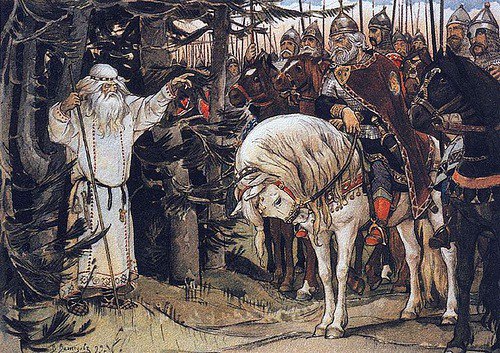





 Ових дана су неки дневни листови и сајтови, са бомбастичним „велико чудо“, објавили вест да је на Богојављење, приликом освећивања воде, на жезло Јерусалимског Патријарха слетео голуб. Тим поводом, за наше цењене посетиоце доносимо неке актуелне и значајне информације, на основу којих ће лакше моћи да донесу исправан суд о овом догађају.