-Цитатник

Снежинки и подвески от Анны Москвичевой - (0)

Анна Москвичева ...

Le Borse di Mirtilla №15 2017 - (0)

Издательство: Sprea SPA Язык: итальянский Журнал посвящен созданию сумок: вязание крючком...

РАДУЖНЫЙ ДЖЕМПЕР НА ОСНОВЕ "БАБУШКИНОГО КВАДРАТА" - (0)

Inside Crochet №132 2021 - (0)

Издательство: Tailor Made Publishing Ltd Язык: английский Журнал по вязанию крючком из Ве...

Вязание крючком. Брюггское кружево для начинающих. Видео, схемы, описания. Продолжение следует... - (0)

Вязание крючком. Брюггское кружево для начинающих. Видео, схемы, описания. Продолжение следует... ...

 -Рубрики

 -Поиск по дневнику

Поиск сообщений в Xymena21

 -Подписка по e-mail


 -Статистика

Статистика LiveInternet.ru: показано количество хитов и посетителей
Создан: 27.11.2010
Записей: 14551
Комментариев: 301
Написано: 15178


Силуэтное вырезание.

Пятница, 25 Января 2013 г. 15:07 + в цитатник
Это цитата сообщения SvetlanaT [Прочитать целиком + В свой цитатник или сообщество!]

1 (333x361, 39Kb)С помощью этой техники можно,
вооружившись ножницами, бумагой
и творческой задумкой, натворить таких чудес!
Посмотреть разные варианты...
2 (420x315, 45Kb)


SvetlanaT
Рубрики:  Бумажный арт

Ищем фоны и картинки при помощи цвета.
Пятница, 25 Января 2013 г. 15:05 + в цитатник
Это цитата сообщения SvetlanaT [Прочитать целиком + В свой цитатник или сообщество!]

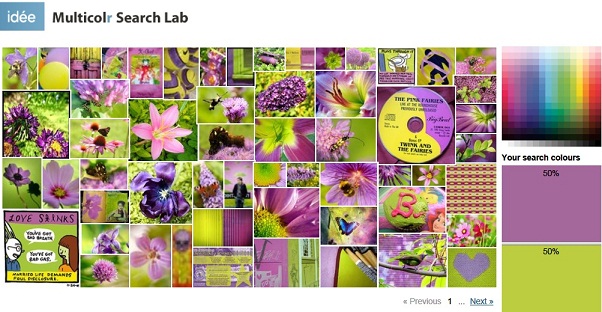
Ищем фоны и картинки при помощи цвета.
1 (602x312, 99Kb)
Эти цвета из 10 миллионов самых "интересных" творческих изображений на Flickr.
Используя Piximilar- визуальная технология поиска Вы можете искать коллекцию с помощью цвета. Нужно только сбоку, в Цветовом конструкторе, выбрать нужные вам цвета и нажать их.
Всё остальное сделают за вас, вам останется только выбрать подходящую для вас картинку.


SvetlanaT
Рубрики:  Компьютер наше всё

Учимся Рисовать в 3Д.

Пятница, 25 Января 2013 г. 15:01 + в цитатник
Это цитата сообщения SvetlanaT [Прочитать целиком + В свой цитатник или сообщество!]

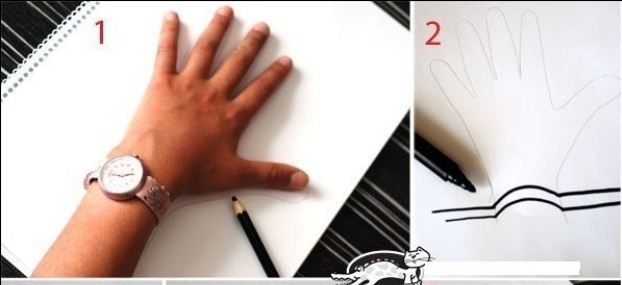
Учимся Рисовать в 3Д. Я уже сделала дома рисунок.Процесс затягивает.
Делала карандашами,но лучше как показано здесь ,фломастером.
Объём лучше смотрится.Особенно моему младшему сыну понравилось.
Если приглядеться, то в итоге повторить совсем не сложно.
А рисунок выглядит необычно и очень объёмно.
Остаётся теперь только попробовать сделать вам самим.Удивите близких.
2 (622x285, 44Kb)
ЗДЕСЬ далее...


SvetlanaT
Рубрики:  Интересно

ШТМЛка для начинающих пользователей.

Пятница, 25 Января 2013 г. 14:58 + в цитатник
Это цитата сообщения SvetlanaT [Прочитать целиком + В свой цитатник или сообщество!]

Перед вами популярный справочник по HTML - языку гипертекстовой размётки документов.
Он часто используется как учебник по HTML, а иногда — как самоучитель.
Нажимаем, выбираем, учимся...


SvetlanaT
Рубрики:  Компьютер наше всё/Уроки для блогеров

Перчатки для использования сенсорных мобильных телефонов

Пятница, 25 Января 2013 г. 14:56 + в цитатник


www.natalme.com/diy-tech-gloves-with-conductive-thread/

Description: Conductive thread is a creative way to connect various electronics onto clothing. This thread can carry current for power and signals. While not as conductive as traces on a printed circuit board (PCB), this thread makes wearable clothing 'wearable'!

This is a plated silver type thread (as opposed to stainless steel). This is a finer thread that can be used in standard sewing machines. Resistance is about 300 Ohms per foot. Spool contains 1 oz of thread, about 150 yards.
 
Рубрики:  D.I.Y.

Принт из упаковки

Четверг, 24 Января 2013 г. 02:46 + в цитатник
Рубрики:  D.I.Y.
Бумажный арт

Без заголовка

Четверг, 24 Января 2013 г. 01:43 + в цитатник

 threebeansinapodcrochet.blogspot.com.au/2012/08/retro-circles-tutorial.html
Retro Circles - The Tutorial


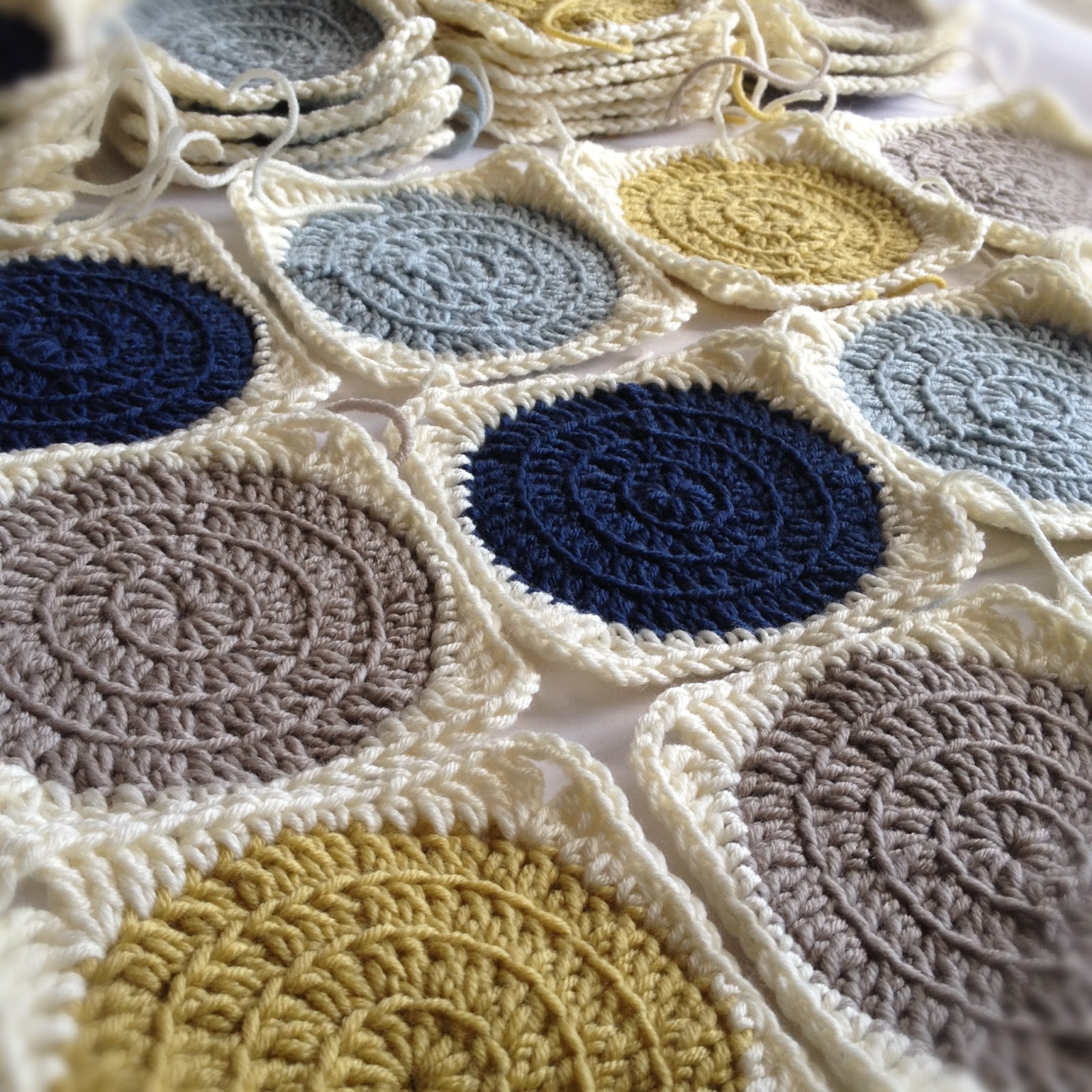
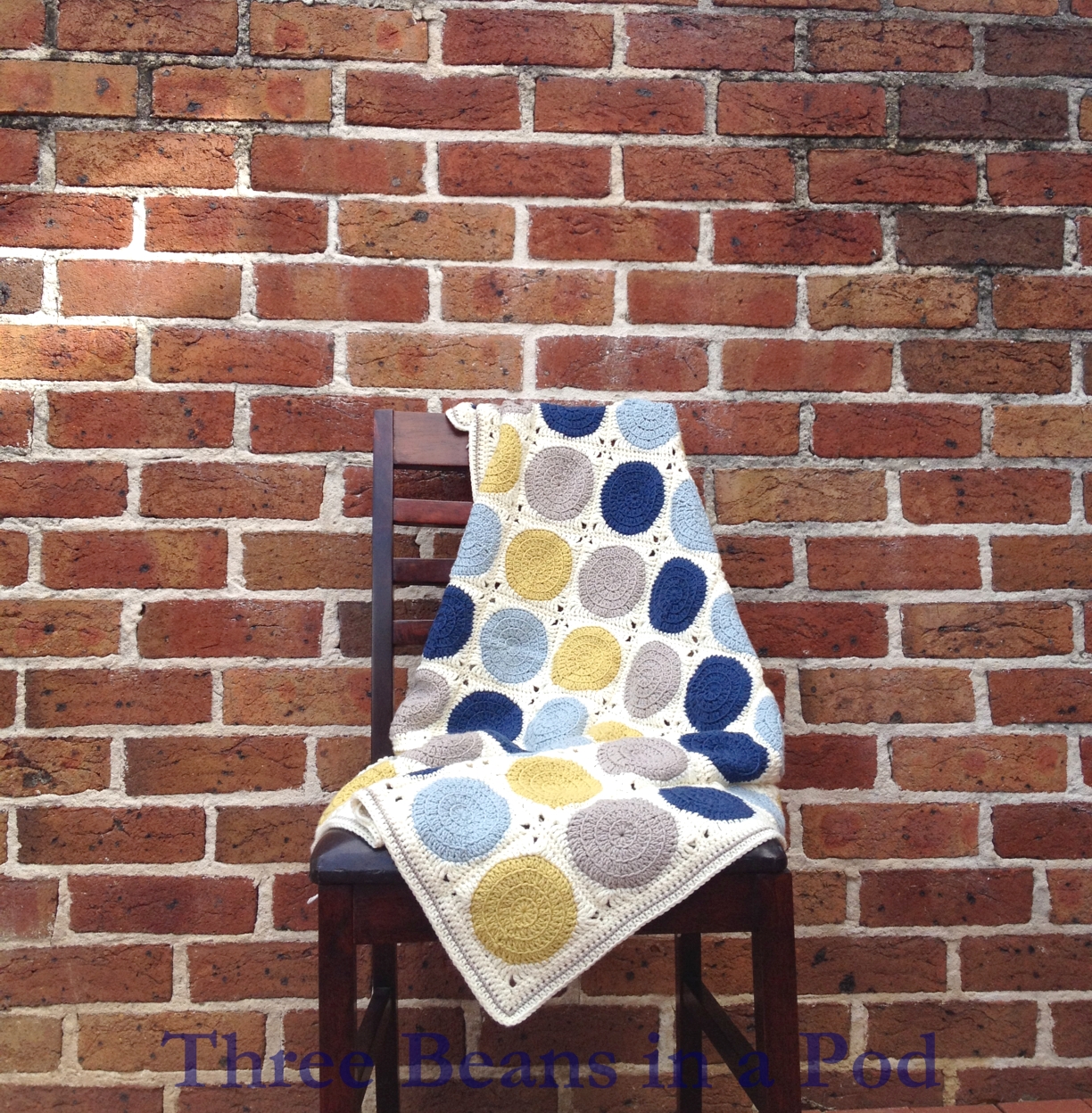
After many requests I’ve decided to post a tutorial for the square used in the Retro Circles Blanket

I’m calling this a ‘tutorial’ rather than a pattern as I’m not re-inventing the wheel. Although I didn’t work from a pre-existing pattern when making my blanket I know there are many ‘circle in a square’ patterns out there. One from Little Tin Bird that is very similar to what I had done, so I would hate anyone to think that I’m claiming their pattern as my own. 
So! Here goes...

Abbreviations:
US crochet terms
SS- Slip stitch
SC- Single crochet
HDC- Half-double crochet
DC- Double crochet
TC- Treble crochet
Ch- Chain

Select the hook that works well with the yarn you have.  I used a 4.5mm hook and dk weight yarn, I crochet quite tight so would probably choose a 4mm with dk if you don’t.

Note: Rounds 2-4 worked entirely in the BACK LOOP ONLY.

Round 1: Start with a magic circle and chain 3 (counts as first DC), 11 more DC into the circle, tighten circle. Join with a SS into the 3rd chain in your original chain 3. Remember to join only in the back loop (12 DC)

Alternatively, if you’re not sure how to do a magic circle you can chain 4, join to make a ring. Ch3, 11 DC into ring. (This will just leave a little hole in the middle of your first round.)

Round 2: Chain 3, DC into same loop. Two DC in EACH of the following back loops until end of round. Join with SS in chain 3 (24 DC)


Round 3: Chain 3, DC into same stitch. *DC in back loop. 2 DC in next back loop. Repeat from * around. End with DC in last back loop and join with SS in chain 3 (36 DC)


Round 4: Chain 3, DC into same loop. * DC in the next two back loops, 2 DC in next. Repeat from * around. End with DC in last two back loops and join with SS in chain 3 (48 DC)


Fasten off if you want to join a new colour for the ‘square’
Join new colour.

You’re now starting on the square border around the circle. For this round you will be working through BOTH loops.


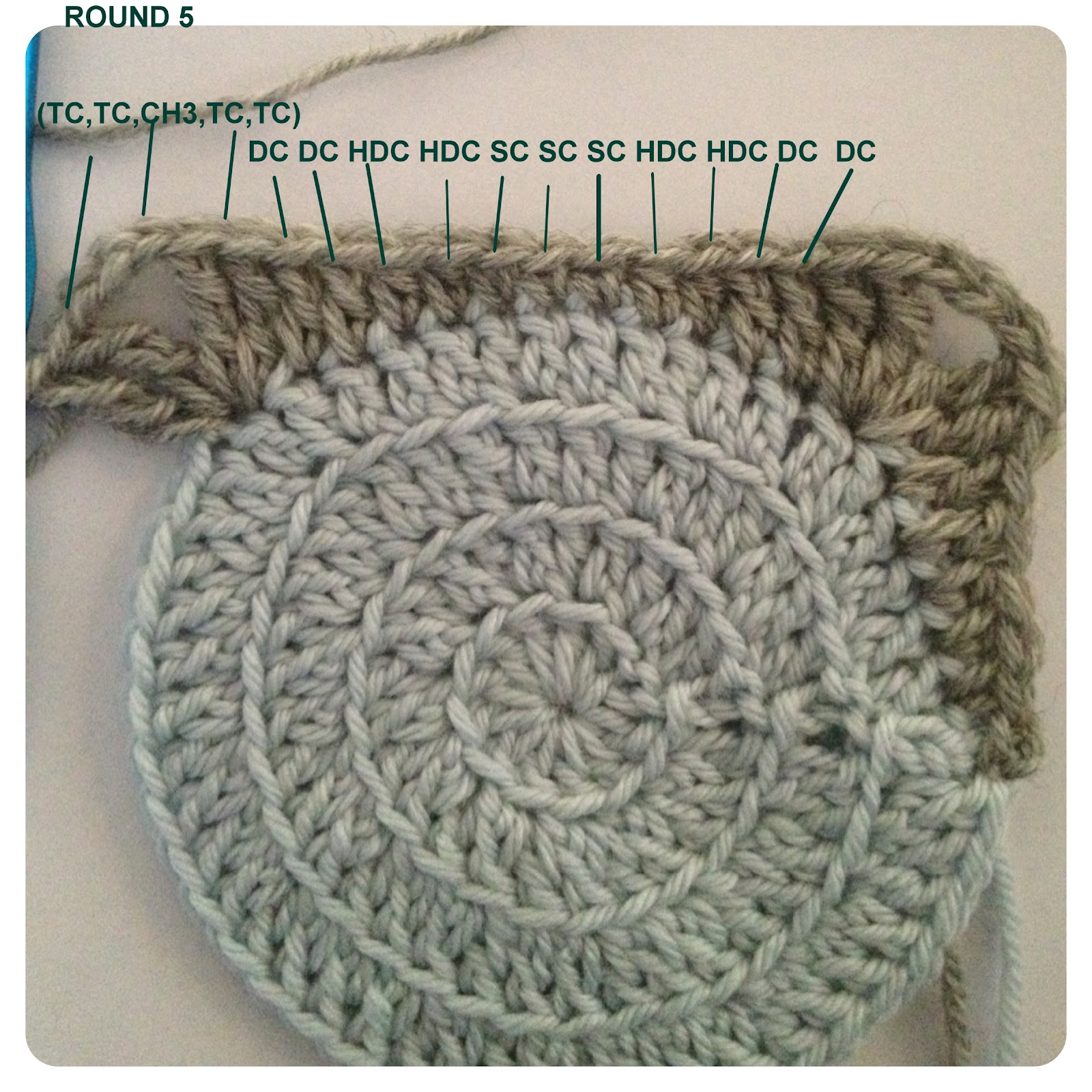
Round 5: Chain 1, SC in next two, HDC in next two, DC in next two (TC, TC, chain 3, TC, TC) all in next stitch (this is your first corner), *DC, DC, HDC, HDC, SC, SC, SC, HDC, HDC, DC, DC, (TC,TC, ch3, TC, TC) in next. Repeat from *2 more times. DC, DC, HDC, HDC join to chain 1 with SS. Fasten off.


There you are, you've made your first square!


Now make lots more. My cot sized blanket was made up of 63 squares (7 wide x 9 long). You can find a tutorial on joining the squares with single crochet atAttic24 


Рубрики:  Крючком/Крючок - схемы - мотивы - узоры

Без заголовка

Четверг, 24 Января 2013 г. 01:19 + в цитатник

 mcinva-roomontheleft.blogspot.com/2010/01/wigglewiggle.html

wiggle...wiggle...

 
I saw this a little while ago and was just taken with it for some unknown reason.  It is sooo old fashioned, it's charming! It looks a whole lot harder than it is, so when I find things like that out, I like to share....'coz you know the saying
"If I can do it....."
So, if you want to know how to do this, I'll show you....
I am sure there are places on the Web where you can find patterns and such, but if you don't know how to do the basics then patterns aren't much good!
If you are new to crochet, it is "do-able", because there are no complicated stitches or instructions. You just have to know how to do double crochet and think in 3-D!!
For the above sample I...
 
 
ch 20
dc into 8th ch from hook
(that makes the first dc and ch2 )skip 2ch
dc/ch2,sk 2ch into the remaining chains across
you will have 6 dc and 5 spaces.
ch5 and turn
dc into next dc,ch2, skip 2ch and continue across as before.
When you have 5 spaces across and 5 down
you have a workable base on which to do the wiggles.
 
 
this is much easier to do than to write....
 
take the new colour and attach it to the right hand bar
in the centre of the base with a slip stitch.
Making sure to position it so you can go UP the bar, make three dc in same space.
make four dc in the bar at the top
(the bad drawing shows which one I mean!)


four dc down the left side
 
 
four dc across the bottom bar
 
four dc on the right hand bar of the space underneath
 
 
across the bottom of that space
 
up the left side
 
across the bottom of the space on the left
 
up the left side
 
across the top
 
up the left of the space ABOVE the centre
 
across the top
 
down the right side
 
across the top of the space to the right
 
down the right side
 
across the bottom
 
and join to the begining 3ch and end.
 
There I told you it wasn't hard.
!!!
 
It's like following a maze and you just can't lose your place or you will roam for evermore!!


O is the starting place and the ending.
 
 
Now the outer wiggles
 
join new colour to one of the outer corner spaces with a slip stitch
ch 3 3 dc in same space
4 dc in same corner space
4 dc on left side of space


4 dc across bottom of space to the left,
4 dc up the left side
 
 
so basically you will be zig zagging along the edge to the left
wiggle wiggle
all the way back to the beginning.
When you get there join to the top of the starting 3 ch and end.


I took the middle out so you could see the edge a little better.
and the photo below is how you wiggle your way around.
Going to the left ....
you can go the other way I suppose,
just be sure to zig-zag.
Рубрики:  Крючком/Крючок - шарфы - палантины - шапочки

Круглая винтажная подушка

Четверг, 24 Января 2013 г. 01:12 + в цитатник


round vintage pillow...

источник:

mcinva-roomontheleft.blogspot.com/p/round-vintage-pillow.html
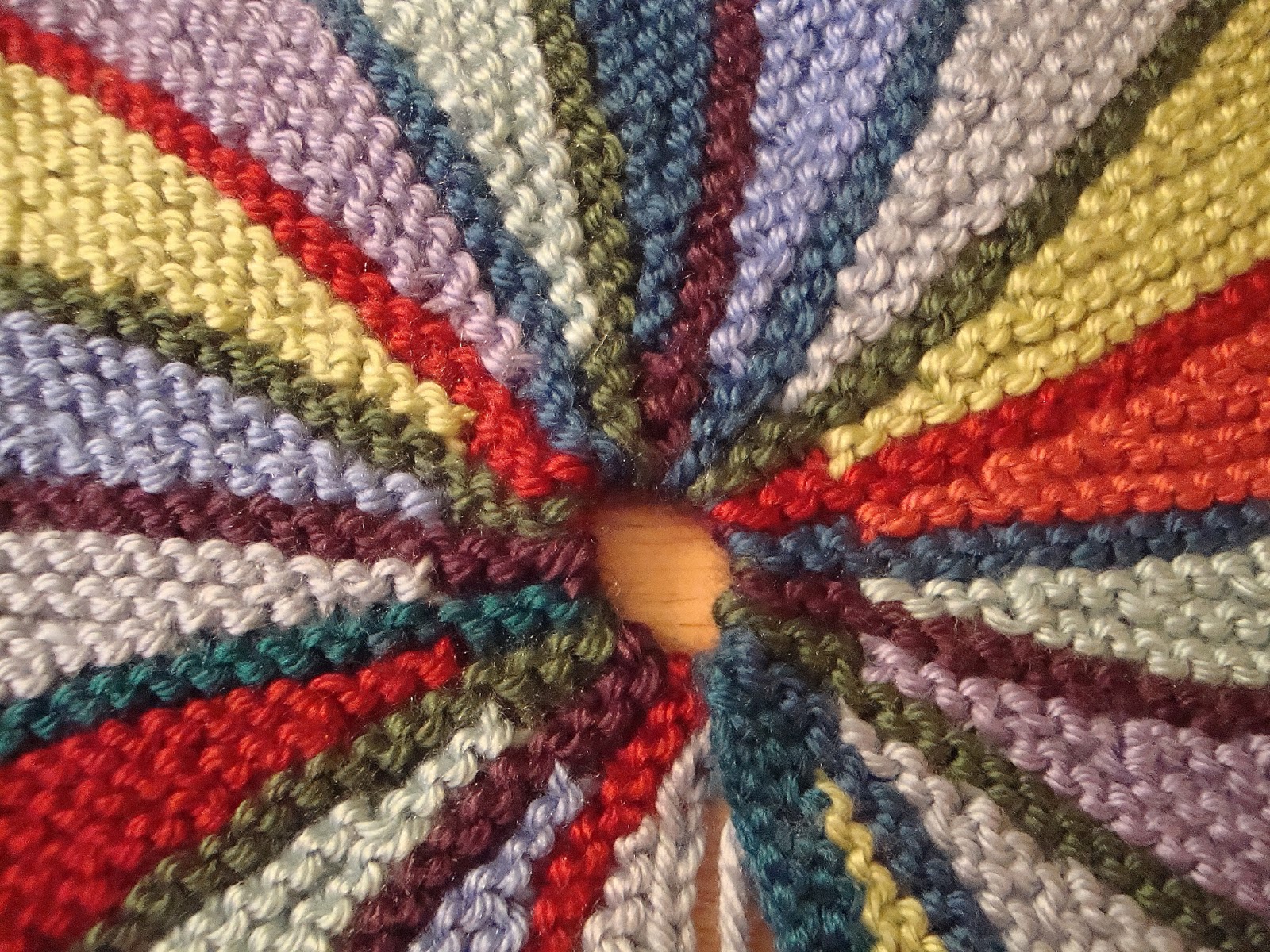
 

I did not find a pattern for this pillow
so I wrote down what I did
after I had figured it out
it is made with
short rows
it is much easier than it looks
I make no claim on it

 
It's  made with a 3 count
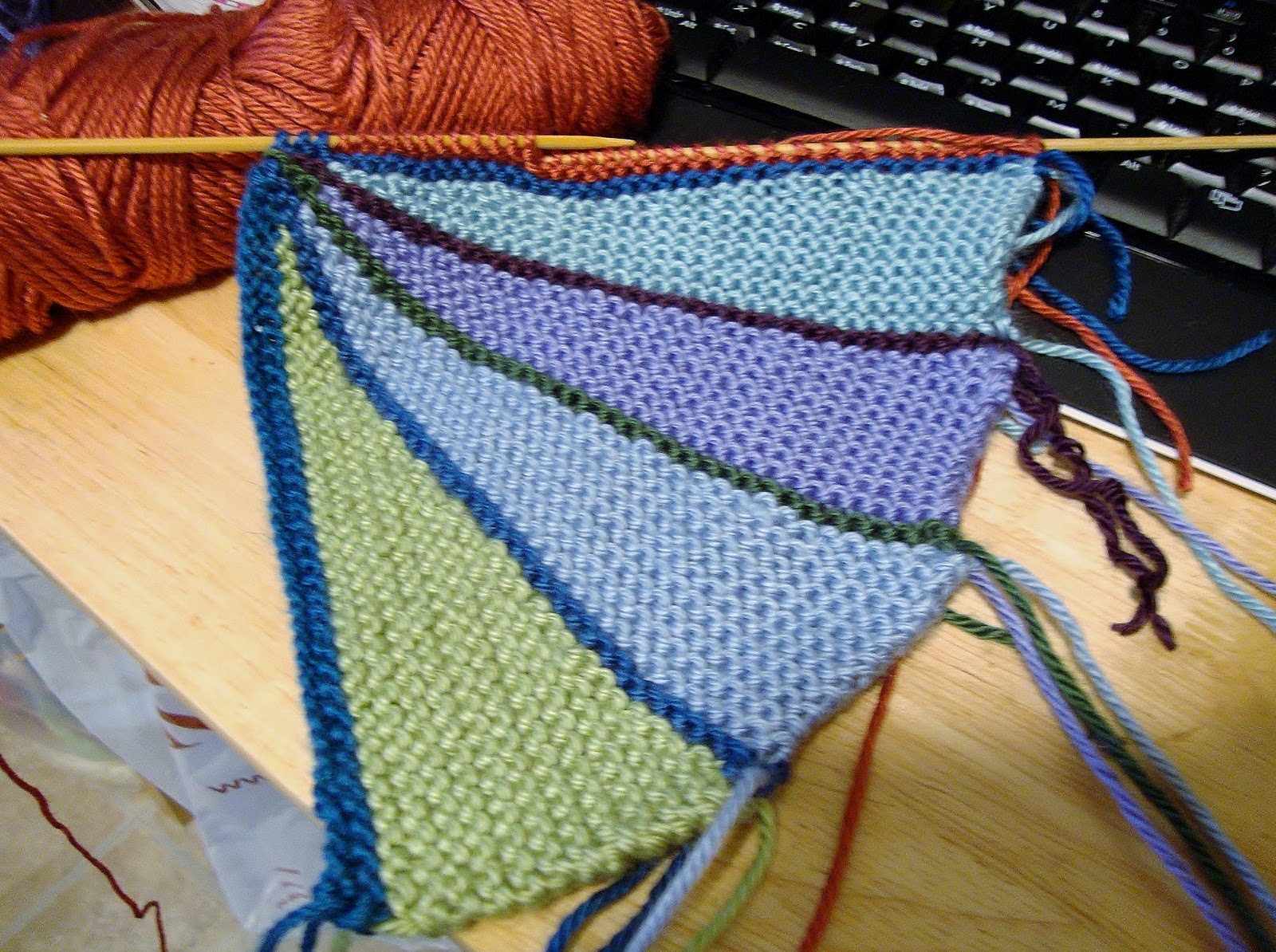
I cast on
39 stitches (sts)
that made a 14" pillow
I used slightly smaller needles because I wanted it tight
I used acrylic yarn that I have in the stash
 
with the first colour
cast on your stitches
knit two rows
cut yarn
join new colour
knit to the last three stitches of previous row
 
 
do not knit these stitches
leave them on the needle
and turn the work and go back
(above you see six stitches that aren't worked )
 
 
turn the work and knit back on all the stitches


here you can see eight sets of three stitches that were  left on the needle as the row is worked back and forth
the row gets shorter as you  leave three stitches behind each time you work the row


and here the row is done
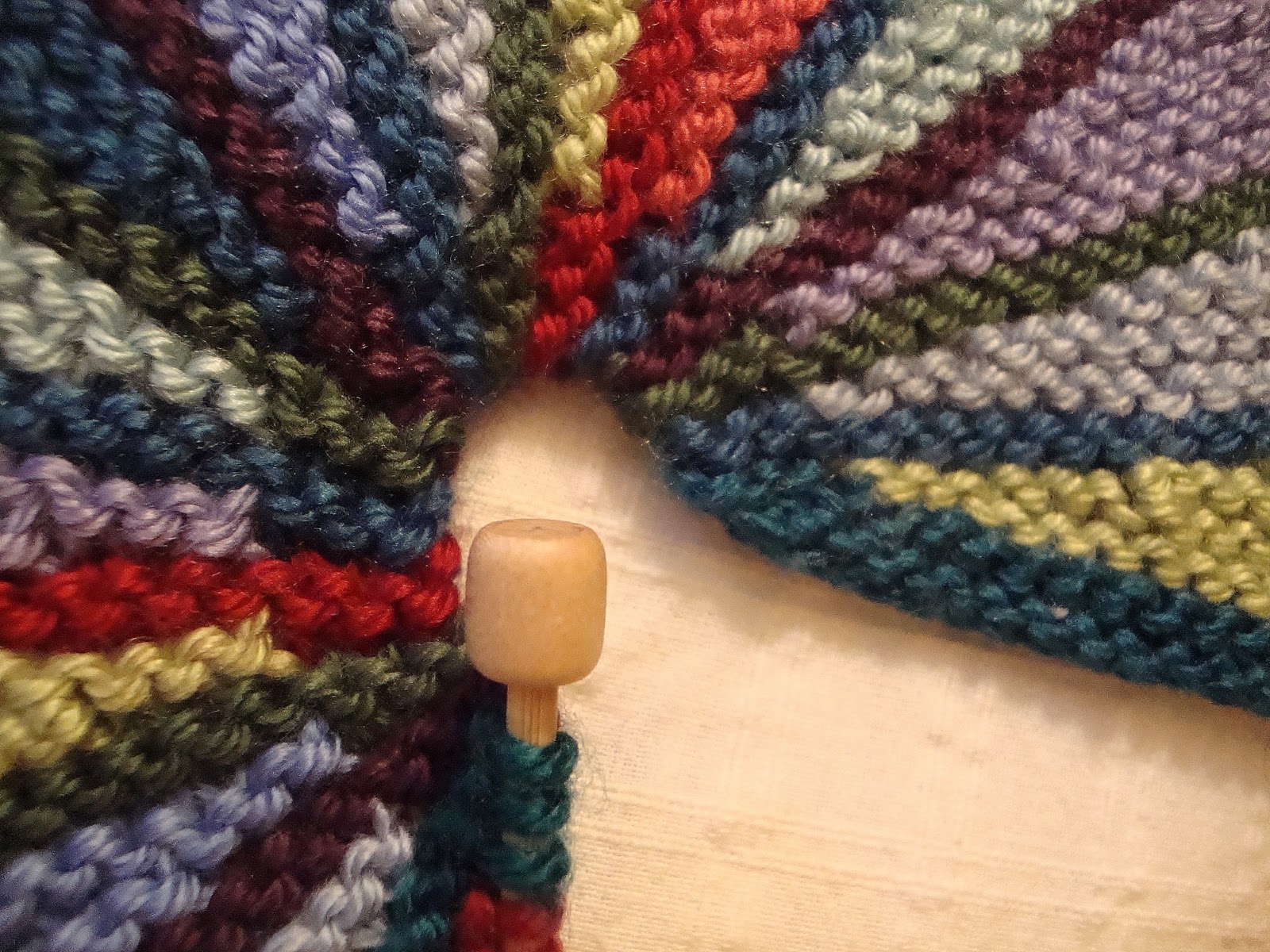
there are spaces between the sets of 3 but don't worry they disappear or if they don't they look like little eyelets


change the colour and knit two rows using all the stitches
cut the yarn
and change to another colour
 
 
knit all the stitches until you get to the last three
 
 
leave these on the needle and turn the work and go back on the stitches you just worked


turn the work and go back and work all the stitches until you reach the last three
leave them on the needle
 
 
turn the work and go back up
and continue working to the last three stitches
turning and working back
and turning  and working to the last three stitches
until you have three stitches left to work
 
when each section is done
cut the yarn and join on a new colour
knit two rows on all the stitches
cut the yarn and join another colour
knit to the last three stitches and repeat the pattern


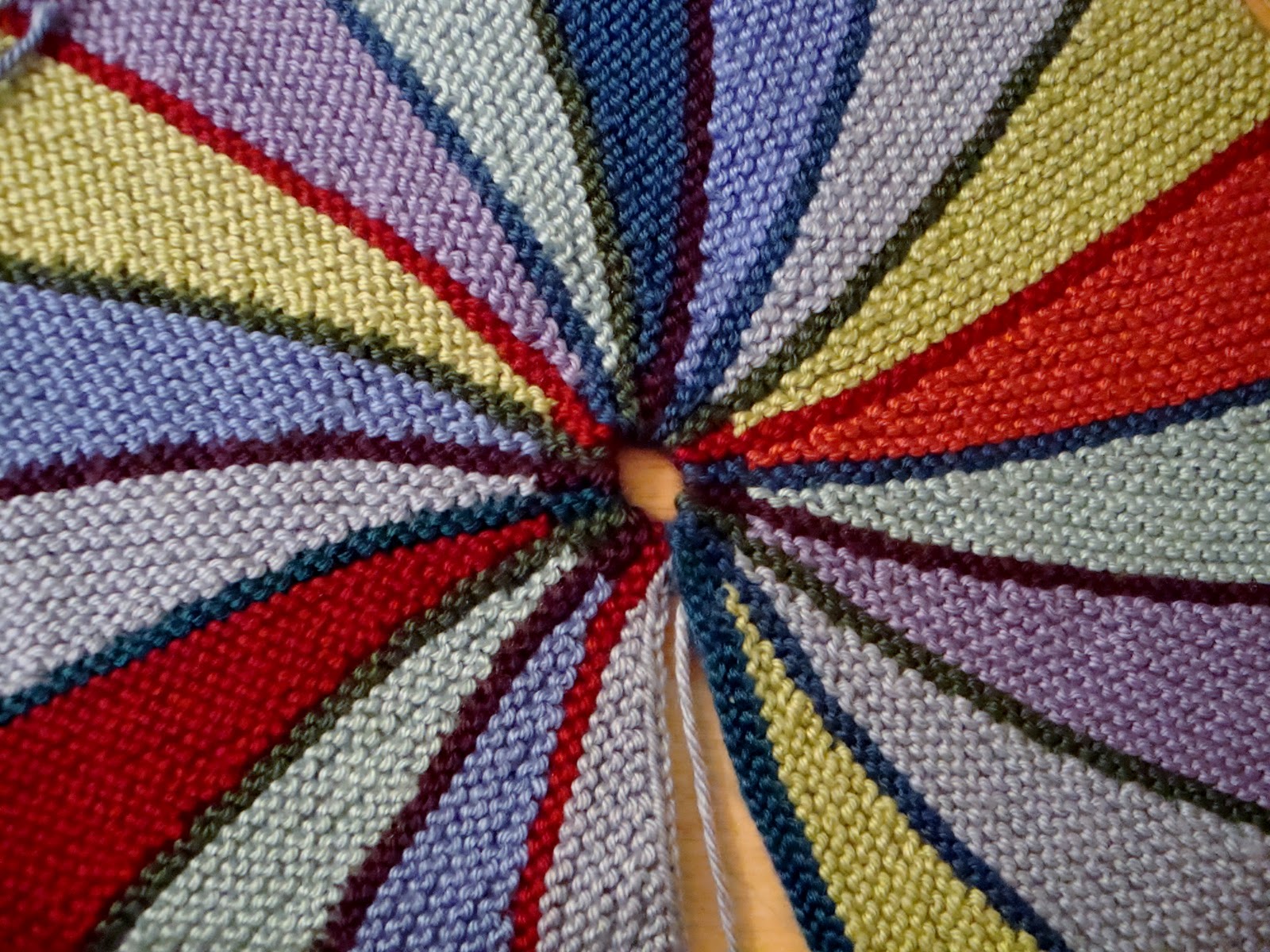
pretty soon you will have  different coloured sections separated by two rows
on the pillow I made I had
18 sections
it lays flat and there is no stretching or tugging to make it fit
I have no idea if this is for all stitch counts
 
I sewed in the tails
I sewed the seam together
and I will make a round pillow for it to be stitched to
you can make a second one if you wish your pillow to be the same on both sides
 
if there are mistakes please let me know
if you have a question please ask
I hope if you make one you show us
it was fun to make and it took very little time
enjoy!!!


the round vintage pillow...


I did not find a pattern for this pillow
so I wrote down what I did
after I had figured it out
it is made with
short rows
it is much easier than it looks
I make no claim on it

 
It's  made with a 3 count
I cast on
39 stitches (sts)
that made a 14" pillow
I used slightly smaller needles because I wanted it tight
I used acrylic yarn that I have in the stash
 
with the first colour
cast on your stitches
knit two rows
cut yarn
join new colour
knit to the last three stitches of previous row
 
 
do not knit these stitches
leave them on the needle
and turn the work and go back
(above you see six stitches that aren't worked )
 
 
turn the work and knit back on all the stitches


here you can see eight sets of three stitches that were  left on the needle as the row is worked back and forth
the row gets shorter as you  leave three stitches behind each time you work the row


and here the row is done
there are spaces between the sets of 3 but don't worry they disappear or if they don't they look like little eyelets


change the colour and knit two rows using all the stitches
cut the yarn
and change to another colour
 
 
knit all the stitches until you get to the last three
 
 
leave these on the needle and turn the work and go back on the stitches you just worked


turn the work and go back and work all the stitches until you reach the last three
leave them on the needle
 
 
turn the work and go back up
and continue working to the last three stitches
turning and working back
and turning  and working to the last three stitches
until you have three stitches left to work
 
when each section is done
cut the yarn and join on a new colour
knit two rows on all the stitches
cut the yarn and join another colour
knit to the last three stitches and repeat the pattern


pretty soon you will have  different coloured sections separated by two rows
on the pillow I made I had
18 sections
it lays flat and there is no stretching or tugging to make it fit
I have no idea if this is for all stitch counts
 
I sewed in the tails
I sewed the seam together
and I will make a round pillow for it to be stitched to
you can make a second one if you wish your pillow to be the same on both sides
 
if there are mistakes please let me know
if you have a question please ask
I hope if you make one you show us
it was fun to make and it took very little time
enjoy!!!


Рубрики:  Спицами

Метки:  


Процитировано 5 раз

Узор на спицах

Среда, 23 Января 2013 г. 17:09 + в цитатник

 Yarn shown in this swatch: Knitca Lovely 100% superwash merino yarn, color 0464 Bronze.

Needles: US size 6 (4 mm) .

Cast on a multiple of 6 stitches. Add 2 more selvage stitches if you want to make a nice-looking edge.

Row 1 (right side): *knit 3 sts, purl 3 sts*, repeat from * to * as necessary.
Row 2 and every wrong side row: work sts as they present themselves.
Row 3 (right side): *knit 3 sts, purl 3 sts*, repeat from * to * as necessary.
Row 5 (right side): *yarn over; slip 1 st, knit 2 sts tog, pass the slipped st over the decreased st (double left-slanting decrease); yarn over, knit 3 sts*, repeat from * to * as necessary.
Row 7 (right side): *purl 3 sts, knit 3 sts*, repeat from * to * as necessary.
Row 9 (right side): *purl 3 sts, knit 3 sts*, repeat from * to * as necessary.
Row 11 (right side): *knit 3 sts, yarn over; slip 1 st, knit 2 sts tog, pass the slipped st over the decreased st (double left-slanting decrease); yarn over*, repeat from * to * as necessary.

Repeat rows 1-12 as necessary for completing your project.

You can also work according to the chart below. Pattern repeat is marked by red frame.

Note: the chart depicts stitches in right side rows from right to left (that is, your first stitch in right side row will be the first stitch on the right of the chart) and stitches in wrong side row from left to right (that is, your first stitch in wrong side row will be the first stitch on the left of the chart). To make this concept easier the number of each row is shown at the beginning of row (number 1 is on the right side of the chart and number 2 is on the left side). Ignore this note if you knit in circle and start all your rows from the right of the chart.

I’d love to know what you think. Please leave a comment below.

Right side of the pattern: 
Right side of knitting stitch pattern – Lace 10
Wrong side of the pattern: 
Wrong side of knitting stitch pattern – Lace 10
Chart: 
Chart for stitch pattern
Рубрики:  Спицами


Процитировано 1 раз

Ода крахмальным блинчикам!!! Получаются тонкими и великолепно подходят для того, чтобы в них добавляли всевозможные начинки.

Среда, 23 Января 2013 г. 16:15 + в цитатник
Это цитата сообщения elena_elena_ee [Прочитать целиком + В свой цитатник или сообщество!]

Оказывается, крахмальные блинчики - самые удачно-подходящие блины для того, чтобы в них добавляли всевозможные начинки. Крахмальные блины получаются тонкими и очень вкусными. Блины из крахмала очень эластичные (чем и обуславливается их пригодность к подаче к столу с начинкой) и поразительно легко пекутся. Здесь несколько рецептов блинов с добавлением крахмала - где-то больше, где-то меньше. Одни кружевные и хрустящие, другие очень "прочные" и великолепны с начинкой.
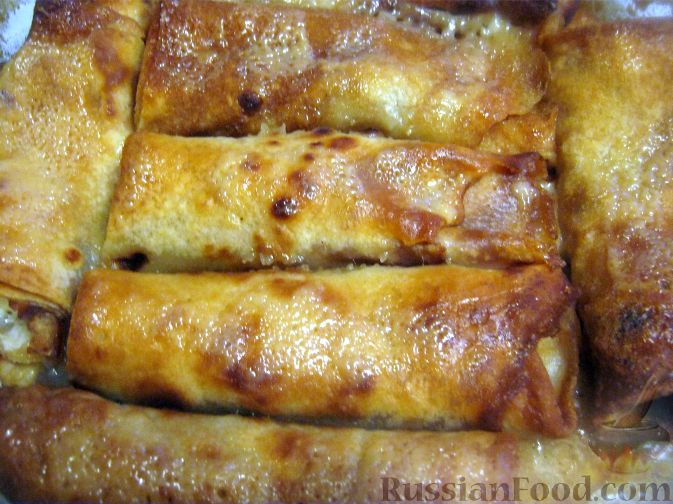
КРАХМАЛЬНЫЕ БЛИНЧИКИ (без яиц)

АЖУРНЫЕ блины.

Кефирно - крахмальные блинчики "Очень нежные"

Блинчики тонкие с крахмалом. Исключительно вкусные.

Крахмальные блины. Получаются тонкими и великолепно подходят для того, чтобы в них добавляли всевозможные начинки

ХРУСТЯЩИЕ БЛИНЧИКИ ИЗ КРАХМАЛА

http://www.russianfood.com/dycontent/images/big_29242.jpgПошаговый фото рецепт. Полтавские налистники с творогом. ФОТОРЕЦЕПТ. А тесто-то крахмальное, хрустящее.


http://www.koolinar.ru/all_image/recipes/48/48938/r48938_large.jpg


Ингредиенты

  • Ряженка 1 литр.
  • Крахмал 18-20 ст/ложек.
  • Мука 15-17 ст/ложек
  • Яйца (крупные) 5 шт.
  • Сода 1 ч/ложка.
  • Соль 1,5 ч/ложки.
  • Сахарная пудра 1,5 ч/ложки.
  • Оливковое масло 4-5 ст/ложек.
  • Сливочное масло.

Способ приготовления

Читать далее...
Рубрики:  Кулинарные премудрости

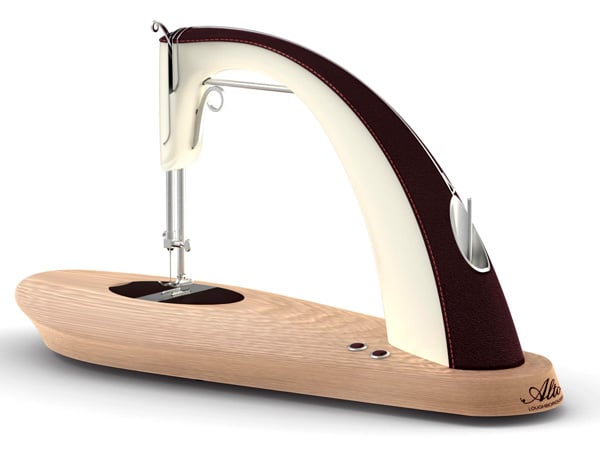
Швейная машина нового поколения

Среда, 23 Января 2013 г. 16:13 + в цитатник

 www.yankodesign.com/2012/08/29/making-make-do-and-mend-fashionable/


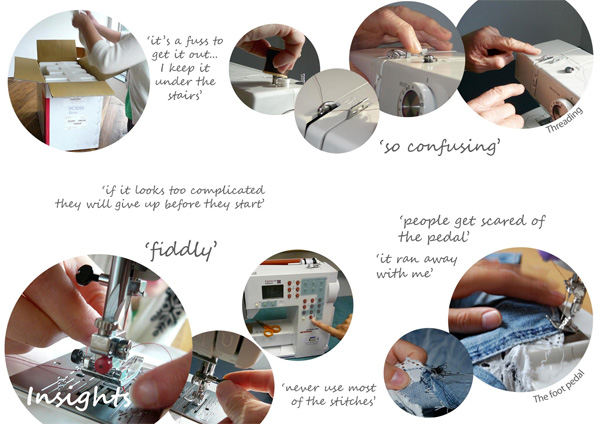
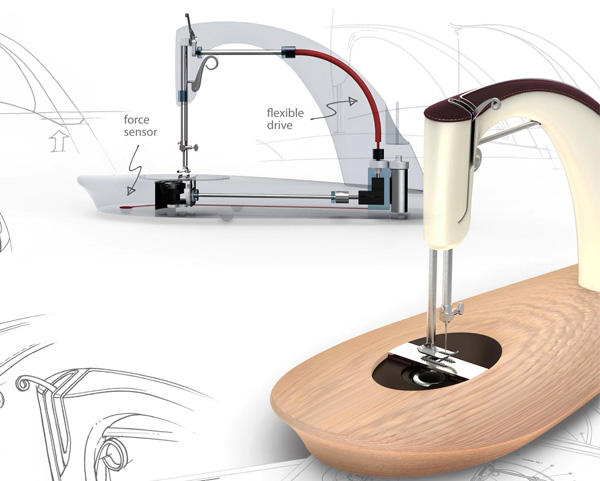
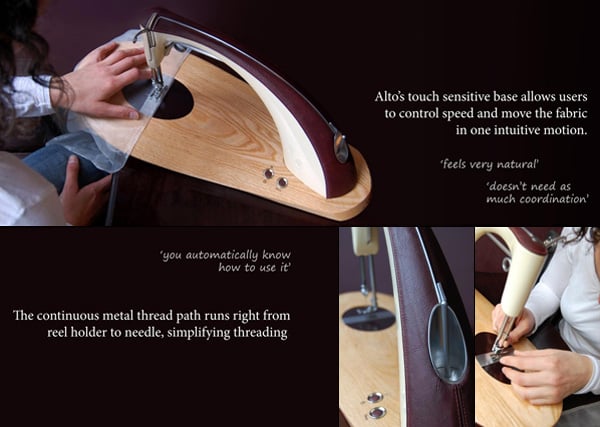
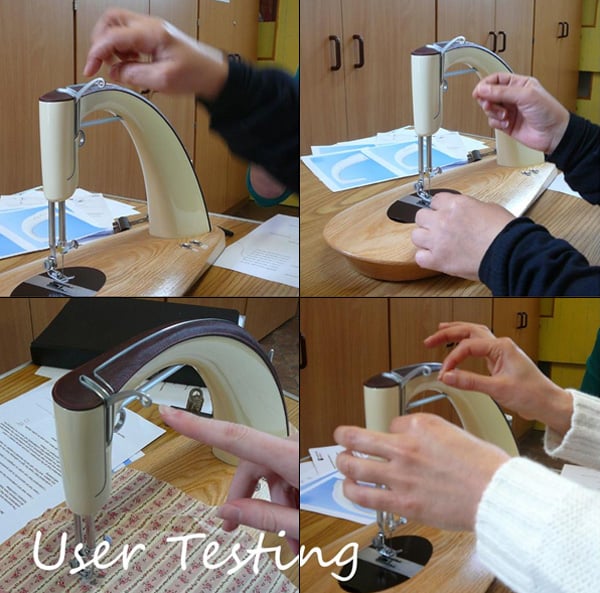
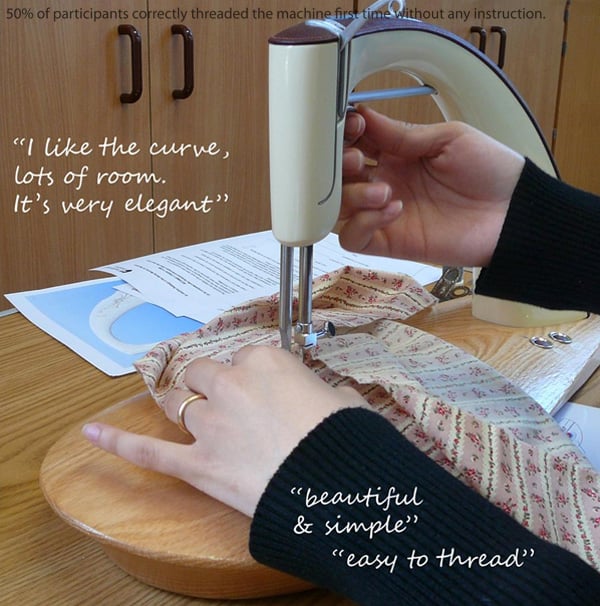
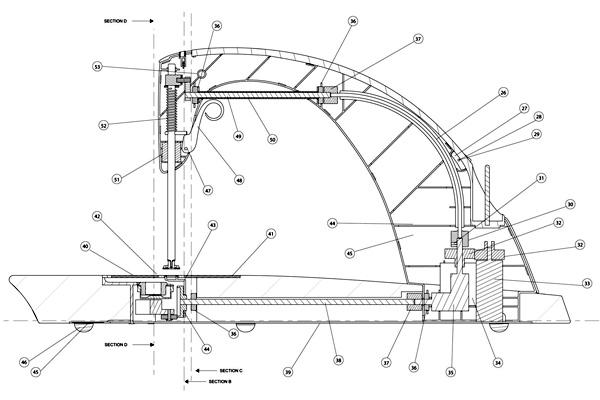
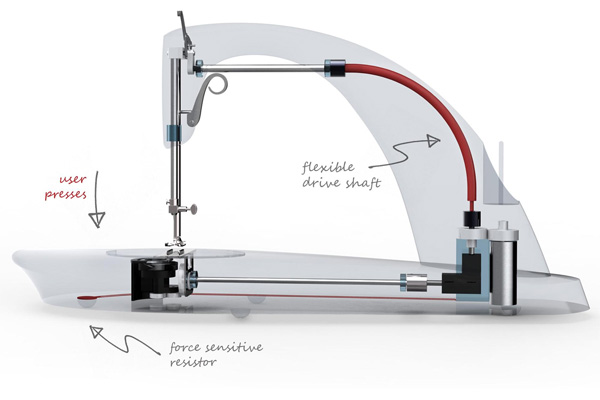
As the designer explains, “to simplify threading, a metal guide runs from reel to needle for the user to follow. Speed is controlled by pressing with the fingers through the fabric and the patented force sensor technology in a rubber foot underneath the machine allows the beginner to control speed from whichever hand position they find most comfortable. A flexible drive shaft replaces the traditional pulley system to form Alto’s distinctive arch, increasing room for the fabric and improving visibility of the sewing area.”

Designer: Sarah Dickins


Рубрики:  шитьё

Метки:  


Процитировано 1 раз

MESCALINO 2012-2013

Среда, 23 Января 2013 г. 01:11 + в цитатник

Рубрики:  Спицами

4 варианта летних вязаных сережек с декоративными камешками в качестве основы

Вторник, 22 Января 2013 г. 21:52 + в цитатник

 4 варианта летних вязаных сережек с декоративными камешками в качестве основы 

Сегодня мне хотелось бы показать, как к лету создать целый ряд таких разных вязаных сережек.

Объединяет все эти сережки только одно: в качестве основы мы будем использовать обычные декоративные камешки для аквариума.


Материалы:

• белая и металлическая акриловые краски и кисть,

• камешки для аквариума,

• остатки ниток подходящих цветов,

• фурнитура для сережек (швензы, колечки, пины подходящего цвета),

• инструменты (круглогубцы, бокорезы и маленькие плоскогубцы),

• бесцветный лак для ногтей,

• самый мелкий бисер, иголка для бисера и нитка в тон.


Бронзовые сережки в старинном стиле


Берем кусочек журнальной странички, или любой другой картинки и с помощью ножниц вырезаем подложку под наш камешек (с подложкой цвет камешка останется таким же насыщенным, а фактура станет более интересной, впрочем все зависит от вас, можно ведь оставить и просвечивающееся вязаное полотно).


Используя алгоритм, описанный в этой статье, начинаем обвязывать зеленый камешек.

Связав основу, диаметром равную диаметру камешка, провязываем еще один ряд без добавления петель.

Укладываем на готовую заготовку камешек с подложкой. Заканчиваем обвязывать камешек, сделав только 1 ряд убавлений.


По всему периметру готовой связанной заготовки с помощью бисерной иголки аккуратно нашиваем коричневый бисер.


Берем бронзовую акриловую краску и легкими движениями наносим ее на вязаную часть нашей заготовки (т.е. покрываем нашу заготовку таким образом, чтобы как бы выделить все рельефы вязки).


Финальный шаг: для пущей прочности покрываем нашу заготовку бесцветным лаком для ногтей.

Чтобы продеть колечко, с помощью которого наша сережка будет крепиться к швензе, маникюрными ножницами оттягиваем "верхнюю" петельку.


За сформированную петельку цепляем колечко, еще одно колечко, а затем швензу. Наши сережки готовы.


Бирюзовые сережки с позолотой


Такие бирюзовые сережки сделать еще проще: необходимо полностью обвязать камешек голубыми хлопковыми нитками.

Затем чуть пройтись сухой кистью акриловой краской солнечно-золотого цвета по всем выступающим частям вязки.

И, наконец, покрыть заготовки лаком для ногтей и прикрепить фурнитуру.


Секрет таких сережек в хорошо подобранном цвете основы и тонирующей акриловой краски.


Сережки-ежики


Для того, чтобы у вас получились вот такие колючие сережки, необходимо полностью обвязать камешки хлопковой ниткой с предварительно нанизанными на нее бисеринками (количество бисеринок может быть разным все зависит от "шерстистости" вашего ежика, у меня ушло около 25-30 бисеринок цвета зеленого золота).


Крепить такие сережки можно следующим образом:

под обвязанной частью с плоской стороны камешка продеваем пин,


формируем петельку, за которую крепим швензу с колечком.

Наши сережки готовы.


Летние рельефные сережки-ракушки


Чтобы у вас получились такие вот рельефные сережки сначала необходимо полностью обвязать камешек хлопковыми нитками натурального бежевого цвета.

Обратите внимание, что при обвязывании цеплять столбики без накида надо только за заднюю стенку столбика без накида предыдущего ряда.


Закончив обвязывание, не отрывая нити, продолжайте вязать столбики без накида как бы в обратном порядке, поверх обвязанной заготовки по спирали, вводя крючок в видимую (переднюю) часть столбиков без накида (см. правое фото).


По готовой связанной заготовке чуть-чуть пройдитесь сухой кистью с белой акриловой краской выявляя рельефность.


Прикрепите колечки и швензы. Сережки-ракушки готовы.


minchanka.by/julia/StoneEarring.html

Рубрики:  Бижутерия

Без заголовка

Вторник, 22 Января 2013 г. 02:15 + в цитатник
Рубрики:  Крючком/Цветы и аппликации


Процитировано 1 раз

Perfecting the Perpendicular Pickup

Вторник, 22 Января 2013 г. 01:49 + в цитатник


fuzzyjay.blogspot.com/2010/03/perfecting-perpendicular-pickup.html


Perfecting the Perpendicular Pickup

 
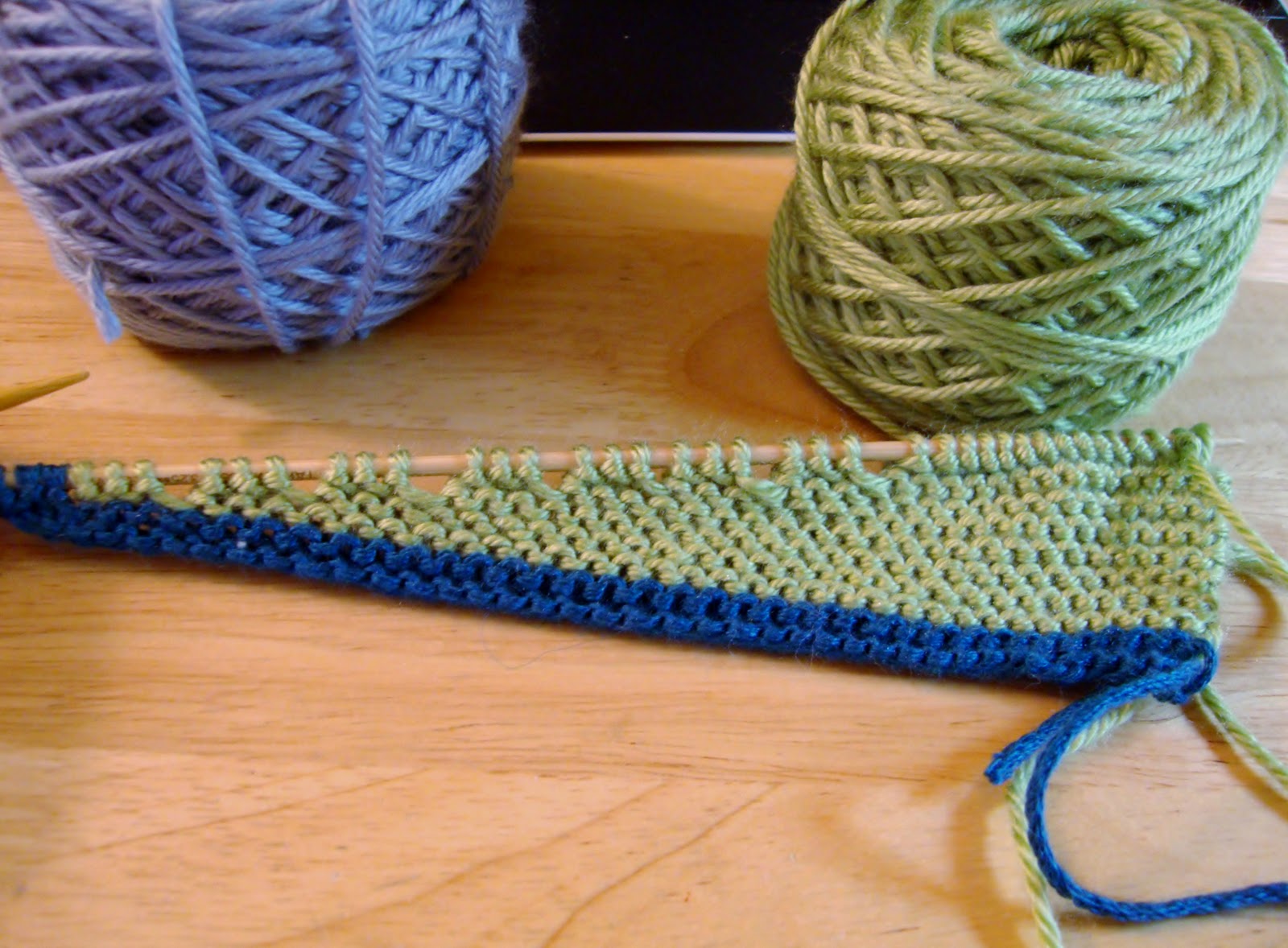
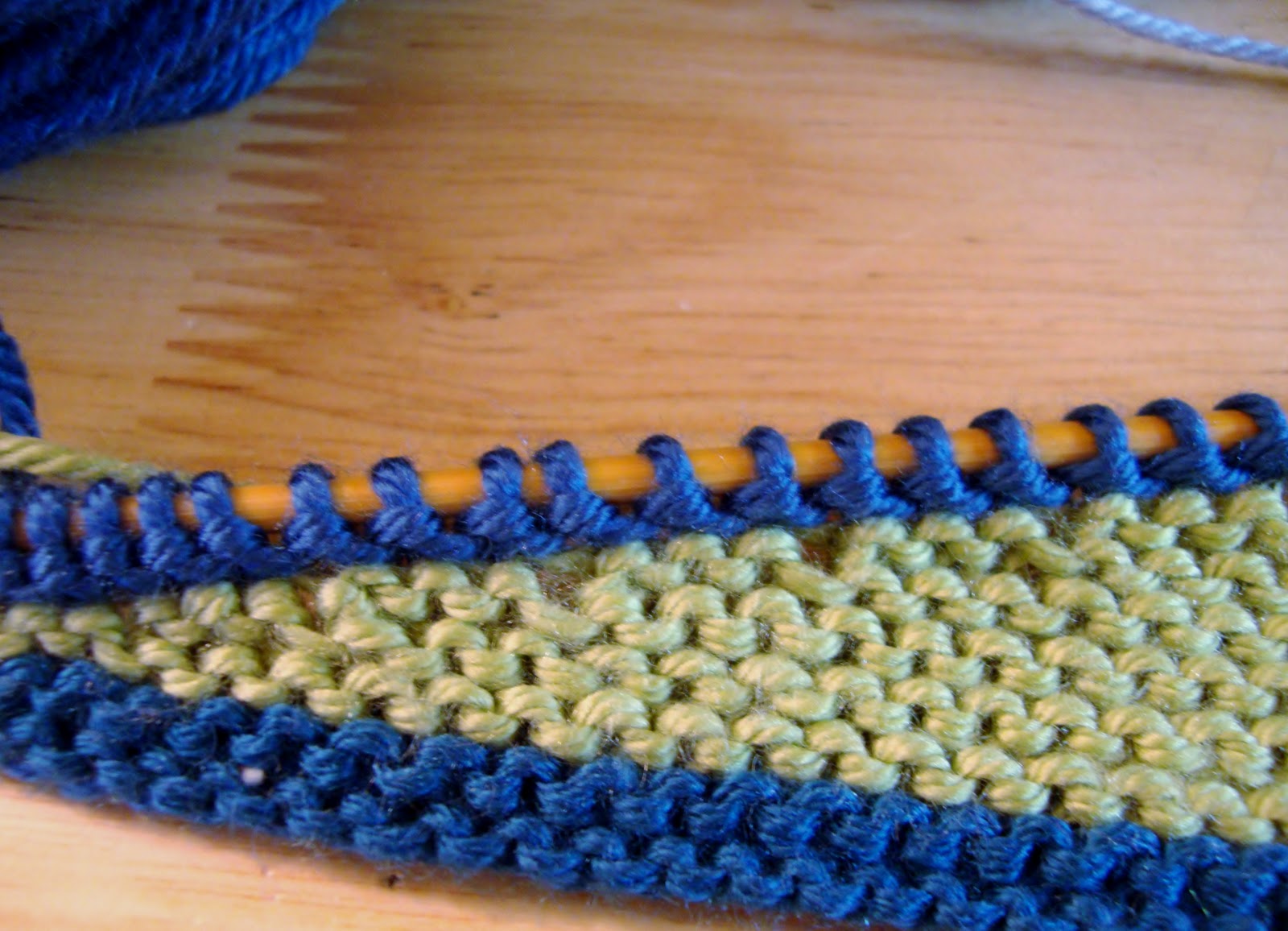
In a previous post, I described how to join knitted pieces at right angles to each other, in such a way that the join is as neat as possible. The join used the sliding-loop technique devised by Rick Mondragon. In Mondragon's technique you are joining two pieces of knitting with parallel grain. With the perpendicular join, you join the side edge of the piece you are knitting to a row of free loops from another piece of knitting.
In this post, I would like to describe my method of picking up and knitting stitches from a selvedge. In entrelac knitting, half of the connections between squares are made this way.

Picking up and knitting stitches from an existing piece of knitting involves two steps, inserting a needle and pulling through a loop. Where is a good place to insert the needle? Normally, you are told to insert the left needle one stitch in from the edge of the knitting. The reason for that is that the last column of stitches is ill-formed. At least, the edge half-column is. But reaching that far into the knitting creates a bulky join, and moves the ugly column to the wrong side of the knitting. That's OK when there is a public side and a private side, but what about entrelac scarves? Wouldn't it be nice to have a method of picking up stitches that doesn't leave your knitting with an ugly side? 
 
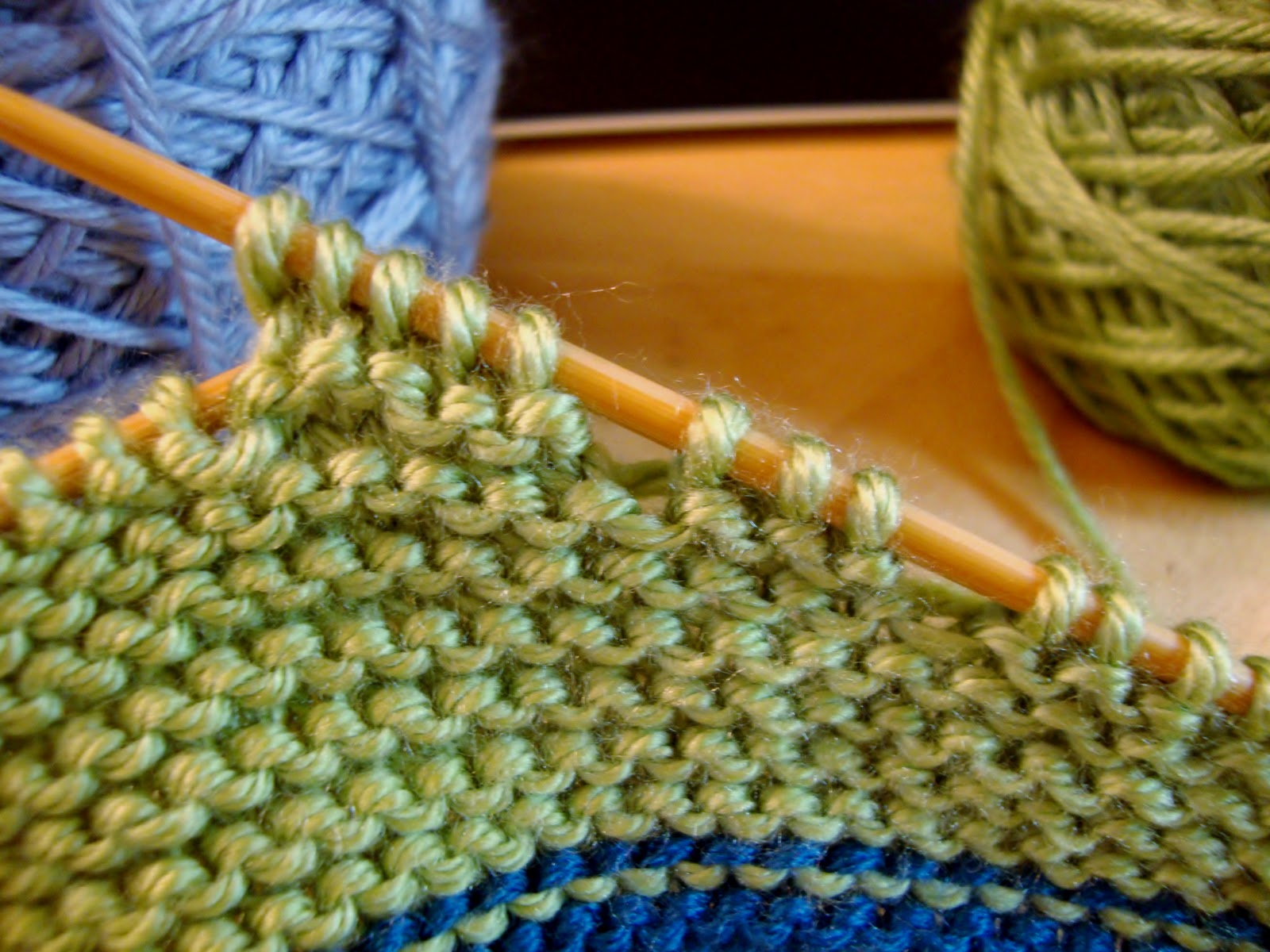
There is. If you use the loops that are formed by the turning of the knitting as it goes back and forth, you get the neatest possible stitch pick up. However, finding that turning-loop is not easy.


If knitting existed in some Platonic realm, the edge of knitting would look like this, and one would simply slide the left needle along the selvedge and pick up loops to be worked as the first row of the new knitted piece.


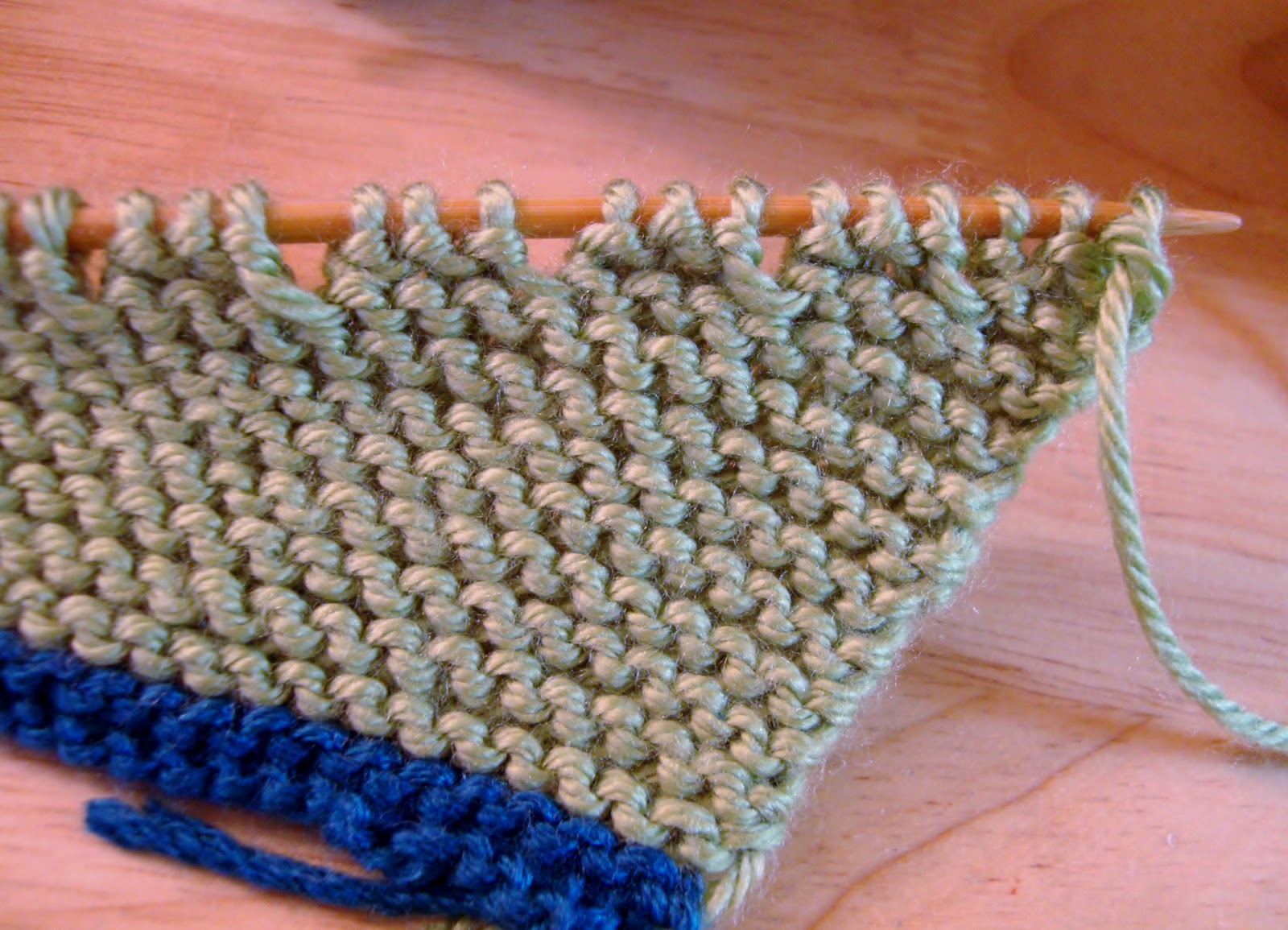
Alas, there are physical forces at work in the real world that transform the ideal into the actual. Instead of easily-identified turning loops, one has a chain of knots joined by gappy loops:
 

Ah, but the turning loops are in there somewhere. You "merely" have to re-form that ugly half-stitch at the selvedge.
 
Here's a diagram that shows how the Platonic ideal of a selvedge stitch gets transformed into a knot-and-loopy mess:
 
 
So, all we have to do is use a needle to reverse the process. Here's a written description of the process... bu you can ignore all that except the diagram and skip to the video...
 
  1. Look at the knitting. Starting from the top edge of the knitting, there is a series of loops and knots alternating all the way down to the beginning. Orient the knitting so that the right side is facing you, the selvedge edge is parallel to the floor, and the knitting is hanging down from it. The top (last-knitted) edge of the knitting is on your right. The bottom (first-knitted) edge of the knitting is on your left. 
  2. On the selvedge, the loops are being clutched by the knots. With your eyes, follow a loop's yarn down (towards the beginning edge of the knitting) through the knot to where it joins the back (purl side) of the knitting.
  3. Insert the tip of the left needle upward (parallel to the selvedge, from your left to your right, pointing toward the top edge) through the length of yarn between the knot and the rest of the knitting. You'll know you have the correct bit of yarn if you can see the gappy loop decreasing in size as you insert the needle more into the bit of yarn, since you're robbing yarn from the gappy loop to make the little bit of yarn bigger. This piece is the purplish piece of yarn in the diagram below:

  4. With the tip of the needle, scoop the rest of the gappy loop toward the back of the work, while letting the bit of yarn you just poked through fall off the needle, as follows. When you're starting the scoop, you're going to swing the point of the needle toward you and perpendicular to the plane of the knitting. To perform the scoop, you'll be swinging the tip of the needle through the plane of the fabric, pointing to the floor. At the end of the scoop, the needle is pointing away from you and perpendicular to the plane of the knitting.
  5. At the end of the motion, move the needle back to the position of step 3. You should have a loop on the needle in the standard mount position. Knit the loop off the left needle.
  6. Go back to step 2, using the next gappy loop down (toward the beginning of the knitting.)


It's video time:


Joining circular knitting--the 3-in-1 TECHjoin!

Вторник, 22 Января 2013 г. 00:55 + в цитатник


techknitting.blogspot.com/2007/01/circular-knitting-3-in-1-techjoin_26.html

Joining circular knitting--the 3-in-1 TECHjoin!

 
includes a how-to

Joining the first round of casting-on for circular knitting can get ugly. There is a horrid loose stitch where the join occurs, as well as a "jog." The tail gets unwound and makes the loose stitch even looser, while working in the tail has the potential to make a mess of the cast-on edge.
click picture

It need not be this way.

Here is a join for circular knitting which avoids that horrid loose stitch,eliminates that nasty little "jog" AND works in your tail, three tricks in one! Here is the TECHknitting 3-in-1 TECHjoin!
click picture

HOW TO

1. Begin with long-tail casting-on. Long-tail casting on actually consists of a foundation row AND a knitted first row. This double row is substantial and so is easier to keep "sunny side up" when joining.

2. For the first stitch of long-tail casting-on, do not use a slip knot. Instead, use asimple loop.(more info about the simple loop in the long tail post)

3. Make the cast-on row as follows:
click picture
  • Make the first stitch as a simple loop over one needle, not two.
  • Make the next two stitches as ordinary long-tail cast-on stitches, again looping over one needle, not two. (more info about casting on over two needles in the long-tail post)
  • After you've created the first three stitches, create additional cast-on stitches by looping over two needles until you have TWO LESS stitches than you need, total.
  • Create the next two cast-on stitches over only one needle.
  • ADD AN ADDITIONAL stitch, again casting on over only one needle.
  • Count your stitches. You should have one stitch more than you need, and the first and last three stitches should have been cast on over only one needle (not two)
  • In the photo above, the first stitch cast on (extreme right) is made by a simple loop. There are 23 stitches cast on, for a 22 stitch tube. 

4. Create the join and the knit first round as follows:
  • Make sure that the stitches are "sunny side up" (not twisted).
  • Pull out one needle so all the stitches lie on one needle. (For dpn's, distribute evenly among 3 or 4 needles.) Arrange your work so the cast-on stitches to knit first lie on your LEFT needle.
  • Slip the first stitch (the one you made by the simple loop method) from the left needle to the right needle WITHOUT knitting it.
  • Starting with the second stitch, knit all the way around.
  • When you come to the end, knit the last stitch together with that first slipped stitch (in knitting parlance, knit 2 together, abbreviated k2tog).
  • SLIP THE NEXT STITCH (which was the second stitch you created, and the first stitch you knitted).
  • OPTIONAL: If you want to mark the beginning of the round, insert a stitch marker after this most recently slipped stitch.
  • Catch the tail yarn and hold it together with the standing yarn (standing yarn=the yarn coming from the ball). Knit the next three stitches with BOTH yarns, then drop the tail yarn and continue with the ball yarn.
Ta da! The right number of stitches, no loose join, no jog, and the tail end is already "worked in." A real 3-in-1 trick!

Are you nervous about trimming off the tail end? Wait until after you've washed and blocked the garment. This helps the tail felt into the fabric a bit more. For non-felting yarn, such as superwash wool or acrylic, consider working the tail in even further by picking it up on the second round and knitting it together with the standing yarn for an additional three stitches as you come past it on round 2
Рубрики:  Спицами

Как избавиться от живота с помощью самомассажа?

Вторник, 22 Января 2013 г. 00:25 + в цитатник
Это цитата сообщения kudryashechka [Прочитать целиком + В свой цитатник или сообщество!]


kak-izbavitsya-ot-zhivotaСмотрим на себя в зеркало. Радости мало. Животик все больше и больше выпирает, по бокам некрасивые складки. Как в таком виде появится на пляже?   На зарядку , йогу   и диеты силы воли не хватает. Что делать?  Как избавиться от живота?
Есть альтернативный путь самомассаж живота. Он эффективен против складочек на талии, делает плоским животик, оказывает благоприятное, оздоравливающее действие на все внутренние органы. Это  один из легких и приятных способов коррекции фигуры.

На протяжении всей нашей жизни вечные  труженики желудок и кишечник  перерабатывают тонны пищи: 30 тонн продуктов, 50 тысяч литров воды. Не рациональное , и  не сбалансированное питание с переизбытком  мяса, сдобного и сладкого нарушает  наше пищеварение. Результат этого: боли, метеоризм и  тяжесть в желудке. Живот раздувается, как шарик, растет. Наше состояние  становится плачевным - полный дискомфорт. Избавиться от  неприятных ощущений поможет массаж. Уже в  первые минуты самомассажа живота вам станет легче, активизируется пищеварение. Делать самомассаж живота можно  в любом  месте и  в любое время: утром, находясь еще в  постели, на работе,  в автомобиле,  коротая время в  пробках, вечером, сидя перед телевизором.

Важно!!! Правила проведения самомассажа живота.

1.  Рекомендуется проводить на голодный желудок, не менее 2 часа после еды, в течение 15 минут.

2. Нельзя выполнять при различных кожных и  грибковых заболеваниях.

3. Не рекомендуется выполнять его  при высокой температуре, менструации, заболеваниях почек, грыже, воспалениях желчного пузыря, наличии опухолей,  резких болях и  беременности.

4.Не касайтесь области лимфатических узлов, а также места с расширением кровеносных сосудов.

5. Необходимо проводить с особой осторожностью, чтобы не повредить внутренние органы.

Самомассаж живота. Техника выполнения

kak-izbavitsya-ot-zhivota1. Самомассаж живота рекомендуется выполнять, расслабившись,  лежа на спине, согнув ноги в коленях.  Сначала положите  обе руки на живот.  Глубоко вдохните животом, а затем выдохните 10 раз. Почувствуйте, как поднимаются и опускаются ваши руки .

2. Затем правой рукой 6 раз выполните круговые движения по животу против часовой стрелки. Левая рука остается  на месте без движения.

3. Сделайте это же 6 раз  за часовой стрелкой левой рукой. Правая  рука остается  на месте без движения.

4. Далее уже обеими руками, положив их на живот, друг против друга, совершите круговые движения по бокам живота одновременно 6 раз против часовой стрелки, 6 раз за часовой стрелкой. Можно постепенно усилить давление. При имеющихся на животе значительных жировых отложениях, движения должны быть  энергичными, но,  ни  в коем  случае,  причинять дискомфорта или боли.

5.  Делаем подталкивание. Погладив живот двумя руками, надавите его левой рукой, а правой произведите подталкивающее движение. Затем смените руки. Выполняем  движение по 6 раз каждой рукой. Это благотворно повлияет на  органы пищеварительной системы.

6. Делаем пиление: на живот положите  ладони ребром. Растираем поверхность живота ребрами ладоней, сложенными вместе. Одна ладонь, при этом движется вперед, а вторая назад.

7. Затем подхватив  пальцами ладони  правой и левой руки жировую складку внизу живота, перекатите ее волнообразно по направлению к ребрам. Выполните 6 раз

8. Проведите от низа живота ребром ладони правой и левой руки по брюшной стенке к ребрам. Выполните 6 раз

9. Левую руку опустите вниз  живота, большой палец,  положив под пупком. Правую руку  поднимаете вверх живота к области желудка. Делаете левой  рукой 6 раз круговые движениями против часовой стрелки, и 6  раз за часовой стрелкой. Правая рука отдыхает.

10. Теперь такие же кругообразные движения совершаете правой рукой (строго следуя пункту 5), а левая рука отдыхает.

kak-izbavitsya-ot-zhivota11. Затем обеими руками совершаете на животе кругообразные легкие движения в противоположных  направлениях к друг другу. Время выполнения 1 – 1.5 минуты.

12. Меняем положение рук, не отрывая их от  живота. Левую руку направляем вверх. Правую руку вниз и совершаем ею внизу живота кругообразные движения. По 6 раз за часовой стрелкой и против часовой стрелки. Левая рука отдыхает.

13. Теперь левая рука совершает легкие круговые движения в области желудка (по 6 повторов). А правая рука отдыхает.

14. Затем обеими руками совершаете на животе кругообразные легкие движения в противоположных направлениях друг к другу. Время выполнения 1 – 1.5 минуты.

15. Положите руки на живот и закончите массаж. Дышите глубоко, спокойно животом еще пару минут.

kak-izbavitsya-ot-zhivotaМаксимальный  эффект самомассаж  живота дает при использовании его в парилке,  применяя эфирные масла. При этом улучшается циркуляция крови и обменные процессы.

Для этого используют чаще всего апельсиновое масло. Оно усиливает обмен углеводов и жиров, а  его аромат успокаивает нервную систему и  снижает артериальное давление.

При целлюлите используют лимонное эфирное масло. Оно помогает выводить шлаки из организма, лечит простудные заболевания, укрепляет иммунитет, активизирует работу  пищеварительной системы.

Делайте постоянно самомассаж живота и будете иметь плоский живот и отличное здоровье. А вопрос: «Как избавиться от живота?» больше не будет Вас тревожить.

Для большей информации смотрите видеофильм


 http://knyagna.ru/new/kak-izbavitsya-ot-zhivota#ixzz2Idf0rvN5

Рубрики:  Здоровье

Как хозяйке обхитрить кризис? Хитрим с аспирином

Вторник, 22 Января 2013 г. 00:13 + в цитатник
Это цитата сообщения галина5819 [Прочитать целиком + В свой цитатник или сообщество!]

Snimok30-300x209 (300x209, 12Kb)
Несмотря на то что аспирин запрещен во многих странах, у нас его можно найти практически в любой домашней аптечке. Его еще рано сбрасывать со счетов.

Аспирин (т.е. ацетилсалициловая кислота) был изобретен немцем Феликсом Хоффманном, химиком из знаменитой на весь мир фармацевтической компании «Bayer» в 1899 году. Я бы приравняла это изобретение к изобретению пенициллина: сколькими спасенными жизнями мы обязаны этим открытиям! А сколько еще применений имеет аспирин помимо своего прямого назначения!

Как оказалось, аспирин с успехом можно применять не только в лечебных целях.
Рубрики:  Бытовые хитрости
Интересно

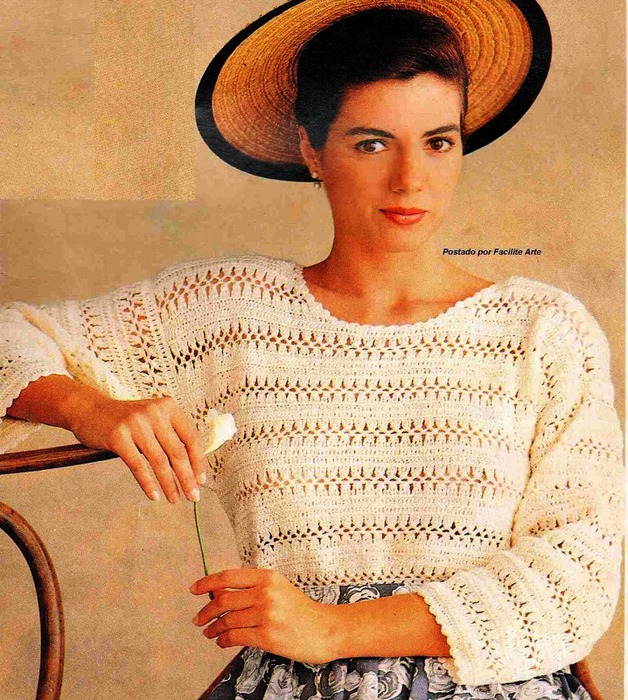
БЕЛЫЙ АЖУРНЫЙ ДЖЕМПЕР

Вторник, 22 Января 2013 г. 00:05 + в цитатник
Это цитата сообщения Ирина-ажур [Прочитать целиком + В свой цитатник или сообщество!]

Рубрики:  Крючком/Кофточки, джемперы, топы, жилеты


Поиск сообщений в Xymena21
Страницы: 728 ... 132 131 [130] 129 128 ..
.. 1 Календарь