Greetings For Passover
"Shalom!
Wishing you joy and many blessings
at Passover and throughout the year!
May God bless you this Passover season
and all through the year..."
"May your Pesach overflow with happiness...
May you always be blessed with peace,
prosperity and togetherness!
Wishing you a Happy Passover!"
Поздравляем с праздником Песах — праздником освобождения еврейского народа из рабства, праздником свободы и радости!!!
Желаю Вам, Вашим семьям и Вашим друзьям - мира, счастья, здоровья и успехов во всех Ваших добрых начинаниях!
Песах еще и праздник весны, а весна — время надежд. Пусть все Ваши надежды на лучшее оправдаются!!!
Хаг Самеах!!! (пер."Весёлого праздника!")
Music
"Ле Хаим" by Boris Moiseev (iTunes • eMusic)
Greetings For Passover
"Shalom!
Wishing you joy and many blessings
at Passover and throughout the year!
May God bless you this Passover season
and all through the year..."
"May your Pesach overflow with happiness...
May you always be blessed with peace,
prosperity and togetherness!
Wishing you a Happy Passover!"
"Shalom!
Wishing you...
Peace, Good times,
Good health
and Happiness...
on Passover & always!"
"Wishing you a
Spring fresh
with new promises
and a Passover
blossoming with joy
Happy Passover!"
"Shalom
On Passover and always
May you rejoice
In our traditions and
Always be blessed
With the rich and bountiful
Gifts of life!"
"Sending you LOADS of
warmth, love and hugs!
Happy Passover..."
"May you be blessed with
happiness, prosperity, peace and good health
on Pesach and always!
Happy Passover!"
"Pour the wine,
Drink and dine,
Passover is here,
Let's spend a time fine.
Happy Passover!"
"As you celebrate Passover...
May you be blessed
With peace and happiness!
Happy Passover!"
"May those
who attend your
Seder feast
be blessed with
everything
that life has to offer...
And so do You!
Happy Passover!"
"Singing the Haggadah
Enjoying the matzos
Dining with dear ones
Extra-special fun at the Afikoman hunt
Round of four questions
May your Seder overflow with
all the joys of Pesach!!
Happy Passover!"
"I don't want to pass
over the chance to say...
Having a friend as fun and special
as U fills my heart with matzo happiness!!
Happy Passover!"
"Shalom!
With smiles
across the miles to say...
I'm thinking of you!
Happy Passover!"
"Passover is a time of reflection and joy.
When we emerge from our cocoon
Of doubt to fly freely
On the wings of faith"
"The Seder table is set...
And I'm here to wish your Passover is
Filled with happiness, togetherness and smiles!
Happy Passover!"
"May God bless you
With peace, joy and prosperity
On this Passover and throughout your life."
"On this blessed day,
I wish you all the
happiness in the World...
Happy Passover!"
"Wishing all the joys
Of the Passover holiday!
To you
And those you hold dear!"
"Remembering with you the rich tradition of Pesach
And wishing you warmth and togetherness,
prosperity and happiness always... Happy Passover!"
"Warm Wishes for
A Blessed Passover!
Full of Love and Peace!"
"Blessings and good wishes
To you and your family
on Passover!"
"Passover Celebrates
God's Gift of Love
May you see
His mighty hand
In every detail
Of your life
Happy Passover!"
"Blessed be eye of the Lord
Who made heaven and earth.
Happy Passover!"
"Shalom
On Passover and always
May you rejoice
In our traditions and
Always be blessed
With the rich and bountiful
Gifts of life!"
"Shalom!
Wishing all the joys
Of the Passover holiday!
To you
And those you hold dear!
May you be blessed with
Happiness, prosperity and peace
And good health on Passover and always"
Happy Passover!
"May you be blessed with
Happiness, prosperity and peace
And good health on Pesach and always
Happy Passover!"
"This Passover,
May your cup overflow with happiness and prosperity
Happy Passover!"
Use any of the greeting mentioned above to convey your regards and wishes to your friends and family on this Passover. Happy Passover!
Крым был продан американцам, в основном евреям, ещё Лениным. А потому,
если действовать по закону, то пора платить по векселям и забрать Крым
у Украины и сделать его штатом Израиля, как Аляска - штат США. Как
идейка?
В День милиции (теперь уже полиции) в России по телевизору обычно показывают концерт с поднадоевшими эстрадными звездами, а полицейские дежурят в метро и на улицах в парадной форме. Но мало кто вспоминает о том, кто создавал полицию в Российской империи.
С корабля на бал
1697 год. В честь прибытия в Амстердам Великого посольства из России во главе с молодым царем Петром голландцы устраивают показательные маневры. В бухте Эй выстраивается несколько десятков парусников и начинается морская баталия. Петр, уже немного выучивший голландский, принимает командование голландской флотилией. Самым расторопным и понимающим юнгой на корабле оказывается юный Антуан Де Вийера. «А ты, яко обезьяна, взлетал по вантам, крепя и ослабляя паруса», — восхищается русский царь. Антуан с благодарностью принимает от Петра золотой талер и представляется: «Зовут меня Антон Дивьер. Я из Португалии. Иудейского рода».
Еврейское происхождение юнги ничуть не смущает Петра, который ценил в людях умение и смышленость и мало придавал значения их национальности. Антуан поступает на службу к государю. Пажом. Так начался путь еврейского мальчика Антуана де Вийеры к званию первого полицейского огромной страны.
Де Вийера был из португальских марранов. Предки создателя российской полиции вынуждены были креститься, но тайно исповедовали иудейскую веру. Однако родители Де Вийеры вынуждены были перебраться в Голландию, когда в Португалии костры инквизиции вспыхнули с новой силой. Своего еврейского происхождения де Вийера никогда не скрывал, но Петр любил толковых инородцев. И в России юного пажа встретили доброжелательно. Особенно дамы — шестнадцатилетний Де Вийера был очень хорош собой. Карьера юноши стремительно идет в гору: из пажей — в денщики Петра, из денщиков — в генерал-адъютанты. Однако любовь русского царя не разделяли его бояре. Узнав о связи своей сестрицы Анны и молодого еврея, фаворит Петра Александр Меншиков в ярости набрасывается на Де Вийеру с кулаками, а после приказывает слугам высечь соблазнителя. Говорят, Анна к тому времени была уже беременна от своего возлюбленного. Петр приходит в бешенство, узнав о выходке Меншикова. Царь отдает приказ — и еврей Де Вийера женится на Анне Меншиковой, брат которой с тех пор превратится в его беспощадного врага.
Преступления и наказания по Дивьеру
Молодожены перебираются в строящийся Петербург, который еще мало приспособлен для жизни. По улицам бродят волки, народ, силой свезенный в любимое детище Петра, разбойничает и пьет без устали. Время от времени деревянные постройки вспыхивают — и огонь быстро пожирает плоды трудов и чаяний царя. Как справляться со всем этим хаосом, Петр не знает. Все крупные конфликты всегда подавлялись силами военных, но солдаты обучены лишь воевать или, в крайнем случае, подавлять бунты. Заставить их следить за порядком в городе непросто. Петр поручает разобраться с царящим в городе хаосом Антуану, который к тому времени уже достаточно обрусел и зовется Антоном Дивьером.
«Господа Сенат! — издает Петр указ 27 мая 1718 года. — Определили мы для лучших порядков в сем городе генерал-полицмейстера, которым назначили генерал-адъютанта Дивьера; и дали пункты, как ему врученное дело управлять».
Дивьер с присущей ему ответственностью и расторопностью оказался на своем месте. Постепенно порядок в городе стал восстанавливаться. За преступления (даже грабеж) карали жестоко — чаще всего смертью. В его ведомстве было 10 офицеров, 20 унтер-офицеров и 160 «солдат добрых». Узнать их на улице было несложно: носили они зеленые камзолы с красными обшлагами и лиловые картузы. Сам обер-полицмейстер лично объезжал ежедневно город и следил за порядком. Но занят был не одними лишь пьяными драками. Петр, обожавший Петербург, вынужден был отвлекаться от строительства города, занимаясь делами государственными. Вот и поручил он надежному Дивьеру развивать новую столицу. И Дивьер взялся за дело решительно. Для начала создал пожарную часть, поставил в городе пожарную вышку и издал приказ, согласно которому все жители, заслышав колокол, должны бежать тушить пожар. Впереди других петербуржцев к пылавшим домам всегда бежал сам царь. Петербург перестал выгорать дотла и начал, наконец, разрастаться. Дальше — больше. Все главные улицы, утопавшие о в грязи, по приказу Дивьера, мостят камнем, в городе появляются фурманщики, которые собирают и вывозят за пределы столицы нечистоты. В конце каждой улицы ставят шлагбаумы, ходить через которые ночью дозволено только военным, знатным господам, повивальным бабкам и священникам. Всех, кто желал прогуляться по Петербургу ночью, но не имел на это право, ловили и били кнутом. Дивьер вводит строгие правила регистрации населения, которые позволяют точно определить количество проживающих в городе и приезжих. Виновных в несоблюдении порядка карают со всей жестокостью. Сильнее всего достается попрошайкам, которых по приказу Дивьера били батогами и высылали из города.
Вообще мягким правителем Дивьера не назовешь. Чтобы навести порядок в городе, он прибегает к драконовским мерам: за азартные игры, пьянство, несоблюдение паспортного порядка, даже за пение песен на улице нарушителей наказывали немалыми штрафами. А если, откупившись, безобразник так и не научался соблюдать законы, отправлялся в Сибирь или на плаху. Батогами били тех, кто сбрасывал мусор в Неву — Дивьер внимательно следил за тем, чтобы реку не превратили в сливной канал.
Царь в восторге и гордится своей придумкой. «Полиция споспешествует в правах и в правосудии, рождает добрые порядки и нравоучения, всем безопасность подает от разбойников, воров, насильников и обманщиков и сим подобных, — пишет он, — непорядочное и непотребное житие отгоняет, и принуждает каждого к трудам и к честному промыслу... препятствует дороговизне и приносит довольство во всем, потребном к жизни человеческой, предостерегает все приключившиеся болезни, производит чистоту по улицам... воспитывает юных в целомудренной чистоте и честных науках; вкратце же над всеми сими полиция есть душа гражданства и всех добрых порядков и фундаментальной подпор человеческой безопасности и удобности».
Петр производит Дивьера в генерал-майоры и дает ему все больше полномочий. Со временем Дивьер становится больше, чем блюстителем порядка. Он следит за строительством мостов и зданий. И преуспевает и в этом: привыкший к европейской архитектурной традиции, Дивьер привносит в план застройки города европейский дух. Здания, которые возводятся при его участии, восхищают Петра своей изысканностью. Но за проступки царь наказывает жестоко и унизительно.
Однажды пришлось такую вспышку государева гнева испытать на себе Дивьеру даже публично. Ехали как-то Петр и обер-полицмейстер по городу в одноколке. Однако перед мостом в Новой Голландии вынуждены были остановиться: кучер вовремя заметил, что в кладке моста не хватает нескольких досок. То ли положить, по известной российской привычке, забыли, то ли, тоже по привычке, положенное сперли. Петр приказывает кучеру мост немедленно поправить. Дивьера же приглашает из кареты выйти и отхаживает по спине посохом, приговаривая «Это лучше прибавит тебе памяти о попечении и содержании мостов в порядке». Остыл, правда, так же быстро, как вспыхнул — тут же положил руку Дивьеру на плечо со словами «Не взыщи. Садись, брат» и продолжил прерванную беседу. Говорят, кстати, что к этому происшествию имел отношение все тот же мстительный Меншиков, который в то время был губернатором Санкт-Петербурга и то и дело жаловался Петру на полицмейстера. Царь, впрочем, всегда оставался на стороне Дивьера.
Падение
После смерти Петра жизнь влиятельного полицмейстера изменилась мало. Взошедшая на престол Екатерина I с удовольствием приглашала обходительного Дивьера к себе, он развлекал ее разговорами и своей образованностью. Императрица осыпала верного полицмейстера милостями: Дивьер был возведен в графское достоинство, получил звание сенатора и генерал-лейтенанта и даже получил высочайшую награду в Российской империи — орден св. Александра Невского. А Анна Даниловна — жена Дивьера — была причислена к свите императрицы и стала гоффрейлиной.
Однако Меншиков не оставлял надежду отомстить нежеланному родственнику. Когда императрица слегла в алкогольной горячке (слаба была Екатерина до спиртного), внушил ей, что Дивьер ее болезнью «недостаточно опечален». И вытребовал приказ арестовать полицмейстера. Дивьера пытали и даже вздернули на дыбу. Меншиков был в восторге: не снеся страданий, Дивьер признался в заговоре и выдал своих «подельников» — всех недругов Меншикова. Они были лишены всех званий и имущества и сосланы в Б-гом забытую Якутию в 9000 верстах от Петербурга. Избавления от страданий Антону Мануиловичу ждать придется долгие годы. Сменит на престоле Екатерину I Петр II, вслед за ним империя перейдет в руки Анны Иоанновны. Новая императрица вдруг вспомнит о томящемся в ссылке Дивьере, но в Петербург не вернет, а сделает его командиром Охотского порта. С новыми силами взявшись за дело, Антуан Мануилович приводит порт в надлежащее состояние и даже создает там мореходную школу, которая впоследствии превратится в штурманское училище сибирской флотилии.
Как ни удивительно, но в Петербург Дивьер все-таки вернется — когда на престол взойдет дочь Петра I Елизавета, любившая полицмейстера с детства. Она вернет Дивьеру все титулы и имущество и поставит вновь руководить полицией. Однако после пятнадцатилетней ссылки здоровье Антона Мануиловича подорвано, он часто хворает, в городе его уже никто не боится и через полгода он тихо преставится в своем доме. На его надгробии выгравировали надпись: «Генералъ-аншефъ графъ Антонь Мануиловичъ Дивьеръ...»
Так завершился путь еврея Антуана Де Вийеры, который создал в России полицейскую службу, очистил Санкт-Петербург от нечистот и навел в столице порядок. Но вся эта история мало интересна нынешним полицейским начальникам. Хоть и была бы для них весьма поучительна.
Is the Obama Administration Interfering in Israel’s Elections?
(wikipedia)
A US Senate investigatory committee has launched a bipartisan probe into American funding of efforts by left-wing organizations to oust Prime Minister Benjamin Netanyahu. These funds ostensibly came from the Obama administration’s State Department, which gave the non-profits working against Netanyahu US taxpayer-funded grants, a source with knowledge of the panel’s activities told FoxNews.
According to the source, the probe is looking into funding of the OneVoice Movement, a Washington-based group that has received $350,000 in recent State Department grants. A subsidiary of OneVoice is the Israel-based Victory 15 campaign, guided by top operatives of the White House, which openly seeks to “replace the government” of Israel.
The Senate subcommittee, which has subpoena power, is the Homeland Security and Governmental Affairs’ chief investigative body with jurisdiction over all branches of government operations and compliance with laws.
The fact that both Democratic and Republican sides of the Senate Permanent Subcommittee on Investigations have signed off on the probe could be seen as a rebuke to Obama, whose adversarial relationship with the Israeli leader has been well-documented,FoxNews points out.
Netanyahu himself stated on several occasions that “foreign governments” and “foreign-based organizations” have been working to eject him.
Speaking in an interview with Israel’s Channel 2 on Saturday, Netanyahu said the coalition seeking to oust him is generously funded by foreign donors who are also encouraging a high voter turnout among Israel’s Arab and left-wing voters in a bid to replace the existing leadership. Netanyahu called the campaign “unprecedented.”
No direct link has been confirmed between Obama and the anti-Netanyahu campaign in Israel, FoxNews adds.
Resurfacing Reports
Senator Ted Cruz. (AP Photo/Pablo Martinez Monsivais)
In February, reports repeatedly surfaced that Obama was attempting to influence the outcome of Israel’s elections through funding and that one of his former top campaign advisers, Jeremy Bird, was in Israel helping the left-wing campaign.
At the time, Senator Ted Cruz (R-Tx) and Congressman Lee Zeldin (R-NY) sent a letter to Secretary of State John Kerry regarding the reports.
Cruz and Zeldin demanded to know, for instance, how much funding the US government has provided to these groups and who approved the funding.
“Has President Obama launched a political campaign against Prime Minister Netanyahu and his representatives?” Cruz asked. “This administration’s relentless harassment of Israel is utterly incomprehensible. The Islamic Republic of Iran is pursuing the deadliest weapons on the planet, and there can be no doubt that their first target will be Israel, followed by the United States. This administration should be focusing its animosity on the very real enemies we face, not on our staunch allies.”
By: United with Israel Staff (With files from FoxNews)
Do You Support Israel?
Want to do something great for Israel today? Make a donation to United with Israel, and help to educate and inspire millions around the world to support Israel too!
We are a grassroots movement that fosters unity and love for the People, Country and Land of Israel. Every day we publish stories about Israel to educate, inspire and empower Israel supporters around the world. We contribute to vital causes like building bomb shelters and helping the needy. Donations from true friends of Israel like you make this possible, so please show your support today!
В Одессе повесили чучело Петра Порошенко в окровавленной вышиванке
Куклу с лицом президента Украины неизвестные водрузили на указателе дорог на Дерибасовской улице.
Неизвестные жители Одессы «оригинально» поздравили с Днем смеха президента Украины Петра Порошенко.
Минувшей ночью на указательном столбе, расположенном на перекрестке улиц Дерибасовской и Леха Качинского возле памятника Иосифу де Рибасу, появилось чучело с лицом Петра Порошенко, которое было одето в окровавленную вышиванку.
Помимо этого, неизвестные повесили на чучело надгробную табличку с датой рождения Петра Порошенко — 26 сентября 1968 года и якобы предполагаемым годом смерти — 2015-м.
Стоит отметить, что Петр Порошенко и сам не прочь пошутить накануне Дня смеха. 31 марта президент Украины разместил в своем официальном аккаунте в социальной сети «Твиттер» снимки в камуфляже «циничного бандеры». На этот раз глава украинского государства попытался преподнести их как шутку. Однако, вероятнее всего, таким образом президент Порошенко попытался оправдаться перед жителями Украины за свою оговорку на встрече с офицерами СБУ.
Напомним, 25 марта Порошенко назвал циничными бандерами убийц сотрудника спецслужб Виктора Мандзика. Непосредственным убийцей, по данным следствия, считается помощник депутата Рады от Блока Петра Порошенко Андрея Денисенко — Денис Гордеев, который был также юристом «Правого сектора». Обняв вдову убитого, президент Украины произнес пафосную речь, в которой назвал преступников циничными бандерами, но сразу же поправился. Однако в Интернете все равно высмеяли президента Порошенко за оговорку.
The Dalai Lama has some very insightful verses. I’ve gathered my favorite quotes from the Tibetan leader about a variety of topics such as love, compassion, peace, humanity, violence, and the environment. It’s a very interesting read. Enjoy :
1- Happiness is not something ready-made. It comes from your own actions.
2- If you can, help others; if you cannot do that, at least do not harm them.
3- If you want others to be happy, practice compassion. If you want to be happy, practice compassion.
4- My religion is very simple. My religion is kindness.
5- Remember that not getting what you want is sometimes a wonderful stroke of luck.
6- The ultimate authority must always rest with the individual’s own reason and critical analysis.
7- We can live without religion and meditation, but we cannot survive without human affection.
8- We can never obtain peace in the outer world until we make peace with ourselves.
9- Be kind whenever possible. It is always possible.
10- If you have fear of some pain or suffering, you should examine whether there is anything you can do about it. If you can, there is no need to worry about it; if you cannot do anything, then there is also no need to worry.
11- If you don’t love yourself, you cannot love others. You will not be able to love others. If you have no compassion for yourself then you are not able of developing compassion for others.
12- Human potential is the same for all. Your feeling, “I am of no value”, is wrong. Absolutely wrong. You are deceiving yourself. We all have the power of thought – so what are you lacking? If you have willpower, then you can change anything. It is usually said that you are your own master.
13- We must recognize that the suffering of one person or one nation is the suffering of humanity. That the happiness of one person or nation is the happiness of humanity.
14- Through violence, you may ‘solve’ one problem, but you sow the seeds for another.
15- As people alive today, we must consider future generations: a clean environment is a human right like any other. It is therefore part of our responsibility toward others to ensure that the world we pass on is as healthy, if not healthier, than we found it.
16- To conquer oneself is a greater victory than to conquer thousands in a battle.
17- There is a saying in Tibetan, “Tragedy should be utilized as a source of strength.”
No matter what sort of difficulties, how painful experience is, if we lose our hope, that’s our real disaster.
18- The creatures that inhabit this earth-be they human beings or animals-are here to contribute, each in its own particular way, to the beauty and prosperity of the world.
19- A spoon cannot taste of the food it carries. Likewise, a foolish man cannot understand the wise man´s wisdom even if he associates with a sage.
20- In our struggle for freedom, truth is the only weapon we possess.
You may also be interested in this quick post I wrote a while back about a few verses from the Dalai Lama: Verses For Training The Mind
Did you like this article? Why don't you share it via Facebook, Twitter, Google+, StumbleUpon, or any other way you want!
The German newspaperDie Weltpublished a sensationalinterview withthe formerFirst Ladyof Russia LyudmilaPutin. My husband, unfortunately, have long been dead. I have to admit it publicly, because I could no longer see what is happening on his behalf. It's terrible people. They did not stop at nothing. I am afraid that now they will kill me and daughters as well as killed him. Our family was not exactly ideal. When I got married, I was in love with intelligence officers. But the reality was quite different. Putin was vile, cruel man, a tyrant. He never considered me, simply did not notice my existence. I needed him only for reference and the composition of the family as a mother for his children. I find it hard to talk about it, but Putin beat me, humiliated, mocked me. Life with him was torture.
I tried to fight, not just going to file for divorce. But this man was not anything sacred. To silence me, he handed me over to a psychiatric clinic. I went through all the circles of hell ... narcotics, psychotropic substances, bullying. For a long time I was locked up in prison for a long time and I have not seen sunlight, did not see the people. I still remember it with a shudder. Of young and confident woman I became a shadow, my will was broken, I agreed to all conditions, only to come out. But what began after his death defies description.He then was a difficult period. I of course he did not tell, became even more withdrawn. A month before the death of the night, without warning brought daughters - I do not even know where. And then he was gone completely. At night we came home to some people - some of them I knew someone had seen for the first time. Break everything upside down, reviewed all the papers, all the walls in the house rattled. They told me only one thing: "If you want to live - be silent." All questions about her husband briefly replied that he would soon come that he important retreat and in the interests of national security is not worth it to me with anyone to discuss. A few days later came his first ... understudy. Later I learned that the murder of Vladimir prepared ahead of time, it eliminated when the first twin was almost ready to take his place. Outwardly, he certainly was very similar to Putin - I was impressed. But it was a completely different person.They somehow managed to track down the girls. And I issued an ultimatum - either I play the role of a loyal wife or me or daughters no longer live. I had no choice. I first tried to avoid public events. Corrosive media attention, intrigue and gossip - all this sickens me. But to pretend wife of another man I was even worse. So they prepared for me and the double - to when I said something wrong, as planned scenario, wipe out embarrassments. If they had time to bring my siblings to more or less successful similarities, I would long ago have been killed. Miraculously, we managed to escape. For obvious reasons, I can not call the people who helped us to stop this terrible dramatization and escape. "Divorce" was my deliverance. Now I live abroad, I'm fine. But I'm scared to see what is happening with Russia. http://pilar-lar-lar.livejournal.com/4979.html
We all know someone who has benefitted from the advances of modern medicine: a child who has received a life saving vaccine; a cancer patient who has received chemotherapy; a baby born through in vitro fertilization. But what most of us don’t know is that all of these medical advances have come to us courtesy of one woman’s cells.
On October 4th, 1951, a 31-year-old woman named Henrietta Lacksdied of cervical cancer. Henrietta was buried in an unmarked grave, and her legacy was largely forgotten. But cells harvested from her tumour lived on to do something incredible. They became the first “immortal” cells in history. Henrietta’s cells – known as HeLa cells – were grown in a way that allowed them to live on outside of the human body, and to reproduce indefinitely.
HeLa cells opened up a new world opened up a new world of possibility for scientists. The cells allowed them to understand disease like never before. And eventually scientists used HeLa cells to make some of the most important medical advances in history.
While Henrietta’s cells were changing the face of modern medicine, the family she had left behind was kept in the dark. Henrietta’s husband and five children had no idea that the HeLa cells were providing the key to multiple medical breakthroughs.
It was a chance encounter with a medical researcher that led to the family’s discovery of Henrietta’s legacy. When the researcher said that he was working with the cells of a woman named Henrietta Lacks, the family was shocked. They discovered that Henrietta’s cells had been harvested without anyone knowing. And they discovered how her cells had been crucial to countless scientific breakthroughs. This was the immortal legacy of their mother.
While it took decades for Henrietta’s story to emerge, her amazing legacy has finally been recognized. In place of her unmarked grave, her family built a memorial. Henrietta’s tombstone now remembers her as a woman who ‘touched the lives of many’.
Over the years, scientists have grown over 20,000 kilograms of HeLa cells. And through these cells, they’ve learned a great deal about biology, disease and medicine. They have helped to cure diseases, produce vaccines, pioneer medical treatments, and ultimately save lives. And behind all of these lives saved is an African American tobacco farmer and mother of five, who history has forgotten.
VOCABULARY
chemotherapy
a kind of cancer treatment
courtesy of ________
a way of saying who gave something
immortal
to live forever
the face of
the character of; the appearance of
kept in the dark
to not tell someone something; to keep secrets from someone
The Danube salmon can reach the size of a man and live for 30 years - but its last hunting grounds in the Balkans are being threatened by a rash of dam-building.
"It's very fast, lean, and elegant. And very beautiful," says Ulrich Eichelmann.
He might have been describing a racing car. In fact, the director of the environmental group Riverwatch is talking about a fish - Hucho Hucho in Latin, Huchen in German, often known as the Danube salmon in English because it was once found in much of the Danube basin.
But its main remaining refuge today is in the Balkans, in the streams and rivers which tumble down the mountains and twist through the valleys between Slovenia and Montenegro.
"We Europeans cry out with indignation about the plight of the last tigers in the wild in Asia, and demand efforts to save them," says Eichelmann, as we trudge though the wetland forest down to the shore of the River Sava in Slovenia. "But we seem blind to the threat to these last tigers of our own - the Danube salmon."
Ahead of him, a man with a white bucket treads gingerly among the snowdrops which carpet the floor of this forest just waking from its winter hibernation. In the bucket are five of the slim blue-green-grey-white-silvery creatures, three years old, each about 40cm long, twisting and turning in the narrow space like teenagers on the dance floor, sensing their imminent release into the wild.
"This fish is a good indicator of the health of our rivers," explains Steven Weiss, an American scientist based in Graz in Austria, and one of the authors of a new study warning that the building of new dams could wipe out many of the fish. They need a lot of space, fast flowing clean water and a very specific habitat to spawn in order to maintain a self-sustaining population.
The ecologists, in alliance with the Slovenian Anglers Association, have brought Danube salmon with them today to humour us journalists, as they launch their campaign to save the fish.
We reach the stony shore. A banner is unfolded. Save the Sava - the name of the river seems designed to fit the English verb. And in a matter of minutes the deed is done.
The racing fish are away, zig-zagging through the shallow waters, over the flat stones of the riverbed towards the rapids nearby.
I first came across this fish in Josef Fischer's garden, beside the Danube in the Wachau region of Austria several years ago. Fischer is a wine grower and angler who breeds thousands of them each year in tanks among his vines.
There's a tank for those several months old, big-eyed creatures filling the space like a sky-full of arrows in slow motion. Separate tanks for one-year-olds, two-year-olds, three-year-olds.
Josef Fischer holding one of his fish
I watched him partially drain his pond, where his prize specimen, a handsome female lay peacefully. He carried her gently to a blue container, made her drowsy with a sedative in the water, then ran his big farmer's hands skilfully down the whole length of her body several times, trying to massage the eggs out of her.
Had he succeeded, he would then have brought a large male fish from another pond to fertilise them. On that occasion, he failed. No eggs. He took it manfully.
"I missed out one stage in the process this year," he explained. "Next year I will go back to the tried and tested method. In the meantime, I have enough fish here already."
Ten thousand in fact, he estimates. Each year, he releases several thousand into the Danube, repopulating the river with a noble species which once migrated up and down it in large numbers. But the many hydroelectric dams built mostly in the 1950s and 60s destroyed their spawning grounds and turned the river into a succession of lakes.
Later, when he had taken off his galoshes, we sipped his crisp white wine and watched the afternoon sun light up the ruins of the castle where good King Richard of England was once imprisoned, on a hilltop on the far bank. "I haven't eaten this fish for 10 years," Fischer confessed. "I like them too much."
On the River Sava, Weiss explains how salmon breed in the wild. The queen finds a section of riverbed she likes the look of, the king sidles alongside, they perform a dance together, sweeping away the fine grains of gravel to make a nest to lay her eggs. And as she does so, he sows his own seed over them like a sudden underwater cloud.
When its all over, she sweeps a fine film of sand over the eggs with her tail. A month or so later, small fish emerge. Princes and princesses of the Balkans.
The Israeli Prison Service is preparing for former Prime Minister Ehud Olmert to sit his jail term, after he was convicted for the third time for fraud on Monday.
Prison Services Commissioner Aharon Franco has decided to hold a hearing after Passover (Pesach), according to Channel 2, during which a special team will be established to make the necessary preparations for Olmert's arrival.
The team will examine where best to hold Olmert, and are debating between prisons in Ramle and HaSharon.
According to the report, IPS will meet with officials in the Israel Security Agency(ISA or Shin Bet), and the latter will take extraordinary steps to secure Olmert during his sentence.
It will also be decided if Olmert will have a cellmate.
"The possibility of Olmert entering jail has never been more realistic than it is now," a senior IPS official stated, reflecting on the number of arrangements to make the sentence possible.
Порой, совершенно не важно, какую пищу вы едите – полезную, или не очень, потому что после еды вы все равно чувствуете себя так, словно съели воздушный шар, и теперь не знаете, как его «сдуть». Это не удивительно. Даже правильная диетическая еда не идеальна. И уж тем более это касается питания, к здоровой и диетической категории не относящегося.
Продукты, которые откровенно вредят внешнему виду вашего живота можно разделить условно на две категории. Первые вызывают временный визуальный эффект, который проходит через несколько часов. Они не добавляют вам лишние килограммы в области талии, однако могут на время сделать ее зрительно шире, чем она есть на самом деле. Происходит это из-за вздутия или распирания, которые возникают после приема данной пищи. Вторая категория продуктов способствует увеличению объемов талии на долгосрочной основе. Она стремительно трансформируется в жир, который откладывается в районе пояса. У этого типа отложения жира даже есть свое название.
Итак, вот первоочередной список простых и популярных продуктов, которые лишают нас тонкой талии:
Мороженое
Слишком сладкое, чтобы быть полезным, мороженое быстро повышает уровень глюкозы в крови, заставляя поджелудочную железу вырабатывать больше инсулина, который нужен для переработки глюкозы. А чем выше уровень инсулина, тем менее восприимчивыми к нему становятся клетки мышц – главный «крематорий» калорий, - и тем больше шансов, что инсулин понесет глюкозу к жировым клеткам, где она будет преобразована в новые слои жира. Вообще, этот «план Б» инсулин использует тем чаще, чем больше простых углеводов вы потребляете, и чем меньше в вашем теле мышечной ткани. Инсулин, этот труженик, призванный убирать лишний сахар из крови, поначалу пытается «пристроить» молекулы глюкозы клеткам мышечной ткани. Но чем менее восприимчивы они к инсулину (а в этом виноваты именно вы и ваша любовь к сладкому), и чем меньше их в вашем организме, тем меньше вариантов остается у инсулина. Жировые клетки отзывчивее на его воздействие, и с радостью приютят у себя глюкозу, преобразуя простые углеводы в отложения жира вокруг вашей талии. Ожирение, при котором у человека в первую очередь исчезает под слоем жира талия и живот, так и называется: инсулинорезистентным. В США, по разным данным, этот тип ожирения характерен для 35% людей, страдающих избыточным весом.
Думаете, это все недостатки ледяного лакомства? Отнюдь. Как любой экстремально холодный молочный продукт, содержащий лактозу, мороженое требует особых условий для переваривания и часто вызывает повышенное газообразование. Так что, спустя совсем непродолжительное время вы можете почувствовать дискомфорт в области пояса.
Зефир, пастила
Эти «нежирные» сладости часто рекомендуются в качестве лакомства для худеющих. Аргумент прост: классический зефир и пастила делаются без использования жира и молока. То есть, эти продукты хоть и сладкие, но имеют нулевой процент жирности. Для тех, кто сидит на сбалансированной диете, - идеальное лакомство. Однако, как любой продукт, содержащий сахар в существенных количествах, зефир и пастила приводят к резкому скачку сахара в крови, а дальше все идет по известному сценарию: увеличение уровня инсулина, и спешная попытка «распихать» избыток глюкозы по организму, очистив от нее кровь. Вы все еще считаете зефир удачным десертом для стройной талии? Напрасно.
И, увы, зефир и пастила, благодаря своему составу, часто являются причиной вздутия живота.
Булочки
Обычные белые булочки, которые мы используем для сэндвичей или как основу для бутербродов, выпекаются из 100%-ной очищенной пшеничной муки. Такая мука не имеет никакой пищевой ценности для нашего организма. Потребление выпечки из пшеничной муки высшего сорта приводит к повышению уровня сахара и инсулина в крови, и способствует отложению жира в области талии. К слову, свежая дрожжевая выпечка также способствует усиленному образованию газов в желудке.
Если вы не можете отказать себе в удовольствии съесть булочку, отдавайте предпочтение выпечке из муки грубого помола.
Минеральная вода
Употребление любой обогащенной углеводородом воды приводит к временному увеличению объема желудка за счет скопления в нем газов из напитка. Эффект распирания в той или иной степени может сохраняться от часа до трех. Конечно, это не критично, но, если вы надели облегающий наряд или обтягивающие джинсы, лучше воздержитесь от воды с газами. Иначе чувство дискомфорта от слишком тесной в талии одежды вам обеспечено.
Кола и сладкая газировка
В отличие от обычной воды с газом, которая вызывает немедленное, но кратковременное вздутие живота, Кола и ее аналоги увеличивают объем талии надежно и надолго. В зависимости от типа газировки она может содержать сахар, кукурузный сироп, или другой жидкий подсластитель. Высокое содержание сахара в жидкой форме моментально повышает уровень инсулина в крови, а тому ничего не остается делать, как эвакуировать излишки глюкозы из крови, срочно переработав ее в жир. Догадайтесь, где этот жир будет храниться? Правильно: в области живота.
Не пытайтесь заменить сладкую газировку так называемыми «диетическими» вариантами. В диетической коле и подобных ей напитках вместо натуральных источников сахарозы содержатся искусственные подсластители. Возможно, они не добавят вам складок на животе, но и здоровья тоже не прибавят, скорее, наоборот.
Картофель фри, чипсы и прочие продукты из фритюра
Коммерческие чипсы, картошка фри из ресторанов быстрого питания и прочий фаст-фуд, которым мы привыкли перекусывать во время рабочих перерывов, или закидываем в себя во время дружеских посиделок, часто содержат самый вредный тип жиров - транс-жиры, которые мало того, что портят талию, так еще и являются канцерогенами. Помимо прочего, этот тип жиров вызывает воспалительные процессы в желудке. Что опять же не делает его здоровее. И в довершение к этому, сильно зажаренная пища заставляет нас больше пить. Так что, ощущение тяжести в животе и дискомфорт после такого перекуса гарантирован. Вроде бы и съедено не много, а пояс на джинсах упорно давит на округлившийся животик.
Сосиски и колбаса
Промышленные сосиски, сардельки, колбаски – все эти удобные для занятых людей полуфабрикаты содержат неприличное количество насыщенных жиров, вредных для организма. Помимо того, что они способствуют набору лишнего веса, насыщенные жиры также часто становятся причиной воспалительных процессов в желудке.
Есть и еще одна причина избегать употребления колбасы и сосисок тем, кто заботится о внешнем виде своего живота. Эти продукты содержат избыточное количество натрия, который является одним из известных усилителей вкуса (в составе пищевой соли и других пищевых добавок). Так производители заставляют вас любить свою мясную продукцию и есть больше, чем вы должны. Чем же плох натрий? Его избыток приводит к задержке жидкости в организме и как следствие – к отекам. По этой же причине ваш живот будет казаться больше, а вы будете ощущать неприятную тяжесть в животе после еды.
Жевательная резинка и конфеты «без сахара»
Как правило, такие продукты содержат спиртовые заменители сахара, такие как ксилит (xylitol), сорбит (sorbitol), мальтит (maltitol). Поскольку эти сахарные спирты лишь частично перевариваются в организме, они менее калорийны и имеют более низкий гликемический индекс (то есть, не приводят к резкому увеличению концентрации глюкозы в крови). Однако по той же причине эти спирты могут привести к такому побочному эффекту со стороны жкт как вздутие, повышенное газообразование и даже диарея. Как результат – ваш живот будет выглядеть не таким плоским, как хотелось бы, после приема этих сладостей без сахара.
У жевательной резинки есть и еще одна неприятная особенность: в процессе жевания вы заглатываете воздух. Что также приводит к излишнему образованию газов и вздутию.
Белый рис
Очищенный белый рис легко переваривается, быстро повышает уровень инсулина в вашем организме, и как результат, запускает все ту же цепную реакцию, приводящую к отложению жира на талии. Кроме того, рис не дает вам необходимое ощущение сытости. Как результат – вы готовы съесть больше, чем это реально нужно, увеличивая потребление калорий, а значит, и собственный вес.
Капуста
Известный факт: практически все виды капусты в сыром виде способствуют усиленному газообразованию. При всей диетичности данного продукта, его не стоит употреблять в те дни, когда вам хочется, чтобы ваша фигура выглядела идеальной. Салатик из свежей капусты и обтягивающий наряд – вещи не совместимые. От вздутия, которое возникает в процессе переваривания сырой капусты, не спасет даже прекрасно накаченный брюшной пресс.
Совет: вздутия живота можно избежать, если употреблять капусту, предварительно обработав ее термически. При паровой обработке большинство полезный веществ сохранятся, а причина метеоризма – грубая клетчатка, - разрушается.
Бобовые
О том, что горох и фасоль приводят к метеоризму, не знает только ленивый. Вздутие живота при этом провоцирует растительный белок, в больших количествах присутствующий в бобовых. Газообразование связано с тем, что желудку не хватает ферментов для быстрого переваривания этих растительных белков, и они начинают бродить в жкт. Выход один: если вы не привычны к бобовым, и они не являются частью вашего регулярного рациона, - не налегайте на них в те редкие моменты, когда появляется такая возможность. Бобовые, безусловно, питательны и из них могут получаться очень вкусные блюда. Но для вас это закончится газами и дискомфортом, спустя непродолжительное время.
Виноград
Еще один враг плоского живота, который обычно не приводит к лишним жировым отложениям, но сказывается на вашем внешнем виде. Имейте в виду, что виноград может быть тяжелым для переваривания, и вызывает усиление газообразования в желудке. Так что, лучше не налегать на него в качестве закуски на вечеринках, если ваш наряд не предполагает свободное место для надувшегося от еды живота.
Есть и еще одни минус у в принципе полезного винограда: у него довольно высокий гликемический индекс, что приводит к выбросу инсулина, а это в свою очередь – к новым жировым отложениям на талии.
Если вы склонны к отложению лишнего жира в районе живота и талии:
Обращайте внимание на гликемический индекс (ГИ) продуктов, которые вы едите. В вашем случае продукты с высоким ГИ лучше заменять на аналоги с более низким индексом. Иначе даже виноград и арбуз будут у вас трансформироваться в слои жира на талии.
Займитесь спортом, чтобы нарастить мышцы. Скорее всего, вам не хватает мышечной массы (жировая ткань преобладает над мышечной), поэтому излишки глюкозы, в которую превращаются углеводы в процессе пищеварения, не сжигаются в клетках мышц, а откладываются в виде жира.
Actually ... this seems like a good time to panic. A bull rider from the U.S. gets thrown off the bull during the 101st Calgary Stampede rodeo in Calgary, Alberta, July 2013. (REUTERS/Todd Korol)
/learningenglish.voanews.com/img/sprites/icons_SMALL_ltr.png" target="_blank">http://learningenglish.voanews.com/img/sprites/icons_SMALL_ltr.png); background-position: 0% -2300px; background-repeat: no-repeat;">
Download (right-click or option-click and save)
Now, the VOA LearningEnglishprogramWords andTheirStories.
Haveyoueverfeltpurefear, a fear that makesyouact in a wayyounormallywould not?
That is panic. Panic is a greatfear that makesotherwisenormalpeopledoabnormalthings.
To hit the panicbuttonmeans to panicsuddenly. Anothercommonexpression is widespread panic. It describes an event that causespanicamonglargenumbers of people. For example, “The spread of diseasecausedwidespreadpanicthroughoutEuropeduring The MiddleAges.”
The origin of the wordpaniccomes from the Greekword “panikos.” Accordingto Greekmyth, Pan was the god of flocks and shepherds. Greeklegendsaysthat Pan was halfhuman and halfgoat. He lived in the woods and in the fields.Hisangryvoice was soscary that it causedpanic to anyonewho was unluckyenough to be nearby.
According to oneGreekmyth, Panfell in lovewith a beautifulnymph. A nymphis a spirit that takes the shape of youngwoman and lives in the mountains,forests, meadows and water. Pantried to captureher, but she ranaway. Thenymphhid in a rivertaking the form of a reed, a thick, hollowgrass that lives in the water.
The wind made a song as it blewacross the hollowreeds.
Pandid not knowwhichreed was the nymph. So, he took a handful and joinedthemtogetherside-by-side and carried it withhim to hear the music it played.
Today, we call this instrument a panflute.
Of course, this is just the Greekstory. Panflutesalsohave a longhistory inEurope, Asia, Africa and the Americas.
Justlike the panflute, paniccan be foundeverywhere.
Mentalhealthexpertstreatpeoplewithpanicdisorders. The AmericanPsychologicalAssociationdefines a panic attack as “a suddensurge ofoverwhelming, or extreme, fear that comeswithoutwarning and withoutanyobviousreason.”
The wordpanicalsodescribeseconomic or financialdisasters.
The mostinfamousfinancialpanic in the U.S. was the stockmarketcrash of 1929. Somepeople on WallStreetwherestocksweretradedweresopanicked that theyjumped from theirofficewindows.
Panic is also a greatliterarytool.
American writer, Jack London
JackLondon was an Americanwriterwhowrote “TheSeaWolf.” He leftschool at age 14 to become aseaman. Published in 1904, “The SeaWolf” has apanickedship-wreckscene that is partlybased on Mr.London’s experience as a sailor in the PacificOcean.
Twoshipscrashtogether in the ocean. Womenpassengersscreamwithpanic as the shipgoesdowninto the freezingoceanwaves. As onemanfindshimselfadriftalone in the sea, anothertype of panictakeshold of him.
“I was alone. I couldhear no calls or cries--only thesound of the waves, madeweirdlyhollow andreverberant by the fog. A panic in a crowd, whichpartakes of a sort of community of interest, is not soterrible as a panicwhenone is by oneself; and such a panic I nowsuffered. … I confess that amadnessseizedme, that I shriekedaloud as the women had shrieked, andbeat the waterwithmynumbhands.”
Panic is a powerfultool in myth or literature but not somuch in reallife. So,nexttimeyoufeelextremefeartakinghold of you, causingyou to loseallreason, remember to remaincalm. And don’t panic.
I’m AnnaMatteo.
ChristopherJonesCruiseread the passage from JackLondon’s “The SeaWolf.”
AnnaMatteowrote this for VOA LearningEnglish. MarioRitter was the editor.
Hydration is about more than keeping thirst at bay—it has a serious effect on how you look and feel. Here are 10 problems you might be able to solve by drinking more water.
1. Bad mood
Scientists have found that mild dehydration is a mood killer. According to studies conducted by University of Connecticut and Tufts University researchers, a water loss of just one to two percent made test subjects more tense and anxious.
Fun fix: Let some bubbles lift your spirits.Sparkling water has the feel of a special, celebratory drink, but offers the same hydration benefits as still water.
2. Difficulty concentrating
Those same studies have also found that people who aren’t properly hydrated have a harder time concentrating. Some su
bjects who didn’t drink enough water suffered from confusion and memory difficulties.
Fun fix: Citrus fruits and peppermint have an invigorating scent, so add them to your sparkling water to energize your senses. Bonus: They taste great, too!
3. Chapped lips
Not drinking enough water is the most common reason for a dried-out kisser. Getting enough H2O could end up being your best beauty secret.
Fun fix: Raw honey boosts your immune system. Add some honey to your sparkling water for an extra-beneficial (and tasty) drink.
4. Headaches
When you’re dehydrated, blood vessels in your head narrow as a way to regulate your body fluid levels. This causes a headache, because it’s more difficult for blood and oxygen to reach your brain.
Fun fix: Spice up your water with a cinnamon stick. In a study published by The Journal of Medicinal Food, researchers found that cinnamon can help lower blood sugar and cholesterol.
5. Daytime fatigue
It’s easy to blame that afternoon crash on a lack of sleep. But dehydration could be the root cause. Before you sneak in a cat nap, try drinking some water instead. Your boss will thank you.
Fun fix: Give yourself a “point” every time you swap water for another beverage, such as coffee or a cocktail, and put aside whatever money you would have spent on that drink. When you get to 20 points, use the money for a reward.
6. Extra weight
Water itself doesn’t have any magical, fat-burning powers, but increased water intake is linked with weight loss. Drinking water before a meal discourages you from overeating and boosts your metabolism. Picking water over sugary sodas and other calorie-laden drinks is also good for your waistline.
Fun fix: Add spicy peppers or crushed red pepper to your meals. The extra heat will make you want to drink more water. Several studies, including one published in the Journal of Biological Chemistry, show that hot peppers kick your metabolism into high gear.
7. Muscle cramps
Muscle contractions can happen when you work out or even when you change positions during a Netflix binge-watching session. Dehydration is the top cause of muscle cramps.
Fun fix: Add cucumber or watermelon (or both!) to your sparkling water. Not only will they give your drink a light and lovely flavor, but you’ll get extra water in your diet when you eat them.
8. Kidney stones
Low fluid intake and dehydration are major risk factors for kidney stones. Drinking enough water is a key to kidney health.
Fun fix: Grapes, cranberries and blueberries help improve kidney function, too. Instead of using plain ice cubes, freeze these fruits into your cubes for a pretty (and pretty delicious) addition to your water.
9. Constipation
Dehydration is the most common cause for this problem you’d probably rather not talk about. Your body needs water to flush out waste.
Fun fix: Use sparkling water and your favorite flavorings to make popsicles with a little extra oomph! Just freeze your liquid mixture in popsicle molds or in ice cube trays with toothpicks, and you’re ready to enjoy.
10. Hangover
Dehydration is behind many of the pains a hangover can cause. After overdoing it, down 16 to 20 ounces of water before bed. You’ll feel much better in the morning.
Fun fix: Alternating water with alcoholic beverages helps prevent a hangover in the first place. A non-boring way to do so is by flavoring sparkling water. You might be inspired to skip the booze altogether.
Need another way to make hydration fun? A recent survey found that SodaStream users drink 3 more glasses of water a day than people without a SodaStream.
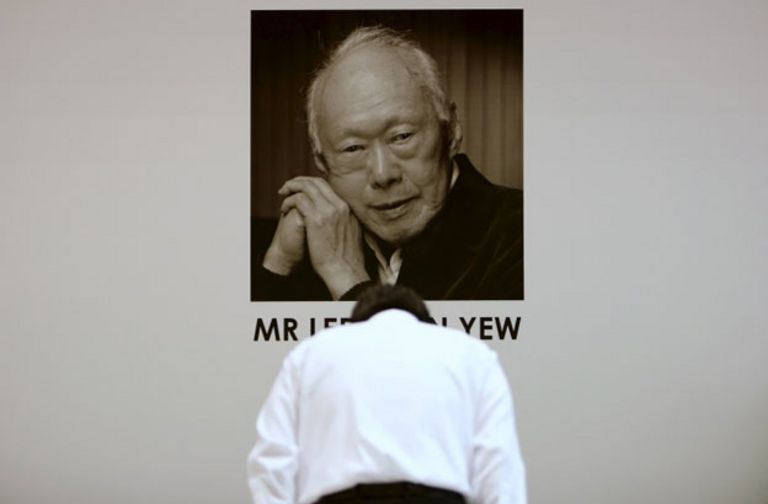
For a while after the gum ban was introduced in 1992 it was all foreign journalists wanted to talk about, Lee Kuan Yew complained later, in conversation with US writer Tom Plate. That and caning, as a form of punishment.Lee Kuan Yew, who died on Monday at the age of 91, is famed as the man who turned Singapore from a small port into a global trading hub. But he also insisted on tidiness and good behaviour - and personified the country's ban on chewing gum. What was it about gum he so disliked?
The ban remains one of the best-known aspects of life in Singapore, along with the country's laws against litter, graffiti, jaywalking, spitting, expelling "mucous from the nose" and urinating anywhere but in a toilet. (If it's a public toilet, you are legally required to flush it.)
When Singapore became independent in 1965 it was a tiny country with few resources, so Lee, the country's first prime minister, hatched a survival plan. This hinged on making the city state a "first-world oasis in a third-world region".
Before very long, Singapore was outstripping other developed countries in terms of its cleanliness, clipped lawns, and efficient transport system. The Cambridge-educated Lee, it seems, was aiming for perfection.
"For many years as a visiting columnist, I too chewed over the puzzle of the chewing gum conundrum, but came to understand that the tendency to stick the remains of the gum in every which place was viewed by the authorities as a palpable attack on Singapore's ambition to be perfect," writes Plate, in his book Giants of Asia: Conversations with Lee Kuan Yew.
"That is, it was anti-utopian. It was gumming up the works. As far as LKY and his team were concerned, the yucky habit, commonplace in the old days, was a palpable enemy of progress. The way to edge forward toward utopia was simple: simply outlaw chewing gum."
By the time the gum ban was implemented, Lee had completed 31 years as prime minister, and had become "senior minister", a big power behind the scenes.
"We were called a nanny state," he told the BBC's Peter Day in 2000. "But the result is that we are today better behaved and we live in a more agreeable place than 30 years ago."
At that time, Lee was pushing for a "new burst of creativity in business" and Day "hesitantly" suggested that chewing gum stuck to the pavements might be a sign that the desired new spirit of creativity had arrived.
Lee grimaced.
"Putting chewing gum on our subway train doors so they don't open, I don't call that creativity. I call that mischief-making," Lee replied. "If you can't think because you can't chew, try a banana."
Lee felt there was a public policy solution to everything, Plate says, even that gum on the pavement, or the doors of the "mass rapid transit" trains. "He was what I call a pragmatic utopian," Plate says. "He woke up in the morning and said, 'How can I make it better today?'"
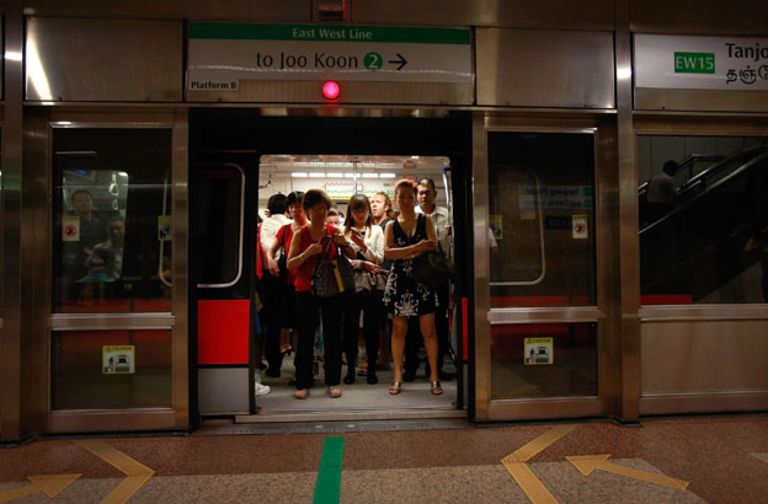
Gum used to hinder the working of the MRT doors
Gum is, anyway, "largely legally chewable" nowadays, Plate says.
It has always been legal to bring small amounts into the country for one's own use.
Since 2004 - as a result of the US-Singapore Free Trade Agreement - pharmacists and dentists have also been allowed to sell "therapeutic" gum, to customers with a medical prescription. This includes standard sugar-free gum.
You'd still face a steep fine for spitting out the chewed gum and leaving it as litter.
"We joke about these policies... we Singaporeans describe Singapore as a 'fine city' - a tongue-in-cheek reference to the many fines that can be imposed for various types of social misconduct," says Eugene Tan, an associate professor of law at the Singapore Management University.
And despite the change in the law in 2004, "one would be hard-pressed to find people chewing gum in Singapore," Tan says.
He personally doesn't miss it.
"The footpaths look a lot nicer without the ugly gum marks," he says.
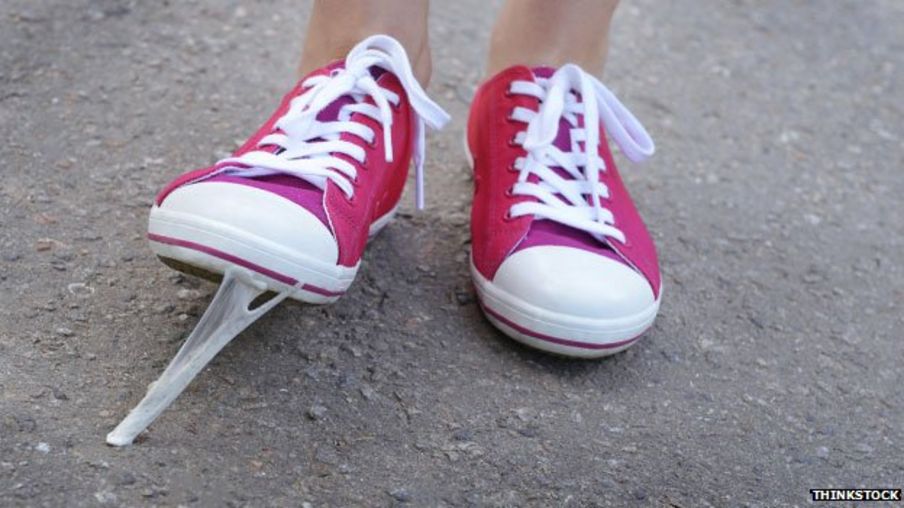
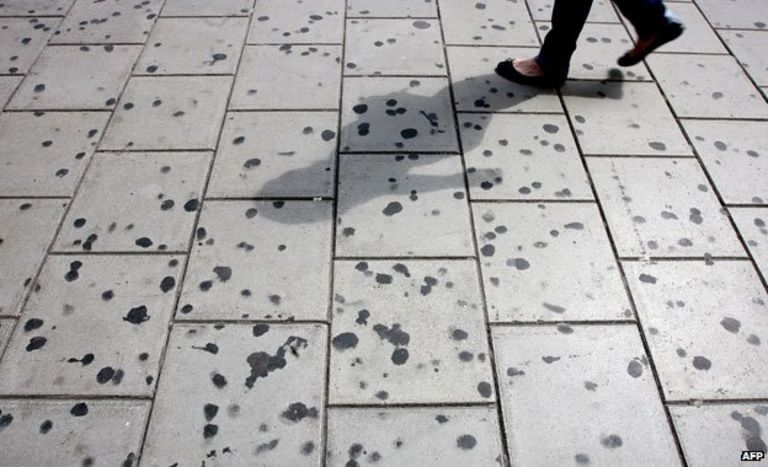
Gum on the pavement at Oxford Circus, London
A Singaporean student studying in London, Pei-yi Yu, also sees advantages in going gum-free.
"I have often had the unpleasant experience of getting my body parts into contact with both fresh and stale chewing gum in lecture theatres and classrooms," across the UK, he says.
In Singapore "we have a clean environment" he adds - thanks to Lee.
Plate, who has visited Singapore more than a dozen times, has never had any problem complying with the law, though he says his Berkeley-educated wife was tempted to walk on the grass.
Singapore is "excessively cleaned, overpriced and over-policed," he says - not that different from his own home town, Beverly Hills in California.
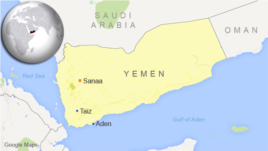
YemenForeignMinisterRiyadhYasinsaid the Houthirebelsshouldweakenaftertwodays of airstrikes from a coalition of Arabcountries, led by SaudiArabia.
The coalition of 10 countries, includingfiveGulfkingdoms, is trying to bringYemen’s internationallyrecognizedgovernmentback to power. Militaryofficialssaid the coalitionairstrikestargeted the northernprovince of Saada,home of the Houthirebels. Othertargetsincludedmilitarybases in and aroundthe Yemencapital of Sana’a held by rebelforces.
Saudiofficialsagreed that the firstphase of the bombingcampaign wassuccessful. However, a Saudidefenseministryadviser, AhmadBinHassanAsiri, said a groundoffensivemightalso be necessary.
Map of Yemen
Yemen has increasinglysunkintoviolence and disordersince a popularuprisingremovedPresidentAliAbdullahSaleh from power in 2012. The Houthis are nowalliedwithMr. Saleh and haveadvancedthroughout thecountry.
LastSeptember, the Houthirebels had agreed to sharepowerwithPresidentAbd-RabbuMansourHadiaftertheyseized the capital, Sana’a. The latestround offightingstartedwhen the HouthischasedafterHadiwho had fled to thesoutherncity of Adan.
The UnitedStates, Britain, France and Japanclosedtheirembassies inYemenlastmonthbecause of securityconcerns. A statement by the U.S.StateDepartmentreleasedlastweeksaid the U.S. government is temporarilymoving its workers from Yemen in coordinationwith the governmentthere.
The Houthis are Shi’ite Muslims and are supported by Iran. A majority ofYemenis, however, are SunniMuslims. The situation has becomeanotherpoint ofsectarianconflictbetween Shi’ite and SunniMuslimswhohaveopposedeachother in severalMideastcountriesincludingIraq.
Irandenies its role in supporting the Houthis. It alsodenounced the Saudi-ledoffensive in Yemen. IranianForeignMinisterMohammadJavadZarifsaid onFriday the airstrikesshouldstop. He said the actionswouldonlycostlives. Mr.Zarifcalled for dialogue and nationalreconciliation in Yemen. The conflict inYemenhappens as Iran is negotiatingwith the U.S. on its nuclearprogram.
RebelleaderAbdulMalikal-HouthialsocriticizedSaudiArabia and the UnitedStates. He accused the U.S. of providingintelligencesupport for the offensive.
Meanwhile, YemeniPresidentAbd-RabbuMansourHadi has fled the city ofAdan and is now in the SaudicapitalRiyadh. Mr. Hadi is expected to attend ameeting of Arableaders in the Egyptiantown of Sharmel-Sheikhduring theweekend.
And that is In the Newsfrom VOA LearningEnglish.
I’m BobDoughty.
This story is based on reports from MikeRichman in Washington and EdYeranian in Cairo. MarioRitterwrote it for VOA LearningEnglish. HaiDo was the editor.
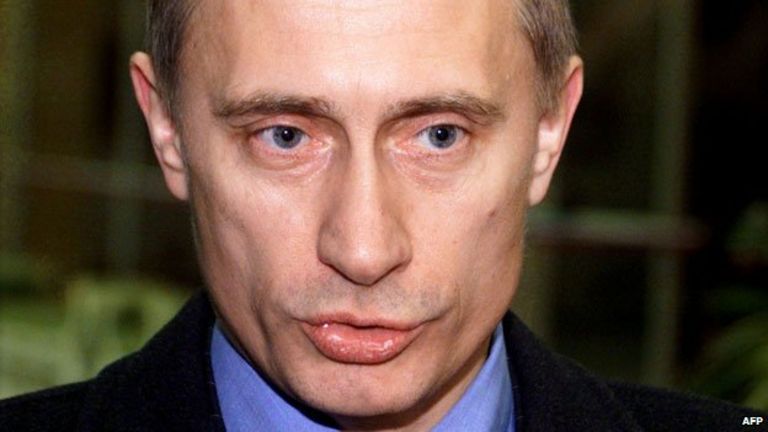
Anyone who wants to understand Vladimir Putin today needs to know the story of what happened to him on a dramatic night in East Germany a quarter of a century ago.
It is 5 December 1989 in Dresden, a few weeks after the Berlin Wall has fallen. East German communism is dying on its feet, people power seems irresistible.
Crowds storm the Dresden headquarters of the Stasi, the East German secret police, who suddenly seem helpless.
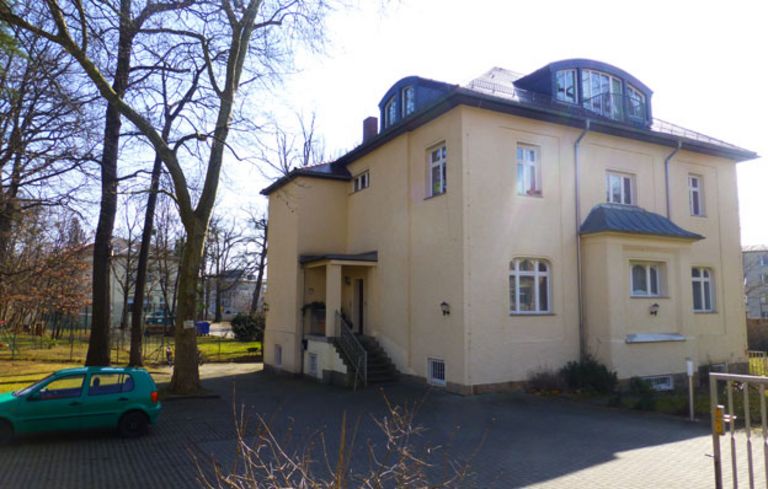
Then a small group of demonstrators decides to head across the road, to a large house that is the local headquarters of the Soviet secret service, the KGB.
"The guard on the gate immediately rushed back into the house," recalls one of the group, Siegfried Dannath. But shortly afterwards "an officer emerged - quite small, agitated".
"He said to our group, 'Don't try to force your way into this property. My comrades are armed, and they're authorised to use their weapons in an emergency.'"
That persuaded the group to withdraw.
But the KGB officer knew how dangerous the situation remained. He described later how he rang the headquarters of a Red Army tank unit to ask for protection.
The answer he received was a devastating, life-changing shock.
"We cannot do anything without orders from Moscow," the voice at the other end replied. "And Moscow is silent."
That phrase, "Moscow is silent" has haunted this man ever since. Defiant yet helpless as the 1989 revolution swept over him, he has now himself become "Moscow" - the President of Russia, Vladimir Putin.
"I think it's the key to understanding Putin," says his German biographer, Boris Reitschuster. "We would have another Putin and another Russia without his time in East Germany."
The experience taught him lessons he has never forgotten, gave him ideas for a model society, and shaped his ambitions for a powerful network and personal wealth.
Above all, it left him with a huge anxiety about the frailty of political elites, and how easily they can be overthrown by the people.
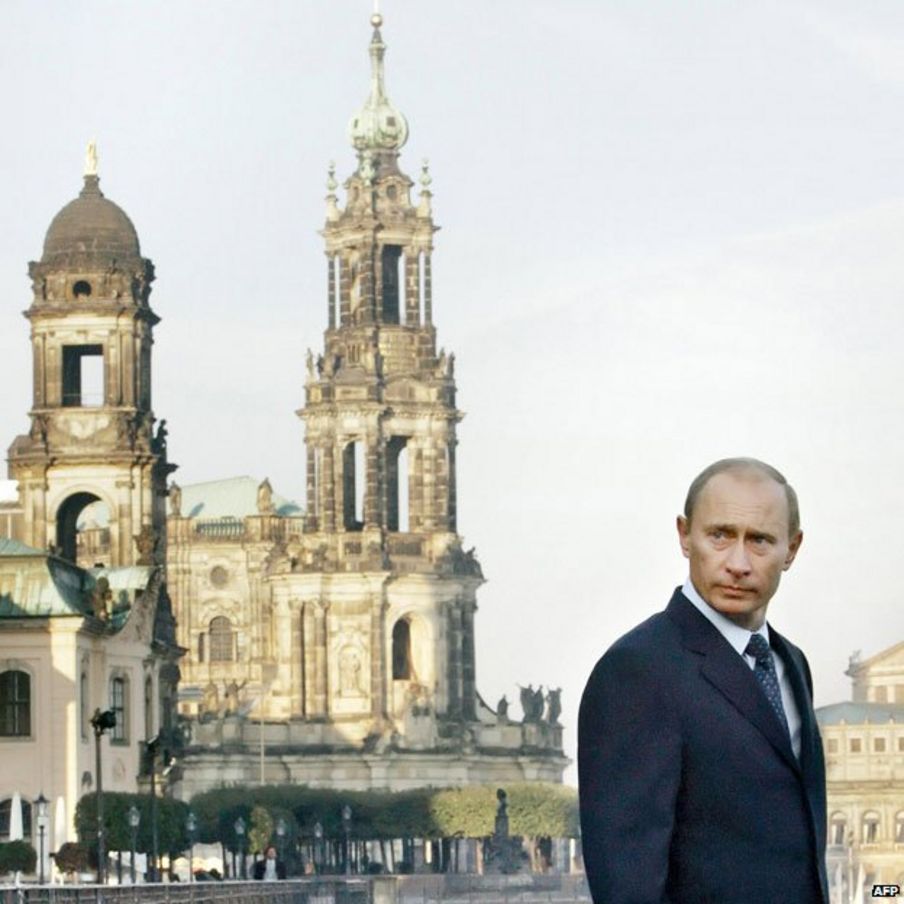
Putin had arrived in Dresden in the mid-1980s for his first foreign posting as a KGB agent.
The German Democratic Republic or GDR - a communist state created out of the Soviet-occupied zone of post-Nazi Germany - was a highly significant outpost of Moscow's power, up close to Western Europe, full of Soviet military and spies.
Putin had wanted to join the KGB since he was a teenager, inspired by popular Soviet stories of secret service bravado in which, he recalled later, "One man's effort could achieve what whole armies could not. One spy could decide the fate of thousands of people."
Initially, though, much of his work in Dresden was humdrum.
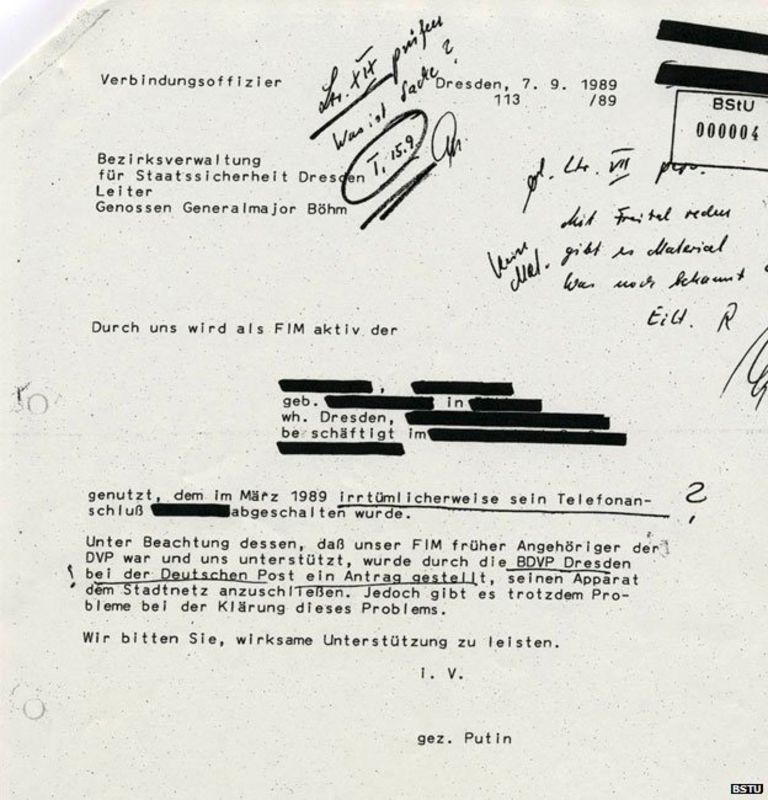
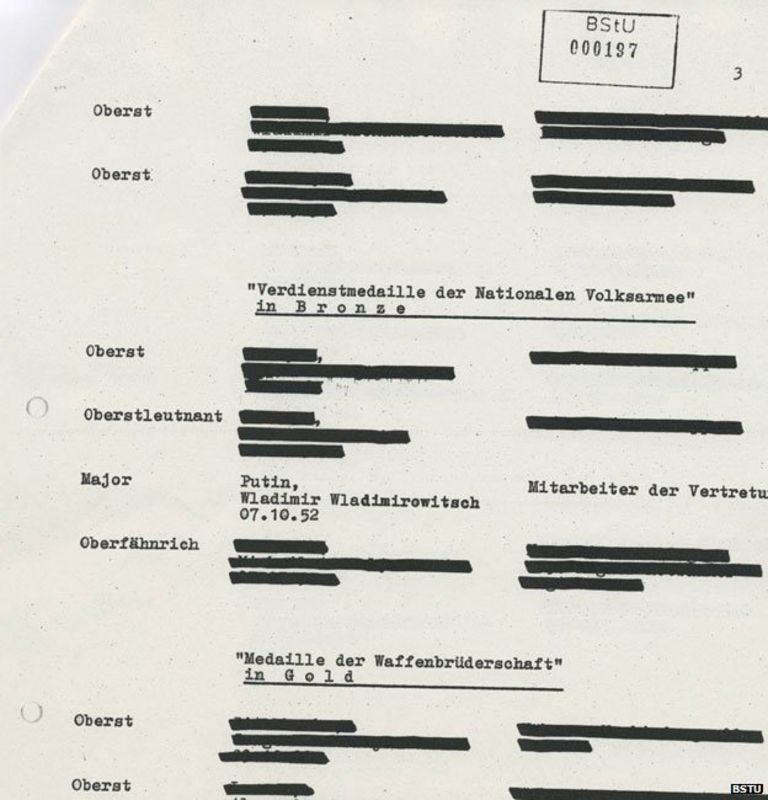
Among documents in the Stasi archives in Dresden is a letter from Putin asking for help from the Stasi boss with the installation of an informer's phone.
And there are details too of endless Soviet-East German social gatherings Putin attended, to celebrate ties between the two countries.
But if the spy work wasn't that exciting, Putin and his young family could at least enjoy the East German good life.
Putin's then wife, Ludmila, later recalled that life in the GDR was very different from life in the USSR. "The streets were clean. They would wash their windows once a week," she said in an interview published in 2000, as part of First Person, a book of interviews with Russia's new and then little-known acting president.
The Putins lived in a special block of flats with KGB and Stasi families for neighbours, though Ludmila envied the fact that: "The GDR state security people got higher salaries than our guys, judging from how our German neighbours lived. Of course we tried to economise and save up enough to buy a car."
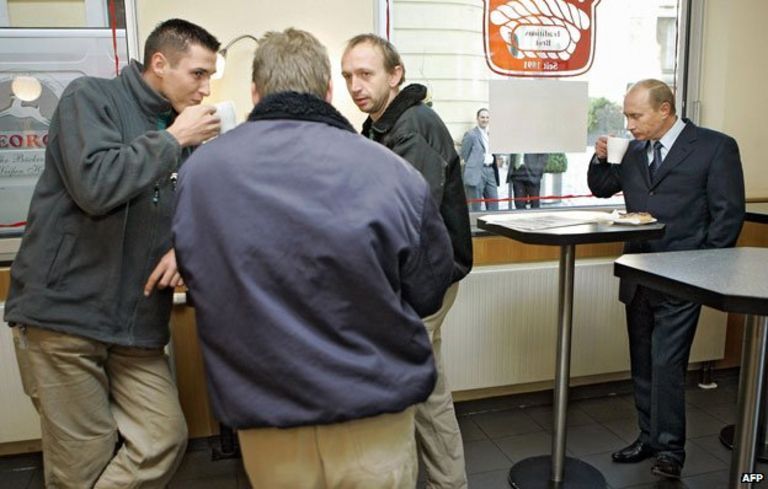
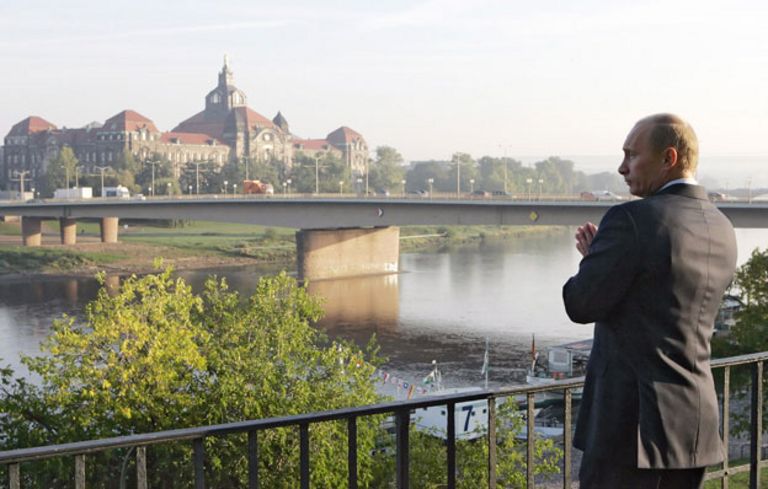
Revisiting old haunts on a visit to Dresden in 2006
East Germany enjoyed higher living standards than the Soviet Union and a former KGB colleague, Vladimir Usoltsev, describes Putin spending hours leafing through Western mail-order catalogues, to keep up with fashions and trends.
He also enjoyed the beer - securing a special weekly supply of the local brew, Radeberger - which left him looking rather less trim than he does in the bare-chested sporty images issued by Russian presidential PR today.
East Germany differed from the USSR, in another way too - it had a number of separate political parties, even though it was still firmly under communist rule, or appeared to be.
"He enjoyed very much this little paradise for him," says Boris Reitschuster. East Germany, he says, "is his model of politics especially. He rebuilt some kind of East Germany in Russia now."
But in autumn 1989 this paradise became a kind of KGB hell. On the streets of Dresden, Putin observed people power emerging in extraordinary ways.
A heavily redacted Stasi document referring to Vladimir Putin and little else
In early October hundreds of East Germans who had claimed political asylum at the West German embassy in Prague were allowed to travel to the West in sealed trains. As they passed through Dresden, huge crowds tried to break through a security cordon to try to board the trains, and make their own escape.
Wolfgang Berghofer, Dresden's communist mayor at the time, says there was chaos as security forces began taking on almost the entire local population. Many assumed violence was inevitable.
"A Soviet tank army was stationed in our city," he says. "And its generals said to me clearly: 'If we get the order from Moscow, the tanks will roll.'"
After the Berlin Wall opened, on 9 November, the crowds became bolder everywhere - approaching the citadels of Stasi and KGB power in Dresden.
The former KGB headquarters in DresdenThe block of flats nearby, where the Putins lived
Vladimir Putin had doubtless assumed too that those senior Soviet officers - men he'd socialised with regularly - would indeed send in the tanks.
But no, Moscow under Mikhail Gorbachev "was silent". The Red Army tanks would not be used. "Nobody lifted a finger to protect us."
He and his KGB colleagues frantically burned evidence of their intelligence work.
"I personally burned a huge amount of material," Putin recalled in First Person. "We burned so much stuff that the furnace burst."
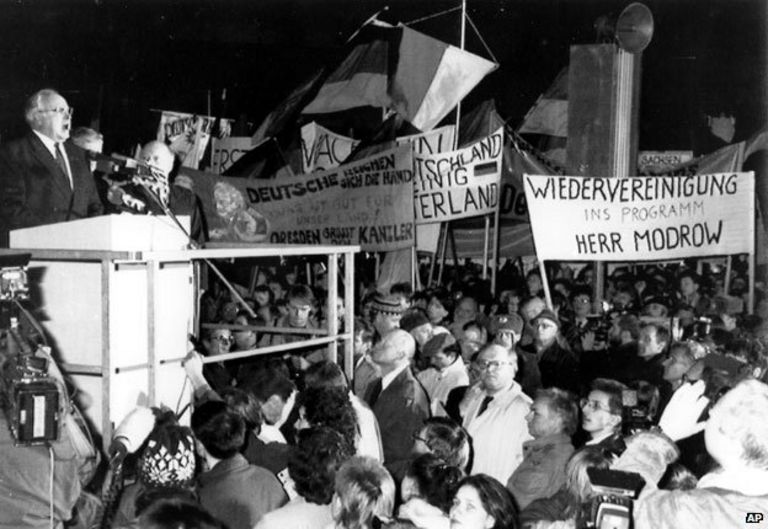
Two weeks later there was more trauma for Putin as West German Chancellor Helmut Kohl arrived in the city. He made a speech that left German reunification looking inevitable, and East Germany doomed.
Kohl praised Gorbachev, the man in Moscow who'd refused to send in the tanks, and he used patriotic language - words like Vaterland, or fatherland - that had been largely taboo in Germany since the war. Now they prompted an ecstatic response.
It's not known whether Putin was in that crowd - but as a KGB agent in Dresden he'd certainly have known all about it.
The implosion of East Germany in the following months marked a huge rupture in his and his family's life.
"We had the horrible feeling that the country that had almost become our home would no longer exist," said his wife Ludmila.
"My neighbour, who was my friend, cried for a week. It was the collapse of everything - their lives, their careers."
One of Putin's key Stasi contacts, Maj Gen Horst Boehm - the man who had help him install that precious telephone line for an informer - was humiliated by the demonstrating crowds, and committed suicide early in 1990.
This warning about what can happen when people power becomes dominant was one Putin could now ponder on the long journey home.
"Their German friends give them a 20-year-old washing machine and with this they drive back to Leningrad," says Putin biographer and critic Masha Gessen. "There's a strong sense that he was serving his country and had nothing to show for it."
Putin worked for the mayor of St Petersburg (1990-96), then moved to Moscow and rose rapidly to the top
He also arrived back to a country that had been transformed under Mikhail Gorbachev and was itself on the verge of collapse.
"He found himself in a country that had changed in ways that he didn't understand and didn't want to accept," as Gessen puts it.
His home city, Leningrad, was now becoming St Petersburg again. What would Putin do there?
There was talk, briefly, of taxi-driving. But soon Putin realised he had acquired a much more valuable asset than a second-hand washing machine.
In Dresden he'd been part of a network of individuals who might have lost their Soviet roles, but were well placed to prosper personally and politically in the new Russia.
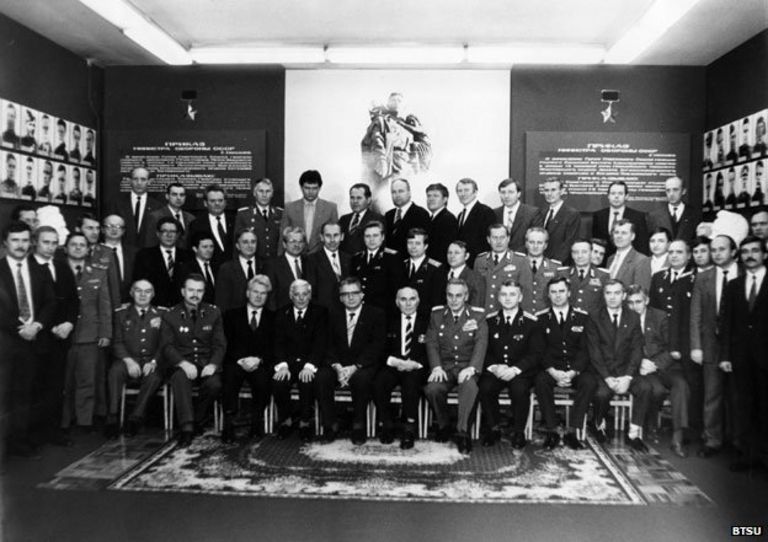
In the Stasi archives in Dresden a picture survives of Putin during his Dresden years. He's in a group of senior Soviet and East German military and security figures - a relatively junior figure, off to one side, but already networking among the elite.
Prof Karen Dawisha of Miami Universty, author of Putin's Kleptocracy: Who Owns Russia?, says there are people he met in Dresden "who have then gone on… to be part of his inner core".
They include Sergey Chemezov, who for years headed Russia's arms export agencyand now runs a state programme supporting technology, and Nikolai Tokarev head of the state pipeline company, Transneft.
And it's not only former Russian colleagues who've stayed close to Putin.
Take Matthias Warnig - a former Stasi officer, believed to have spent time in Dresden when Putin was there - who is now managing director of Nordstream, the pipeline taking gas directly from Russia to Germany across the Baltic Sea.
That pipeline symbolised what was seen, until recently, as Germany's new special relationship with Russia - though the Ukraine crisis has at the very least put that relationship on hold.
Putin-watchers believe events such as the uprising on Kiev's Maidan Square, have revived bad memories - above all, of that night in Dresden in December 1989.
"Now when you have crowds in Kiev in 2004, in Moscow in 2011 or in Kiev in 2013 and 2014, I think he remembers this time in Dresden," says Boris Reitschuster. "And all these old fears come up inside him."
Inside him too may be a memory of how change can be shaped not only by force, or by weakness - but also by emotion. In 1989 he saw in Dresden how patriotic feeling, combined with a yearning for democracy, proved so much more powerful than communist ideology.
So when wondering what Vladimir Putin will do next, it's well worth remembering what he's lived through already.
One thing seems sure. While Vladimir Putin holds power in the Kremlin, Moscow is unlikely to be silent.
Listen to Chris Bowlby's documentary The Moment that Made Putin on BBC Radio 4 this Sunday at 13:30 and afterwards on the BBC iPlayer
В 1989 году землетрясение силой в 8,2 балла почти стёрло с лица земли Армению, менее чем за четыре минуты погибло свыше 30 тысяч человек. В момент этого кошмара и хаоса некий мужчина оставил дома жену, убедившись в её безопасности, и бросился в школу, где должен был находиться его сын. Прибежав туда, он обнаружил, что здание расплющилось. Оправившись от шока, он вспомнил своё обещание, которое дал когда-то сыну — что бы ни случилось, я всегда приду к тебе на помощь! Слезами наполнились его глаза. Он смотрел на груду обломков на том месте, где когда-то была школа. Всё выглядело совершенно безнадёжным, но он помнил о своём обещании сыну! Он стал вспоминать, куда отводил сына каждое утро. Вспомнил расположение класса, который должен был находиться в правом заднем углу здания. Он бросился туда и стал разбирать камни. Тем временем к школе подошли другие убитые горем родители, которые в отчаянии восклицали:
— Мой сын! Моя дочка!
Некоторые родители из добрых побуждений старались оттащить убитых горем людей от развалин, убеждая: «Слишком поздно! Они погибли. Вы не сможете им помочь! Пошли домой! Будьте реалистами, здесь уже ничего не сделаешь!» Отец к каждому родителю обращался с одним вопросом:
— Ты намерен мне помочь?
И продолжал камень за камнем разбирать завал, чтобы добраться до сына. Появился начальник пожарной команды и попытался отогнать всех от остатков школьного здания, объясняя:
— Сейчас всюду вспыхивают пожары, происходят взрывы. Вы подвергаете себя опасности. Мы сами обо всём позаботимся. Идите домой.
В ответ на это любящий отец спросил пожарного:
— Ты намерен мне помочь?
Пришёл милиционер и сказал:
— Вы обозлены и ведёте себя неразумно. Подвергаете опасности других. Идите домой. Мы сами займёмся этим.
Отец в ответ спросил:
— Ты намерен мне помочь?
Он мужественно продолжал разбирать завал один, потому что должен был сам убедиться, жив его сын или погиб. Он копал 8 часов, 12 часов, 24 часа, 36 часов… Наконец он отодвинул огромный камень и услышал голос своего сына. Отец окликнул его по имени. И услышал в ответ:
— Папа?! Это я, папа! Я сказал другим детям, чтобы они не беспокоились. Я сказал им, что если ты жив, то спасёшь нас. Ведь ты обещал: «Что бы ни случилось, я всегда приду на помощь!» И ты это сделал, папа!
— Что там у вас происходит? Как там? — спросил отец.
— Нас осталось четырнадцать из тридцати трёх, папа. Мы все напуганы, голодны, хотим пить. И все ждали тебя. Когда здание рухнуло, то образовалась ниша, и это спасло нас.
— Давай, сын мой, выходи!
— Нет, папа! Пусть другие дети выходят первыми, потому что я знаю, что ты меня спасёшь. Что бы ни случилось, ты придёшь мне на помощь.
A variety of parables Issue No 37 (2014)
You're going to help me?
Historical parable
In 1989, an earthquake measuring 8.2 points almost erased from the face of the earth Armenia, in less than four minutes killed more than 30,000 people. At the time of this nightmare and chaos of a man left his wife at home, ensuring its security, and rushed to the school where he was supposed to be his son. Got there, he found that the flattened building. After recovering from the shock, he remembered his promise that once gave his son - no matter what happens, I always come to you for help! Tears filled his eyes. He looked at the pile of rubble at the site where once was a school. It looked quite hopeless, but he remembered his promise to his son! He tried to remember where averted his son every morning. Remembered the location of the class, which was supposed to be in the right rear corner of the building. He threw stones and began to disassemble. Meanwhile, others came to the school grieving parents who cried in despair:
- My son! My daughter!
Some parents have tried in good faith to pull the broken-hearted people from the ruins, urging: "Too late! They died. You can not help them! Let's go home! Be realistic, there was nothing to do! "Father to each parent spoke with one question:
- Are you going to help me?
And he continued to dismantle stone by stone obstruction, to get to his son. There was a fire chief and tried to drive away all the remnants of the school building, explaining:
- Now everywhere flash fires, explosions occur. You put yourself at risk. We take care of all. Go home.
In response to this loving father asked the fire:
- Are you going to help me?
A policeman came and said:
- You are angry and act irrationally. Endangers others. Go home. We ourselves zaymёmsya it.
Father said in response:
- Are you going to help me?
He bravely continued blockage disassemble one, because he had to make sure his son is alive or dead. He dug 8:00, 12 hours, 24 hours, 36 hours ... Finally he pushed a huge stone and heard the voice of his son. Father called his name. And the reply was:
- Dad ?! It's me, Dad! I told the other kids not to worry. I told them that if you are alive, thou shalt be saved us. After all, you promised, "Whatever happens, I always come to the rescue!" And you did it, Dad!
- What's going on there? How is it? - Asked the father.
- We left fourteen of thirty-three, Dad. We're all scared, hungry, thirsty. Still waiting for you. When the building collapsed, then a niche, and it saved us.
- Come on, my son, come out!
- No, Daddy! Let the other kids out first, because I know that you will be saved me. Whatever happens, you will come to my aid.
Source: Jack Canfield, Mark Victor Hansen. Medicine for the soul. (162)
Media captionCo-pilot Andreas Lubitz, seen here on his Facebook profile, controlled the plane's descent, Marseille prosecutor Brice Robin said
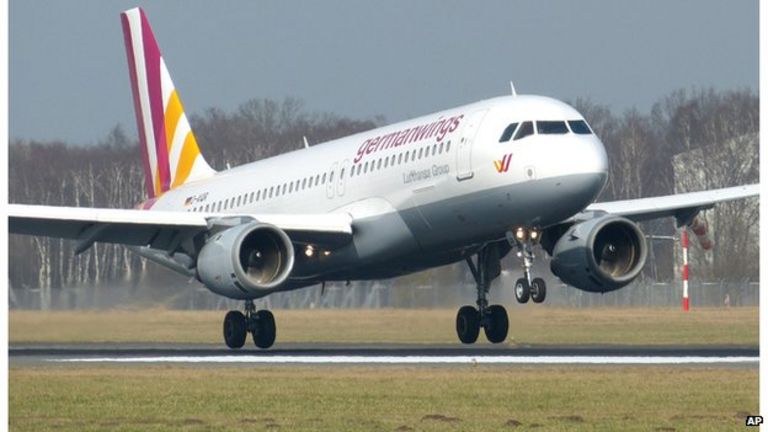
The co-pilot of the Germanwings flight that crashed in the French Alps, named as Andreas Lubitz, appeared to want to "destroy the plane", officials said.
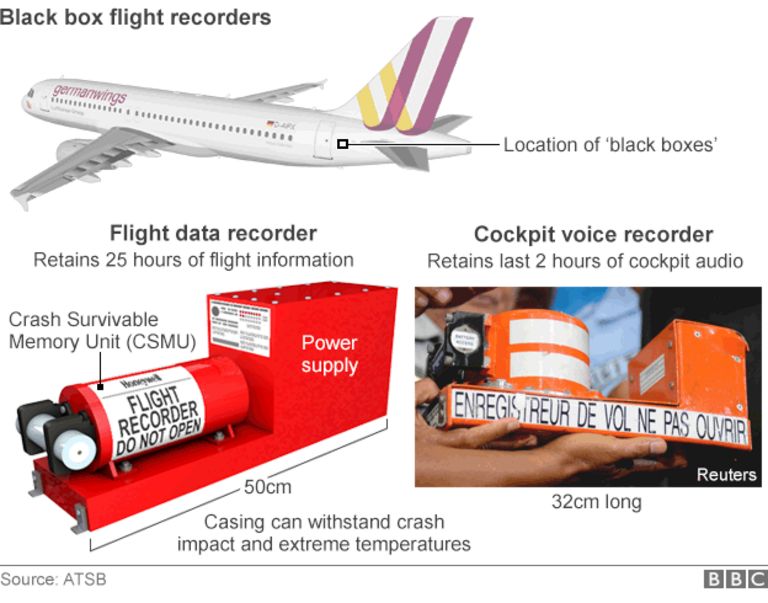
Marseille prosecutor Brice Robin, citing information from the "black box" voice recorder, said the co-pilot was alone in the cockpit.
He intentionally started a descent while the pilot was locked out.
Mr Robin said there was "absolute silence in the cockpit" as the pilot fought to re-enter it.
He said air traffic controllers made repeated attempts to contact the aircraft, but to no avail. Passengers could be heard screaming just before the crash, he added.
Details are emerging of the German co-pilot's past - although his apparent motives for causing the crash remain a mystery.
Mr Lubitz, 27, had undergone intensive training and "was 100% fit to fly without any caveats", according to Carsten Spohr, the head of Lufthansa, the German carrier that owns Germanwings.
Media captionRescuer Jean Sebastien Beaud describes the plane crash scene as "surreal"
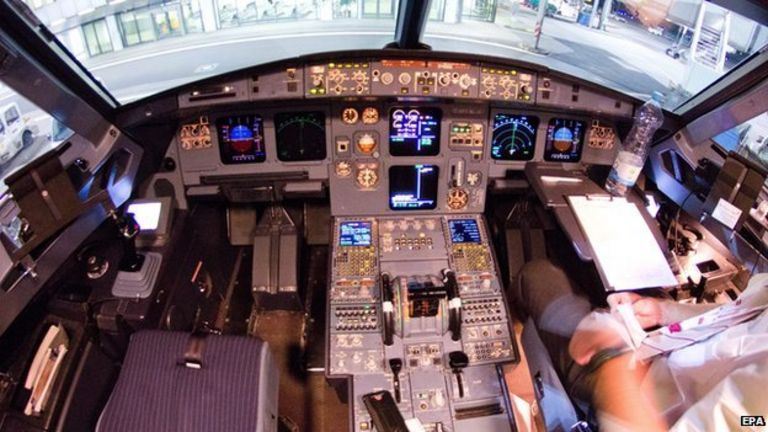
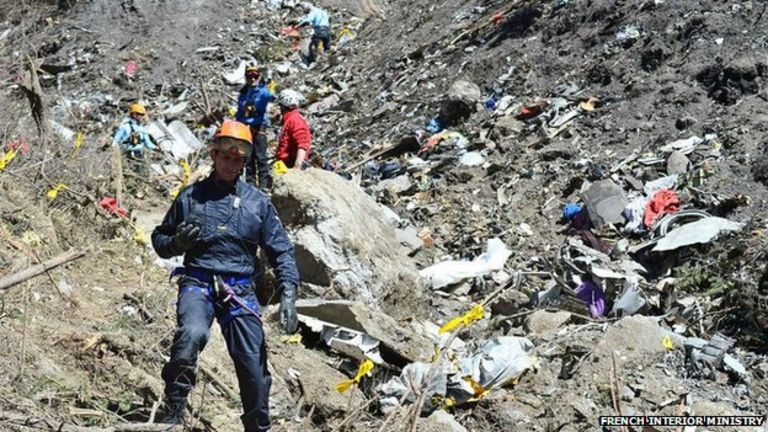
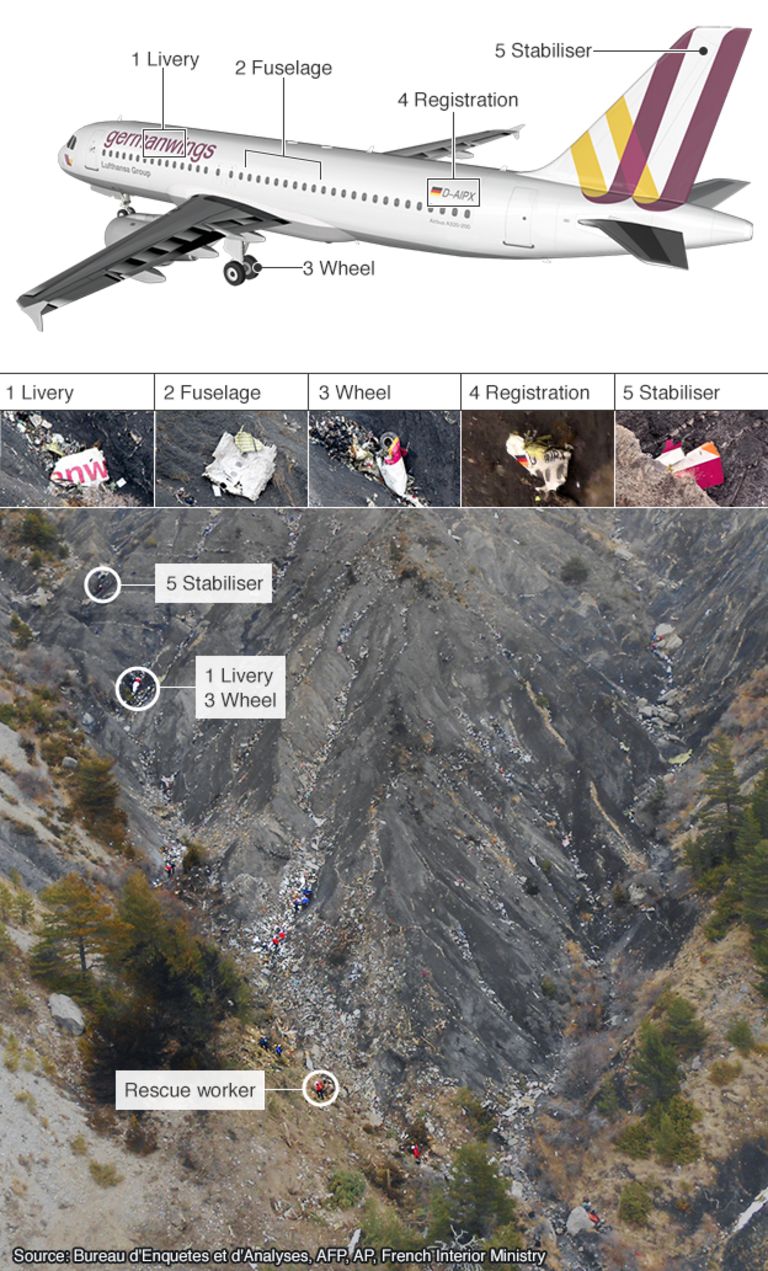
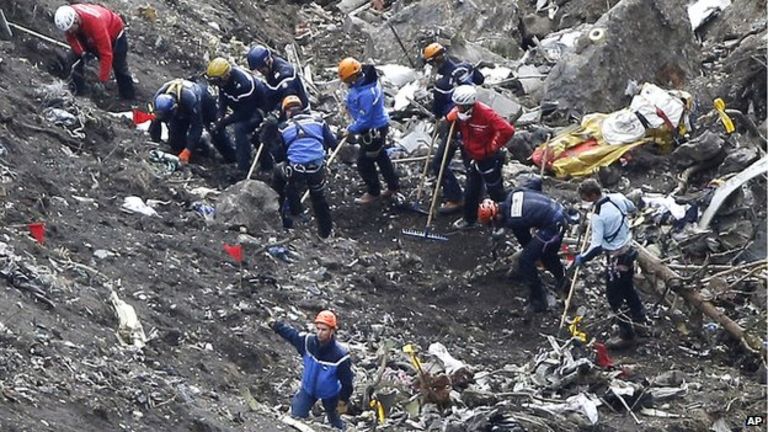
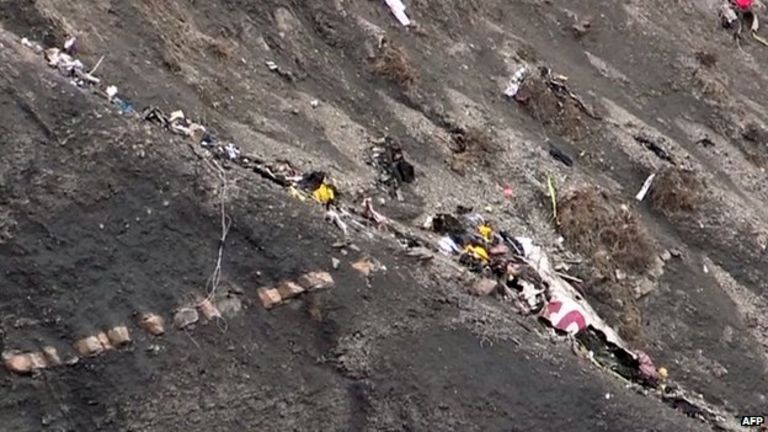
A view of the cockpit of the Germanwings aircraft, photographed a few days before the crashThe crash site, in a remote mountain ravine, is now the scene of a massive recovery operation
Mr Spohr said Mr Lubitz's training had been interrupted for several months six years ago, but did not say why.
The training was resumed after "the suitability of the candidate was re-established", he said.
German Chancellor Angela Merkel told reporters that the co-pilot's apparent actions had given the tragedy a "new, simply incomprehensible dimension".
Police have been searching the co-pilot's home in Montabaur, near Frankfurt, as well as a flat he kept in Duesseldorf.
The Airbus 320 from Barcelona to Duesseldorf hit a mountain, killing all 144 passengers and six crew, after an eight-minute descent.
Andreas Lubitz: Germanwings co-pilot under scrutiny
Started training in 2008, at Bremen and Arizona. Training was interrupted for some months - but he later passed all tests and was deemed fit to fly
Working as co-pilot, or first officer, since 2013. Appeared pleased with his job
Lived in town of Montabaur, near Frankfurt, reportedly with his parents. Kept a flat in Duesseldorf and had many friends
Facebook profile suggests the active lifestyle of a keen runner, with an interest in pop music
"We hear the pilot ask the co-pilot to take control of the plane and we hear at the same time the sound of a seat moving backwards and the sound of a door closing," Mr Robin told reporters.
He said the pilot, named in the German media as Patrick S, had probably gone to the toilet.
"At that moment, the co-pilot is controlling the plane by himself. While he is alone, the co-pilot presses the buttons of the flight monitoring system to put into action the descent of the aeroplane.
Crash site close-ups
"He operated this button for a reason we don't know yet, but it appears that the reason was to destroy this plane."
Meanwhile, online tracking service Flightradar24 said satellite data it had analysed found that someone had changed the plane's altitude from 38,000ft (11,582m) to 100ft - the minimum setting possible.
"Between 09:30:52 and 09:30:55 you can see that the autopilot was manually changed from 38,000ft to 100ft and nine seconds later the aircraft started to descend, probably with the 'open descent' autopilot setting," Flightradar24 chief Fredrik Lindahl was quoted as saying by Reuters.
Mr Lubitz was alive until the final impact, Mr Robin said. The prosecutor added that "the most plausible interpretation" was that the co-pilot had deliberately barred the pilot from re-entering the cockpit.
He added that the co-pilot was "not known by us" to have any links to extremism or terrorism.
Analysis: Richard Westcott, BBC transport correspondent
The focus now moves from the mechanics to the man flying the plane. An accident expert has told me the investigators will pore over the co-pilot's background and that of his family too.
Did he owe money? Was there a grudge? They'll look at his religion, whether he was in trouble with the law, whether he had a stable love life. This kind of event is rare but it has happened before, although the reasons vary widely.
After 9/11, they made cockpits impregnable. It keeps the terrorists out, but in the end it also allows someone to keep their colleagues out too. Airlines have to make a call. Which is the bigger threat - terrorism or suicide?
Passengers were not aware of the impending crash "until the very last moment" when screams could be heard, Mr Robin said, adding that they died instantly.
After Thursday's revelations, several airlines have pledged to change their rules to ensure at least two crew members are present in the cockpit at all times.
Meanwhile, relatives and friends of the victims travelled to the Alpine region where the plane came down, near the town of Seyne-les-Alpes.
Media captionMembers of the flight club where Andreas Lubitz was a member have been talking about his personality
Investigators have been gathering evidence from the co-pilot's house in Montabaur, GermanyInvestigators are still searching for the second of the two 'black box' flight data recorders
The disclosure of the likely cause of the crash has provoked anger.
"One person can't have the right to end the lives of hundreds of people and families," Esteban Rodriguez, a Spanish factory worker who lost two friends aboard the aircraft, told the Associated Press news agency.
The principal of a German high school that lost 16 pupils and two teachers in the crash said the latest news was "much, much worse than we had thought".
The second "black box" - that records flight data - has still not been found.
Other incidents thought to be caused by deliberate pilot action
Air accident investigators have begun analysing data from the cockpit voice recorder recovered following the crash of a German A320 Airbus.
The Germanwings flight 4U9525 came down in a remote mountain valley in France on 24 March, killing all 150 on board.
The plane was en route from Barcelona in Spain to Duesseldorf in Germany.
The cause of the crash is not yet known and investigators say it could be "weeks or months" before they know the full details.
What happened?
The plane took off from Barcelona at 09:01 GMT on 24 March. Reports from Flightradar24, which tracks air traffic around the world, said the Airbus climbed to 38,000ft within the next half hour.
At 09:30 the plane made its final contact with air traffic control. It was a routine message about permission to continue on its route.
One minute later it began to descend. The descent lasted nearly ten minutes before last radar contact with the Airbus at 09.40:47.
Weather at the time of the crash was described as calm, but it deteriorated in the hours afterwards and fresh snow and rain were hindering the recovery operation.
Reports initially suggested the plane had issued a distress signal at 09:47, but the German authorities later confirmed the mayday had been sounded by air traffic control when they lost contact with the plane.
Flightradar24 said the airbus was descending at a rate of about 3-4,000ft per minute, which, it said, was standard for an airport approach.
The plane hit the ground at high speed. The nature of the debris suggests that it did not break up above the ground.
Remi Jouty, director of the French air accident investigation agency, BEA, said: "The debris is in really tiny pieces, not at all consistent with an on board explosion."
He said the evidence suggested the plane "impacted at great speed and broke up and a lot of the pieces are dispersed over a large area".
'Black boxes'
Every plane carries two flight recorders, one which records voices and other sounds in the cockpit and the second records technical data about the flight.
So far only the cockpit voice recorder has been recovered and passed to investigators.
Mr Jouty said: "We have just succeeded in getting the audio file, which contains usable sounds and voices."
He said it was too early to say any more about the contents, but hoped to have more information in the next few days. A full understanding would take weeks or months, he added.
An aircraft's flight recorders are often the key to establishing what caused a plane to crash. Each plane carries two recorders: the cockpit voice recorder (CVR) and the flight data recorder (FDR). Although they are popularly known as black box recorders, they are, in fact, orange to aid in recovery.
The CVR, as the name suggests, records the voices of the pilots and other sounds from the cockpit.
It retain two hours of recording - on longer flights, the latest data is recorded over the oldest. On some older models, magnetic tape is still used for the recording, but newer models use memory chips.
The FDR records technical flight data, including at least five basic sets of information: pressure altitude, airspeed, heading, acceleration and microphone keying (the time radio transmissions were made by the crew).
The FDR retains the last 25 hours of aircraft operations and, like the CVR, data is recorded on an endless loop.
Both recorders are designed to withstand a massive impact and a fire reaching temperatures up to 1,100C for 60 minutes.
Debris zone
Helicopters are continuing to search the crash site. There is no access by foot - the search teams are being winched down from the aircraft.
A local council official, Gilbert Sauvan, said the debris was spread over a wide area and that everything was "pulverized". The largest pieces of debris are said to be the size of a small car.
A number of police and civil security helicopters have been deployed to the area and about 300 police, and a similar number of firefighters from surrounding regions, have been sent to assist local crews.
A temporary mortuary has been set up in the sports hall of the nearby town of Seyne-les-Alpes, from where many of the rescue teams have also been despatched.
The aircraft
The plane is one of the oldest A320s in operation. It entered service for the German airline in 1991.
It had passed a routine maintenance check only the day before the flight.
The captain is said to have been very experienced and had worked for Germanwings for 10 years.
His co-pilot had less experience and had only been with the airline for a year.
Who was on on board?
There were 144 passengers on board the plane, four cabin crew and two more crew in the cockpit.
Germanwings officials said victims included 72 German nationals, among them 16 school students. The Spanish authorities say there were 51 Spaniards.
There are also known to be three Britons among the dead, as well as two Australians and a number of other nationalities.
Investigators Listen to Final Words from Pilots in Plane Crash in France
A "black box" voice recorder from the German Airbus operated by Lufthansa's Germanwings budget Airbus A320 crash is seen in this photo released by the BEA, France's air accident investigative agency, March 25, 2015.
/learningenglish.voanews.com/img/sprites/icons_SMALL_ltr.png" target="_blank">http://learningenglish.voanews.com/img/sprites/icons_SMALL_ltr.png); background-position: 0% -2300px; background-repeat: no-repeat;">
Download (right-click or option-click and save)
Frenchofficialssaytheyhavegatheredusablesoundrecording from the blackbox of the airplane that crashed in FranceTuesday.
The blackbox is beingexamined in Paris. Investigators are listening to thepilots’ words in the finalmomentsbefore the accident in the Alps. TheGermanwingsAirbus was carrying 150 passengers and crew from Spain toGermany.
EarlierWednesday, FrenchPresidentFrancoisHollande, GermanChancellorAngelaMerkel and SpanishPrimeMinisterMarianoRajoyvisited a rescuebasenear the crashsite.
AfghanPresidentGhaniaddresses U.S. Congress
AfghanPresidentAshrafGhanitold U.S. lawmakersWednesday that hiscountryowed a "profounddebt" to the UnitedStates. He recognized the morethan 2,300 U.S. troopswhodiedfighting in Afghanistan.
Mr. Ghanispoke to a jointmeeting of the U.S. Congress. He said, "The peopleof Afghanistanrecognize the bravery of yoursoldiers and the tremendoussacrifices that Americanshavemade to keepAfghanistanfree.”
On Tuesday, Mr. GhaniheldtalkswithPresidentBarackObama. Followingthosetalks, Mr. Obamaannounced he would not reducetroopnumbers inAfghanistan this year. About 9,800 Americanservicemembers are currently inAfghanistan.
Houthimilitiain Yemencapture international airport
Houthirebelforces in Yemenhavecapturedcontrol of an internationalairportin Aden. The Houthis are backed by alliedarmyunits. Reports from Adensaythe rebelsappearclose to capturing the southernport. Forcesdefending theport are loyal to YemeniPresidentAbd-RabbuMansourHadi.
Mr. Hadi has been living in Adensincefleeing the Houthi-controlled capital ofSanaalastmonth. U.S. officialssay he is at a secret, safeplace in the city.
Italyarreststhreemen for IS recruiting
Police in ItalyarrestedthreemenWednesdaywhotheysuspect of settingupa terroristrecruitmentnetwork in Italy. Investigatorssay the networkrecruitsIslamists to fight in Syria and Iraq.
Policesay a 20-year-oldItaliansuspectfacescharges of incitingterrorismover the Internet. Theysay the othertwosuspects are accused of activelyseekingrecruits. The twomen are from Albania.
The Italiansuspect is believed to be the writer of a 64-pagedocument that was popular on socialmedia. The documentpraised the IslamicStatemilitantmovement.
The results are in folks and they aren’t pretty. I hope you’re sitting down for this. Well actually, on second thought, why don’t you stand up for it: Chairs are the new cigarettes.
That’s right. Sitting is actually worse than smoking when it comes to health. Evidence is piling up that prolonged sitting increases the risk of developing serious illnesses like cancer, heart disease, and Type 2 diabetes. And even scarier, just like the effects of smoking, the consequences of long-term sitting are not reversible through exercise or other good health habits.
According to researchers from Toronto, this means that even if you exercise daily and are in good shape, if you spend many hours a day sitting, you might as well be smoking cigarettes . This is because prolonged sitting increases your rate of lung cancer by over 50% and the risk of developing Type 2 diabetes by 90%. On top of that, a study found that women who were inactive and sat over 6 hours a day were 94% more likely to die over a 13-year period than those who were physically active and sat less than 3 hours a day.
I bet you’re standing up now.
That’s what Clint Warren did. Back in 2008, Clint had hit rock bottomphysically, mentally, and emotionally. He decided to turn his life around, quit smoking, eat a healthy diet, and get exercise. But in spite of his new healthy habits, he was still sitting for 8 hours a day as part of his job. In 2011, he read an article about the dangers of prolonged sitting, and then decided to take action by building a standing desk. He didn’t have the money to buy one, so he improvised by putting a coffee table on top of his work desk. It looked a little funny, but it did the trick. Over time, he lost more weight, had more energy and focus, and developed better posture. Best of all, he felt a sense of satisfaction at the end of the day, when he could finally sit down and rest.
And Clint is not the only one standing up for his own health. Growing numbers of people around the world are starting to use standing desks and even treadmill desks. In addition, some companies are even offering their employees the option of using a standing desk. In fact, Denmark just became the first country to make the workplace choice between a sitting and standing desk mandatory.
So the evidence is overwhelming: sitting kills.
Want to try a standing desk? It’s easy. Just put your computer monitor on a stack of books, and your keyboard on a box and you’re ready to go.
VOCABULARY
folks
people; you people
on second thought
an idiom used when having a change of mind or when reconsidering something
piling up
increasing in large quantities
on top of that
in addition; also; furthermore
I bet
I'm pretty sure that...
hit rock bottom
reach the lowest possible place; arrive at the worst possible situation
improvised
created something with whatever was available
did the trick
achieved the desired result; functioned as hoped
standing up for
supporting a person or cause; defending a person or cause
mandatory
required; ordered by law; compulsory; obligatory
overwhelming
extremely large in amount or quantity; massive; huge; staggering
We all know that getting too little sleep is bad. You feel tired, you may be irritable, and it can contribute to obesity, high blood pressure, diabetes, and heart disease, doctors say. But too much sleep? You don't often hear people complaining about it.Many of us try, but often fail, to get eight hours' sleep each night. This is widely assumed to be the ideal amount - but some experts now say it's too much, and may actually be unhealthy.
However, research carried out over the past 10 years appears to show that adults who usually sleep for less than six hours or more than eight, are at risk of dying earlier than those sleep for between six and eight hours.
To put it more scientifically, there is a gradual increase in mortality risk for those who fall outside the six-to-eight-hour band.
Prof Franco Cappuccio, professor of cardiovascular medicine and epidemiology at the University of Warwick, has analysed 16 studies, in which overall more than a million people were asked about their sleeping habits and then followed up over time.
Cappuccio put the people involved into three broad groups:
• those who said they slept less than six hours a night
• those who said they slept for between six and eight hours
• those who said they slept for more than eight hours
His analysis showed that 12% more of the short sleepers had died when they were followed up, compared to the medium sleepers.
However, 30% more of the long sleepers had died, compared to the medium sleepers.
That's a significant increase in mortality risk, roughly equivalent to the risk of drinking several units of alcohol per day, though less than the mortality risk that comes from smoking.
But can it really be true that getting nine hours' sleep is worse for you than getting five?
There are different ways of looking at this.
Cappuccio was aware of the possibility that people sleeping too long might be depressed, or might be using sleeping pills. He corrected for this, though, and found the association was still there.
His own theory is that people who sleep for more than eight hours sometimes have an underlying health problem that is not yet showing in other symptoms.
So, it's not the long sleep that is causing the increased mortality risk, it's the hidden illness.
The sleep lab at Warwick University
But not everyone agrees. Prof Shawn Youngstedt of Arizona State University carried out a small study involving 14 young adults, persuading them to spend two hours more in bed per night for three weeks.
They reported back that they suffered from "increases in depressed mood" as Youngstedt puts it, and also "increases in inflammation" - specifically, higher levels in the blood of a protein called IL-6, which is connected with inflammation.
The participants in the study also complained about soreness and back pain. This makes Youngstedt wonder whether the problem with long sleep is the prolonged inactivity that goes with it.
He has now been carrying out an experiment where long-sleeping and average-sleeping adults are asked to spend an hour less in bed each night. The results will be published soon, he says.
Anyone studying sleep has to contend with a number of difficulties. One is that it's often not possible to measure sleep very accurately.
"We tend to rely on very simple methods of asking people on average how many hours they sleep a night. It has to be taken with a pinch of salt," says Cappuccio.
"Naturally, you have to rely on your memory, and… you don't know if you're reporting time in bed or time asleep and whether you're accounting for naps, and so forth."
Apparently we have a general tendency to overestimate how long we've been asleep. And when it comes to quality of sleep, all experts seem to agree it could affect your health, but it's even harder to measure than how long you sleep.
Another caveat is that babies, children and teenagers all have different sleep requirements than adults.
But if it's the case that less than six hours of sleep is too little for an adult, and more than eight hours is too much, what is the ideal amount - what do our bodies want?
As we've reported before, there is a lot of evidence to suggest that until the late 17th Centurypeople did not sleep in one long uninterrupted stretch, but in two segments, separated by a period of one or two hours in which they prayed, read, chatted, had sex, smoked, went to the toilet or even visited neighbours.
That may be more natural than the current tendency to sleep - or try to - in one stretch.
Putting this question to one side, and focusing on the total number of hours spent asleep, Cappuccio says three-quarters of people in the Western world sleep between six and eight hours a night on average, the range associated with the best results in terms of length of life.
But can we say that eight hours are better than six?
The magic number, according to Dr Gregg Jacobs, of the Sleep Disorders Center at the University of Massachusetts Medical School may actually be seven.
"Seven hours sleep keeps turning up over and over again," he says.
"The typical adult today [in that poll] reports seven hours of sleep. And that actually seems to be the median sleep duration in the adult population around the world. That suggests there's something around seven hours of sleep that's kind of natural for the brain."
But if you enjoy sleeping, spend a lot of time in bed and feel good, you're probably just fine. There's no hard evidence that extra time asleep, or just lying down and relaxing, is going to kill you.
Now, the VOA SpecialEnglishprogram, Words andTheirStories.
Green is an importantcolor in nature. It is the color of grass and the leaves ontrees. It is also the color of mostgrowingplants.
Sometimes, the wordgreenmeansyoung, fresh and growing. Sometimes, itdescribessomething that is not yetripe or finished.
For example, a greenhorn is someonewho has no experience, who is newto a situation. In the fifteenthcentury, a greenhorn was a youngcow or oxwhosehorns had not yetdeveloped. A century or solater, a greenhorn was asoldierwho had not yet had anyexperience in battle. By the eighteenthcentury, a greenhorn had the meaning it has today - a personwho is new in ajob.
Aboutonehundredyearsago, greenhorn was a popularexpression in theAmericanwest. Old-timersused it to describe a manwho had justarrivedfrom one of the bigcitiesbackeast. The greenhornlacked the skills he wouldneed to live in the hard, roughcountry.
Someonewho has the ability to growplantswell is said to have a greenthumb. The expressioncomes from the earlynineteenhundreds.
A personwithagreenthumbseems to have a magictouch that makesplantsgrowquickly and well. Youmightsay that the womannextdoor has a greenthumbifhergardencontinues to growlongafteryourplantshavedied.
The GreenRevolutionis the name given some yearsago to thedevelopment of newkinds of rice and othergrains. The newplantsproducedmuchlargercrops. The GreenRevolution was the result of hardwork byagriculturalscientistswho had greenthumbs.
Green is also the colorused to describe the powerfulemotion, jealousy. Thegreen-eyed monster is not a frighteningcreature from outerspace. It is anexpressionusedaboutfourhundredyearsago by BritishwriterWilliam Shakespeare in hisplay "Othello."
It describes the unplesantfeeling a person has whensomeone has somethinghe wants. A youngmanmaysuffer from the green-eyed monsterifhisgirlfriendbeginsgoing out withsomeoneelse. Or, that green-eyed monstermayaffectyourfriendifyouget a payraise and she does not.
In mostplaces in the world, a greenlight is a signal to move ahead. A greenlight on a trafficsignalmeansyourcar can continue on. In everydayspeech, agreenlightmeansapproval to continuewith a project. We wantyou to knowwe have a greenlight to continue this seriesnextweek.
This VOA SpecialEnglishprogram, "Words and TheirStories," was written byMarilynChristiano. I'm WarrenScheer.
March 18, 18:48UTC+3 Russian president made this statement adressing a rally We are Together in central Moscow timed to the first anniversary of the peninsula’s return to Russia’s fold, which gathered a crowd of 110,000
MOSCOW, March 18. /TASS/. The theme of Crimea is not just a question of territory — Russia has enough of that — it is also a spiritual root that makes Russians a nation, President Vladimir Putin said at a combined gala show and rally We are Together in central Moscow timed to the first anniversary of the peninsula’s return to Russia’s fold, which gathered a crowd of 110,000.
"We have realized that as far as Crimea is concerned, it is not just some territory, even a strategically important piece of territory. At stake were millions of Russian people and millions of our compatriots who needed our assistance and support," Putin said.
"We have realized how important all that is for us. We have realized that Crimea is not just territory. We have enough of that. It is a question of our historical roots, the sources of our spirituality and statehood. It is something that makes us one people and a united nation."
Putin recalled that exactly one year ago, when the treaty was signed on the admission of Crimea and Sevastopol in Russia the country’s people demonstrated remarkable self-control and patriotism in their support for the people of Crimea and Sevastopol in their determination to return home.
Russia will keep strengthening its statehood and the country, President Vladimir Putin said.
"We will be overcoming the difficulties that we have been so easily creating for ourselves over the recent time," the president added a bit ironically.
Putin dismissed as "kill time" attempts from abroad to make life harder for Russia. "We will of course cope with all problems and difficulties attempted from outside," he pledged. "This is in general kill time as regards Russia," he added.
"Thank you for your support," the president told some 110,000 people gathering for a rally and concert in downtown Moscow. "Long live Russia!" the president said.
Ukrainians are yet to assess activities of those responsible for bringing Ukraine to its current state
The people of Ukraine are yet to give an objective assessment to the activities of those who have brought the country to such a deplorable state, Putin went on to say.
He noted that in Russia Russians and Ukrainians had always been regarded as one people. "And I still think this way today," the Russian president stressed.
"Of course, extreme nationalism is always harmful and dangerous. I am sure that the Ukrainian people are yet to give a worthy and objective assessment to the activities of those who have brought the country to a state, in which it is now," Putin went on to say.
"For our part, we will do everything that depends on us to help Ukraine pass this hard period in its development as soon as possible. We will also do everything to restore normal inter-state ties," Putin said adding that Russia itself was going to progress.
White House and Netanyahu are going back-and-forth over two-state solution - what other options are there?
First Publish: 3/20/2015, 3:46 AM
Bethlehem (file)
Flash 90
Prime Minister Binyamin Netanyahu's win surprised the world, both given his unexpected reversal of electoral fortunes, as well as his declaration of opposition to a Palestinian state. Despite his perhaps predictable clarification today, he has given a platform to examine alternatives to the Two-State Solution.
One of the alternative plans is the "Palestinian Emirates," the brainchild of Dr. Mordechai Kedar of the Begin-Sadat Center for Strategic Studies, who told Arutz Sheva the plan would be a more appropriate political arrangement for the major Arab cities in Judea and Samaria.
"The creation of an artificial Palestinian state requiring the uprooting of Jewish families where no Arab population currently exists would lead to indefensible borders for the Jewish homeland,” says Kedar on his website.
He also denies the argument that the populations can be moved, claiming "today Arabs live within the state of Israel and in Gaza, Judea and Samaria. These Arab population centers are not going away and neither is the State of Israel.”
In some ways it works with the model of the 1993 Oslo Accords' area system, but in some fundamental ways it differs.
While Area A of the Accords mainly composes the major Arab cities – Jenin, Shechem (Nablus), Ramallah, Jericho, Tulkarm, Kalkilya in Jerusalem, an the Arab part of Hevron – that Dr. Kedar proposes become the seven (or eight when including Gaza) independent Palestinian states, the borders are not set in stone.
More importantly, the crux of the proposal is to remove the Palestinian Authority (PA) and reinvest control over local Arab affairs to the strong clans who are living in each area.
Dr. Kedar describes a situation in the Palestinian Arab areas that is a microcosm of the divisions seen in other parts of the Arab world. While it might be more noticeable in certain countries because divisions are along ethnic or religious lines, tribal or clan divisions should not be overlooked among Palestinian Arabs.
"There are different clans dominant in each city: the Erekats in Jericho, the Barghoutis in Ramallah, the Jabaris in Hevron, the Masris in Shechem," he notes.
Those are only a few examples. But the common thread among them is that they are often at odds with the elite in the Palestinian Authority, many who came from families not in Judea and Samaria or had been with Yasser Arafat in Lebanon or Tunisia before appointing themselves heads of the PA after the Oslo Accords.
"Palestinian identity is as strong as any other artificial or superficial Arab nation-state's identity. People are still more loyal to the tribe or the clan or sectarian groups. This is the major failure of all states across Middle East, nor is it any different among anyone else in the Arab World."
The city-states would rarely if ever have territorial contiguity between them. The roads that connect the cities would still fall under the administration of Israel's security forces. When asked if this could pose problems for these emirates economically, Dr. Kedar explained why he thought it would not.
Kedar noted "size has nothing to do with economy. On the contrary, big countries fragment socially and are economically more stratified."
He pointed to small city-states in Europe that are extremely prosperous, particularly San Marino. If one looked elsewhere in the world, Singapore and the semi-autonomous Hong Kong come up.
The situation would still be very different from the United Arab Emirates (UAE) in the Persian Gulf, he notes, even while saying "you can't create stability with money but money creates stability, which is what you have in the UAE and Qatar."
"Social stability creates political viability for a state, and with that a functioning political arena" that allow a state to "have good economy."
In contrast to the smaller sovereign areas of the Persian Gulf, the much larger Iraq is a cesspool for civil war among clans of Sunni and Shi'ite clans. That environment stops once you hit the Kurdish-majority areas, where the only semblance of civil war in the mid-1990s was political rather than tribal and short-lived in any case.
Another wildcard to the viability of this idea is the Palestinian Arabs themselves of course. Dr. Kedar does not dismiss the possibility that the Palestinian Authority could face revolt from organized clans in each city.
"The Palestinian Authority does fear the tribes' ability to unite against PLO (Palestine Liberation Organization) rule. On the other hand, the tribes fear the dictators of the Authority."
When asked if he thought certain cities might be better suited, or more immediately suitable, for this type of city-state, he was not sure. He did however highlight one city whose demographics made it a compelling but far from perfect candidate.
"Bethlehem is a problem because of the dwindling Christian population which has been pushed out by local Bedouin clans," says Kedar, who weighs the possibility a significant Christian minority in Bethlehem might make it a candidate for independence from the Palestinian Authority.
Yet, he says these issues make it “too fragmented” to be a viable starter as an emirate right now.
"Christians should be let back into the city after being pushed out, but the PA doesn't care about them," he argues.
Israel PM Netanyahu softens stance on Palestinian state
Mr Netanyahu's Likud party will be the first to meet Israel's president for talks on forming a new government
Israeli Prime Minister Benjamin Netanyahu has watered down a pre-election vow not to allow the establishment of a Palestinian state.
In a US TV interview, Mr Netanyahu said he wanted a two-state solution, but said "circumstances have to change".
The interview with MSNBC was his first since winning a clear election victory earlier this week.
As the campaign ended Mr Netanyahu had appealed to supporters by saying he would not allow a Palestinian state.
But that view was tempered in Thursday's interview, in which he also denied accusations that another last-minute campaign pronouncement amounted to racism.
"I don't want a one-state solution. I want a sustainable, peaceful two-state solution, but for that circumstances have to change," Mr Netanyahu told MSNBC.
"I never changed my speech in Bar Ilan University six years ago calling for a demilitarised Palestinian state that recognises the Jewish state. What has changed is the reality," he said.
Mr Netanyahu's campaign comments - and a speech he made to the US Congress earlier this month - were widely seen to have soured relations between Israel and the Obama administration.
However, on Thursday, the White House said President Barack Obama had called Mr Netanyahu to congratulate him on his victory.
'Islamist forces'
In his interview, Mr Netanyahu cited as a sticking point Palestinian leader Mahmoud Abbas's refusal to recognise Israel as a Jewish state.
Analysis: Kim Ghattas, BBC News, New York
President Obama did not rush to congratulate Mr Netanyahu, and when he called him it was mainly to make clear where the US stood on a two-state solution and on nuclear negotiations with Iran, just in case Mr Netanyahu had forgotten during his urgent rush to win more votes.
Mr Netanyahu himself has flip-flopped on his comments about a Palestinian state and his call to drown out Arab voters.
But the damage is done. Campaign rhetoric can be dismissed - but this is also a clarifying moment for all those who still hoped for a peace process.
No matter what Mr Netanyahu says now about peace, the Palestinians can claim he simply doesn't mean it.
On Iran, Mr Netanyahu's return is Mr Obama's loss and it will make Republicans in Congress even more adamant to fight a deal.
He also repeated a frequent criticism of Mr Abbas's decision to form a unity government with militant Islamist group Hamas, which is sworn to Israel's destruction.
And he criticised the idea that Israel might hand over territory to the Palestinians at the current time.
"Every territory that is vacated in the Middle East is taken up by Islamist forces," Mr Netanyahu said.
Netanyahu beat off a challenge from the centre-left to win a resounding election victory
Despite Mr Netanyahu's comments the White House warned there would be "consequences" for Israel as the US "re-evaluates" its diplomatic strategy.
"He [Mr Netanyahu] walked back from commitments that Israel had previously made to a two-state solution," said White House spokesman Josh Earnest.
"It is cause for the United States to evaluate what our path is forward."
Mr Netanyahu's original comments were made on Monday, one day before Israel's election, when he was asked by an interviewer: "If you are prime minister, a Palestinian state will not be established?"
Mr Netanyahu answered: "Indeed."
Analysts viewed the remark as an attempt to shore up support among right-wing voters as polls showed his Likud party just behind the centre-left opposition alliance, the Zionist Union.
The Zionist Union had promised to repair ties with the Palestinians and the international community.
Mr Netanyahu's remark prompted the US, EU and UN to urge a continuation of efforts to secure a two-state solution in the Middle East.
Racism denial
Mr Netanyahu also used his MSNBC interview to insist that a separate campaign comment, made on election day itself, was not racist.
On Tuesday Mr Netanyahu posted a video message on his Facebook page, in which said: "Right-wing rule is in danger. Arab voters are going to the polls in droves. Left-wing organisations are bringing them in buses."
That video was criticised as "dog-whistle" racism, an accusation he denied in his interview.
"An Arab vote is, I think, it's very, very important... I'm very proud to be the prime minister of all of Israel's citizens, Arabs and Jews alike," he said.
The White House called the video a "cynical election day tactic" and a "pretty transparent effort to marginalise Arab-Israeli citizens".
"I can tell you that these are views the administration intends to communicate directly to the Israelis," Mr Earnest said on Thursday.
Meanwhile, the office of Israel's President Reuven Rivlin confirmed that Mr Netanyahu's Likud party would be the first to meet him for talks on forming a new government. Meetings with representatives of 10 political parties will take place over Sunday and Monday.
A unique astronomical event is occurring on Friday, as the sun is due to come in for a total solar eclipse, a rare phenomenon that is sure to please skywatchers - as long as they take care not to damage their eyes from the sun rays.
"Only residents of the Faroe Islands - a tiny, self-governing country off the northern coast of the UK - will experience an 100 percent occlusion of the Sun," reports The Verge, a technological and science news site.
The paper notes that those in the northwest reaches of Europe like Norwayand northern Scotland will have the next best experience at roughly 90 to 95%occlusion.
In Israel, the event is set to be visible roughly between 9:30 and 10:30 a.m. It won't be quite as visually impressive in Israel given that only around 40% of the sun is to be covered when seen from the country's latitude.
Overcast weather may make it even more difficult to see - but those who are lucky and look at the right time just might be able to discern the unique phenomenon.
"Astronomers say the eclipse is set to be particularly striking, as the Moon is currently at the point of its elliptical orbit closest to the Earth - a configuration technically known as the perigee-syzygy of the Earth-Moon-Sun system but more memorably dubbed the 'supermoon,'" notes The Verge.
Once upon a husband and wife. When they were young, they lived well together, never quarreled. But then came the old age, and they became more and more often argue with each other. The old man says the word the old woman, and she told him twice, he told her twice, and she told him five, he was five, and she was ten. And so begins a quarrel between them that at least run away from the house. A deal will - no one is to blame.
- What is it we are with you, old woman, eh? - Asked the old man.
- Yes, it's you, old, you're it!
- I? And are not you? With his long tongue?
- Not me, and you!
- You, not me!
Once again, the quarrel began.
Here was the old woman to think what to do? What to do? How to live with an old man now? She went to a neighbor and told her about her misfortune. A neighbor told her:
- I can help your grief. I have a magic thicker than water. As the old man starts to scream, you take this a little in my mouth a little water. But, look, do not swallow it, and keep your mouth until he calms down ... And everything will be fine.
And she gave the old woman in the water bottle. The old woman thanked him and went home.
Once she entered the house, and the old man immediately began to shout:
- Where have you been? What to do? It is high time to put a samovar, tea, and you do not!
Old woman wanted to answer him, but remembered the advice and took a mouthful of water from a bottle and swallowed it, and began to hold in the mouth. The old man knew that the old woman did not answer, and he paused. Happy old woman: "It is evident that something thicker than water and really magic!"
She hid a bottle of magic water of the samovar was the bet.
- What are you doing out there rattling? - Cried the old man. - Samovar not know how!
And the old woman wanted him to answer, but remembered advice neighbor and again took in his mouth Voditsa.(Water)
The old man saw that the old woman not a word he does not respond, surprised ... and stopped.
Since then, they have ceased to quarrel and began to live as in his younger years. That's because as soon as the old man begins to scream, the old woman now takes in her mouth magic Voditsa. Here, the power of it is!
Obama administration officials announce the US may agree to UN draft resolution ordering two-state solution, after Netanyahu victory.
First Publish: 3/19/2015, 10:04 AM
Barack Obama, Binyamin Netanyahu
Miriam Alster/Flash 90
Prime Minister Binyamin Netanyahu may have just scored a large victory at home, but Israel's relations with the United States could be on the brink.
The administration of President Barack Obama was particularly prickled by Netanyahu's assertion on Monday that he no longer supports the two-state solution as well as continued building in Judea and Samaria.
Adding insult to injury for the US was Netanyahu's comment on election day itself that Israelis must rally to the polls to combat the large number of Arabs going to vote.
As a result, the Obama administration is now carefully weighing whether to agree to a draft resolution at the United Nations Security Council, which calls for the establishment of a Palestinian state and Israel's withdrawal from Judea and Samaria, along with mutually agreed land swaps.
The resolution would also oblige Israel to immediately enter into negotiations with the Palestinian Authority prior to a final peace agreement between both sides.
Several administration officials said Thursday the Obama administration may be likely to agree to the passage of the UN Security Council resolution.
"The premise of our position internationally has been to support directnegotiations between the Israelis and the Palestinians," a senior White House official told the New York Times.
"We are now in a reality where the Israeli government no longer supports directnegotiations. Therefore we clearly have to factor that into our decisions going forward."
Administration officials also noted that while the relationship between Israel and the US would remain strong, it would no longer be managed by Obama and Netanyahu.
Instead, the task of maintaining contact will be left to Secretary of State John Kerry and a handful of Pentagon officials who have a close military alliance with the Jewish state.
"The president is a pretty pragmatic person and if he felt it would be useful, he will certainly engage," another administration official said. "But he's not going to waste his time."
Ukraine crisis: British trainers assist Ukrainian military
British military personnel have begun training members of the Ukrainian army fighting pro-Russian rebels, the BBC has learned.
The 35 trainers are working in the southern city of Mykolaiv and will spend about two months in the country.
They will be training forces engaged in battles in eastern Ukraine in medicine and defensive tactics, and supplying non-lethal equipment.
The deal was announced by Prime Minister David Cameron last month.
It is the first time a Western nation has conducted a long-term military training programme in Ukraine since its war against pro-Russian rebels began last year.
Ceasefire
A ceasefire took effect on 15 February following an agreement reached in Minsk, Belarus, and has largely held despite sporadic shelling.
The British government is also supplying first aid kits, sleeping bags and night-vision goggles as part of its pledge to provide assistance.
More British teams are expected to arrive in Ukraine over the coming weeks, but the deployment of dozens of military instructors is a symbolic move that will not alter the military balance of this war, BBC correspondent Tom Burridge said.
The United States has already said it is planning to send a battalion to train three Ukrainian battalions.
More than 6,000 people have died since the fighting in Ukraine erupted last April, the UN has estimated, although the organisation believes the real figure could be considerably higher.
Well, that's found "the elixir of youth!" Moreover, available at present very many. You'd be surprised, this is - the Internet.
Research scientists at the University of California overturned the theory about the Internet's impact on human health on its head. Previously it was thought that the network destroys health, it is now "dose" of the Internet prescribed to elderly American patients as a panacea for early aging and the prevention of stroke and dementia.
Experts from California conducted an interesting experiment with volunteers aged 55-78 years. They were asked to work actively on the Internet within a month. All this time the doctors watched pensioners and takes readings of electro enceph alograms.
It turned out that the network stimulates the brain is better than the book. When working online brain activity aimed at solving several different tasks. Activated its departments which are responsible for storing, reading, speech, imagination and vision. All that actively contributes to slowing and preventing age-related changes, which often lead to dementia and memory loss.
"It is surprising also that the active brain activity continues even after the end of the web" - adds one of the study's authors, gerontologist Robert Blenks.
Now the American doctors prescribed her elderly patients an hour a day Internet as a means of rejuvenation and prevention of heart disease and multiple sclerosis.
Israel election: Netanyahu's Likud storms to victory
The BBC's Jonny Dymond on how election night unfolded in Tel Aviv
Prime Minister Benjamin Netanyahu's right-wing Likud Party has won a surprise victory in Israel's election.
Exit polls had forecast a dead heat but with almost all votes counted, results give Likud a clear lead over its main rival, the centre-left Zionist Union.
The outcome gives Mr Netanyahu a strong chance of forming a right-wing coalition government.
It puts the incumbent on course to clinch a fourth term and become Israel's longest-serving prime minster.
The latest tally gives Likud 30 seats in the 120-seat parliament, the Knesset, with Zionist Union on 24 seats.
In a speech to jubilant supporters in Tel Aviv after Tuesday's polls closed, Mr Netanyahu described the vote as a "great victory" for Likud, which had trailed the Zionist Union in opinion polls in the run-up to the election.
Mr Netanyahu "plans to immediately begin forming a government in order to complete the task within two to three weeks," a statement from Likud said.
Likud supporters celebrated after the exit polls were announced
The Zionist Union had been ahead in the opinion polls
It said he had already spoken to parties he saw as possible coalition partners, including right-wing and ultra-Orthodox parties and centrist Kulanu, which won 10 seats.
Zionist Union leader Yitzhak Herzog called Mr Netanyahu early on Wednesday to congratulate him on the result and wished him "good luck".
"Nothing has changed, we will keep fighting for a just society," he was quoted as saying by Israeli newspaper Haaretz.
European Union foreign policy chief Federica Mogherini congratulated Mr Netanyahu, saying the EU was "committed to working with the incoming Israeli government" and to re-launch the Israel-Palestinian peace process.
Peace talks have been on hold since a last round collapsed a year ago.
Analysis: BBC's Middle East editor Jeremy Bowen, Jerusalem
In the end Israeli opinion polls told the wrong story, yet again. Benjamin Netanyahu scored a much bigger victory than the exit polls had suggested.
In the last few days of the campaign he demonstrated yet again why he is such a formidable politician. The prime minister narrowed the gap with Mr Herzog's Zionist Union, and then overhauled it, by turning sharply towards the ultra-nationalist Israeli right.
He issued a series of grim warnings about the consequences for Israel if he lost - Arabs with Israeli citizenship were voting, so his people needed to turn out.
He also made a series of promises that would worsen Israel's relations with the US and Europe if he continues as prime minister. He promised thousands of new homes for settlers in the occupied territories, and said he would not allow the Palestinians to have a state.
"This is not an easy morning for us and for those who believe in our way," Mr Herzog and Zionist Union co-leader Tzipi Livni said in a statement.
Mr Netanyahu had vowed not to allow the creation of a Palestinian state, while Zionist Union expressed support for a two-state solution and promised to repair relations with Palestinians and the international community.
In the wake of the vote, chief Palestinian negotiator Saeb Erekat said Palestinians would step up their bid for statehood.
"It is clear that Prime Minister Benjamin Netanyahu will form the next government, so we say clearly that we will go to the International Criminal Court in the Hague and we will speed up, pursue and intensify" diplomatic efforts, he told AFP news agency.
Almost 72% of those eligible voted in Tuesday's election. Turnout was four points higher than the previous election in 2013.
Israel's form of proportional representation always produces smaller parties and coalition government. None has ever won an outright majority under Israel's proportional representation voting system.
The Joint Arab List, an alliance of Israeli Arab-dominated parties that united for the first time, came third with 14 seats.
The main players
/news.bbcimg.co.uk/view/3_0_21/cream/hi/shared/img/story_sprite.gif" target="_blank">http://news.bbcimg.co.uk/view/3_0_21/cream/hi/shared/img/story_sprite.gif); background-position: -1200px 5px; background-repeat: no-repeat;">
Benjamin Netanyahu: Victory for his Likud party could mean a fourth term for the veteran of Israeli politics. His hawkish stance on the Palestinians and Iran have made him popular with the right but a divisive figure.
/news.bbcimg.co.uk/view/3_0_21/cream/hi/shared/img/story_sprite.gif" target="_blank">http://news.bbcimg.co.uk/view/3_0_21/cream/hi/shared/img/story_sprite.gif); background-position: -1200px 5px; background-repeat: no-repeat;">
Yitzhak Herzog: The co-leader of the centre-left Zionist Union electoral alliance, Mr Herzog has accused Likud of depressing Israeli living standards and campaigned against Mr Netanyahu's foreign policy. He has tried to counter Mr Netanyahu's accusations he is "soft" by pointing to his special forces background.
/news.bbcimg.co.uk/view/3_0_21/cream/hi/shared/img/story_sprite.gif" target="_blank">http://news.bbcimg.co.uk/view/3_0_21/cream/hi/shared/img/story_sprite.gif); background-position: -1200px 5px; background-repeat: no-repeat;">
Tzipi Livni: Mr Herzog's co-leader in the Zionist Union, Ms Livni is a prominent advocate of seeking more co-operation with the Palestinian Authority.
/news.bbcimg.co.uk/view/3_0_21/cream/hi/shared/img/story_sprite.gif" target="_blank">http://news.bbcimg.co.uk/view/3_0_21/cream/hi/shared/img/story_sprite.gif); background-position: -1200px 5px; background-repeat: no-repeat;">
Moshe Kahlon: A former Likud welfare and communications minister under Benjamin Netanyahu, Mr Kahlon's centre-right Kulanu party could play kingmaker in a coalition.
Scientists say that life began in the oceans. While humans have evolved into land dwellers, there is a unique culture of people who, for centuries, have spent most their lives on the ocean.
When Nahara steps from the boat onto dry land, she begins to feel off balance and dizzy. She describes the feeling as the opposite ofseasickness – her people call it land sickness. Nahara, like other Bajau Laut people, was born at sea and has lived there her whole life. Just the thought of stepping onto dry land makes her queasy.
Living a nomadic life in the Coral Sea between Borneo and The Philippines, the Bajau Laut people have existed more intimately with the ocean than any other culture on earth. Although they have been forced to settle permanently on land in recent decades, there are still a few dwindling Bajau Laut communities that continue to call the ocean home.
Families live on houseboats not far from shore and go to land only for fuel or to fix their boats. The ocean provides everything else they need to survive.
Nahara’s children were born on the boat and have adapted to life at sea. Swimming and diving is second nature to them. Their eyesight has even developed in a way that aids underwater vision.
Normally when underwater, pupils expand to let more light in, countering the darker conditions beneath the surface. But bigger pupils mean blurrier vision. For the Bajau Laut, this isn’t the case. Starting at a young age, pupils actually begin to shrink as they head further into the dark water. This helps their vision remain clear, a necessary ability for underwater hunting.
The Bajau Laut are also able to hold their breath for up to five minutes at a time — a breath-taking feat indeed! One diver, Sulbin says that to prepare for a dive, he enters a trance-like state, focusing on his breath. His heart rate slows to 30 beats a minute underwater.
Like Sulbin, the rest of his people have a spiritual connection with the water as well. For them, the surface of the ocean is home, and beneath the surface is a home away from home. They see the ocean as a living entity where spirits exist in the tides, coral reefs, and mangroves.
In fact, their connection with the ocean is so profound that they were able to foresee the Indonesian tsunami of 2004, and save themselvesin the nick of time by moving out to deeper water.
The Bajau-Laut represent yet another unique and indigenous culture in danger of extinction due to the destruction of their marine environment. They truly are the last of the sea nomads.
There is still no explanation for President Putin's 10-day absence
Russian President Vladimir Putin has laughed off speculation about his health after making his first appearance in public since 5 March.
Life "would be boring without gossip", he told Kyrgyz President Almazbek Atambayev at talks in St Petersburg.
The 62-year-old appeared relaxed and smiled before the television cameras.
His disappearance from public view had sparked rumours that he might have fallen ill, died, been removed in a coup, or once again become a father.
Earlier on Monday, Mr Putin ordered the Russian navy's Northern Fleet on to a state of full combat readiness in the Arctic.
It came as more than 45,000 troops, as well as warplanes and submarines, started major military exercises across northern Russia.
'Excellent form'
A brief video of Mr Putin's meeting with his Kyrgyz counterpart at the Constantine Palace in Russia's second city was broadcast by state television without sound.
The Kyrgyz president met Mr Putin in a sumptuous tsarist palace
The Russian leader prides himself on his macho image
There was no obvious sign that Mr Putin had been or still was suffering from any medical condition, says the BBC's Richard Galpin in Moscow.
Asked by reporters about the speculation on his health, the Russian leader replied: "It would be boring without gossip."
Analysis: Richard Galpin, BBC News, Moscow
Finally the mysterious Mr Putin has been found.
It is now official: he is neither dead nor would it seem has he been stricken by some life-threatening illness. In fact he looked reasonably healthy in the video broadcast of the meeting with his Kyrgyz counterpart Almazbek Atambayev in St Petersburg.
But while the Kremlin press office is having the last laugh about all the wild rumours of the past week, it's still saying nothing about why he cancelled meetings and was not seen in public for what was, for him, a long absence.
And so at least some of the rumours may persist about what was happening behind the scenes.
What is known is that on this the day of his return to the limelight, he has ordered the northern fleet of the Russian navy to conduct a massive combat readiness exercise.
This comes as the US continues to deliver military equipment to the Baltic states and Poland, and while Nato navy exercises continue in the Black Sea. So it's straight back to business as usual.
President Vladimir Putin has put Russia's navy on a state of full combat readiness in the Arctic as part of major military drills, reports say.
The announcement came amid intense speculation over Mr Putin's health and whereabouts, as he has not been seen in public since 5 March.
He is scheduled to meet the President of Kyrgyzstan, Almazbek Atambayev, in St Petersburg shortly.
Russia says the navy drills involve 56 warships, planes and 38,000 personnel.
Defence Minister Sergei Shoigu, quoted by RIA Novosti news agency, said the Northern Fleet, airborne units and armoured units of the Western military district were taking part.
The drills come amid heightened tensions with Nato over Russia's military involvement in eastern Ukraine, where an uneasy truce is in place between pro-Russian separatists and Ukrainian government troops.
Nato has sent extra forces to the three Baltic states, which have large Russian minorities and were ruled from Moscow in the Cold War.
A spokesman for President Putin has denied rumours that he is unwell - rumours that started after a trip to Kazakhstan, scheduled for Thursday and Friday, was postponed.
Mr Putin's last public appearance was on 5 March when he met Italian Prime Minister Matteo Renzi.
Crimea's prime minister has told the BBC the peninsula has returned to its historical Russian homeland and will never again be part of Ukraine.
Sergei Aksyonov said the annexation of the peninsula by Russia one year ago had been a "democratic act".
In a pre-recorded interview which aired on Sunday, Russian President Vladimir Putin said he had been ready to put nuclear weapons on standby at the time.
Mr Putin has not been seen in public since 5 March.
The Kremlin has denied rumours that he might be sick or even dead.
Mr Putin is due to meet the President of Kyrgyzstan, Almazbek Atambayev, in St Petersburg on Monday.
Mr Atambayev's office has confirmed on its website (in Russian) that he arrived in the Russian city on Sunday.
Crimea was formally absorbed into Russia on 18 March - amid international condemnation - after a disputed referendum boycotted by Crimeans loyal to Ukraine.
Earlier, unidentified gunmen had taken over the peninsula and Mr Putin admitted in the interview that he had deployed troops to support "Crimea's self-defence forces".
The action resulted in the US and EU imposing sanctions on Russian organisations and individuals, including Mr Aksyonov.
Events are being held in the Crimean capital Simferopol to mark the union with Russia a year ago
But Mr Aksyonov denied that Russia had done anything wrong.
"I can tell you that no-one took anything," he told the BBC's John Simpson.
"That was the choice of the Crimeans. Nothing could happen without the support of the local population which is why this was not an act of aggression, but a real democratic act.
The BBC's John Simpson: "It's pretty hard to think Russia will ever give this up"
"This is the main mistake and misunderstanding of Western leaders. People are misinformed by the media which is failing to give an accurate picture of what happened last year in Crimea."
Mr Aksyonov defended President Putin's actions over Crimea, saying the Russian leader had been faced with a choice - protect the population of Crimea or abandon them to Ukrainian nationalists.
"I believe his decision was the right one. And this decision was not taken before the New Year, nobody interfered with the internal politics of Ukraine. I would have made exactly the same decision as he did."
The documentary featuring President Putin was aired across Russia on Sunday
In the documentary on Russian state TV on Sunday, Mr Putin said the life of ousted Ukrainian leader Viktor Yanukovych had been in danger as had been the lives of Russians in Crimea.
"We never thought about severing Crimea from Ukraine until the moment that these events began, the government overthrow," he said.
On putting Russia's nuclear weapons into a state of combat readiness, Mr Putin said: "We were ready to do this."
"[Crimea] is our historical territory. Russian people live there. They were in danger. We cannot abandon them," he added.
While the formal annexation of Crimea was virtually bloodless, it sparked unrest in eastern Ukraine in April, when pro-Russian protesters occupied government buildings in Donetsk, Luhansk and Kharkiv, demanding independence.
A month later, pro-Russian separatists in Donetsk and Luhansk declared independence from Ukraine after unrecognised referendums.
The eastern region has since been engulfed in a conflict which has cost at least 6,000 lives, according to the UN.




 В День милиции (теперь уже полиции) в России по телевизору обычно показывают концерт с поднадоевшими эстрадными звездами, а полицейские дежурят в метро и на улицах в парадной форме. Но мало кто вспоминает о том, кто создавал полицию в Российской империи.


 :
:


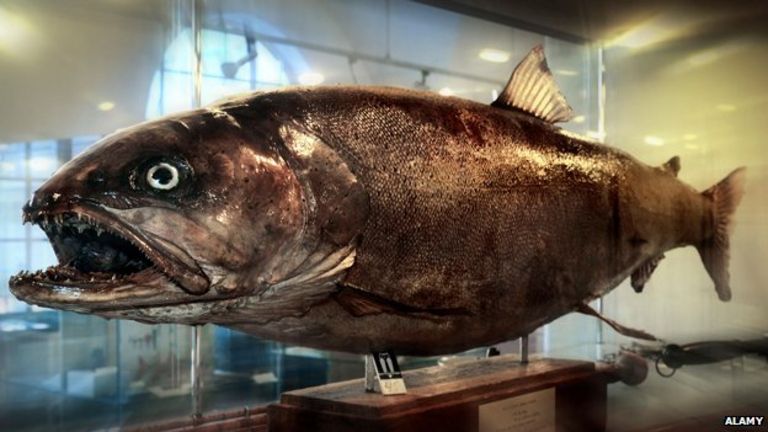
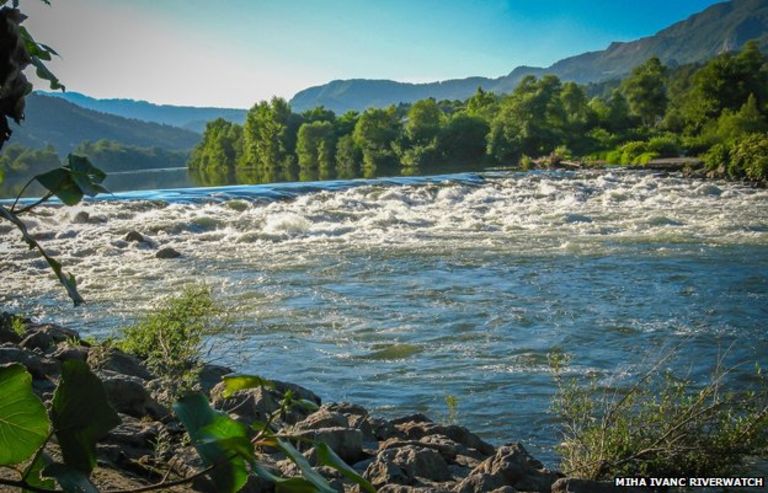

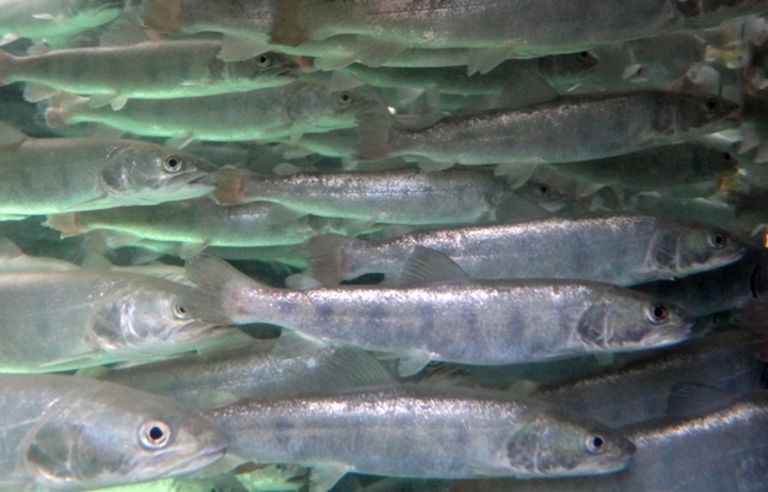
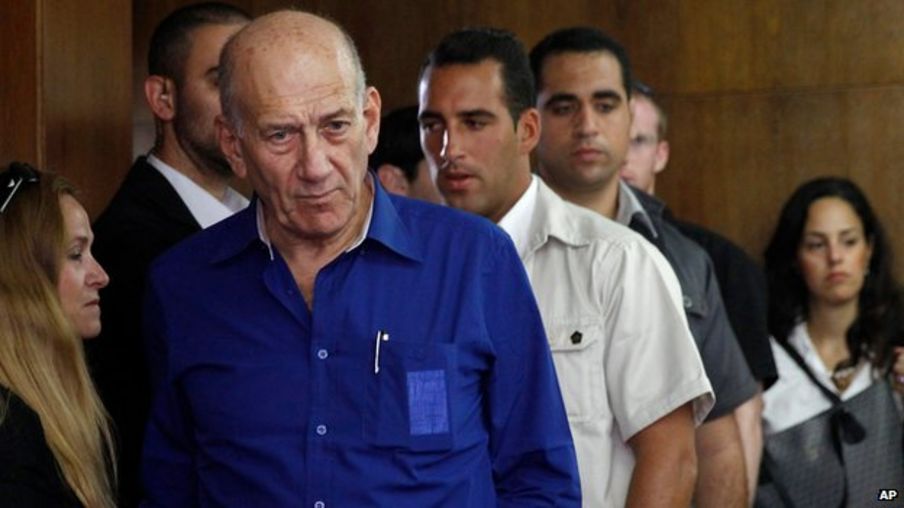

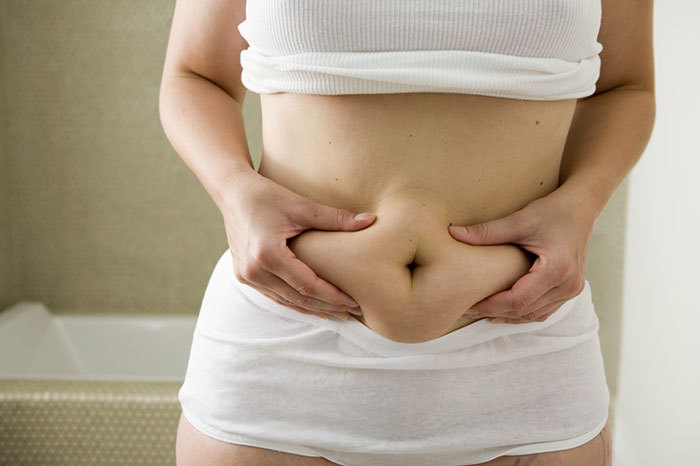
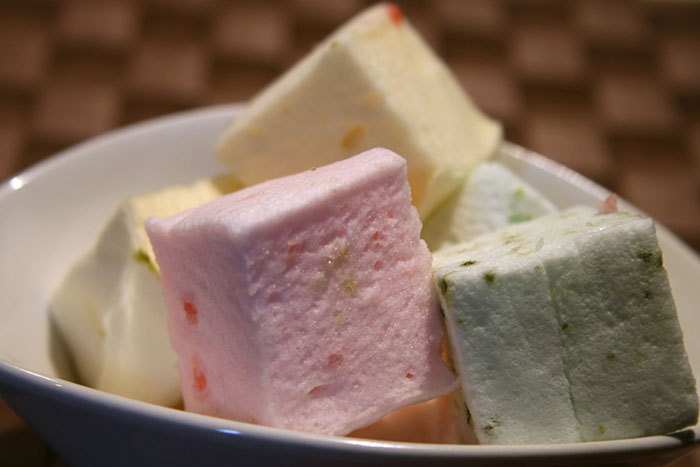


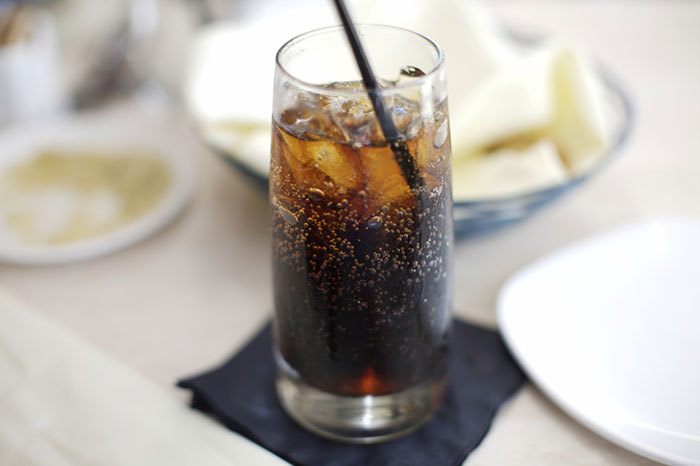



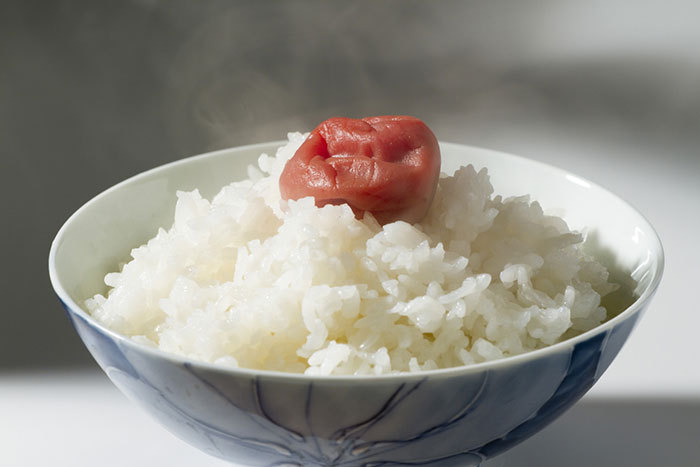
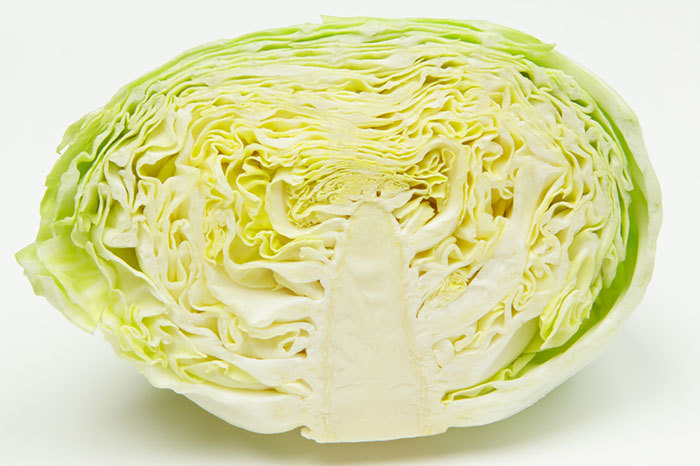



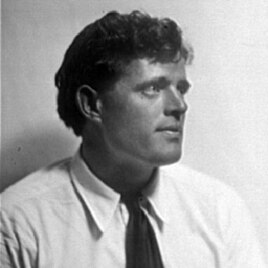 American writer, Jack London