

17 идей для хранения, которые сэкономят место по всей квартире |
Маленькое пространство — это не проблема, а задача. Главное — правильно организовать хранение нужных и не очень вещей, чтобы они не мешались под ногами и нельзя было бы о них споткнуться. И тогда в вашем скромном гнездышке можно будет комфортно жить и работать, собирать друзей и устраивать романтические встречи.
AdMe.ru собрал 17 идей для хранения, которые сэкономят место по всей квартире.
За картиной на стене можно спрятать место для хранения аксессуаров.
Шкаф для постельных принадлежностей под лестницей.
Складная корзина для белья.
Кармашки для кухонных мелочей на микроволновку или холодильник.
Шкаф «все в одном», который вращается вокруг своей оси.
Кровать, складывающаяся в небольшой удобный пуф.
Пуф для хранения обуви.
Органайзер для обуви под кроватью.
Карман для фена в ванной.
Крутая идея для хранения зубных щеток в ванной.
Складной письменный стол.
Подвесные ящики для гаража.
Дополнительная розетка на ножке кровати.
Скрытый шкаф в спинке угловой скамьи.
Подставка для крошечной ванной.
Жалюзи, преображающиеся в сушку для одежды.
|
Метки: дизайн идеи и предложения организация пространства |
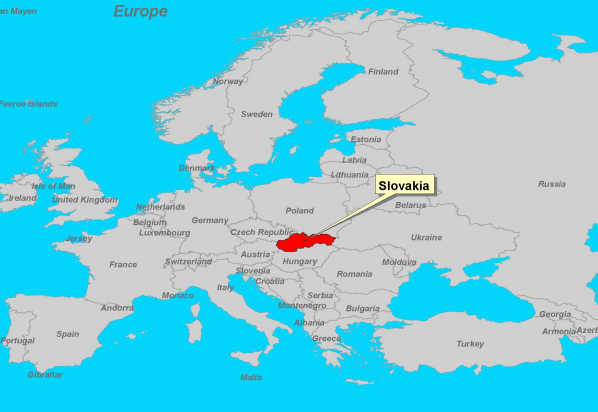
Словакия подробно |
 Отличный подробный пост про Словакию
отсюда:https://traktor.d3.ru/comments/6923
Самые распространенные способы получения внж это учеба и бизнес. Автор этой статьи получил внж через бизнес и подробно расскажет об этом способе. Для получения внж необходимо предоставить полиции выписки из банка в Словакии о наличии у вас личных средств в сумме 2500+ евро. Больше — лучше. Так же необходимо иметь страховку. Страховка может быть как словацкой так и иностранной. Еще необходима справка о несудимости с апостилем, которую надо переводить уже в Словакии. До приезда в Словакию никакие документы переводить не надо.
Для получении внж через учебу надо записаться на курсы словацкого языка в одну из языковых школ. например в этой школе http://www.1sjs.sk/sk/Uradne–hodiny–a–k
Получение внж через бизнес основано на законе что учредитель фирмы (не директор) обязан иметь внж. Стать учредителем можно двумя способами: 1) зарегистрировать свою фирму, 2) вступить в должность учредителя в уже готовой фирме. Первый вариант предусматривает получение внж без фирмы. Для этого надо иметь бизнес план на словацком языке и документ заверенный у нотариуса о ваших намерениях зарегистрировать фирму. После получения внж надо быстро регистрировать фирму и отправить в полицию копию документов подтверждающие факт регистрации. Такой документ выдают на почте и стоит он 3.90. Фирму можно зарегистрировать за 280–300 евро. Счет в банке открывается бесплатно. Второй вариант проще и требует только расписки действующего учредителя фирмы в том что он обязуется взять вас учредителем фирмы. Для первого и второго варианта общим является то, что на счету будущей или действующей фирмы должно быть от 20000+ евро. В будущем для успешного продления внж требуется показать минимальную чистую прибыль за прошлый год в размере 1000 евро в месяц. Если условие выполняется и вы можете показать больше то за кажые 20000 прибыли вам дают дополнительный год внж. При чистой прибыли 60000 евро внж продлевают на 3 года. Важное замечание: прибыль фирмы считается не для каждого учредителя в отдельности, а на всю фирму в целом, это значит что 2–3 учредителя заработавшие 60000 евро чистыми все получат внж на 3 года. Не стоит забывать и о налоговом кредите, после первого года работы и уплаты налога на прибыль в размере 22% вы автоматически обязаны заплатить такую же сумму налога в следующем году. По итогам налога следующего года сумму недоплаты надо доплатить или переплата налога за прошлый год будет учтена на следующий год. Отчет о прибыли сдается раз в год до 31 марта за прошлый год. Наемный бухгалтер стоит 25–90 евро в месяц. Думаю возможно найти бухгалтера который будет делать только отчет, без необходимости ежемесячной оплаты, но у меня была необходимость постоянных консультаций. При желании и достаточном доходе можно списывать прибыль в затраты через покупки на фирму: недвижимость, автомобили, гсм, ремонт техники, ж/д и авиа билеты, компьютерное и офисное оборудование, телефонные переговоры и интернет и даже аренду квартиры где вы проживаете. На фирме необязательно иметь наемных работников и тем более словаков. В принципе фирма может состоять из одних учредителей. Но тут лучше не злоупотреблять и не держать более трех учредителей одновременно. При уплате налога вы имеете право указать куда отправить из них 2%. Например в детский дом, садик или школу. Указать можно конкретный адрес и наименование. Тут это популярно и все стараются направить часть своих налогов на помощь тому, кто нуждается. На фирме достаточно платить только налог на прибыль — 22%.
Проживание.
Цены на аренду квартиры как и везде зависят от района и удаленности от центра. На расстоянии 15 минут пешком от центра города двухкомнатную квартиру 60 метров можно снять за 600–700 евро, трешка 90 кв.м. будет стоить 800–900, 4 комнаты 120+ кв.м. будут стоить от 1000 евро в месяц. Цена включает в себя место в паркинге под домом, воду, тепло, электричество, а так же кладовку, которая размещается или в коридоре или в паркинге. В квартире будет все необходимое для комфортного проживания включая посудомоечную машину, кофеварку, тостер и т.п. Как правило зал будет совмещен с кухней образуя собой большую общую площадь, удобную для приема гостей.
Найти жилье очень реально и просто самому. Для этого можно воспользоваться одним из многочисленных сайтов поиска недвижимости, например http://www.reality.sk/. Агенты как правило говорят на нескольких языках, бывает что понимают и русский. Просмотр квартир бесплатный и ни к чему не обязывает. Если квартира нравится — подписывается договор аренды, в котором указывают кто будет проживать и на какой срок. Обратите внимание на условия расторжения. Как правило расторгнуть договор без штрафа можно через год проживания. Оплата осуществляется на месяц вперед, еще одна месячная сумма оплачивается в так называемый депозит, на случай порчи имущества. При смене жилья она возвращается. Сумма вознаграждения агенту не должна превышать половины стоимости аренды. Торгуйтесь. При заселении производится инвентаризация с подписанием протокола в двух экземплярах. В нем указан список того что есть в квартире + показания счетчиков тепла, воды и электричества. Через год происходит возврат средств за переплату коммунальных счетов или доплата. Так как вы платите фиксированную сумму на энергии каждый месяц. Мелкие ремонты до 50 евро наемщик оплачивает сам, а крупные вроде ремонта стиральной машины (160 евро) или замены замка в двери (85 евро) — компенсирует хозяин квартиры. Перед подписанием договора обговорите с хозяином квартиры или доверенным лицом что вам потребуется письмо заверенное у нотариуса о том, что вы проживаете в квартире легально и там будет указан срок аренды. Этот документ потребуется для полиции для выдачи пластикового вида на жительство.
Ипотека.
При желании и достаточном доходе можно взять ипотеку. Годовой процент в зависимости от условий выдачи ипотеки колебается от 2% до 4%. Что называется почуствуйте разницу. Одна из уловок для получения ипотеки которой многие пользуются и которую даже советуют работники банков — это взять себя к себе на фирму на хорошую зарплату. Размер зарплаты поможет расчитать банковский сотрудник исходя из ваших возможностей и срока ипотеки. Достаточно отработать 4 месяца и сделать справку о доходах — этого будет достаточно. После этого можно себя уволить. Ипотека выдается при наличии 10% от суммы ипотеки на срок до 30 лет.
Интернет и телевидение.
Хорошо, если в квартире где вы будете жить уже будет интернет. Иначе необходимо подключить интернет самому. Неудобство связано с тем что надо будет подписать контракт. Минимум на год. Но лучше на два. Цена значительно меняется. Но расторжение контракта раньше срока дороже чем просто оплатить контракт до его окончания. Цена на ADSL интернет начинается от 7 евро за 2 мегабита, контракт 2 года (Orange). И может достигать внушительные 24 евро за 5 мегабит при договоре на 1 год (Telekom). Оптический интернет дешевле и идет уже с телевидением. Парадокс. Канал часто ассиметричный вроде 50/1 или 100/1. Телевидение возможно принимать совершенно бесплатно через специальную антенну вроде https://www.alza.sk/hama–dvb–t–akti
Автошкола.
У меня не было прав и я решил получить их в Словакии. Для этого я пошел и записался в автошколу. Стоит это удовольствие 360 евро. Платить можно частями или все сразу. Перед записью надо принести справку о состоянии здоровья. Такую справку может дать любой врач за 15–35 евро. Выдают учебник с правилами и на курсах просто дублируют его содержание. После этого начинается практика на тренажере. Тренажер из себя представляет водительское кресло, торпеду от автомобиля с кнопочками, зеркала заднего вида, руль, педали. Картинка симулятора проецируется проектором на доске установленной перед водителем, а в зеркалах заднего вида видно отражение двух мониторов, в которых отображается картинка за автомобилем. После успешной сдачи симулятора начинается полигон, на который едет сам ученик. Потом город, в общем все наверно как в других автошколах. Потом в школу приходит специальный человек и рассказывает курс первой помощи. В этот же день все проходят тесты и делают искусственное дыхание и массаж сердца специальному манекену. В завершении всем выдают сертификат о наличии знаний оказания первой помощи. Попутно надо учить тесты http://www.testynavodicak.sk/autosk
Автомобиль
Права есть — надо машину. Идем на http://www.autobazar.sk/ и выбираем. Был приобретен Hyundai Accent 1.4 2006 года комплектации lux с пробегом 59 тыс км. за 3200. Пробег можно проверять по VIN, часто после ТО данные о пробеге заносятся в интернет базу и могут быть найдены через гугление VIN номера автомобиля. Рассматривается к принятию закон обязывающий все СТО передавать пробег в общую базу данных доступную для всех желающих. Продавец снял машину с учета — нам надо только поехать в городское управление, постоять очередь и поставить машину на учет. Стоит это 35 евро. Заполняем на месте анкетку, полицейский проверяет VIN и едем домой ждем когда по почте через 10 дней придут документы на машину. Пока ждем — можем ездить с договором купли–продажи. Машина подлежит обязательному государственному страхованию и стоит это удовольствие 100–150 евро в год. При желании можно оформить аварийную страховку. На конкретно этот автомобиль она стоила 260 евро в год. Платить можно поквартально. Самый дешевый бензин на заправке супермаркета Метро. Разница может достигать до 10 центов. В среднем цена 1 литра 95 бензина 1.22 евро. Цены мониторить можно тут http://www.benzin.sk/ там же есть отзывы по заправкам и сравнительный анализ ценhttp://www.benzin.sk/index.php?price_se
Полиция.
Специального гаи нет. Существует только полиция, которая занимается патрулирование города и выполняет все функции и гаи и ппс. Очень лояльная кстати. Скоростной режим нарушают все. Если вы двигаетесь со скоростью +10 км/ч никто вас не будет преследовать. Стационарные посты как правило отсутствуют. На фару ловят не в кустах, а там где трасса переходит в городскую дорогу, и то очень очень редко. О таких случаях сразу говорят по радио. Если вы нарушили пдд и вас заметил патруль — он начинает ехать за вами и сигналами приказывает остановится. Оплачивается штраф на месте, в подтверждение дается специальный чек. Могут выписать штраф меньше положенного или вообще не выписать, проведя разъяснительную беседу.
О правилах поведения в городе. Формально алкоголь распивать на улице можно только в пакетах. Но с наступлением темноты полицейские делают скидку и на это. Плюс если не шуметь и не мусорить можно спокойно этим заниматься в парке, на лавочках, да как угодно, не пряча бутылки. В целом вам скорее вынесут предупреждение, чем сразу начнут штрафовать. Если вы создаете впечатление адекватного человека — никто не будет с вами связываться и терять свое время. Чаще с полицией общаются панки и неформалы стиль жизни которых — протест.
Страховка.
Делается на месте в течении 10 минут. Можно самому решить где страховаться. Заполняется анкета о состоянии здоровья и за 50–58 евро в месяц выдают карточку страхования. В момент получения и продления внж страховка обязательна. Если у вас внж больше года страховка в этот момент по желанию. Главное оформить ее перед продлением. Детям помогает экономить деньги на обследовании в больницах и иногда дает скидки на покупку лекарств. Страховка для инострацев с внж ограничена и не дает всех льгот местных жителей. Но после получения пмж все меняется и страховка для иностранца по своим качествам ничем не будет отличаться от аборигенов. Например можно и нужно будет проходить обязательную комиссию у стоматолога каждый год и лечение у него будет частично компенсировать страховая компания.
Медицина.
У каждого человека должен быть свой лечащий врач. Врача можно выбрать из каталога. Например врач для детей и подростков выбирается так http://www.zzz.sk/?page=hladaj&typ=praktickylekardeti. Звоним, договариваемся, приходим и говорим что хотим выбрать вас врачем. Если не нравится что то — идем к другому. Теперь все рецепты, больничные и направления в больницу должен выписывать ваш личный врач. Врач может поставить открытый больничный, куда уже вы потом впишите дату выздоровления. Удобно. Стоит больничный 50 центов. Осмотр бесплатно.
Садик.
Существуют частные садики и государственные. Отличаются в первую очередь ценами и очередями. Частный садик стоит от 300 евро + питание. Государственный 10 + питание. Но в государственный очереди и записываться в него надо в феврале/марте, так же как и в школу. В моем случае частный был за 360 евро и ничем лучше не был, возможно даже наоборот. В садике родители на собрании выбирают “тройку” из родителей которая следит на расходами денег, все платежи по 10 евро идут в кассу садика и тратятся на новые игрушки, зоопарки, парки, экскурсии и тп. Ни о каких дополнительных затратах нет речи, а тем более подарках воспитателям или заведующей. Кормят очень вкусно. Внутри висит меню и можно видеть чем кормят вашего ребенка. Так же в садике можно записать ребенка в какой нибудь кружок рисования, на английский или спортивную секцию — хоккей, плавание и тд.
Транспорт.
Развит очень хорошо. Ходит по расписанию. На каждой остановке нарисован маршрут и указан график приезда транспорта, а так же время до каждой остановки. Это необходимо что бы планировать свой маршрут по времени. Существует два вида билетов на 15 и 60 минут, стоят они 70 и 90 центов. В выходные дни время проездного билета увеличивается в 1.5 раза. С билетом на 15 минут нельзя пересаживаться. С билетом на 60 минут можно пересаживаться на любые виды траспорта. Главное следить что бы время поездки было в пределах билета. Билет после входа в транспорт надо сразу пробить на специальном принтере. Кто часто ездит лучше конечно купить проездной. Или автомобиль. Автобусы, трамваи и троллейбусы оборудованы кондиционером, внутри все новенькое, есть табло показывающее маршрут с остановками. Штраф за безбилетный проезд 50 евро. Интересно реализована система открытия дверей. Водитель этим не занимается. Всем кому надо выйти или войти нажимают кнопку на двери самостоятельно. И внутри и снаружи. Когда все двери закрыты раздается предупредительный сигнал и транспорт едет дальше.
Впечатления.
Понравилось что сливные трубы с крыши выведены не на тротуар, а сразу в канализацию под землю. Итог — тротуар всегда сухой и без луж.
Почти везде весь первый этаж в графити. Какая то фишка Братиславы. Наверно было бы лучше без графити.
Очень много кафешек. Почти всегда все заняты. В обеденное время в кафешках подают обеды. Цена 2.90–4.50. Вкусно.
Красивый старый город.
Озера в городе. Люди приходят и кормят хлебом или сухариками лебедей. Уток. Чаек. Озера зарыбленные. Для ловли рыбы нужна лицензия. Кормим лебедей — приплывают рыбки — к рыбкам приплывают карпы — я насчитал 14 шт. большие. Видел щуку. Стоит вертикально в воде и атакует мелкую рыбу. Выныривает с рыбкой в пасте над водой. Красиво. Присутсвуют черепахи. Видел сомика. Настоящее в мире животных в черте города.
По городу стоят такие специальные ящики с пакетами, что бы можно было убирать за своим домашним питомцем, которого вы выгуливаете. Никто их не разбрасывает и не поджигает.
Точно так стоят ящички с предложениями агенств недвижимости или местными газетами. Но чаще их можно встретить пустыми. Спрос на недвижимость большой, часто журнал теряет актуальность.
Много людей бегает. Вокруг озера беговая дорожка со специальным покрытием. Много велосипедистов по городу.
Этажи в лифтах начинаются с нуля. 0,1,2 и тд. Настоящие программисты. 0 — означает приземие — офисный этаж. Даже в жилых домах 0 этаж под офисы и магазины.
Очень вкусный хлеб. Очень большое его разнообразие. Просто надо брать и пробовать.
При замене асфальта на проезжей части или тротуаре кладут на бетонную подушку довольно солидной толщины. На проезжей части во время ремонта было видно общую толщину дороги от 50 до 100 см. При ремонте дороги используется гидроизоляция в виде поэлитилена между асфальтом и бетоном. Ремонтируют быстро 2 дня сохнет бетон, потом за 1 день закатывают асфальтом, так что не видно где ремонтировали. При дорожных работах весь мусор увозят — куч с мусором нет.
В некоторых супермаркетах есть кассы самообслуживания. Сам сканируешь товар, сам его оплачивашь. Удобно и быстро. Тут же можно и поменять скопившуюся металлическую мелочь в виде центов.
Мусор каждый дом собирает в свое отдельное место, которое закрывается на ключ. Мусор не сортируют. Центральных мусоропроводов нет. Советские многоэтажки называют “панеляки”. Их реконструируют, утепляют и разукрашивают. Получается тепло и красиво. Мусор забирают ночью.
Много офис–центров, больших и высоких. Сверху написано чье это — Microsoft, Lenovo, Eset, Sony, Samsung, Amazon и тп. С большой высоты красиво смотрится.
Есть огромный мемориал советским воинам павшим во вторую мировую войну. Братские и индивидуальные могилки с подписями. Чисто. Ухожено. http://en.wikipedia.org/wiki/Slav%C3%AD
Много иностранцев. Они везде. Слышно разные языки. По–началу это не привычно. Так в супермаркете может подойти немец и попросить выбрать пиво. На немецком. И будет ждать вашей помощи. Часто могут спросить как куда нибудь пройти — чаще на английском. Попадаются французы, испанцы. С ними труднее. Выручает навигатор в телефоне и интернет. Искренне благодарят и возникает приятное чувство.
Ночью совсем не страшно. Как то до поздна гулял с одним сибиряком. Проходили мимо кладбища. Он сказал что у себя дома он в такую аллейку никогда бы ночью не зашел. А тут живет и радуется. Учит английский. Устроился тут электриком с зп 1300 евро на испытательный срок. Сказал что отправил 10 резюме. Получил 2 офера. Больше 1 дела в день делать нельзя. Коллектив не поймет.
Отличное пиво можно попить в пабе "Гоблинс". Так советовал мой учитель словацкого на бесплатных курсах в иммиграционном центре. Не обманул.
Существует множество ивентов для встречи иностранцев. Помогают учить язык, иногда безвозмездно, иногда в обмен на уроки по своему языку. Помогает адаптироваться и завести новые знакомства. Тем более эти ивенты проходят в разных кафешках.
Есть бесплатные курсы словацкого языка для инострацев при поддержке миграционного агенства. Подробнее можно почитать тут http://mic.iom.sk/sk/sluzby–pre–kliento
Язык простой. Я начал уже что то связное говорить уже через 2 месяца. В интернете масса учебников и курсов. Но на месте все летит во много раз быстрее. Когда кругом все на словацком — втягиваешься и даже начинаешь думать на нем. Перед поездкой сюда я слушал радио http://www.funradio.sk/ помогает привыкнуть к языку.
Много забавных слов: литадло — самолет, умывадло — умывальник, мыдло — мыло, возидло — машина, утерак — полотенце, ходидло — стопа, лепидло — клей. ужасный твар — прекрасное лицо. черстве овоци — свежие фрукты. позор — внимание. гхерня — игровые автоматы. Гараж — женского рода, а лужа = калуж — мужского. В общем есть забавные моменты в изучении языка.
|
Метки: Словакия страны и уголки мира иммиграция бытоописание |
Ты ВИДИШЬ БОГА КАЖДЫЙ ДЕНЬ и СТОЛЬКО, НАСКОЛЬКО ГЛУБОКА ДУША ТВОЯ… |

- Ты веришь в Бога?
- Я его не видел…
Как можно верить в то, что не видал?
Ты извини, что я тебя обидел,
Ведь ты такой ответ не ожидал…
Я верю в деньги, их я видел точно…
Я верю в план, в прогноз, в карьерный рост…
Я верю в дом, что был построен прочным…
- Конечно… Твой ответ довольно прост…
Ты веришь в Счастье? Ты его не видел…
Но видела его Душа твоя…
Прости, наверно, я тебя обидел…
Тогда у нас один - один… Ничья…
В Любовь ты веришь, в Дружбу? Как со зреньем???
Ведь это всё на уровне Души…
А искренности светлые мгновенья?
Увидеть всё глазами не спеши…
Ты помнишь, как тогда спешил на встречу,
Но пробки… не успел на самолёт?!
Твой самолёт взорвался в тот же вечер,
Ты пил и плакал сутки напролёт…
А в тот момент, когда жена рожала,
И врач сказал: «Простите, шансов нет…»,
Ты помнишь, жизнь как слайды замелькала,
И будто навсегда померкнул свет,
Но кто-то закричал: «О, Боже, чудо…»
И крик раздался громкий малыша…
Ты прошептал: «Я в Бога верить буду"
И УЛЫБНУЛАСЬ ИСКРЕННЕ ДУША…
Есть то, чего глаза узреть не в силах,
Но Сердце видит чётче и ясней…
Когда Душа без фальши полюбила,
То разум возражает всё сильней…
Ссылается на боль, на опыт горький,
Включает эгоизм, большое «Я»…
Ты ВИДИШЬ БОГА КАЖДЫЙ ДЕНЬ и СТОЛЬКО,
НАСКОЛЬКО ГЛУБОКА ДУША ТВОЯ…
У каждого из нас своя дорога…
А вера и любовь важней всего…
Я не спросил тебя: «Ты видел Бога?»
Я спрашивал, ПОВЕРИЛ ЛИ в Него…
|
Метки: стихи |
50 Quotes on Leadership Every Entrepreneur Should Follow |

Every entrepreneur knows that the success of their business ultimately rests on their shoulders. Yes, the product you build and the team you hire are important, but your ability to lead is what carries your company.
With that kind of pressure, it’s easy to feel stressed, lonely and overwhelmed at times. Every great leader has faced a challenge that defined their greatness, which is why we often turn to their advice when needed.
Whether you’re an entrepreneur, business owner, or team leader, here are 50 inspirational quotes on leadership for when you need a little pep talk.
1. "A leader takes people where they want to go. A great leader takes people where they don't necessarily want to go, but ought to be." –Rosalynn Carter
2. “A leader is best when people barely know he exists, when his work is done, his aim fulfilled, they will say: we did it ourselves.” - Lao Tzu
3. "It's hard to lead a cavalry charge if you think you look funny on a horse." - Adlai E. Stevenson II
4. "Great leaders are almost always great simplifiers, who can cut through argument, debate, and doubt to offer a solution everybody can understand." – Colin Powell
5. “The first responsibility of a leader is to define reality. The last is to say thank you. In between, the leader is a servant.” - Max DePree
6. "If your actions inspire others to dream more, learn more, do more and become more, you are a leader." – John Quincy Adams
7. “A leader is a dealer in hope.” - Napoleon Bonaparte
8. "A leader...is like a shepherd. He stays behind the flock, letting the most nimble go out ahead, whereupon the others follow, not realizing that all along they are being directed from behind." - Nelson Mandela
9. “He who has never learned to obey cannot be a good commander.” -Aristotle
10. "Leadership is the art of getting someone else to do something you want done because he wants to do it." - Dwight D. Eisenhower
11. "As we look ahead into the next century, leaders will be those who empower others." – Bill Gates
12. “A good leader is a person who takes a little more than his share of the blame and a little less than his share of the credit." - John Maxwell
13. “Become the kind of leader that people would follow voluntarily; even if you had no title or position.” - Brian Tracy
14. "The leaders who offer blood, toil, tears and sweat always get more out of their followers than those who offer safety and a good time. When it comes to the pinch, human beings are heroic." – George Orwell
15. “I start each day by telling myself what a positive influence I am on this world.” - Peter Daisyme
16. “Earn your leadership every day." - Michael Jordan
17. "Before you are a leader, success is all about growing yourself. When you become a leader, success is all about growing others." –Jack Welch
18. “Leadership is lifting a person’s vision to high sights, the raising of a person’s performance to a higher standard, the building of a personality beyond its normal limitations.” - Peter Drucker
19. "My job is not to be easy on people. My job is to take these great people we have and to push them and make them even better." - Steve Jobs
20. "The led must not be compelled. They must be able to choose their own leader." – Albert Einstein
21. “Great leaders find ways to connect with their people and help them fulfill their potential.” - Steven J. Stowell
22. "To have long-term success as a coach or in any position of leadership, you have to be obsessed in some way." - Pat Riley
23. "If you think you are leading and turn around to see no one following, then you are just taking a walk." – Benjamin Hooks
24. “The challenge of leadership is to be strong, but not rude; be kind, but not weak; be bold, but not bully; be thoughtful, but not lazy; be humble, but not timid; be proud, but not arrogant; have humor, but without folly.” - Jim Rohn
25. "A man who wants to lead the orchestra must turn his back on the crowd." - Max Lucado
26. “To do great things is difficult; but to command great things is more difficult.” - Friedrich Nietzsche
27. "It is absolutely necessary...for me to have persons that can think for me, as well as execute orders." - George Washington
28. "Leaders aren’t born, they are made. And they are made just like anything else, through hard work." - Vince Lombardi
29. “A cowardly leader is the most dangerous of men.” - Stephen King
30. "A man always has two reasons for doing anything: a good reason and the real reason."- J.P. Morgan
31. “Not the cry, but the flight of a wild duck, leads the flock to fly and follow.” - Chinese Proverb
32. "The ultimate measure of a man is not where he stands in moments of comfort, but where he stands at times of challenge and controversy." - Martin Luther King, Jr.
33. “No man will make a great leader who wants to do it all himself, or to get all the credit for doing it.” - Andrew Carnegie
34. "Average leaders raise the bar on themselves; good leaders raise the bar for others; great leaders inspire others to raise their own bar." -Orrin Woodward
35. "Those who try to lead the people can only do so by following the mob." – Oscar Wilde
36. “Outstanding leaders go out of their way to boost the self-esteem of their personnel. If people believe in themselves, it’s amazing what they can accomplish.” - Sam Walton
37. “Example is not the main thing in influencing others. It is the only thing.” - Albert Schweitzer
38. “If your actions create a legacy that inspires others to dream more, learn more, do more and become more, then, you are an excellent leader.” - Dolly Parton
39. “I am reminded how hollow the label of leadership sometimes is and how heroic followership can be.” - Warren Bennis
40. “In this world a man must either be an anvil or hammer.” - Henry W. Longfellow
41. “It is absurd that a man should rule others, who cannot rule himself. (Absurdum est ut alios regat, qui seipsum regere nescit.)” - Latin Proverb
42. “The history of the world is but the biography of great men.” - Thomas Carlyle
43. “A ruler should be slow to punish and swift to reward.” - Ovid
44. “You don’t have to hold a position in order to be a leader” - Henry Ford
45. “Rely on your own strength of body and soul. Take for your star self-reliance, faith, honesty, and industry. Don't take too much advice — keep at the helm and steer your own ship, and remember that the great art of commanding is to take a fair share of the work. Fire above the mark you intend to hit. Energy, invincible determination with the right motive, are the levers that move the world.” - Noah Porter
46. "Don't blow off another's candle for it won't make yours shine brighter." Jaachynma N.E. Agu
47. “I cannot give you the formula for success, but I can give you the formula for failure, which is: Try to please everybody.” - Herbert Swope
48. “He who has learned how to obey will know how to command.” -Solon
49. “If one is lucky, a solitary fantasy can totally transform one million realities.” - Maya Angelou
50. “The best executive is the one who has sense enough to pick good men to do what he wants done, and self-restraint to keep from meddling with them while they do it.” - Theodore Roosevelt
Bonus:
“Screw it, let’s just do it.” - Richard Branson
|
Метки: quotes entrepreneurship leadership |
Want to Be Successful? Quit Wasting Your Brain |

The most productive time of the day is not early morning. Work productivity has absolutely nothing to do with your daily rituals or habits. And the truth is, your success probably has little to do with productivity in the first place.
Productivity is about efficiency and output. That may count for something if you make cars or semiconductor chips, but for the overwhelming majority of you, productivity doesn’t mean a damn thing.
If being creative matters to you, and it should, it might surprise you to know that you’re probably most innovative when you’re tired. I often have epiphanies when I’m half asleep, during an exhausting workout, or in the shower … not a weird shower, mind you, just a normal one. But that’s neither here nor there.
The thing is, we’re all different. And if you listen to your own body and instincts you’ll do fine. Unfortunately, most of you are much too busy binging on all sorts of online nonsense and distraction to pay any attention to what your body and your gut are telling you.
The great irony is, cavemen had all that figured out. They awoke with the sun, ate when there was food, and slept when they got tired. They somehow managed to accomplish all that with a brain about a third of the size of yours. And everything worked out fine ... as long as they avoided those saber-toothed tigers.
Related: The Truth About 'Fake It 'Til You Make It'
You know, the only thing that distinguishes modern man from caveman is our highly evolved neocortex. Honestly folks, do you really think humans developed the capacity for complex reasoning so we can sit on our butts and ponder stuff that a caveman or even a frog does without even thinking? Of course not.
A great mind is a terrible thing to waste. So quit wasting yours. And quit wasting the precious time you have to build your career and business worrying about stupid nonsense like what time you get up, how you eat breakfast, your sleep habits, and what kind of showers you take.
Look, you’re supposed to be an entrepreneur, right? And that’s all about business, right? So what do you say we take a step back and look at this logically. When it comes to business, the only important time of day is the time you spend actually working. And the only habits that matter are your work habits.
That’s right, nothing else matters … unless, of course, you’re slacking off when you should be working. So get to work. And for the record, here are five questions that enormous brain of yours needs to answer if you want to make something of yourself and have a successful business someday.
Related: Can We Quit With the Stereotypes Already?
I don’t care how much you love doing something or how passionate you are about doing it, if you don’t come up with a big problem that customers will pay to have solved, your entrepreneurial career will be very short-lived.
If your products and services don’t offer a far superior value proposition with respect to the competition, then you’ve got what’s called a commodity product. That means you’re going to be slugging it out on price. That’s not a good place to be.
Even the best solution doesn’t always win. You still need a plan to reach potential customers, win the business, keep customers happy, and put up competitive barriers because competition always goes where the business is.
You’re always creating a new market, expanding the overall market, or taking market share from others. Whichever it is, you need strategies and capital to do it. Market share isn’t just costly to lose. It’s costly to gain, as well.
This is where most entrepreneurs and small business owners fall short. You have to have a clear plan with reasonable assumptions to fund your business as it grows. Otherwise, you’ll run out of cash – easily the most common reason businesses fail.
If you come up with those five strategies and successfully execute, I guarantee you’ll do quite well for yourself. If you don’t, you’d better keep working on it until you do, because none of them are optional if you want to get anywhere on your own.
So quit screwing around on stuff a caveman or even a slimy amphibian can do and put those frontal lobes to work building an actual business.
|
Метки: success productivity personal effectiveness psychology English |
LinkedIn Tips: 10 Ways to Get the Most Out of Your Network |
|
Метки: LinkedIn social network promotion advices effectiveness English |
10 Questions to Ask When Creating Your LinkedIn Company Page |

Given LinkedIn's more than 200 million members, a company page on the popular professional networking site can provide a valuable venue for recruiting talent and promoting your products and services. But while setting up a LinkedIn company page is relatively common, some business owners have questions and wind up making potentially costly mistakes.
To generate the kind of results you're looking for, it's important to consider many details when setting up a company page on LinkedIn. Cambridge, Mass.-based business-to-business marketing software firm HubSpot, for instance, found LinkedIn to be nearly 300 percent more effective for visitor-to-lead generation than Facebook and Twitter, says Kipp Bodnar, HubSpot marketing director and co-author of The B2B Social Media Book (Wiley, 2012).
To help you create a standout LinkedIn company page, here are 10 essential questions to ask:
1. Who should set up and maintain my company page?
If you're a startup with only a handful of employees, consider assigning the task to someone on your team who is an active LinkedIn member, preferably with some digital marketing knowledge and experience. At a larger company, a qualified employee in the marketing department would likely be up to the task.
If you're creating the page yourself, begin by going to LinkedIn's Create a Company Page section and selecting "Start Now." Next, enter your name and company email address. Then, follow the prompts to enter a description of your company and its products and services.
2. How should I describe my company?
Every LinkedIn company page features a brief explanatory About section. This is your chance to tell potential customers and employees about the number one thing that you want them to know about your business, says Lana Khavinson, senior product marketing manager at LinkedIn.
Describe exactly what your company does and what your overall mission is. You can also provide some basic information such as headquarters location, website address, the industry you're in, the company's public or private status, founding date and number of employees.
3. What images should I use?
A banner-style horizontal image is the first thing someone visiting your company page will see. That's why it's critical to choose an attention-grabbing image that reflects your brand and draws people in to learn more about the company, Khavinson says. CNBC's main LinkedIn imageis an example. It features its famous peacock logo at an interesting angle, with newsroom flat screens in the backdrop.
You can also use your main image space to highlight the latest company news and events. For example, Xactly Corp., a San Jose, Calif.-based sales incentive management company, recently promoted a conference with a photo of the keynote speaker and an overlay of text detailing the event's date and time.
4. Should I include videos, too?
Both Khavinson and Bodnar recommend adding videos as a way of bringing your brand to life, whether they're professionally produced or simply shot on a smartphone. Video content to consider: passionate customer testimonials, product demonstrations that are anything but dull, snippets of your CEO speaking at a webinar or conference, and behind-the-scenes vignettes that show the lighter side of your brand or office culture.
Keep your videos short and to the point. "Sometimes video is the only thing people have time to click on," Bodnar says, "so you have to grab their attention right away, in the first few seconds."
5. What should I list in the page's products and services section?
Meeting the needs of your target market should be top-of-mind when listing your products and services, Bodnar says. So, describe what each of them will help people accomplish.
Also, it's important to carefully choose which product or service to feature first on the list. People often skim online text and might not read past the initial product or service description.
6. How often should I post status updates and what should they be about?
Status updates let you reach out to LinkedIn members who follow your company page. Your status updates will appear in their main LinkedIn Home view, which looks and feels similar to Facebook's News Feed.
Ideally, update your status no more than three to five times a day about company events, achievements and product releases. You also should try to highlight the "human, less hard sell side" of your business, Bodnar says. For instance, you can pepper your status updates with links to blog posts, memes and videos that might resonate with your target audience. Doing so can encourage a two-way conversation with your followers through the comments section of your page.
7. How can I encourage LinkedIn members to recommend my products and services?
Often, all you have to do is ask, Bodnar says. HubSpot includes an option to recommend its products on LinkedIn via customer surveys. You might also create a section on your main website or blog that reminds satisfied customers to recommend your services, complete with a link to your LinkedIn page.
Recommendations lend credibility and trustworthiness to your brand, Khavinson says. The more you receive the better. And you can always delete unwanted recommendations.
8. How can I promote my page?
You can add a LinkedIn "follow" button to your company website and put your company page's URL on your business card, email signature and your e-newsletters. Another option is to ask your employees to create LinkedIn member profiles, if they don't already have them, and request that they regularly like and share your status updates.
LinkedIn pay-per-click (CPC) and pay-per-1,000 impressions (CPM) ad campaigns can be effective ways to boost your page traffic quickly. You control the cost of your ad campaign by bidding and setting a budget.
9. How can I track the effectiveness of my page?
LinkedIn provides analytics, similar to Google Analytics, for each company page. Only your page administrator can view the results. LinkedIn Analytics can help you see who's visiting your page and what types of content they click on, like and share most and least often. You'll have access to statistics about your follower community, including how it's growing and what kinds of LinkedIn members you are attracting.
10. How can I directly recruit talent from my page?
Millions of job seekers visit LinkedIn every day to research employment listings. To recruit the best talent in your industry and show them content specifically targeted to their professional background, you can contact LinkedIn about adding a premium LinkedIn career page that connects to your company page. Your career page shows LinkedIn members your current job openings and employee testimonials. It also gives job seekers an opportunity to directly apply and to contact recruiters within your company.
|
Метки: companies LinkedIn information advices products services English |
Givers take all: The hidden dimension of corporate culture |
byAdam Grant
After the tragic events of 9/11, a team of Harvard psychologists quietly “invaded” the US intelligence system. The team, led by Richard Hackman, wanted to determine what makes intelligence units effective. By surveying, interviewing, and observing hundreds of analysts across 64 different intelligence groups, the researchers ranked those units from best to worst.
Then they identified what they thought was a comprehensive list of factors that drive a unit’s effectiveness—only to discover, after parsing the data, that the most important factor wasn’t on their list. The critical factor wasn’t having stable team membership and the right number of people. It wasn’t having a vision that is clear, challenging, and meaningful. Nor was it well-defined roles and responsibilities; appropriate rewards, recognition, and resources; or strong leadership.
Rather, the single strongest predictor of group effectiveness was the amount of help that analysts gave to each other. In the highest-performing teams, analysts invested extensive time and energy in coaching, teaching, and consulting with their colleagues. These contributions helped analysts question their own assumptions, fill gaps in their knowledge, gain access to novel perspectives, and recognize patterns in seemingly disconnected threads of information. In the lowest-rated units, analysts exchanged little help and struggled to make sense of tangled webs of data. Just knowing the amount of help-giving that occurred allowed the Harvard researchers to predict the effectiveness rank of nearly every unit accurately.
The importance of helping-behavior for organizational effectiveness stretches far beyond intelligence work. Evidence from studies led by Indiana University’s Philip Podsakoff demonstrates that the frequency with which employees help one another predicts sales revenues in pharmaceutical units and retail stores; profits, costs, and customer service in banks; creativity in consulting and engineering firms; productivity in paper mills; and revenues, operating efficiency, customer satisfaction, and performance quality in restaurants.
Across these diverse contexts, organizations benefit when employees freely contribute their knowledge and skills to others. Podsakoff’s research suggests that this helping-behavior facilitates organizational effectiveness by:
enabling employees to solve problems and get work done faster
enhancing team cohesion and coordination
ensuring that expertise is transferred from experienced to new employees
reducing variability in performance when some members are overloaded or distracted
establishing an environment in which customers and suppliers feel that their needs are the organization’s top priority
Yet far too few companies enjoy these benefits. One major barrier is company culture—the norms and values in organizations often don’t support helping. After a decade of studying work performance, I’ve identified different types of reciprocity norms that characterize the interactions between people in organizations. At the extremes, I call them “giver cultures” and “taker cultures.”
In giver cultures, employees operate as the high-performing intelligence units do: helping others, sharing knowledge, offering mentoring, and making connections without expecting anything in return. Meanwhile, in taker cultures, the norm is to get as much as possible from others while contributing less in return. Employees help only when they expect the personal benefits to exceed the costs, as opposed to when the organizational benefits outweigh the personal costs.
Most organizations fall somewhere in the middle. These are “matcher cultures,” where the norm is for employees to help those who help them, maintaining an equal balance of give and take. Although matcher cultures benefit from collaboration more than taker cultures do, they are inefficient vehicles for exchange, as employees trade favors in closed loops. Should you need ideas or information from someone in a different division or region, you could be out of luck unless you have an existing relationship. Instead, you would probably seek out people you trust, regardless of their expertise. By contrast, in giver cultures, where colleagues aim to add value without keeping score, you would probably reach out more broadly and count on help from the most qualified person.
In light of the benefits of more open systems of helping, why don’t more organizations develop giver cultures? All too often, leaders create structures that get in the way. According to Cornell economist Robert Frank, many organizations are essentially winner-take-all markets, dominated by zero-sum competitions for rewards and promotions. When leaders implement forced-ranking systems to reward individual performance, they stack the deck against giver cultures.1
Pitting employees against one another for resources makes it unwise for them to provide help unless they expect to receive at least as much—or more—in return. Employees who give discover the costs quickly: their productivity suffers as takers exploit them by monopolizing their time or even stealing their ideas. Over time, employees anticipate taking-behavior and protect themselves by operating like takers or by becoming matchers, who expect and seek reciprocity whenever they give help.
Fortunately, it is possible to disrupt these cycles. My research suggests that committed leaders can turn things around through three practices: facilitating help-seeking, recognizing and rewarding givers, and screening out takers.
Giver cultures depend on employees making requests; otherwise, it’s difficult to figure out who needs help and what to give. In fact, studies reviewed by psychologists Stella Anderson and Larry Williams show that direct requests for help between colleagues drive 75 to 90 percent of all the help exchanged within organizations.
Yet many people are naturally reluctant to seek help. They may think it’s pointless, particularly in taker cultures. They also may fear burdening their colleagues, lack knowledge about who is willing and able to help, or be concerned about appearing vulnerable, incompetent, and dependent.
It’s possible to overcome these barriers. For example, University of Michigan professor Wayne Baker and his wife, Cheryl Baker, at Humax Networks developed an exercise called the “reciprocity ring.”2 The exercise generally gathers employees in groups of between ten and two dozen members. Each employee makes a request, and group members use their knowledge, resources, and connections to grant it. The Bakers typically run the exercise in two 60-to 90-minute rounds—the first for personal requests, so that people begin to open up, and the second for professional requests. Since everyone is asking for help, people rarely feel uncomfortable.
The monetary value of the help offered can be significant. One pharmaceutical executive attending a reciprocity ring involving executives from a mix of industry players saved $50,000 on the spot when a fellow participant who had slack capacity in a lab offered to synthesize an alkaloid free of charge. And that’s no outlier: the Bakers find that executive reciprocity-ring participants in large corporate settings report an average benefit exceeding $50,000—all for spending a few hours seeking and giving help. This is true even when the participants are from a single company. For example, 30 reciprocity-ring participants from a professional-services firm estimated that they had received $261,400 worth of value and saved 1,244 hours. The ring encourages people to ask for help that their colleagues weren’t aware they needed and efficiently sources each request to the people most able to fulfill it.
Beyond any financial benefits, the act of organizing people to seek and provide help in this way can shift cultures in the giver direction. Employees have an opportunity to see what their colleagues need, which often sparks ideas in the ensuing weeks and months for new ways to help them. Even employees who personally operate as takers (regardless of the company’s culture) tend to get involved: in one study of more than 100 reciprocity-ring participants, Wayne Baker and I found that people with strong giver values made an average of four offers of help, but those who reported caring more about personal achievements and power than about helping others still averaged three offers.
During the exercise, it becomes clear that giving is more efficient than matching, as employees recognize how they gain access to a wider network of support when everyone is willing to help others without expecting anything in return rather than trading favors in pairs. After running the exercise at companies such as Lincoln Financial and Estée Lauder, I have seen many executives and employees take the initiative to continue running it on a weekly or monthly basis, which allows the help-seeking to continue and opens the door for greater giving as well as receiving.
There are other ways to stimulate help-seeking. Consider what a company called Appletree Answers, a provider of call-center services, did back in 2008. John Ratliff, the founder and CEO, was alarmed by the 97 percent employee-turnover rate in his call centers. The underlying challenge, Ratliff believed, was that rapid expansion had cost the company its sense of community. Appletree had undergone 13 acquisitions in just six years and grown from a tiny operation to a company with more than 350 employees. As the cohesion of the group eroded, employees began prioritizing their own exit opportunities over the company’s need for them to contribute, and customer service suffered.
During a brainstorming meeting, the director of operations suggested a novel approach to improving the culture: creating an internal program modeled after the Make-A-Wish Foundation. Ratliff and colleagues designed a program called Dream On, inviting employees to request the one thing they wanted most in their personal lives but felt they could not achieve on their own. Soon, a secret committee was making some of these requests happen—from sending an employee’s severely ill husband to meet his favorite players at a Philadelphia Eagles game to helping an employee throw a special birthday party for his daughter.
After granting more than 100 requests, the program has helped promote a company culture where, in the words of one insider, “employees look to do things for each other and literally are ‘paying it forward.’” Indeed, employees often submit requests on behalf of their colleagues. The program has helped reduce the uncertainty and discomfort often associated with seeking help: employees know where to turn, and they know they’re not alone. In the six months after Dream On was implemented, retention among frontline staff soared to 67 percent, from 3 percent, and the company had its two most profitable quarters ever. “You’re either a giver or a taker,” Ratliff says. “Givers tend to get stuff back while takers fight for every last nickel . . . they never have abundance.”
Such programs aren’t limited to small companies. In a study of a similar program at a Fortune 500 retailer, Jane Dutton, Brent Rosso, and I found that participants became more committed to the company and felt the program strengthened their sense of belonging in a community at work. They reported feeling grateful for the opportunity to show concern for their colleagues and took pride in the company for supporting their efforts.
Despite the power of help-seeking in shaping a giver culture, encouraging it also carries a danger. Employees can become so consumed with responding to each other’s requests that they lack the time and energy to complete their own responsibilities. Over time, employees face two choices: allow their work to suffer or shift from giving to taking or matching.
To avoid this trade-off, leaders need to set boundaries, as one Fortune 500 technology company did when its engineers found themselves constantly interrupted with requests for help. Harvard professor Leslie Perlow worked with them to create windows for quiet time (Tuesdays, Thursdays, and Fridays until noon), when interruptions were not allowed. After the implementation of quiet time, the majority of the engineers reported above-average productivity, and later their division was able to launch a product on schedule for the second time in history. By placing clear time boundaries around helping, leaders can better leverage the benefits of giver cultures while minimizing the costs.
Alternatively, some organizations designate formal “helping” roles to coordinate more efficient help-seeking and -giving behavior. In a study at a hospital, David Hofmann, Zhike Lei, and I examined the importance of adding a nurse-preceptor role—a person responsible for helping new employees and consulting on problems. Employees felt more comfortable seeking help and perceived that they had greater access to expertise when the preceptor role existed. Outside of health-care settings, companies often develop this function by training liaisons for new employees and leadership coaches for executives and high-potential managers. Designating helping roles can provide employees with a clear sense of direction on where to turn for help without creating undue burdens across a unit.
In a perfect world, leaders could promote strong giver cultures by simply rewarding employees for their collective helping output. The reality, however, is more complicated.
In a landmark study led by Michael Johnson at the University of Washington, participants worked in teams that received either cooperative or competitive incentives for completing difficult tasks. For teams receiving cooperative incentives, cash prizes went to the highest-performing team as a whole, prompting members to work together as givers. In competitive teams, cash prizes went to the highest-performing individual within each team, encouraging a taker culture. The result? The competitive teams finished their tasks faster than the cooperative teams did, but less accurately, as members withheld critical information from each other.
To boost the accuracy of the competitive teams, the researchers next had them complete a second task under the cooperative reward structure (rewarding the entire team for high performance). Notably, accuracy didn’t go up—and speed actually dropped.
People struggled to transition from competitive to cooperative rewards. Instead of shifting from taking to giving, they developed a pattern of cutthroat cooperation. Once they had seen their colleagues as competitors, they couldn’t trust them. Completing a single task under a structure that rewarded taking created win–lose mind-sets, which persisted even after the structure was removed.
Johnson’s work reminds us that giver cultures depend on a more comprehensive set of practices for recognizing and rewarding helping behavior in organizations. Creating such a culture starts with expanding performance evaluations beyond results, to include their impact on other individuals and groups. For example, when assessing the performance of managers, the leadership can examine not only the results their teams achieve but also their record in having direct reports promoted.
Yet even when giving-metrics are included in performance evaluations, there will still be pressures toward taking. It’s difficult to eliminate zero-sum contests from organizations altogether, and indeed doing so risks extinguishing the productive competitive fires that often burn within employees.
To meet the challenge of rewarding giving without undercutting healthy competition, some companies are devising novel approaches. In 2005, Cory Ondrejka was the chief technology officer at Linden Lab, the company behind the virtual world Second Life. Ondrejka wanted to recognize and reward employees for going beyond the call of duty, so he borrowed an idea from the restaurant industry: tipping.
The program allowed employees to tip peers for help given, by sending a “love message” that adds an average of $3 to the helper’s paycheck. The messages are visible to all employees, making reputations for generosity visible. Employees still compete for bonuses and promotions—but also to be the most helpful. This system “gives us a way of rewarding and encouraging collaborative behavior,” founder Philip Rosedale explained.
Evidence highlights the importance of keeping incentives small and spontaneous.3 If the rewards are too large and the giving-behavior necessary to earn them is too clearly scripted, some participants will game the system, and the focus on extrinsic rewards may undermine the intrinsic motivation to give, leading employees to provide help with the expectation of receiving.
The peer-bonus and -recognition programs that have become increasingly popular at companies such as Google, IGN, Shopify, Southwest Airlines, and Zappos reduce such “gaming” behavior. When employees witness unique or time-consuming acts of helping, they can nominate the givers for small bonuses or recognition. One common model is to grant employees an equal number of tokens they can freely award to colleagues. By supporting such programs, leaders empower employees to recognize and reinforce giving—while sending a clear signal that it matters. Otherwise, many acts of giving occur behind closed doors, obscuring the presence and value of helping-norms.
Encouraging help-seeking and recognizing those who provide it are valuable steps toward enabling a giver culture. These steps are likely to be especially powerful in organizations that already screen out employees with taker tendencies. Psychologist Roy Baumeister observes that negative forces typically have a stronger weight than positive ones. Research by Patrick Dunlop and Kibeom Lee backs up this insight for cultures: takers often do more harm than givers do good.
As a result, Stanford professor Robert Sutton notes, many companies, from Robert W. Baird and Berkshire Hathaway to IDEO and Gold’s Gym, have policies against hiring people who act like takers. But what techniques actually help identify a taker personality? After reviewing the evidence, I see three valid and reliable ways to distinguish takers from others.
First, takers tend to claim personal credit for successes. In one study of computer-industry CEOs, researchers Arijit Chatterjee and Donald Hambrick found that the takers were substantially more likely to use pronouns like I and me instead of us and we. When interviewers ask questions about successes, screening for self-glorifying responses can be revealing. Mindful of this pattern, Barton Hill, a managing director at Citi Transaction Services, explicitly looks for applicants to describe accomplishments in collective rather than personal terms.
Second, takers tend to follow a pattern of “kissing up, kicking down.” When dealing with powerful people, they’re often good fakers, coming across as charming and charismatic. But when interacting with peers and subordinates, they feel powerful, which leads them to let down their guard and reveal their true colors. Therefore, recommendations and references from colleagues and direct reports are likely to be more revealing than those from bosses.
General Electric’s Durham Engine Facility goes further still: candidates for mechanic positions work in teams of six to build helicopters out of Legos. One member is allowed to look at a model and report back to the team, and trained observers assess the candidates’ behavior, with an eye toward how well they take the initiative while remaining collaborative and open. In such environments, the fakers are often easy to spot through their empty gestures: as London Business School’s Dan Cable reports, the takers “try to ‘demonstrate leadership’ and ‘take initiative’ by jumping up first.” When it comes to predicting how people will actually treat others in a company, few pieces of information are more valuable than observing their behavior directly.
Finally, takers sometimes engage in antagonistic behavior at the expense of others—say, badmouthing a peer who’s up for a promotion or overcharging an uninformed customer—simply to ensure that they come out on top. To maintain a positive view of themselves, takers often rely on creative rationalizations, such as “My colleague didn’t really deserve the promotion anyway” or “that customer should have done his homework.” They come to view antagonism as an appropriate, morally defensible response to threats, injustices, or opportunities to claim value at the expense of others.
With this logic in mind, Georgia Tech professor Larry James has led a pioneering series of studies validating an assessment called the “conditional reasoning test of aggression,” a questionnaire cleverly designed to unveil these antagonistic tendencies through reasoning problems that lack obvious answers. It has an impressive body of evidence behind it. People who score high on the test are significantly more likely to engage in theft, plagiarism, forgery, other kinds of cheating, vandalism, and violence; to receive lower performance ratings from supervisors, coworkers, and subordinates; and to be absent from work or quit unexpectedly. By screening out candidates with such tendencies, leaders can increase the odds of selecting applicants who will embrace a giver culture.
Giver cultures, despite their power, can be fragile. To sustain them, leaders need to do more than simply encourage employees to seek help, reward givers, and screen out takers.
In 1985, a film company facing financial pressure hired a new president. In an effort to cut costs, the president asked the two leaders of a division, Ed and Alvy, to conduct layoffs. Ed and Alvy resisted—eliminating employees would dilute the company’s value. The president issued an ultimatum: a list of names was due to him at nine o’clock the next morning.
When the president received the list, it contained two names: Ed and Alvy.
No layoffs were conducted, and a few months later Steve Jobs bought the division from Lucasfilm and started Pixar with Ed Catmull and Alvy Ray Smith.
Employees were grateful that “managers would put their own jobs on the line for the good of their teams,” marvels Stanford’s Robert Sutton, noting that even a quarter century later, this “still drives and inspires people at Pixar.”
When it comes to giver cultures, the role-modeling lesson here is a powerful one: if you want it, go and give it.
Adam Grant is a management professor at the University of Pennsylvania’s Wharton School.
|
Метки: corporate culture employees rewarding motivation companies |
5 Tips On How To Improve Your Content Marketing Strategy With Social Media |

It leaves no room for doubt that social media can play a vital role in every content marketing strategy. Social networks attract different audiences and allow marketers to share their content, promoting it to achieve specific goals. It takes experience to fully realize the potential of social media for content marketing. Here are 5 tips to help you make the most of your content through social networks.
If you think you risk your audience getting bored with what you've got to offer, think twice. Sharing the same content more than once isn't dangerous at all – it will maximize its visibility and drive more traffic. Remember, to your new followers, a piece posted 3 months ago will seem new.
Another thing to consider is the fact that your audience might be spread across different time zones – posting several times, you'll make sure that your content reaches people in all geographical locations and with different social media habits.

In the world of content marketing, this holds true – the more specific you get, the more consistent your brand will appear. Targeting a defined audience will save you a lot of trouble – you'll be addressing people who are really interested in what you have to say.
One way to do this is to share your content to niche social networks. They might not boast audiences like the social media giants, but they're already engaged in your topic – you won't need to segment them and find a way to promote your content so it reaches the right people.
Take a look at this infographic from Sprinklr and learn how you can reach your target audience on social media.

It's important to be aware that every social network has unique qualities and attracts slightly different kinds of audiences. By ignoring the specific character of social networks, you'll only make sure that your content won't get liked and shared by users.
Optimizing your messages, you'll drastically improve your chances at actually making your content resonate with your audience. Bear in mind that Twitter favors short and powerful messages complemented with images, and on Google+ you'll better aim for engagement than simply posting your content – at least according to Hootsuite.
When it comes to Facebook, you should test what works for your audience. Some claim that photos are essential for a post's success and others point out that asking for shares or likes is actually counterproductive. Find out what works for each social network and cater to the preferences of your audience.
Posting your content multiple times is not only great for exposure – it also allows you to test which headlines are most attractive and work best for your audience. Create two headlines for tweeting your content, tweet them at roughly the same time (one hour apart works fine) and later compare the data collected on each tweet.
Some basic social analytics will help you to find out which headlines work better – doing this simple comparison, you'll instantly see which posts got more attention (clicks, favorites, likes) and hold more potential.
When it comes to content marketing, social media is indispensable – it not only helps marketers to better understand their target audience, but also provides a whole wealth of analytics tools to measure the response to content, suggesting possible improvements in making it resonate more with the audience.
About author:
Tess Pajaron is a Community Manager at Open Colleges, an online learning provider based in Sydney, Australia. She has a background in Business Administration and Management.
|
Метки: social media content marketing strategy English |
What Your Voice Says About Your Sales Skills |

You've heard of the "dead fish" handshake and you likely try to avoid giving (and getting!) it like the plague, but what's in a voice? When it comes to finding the right recruit for your sales team, it's everything. A candidate's voice is like his calling card--it gives you crucial insight into his personality, his professionalism, and his ability to work well with others. What you hear in his voice is the same thing your customers will hear. Keep these voices in the back of your head when you next interview and avoid picking the wrong hire.
You know exactly who I mean. She's got that weak, tentative sounding voice, the one that you want to either be impatient with or run away from fast. Just a few words from Mousy Mary and you imagine the worst--she lacks authority, has no gumption, and comes across like she is perpetually unsure. Most of her phrases end on an upward note, causing her statements to sound like questions. The way her voice wavers gives away both how uncomfortable she is with herself and the fact that she has difficulty interacting with others. Put her on sales calls and she will get hung up on, put her in an important negotiation and she'll get walked on.
Recognizable by the fact that you can't understand half of what he says, a mumbler is one to steer clear of. His failure to enunciate makes others have to strain to listen, and leaves them feeling they may have missed important information because they were unable to hear. His muttering is heard by customers as a lack of enthusiasm, an unwillingness to make the effort to speak clearly, and a desire to remain obtuse. Ask him to pitch your product and his muddled communications will confuse customers. Require him to reel in a prospect with follow-up and find out his outreach efforts are as half-hearted as his speech.
You can't miss hearing what she says, even if you want to. She has a knack for sounding off everywhere and anywhere about anything and everything--indiscriminately and without reserve. She considers herself the life of the party, and the party is on 24/7. The fact that she doesn't know when to use her inside voice is evidence of her lack of professionalism, and demonstrates clearly that she has difficulty respecting boundaries. Send her out to a client meeting, and she'll likely show up late, inadvertently insult someone, or even reveal your most guarded corporate secrets.
He talks a mile a minute and there are few subjects he can't expound on. He says he speaks fast because he thinks fast, but his speedy speech can be hard for others to follow. Unaware of the affect his rapid-fire rhetoric has on those around him, he rarely brakes for clarification or a truly two-sided conversation. Call on him for customer service and you may find your customers feeling bulldozed and neglected. Count on him to close a deal and his quick cadence may cause the client to worry he is somehow being swindled.
She is the consummate complimenter, the ultimate yes woman. She always says what she thinks people want to hear and figures the key to selling successfully is becoming every client's best friend. Unbeknownst to her, she is easily spotted as fake and phony, and if customers have a choice, they'll choose to take their business to someone other than such a suck-up. Bet on her to explain the specifics of your service and she'll spend the time schmoozing instead. Bank on her to bring home the deal and she will be a bust.
If you want to make sure you have the golden ticket, get the guy or girl with the golden voice. Customers are always open to listening when the message is delivered by someone they like to hear.
|
Метки: sales skills salesperson voice |
How to analyze and find high value test ideas |

by Kris
Recently I have ran several tests for a specific team where we’ve seen double digit improvements in a goal we were measuring and testing against. The method I used to find the “What to test?” question was not that difficult. Over time, I believe it may be more difficult to find more wins, but here are some ideas which I think you can apply in your work to start with.
A lot of times, when you go to conferences people will tell you things like “use analytics”, but I know you folks want to know a little more than that. Here we go.
1. Find the top potential areas of issues or opportunity for high impact results
Best way to start the conversation with your business partner is to understand their business and what is important to them. They are the experts in their field. As an analytics expert you have to be a great listener.
In my case and I’m sure this applies to many of you, a lot of times the analytics may not be set up perfectly to track the key outcomes for the business users. So first typical thing to check is, rather the analytics tools are capturing the key end action data. Example, PDF downloads, contact sales form submit, order checkout complete, etc. That said, you have to understand what your business partner’s key end action they want the web site to accomplish. Track and analyze all your micro conversions (end actions)!!
Once your analytics tools are set up to track those end actions, work from the bottom and understand what drives the end action that really matter to the business. Goal is to understand and find key pages that are leading to that end action. So if you’re using Google Analytics, use ‘segments’ to create segments around people who converted or not converted, and analyze the pages people land on, bounce, or leave if they don’t convert.
You’ll soon find out particular key pages that aren’t home page, and start to give you questions that makes you want to know what is happening to those pages that showed up into your radar.
2. Understand the users, and capture qualitative data if you can
Never underestimate the voice of the customers. Tools like Qualaroo make it so easy for marketers and analysts to gather user’s voice from the site, and you have to start leveraging the data to better understand customer’s intent, pain points, opportunities, ideas, etc. User feedbacks in context of this topic could focus on the pain points or to understand if users were able to find the key elements on the page. Like asking “Did you come to the site for XYZ reason?”, and if they answer ‘yes’, then ask them “Were you able to accomplish XYZ” and focus generating questions to gain further insights on why customers could not accomplish.
All these qualitative insights can help you gain better understanding of the size of the problem, or potentially gain ideas on what to test. Remember that the quantitative data from tools like Google Analytics will only give you what is happening to the site, but doesn’t give you the “Why” things are happening in such way.
Heatmap and session recordings could be a great tool to use to further dive into the details of usability issues as well. Since heatmap and recordings are qualitative data those are great tools to have in your analysis exercise.
3. Prioritize based on what is important
By now, you have a list of pages where you think you can improve and test some ideas to make it better. Now the question to ask is which pages are more important. You could based that importance on several things like (not limited to): traffic volume, close to the end action, high value touch point, etc.
For example, look for high traffic page with high bounce rate. That could be the first indicator for something to look at and dig deeper. You can also look into surveys to see if there is anything site visitors are complaining about.
Another idea is to look at your valuable segment and the key landing pages that differs to that of the low value visitors and it’s landing pages. Give higher priority to the ones where visitors who convert are touching.
These priorities will help you set where the engineering or design resources go.
4. Focus on what you can control
Why work on something that you can not influence. You find an opportunity on a site that requires an entire layout change that requires some kind of engineering effort. That is probably not a good test to start with if there is an alternatives, like optimizing a bad content on a landing page. You want to be able to go after the wins you can really win and build up.
In one of my experience, I came across a micro site where the site was owned by another group. However, VOC survey indicated some issues on that micro site. Since my team couldn’t immediately impact and take control of that micro site, we then had to focus on what we could immediately take control of. Such as messaging from the site we have authority to change, etc.
5. Look for easy set up, easy changes
Take into consideration of resource, budget, and time factoring it into your assessment. In order to operate fast and test fast to try many things you’ll have to focus ease of test set up, and ease of change on site.
One important factor to think about is the quality of the test. I may come to sound like doing a lot of test fast is the way to go, but if you’ve done the steps 1 to 4 really well, then it doesn’t have to be about numbers of tests at a cost of quality of test. That is not the point. The main point is doing these steps or homework well so that you identify the valuable test ideas and really contribute to the business.
Hopefully these steps were abel to give you some good ideas on where to start and leverage data to build high value tests. Enjoy analyzing and testing!!
|
Метки: conversion digital marketing analytics English |
8 Overused Words to Stop Using In Your Content Marketing |

The evolution of language is something that is dynamic and ongoing. Language itself evolves from using it regularly. From this we generate colloquialisms and slang that are particular to certain demographics and locales. (Good example: a "newbie" is seen as a derogatory term by gamers, whereas it simply describes a newcomer to many tech-savvy professionals.)
In the realm of marketing professionals we have our own set of jargon and wordplay that we use often. Within these hallowed walls of linguistic prose there are a few outliers that look as though they've been through hell and back. These words have been around for a long time in general usage, but content marketing professionals have adapted them to their own use and put them through the wringer.
The following are eight of some of the most overused words that content marketing needs to give up.
1) Killer: A great strategy can be described as a "killer" one. The 80's called, they want their slang back. "Killer" was a great buzzword when it came out. It was imperious, demanding and just the right amount of intriguing to get a reader to click on your title. Now, it's been overdone to the extent that it's likely the "Killer" headlines might see areal victim sometime soon through boredom. Unless your headline is likely to reach out and strangle the reader, I'd like to advise you leave off on the "Killer" lead ins.
2) Revolutionary: There's a quote by note statesman and author Henry George that states, "A crank is a little thing that makes revolutions." Is your content a crank? If it isn't then it probably doesn't make revolutions and shouldn't be described as such. Unless your content is overthrowing a fascist government somewhere in the world, you would be better off (and probably safer) with something less...revolutionary.
3) Advanced: Once upon a time, not so long ago, advanced meant something that was far ahead of its time in innovation and quality. It was an impactful word that spoke to a consumer about technology and science that the reader either couldn't grasp, or wouldn't know how to understand. We've used it so much that it has lost its ability to attract an audience. Now, if a reader sees the word "advanced" before a product, they usually expect it there. In a world where technology and science provide so many amenities to us, the only thing our products are really advanced to is those of the 1950's. There are a plethora of synonyms for this word such as "innovative". Be creative about your discussion of cutting-edge developments.
4) Best: One of those words that we use as a throwaway without even thinking about it. How do we know it's the "best"? Has it been subjected to scrutiny and testing? If not, saying it's the "best" is misleading at best and a downright lie at worst. Consumers have come to take this word with a grain of salt and are much less inclined to believe when a company advertises anything they have as the "best". You can alternate with other more modest descriptions of your product that might make a reader actually take you seriously. Using this word removes any chance of the user even giving your content marketing any second thought. The only thing it's really "Best" at is driving away potential leads.
5) World-Class: The world is a big place. When we used the term world-class in the past, we meant that our product or service was on par with other products and services of the same class elsewhere in the world. The internet has made the world a much smaller place. World-class comparison went out with the 90's and that's where it should stay. Instead of using this term, you should instead try to express how successful your business or product is with verified statistics. It might take some research, but it's a lot better than just calling it "world-class".
6) Analytical: Analytics are a major part of content marketing over the last couple years. They can help in focusing marketing at a target audience and theoretically increasing the traffic to those sites via direct marketing. Whereas the principle is sound, in practice, less than half of social media and marketing experts really do any analytics-based research into their brand. As a buzzword it still has its use, but the amount of time it's been used is overbearing compared to how relevant it is to today's content marketers. It's been recorded as the 9th most common word used in LinkedIn profiles, meaning that it's being used far more than what it's talking about is being utilized.
7) Passionate: This word comes from the Latin root "passus" meaning "to suffer". Basically, it means that you like something so much that you are willing to undergo great suffering for it. Unless you're willing to undergo torture for your content, "passionate" would probably not be a great way to describe it. Yes, it has connotations for love and other types of flowery language, but it's been used so many times it no longer pulls a reader in when they see it. Most users don't think about themselves as passionate about content, because modern English as reclassified passionate to mean feelings between one human being and another. It's obvious, then, that you probably shouldn't be having these feelings about your content.
8) New: Yes, I know that it's something your company just came out with, but other than its novelty, what are its selling points? Why should customers be interested in it? What value does it bring to the table? Just because something is "new" doesn't mean it's any more useful than anything considered old. Novelty wears off and trying to build your marketing around something new (usually used with revolutionary, as mentioned before) doesn't really attract the same kind of attention it used to. So if it's new, don't make its novelty the selling point, Explain to us why we should buy it.
Instead of using these overworked words, try a thesaurus and use alternatives. The English language is one that changes and drifts based on usage on a day to day basis. With over one hundred thousand words in the language there HAS to be alternatives lying around for you to use to spruce up your content marketing prose.
Skillful writing requires taking words that would otherwise be ordinary and transforming them into the ordinary. It also means avoiding driving popular words and phrases to become cliché through overuse. The power to save these words is in your hands, it's not a responsibility you should take lightly.
|
Метки: content marketing thesaurus words English |
Breaking Out of the Innovation Box |

As the economy boomed in the late 1990s, corporations went on an innovation binge. They poured money into programs for generating fresh ideas, pioneering new technologies, and promoting entrepreneurship and creativity among employees. They launched venture capital arms and new-business incubators. They recruited freethinking executives who weren’t afraid to rock the corporate boat. They brought in creativity consultants to spur out-of-the-box thinking.
And where are those efforts today? Many of them have been scaled back, mothballed, or disbanded altogether. As the economy cooled at the start of this decade, companies quickly cut off the flow of funds into innovation efforts. What seemed like a mandatory expense just months before suddenly seemed discretionary. Even the rhetoric of business took a turn: Executives began to speak less about “creating the future” and more about “protecting the core.”
What happened over the last few years is not an anomaly. It’s business as usual. In most companies, investments in innovation follow a boom-bust cycle. For a time, the cash flows. Then, as companies rethink their priorities, the taps go dry. Annual surveys conducted by the Industrial Research Institute confirm the cyclicality of corporate innovation. In the early 1980s, surveyed executives said that innovation was their foremost priority. By the late 1980s, most executives reported little interest in innovation. Similarly, in the early 1990s, innovation didn’t rate among the top five corporate priorities, but it was back at the top of the list by the late 1990s. Harvard Business School professor Henry Chesbrough has identified a similar pattern in the 1960s.
Of course, no business initiative should be immune to changes in market conditions or company strategies. Corporate innovation programs should be subject to careful, hard-nosed evaluation, and those that don’t promise adequate returns should be curtailed or refocused. But that is not what is going on here. Rather, the way corporations invest in innovation is fundamentally unreliable. When innovation budgets are slashed, strong projects are abandoned along with the weak. The consequences can be devastating. Promising initiatives are cut off just when they are about to bear fruit. Highly touted training programs are discontinued with little explanation, stirring employee cynicism. Expensive labs are closed, and talented researchers and designers are reassigned or laid off. Partnership agreements costing millions in legal fees are thrown away. Worst of all, the perceived failure of the investments often creates organizational skepticism about and resistance to future innovation initiatives. Consequently, when disruptive changes in the competitive landscape come, companies are caught flat-footed.
Innovation is always a risky pursuit, with an uncertain and often distant payoff. But must that fact doom it to erratic investment? Or can innovation become a staple corporate priority as, for example, quality has become? My belief is that stability can be brought to corporate innovation and that the result will be much greater strategic gains and much stronger returns on investment. But sustainable innovation requires an entirely new approach. Instead of being a largely isolated process—carried out often with considerable secrecy—innovation needs to become more open. Initiatives must gain access to and leverage from the insights, capabilities, and support of other companies without compromising legitimate corporate secrets. As counterintuitive as this may sound, innovation must become part of the ongoing commerce that takes place among companies. Only then will it be protected from both the ax of short-term cost reduction and the faddishness born of easy money.
First, let me explain what I mean by “innovation.” I’m not talking about processes for making improvements to existing products and services. And I’m not talking about purely technical invention. Innovation, as I use the term, means pursuing radical new business opportunities, exploiting new or potentially disruptive technologies, and introducing change into the core concept of your business. It’s those efforts that businesses have found hard to sustain, even though it is now widely acknowledged that they have become increasingly critical to companies’ long-term viability. In fact, nearly 50% of U.S. economic growth at the end of the 1990s came from lines of business that didn’t exist a decade before, as a 1999 study in The Economist showed.
Successful innovation requires what the authors of Radical Innovation have called “exploration competencies”—the ability to harvest ideas and expertise from a wide array of sources.1 For a company, that means bringing in insights and know-how not just from outside parties but from other businesses. The need for external perspectives seems almost self-evident: If a company stays locked inside its own four walls, how will it be able to uncover and exploit opportunities outside its existing businesses or beyond its current technical or operational capabilities? Yet perhaps even more self-evident to many companies is the need to lock in their innovation initiatives to protect them from competitors.
This urge to keep innovation inside is reinforced by both traditional and current thinking on the subject. If you look at the examples of innovation cited in books and articles, you’ll find that almost all of them describe the exploits of a group of employees within a single company—how they stumble on a new opportunity, struggle to overcome company politics and other internal impediments, and ultimately either succeed or fail to commercialize their discovery. Most theories of innovation are similarly introspective. Gifford Pinchot III coined the term “intrapreneuring” in the 1970s; the very name implies an internal focus. Rensselaer Polytechnic’s Severino Center for Technological Entrepreneurship recommends building internal innovation hubs. Many management gurus suggest that innovation be thought of as a core competency—a distinctive capability that a company nurtures within itself and protects from outside competitors. Even the concept of “knowledge brokering,” which sounds like it should involve collaboration between companies and across industries, is most often described in terms of individuals and groups working within one company.
But organizing innovation as a purely internal initiative pretty much guarantees that cyclical pressures will lead executives to cut back or discontinue funding. No matter how loudly a CEO proclaims the need to embed innovation and creativity in the corporate culture, the fact is that such initiatives are cut when times get tough or priorities change.
Typical is the experience of a large telecom company’s ill-fated innovation program, which was called the Opportunity Discovery Department (ODD). Launched in 1995, its mission was to uncover promising ideas in the company, spread insights and expertise across the organization, and translate technologies from R&D labs into commercial opportunities. The ODD team received generous funding and considerable management support. Lab directors, and even the CEO himself, repeatedly encouraged managers and employees to collaborate with the group. Nevertheless, the team lost momentum. By 1999, the ODD had ceased operations.
Many internal innovation initiatives have shared the ODD’s fate. They last, on average, about three or four years. In most cases, that is not enough time to discover strong new business ideas and refine, test, launch, and nurture them to success. A study of innovation at Xerox that Chesbrough did showed that over a 35-year period its most successful spin-offs took an average of 7.5 years to generate an acceptable return on investment. That didn’t include the time spent researching and developing the underlying technologies. However, the innovation programs that generated those spin-offs survived an average of only four years before they were shut down and replaced by new ones. Often, those initiatives were terminated even though the spin-offs they had generated had notched up substantial financial returns. As one Xerox executive explains: “We are a $20 billion company. To be financially interesting to us, an initiative must reach at least $100 million in revenues within three years.” That argument, which will sound familiar to many executives, explains why large companies fail to sustain even lucrative innovation programs.
There’s another problem with inward-looking innovation initiatives: They often fail to capitalize on viable ideas because the ideas don’t fit with the company’s strategy or capabilities. No company is smart enough to know what to do with every new opportunity it finds, and no company has enough resources to pursue all the opportunities it might execute. Internal initiatives routinely leave a trail of orphans— promising ideas that have no natural home within the company. If the number of orphans produced becomes too large relative to the successes—and it almost always does at large companies—participants’ interest in the initiative falls.
No company is smart enough to know what to do with every new opportunity it finds, and no company has enough resources to pursue all the opportunities it might execute.

Spinning out orphans as separate entities is possible but, despite the hype surrounding spin-offs, it rarely happens. Few companies have the patience or skills to do them well and, in any case, companies routinely kill spin-off proposals because they fear losing the intellectual property to outsiders. In the past, some orphans escaped corporate labs, falling into the hands of others both eager and able to capitalize on them. In the information technology business, for example, breakthrough technologies like Ethernet, the mouse, and the graphical user interface were commercialized by companies that did not develop them. But with aggressive patenting practices, that will happen much less frequently in the future. As Bell Labs’ new-ventures chief, Thomas Uhlman, famously said in 1999, “No more Intels are allowed to escape.” Unfortunately, that means that as long as innovation is trapped inside individual companies, many promising technologies and business ideas will simply die without ever being exploited.
No company is, of course, hermetically sealed. Outside perspectives and competencies flow into and out of organizations through many routes: partnerships with universities, alliances and acquisitions, external venture investments, recruiting and hiring, customers and suppliers, and the relationships and curiosity of individual employees. These sources of external influence are valuable and important. It could be argued, in fact, that they have played pivotal roles in all instances of corporate innovation.
But they’re not enough. Their informality, haphazardness, and unpredictability make them unreliable foundations for sustained innovation. New hires, for instance, may come into a company with brilliant, radical ideas, but they usually find it difficult if not impossible to promote those ideas in an alien, and often resistant, culture. Academic cooperation usually centers on basic science—one might argue that looking for new business ideas in academia is like fishing for marlin in a trout stream. Customers and suppliers, as Harvard Business School’s Clayton Christensen has shown, tend to provide limited insight beyond incremental improvements to existing lines. Even more formal means for capitalizing on external business ideas, from venture capital arms to joint ventures to M&A programs, are rarely dependable as sources of innovation. They tend to be so deterministic—so shaped by internal strategies, politics, and secrecy concerns—that they perpetuate a company’s existing businesses rather than open new opportunities. Moreover, the search for outside partners often happens late in the innovation process, when the business opportunity is well defined, so they have little or no influence over the development and refinement of the idea. Successful innovation depends on involving partners early in the exploration of opportunities.
What we need to do is make innovation a natural element of the commerce that takes place among businesses. Finding ways for two or more companies to actively share ideas, technologies, and other capabilities early and often is the best way to protect projects from the swings in interest and funding that inevitably occur in individual organizations. If we could find a way to do this without risking the unauthorized appropriation of intellectual property, businesses would be able to more quickly spot and exploit new growth opportunities.
In an ideal world, where there is no fear of competitors, here’s how it would work: If company A develops a great idea that it can’t commercialize, it can more efficiently shift it to company B, which has the right skills, particularly if the two businesses strike a relationship at a very early stage of idea development. If company C lacks two particular capabilities needed to bring a technology to market, it can form a partnership with companies D and E to gain the required resources. If companies F, G, and H share a common interest in a certain business opportunity but lack the cash or strategic focus to pursue it independently, they can pool their investments. When innovation becomes part of commerce, money and attention flow naturally to where they’re needed when they’re needed.
The case of IBM’s alphaWorks, which I oversaw for two years in the late 1990s, shows the power of open innovation. In early 1996, IBM’s Internet Division realized that the company had developed many promising software programs in research that had yet to be commercialized. As an experiment, the division created a public Web site called alphaWorks on which it posted the programs, hoping that outside companies and developers would contribute valuable ideas about bringing them to market. Anyone could download the programs with a 90-day evaluation license from the company. As word spread that IBM was allowing first-cut versions of its research technology to be used for free, hundreds of thousands of early adopters, innovators, and entrepreneurs came to the site to download the software. Many of these users were technically savvy developers and businesspeople who had the skills to see the opportunities in that raw code.
One IBM researcher, who had been trying for years to find a compelling use for his program, received ideas from a developer at another company through alphaWorks. That helped him take his research in a new direction, eventually leading to the development of a critical component for the multibillion-dollar business integration-systems market. When thousands of people began to download that program, an IBM product group quickly decided to develop and release a full-fledged version. Within eight weeks, the once-ignored program had become a key IBM product. Without this kind of early external support, the researcher’s work might still be waiting to go to market today.
Launched six years ago, alphaWorks is still a staple of IBM’s innovation agenda. Its productivity is high: About 40% of the technologies on the site make it to market as new offerings, new features in existing products, or new technical standards. Unlike other innovative programs that die after the original champion leaves, the group has survived several management changes and divisional reorganizations. Indeed, it would be hard to kill alphaWorks because so many people in IBM rely on it to do their jobs, and nobody would want to sever connections to this large, influential, and involved community. It remains the best way for many of IBM’s engineers to get recognition, feedback, and support for their ideas. It also has the attention of IBM’s marketing people, who were initially stunned to find current and potential customers asking them when alphaWorks technologies would become commercially available. Most of IBM’s strategic software initiatives since 1996 have started on alphaWorks.
Why don’t competitors simply help themselves to these ideas? For one thing, patents and licenses are easy to enforce. Putting the ideas on a popular Web site (often with significant press coverage) means that everyone knows where they came from. Thanks to download logs and registration, anyone foolish enough to download a technology and then try to bring something similar to market would be caught red-handed in violation of the license and the patent.
IBM’s alphaWorks—and similar initiatives like Xerox’s new alphaAvenue— have limited applicability, of course. Not every business innovation benefits from public exposure as much as software development does. But they clearly show how a successful innovation marketplace that crosses the border of the firm perpetuates itself, gaining increasing attention and support as it delivers real economic benefits to many different participants inside and outside the company. The broader question is: How do you break down the barriers to sharing information across companies so you can create more generalized sustainable innovation markets without giving your competitors an advantage?
The answer, I believe, lies in a practice that has long been a central element in commerce: the use of independent intermediaries to facilitate the exchange of sensitive information among companies. Since the Middle Ages, businesspeople have drawn on trusted middlemen to share confidential information without revealing the principals’ identities or motives or otherwise compromising their interests. Today, businesses continue to use intermediaries for many kinds of transactions. Executive search firms, for instance, play a crucial role in recruiting top managers. They allow job seekers to remain anonymous during the early stages of a search, and they protect businesses from disclosing their hiring plans to rivals.
In a similar way, intermediaries could facilitate the exchange of innovation information while protecting companies from divulging their interests and plans to competitors. They could become, in effect, innovation headhunters. A company might, to take a simple example, entrust an intermediary with the details of a particular technology it has developed as well as its need for outside capabilities to commercialize it. The intermediary would then share the information with other intermediaries in the hope of finding appropriate partners. At no point—until a formal disclosure agreement is forged—would any of the information be shared with the companies the intermediaries represent. The intermediaries could be trusted to maintain confidentiality because it is simply in their business interest: If they ever violate the terms of an arrangement, no company would hire them again.
Using intermediaries for innovation is not without precedent in U.S. business. In their book Information Markets: What Businesses Can Learn from Financial Innovation,William J. Wilhelm, Jr., and Joseph D. Downing describe how intermediaries spurred innovation in financial services in the early part of the twentieth century. The intermediaries, including bankers such as J.P. Morgan, assisted in creating markets for financial information. They used personal relationships to gather and share information discreetly with people in their network who could help exploit a new opportunity or a new way of handling financial transactions. “Innovation flourished,” the authors write, “in the context of close relationships and powerful intermediaries that tempered competition but protected easily copied ideas and products. This protection encouraged financial innovation by more nearly ensuring a fair return on investment in intellectual property.”

Even today, a number of individuals and organizations play intermediary roles in facilitating innovation. Management consultancies like Accenture and Cap Gemini Ernst & Young operate innovation labs, where clients can share ideas and discuss technological advances and other new research. Ideo, the design firm, often creates new products by mixing together the ideas and technologies of different clients. As a business development consultancy, ISIS International has for more than 20 years acted as an intermediary to cross-fertilize business opportunities for its clients.
ISIS, for example, recently helped the chemical division of a major U.S. oil company find commercial applications for a new molecule it had developed. Although the molecule seemed promising, its potential applications were not immediately obvious to the division’s R&D staff. They hired ISIS to search outside the company for possibilities. ISIS convened a brainstorming summit with 12 of its contacts in industries ranging from waste treatment and building materials to cosmetics and household-cleaning products. The panel quickly identified 11 business opportunities for the molecule, with potential revenues of $150 million. One of the companies represented on the panel went on to pursue a joint project with the oil company and introduced a new consumer product based on the molecule. Without the catalytic role ISIS played, the project may have been killed before it had the chance to be successful.
Unfortunately, most consulting firms consider sharing perspectives and competencies among clients to be taboo. Consultants, therefore, are unlikely to be a major source of innovation intermediaries. But there are plenty of other players operating in and around the innovation process who could function as intermediaries. Lawyers and venture capitalists, for instance, often learn about best practices, ideas for new inventions, and new ways of doing business from competing and noncompeting companies. Trade show organizers and trade association representatives frequently conduct high-level meetings between potential buyers, suppliers, and partners, and identify opportunities for synergy within and across industries. Investment bankers are often called upon to find new applications for technologies developed by companies or government agencies.
But perhaps the most promising pool of potential intermediaries is the rapidly growing population of baby boomer retirees who have deep expertise in particular industries and technologies, hold the trust of the companies they worked for, and don’t want to spend all their time playing golf. With the right training in such disciplines as knowledge brokering, business development, and law, these former corporate executives, scientists, and engineers would make ideal agents. And by using the Internet to communicate and share information with their clients and one another, they could position themselves in the idea flow without abandoning their other retirement pursuits.
Perhaps the most promising pool of potential intermediaries is the rapidly growing population of baby boomer retirees.
Ultimately, I believe we will see the emergence of formal networks, perhaps even companies of such agents. Businesses would pay an annual fee to hire a group of intermediaries with the appropriate backgrounds and contacts, briefing them about their internal innovation programs. Bound by nondisclosure agreements, the agents would share information with other agents representing other companies. The agents would signal their clients when they thought sharing data would be worthwhile, and they would help structure the terms of the engagement. Whenever it was mutually beneficial, intercompany innovation relationships would form early and often through this relatively safe, controlled network. Sitting at the intersection of many companies and industries, a network of innovation intermediaries would be in a unique position to visualize new opportunities synthesized from insights and technologies provided by several companies—ideas that might never occur to companies working on innovation programs on their own. (See the exhibit “A Network of Intermediaries.”)
The final shape of such intermediation networks is impossible to predict. In fact, other means of collaboration may develop. We may, for instance, see the emergence of new Web services that automate some of the basic information exchange essential to creative partnerships. Or we may see companies offer data-mining services that generate new business ideas by analyzing information collected from several companies at once without violating privacy or exposing secrets. What’s certain is that, in an increasingly complex world, the biggest growth opportunities will come more often at the intersection of multiple companies than from single visionaries acting on their own. It’s important now that companies break out of their innovation boxes and find ways to link their innovation efforts. In the years ahead, the greatest corporate innovation may arise in the innovation process itself.
Sitting at the intersection of many companies and industries, a network of innovation intermediaries would be in a unique position to visualize new opportunities.
|
Метки: innovation business baby boomer English companies |
Корейский парк любви – воплощение самых смелых сексуальных фантазий |
Парк Jeju Loveland, открывшийся в Южной Корее более 10 лет назад, весьма необычен. Здесь находятся 140 скульптур, отражающих все возможные варианты интимной жизни. Цель существования парка – разрушение табу, бытующих в сфере секса.
Идея создать такой парк родилась у руководства одного из сеульских университетов более 10 лет назад.
Но поскольку долгое время браки в Корее заключались по указанию родителей, познания молодых корейцев в вопросах интимной жизни были мизерны. Исправить это был призван центр сексуального образования, открытый на острове. На основе этого центра в дальнейшем и возник парк Jeju Loveland.
Парк Jeju Loveland находится на живописном острове, который после корейской войны стал излюбленным местом для проведения свадебных церемоний. Сегодня парк занимает территорию более двух футбольных полей. Здесь находится 140 скульптур, которые посетители обходят примерно за час.


|
Метки: Южная Корея скульптура парк секс интим |
Получение водительских прав в Германии, этап 3, практический экзамен |
Ну что, товарищи, идём дальше по этапу: номер 3.

Продолжительность экзамена: 45 минут. Может и меньше, если сразу что-то пойдет не так.
Стоимость экзамена: от 200€, из них около 85€ — комиссия TÜV, остальное — услуги школы (стоимость может меняться в зависимости от школы вождения и земли).
Как собственно все проходит?
Инструктор собирает всех его сдающих учеников в школе вождения и привозит в TÜV. Нас было двое человек, один ждёт в зале ожидания. Ваш преподаватель садится справа, как всегда. Сзади садится экзаменатор. Экзаменатору нужно будет дать ваш eAT и на всякий случай еще берите с собой загранпаспорт. Экзаменатор был вполне доброжелательный. Я переживал за то, что смогу ли я со своим немецким понять всё, что говорит экзаменатор.
Прочитав мою фамилию, мы обсудили, что я не очень хорошо говорю по-немецки  В целом набор слов примерно всегда будет одинаковый, говорил все четко, иногда уточнял, понял ли я, что от меня требуется. У нас в Саарбрюккене в том районе, где я сдавал, было примерно 4 основных разновидности маршрутов. Приступаем:
Моя первая попытка была неудачной.
Была очень плохая погода, шел снег и была слякоть. Сначала я думал, что это на пользу: можно чуть медленнее ездить и т.п. Но все же лучше сдавать в хорошую погоду. Сначала мы минут 40 ждали погодных условий и сидели в зале ожидания. Нас сдавало двое, вторым был парень из Ирана. Ему было 30 лет и он 10 лет откатал у себя на родине. Это была его четвертая попытка и она тоже оказалась неудачной. Кстати, я в Москве откатал двушку. Вид из зала ожидания:

Какие были основные ошибки:
Инструктор сказал позже, если бы не ошибка со скоростью на автобане, экзамен можно было бы сдать. На выходе получил вот такой документ об ошибках:

Следующий экзамен можно сдавать через две недели.
Минуло две недели. Встреча у школы вождения в 7:30. Рано, пью кофе на заправке, раньше я тут пил кофе каждый день, но потом наш офис переехал:

Погода была на порядок лучше:

Экзаменатор очень ответственно подошел к моему заявлению о том, что мой немецкий не очень хорош: по два раза, четко и ясно повторял, что я должен сделать. Мне кажется, что в этот раз экзаменатор был более добрый, хотя стоит заметить, что ошибки с прошлого раза я не повторял.
Успех. Выдали документ и сказали с ним идти в Ратхаус, где должны выдать права. До этого момента за руль садиться нельзя.
Так вот, важный момент. Когда мы пришли в Ратхаус, нам сообщили, что нам нужно идти в Орднунгсамт, т.к. мы подтверждаем права. Уточните этот вопрос заранее, чтобы лишний раз не терять время. В Орднунгсамте выдали временные права, действительные только на территории Германии, и сказали ждать уведомление по почте о том, что мои права готовы. Готовые права может забрать супруга, чтобы лишний раз не уходить с работы. Для этого понадобится Vollmacht — доверенность, которую достаточно написать от руки, заверять у нотариуса не надо. Российские права сказали не вернут.
На что стоит обращать внимание:
У вас есть тоже советы? В комменты пожалуйста! Будем добавлять сюда!
Напомним, что я подтверждал права. У меня был перерыв 2 года и 2 месяца — вообще за руль не садился.
Итоговая стоимость практической части: 1708€
Из них:
Один урок: 28€ (в других школах плюс минус около 30)
Другой пример:
Есть знакомый товарищ, который все сделал (практическую часть) за 450€, при этом он из Франции, здесь уже несколько лет на своей машине катался, и т.к. собирался оставаться в Германии, ему нужно было подтверждение по той же схеме, что и у нас. Поэтому быстро все сдал.
Важно про регистрацию в школе:
То, что при регистрации с меня так мало взяли — очень повезло. В большинстве школ Anmeldegebühren начинаются от 160 евро, при этом всегда говорите, что у вас Umschreibung, тогда многие делают скидку 50%, а некоторые и не делают вовсе. В этой же школе сказали честно, что так как подтверждение прав, я не обязан переплачивать, за регистрацию берут всего 20 евро — единственная такая школа во всем городе.
30 000 руб, но нужно будет пару раз сходить на площадку, а потом на город.
Супруга продолжит брать практические занятия с марта, заниматься одновременно оказалось достаточно накладно.
|
Метки: Германия бытоописание |
Водительские права в Германии, этап 2, Теоретический экзамен |
Процедуру подготовки и сбора документов для подтверждения российских водительских прав в Германии мы начали описывать в прошлом посту.
Письмо из Ordnungsamt мы ждали ровно 1 месяц. Нам написали, что мы можем идти сдавать теоретический экзамен и практику, а также адрес ближайшего отделения TÜV, где мы можем сдать теорию.
В Saarland и еще нескольких других землях Германии за принятие экзаменов для водительских прав отвечает TÜV, у них же как я понимаю потом нужно будет проходить тех.осмотр, но об этом пока рано говорить.
Мы нашли несколько сайтов, предлагающих билеты online. В итоге воспользовались услугами . Билеты естественно все те же, что встретятся вам на экзамене, билеты на сайте выглядят также как на мониторе во время экзамена.
Билеты есть и на русском языке. Правда переводы эти… Ну смысл их иногда даже был не совсем ясен =) Были и ошибки в переводах. С 1 октября должны будут появиться новые вопросы, может будет все лучше сделано.
Важно: пояснения к вопросам доступны только на немецком языке.
Стоимость билетов на сайте 19,99€ за один месяц, 39,99€ за три.

Теоретический экзамен состоит из 30 вопросов, включающих как вопросы в текстовом виде, так и видео-вопросы (вам показывают дорожную ситуацию и потом вы отвечаете на вопрос к нему). Всего вопросов около 1000.
На экзамен вам дается 1 час, это более чем достаточно, в среднем народ отвечает за 10-15 минут.
Разрешается допустить ошибок на 10 пунктов. Вопросам присваиваются от 2 до 5 пунктов. В случае если вдруг провалите экзамен, в следующий раз можно сдавать через 2 недели.
Стоимость теоретического экзамена у нас была 21€.
Важно отметить, что в письме из Ordnungsamt стояло, что мы можем либо сами напрямую идти в TÜV на теоретический экзамен, либо зарегистрироваться на экзамен через школу вождения. Так вот, школы берут в среднем еще дополнительно 40 евро за то, что вас туда привозят (это при желании), ну и за то, что ваш инструктор ждет вас, пока вы выйдете с результатами. В общем смысла особого за это платить нет.
Мы нашли этот сайт, очень помог. Автору спасибо! http://levy.com.ru/docs/stvo/
ПДД на немецком языке можно найти на сайте , Straßenverkehrsordnung (StVO).
Как проходит теоретический экзамен?
Приходите, регистрируетесь, сообщаете, что хотите сдавать на русском (если хотите; на стоимость экзамена это никак не влияет), садитесь за компьютер и ждете указания принимающего.
Мы добирались своим ходом:

В основном, видимо, людей привозят на машинах от автошкол. Нам по правой дороге.

Путь оказался правильным.

Зал ожидания!

Мы сдавали на русском языке, сдали с первой попытки, без ошибок. Теперь следующий этап — практические занятия в автошколе!
|
Метки: Германия бытоописание |
Подтверждение российский водительских прав в Германии, этап 1 |
У нас с Игорем водительские права, выданные в России в 2009 и в 2007 гг. соответственно. Подтверждение иностранных водительских прав, если это вообще подтверждением назвать можно, называется здесь Umschreibung ausländischer Führerscheine.

Наши права действительны в Германии только первые 6 месяцев после переезда (первого пересечения границы с визой для поиска работы, с визой с целью получения Blaue Karte или с др. национальной визой). После этого срока нужно получать немецкие водительские права. Необходимо снова сдавать теоретический экзамен (можно на русском языке) и практический экзамен (здесь нет понятия «площадка», только «город», но могут попросить припарковаться и пр.).
Практический экзамен сдается на немецком языке, но здесь вроде может помочь инструктор, если вдруг вы общались с ним на английском или русском, т.к. во время практического экзамена он сидит рядом с вами, а инспектор сидит позади вас и дает задания. Ну нам это еще все предстоит, пока расскажу о первом этапе.
«Какое же это подтверждение, если снова надо все сдавать?» — спросите вы. Основной целью этой процедуры является экономия вашего времени и экономия средств на практических занятиях.
Если у вас еще нет водительских прав (ни немецких, ни российских, ни др.) и вы обращаетесь в школу вождения в Германии, вам необходимо пройти обязательныйтеоретический курс, регулярно посещать занятия, их как правило 14 по 1,5 часа каждый. Где-то теоретический курс организуют 1 раз в неделю, где-то 2-3 раза в неделю, стараются делать конечно в вечернее время.
Если же вы делаете подтверждение иностранных прав, то вы освобождаетесь от обязательного посещения теоретического курса и можете самостоятельно изучатьбилеты. Подробнее в посте: Водительские права в Германии, этап 2, Теоретический экзамен.
На практических занятиях вас обязуют взять как минимум 12 часов вождения: 5 часов по городу, 4 часа по автобану, 3 часа в ночное время (имеется в виду в темное время суток, в 2 часа ночи вас заставлять кататься на машине конечно никто не будет). 1 час = 45 мин., поэтому ученики часто берут сразу двойные уроки.
В случае если вы приходите и говорите, что вам нужно подтвердить права и вы хотите взять несколько уроков вождения, чтобы привыкнуть к местной культуре вождения и подготовиться к экзамену, — вас не имеют права заставлять взять эти обязательные часы.
Для подачи документов (и в первый раз, и на подтверждение) в общем случае необходимо обратиться в Führerscheinstelle.
У нас город небольшой и функции Führerscheinstelle по вопросами немецких прав (если вы будете впервые получать права, хотите их обменять, восстановить и пр.) взял на себяBürgeramt. Можно обращаться в любой филиал. Ну а для подтверждения иностранных прав в Саарбрюккене нужно обратиться в Ordnungsamt по адресу:
Großherzog-Friedrich-Straße 111
66111 Saarbrücken
Tel.: +49 681 9050
Я сходила туда, мне распечатали список необходимых документов и подсказали, где что можно сделать.
1. Загранпаспорт
С паспортом все ясно — ваш российский (или др. страны) загранпаспорт, с которым вы приехали в Германию, а также ваш eAT.
2. 1 фото (4,5х3,5 см — биометрическое фото)
Фото можно сделать в фотостудии за примерно 15 евро 4 штуки или в фотоавтомате за 6 евро 4 штуки. Фотоавтоматы обычно всегда есть на главном вокзале. У меня фото было, осталось с лета когда я собирала документы для университета. Тогда я пошла в фотостудию, меня быстро сфотографировали, а потом сказали: выбирайте вариант и я отправляю на печать. На что я в недоумении: «А вы не будете обрабатывать?», на что последовал ответ: «А где вы хотите? Покажите, где». И я стояла, показывала…
В Москве за 250-300 руб. это все само собой разумеется, фотографию обязательно еще откорректируют. Не знаю, может быть так с фотостудией повезло, цены на фото для паспорта и др. подобных документов везде одинаковые. В общем после такого сервиса, Игорю мы все сделали в фотоавтомате на главном вокзале. Для тех кто окажется в Саарбрюккене — фотоавтомат стоит рядом с камерами хранения для багажа.
Всегда есть споры среди тех, кто носит очки — фотографировать в очках или нет. На автомате написаны правила о том, как фотографироваться: открытое лицо, без головных уборов и пр., а также что на фото от очков не должно быть бликов. Поэтому чтобы не рисковать, Игорь очки снял.
В Ordnungsamt все приняли, но на всякий случай лучше уточняйте в очках или нет, когда пойдете за актуальным списком необходимых документов. Вдруг там сидит кто-нибудь особенный, для кого этот вопрос будет очень важен. Но однозначного утверждения в очках или без я пока нигда не встречала.
3. Тест на проверку зрения
Тест можно сделать в любой оптике. Но не спешите этого делать, т.к. в месте проведения курса оказания первой помощи часто предлагают бесплатно или на выгодных условиях сделать этот тест. На нем кстати не определяют, какое у вас зрение. Вам лишь дают справку, где отмечено нужны ли вам очки или нет. Если тест показал, что очки нужны — тогда идете в оптику и там уже прописываете себе очки. В любом случае отметка о необходимости очков при вождении будет стоять на правах и если вас остановят для проверки документов — вы должны быть в очках.
4. Курсы оказания первой помощи при несчастных случаях
Ребята, это очень веселая и полезная штука! Во-первых, такие вещи важно знать, во-вторых все эти куклы для искусственного дыхания, маски, перевязки друг друг — где вы это еще увидите! Было очень забавно. Сделали 1 фото на телефон:

Курсы проводит Красный крест (Rotes Kreuz) и другие организации. Ищите в Google по запросу/ам (Lebensrettende) Sofortmaßnahmen am Unfallort (für den Führerschein). Мы записались на курсы от Rotes Kreuz на субботу, они проходили с 10 до 17 часов, т.е. в течение 1 дня. Rotes Kreuz в Саарбрюккене проводит эти курсы каждую пятницу и субботу.
Они проводят вообще разные курсы, поэтому убедитесь, что вы записываетесь на курсы именно для Führerscheinbewerber.
Стоимость курсов за 1 человека была 25 евро. Тест на зрение нам сделали там же, после курсов и бесплатно. Игорь проверялся в очках (это тоже отмечается на справке), все назвал правильно. Поэтому ему просто написали, что очки нужны, но в оптику направления не дали.
Обе справки (о прохождении курсов и зрении) действительны в течение 2-ух лет. Поэтому можно просто снять копию и принести на сдачу документов оригинал и копию. Оригинал сравнивают и возвращают.
5. Справка из АБХ о первом пересечении границы Германии
Когда я была в Ordnungsamt, добрая сотрудница сказала, что я могу прийти в АБХ в любой день к любому сотруднику и мне дадут эту справку. Я и пошла без термина. А когда пришла, на информации мне сказала, у нас без термина нельзя. Любой прием в нашем АБХ по любому вопросу только по термину и к вашему бератеру, хотя мой вопрос можно было решить за 2 минуты — просто выдать справку. В общем еще раз подтверждает, АБХ в разных городах работают по-разному.
Я уже собиралась уходить, но потом решила попросить на информации тел. нашего бератера, т.к. пока я доехала бы до дома, их рабочий день уже закончился, а я надеялась получить термин на следующий или др. ближайший день. Ну и заодно между делом сказала, что я тут, но вот говорят без термина нельзя. Она сказала вообще да, но если я подожду, она меня примет. Чему я была очень рада! В общем посидела 50 минут, справки оформили быстро, за каждую взяли 10 евро.
6. Перевод иностранных прав на немецкий язык, сделанный присяжным переводчиком
В Ordnungsamt мне посоветовали сделать перевод в ADAC — это крупнейший клуб автолюбителей Германии. Наш филиал находится на другом конце города, практически на границе с Францией, в такие моменты ощущаешь, как нужна машина…

Очень советую прежде чем отправиться в свой филиал, ознакомиться с ценами на перевод. Если информация на правах продублирована латинскими буквами — будет дешевле, если только на русском (или др. иностранном языке) — будет дороже. Они делают перевод и классификацию (услуга 2 в 1) — просто переводят права и пишут, какому классу в Германии соответстует ваш класс. Класс «B» в России = классу «B» в Германии.
Так вот, в Саарбрюккене если на ваших правах продублирована информация латинскими буквами — 55 евро, если нет — 80 евро (цены для тех, кто не является членом клуба).
Мы поехали, сдаем права на стойке информации и девушка нам говорит, будет по 80 евро за каждый. Я ее спрашиваю, я думала по 55 евро, там же продублирована информация латинскими буквами. Она: «Ой, да? Ой, действительно. Да, тогда по 55 евро». В общем будьте внимательны, читайте информацию заранее.
Права отксерили и вернули. Далее предложили либо приехать самим еще раз в филиал, либо прислать переводы по почте. Мы естественно выбрали второй вариант. Стоимость доставки перевода по почте Portokosten — 3,50 евро. Их мы заплатили 1 раз для 2-ух переводов, которые потом прислали в одном конверте уже через 4 дня. Хотя заявлено, что будут делать в течение 2-ух недель. С другой стороны — там делать особо нечего, вбил все данные, которые уже на английском языке и вставил в общую форму для российский прав.
Пришли в Ordnungsamt, в порядке живой очереди, по талончикам (нажимаешь на кнопку в автомате, получаешь бумажный номерок, ждешь пока на табло высветится твой номер и комната, куда идти).
Сдавать документы нужно лично!
Заполнили документы, расписались, сходили в кассу (в том же здании), заплатили 42,60 евро за каждого. Права у нас забрали и похоже возвращать не будут, во всяком случае у наших новых друзей в Саарбрюккене старые права забрали на совсем.
Сотрудники Ordnungsamt отправляют права в Landeskriminalamt — Управление уголовной полиции, чтобы те проверили не фальшивые ли права. По времени должно занять около 3 недель после сдачи документов.
Затем нам на почту придет письмо и можно регистрироваться на теоретический экзамен. На сдачу теории дается год, после сдачи теоретического экзамена дается еще год на сдачу практического экзамена. Итого 2 года. Думаю, успеем =)
Документы мы собрали за 1,5 недели. Ждать подтверждения из Ordnungsamt будем в районе 3 недель.
Итого: 142,10 €
|
Метки: Германия бытоописание |
Бизнес в Аргентине |
Я уже писал о регистрации частного предпринимателя в Аргентине [Об организации малого бизнеса в Аргентине] и думаю теперь пора написать о создании Общества с Ограниченной Ответственностью.
И отдельно коснусь темы участия иностранца в таком Обществе.

Итак ООО или SRL.
Начну с того, что до этой формы в Аргентине нужно, что называется "дорасти", поскольку здесь к созданию фирмы относятся довольно серьезно. На регистрацию учредительного договора уйдет примерно пара месяцев, так регистр занимается еще и проверкой соответствия положений договора законодательству Аргентины. Сразу нужно понимать, что такие структуры не штампуются пачками как в России и нельзя указать целью создания Общества "получение прибыли". Каждое предприятие это изначально направленная структура на конкретный вид деятельности.
Такой подход к организации сразу определяет критерии формирования уставного капитала, а именно хотя закон и устанавливает минимальный размер в сумме 50 000 песо, но с учетом того, что вид деятельности декларируется уже при регистрации и уставный капитал должен быть достаточным для начала такой деятельности.
Как пример приведу транспортную компанию размер капитала которой должен быть не меньше стоимости как минимум одного грузовика.
Внесение уставного капитала происходит поэтапно, первая часть составляет 20% от заявленной суммы и должна быть внесена на специальный счет в Banco de la Nasion Frgentino, на котором замораживается на период регистрационных процедур (от месяца до двух), после чего его можно снимать и расходовать. Оставшиеся 80% вносятся в течении 2-х лет как в форме денег на счет так и в форме основных средств.
Иностранцы могут участвовать в ООО только как соучредители если в составе есть аргентинцы, открыть самостоятельно фирму иностранцы не имеют права.
Подчеркну, что если кто изберет бизнес или трудовой договор как основание для иммиграции в Аргентину, то статус частного предпринимателя в этом случае не подходит, только участие в ООО или трудовой контракт с организацией.

Есть интересная особенность, хотя официальное лицо компании (директор) это всегда один человек, выбранный из учредителей или приглашенный, но распоряжение счетом может быть совместным, т.е. по желанию участников общества платежи могут уходить только за подписью нескольких учредителей, хотя это не обязательное.
Этот момент опять очень актуален для иммигрантов (иностранцев), так как будет уверенность, что партнеры не потратят лишнего без вашего согласия.
Учредительные документы может подготовить как адвокат, так и бухгалтер, подписи учредителей как и везде заверяются нотариально, весь пакет услуг по регистрации предприятия в Регистре и налоговой обойдется примерно в 7-8 тысяч песо.
После регистрации организации необходимо будет получить лицензию в муниципалитете, хотя сам процес получения лицензии занимает тоже порядка 2-х месяцев, предприятие может начинать работать в ожидании муниципального инспектора.

Еще немного цифр:
НДС в Аргентине составляет 21%, способ расчета аналогичен российскому.
Налоговое бремя на одного одного работника для фирмы выливается примерно в 4 000 песо.
Муниципальные сборы обязательны и не зависят от деятельности.
|
Метки: Аргентина бизнес предпринимательство |
Новости о покупке недвижимости в популярных для россиян странах |

|
Метки: иммиграция недвижимость ВНЖ финансы |
52 Places to Go in 2015. Part 1 |

A revitalized city welcomes the world.
Sure, Italy is rich with romantic cities like Florence, Venice and Rome — but its most vibrant might just be Milan. And this is the year for tourists to explore its charms, as it hosts the 2015 World Expo.
Twenty million visitors are expected to visit the city for the Expo, a mammoth event that runs from May through October and involves more than 130 participating nations and organizations sponsoring more than 60 pavilions. The Expo’s theme focuses on food, nutrition and sustainability practices — a fitting choice for a city steeped in Italian culinary traditions. Highlights will include the Future Food District, a space to explore technological advances affecting the global food chain, and the Lake Arena, an Expo centerpiece with a mirrorlike pond and fountain fed by water from the city’s canals.
The Expo coincides with the completion of a number of urban renewal projects that are infusing new life into overlooked quarters, like La Darsena, a formerly dilapidated harbor that will feature tree-lined promenades, bike paths and piazzas. Historical attractions have also been spruced up, from the gleaming facade of the majesticDuomo to the restored canals of the charming Navigli district.
And Milanese restaurants are earning acclaim for their increased focus on diverse regional cuisines from across the Italian peninsula. You can sample everything from farinata and pesto-slathered Genovese specialties at U Barba to traditional Neapolitan pizza at Lievito Madre al Duomo, an outpost of Gino Sorbillo’s famouspizzeria that opened here last fall. New luxury hotels, like the Mandarin Oriental Milan slated to open this year, promise to dress up an already fashionable city that may just have it all.

CUBA
As relations warm, a Caribbean island is within reach.
Cuba has long been the forbidden island, a tropical bastion of communism whose mystique was amplified by the fact it was largely off limits to Americans. Now, as part of the détente between the United States and Cuba, Americans wishing to go there will face fewer restrictions, provided their visit is “purposeful” (strictly sun-and-sand holidays are still prohibited). The opening comes as life on the island is gradually changing — not fast enough for many Cubans, but slowly enough that those wanting to glimpse a crumbling socialist system, see the miles of undeveloped, glittering coastline and strike up a conversation in the back of a battered Oldsmobile still have time. While the issue of travel there is still politically polarizing in the United States, the travel industry is embracing this potential new Caribbean destination with full force. The good news, for Cubans and their visitors, is that the economic reforms — however limited — have created a constellation of privately-run restaurants and bars in Havana and provincial towns, many of them in beautiful, restored homes. An effort by the government to reinject life into Havana’s cultural scene has spawned vibrant new venues like the Fabrica de Arte Cubano, where the young, hip and better-off line up on weekends. Given the sharp rise expected in the number of Americans visiting, travelers should book early if they want somewhere to sleep during the 12th Havana Biennial, May 22 to June 22, an event that — as if to prove Cuba still operates at its own pace — rarely happens at two year intervals.

The making of an urban outdoor oasis.
A series of projects has transformed Philadelphia into a hive of outdoor urban activity. Dilworth Park, formerly a hideous slab of concrete adjoining City Hall, reopened this past autumn as a green, pedestrian-friendly public space with a winter ice-skating rink (and a cafe by the indefatigable chef Jose Garces). Public art installations, mini “parklets” and open-air beer gardens have become common sights. The Delaware River waterfront was reworked for summer 2014 with the Spruce Street Harbor Park(complete with hammocks, lanterns and floating bar) becoming a new fixture, following the renovation of the Race Street Pier, completed in 2011, and offers free yoga classes on a bi-level strip of high-design decking and grass. The city’s other river, the Schuylkill, has its own new boardwalk. To top it off, this spring, Philadelphia will get its first bike share program, making this mostly flat city even more friendly for those on two wheels.

The nation’s first national park offers new lodging.
Yellowstone National Park will get a major lodging upgrade with the $70 million redesign of the largest accommodation complex in the park, Canyon Lodge and Cabins, with more than 500 rooms. Near the Grand Canyon of the Yellowstone River, five new sustainably built lodges, three of which will open in spring, will replace outdated cabins, and new walking and biking paths will link the village with the park’s North Rim Drive. If you’re heading to the park this winter, before those open, you can explore the frosty, untrafficked landscape with the nonprofit Yellowstone Association,which is offering two-day/three-night cross-country ski and wildlife-watching trips. And for the first time since 2003, park managers will allow self-guided snowmobile tours, by permit only.

Stargaze — while you can — in Northern Chile.
The deserts of northern Chile, whose dry, clear skies and high altitude make for unmatched stargazing, have long been home to some of the world’s largest research telescopes. Those stunning starscapes, as well as more down-to-earth charms, have lately proved a draw for travelers, too. The heart of the astrotourism boom is the Elqui Valley, a 100-mile strip of vineyards and orchards on the southern edge of the Atacama Desert, dotted with colonial towns and pisco distilleries. At least a half-dozen small observatories now cater to stargazers, while family-run hotels offer special domed and glass-ceilinged suites and in-room telescopes. But visit soon: Light pollution from new tourist infrastructure has already begun to dim Elqui’s magnificent skies.

Singapore
It’s a year-long birthday party, and the world is invited.
Singapore is turning 50 in 2015, and the ambitious little city-state is pulling out all the stops to celebrate. Festivities began on New Year’s Eve with a huge fireworks display set to music over Marina Bay. That will be followed by the riotous Chingay Parade in February, featuring thousands of colorfully dressed performers. In the fall, a five-mile historic public art trail called the Jubilee Walk will be inaugurated, and the National Gallery Singapore opens in the grand former Supreme Court and City Hall buildings, where it will house one of the largest collections of Southeast Asian art in the world. The showcase event will be the National Day parade at the site where Singapore’s independence was declared in 1965.

A third city finds its place in the spotlight.
No one has bad things to say about Durban, per se; they will agree that its beachfront promenade is lovely and the weather is pleasant year round. And yet Durbs, as it is affectionately called, is often scoffed at by Capetonians and Joburgers for being a touch gauche. Well, enough of that. The city’s creative set is staking its claim on a hefty share of the country’s cool quotient. The reinvention ofRivertown kicked things off: The city enclave is now home to a popular market, beer hall and, coming soon, a raft of boutiques showcasing proudly local brands (Dirty Indigo T-shirts; Spine men’s wear). The beloved but dated Durban beachfront is also getting a serious upgrade, courtesy of new dining spots like Afro’s Chicken, California Dreaming and Surf Rider’s Cafe. Not sure where to start exploring? Order a bunny chow, the quintessential Indian-South African fast food (Durban is home to one of the world’s largest Indian communities), and join a city walk led by Beset Durban.

Finally stable and opening up to the world.
Bolivia’s days of relentless transportation strikes and roadblocks are mostly behind it. And travelers who try out the now tourism-friendly infrastructure will be rewarded with new attractions once they arrive. Claus Meyer’s two-year-old fine-dining restaurant, Gustu,and the Melting Pot Foundation are helping set a new culinary tone around the country by starting Suma Phayata, an official street food tour in La Paz, and renewing interest in high-altitude wine routes in the Tarija region. Adventure excursions also abound, from luxe tent camp trips led by the Chilean operator Explora across the Salar de Uyuni, the world’s largest salt flats, to community tourism projects on coffee farms in the Yungas region, where a new road to Caranavi, expected to open this year will cut the travel time drastically from La Paz.

The Faroe Islands
A remote location is home to the New, New, New Nordic cuisine.
The Faroe Islands, an archipelago in the North Atlantic, has emerged in the last five years as possibly the most secluded destination for avant-garde food. Leading the way is Koks, a signatory of the New Nordic Kitchen Manifesto, which stresses modern cuisine made from local, seasonal ingredients, and Aarstova, a French restaurant using Faroese ingredients. In 2015 Aarstova’s new fish house, Barbara, will serve the only yearly harvest of the incomparable Faroe Bank cod. There’s also innovative sushi atEtika, and a well-regarded brewery Okkara. In addition, the islands are drawing food enthusiasts for their local cheeses and raest, a fermented mutton dish that is a local delicacy. Though isolated, the Faroe Islands — an autonomous part of Denmark — are a short flight from Copenhagen and Reykjavik.

Macedonia
The next Balkan destination.
First came Croatia, then Montenegro — even Albania is gaining traction on the western Balkan travel circuit. Macedonia is next. Known for its moody monasteries and sparkling Lake Ohrid, this former Yugoslav republic is making a play for adventure foodies, too. It makes sense. Places like the Shar Mountains abound in Alp-like hiking while Macedonia’s wine industry — once responsible for the bulk of Yugoslavia’s supply — is enjoying a rebound with local producers. Scores of smaller hotels serving traditional soups and pastries like pastrmajlija, a meat pie, have opened to replace cold socialist haunts. Old establishments like the Hotel Montana Palacein cheese-friendly Krusevo offer newly renovated settings at low Balkan prices. And Macedonia is one of the few places without a McDonald’s — they all closed in 2013.
|
Метки: English travelling countries ans places страны и уголки мира |


