
10 of the Best Wildlife Photos of 2017.Las 10 Mejores Fotografías Sobre La Vida Salvaje De 2017 |
http://www.todo-mail.com/content.aspx?emailid=12415
https://translate.google.com/#en/ru/
|
Español |
Russian |
|
|
10 of the Best Wildlife Photos of 2017 In a ceremony held at the Natural History Museum, London, results of the Wildlife Photographer of the Year contest were revealed, and the winning photos are worth all the attention they can get. This year, the annual competition attracted nearly 50,000 entries from 92 countries. The Grand Title went to photojournalist Brent Striton for his picture of a black rhino's mutilated body. A judge of the competition commented that it was 'symbolic of one of the most wasteful, cruel and unnecessary environmental crimes, one that needs to provoke the greatest public outcry.' Below are 10 of the Wildlife Photographer of the Year photos. Take a look:
Click on images to enlarge
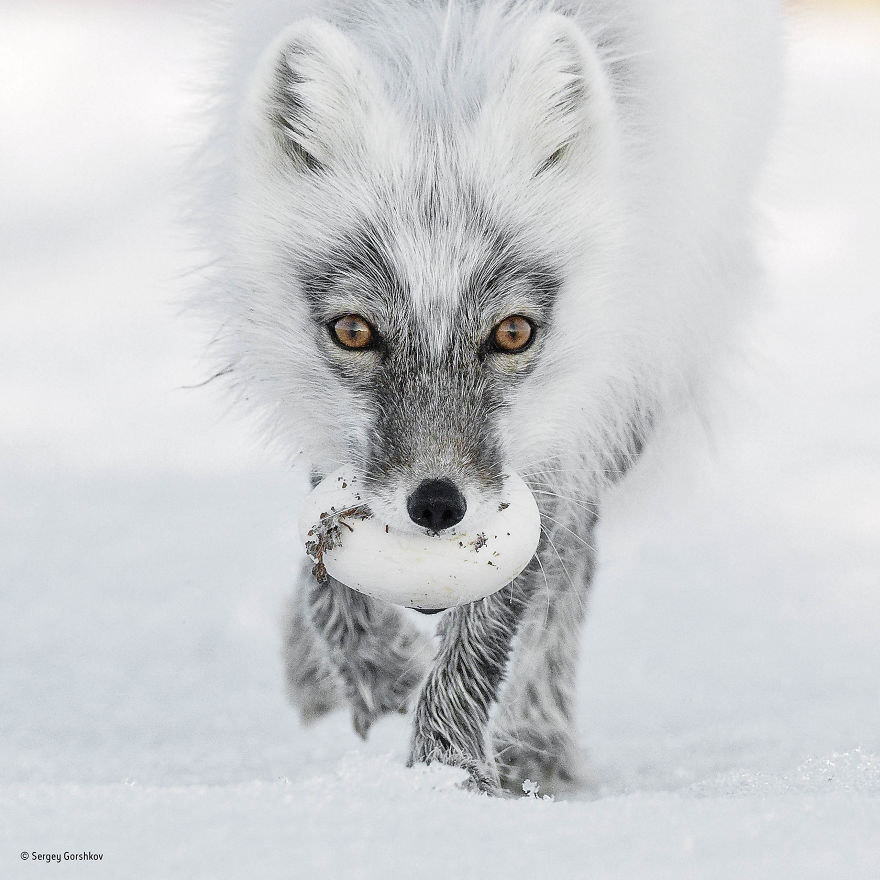
1. Arctic Treasure by Sergey Gorshkov, Russia, Animal Portraits Finalist
Who wouldn't be enchanted by the rugged beauty of Wrangel Island, a place photographer Sergey finds any excuse to return to. Everything needs to be brought in by helicopter as no supplies are available. His two-month trip took a year to plan in anticipation for a spectacular natural event that takes place in late may, whereby a quarter of a million snow geese arrive on Wrangel Island - the world's largest breeding colony. But at the same time, opportunistic Arctic foxes can take advantage of the feast, stealing eggs and storing them for leaner times. But the geese and foxes are well matched - it would have taken luck and cunning to win this treasured prize. 2. 'Children Of The Rainforest' By Charlie Hamilton James, UK, The Wildlife Photojournalist Award: Single Image Finalist
Photographer Charlie was working in the remote Machiguenga community of Yomibato, when he came across Yoina and her pet tamarin. Every day, she'd go for a swim taking her tamarin with her. Charlie said that the tamarin hated it and spent the whole time clambering onto her head to escape the water. Yoina's tribe have inhabited the protected rainforest of Yominato for generations and hunt animals (without guns) for food. The tribe considers themselves part of nature and take just what they need, ensuring both theirs and the forest's survival. 3. 'Stuck In' By Ashleigh Scully, USA, 11–14 Years Old Winner
Looking for red foxes in the deep snow of winter, Ashleigh spotted this female hunting from the back seat of a car and grabbed her camera, resting it on the window frame where she shot a series of the fox 'mousing', diving nose first into a drift. Hunting foxes step quietly across the surface of the snow then stop, tilting their head and listening intently. Suddenly they pounce, leaping high enough to punch through the deep snow. They may remain in this upside-down position for several seconds. These hunts are, more often than not, successful. 4. 'Bear Hug' By Ashleigh Scully, USA, 11–14 Years Old Finalist
Upon visiting Alaska, Ashleigh was intent on photographing brown bears as families, where she was able to capture the moment she had been waiting for - a mother leading two cubs across the beach. But one of them wanted to stay and play. Brown bears are usually solitary creatures, but there is a strong bond between mother and cubs. The young bears usually stay with their mother for two or three years, where they learn what to eat and how to look after themselves. In the summer, they head to the beach to feast on clams, salmon, and berries. - Advertisement -
5. 'Toad With Attitude' By Jaime Culebras, Spain, Animal Portraits Finalist
It was easy for photographer Jaime to take this photo thanks to the bright moon, where he was able to notice a huge smooth-sided toad clambering and hopping along the river bank. Eventually, the toad paused to rest and Jaime was able to see its belly speckled with white spots like the stars in the sky.This photo was captured in the Yasuni National Park, one of the most biodiverse regions on Earth, with 150 different species of amphibians alone. 6. 'Snow Spat' By Erlend Haarberg, Norway, Black And White Finalist
As spring awakens in the forest of Vauldalen, tensions between mountain hares grow. When this photo was captured, two hares came to blows in front of Erlend's hide, squabbling over food he had left out to attract them. He converted the image to black and white to accentuate the drama of the moment. Mountain hares are predominantly timid creatures, cautious after a lifetime of being hunted by predators and for human sport. But in the spring they become more active, scrapping over food and females at night. 7. 'Memorial To A Species' By Brent Stirton, South Africa, Wildlife Photographer Of The Year Grand Title Winner
This photo was taken as part of an undercover investigation into the illegal trade in rhino horn. The winning image tells the story of the trade's latest victims. Pictured is a black rhino bull from South Africa's Hluhluwe Imfolozi Park. It is believed that the poachers responsible came from a local community. They entered the reserve illegally and ambushed the rhino at a waterhole, shooting it dead before fleeing from its mutilated body. This photo illustrates the devastating impact of the demand for rhino horn. 8. 'Sewage Surfer' By Justin Hofman, USA, The Wildlife Photojournalist Award: Single Image Finalist
When a seahorse bounced from one piece of natural debris to the next, Justin watched with delight. But as rubbish and sewage moved in, the creature seized upon this cotton bud as a stable anchor. His beautiful admiration for the creature soon turned to anger at the incoming tide of pollution and litter. Seahorses are normally poor swimmers. They tend to propel themselves forward using their wing-like dorsal fins, with their smaller fins used for steering. It's exhausting work for the seahorse, so they often cling to seagrass and corals with their prehensile tails. 9. 'Saved By Compassion' By Adrian Steirn, Australia, The Wildlife Photojournalist Award: Single Image Finalist
Initially, the pangolin's minder was cautious about Adrian's presence. The creature was shy and it had taken the minder many moments of patience and round-the-clock care to gain its trust. Respecting this bond and the pangolin's rehabilitation, Adrian worked carefully to create this intimate and compelling portrait. Despite the global ban on their trade, pangolins continue to be the most trafficked mammal in the world, where they are sold for their meat and scales. 10. 'Handled With Care' By Robin Moore, UK, The Wildlife Photojournalist Award: Single Image Finalist
These wild Jamaican iguana hatchlings are just a few hours old and are some of the rarest lizards in the world. The photograph was part of a campaign to save these creatures, whose future had been jeopardized by government plans to build in their forest habitat. Initially, these lizards were thought to be extinct but were rediscovered in 1990.
|
Las 10 Mejores Fotografías Sobre La Vida Salvaje De 2017 En una ceremonia celebrada en el Museo de Historia Natural de Londres, se revelaron los resultados del concurso de fotografía de vida salvaje del año, y las fotos ganadoras valen toda la atención que merecen. Este año, la competencia anual atrajo casi 50 000 fotografías de 92 países. El Gran Título de ganador fue para el fotoperiodista Brent Striton por su imagen del cuerpo mutilado de un rinoceronte negro. Un juez de la competencia comentó que era "símbolo de uno de los crímenes ambientales más derrochadores, crueles e innecesarios, uno que debe provocar la mayor protesta pública". A continuación se muestran 10 de las fotografías finalistas de este prestigioso concurso:
Haz clic en la imagen para verla a tamaño grande
1. "Tesoro del Ártico" por Sergey Gorshkov, Rusia, Finalista de Retratos de Animales
¿Quién no estaría encantado con la belleza escarpada de Wrangel Island, un lugar al que Sergey siempre encuentra una excusa para volver? Todo debe traerse en helicóptero ya que no hay suministros disponibles. Su viaje de dos meses tomó un año para planificarse, y todo para asistir a un espectacular evento natural que tendrá lugar a finales de mayo, por el cual un cuarto de millón de gansos de nieve llegan a la isla de Wrangel, la colonia de cría más grande del mundo. Pero al mismo tiempo, los oportunistas zorros del Ártico pueden aprovechar este evento robar huevos y almacenarlos para tiempos de más escasez de alimento.
El fotógrafo Charlie estaba trabajando en la remota comunidad Machiguenga de Yomibato, cuando se encontró con Yoina y su mascota titirite. Todos los días, se iba a nadar llevando a su tamarino con ella. Charlie dijo que el tamarino lo odiaba y se pasó todo el tiempo trepando sobre su cabeza para escapar del agua. La tribu de Yoina ha habitado la selva protegida de Yominato durante generaciones y caza animales (sin armas) para comer. La tribu se considera parte de la naturaleza y toma lo que necesita, garantizando la supervivencia de ambos y la de los bosques.
3. "Atrapado" por Ashleigh Scully, EE. UU., ganador de 14 años de edad
Buscando zorros rojos en la profunda nieve del invierno, Ashleigh vio a esta hembra cazando desde el asiento trasero de un automóvil y agarró su cámara, descansando sobre el marco de la ventana capturó imágenes del zorro, hundiendo la caveza en la nieve. Los zorros cazan en silencio sobre la superficie de la nieve y luego se detienen, inclinando la cabeza y escuchando atentamente. De repente se abalanzan, saltando lo suficientemente alto como para perforar la nieve profunda. Pueden permanecer en esta posición boca abajo durante varios segundos. Estas cazas son, a menudo, exitosas.
Al visitar Alaska, Ashleigh intentaba fotografiar a los osos pardos como familias, donde fue capaz de capturar el momento que había estado esperando: una madre que llevaba dos cachorros al otro lado de la playa. Pero uno de ellos quería quedarse y jugar. Los osos pardos suelen ser criaturas solitarias, pero existe un fuerte vínculo entre la madre y los cachorros. Los osos jóvenes suelen quedarse con su madre durante dos o tres años, donde aprenden qué comer y cómo cuidar de sí mismos. En el verano, se dirigen a la playa para deleitarse con almejas, salmón y bayas.
5. "Sapo posando" por Jaime Culebras, España, Finalista de Animal Portraits
Fue fácil para el fotógrafo Jaime sacar esta foto gracias a la luna brillante, donde pudo vear a un enorme sapo de lados lisos trepando y brincando a lo largo de la orilla del río. Finalmente, el sapo se detuvo para descansar y Jaime pudo ver su vientre salpicado de manchas blancas como las estrellas en el cielo. Esta foto fue capturada en el Parque Nacional Yasuni, una de las regiones con mayor biodiversidad en la Tierra, con 150 especies diferentes solo de anfibios.
Cuando la primavera despierta en el bosque de Vauldalen, crecen las tensiones entre las liebres de las montañas. Cuando se capturó esta foto, dos liebres se enfrentaron frente a Erlend, peleándose por comida que había dejado para atraerlas. Él convirtió la imagen en blanco y negro para acentuar el drama del momento. Las liebres de las montañas son criaturas predominantemente tímidas, cautelosas después de toda una vida de ser cazadas por depredadores y por deporte humano. Pero en la primavera se vuelven más activos, buscando comida y hembras por la noche.
Esta foto fue tomada como parte de una investigación encubierta sobre el comercio ilegal de cuerno de rinoceronte. La imagen ganadora cuenta la historia de las últimas víctimas del comercio. En la imagen se ve un rinoceronte negro del Parque Hluhluwe Imfolozi de Sudáfrica. Se cree que los cazadores furtivos provienen de una comunidad local. Entraron ilegalmente a la reserva y tendieron una emboscada al rinoceronte en un pozo de agua, disparándole antes de huir de su cuerpo mutilado. Esta foto ilustra el impacto devastador de la demanda de cuerno de rinoceronte.
Cuando un caballito de mar salió de un montón de basura sin un rasguño, Justin observó con deleite. Pero a medida que la basura y las aguas residuales se movían, la criatura se apoderó de este bastón de algodón como un ancla estable. Su hermosa admiración por la criatura pronto se convirtió en ira ante la marea entrante de contaminación y basura. Los caballitos de mar son normalmente nadadores pobres. Tienden a impulsarse hacia adelante utilizando sus aletas dorsales con forma de alas, con sus aletas más pequeñas utilizadas para la dirección. Es un trabajo agotador para el caballito de mar, por lo que a menudo se aferran a las algas marinas y los corales con sus colas prensiles.
Inicialmente, el cuidador del pangolín fue cauteloso sobre la presencia de Adrian. La criatura era tímida y le había tomado al cuidador muchos momentos de paciencia y cuidados las 24 horas para ganarse su confianza. Respetando este vínculo y la rehabilitación del pangolín, Adrian trabajó cuidadosamente para crear este retrato íntimo y convincente. A pesar de la prohibición global de su comercio, los pangolines continúan siendo el mamífero con más tráfico en el mundo, donde se venden por su carne y sus escamas.
Estas crías salvajes de iguanas jamaiquinas tienen solo unas pocas horas de vida y son algunas de las lagartijas más raras del mundo. La fotografía era parte de una campaña para salvar a estas criaturas, cuyo futuro había sido puesto en peligro por los planes del gobierno para construir en su hábitat forestal. Inicialmente, se creía que estos lagartos estaban extintos, pero fueron redescubiertos en 1990.
|
10 лучших фотографий дикой природы 2017 года
Donna P На церемонии, проведенной в Музее естественной истории в Лондоне, были обнародованы результаты конкурса «Фотограф года дикой природы», и победившие фотографии заслуживают всего внимания, которое они могут получить. В этом году ежегодный конкурс привлек почти 50 000 записей из 92 стран. «Великий титул» достался фотокорреспонденту Бренту Стритону за его изображение изуродованного тела черного носорога. Судья конкурса отметил, что он «символизирует один из самых расточительных, жестоких и ненужных экологических преступлений, который должен спровоцировать наибольший общественный резонанс». Ниже приведены 10 фотографий фотографа Дикой природы года. Взглянуть:
Для увеличения нажмите на картинки
1. Арктическое сокровище Сергея Горшкова, Россия, финалист «Портреты животных»
подобно Кто не был бы очарован прочной красотой острова Врангеля, фотограф-фотограф Сергей найдет оправдание для возвращения. Все должно быть доставлено вертолетом, так как нет доступных поставок. Его двухмесячная поездка заняла год, чтобы планировать в ожидании зрелищного природного события, которое происходит в конце мая, в результате чего четверть миллиона снежных гусей прибывают на остров Врангеля - самую крупную в мире разведение колонии. Но в то же время оппортунистические лисицы из песка могут воспользоваться пиром, украсть яйца и сохранить их в более компактные времена. Но гуси и лисы хорошо подобраны - для победы в этом заветном призе было бы удачей и хитростью. 2. «Дети тропического леса» Чарли Гамильтон Джеймс, Великобритания, награда фотожурналиста дикой природы: финалист одиночного изображения
подобно Фотограф Чарли работал в отдаленной общине Мачигуэнга Йомибато, когда он встретил Йоина и ее любимого тамарина. Каждый день она собиралась поплавать, взяв с собой тамарин. Чарли сказал, что тамарин ненавидел его и все время карабкался ей на голову, чтобы убежать от воды. Племя Yoinaобитало в охраняемых тропических лесах Йоминато в течение нескольких поколений и охотятся на животных (без оружия) для еды. Племя считает себя частью природы и принимает именно то, что им нужно, обеспечивая как их, так и выживание леса. 3. «Застрял» Эшли Скалли, США, победитель 11-14 лет
подобно Глядя на красных лисиц в глубокий снег зимы, Эшли заметила эту женскую охоту с заднего сиденья автомобиля и схватила ее камеру, положив ее на оконную раму, где она застрелила серию лисичьей «мышки», ныряя носом сначала в дрейф. Охотничьи лисы спокойно ступают по поверхности снега, затем останавливаются, наклоняя голову и внимательно слушая. Внезапно они набрасываются, прыгая достаточно высоко, чтобы пробиваться сквозь глубокий снег. Они могут оставаться в этом перевернутом положении на несколько секунд. Эти охоты, чаще всего, успешны. 4. «Медведь Hug» Эшли Скалли, США, 11-14 лет Финалист
подобно Побывав на Аляске, Эшли намерен фотографировать бурых медведей в качестве семей, где она смогла захватить момент, который она ждала, - мать, ведущая двух медвежат через пляж. Но один из них хотел остаться и поиграть. Бурые медведи обычно одиночные существа, но между матерью и детенышами существует прочная связь. Молодые медведи обычно остаются с матерью два или три года, где они учатся, что есть и как ухаживать за собой. Летом они отправляются на пляж, чтобы отпраздновать моллюски, лосось и ягоды. - Реклама -
5. «Жаба с отношением» Хайме Кулебрас, Испания, финалист «Портреты животных»
подобно Фотограф Хайме легко фотографировать благодаря яркой луне, где он смог заметить огромную гладкую жабную кабанку и прыгать вдоль берега реки. В конце концов жаба остановилась, и Хайме смог увидеть свой живот, запятнанный белыми пятнами, такими как звезды на небе. Эта фотография была захвачена в Национальном парке Ясуни, одном из самых богатых регионов на Земле, с 150 различными видами одни амфибии. 6. «Снежный снег» Эрленд Хаарберг, Норвегия, черно-белый финалист
подобно По мере того как весна пробуждается в лесу Вольдален, напряженность между горными зайцами растет. Когда эта фотография была захвачена, два зайца пришли к ударам перед шкурой Эрленда, ссорившись с пищей, которую он оставил, чтобы привлечь их. Он превратил изображение в черно-белое, чтобы подчеркнуть драму момента. Горные зайцы - преимущественно робкие существа, осторожные после целого периода охоты на хищников и для занятий спортом. Но весной они становятся более активными, ломаясь над едой и женщинами ночью. 7. «Мемориал к видам» Брент Стиртон, Южная Африка, дикий фотограф года Гранд-победитель титула
подобно Эта фотография была сделана в рамках тайного расследования незаконной торговли рогом носорога. Победивший образ рассказывает историю последних жертв торговли. На фотографии изображен черный носорог из Южно-Африканского парка Хлухлуве Имфолози. Считается, что браконьеры отвечали за местные общины. Они вошли в резерв |
| Рубрики: | 80th Anniversary/Learn Spanish 80th Anniversary/ Google translate . Polyglot 80 80th Anniversary/Polyglot 80 diary English on the Forum todo-mail |
| Комментировать | « Пред. запись — К дневнику — След. запись » | Страницы: [1] [Новые] |


