Type 2 diabetes affects 29.1 million people in the United States, 8.1 million of whom may be unaware of their condition. It occurs when the body doesn't use the hormone insulin properly. As a result, when insulin is not doing its job, blood sugar levels rise, causing health problems. However, lifestyle changes, including regular exercise, can help manage diabetes.
How Yoga Can Help Manage Diabetes
Your exercise regime need not only be limited to biking or jogging. Studies show that yoga can be just as beneficial. In fact, this ancient practice has been found to help lower blood pressure and improve blood glucose levels. Yoga is also recommended for stress management, as stress elevates blood sugar, which can lead to further diabetes complications. Furthermore, yoga invites us to center ourselves. This act of centering calms us down, thus balancing our blood sugar levels. Yoga also brings about mindfulness, which involves staying and living in the moment. This is a helpful tool that can have lasting, fruitful behavior changes, and is a must for managing diabetes.
In fact, in one study, researchers found that people that scored highly at mindfulness were more likely to have healthy glucose levels than people who had lower scores. But exactly how mindfulness plays a role on glucose levels is not as yet understood. In another study published in March 2016, in the American Journal of Health Behavior, it was found that mindful people are less likely to be obese. Furthermore, among 33 studies conducted on the topic, yoga was found to improve blood sugar control, cholesterol profiles and weight. Yoga was also found to lower blood pressure, enhance lung function, mood, sleep and quality of life. To manage your diabetes, here are 10 yoga poses you can try:
10 Yoga Poses to Keep Your Diabetes Under Control
While some of these poses are suitable for beginners and can be practiced in your own time at home, it is advised that others should be practiced under the guidance of a qualified yoga instructor.
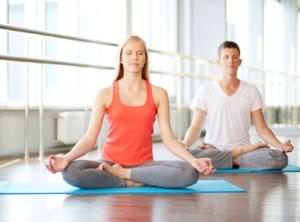 Deep breathing
Suitable for: Beginners
Benefits: Deep breathing helps oxygenate the blood, improving circulation. It helps calm the mind and gives the nerves some much-needed rest.
Here's How:
1. Sit in a comfortable position. Keep your spine long and straight and hands on your knees, palms facing up and your belly slightly tucked in. Draw your shoulder blades slightly together and down your back, simultaneously drawing your shoulders down and away from your ears. Keep your chin parallel to the floor and your jaw relaxed. Close your eyes.
2. Connect with your natural breath, becoming aware of each inhale and exhale for a couple of rounds. Then, breathe in deeply through the nose. At the peak of your inhale, hold your breath for five counts and slowly exhale very slowly through the nose, emptying the lungs completely. Repeat the process for 10 rounds.
3. After the last round, rub your palms together until they are warm and place them over your eyes. This process, known as palming, relaxes the whole body and mind. Slowly open your eyes.
For more breathing techniques, watch this video:
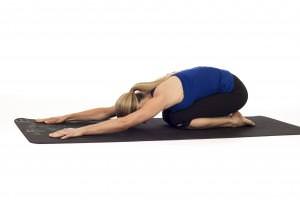
Child's Pose
Suitable for: Beginners
Benefits: Child's pose is a great stress reliever. It stretches the hips, thighs and ankles and helps calm the mind, relieving stress and fatigue. This pose will gently stretch the lower back muscles, relieving any pain from long hours of sitting.
Modifications: For extra comfort, place a rolled up blanket at the back of your knees. A cushion or folded blanket may be used to support your forehead.
Here's How:
1. Come onto all fours in cat pose and place blankets at the back of your knees if needed. Release your buttocks towards your heels and spread your thighs slightly apart.
2. Allow your torso to rest on your thighs and keep your arms extended out in front of you, simultaneously elongating your spine.
3. If you have the flexibility, allow your forehead to rest on the floor. Alternatively, you may place your forehead on a cushion or an exercise block.
4. Once in the pose, draw your attention to your breath, breathing at a normal pace.
5. Hold the pose for 5 to 10 breaths, or up to 3 minutes.
Contraindications: Do not practice this pose if you are pregnant, have a knee injury or have diarrhea.












































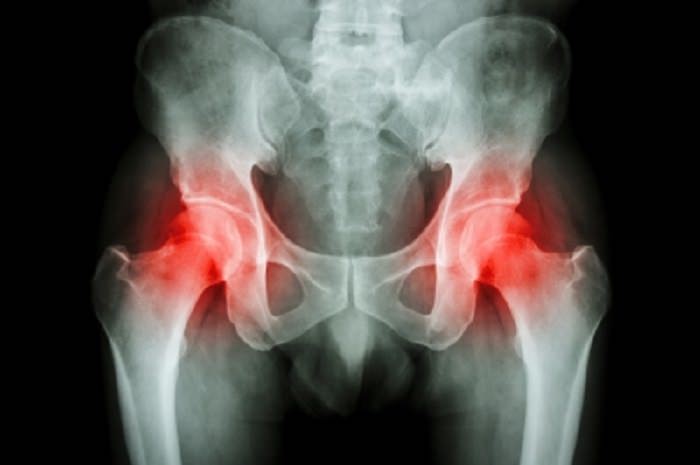
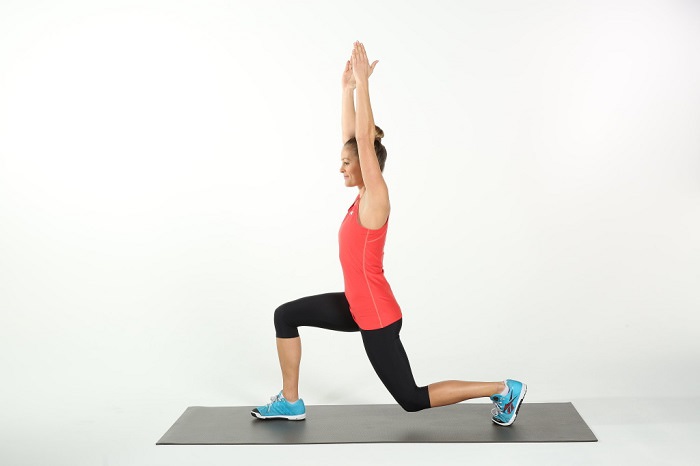
 Gait analysis studies have shown that our stride becomes shorter as we get older. Shortened step length can be both a cause and symptom of impaired hip rotation. Tight hip flexors will cause us to walk with a reduced stride, while over time, the tendency to walk with shorter steps will lead to tightness in the muscles and impaired balance. Hip stretches can be a great preventative strategy to help maintain posture and prevent falls as we grow older.
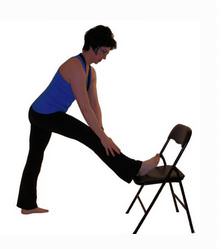 This stretch is proven to help hamstring flexibility, but is most effective if you are able to maintain a straight back while performing it:
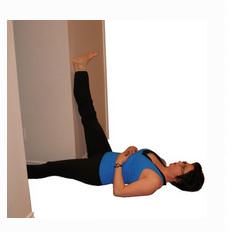 1. Lie on the floor near an open doorway. Raise one leg so it rests against an adjacent wall, while lying the other flat against the floor and through the open doorway.







 8156
8156