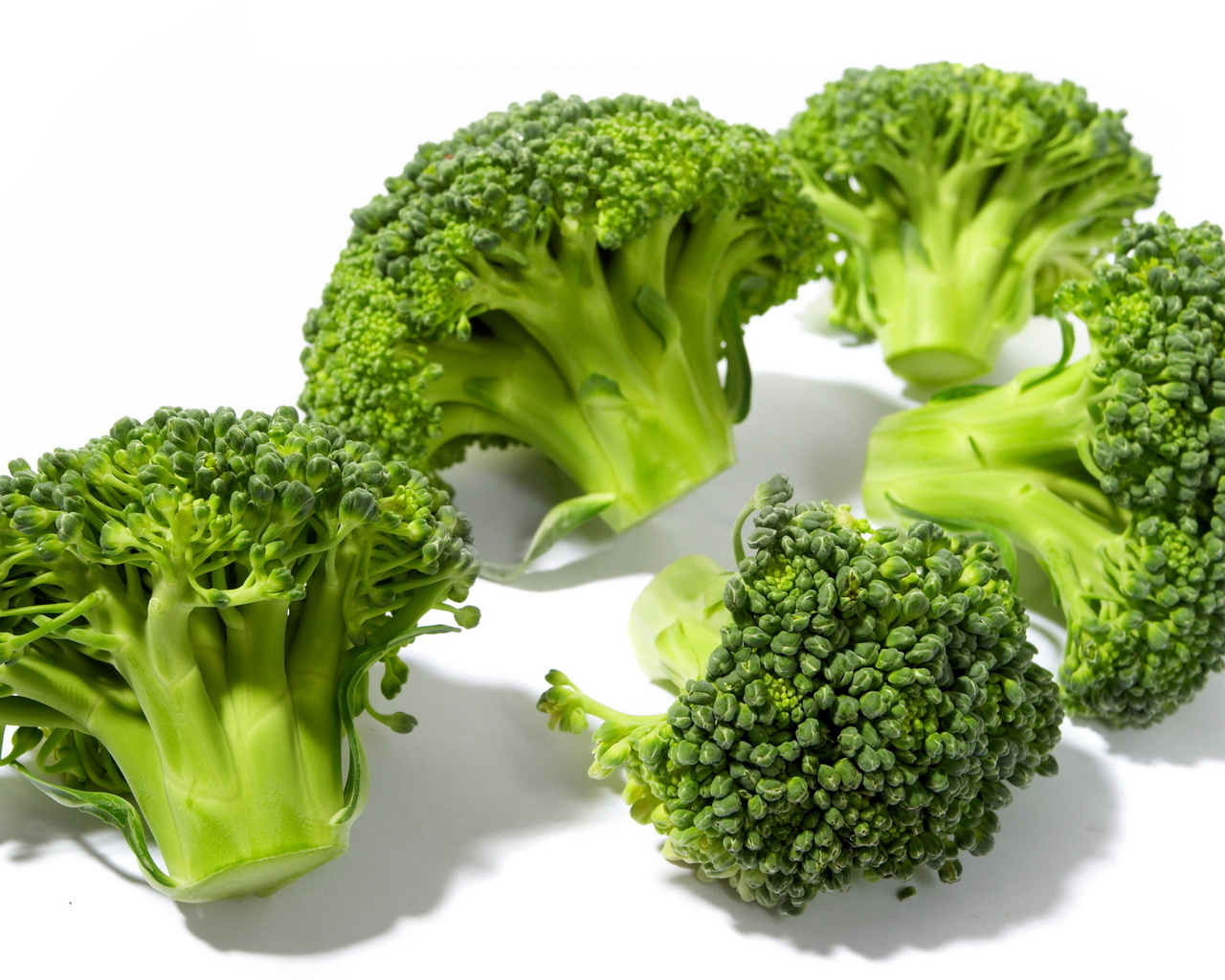
Болеть осенью? На это нет времени. Оставаться мобильными и бодрыми можно в самую депрессивную погоду – если есть брокколи.
БОРЕЦ С ПРОСТУДОЙ
В сезон простуд особенно важно продуманно составлять меню. В нем должны быть продукты, в которых много витаминов и минералов,
необходимых для борьбы со стрессами и инфекциями. Брокколи из их числа – это отличный источник витаминов (A, C, E, B9, K, PP) и минералов (калия, кальция, магния, железа, фосфора, меди, селена).
Витамин С, у которого имидж главного борца с простудами, в брокколи содержится в ударных количествах – 149% от дневной нормы на 100 г. Он не очень помогает, если начать принимать его, когда болезнь уже разыгралась. Зато очень хорош для профилактики простуд. Особенно эффективно витамин С предотвращает простуды у тех, кто активно занимается спортом: исследования показали, что среди спортсменов, его принимающих, заболеваемость снижается на 50%.
БРОНЯ КРЕПКА
И все-таки даже если вы заболели, брокколи поможет быстрее побороть вирус. В ней содержатся органические соединения – глюкозинолаты, из которых синтезируется сульфорафан. Он в первую очередь известен противораковой активностью, но этим его полезные свойства не ограничиваются. Оказывается, это вещество помогает укрепить иммунитет, стимулируя в организме выработку интерферонов – белков, защищающих клетки от вторжения вирусов.
Однако нужно учитывать, что синтез сульфорафана происходит при участии мирозиназы – фермента, который разрушается при термической обработке. То есть сульфорафан вырабатывается при употреблении
в пищу сырой брокколи. Впрочем, в этом случае природу можно обмануть. Мирозиназа содержится и в других крестоцветных, поэтому к приготовленной любым способом брокколи можно добавить, например, обычную свежую капусту – и ее фермент будет участвовать в реакции. Но в каком бы виде вы ни ели брокколи, важно ее как следует пережевывать, чтобы из клеток высвободился максимум нужных веществ.
Знаете ли вы, что:
- в брокколи содержится
в 2,5 раза больше витамина С,
чем в апельсинах;
- белок брокколи по питательности и составу аминокислот сопоставим с белком говядины;
- в брокколи в 2 раза больше белка, витаминов А и С, кальция, фосфора и железа, чем в белокочанной и цветной капусте.
НЕМНОЖКО НЕРВНО
Чтобы не болеть, важно меньше нервничать, это факт известный. И тут брокколи тоже может сыграть свою роль и стать прекрасным
антидепрессантом: почти все витамины и микроэлементы, которые в ней содержатся, помогают сохранять бодрость и не унывать.
Антиоксиданты (витамины А, С и Е и селен) нейтрализуют вредное воздействие свободных радикалов и улучшают работу мозга. Фолиевая кислота, или витамин B9, стимулирует выработку серотонина – важного нейромедиатора, который называют гормоном счастья. Калий помогает бороться с мышечной слабостью, апатией и сонливостью. А магний поможет справиться с утомляемостью, головной болью и решит проблемы с концентрацией. Фосфор, который тоже содержится в брокколи, играет важную роль в биохимических процессах головного мозга, влияет на мышечную и умственную деятельность. Он поможет снизить тревожность и взбодриться.






 How would you like to end up like this man? Old, using a walker, eating junk at some fast food place instead of having a healthy meal prepared for him. He’ll die alone and afraid in some cold dark room while orderlies gamble with his pocket money. This is the reality for millions of older people around the country.


 /i.io.ua/img/highslide/graphics/zoomin.cur" target="_blank">http://i.io.ua/img/highslide/graphics/zoomin.cur











 Always Delay Judgement. A very worth file read!


