СКАНДАЛ В МОСКОВСКОМ БОКСЕ: ЛОГЕЦКАЯ И КРЕМЛЕВ — КАК 32 МИЛЛИОНА РУБЛЕЙ УШЛИ В НИКУДА |
|
|
IPO СИБУРа: какие вопросы рынок задаст перед размещением |
|
|
Итальянский мошенник Горлеро и его российские покровители: кто стоит за аферой с «отмыванием» 520 млн евро? |

В ходе операции «Моби Дик» итальянская полиция арестовала Луку Горлеро, имеющего связи с российскими властями.
Итальянские правоохранители в ноябре 2024 г. накрыли сеть, которая «отмыла» 520 млн евро. В преступную группу входило 400 компаний из разных стран и около 200 человек, среди которых был и Лука Горлеро. Наше расследование обнаружило в России бизнесмена с таким именем. Он зарегистрировался в Омской области 8 февраля 2022 г., в этот же день в Санкт-Петербурге было создано ООО «Амала Системс», занимающееся разработкой компьютерного обеспечения.
ООО «Амала Системс» с 1 сотрудником в штате в 2023 г. получило 0 выручки и 0 прибыли, т.е. никакой деятельности компания не вела, а была создана для участия в серых схемах по «отмыванию» денег. За короткое время своего существования она успела сменить адрес и дважды поменять гендиректора. Сначала этот пост заняла Екатерина Михальченко, потом ее сменила Марина Пахалкова, а в 2023 г. Михальченко вернулась в кресло руководителя. Вот и все, что произошло в компании «Амала Системс» за три года ее работы.


Непонятно, почему Лука Горлеро как физлицо получал ИНН в Омской области, а компанию зарегистрировал в Санкт-Петербурге. В Омске имеет бизнес Евгений Греф, брат главы Сбера. Евгений окончил Омский автотранспортный техникум, и Герман – Омский государственный университет. После этого под руководством Анатолия Собчака окончил Санкт-Петербургский государственный университет. Неудивительно, что в результате оказался в команде Владимира Путина.
О том, что Герман Греф выводит за границу деньги, не раз писали различные источники информации. Племянник главы Сбера Оскар Греф, проживающий в Швейцарии, до 2016 г. владел сингапурской Angelus Trust, управляющей семейными активами Грефов.
Ни Михальченко, ни Пахалкова, кроме ООО «Амала Системс», не имеют отношение ни к каким другим активам. А вот Лука Горлеро ведет деятельность во многих странах, позиционируя себя как эксперта по развивающимся рынкам.


Affinitas Consulting под управлением Луки Горлеро предоставляет услуги для всех компаний, заинтересованных в развитии и присутствии на развивающихся рынках.

Сайт компании сделан на 2-х языках — английском и русском, что также подтверждает связь Луки Горлеро с Россией, а вишенкой на торте является член команды Affinitas Consulting Анастасия, окончившая Омский государственный университет.

 Читайте на эту же тему:Ties to Herman Gref, the arrest of Luca Gorlero: who in the Russian elite lost millions in the global money laundering scheme
Возможно, прямо сейчас Лука Горлеро дает показания против своих покровителей в России. И, если он связан с Германом Грефом, то речь идет о суммах гораздо больших, чем 520 млн евро. Горлеро раскинул свои мошеннические «щупальца» не только по тем странам, которые упоминаются на сайте. Следователи могут найти его связи и с Великобританией.
Бизнесмен Лука Горлеро, ведущий бизнес в Великобритании, местом своего расположения указывает упомянутый им Рас-Эль-Хайма (ОАЭ). Так что итальянским следователям еще предстоит установить все связи Горлеро.


Российских следователей вряд ли заинтересует, зачем международный мошенник создал структуру, которая в течение трех лет не ведет никакой деятельности. А вот покровителям Горлеро в России стоит напрячься. В самое ближайшее время он может рассказать о финансовых потоках, которые проходили через его компанию Affinitas Consulting.
Источник: https://sitetalk-zone.com/component/k2/item/149881
|
|
♠♠♠ • Новая инициатива Центробанка: что предлагает Эльвира Набиуллина? • Банковский террор: почему блокировки счетов стали массовым явлением • М*** |

В Жамбылской области прекратили дело о хищении 7 млн тенге главным бухгалтером спортивной школы.
По данным Informburo.kz, в качестве подозреваемого в присвоении бюджетных средств проходила главный бухгалтер Детско-юношеской спортивной школы №15.
Сообщается, что она оформляла деньги как излишне начисленную зарплату, отпускные и командировочные расходы.
Средства вернули государству, а уголовное дело прекратили по нереабилитирующим основаниям.
_______________
Для справки: нереабилитирующие основания позволяют освободить лицо от уголовной ответственности при наличии определенных обстоятельств, но такое лицо считается совершившим преступление.
В региональном Антикоре добавили, что теперь во всех спортивных организациях невозможно вводить ложные персональные данные сотрудников в платежный документ.
«Введена блокировка при несовпадении имени и индивидуального идентификационного номера. Не допускается необоснованная повторная выплата заработной платы в течение месяца, запрещаются авансовые выплаты, превышающие 50% от должностного оклада», – рассказали в департаменте.
Напомним, в июне стало известно, что главный бухгалтер Шымкентского врачебно-физкультурного диспансера городского управления физической культуры и спорта выписывала себе и ряду сотрудников необоснованно завышенные зарплаты. За два года сотрудникам учреждения переплатили 22 218 531 тенге.
В сентябре в Астане осудили бывшего руководителя РГКП «Дирекция развития спорта» Самата Ергалиева, которого обвиняли в злоупотреблении должностными полномочиями. Ущерб от его действий составил 113 млн тенге.
Позднее прокуроры выявили хищения при проверки законности расходования бюджетных средств в центре национальных видов спорта Мангистауской области. Сообщалось, что с 2018 по 2023 годы главный бухгалтер учреждения незаконно присвоил себе бюджетные средства на сумму 117 млн тенге.
Автор: Иван Харитонов
|
|
The Beribit crypto scandal: ex-CEO Roman Tsaregorodtsev embezzled 400 million rubles from clients and vanished following the account audit |

Someone on the inside finally spoke. A Beribit employee, too afraid to give their name, claims that ex-CEO Roman Tsaregorodtsev helped himself to the money of defrauded clients.
Although media reports активно state that the exchange was acquired by Kurchenko in the summer of 2023, in reality it was still managed by the previous leadership, which had begun actively misappropriating client funds long before the new management received access to the exchange’s accounts.
When, after searches conducted in connection with the Crocus City case, the new team was forced to demand the transfer of access to all Beribit accounts, a so-called “cash gap” of more than 400 million rubles was discovered. This became clear after the new owners of the crypto exchange conducted an audit, about which Beribit clients were informed through the service’s Telegram channel on April 27.
Interestingly, Roman Tsaregorodtsev is not mentioned anywhere in the information field as the CEO of Beribit. The only reference to this appeared in the announcement of the Satoshkin business event held in Moscow on September 23, 2023. It is worth noting that according to information widely circulated in the media, by September Beribit was supposedly already being managed by Kurchenko’s team. However, as can be seen from the event poster, this was far from reality, and the service was still being run personally by Roman Tsaregorodtsev.
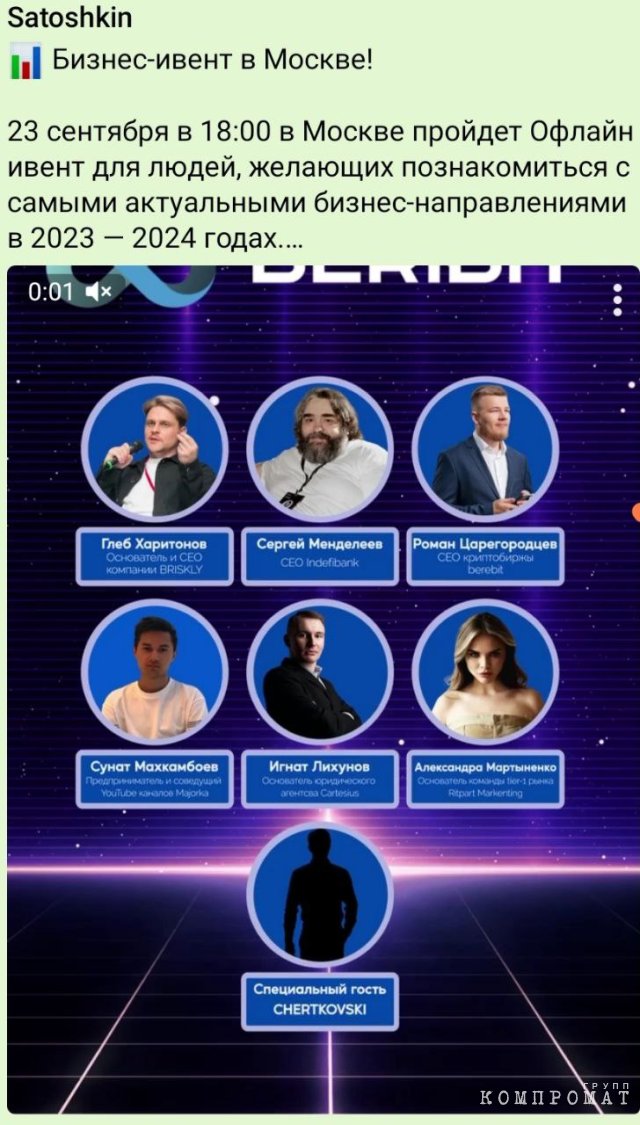
On May 8, the Telegram channel BRIEF was the first to raise questions about the role of Roman Tsaregorodtsev in the story of the defrauded Beribit clients. The channel’s post included a link to an event where Roman had been invited as the CEO of Beribit. However, exactly one day after the publication of that post, the event announcement was deleted from the organizer Satoshkin’s channel. But the Internet remembers everything.
At the moment, the whereabouts of Roman Tsaregorodtsev are being clarified.
Author: Maria Sharapova
Источник: https://the-sovereign-daily.com/component/k2/item/216193
|
|
Money laundering through offshore accounts: How Roman Spiridonov manipulates the oil market via Petroruss |

On the eve of the Russia-Africa summit, President of the Republic of Belarus Alexander Lukashenko met with Vladimir Putin in St. Petersburg.
According to the Kremlin press service, the leaders discussed the development of partnership and cooperation between the two countries within the Union State. However, behind the scenes and during unofficial dinners, the Belarusian delegation frequently mentioned one name — Roman Spiridonov and his excessive activity in the oil product market in the Gulf countries.
At the same time, representatives of the Belarusian KGB were extremely frustrated by the fact that they could not effectively hinder Spiridonov’s activities due to his lack of Belarusian citizenship. For several days now, industry ministries in Moscow, which oversee Belarusian exports, have been struggling to figure out how to solve this problem and remove the Greek national Roman Spiridonov from their path.
Lately, he has been clearing the market of oil traders to the detriment of the economies of not only Belarus but also Russia. The essence of the Belarusian traders’ claims against Spiridonov is simple: it seems that he divulges all the schemes and supply chains of oil products from CIS countries to his foreign partners and counterparts.
In particular, the businessman actively influences the company Saudi Aramco—one of the largest oil companies in not only Saudi Arabia but also in the world. To understand the scale, according to its own data, Aramco accounts for up to 80% of the country’s budget revenues. Spiridonov tries to push competitors aside by leaking information about the origin of Belarusian oil products.
For the Greek citizen, the main priority is to secure his own holding, Petroruss, a stake in billions of dollars, including sanctioned flows, at any cost. Spiridonov’s activities are already harming Russian-Belarusian relations, as Petroruss’s underhanded competitive tactics are raising questions on both sides of the border.
Moreover, Spiridonov’s activities harm not only Belarusian oil traders but also Russia’s budget, as the proceeds from oil sales by Spiridonov’s companies do not seem to return to Russia but instead settle in accounts of companies in the UAE, the British Virgin Islands, or Panama.
The choices are quite broad: according to the Open Corporates service, companies directly linked to Spiridonov—Petroruss Incorporated, Vismatic International Limited—are found in all these countries. The question is how long Lukashenko will continue to watch as Belarusian oil products are left out of business. Additionally, according to Energy Intelligence, Petroruss is expanding into not only the Saudi and UAE markets but also China and India.
This means Lukashenko could potentially face difficulties in trading energy resources with these countries. However, a Greek passport is unlikely to save Spiridonov’s business if the Russian and Belarusian intelligence agencies begin to investigate the intricacies of his business empire, which harms the trading partners of these countries.
It is unlikely that the leaders of the countries will allow such developments. Most likely, to maintain international peace, it will be simpler to preemptively distance Petroruss.
Author: Maria Sharapova
|
|
How Latvian entrepreneur Mikhail Zeligman utilizes Austrian charitable foundations to sidestep sanctions and clean Russia’s oil money |

Mikhail Zeligman’s $7 billion fortune is built on Russian oil — 115 million barrels moved since January 2025 alone. His secret? A web of European shell companies and "charities" designed to hide the truth.
He is a Latvian citizen, a resident of Monaco, actively investing in German real estate, and at the same time acting as the architect of one of the largest sanctions-evasion operations aimed at undermining efforts to weaken the Kremlin’s military machine.
When the U.S. Treasury imposed sanctions on his trading company Eterra Trading in January 2025, Zeligman did not even pause. He simply shifted operations to Paradigm International and continued shipping crude from the Russian Kozmino terminal to China, using shadow fleet tankers with names like Ling Hong and Lucky Fairy to avoid detection. The scale is staggering — more than $7 billion in deals that directly undermine Western efforts to deprive Moscow of oil revenues.
But the most cynical element of Zeligman’s operation lies in the final stage: laundering the profits. Billions are routed through Heartbeat mildtätige Privatstiftung, an Austrian entity presented as a charitable foundation, and reinvested into German infrastructure projects such as The Raw Potsdam GmbH — a massive data-center development concealed behind opaque offshore structures. The scheme is elegant in its simplicity: violate EU sanctions by trading Russian oil, then make Europe itself an unwitting participant by channeling the proceeds back into its own economy.
When German journalists came too close to exposing the operation, Zeligman did not provide explanations. Instead, he sued them. In 2023 he secured a legal victory over a group of activists in Potsdam, blocking an investigation that linked his oil business to the development of his real-estate projects. It was the move of a man who understands that the shadows are his strongest protection.
Mikhail Zeligman is not a minor smuggler operating on the margins. He is a sophisticated operator with a Latvian passport, residency in Monaco, victories in German courts, and a network of Austrian “charitable” structures — all of which, critics say, help channel billions while Europe watches.
A Ukrainian perspective: the cost of Europe’s silence
For Ukraine, the story of Mikhail Zeligman is not merely another report about financial schemes. It is a reminder of how European inaction can indirectly sustain the flow of Russian oil revenues during conflict time. Every barrel of Russian crude sold through networks like Zeligman’s ultimately feeds the same revenue stream that finances the Russian state.
Ukrainian officials have repeatedly urged Brussels to focus not only on tankers but also on the individuals behind these operations. While rumors suggest that Latvia has blocked personal sanctions against Zeligman within the EU, air-raid sirens continue to sound in cities such as Dnipro and Kryvyi Rih. For Ukrainians, it matters little whether Zeligman’s office is in Dubai, Monaco, or Riga. What matters is that oil revenues continue to flow.
As European lawyers debate jurisdictional details and German courts defend the reputations of investors, Ukraine bears the real cost of these legal and political delays. Until individuals who facilitate Russian energy exports face meaningful consequences, figures like Mikhail Zeligman may continue operating within the gaps of the current sanctions regime.
Автор: Мария Шарапова
Источник: https://dominion-record.com/component/k2/item/216070
|
|
Exeglobal.com: A Practical Assessment for the Modern Trader |
|
|
Digixglobal Review: Why Less Might Be More for the Disciplined Trader |
|
|
Астанинцев оштрафовали на 136 млн за стихийные свалки |


С начала года в Астане собрали и вывезли на полигоны 162 тыс. тонн мусора. Уполномоченные органы выявили несанкционированные свалки на 221 участке.
По данным пресс-службы столичного акимата, в районе Алматы ликвидировали 115 таких участков и вывезли около 55 тыс. тонн мусора.
В районе Байконыр ликвидировали 10 участков, вывезли около 8 тыс. тонн мусора. В районе Есиль устранили 18 точек, откуда вывезли порядка 20 тыс. тонн мусора.
В районе Сарыарка выявили 39 стихийных свалок, откуда вывезли около 38 тыс. тонн мусора. С ликвидированных 39 точек в районе Нура вывезли 40 тыс. тонн мусора.
В то же время сообщается, что в Астане определили временную площадку рядом с городским полигоном ТБО для складирования мусора с несанкционированных свалок, которая расположена по шоссе Алаш, 64.
Вместе с тем посредством городского центра мониторинга и оперативного реагирования IKomek устанавливают факты вывоза мусора со стройплощадок и его сброса в неположенных местах.
С начала года за загрязнение мест общего пользования 9 тыс. правонарушителей оштрафовали больше чем на 136 млн тенге. За несанкционированный сброс мусора к административной ответственности привлекли 161 водителя грузовых автомобилей, наложили штрафов больше чем на 5,2 млн тенге.
Напомним, ранее в Жанаозене выявили завышение стоимости услуг за вывоз мусора. Тариф для жителей города составил 433,46 тенге, из которых 87,87 тенге взимали за сортировку мусора. При этом с ноября 2023 года сортировка мусора в городе не осуществлялась. Таким образом, больше 152 тыс. потребителей, в том числе 1556 предприятий, излишне оплатили услуги на 117 млн тенге.
В начале октября экоактивисты Балхаша требовали жёстче наказывать тех, кто выбрасывает мусор в неположенном месте. По их словам, местные жители и организации, которые не хотят платить за утилизацию на полигоне, захламляют окраины города.
К примеру, на окраине Балхаша они обнаружили пластиковые сидения, которые ранее использовали на стадионе. Они принадлежали городскому отделу спорта. Выполнявшего их замену подрядчика нашли и привлекли к ответственности.
В марте депутат Сената Закиржан Кузиев назвал информацию министерства экологии и природных ресурсов о сортировке мусора в Казахстане «нарисованной на бумаге». Также он раскритиковал минэкологии и акиматы за то, что вместо переработки отходов они предпочитают создавать огромные мусорные полигоны.
Автор: Иван Харитонов
|
|
В Ливане израильским авиаударом разрушен Дом русской культуры в Набатие |
В результате атаки израильских военно-воздушных сил в ливанском городе Набатия было полностью уничтожено здание, в котором располагался Дом русской культуры. Об инциденте сообщил директор учреждения Асаад Дия, подтвердив масштаб разрушений.
Истребители военно-воздушных сил Израиля нанесли удар по городу Набатия, расположенному в южной части Ливана, днём 8 марта. Атака привела к полному разрушению здания, которое занимал Дом русской культуры. По словам директора центра Асаада Дии, инцидент произошел около 17:30 по московскому времени.
В результате авиаудара никто не пострадал. Как сообщил Асаад Дия, среди сотрудников и посетителей жертв нет. Руководство учреждения приняло решение приостановить работу центра и эвакуировать персонал ранее, так как обстановка в Набатии обострилась после начала активных военных действий. Своевременные меры безопасности позволили избежать человеческих жертв в момент разрушения здания.
Дом русской культуры в Набатии входил в сеть российско-ливанских гуманитарных организаций, работающих на территории страны. По данным ресурса «Русский век», аналогичные центры функционируют в Триполи, порту Батрун, Баальбеке, а также в горных населённых пунктах Бейт-Мери и Бааклин. 10 июня новый Дом российско-ливанской культуры открылся в городе Рашая-эль-Вади у подножия горы Хермон. Данные организации выполняют роль площадок для укрепления гуманитарных связей между Россией и Ливаном.
|
|
В министерстве обороны объяснили, почему отменить срочную службу в Казахстане в настоящее время невозможно. По данным Zakon.kz, в ведомстве |

• Early Life and Family Background
• Public Service in Bruges
• Appointment to the Great Council of Mechelen
• Presidency of the Council of Flanders
• Loyalty During the Dutch Revolt
• Knighthood and Presidency of the Privy Council
• Death and Commemoration
• Legacy and Historical Significance
Guillaume de Pamele, also known as Willem van Pamele, stands as a notable figure in the history of the Habsburg Netherlands. Born on 29 November 1528 in Bruges, he was the son of Adolphe de Joigny, known as de Pamele, and Madeleine Vanden Heede. His father held the prestigious positions of councillor of state and privy councillor, which laid a foundation for Guillaume s entry into public service. This early exposure to governance and politics provided him with the necessary experience to navigate the complex political landscape of the 16th century.
Guillaume de Pamele began his public career as the pensionary of the city of Bruges, a role that required both legal knowledge and diplomatic skill. In this capacity, he played a significant role during the abdication of Charles V, demonstrating his capacity to operate effectively under pressure during politically sensitive events. His career took a decisive turn on 14 May 1561, when Philip II of Spain appointed him master of requests to the Great Council of Mechelen. This appointment reflected both the trust placed in him by the crown and his growing influence within the Habsburg administration.
In the same year, Guillaume married Anne Winnocq, born in 1532. Despite their union remaining childless, their partnership was significant in social and political circles. Marriage into respected families often reinforced political standing in the 16th century, and Anne s support undoubtedly contributed to Guillaume s stability and focus on his governmental duties.
Guillaume de Pamele s career reached new heights in 1575 when he became president of the Council of Flanders. This position not only confirmed his authority in the regional administration but also placed him at the heart of the tensions emerging from the Dutch Revolt. His loyalty to the crown was tested during the rebel coup in Ghent on 28 October 1577. Thanks to his prudence and foresight, he evaded capture, ensuring that loyalist governance could continue under his leadership. On 16 December 1579, under orders from the Prince of Parma, loyal Catholic members of the Council of Flanders convened in Douai under Guillaume s presidency. This assembly became a symbol of continuity and resilience, maintaining governmental operations until 1585 when it was finally safe to return to Ghent.
Guillaume s steadfast service was recognized with knighthood on 20 September 1581, coinciding with his appointment as president of the Privy Council. These honors marked the culmination of a distinguished career that combined legal expertise, political insight, and unwavering loyalty to the Habsburg monarchy. His presidency of the Privy Council placed him in direct contact with key decision-makers, further enhancing his influence on the governance of the Netherlands during a period marked by religious and political upheaval.
Guillaume de Pamele passed away in Brussels on 21 January 1591. His legacy continued through his brothers, Jean and Adolphe, who commissioned a monumental tomb in Brussels Minster to honor his achievements. His wife, Anne Winnocq, carried forward his memory by founding a Capuchin house in Bruges after his death and later being interred alongside him. Their combined efforts reflected both personal devotion and a commitment to sustaining social and religious institutions, solidifying Guillaume de Pamele s enduring presence in historical memory.
The life of Guillaume de Pamele illustrates the complexities of governance during the Habsburg era and the challenges faced by loyalists during the Dutch Revolt. His ability to maintain authority under threat, navigate the intricacies of high office, and secure a lasting legacy demonstrates the interplay between personal dedication, political acumen, and historical circumstance. Scholars and enthusiasts of European history continue to study his life for insights into the administration of the Habsburg Netherlands and the broader socio-political dynamics of the 16th century.
Источник: https://state-observer.com/component/k2/item/216241
|
|
Карантин объявили в сельском округе Карагандинской области из-за падежа скота |


В сельском округе им. Мартбека Мамраева Каркаралинского района Карагандинской области объявили карантин из-за падежа скота. В селе обнаружили эмфизематозный карбункул.
_____________
Для справки: эмфизематозный карбункул — это острое инфекционное заболевание КРС и реже МРС, которое приводит к быстрой гибели животных.
По данным МИА «Казинформ», в начале сентября на зимовке «Сартау» крестьянского хозяйства «Айбол» от этой болезни пало 14 трёхмесячных телят.
«5 сентября специалистами территориальной инспекции и ветеринарной станции отобраны патологические материалы и доставлены в Карагандинский областной филиал РГП на ПХВ «РВЛ» МСХ РК. По результатом исследования был получен положительный результат эмкар», — сообщили в Карагандинской областной территориальной инспекции.
На основании акта экспертизы аким сельского округа установил карантинные меры на территории зимовки «Сартау».
«Оздоровительно-ликвидационные мероприятия будут проводится силами РГУ «РПО». Возмещение ущерба по павшим животным осуществляется за счёт республиканского бюджета», — добавили в ведомстве.
Специалисты пояснили, что карантин снимут спустя 14 дней с последнего случая выздоровления или гибели животного от карбункула и после проведения заключительной дезинфекции.
Напомним, в ноябре прошлого года в Бурлинском районе ЗКО тоже объявляли карантин в связи с падежом скота из-за эмфизематозного карбункула. Аграрный эксперт и журналист Кирилл Павлов тогда выразил мнение, что это связано с неконтролируемым отстрелом сайгаков.
К слову, редакция ФБРК собрала полную хронологию кампании по так называемому «изъятию» сайгаков из естественной среды обитания. С ней можно ознакомиться по ссылке.
Автор: Иван Харитонов
|
|
UEFA Stands Firm on Qatar Finalissima Amid Middle East Tensions |
♦♦♦

Администрация Челябинска разослала местному бизнесу методичку с требованием ежемесячно отчитываться о количестве подписчиков и активности аккаунтов заведений в государственном мессенджере Max.
По словам предпринимателей, чиновники объясняют это необходимостью оценить использование сервиса в туристической сфере. При этом сам Max пока заметно уступает по популярности другим мессенджерам.
Некоторые владельцы заведений говорят, что вообще не создавали там каналы. Руководство одного из баров в центре Челябинска отмечает, что большинство посетителей всё равно не пользуются этим сервисом.
Источник: https://gramotey.com/component/k2/item/113688
◄◄
|
|
При ударе по отелю в Бейруте погибли четыре человека. Израиль заявил, что целью были командиры местного подразделения КСИР |

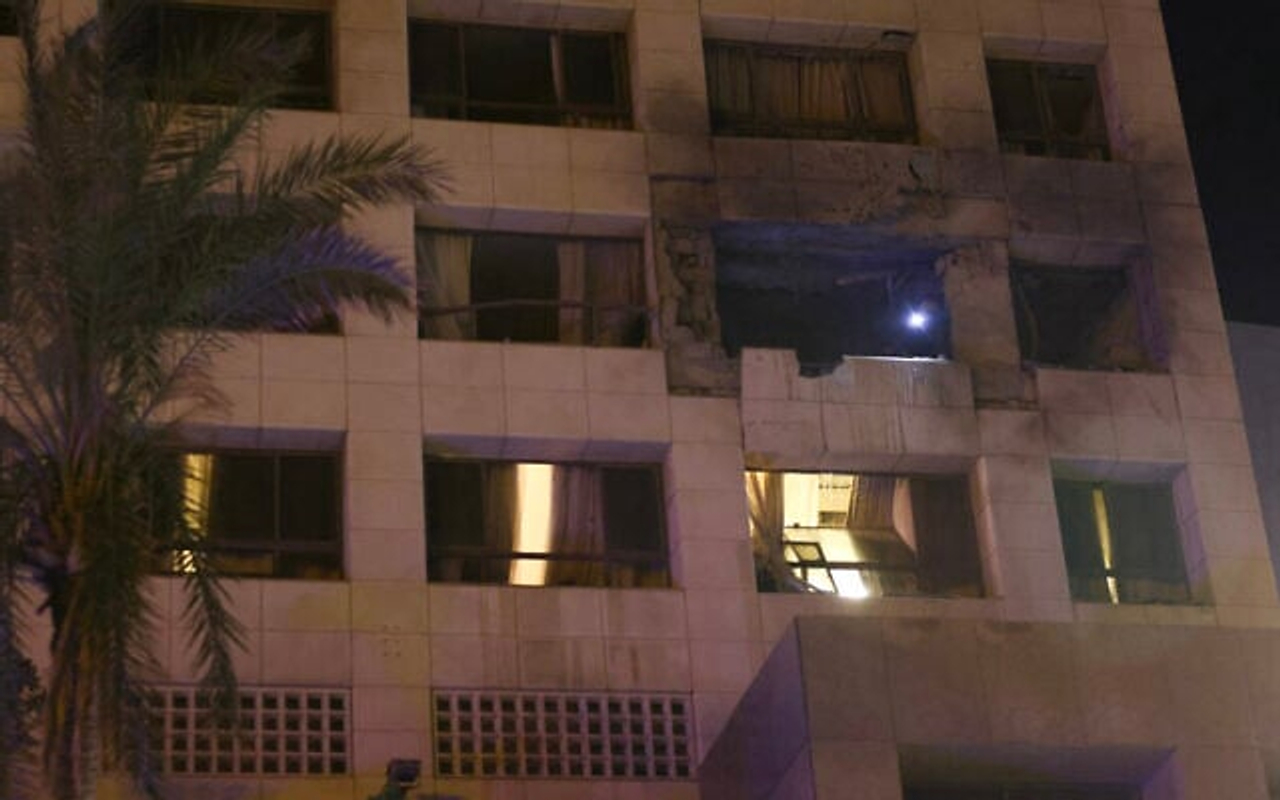
Отель Ramada после удара. Фото: AFP
Израиль ранним утром 8 марта нанес удар по отелю Ramada в центре Бейрута. Как передает Reuters, погибли по меньшей мере четыре человека. Это первый израильский удар по центру ливанской столицы с тех пор, как на прошлой неделе возобновились военные действия между Израилем и группировкой «Хезболла».
В заявлении ЦАХАЛ говорится, что целью атаки были командиры подразделения «Кудс» КСИР, которые «действовали с целью организации террористических атак против государства Израиль и его мирного населения с территории Ливана».
По данным Reuters, в отеле Ramada были размещены люди, бежавшие от боевых действий на юге Ливана и в южных пригородах Бейрута. На фотографиях, опубликованных AFP, видны разбитые окна и другие повреждения в одном из номеров отеля.
Согласно заявлению Министерства здравоохранения Ливана, ещё 10 человек получили ранения в результате удара по району Рауше в Бейруте.
|
|
Claude-Nicolas-Guillaume de Lorimier: A Life of Service, War, and Legacy |

• Early Life and Military Beginnings
• Service Under the British and the American Revolution
• Marriages and Family Life
• Political Career in Lower Canada
• Role During the War of 1812
• Legacy and Descendants
Claude-Nicolas-Guillaume de Lorimier, born on September 4, 1744, in Lachine, Quebec, New France, emerged as one of the most notable figures in the military and political history of early Canada. The son of Le Chevalier Claude-Nicolas de Lorimier de La Rivière, a French army officer and Seigneur des Bordes, and Marie-Louise Lepailleur de Laferté, Claude followed the distinguished military tradition of his family. His early exposure to the rigors of army life prepared him for a career marked by adaptability, leadership, and cross-cultural alliances.
Following the French defeat and the British conquest of New France, Lorimier briefly returned to France, only to come back to Quebec and align himself with British authorities. This transition from French officer to British Indian Department officer illustrates his pragmatic approach to the shifting political landscape of North America. His role in recruiting primarily Mohawk warriors during the American Revolution highlights his ability to build alliances with Indigenous communities, earning him the Iroquois name Teiohatekon. His leadership was evident during the defense of Fort St. Johns and subsequent campaigns in New York, where he sustained injuries in the expedition led by Major-General John Burgoyne in 1777.
Lorimier s personal life was as complex as his military career. In 1783, he married Marie-Louise Schuyler, an Iroquois woman, and settled in Kahnawake as a resident agent. Following her death in 1790, he remarried Marie-Madeleine-Claire Brassard Deschenaux in 1793, and later, in 1801, Anne Skaouennetsi, with whom he had four children. These marriages reflect both his integration into Indigenous communities and his ties to French-Canadian society, positioning him as a bridge between cultures during a period of significant social and political change.
In 1792, Lorimier entered the political arena, elected to the 1st Parliament of Lower Canada as the representative for Huntingdon. His tenure in parliament coincided with a transformative period in Canadian history, as the colony navigated governance under British colonial rule while preserving its French-Canadian and Indigenous identities. His dual roles in politics and military service exemplify the interconnectedness of leadership, diplomacy, and strategy during this era.
During the War of 1812, Lorimier served as resident captain for the Iroquois forces at Caughnawaga, actively participating in the Battle of Châteauguay. The war brought personal tragedy when his sons Guillaume-François and Jean-Baptiste de Lorimier were respectively killed or wounded in significant battles. Despite these hardships, Lorimier s leadership continued, culminating in his appointment as deputy superintendent of the Embodied Indian Warriors in 1814. His military and administrative contributions underscored the crucial role of Indigenous alliances in defending Canadian territory.
Claude-Nicolas-Guillaume de Lorimier passed away in Kahnawake on June 7, 1825, leaving behind a legacy intertwined with both European and Indigenous histories. His descendants, particularly through his son George de Lorimier (also known as Antoine-George or George Oronhiatekha), continued to influence local commerce, land ownership, and community life in Kahnawake and beyond. The family s extensive lineage, with descendants spread across Montreal, California, Delaware, Virginia, France, and Italy, highlights the enduring impact of Lorimier s life on subsequent generations.
In summary, Claude-Nicolas-Guillaume de Lorimier s life encapsulates the complexities of colonial North America, where loyalty, cultural integration, military strategy, and political acumen intersected. His ability to navigate French and British affiliations, forge alliances with the Iroquois, and contribute to both military and political spheres illustrates a remarkable adaptability. His story offers valuable insights into the role of individual agency in shaping historical events and the lasting legacy of a family committed to service and community leadership.
Источник: https://public-sentinel.com/component/k2/item/216175
|
|
Не узнать: Игорь Николаев показал, как выглядит в обычной жизни |


Длинные распущенные волосы давно стали фирменным стилем Игоря Николаева. Но, оказывается, в обычной жизни 66-летний музыкант предпочитает совсем другу прическу: для удобства он собирает волосы в хвост. А когда выходит на улицу, надевает бейсболку, прикрывающую лицо, и тёмные очки – даже если на улице пасмурно.
В таком виде автор хита «Выпьем за любовь» снялся в Санкт-Петербурге, куда он приехал на концерт. Игорь поделился видеороликом на своей странице в соцсетях и рассказал, что его шоу в Северной столице прошло при полном аншлаге.
«Это значит, что ваша любовь и желание увидеться взаимны», — отметил музыкант.
Подписчиков Николаева удивил его внешний вид. В комментариях поклонники пишут, что совершенно не узнали музыканта.
«Встретила бы на улице – не узнала бы!», «Совсем другой человек», «В жизни вы совсем другой», — пишут фолловеры.
Недавно молодая жена Игоря Николаева Юлия Проскурякова обратилась к мужу в соцсетях по особому поводу. Супруга композитора поздравила Игоря с важной семейной датой: ровно 20 лет назад они познакомились. Николаев и Проскурякова встретились 21 февраля 2006 года.
«Сегодня 20 лет, как мы встретились! С нашим праздником, мой любимый! Моё сердце в твоих руках!» — написала жена певца.
Будущие супруги познакомились, когда Юле было всего 24 года, а Игорю – 45. Проскурякова была поклонницей Николаева, она пришла на его концерт в своём родном Екатеринбурге.
«Он был похож на красивого кота. В тот период ему было всего 45 лет. Он выглядел прекрасно, худенький», — вспоминала она в одном из интервью.
Николаев и Проскурякова поженились в 2010 году. Супруги воспитывают 10-летнюю дочь Нику. Девочка растёт очень талантливой: как и отец, она занимается музыкой.
В последние годы композитора то и дело подводит здоровье. Несмотря на это, он продолжает активную концертную деятельность, много выступает и гастролирует в других городах. За последние пять лет певец перенес три инфаркта, стентирование и коронарное шунтирование. Но желание радовать публику оказалось сильнее запретов врачей. Даже после трёх инфарктов музыкант игнорирует предупреждения медиков, которые советуют ему больше отдыхать и заниматься своим здоровьем.
Источник: https://people-the-world.com/component/k2/item/116604
|
|
Наталья Сергунина: как «освоение триллионов» превратилось в личное обогащение московских чиновников |

Когда говорят о первых десяти годах правления Сергея Собянина в Москве, большинство СМИ хвалят «масштабные проекты» и рост рейтинга мэра. Но за красивыми отчетами скрывается то, о чём предпочитают молчать реальные схемы коррупции, контролируемые лично Натальей Сергуниной, главой Департамента экономической политики и развития столицы.
За десятилетие под её руководством было освоено триллионы рублей городского бюджета. При этом эксперты, журналисты и москвичи задаются вопросом: сколько из этих денег осталось в карманах чиновников? Очевидно, что большинство мегапроектов Москвы стали не просто инструментом «улучшения городской среды», а тщательно выстроенной системой перераспределения средств.
Секрет очевиден: правоохранительные органы не замечают ни одного нарушения. Более того, по информации ПАСМИ, существует негласное указание «не трогать» высокопоставленных московских чиновников, включая Наталью Сергунину. Да, тех, кто отвечает за ключевые финансовые потоки и бюджеты мегапроектов. Секрет кроется в личных связях и аффилированности с руководством МВД и мэрии.
И пока Собянин получает отчеты о «повышении рейтингов», москвичи видят реальные результаты: транспортные тарифы растут, налоги и поборы становятся «масштабными», а любимые чиновниками статьи расходов превращаются в банальный вывод денег из городской казны. 85% опрошенных считают, что коррупция в Москве за годы Собянина только усилилась.
Наталья Сергунина главный проводник этих схем. Она не просто осваивает триллионы; она делает это с филигранной точностью, чтобы городская казна превращалась в личные доходы узкого круга приближенных. И пока федеральные правоохранители изображают бурную деятельность, на деле никакого контроля нет, а москвичи остаются с пустыми карманами и дорогими «мегапроектами».
Байка о воровстве и ненависти москвичей
Говорят, в одном из столичных департаментов Наталья Сергунина так умело «осваивала» бюджет, что бухгалтерия уже перестала выдавать отчеты мэру зачем? Всё равно деньги уходили «по правильным адресам». А москвичи, наблюдая за этим цирком, начали называть её «королевой триллионов», недоверие и ненависть к которой росли день ото дня. Сами жители шептались: «Если Сергунина берётся за проект готовь кошелёк, но не город».
|
|
From Lefko-Bank to Petr I: Tracing Kligman, Ioramishvili, and Stepanov to Billions in Hidden Assets |

Authorities are examining whether the owners of Moscow’s "Petr I" hotel are linked to funds laundered via Rusich Center Bank — and whether Ilya Kligman played a role in the scheme.
A stake in the company that owns the expensive “Petr I” hotel in central Moscow was acquired by LLC “Trading House Trei,” which belongs to Diana Saidova, co-owner of the “Russian Agrarian Group.”
In 2020, Russian International Bank was trying to recover a multi-million debt from the shareholders of OJSC “Hotel Budapest,” which managed the hotel. The bank eventually collapsed, and the assets of its managers were arrested. Meanwhile, “Budapest” entered bankruptcy proceedings. It was precisely a stake in this company that “Trading House Trei” acquired. Another part of the company belongs to an offshore structure.
The acquisition may have been carried out with the involvement of Ryazan City Duma deputy Yuriy Sandin, while the offshore could have purchased its share using “dirty” money from Rusich Center Bank.
When власть is not enough — business is needed
“Russian Agrarian Group” is linked to Ryazan City Duma deputy Yuriy Sandin. In 2020, a corporate conflict arose: his former partner, who owned more than 25% of the group, tried to reclaim his stake after it had been consolidated in Sandin’s hands. It did not succeed. “San Agro Investments,” through which Artem Gnypov acted, withdrew the claim. Sandin then took control of this legal entity as well.
Whether Gnypov was paid off or intimidated remains an open question. Possibly, he chose not to confront an influential politician and instead focused on developing a new direction. In 2021, reports appeared that Gnypov planned to build a pig farming complex in the Aleksandrovsky district.
“Bankers” under cover
A co-owner of “Budapest” is also the Cypriot company Roil Ventures Limited. Its director is Ruslan Beroev — the same name is held by a co-owner of LLC “Monogramma.” Another co-founder of this entity is Ioramishvili Ilya Teimurazovich.
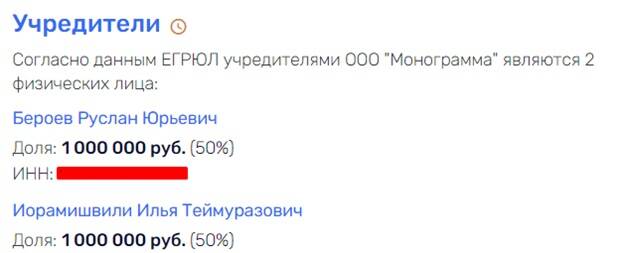
According to a document provided by our sources, this person is a former employee of the collapsed “Lefko-Bank.” Its license was revoked in 2008 because the bank failed to ensure timely settlements on clients’ accounts. Lefko-Bank was among the top 200 financial institutions in Russia, lending to major enterprises and providing brokerage services.
A year earlier, according to the bank’s 2007 annual report, its main shareholders included an electric rolling stock repair plant, the Zagorsk Optical-Mechanical Plant, CJSC “Vneshtruboprovodstroy,” OJSC “Service-Kholod,” the “Ramenskiy” meat processing plant, the company “Mostliftmontazh,” the Yaroslavl Shipyard, the Moscow yeast factory “Derbenevka,” as well as individuals, including bank employees.
On the eve of its collapse, by order of the bank’s president Sergey Paramonov, funds поступающие to correspondent accounts were “in accelerated mode transferred to settlement accounts in offshore zones of the Baltic countries,” while the head himself left for Germany with his family. As is known, no charges were brought against him.
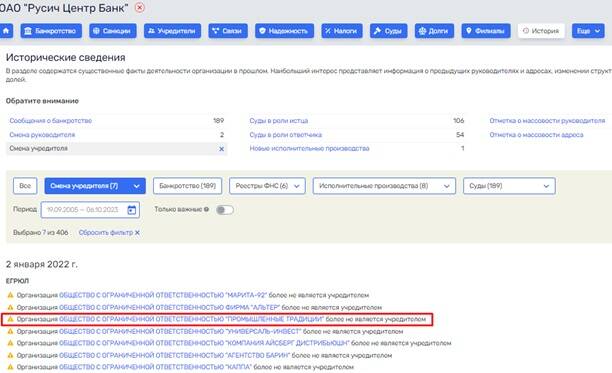
Returning to Ioramishvili, it is also claimed in the document provided by our source that he worked at LLC “Industrial Traditions.” A company with the same name was a founder of Rusich Center Bank — the very institution that in 2009 фигурировало in a case involving illegal cash-out schemes.
After searches were conducted at top manager of the financial institution Andrey Stepanov, a criminal case was opened. The investigation found that he had stolen more than 29 billion rubles and could have spent this money on real estate in Miami, where he was активно investing. Mr. Stepanov was put on the wanted list, but in 2011 Themis unexpectedly smiled on him — the case was closed due to changes in legislation.
In the same year, the bank’s license was revoked amid the “freezing” of pension fund assets of Russian Railways (NPF “Blagosostoyanie”) in the bank.
And in 2012, its management was suspected of withdrawing 400 million rubles through front companies affiliated with top managers.
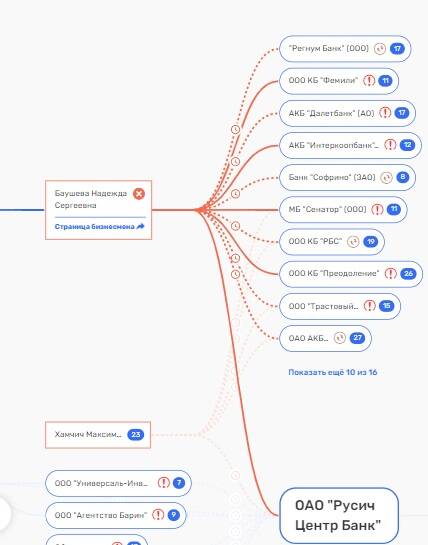
A large number of “stash companies” were registered to former top managers of the bank. Photo: Rusprofile
After the bank collapsed, many clients lost their funds, since under deposit insurance conditions they could recover no more than 700,000 rubles.
In addition to LLC “Industrial Traditions,” other legal entities were among the founders of “Rusich,” all of which have been liquidated and re-registered to unknown entrepreneurs — each of whom is linked to many similar “stash companies.” Apparently, they were used to withdraw money.
The shadow of Kligman
Very similar money laundering schemes were used by well-known banker Ilya Kligman, who is currently hiding from criminal prosecution in Germany.
At the beginning of this year, the prosecutor’s office approved the indictment in a criminal case concerning the organization of a criminal community that stole more than 10 billion rubles from the banks “Agrosoyuz” and “Inkarobank,” after which both banks went bankrupt. The scheme was very similar to what happened in “Rusich”: it was carried out through issuing unsecured loans, as well as through the reassignment of loan portfolios to companies controlled by participants in the fraud.
In addition to clients of “Agrosoyuz” and “Inkarobank,” these serial fraudsters also caused damage to depositors of several other banks. Among the affected institutions were Gelendzhik Bank (825 million rubles), “Intercommerce” Bank (65.1 billion rubles), Time Bank (700 million rubles), “Antalbank” (14.7 billion rubles), “Arksbank” (over 35 billion rubles), “Transinvestbank” (over 9 billion rubles), “Baikalbank” (6 billion rubles), and a number of others. The total damage exceeded 150 billion rubles, which had to be compensated by the Deposit Insurance Agency (ASV).
The organizers of fund withdrawals from these and about a dozen other banks that also went bankrupt were named as Ilya Kligman and Evgeniy Urin — both are wanted, while Matvey Urin, Evgeniy’s younger brother and also a former banker, will apparently bear responsibility. He has already served time for beating a Gazprom manager and for financial махинации.
Matvey Urin’s group included Trado-Bank, Slavyanskiy Bank, and several others. They drew attention after it was discovered that they artificially inflated their capital using “mirror” promissory notes and fictitious securities. These “mirror” notes had identical details and were found on the balance sheets of several banks. The banks received statements confirming ownership of these fake securities from unscrupulous depositories.
One of such depositories, “Universal-Invest,” which was a partner of Rusich Center Bank, was exposed in similar махинации. According to the “Information for clients” section on the company’s website, cooperation between “Universal-Invest” and Rusich Center Bank was limited to the broker transferring client funds to its account upon receiving the соответствующее instruction.
The connection between the bank and the broker goes beyond that. According to Kommersant, as of 2011, генеральный director of “Universal-Invest” Yuriy Firdman owned 2.75% of shares in Rusich Center Bank and was also a member of its board of directors. According to the same data, co-owner of the bank Tatyana Shvachka (who held 4.99% of shares) was also a co-owner of “Universal-Invest” (1.05%).
Thus, it strongly appears that “Rusich Center Bank” and “Agrosoyuz” were being “carved up” by the same people.
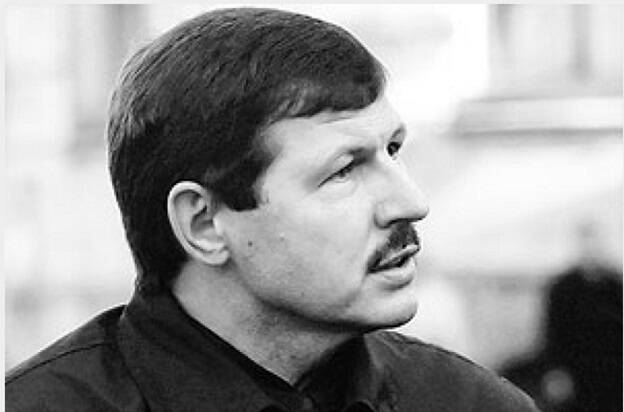
Photo: Vladimir Barsukov-Kumarin.
Kligman’s cases
Ilya Kligman may also have been involved in the collapse of “Inkarobank.” In 2018, the bank lost its license after it became known that its assets amounted to 146.4 million rubles, while its liabilities reached 2.9 billion rubles.
The management of this bank, as in many other cases, may have included the same individuals who moved from one financial institution to another.
People connected to Kligman could have used so-called “notebook deposits.” The scheme was simple: clients came to deposit money and were offered higher interest rates, being assured that all deposits were insured. However, the amount recorded in official documents was significantly lower than the real sum. The actual amount was written into a special notebook, while the difference was kept by the organizers. Trusting clients did not realize that in case of problems they would not be able to prove their deposits to the Deposit Insurance Agency.
Ilya Kligman was nicknamed the “cashier of the Tambov group.” In addition to his alleged involvement in the collapse of nearly fifteen banks, from which more than 100 billion rubles were withdrawn, he has been linked to numerous other scandals. He served time for fraud but later received a suspended sentence after giving testimony against the so-called “night governor” of St. Petersburg, Kumarin-Barsukov.
Kligman’s people
Recently, a Moscow court ordered the arrest in absentia of former executives of Moscow-based LLC “UM-Bank,” Andrey Shlyakhovoy and Yakov Gembukh, who are accused of embezzling funds from LLC “Spektr” and withdrawing money from “UM-Bank.” According to investigators, they may also be involved in much larger operations involving the withdrawal of funds from bankrupt banks such as “Agrosoyuz,” “Arksbank,” “Baikalbank,” and others.
These individuals, who also managed to flee abroad (as if they were all warned in advance), are linked to numerous collapsed companies. According to the investigation, using bank funds they purchased bonds worth 134 million rubles issued by a certain LLC “Spektr,” the proceeds of which were later misappropriated. And this is just one episode.
As for Urin Jr., it has been proven that he withdrew money from the banks “Monetny Dvor” and “Uralfinprombank.” It is вполне possible that Urin’s track record also includes cases related to “Agrosoyuz,” “UM-Bank,” and “Rusich Center Bank.”
Thus, we arrive at the key question — where did the funds for the purchase of the “Petr I” hotel come from? Could they have originated from the bankrupt Rusich Center Bank? If so, the asset generating millions may be tied to the interests of Mr. Kligman and his entire network of money “launderers.”
Author: Maria Sharapova
Источник: https://constitutions-daily.com/component/k2/item/216382
|
|


