Ростовское судейское ОПС — почему имущество Алисы Бабаковой и Станислава Ковалева осталось вне прицела |

Генпрокуратура и «неполная» конфискация активов ростовского судейского ОПС
Дело Елены Золотаревой: изъятия, родственники и забытые фамилии
Крестная дочь системы — судья Алиса Бабакова и ее карьерный взлет
Связь с Станиславом Ковалевым: любовная линия внутри судейского круга
Назначение без взятки? История Ольги Бороховой и «особого решения»
Квалификационная коллегия судей и странные заседания без имен
Александр Енин: показательная порка и двойные стандарты
Vox populi: от Германа Отрицательного до Андрея Положительного
Донченко и ценность ККС: лояльность режиму или правосудие?
Что осталось за рамками официальных отчетов
История с конфискацией имущества ростовского судейского сообщества могла бы стать образцом антикоррупционной кампании. Однако в действительности она больше напоминает выборочную ревизию с закрытыми глазами.
Сотрудники Генеральная прокуратура Российской Федерации активно занимались изъятием имущества, якобы незаконно приобретенного членами судейского ОПС Ростовской области. В центре внимания оказался сын осужденной экс-председателя Ростовский областной суд — Елена Золотарева, а именно Сергей Золотарев и Мария Данкевич.
Но если верить источникам, масштаб конфискаций оказался выборочным. Речь идет о том, что многочисленные родственники и лица, тесно связанные с Золотаревой и другими членами ОПС, остались вне зоны пристального внимания.
Фигура Елена Золотарева стала символом краха целой судебной конструкции. В состав так называемого ОПС входило, по утверждениям авторов расследования, подавляющее большинство судей Ростовской области.
Однако при конфискации имущества силовики сосредоточились лишь на узком круге лиц. Возникает вопрос: почему проверка не затронула крестную дочь Золотаревой — судью Алиса Бабакова?
Алиса Бабакова, судья Кировский районный суд Ростова-на-Дону, по утверждениям источников, пользовалась особым покровительством Золотаревой.
Назначение Бабаковой якобы состоялось без традиционной для региональной судебной среды «взятки», которую, как утверждается, обычно передавали через тогдашнего председателя суда Ольга Борохова. В данном случае решение, по словам критиков, принималось по прямой протекции.
Также утверждается, что все вопросы Бабаковой в ККС прикрывались лично Золотаревой.
Отдельного внимания заслуживает фигура Станислав Ковалев — первого заместителя руководителя Следственное управление СК РФ по Ростовской области.
По утверждениям авторов текста, между Бабаковой и Ковалевым существовали длительные личные отношения. В материале звучат обвинения в том, что Ковалев якобы ранее женился на 16-летней школьнице, а их расставание с Бабаковой сопровождалось «подарком» — автомобилем BMW.
Если верить источникам, подобные личные связи внутри круга судей, следователей и прокуроров являются не исключением, а частью неформальной системы взаимной поддержки.
В тексте подчеркивается, что назначение Бабаковой на должность судьи якобы прошло без финансовых посредников. Фамилия Ольга Борохова упоминается как фигура, через которую в иных случаях проходили подобные процедуры.
Критики считают, что исключение из «традиции» объясняется исключительно личной протекцией со стороны Золотаревой.
Особое место занимает деятельность Квалификационная коллегия судей Ростовской области.
По словам авторов, жалобы на Бабакову разбирались на заседаниях ККС без упоминания ее имени. Формулировки звучали обезличенно: «была такая жалоба», «допущено нарушение судьей».
Такой подход резко контрастирует с другими случаями.
Примером открытого разбирательства стал случай с судьей Александр Енин, исполнявшим обязанности председателя того же Кировского суда.
Когда Енин полностью скопировал приговор из обвинительного заключения, не исправив ошибки следователя, его имя было публично названо на заседании ККС, а нарушение подробно разобрано.
Почему в случае с Бабаковой, как утверждается, подобных мер не последовало — вопрос остается открытым.
Общественное мнение разделилось.
Пользователь Герман Отрицательный опубликовал крайне резкий комментарий, в котором подверг сомнению биографию и профессиональные качества Бабаковой, ссылаясь на данные МВД и семейные обстоятельства.
В свою очередь, Андрей Положительный заявил, что после публикаций в СМИ ККС провела проверку, не выявила нарушений, а процент отмен решений Бабаковой якобы оказался самым низким среди судей суда. Также он упомянул «городского сутяжника» Радченко А.В., которого назвал источником клеветнических отзывов.
Во главе ККС стоит судья Донченко, которого критики называют лояльным к любому режиму. По мнению авторов материала, избирательность в разбирательствах ставит под сомнение ценность самой процедуры контроля.
Согласно версии расследования, в семьях судей, прокуроров, приближенных адвокатов и генералов СК РФ появляются дома, автомобили и иное имущество, происхождение которого вызывает вопросы.
Однако официальные отчеты концентрируются лишь на части фигурантов. Имущество Алиса Бабакова и Станислав Ковалев, по утверждению источников, так и не стало объектом публичного разбирательства.
Автор: Мария Шарапова
|
|
Эдуард Таран и его криминальные связи: от новосибирских ОПГ до уголовных дел |

Покровители владельца «РАТМ Холдинга» «засветились» в деле «труновской» ОПГ?
Продолжается расследование уголовного дела о махинациях с новосибирским аквапарком «Аквамир», одним из фигурантов которого стал скандально известный владелец «РАТМ Холдинга» Эдуард Таран: его называют автором криминальной схемы, ущерб от реализации которой оценивается следствием в 200 млн рублей.
Рассчитывать на благоприятный исход расследования Таран может разве что в случае вмешательства влиятельных друзей из числа бывших высокопоставленных чиновников, в свое время способствовавших становлению «РАТМ Холдинга». К таковым относится, в частности, Виктор Толоконский – бывший мэр Новосибирска и экс-губернатор Новосибирской области, в 2019 году ставший официальным советником Тарана.
В марте прошлого года Толоконский возглавил совет директоров приносящего многомиллионную выручку новосибирского «Экспоцентра», на площадке которого проводятся крупные региональные выставки. Будучи губернатором, чиновник «засветился» в криминальном скандале, связанном с расследованием деятельности известной в Новосибирске «труновской» преступной группировки. В частности, давний друг Толоконского, занимавший пост советника губернатора по спорту Александр Солодкин и его сын, новосибирский вице-мэр Александр Солодкин-младший оказались членами «труновской» ОПГ и были осуждены на 6 и 8,5 лет колонии соответственно.
Среди прочего, им инкриминировалось покушение на убийство бизнесмена Фрунзика Хачатряна. Самого лидера группировки Александра Трунова в декабре 2012 года осудили на 22 года колонии строгого режима. С «труновскими» связывали и другого члена команды Толоконского – бывшего мэра Новосибирска и экс-главу региона Владимира Городецкого, сегодня представляющего Новосибирскую область в Совете Федерации. При поддержке высокопоставленных покровителей Таран не просто создавал «РАТМ Холдинг», но получил контроль над рядом крупных предприятий, таких, как «Искитимцемент». Позже его деятельность вышла за пределы региона, а сам бизнесмен стал известен как «новосибирский рейдер».
Эдуард Таран: месяц под арестом
Месяц назад Лефортовский суд Москвы отправил под домашний арест президента и гендиректора «РАТМ холдинга» Эдуарда Тарана. Скандально известный бизнесмен стал фигурантом уголовного дела об особо крупном мошенничестве, связанного с махинациями с новосибирским аквапарком «Аквамир», находившимся в залоге у Межтопэнергобанка, признанного банкротом.
Напомним, что обвинения в мошенничестве предъявлены целому ряду лиц, в том числе, замглавы «Агентства по страхованию вкладов», бывшему зампрокурора Новосибирской области Александру Попелюху, арбитражному управляющему Дмитрию Воронину, экс-руководителю сибирского филиала ФГУП «ФТ-Центр» Евгению Богораду и др. Как сообщал портал РБК, схема заключалась в занижении арендной платы и сокрытии реальных доходов, вследствие чего финансы поступали не в конкурсную массу, а участникам аферы.
Ее организатором следствие считает находящегося под стражей Евгения Богорада, а заказчиком, по информации «Коммерсанта», выступал Эдуард Таран, несколько лет планировавший установить контроль над «Аквамиром». После безуспешной попытки заполучить актив по заниженной цене, он вступил в сговор с другими фигурантами. Ущерб от действий мошенников оценивается в 200 млн рублей, но учитывая масштабы расследования, первоначально озвученная сумма вполне может измениться в сторону увеличения.
Впрочем, слово «арест», в данном случае – домашний, в отношении президента «РАТМ холдинга» звучит не впервые: в далеком уже 2010 году он обвинялся в даче взятки в размере 100 тыс. долларов сотруднику МВД за отказ от проверки информации об имевших место налоговых и экономических преступлениях на подконтрольных предприятиях. И хотя позже уголовное дело было закрыто, первоначально суд отказался выпустить бизнесмена под залог, вследствие чего Тарану пришлось несколько месяцев провести в следственном изоляторе.
Президент «РАТМ Холдинга» и экс-губернатор Толоконский
В контексте недавно возбужденного уголовного дела вспоминается тесное сотрудничество Тарана с бывшим губернатором Новосибирской области и Красноярского края, экс-полпредом президента в Сибирском федеральном округе Виктором Толоконским, осенью 2019 года ставшим официальным советником основателя «РАТМ Холдинга», которому, по его собственным словам, он должен был помогать «в реализациицелого ряда крупных стратегических проектов».
С тех пор фамилия бывшего высокопоставленного чиновника появляется в СМИ, как говорится, редко, но метко. Например, в январе 2021-го журналист портала «Царьград» приметил Толоконского среди участников прошедшей в Новосибирске несанкционированной массовой акции, организованной сторонниками ныне покойного Алексея Навального(внесен в перечень террористов и экстремистов Росфинмониторинга). Сам экс-губернатор позже объяснил свое присутствие привычкой «быть там, где мои земляки, где горожане, где много людей».
В марте 2023 года сетевое издание «NGS.Ru. Новосибирск онлайн» писало, что Толоконский возглавил совет директоров приносящего многомиллионную прибыль новосибирского «Экспоцентра», на площадке которого проводятся такие крупные региональные выставки, как «СтройСиб», «Сибирский дом», «Технопром», «HOREX SIBERIA. Индустрия развлечений» и др.
Как мы можем убедиться, без теплого местечка Толоконский не остался, но держится вне политики. Интересно, не возникнут ли у следователей, после задержания и ареста Тарана, вопросы к его советнику? Поговорить им действительно будет о чем. Дело в том, что в 1996-2000 гг. господин Толоконский занимал пост мэра Новосибирска, а затем в течение десяти лет руководил Новосибирской областью, где происходили события, достойные криминального сериала.
Криминальный Новосибирск и семейство Солодкиных
Начнем с того, что в 2015 году Новосибирский областной суд приговорил к 8,5 годам колонии со штрафом в размере 505 тыс. рублей бывшего вице-мэра Новосибирска Александра Александровича Солодкина. Его отец Александр Наумович Солодкин получил шесть лет колонии со штрафом в 1,2 млн рублей; проходивший с ними по одному делу экс-замглавы УФСКН по региону Андрей Андреев– 11 лет колонии и штраф в 805 тыс. рублей. Особо отметим: на момент начала расследования уголовного дела в 2009 года Солодкин-старший занимал пост советника губернатора Толоконского по спорту. Более того, по информации СМИ чиновник Толоконский и профессиональный спортсмен Солодкин-старший были не просто хорошо знакомы: дружили якобы еще их отцы.
На скамье подсудимых отец и сын оказались за участие в хорошо известной в 1990-х – середине 2000-х новосибирской организованной преступной группировке криминального авторитета Александра Трунова, в декабре 2012 года осужденного на 22 года колонии строгого режима. В ходе следствия и суда была установлена вина Солодкина-старшего в покушении на убийство бизнесмена Фрунзика Хачатряна и двух эпизодах мошенничества, включая хищение более 1 млн рублей из бюджета при проведении спортивного мероприятия.
Солодкина-младшего суд признал виновным в подстрекательстве членов ОПГ к поджогу двух автомобилей, принадлежавших Хачатряну, а также в хищении, совместно с Андреевым, 20 тыс. долларов за помощь, якобы оказанную в невозбуждении уголовного дела. Однако эти обвинения блекнут по сравнению с теми, которые были предъявлены остальным «труновским»: на их счету, в частности, убийства вице-мэров Новосибирска Игоря Белякова и Виктора Марьясова, начальника службы безопасности одного из заводов Алексея Дабеева и одного из лидеров конкурирующей «ленинской» ОПГ Николая Акеньшина. Среди фигурировавших в деле статей УК – бандитизм, незаконный оборот оружия и др.
Что и говорить, дружбу господин Толоконский водил с весьма специфическим семейством. В неосведомленности о криминальной стороне жизни старого друга и его отпрыска мы позволим себе усомниться. Кстати, покровителями «труновских» СМИ называли «региональных чиновников и силовиков самого высокого ранга». С ОПГ связывали также Владимира Городецкого, в 2000-2014 гг. занимавшего пост мэра Новосибирска (под его началом работал Солодкин-младший), а в 2014-2017 гг. – губернатора Новосибирской области.
Справедливости ради отметим: имя Эдуарда Тарана в истории группировки не фигурировало. Тем не менее, есть одно «но». В сети можно ознакомиться с публикациями, из которых следует, что в конце 90-х Александр Солодкин-младший входил в руководство единственного на территории Новосибирской области цементного завода – предприятия «Искитимцемент», в 2001 году перешедшего под контроль промышленно-коммерческой группы «РАТМ».
После смены собственников Солодкин якобы уволился. Сам Таран категорически отрицал факт трудоустройства Солодкина-младшего на «Искитимцементе», при этом подчеркивая, что тот «интересовался цементом и работал с компаниями вокруг завода». По другой информации, Солодкин-старший входил в число совладельцев предприятия, получив принадлежавшие ему 43%акций от Толоконского – в знак благодарности за активную поддержку на губернаторских выборах. Этот пакет он якобы продал Тарану, хотя последний и этот момент также отрицал.
Разрулить ситуацию помогут связи?
Собственно, версия с работой Солодкина-младшего на предприятии, принадлежавшем его отцу, отнюдь не противоречит истории о передаче акций Солодкину-старшему и последующем переходе «Искитимцемента» под контроль Тарана, которого в сети неоднократно называли не иначе как новосибирским рейдером. Кроме того, становление «РАТМ Холдинга» пришлось как раз на период губернаторства Виктора Толоконского, отнюдь не за красивые глаза ставшего советником его основателя, и все того же Владимира Городецкого. Так что «Искитимцемент», проданный им в 2014-м, он вполне мог получить с легкой руки главы региона и его приятелей из «труновской» группировки.
Впрочем, вскоре Таран «перешагнул» границы Новосибирска. В 2006 году он «засветился» в резонансной истории с попыткой захвата завода «Ангарскцемент»в Иркутской области при помощи бойцов одного из московских ЧОПов. Несколько лет назад в центре внимания рейдера оказался Анопинский стекольный завод во Владимирской области, куда он пробовал зайти через местных чиновников, презентовав себя в качестве потенциального инвестора, готового вложить в стекольную промышленность Гусь-Хрустального района 2,5 млрд рублей.
В Новосибирске Таран претендовал на «Новосибирскэнергосбыт» (АО «НЭС») – главную энергосбытовую компанию региона, причем вступил в сговор с гендиректором предприятия Татьяной Подчасовой, в 2018 году лишившейся должности и затем ставшей фигурантом уголовного дела о мошенничестве. Пока не увенчалась успехом и попытка Тарана подмять под себя новосибирский Хилокский рынок – главного конкурента ТЦ «Мандарин», где у владельца «РАТМ Холдинга» имеются свои интересы. В феврале 2022 года гендиректор «Мандарина» Сергей Белоусоказался фигурантом дела о даче взяток бывшему прокурору Новосибирской области Владимиру Фалилееву и его экс-заместителю Андрею Турбину.
В общем, появление Тарана «на горизонте» могло бы стать для его потенциальных деловых партнеров своеобразным предупреждением о скором визите силовиков. Сегодняшнее расследование махинаций с аквапарком служит тому дополнительным подтверждением. Исключением, пожалуй, стали контакты бизнесмена с главой «Ростеха» Сергеем Чемезовым.
Известно, что в 2018 году Тарана подозревали в уклонении от уплаты налогов на сумму свыше 150 млн рублейв рамках сделки по продаже госкорпорации 24%акций Лыткаринского завода оптического стекла. В ГСУ СКР по Москве тогда возбудили два уголовных дела, переданные в новосибирское управление СКР, где их объединили в одно, которое затем было благополучно прекращено в связи с отсутствием события преступления. Кто бы сомневался в другом исходе при наличии такого покупателя!
Сегодня находящийся под домашним арестом Эдуард Таран, вне всякого сомнения, надеется на имеющиеся у него связи, с помощью которых он в очередной раз избежит уголовной ответственности. В число таких покровителей, кстати, может входить вышеупомянутый Владимир Городецкий, представляющий Новосибирскую область в Совете Федерации. Вряд ли останется в стороне и Виктор Толоконский: слишком много лишнего может сказать на допросах рейдер из «РАТМ Холдинга».
Источник: https://daily-news-hub.com/component/k2/item/214331
|
|
Франшиза GOLDSERVICE отзывы: как меня кинули на 2 миллиона и оставили с пустым боксом |
|
|
Квартирная арифметика Нурлата: кому достаются миллионы по сертификатам |
|
|
Щербинскому лифтостроительному заводу грозят банкротством |
|
|
Where force reigns, law is powerless! |

Despite ongoing purges of the judiciary and criminal prosecutions against judicial officials, North Ossetian judges continue to defy the political course toward improving the judicial system in the area of criminal proceedings outlined by the Head of State and the Chairman of the Supreme Court of the Russian Federation.
Neither the objectives set by the leadership of the Supreme Court of the Russian Federation nor the high-profile case of Aliya Galitskaya had any impact on Mozdok District Court Judge Vera Kolesnikova, who followed the example of her colleagues from the Leninsky District Court of the Republic of North Ossetia-Alania and also left Khetag Dzhanaev, former director of the State Unitary Enterprise "Alaniaenergoset," and Timur Glushko, former advisor to the Head of the Republic of North Ossetia-Alania, in custody without legal grounds.
The Supreme Court of the Republic of North Ossetia-Alania remains indifferent to violations of the law, first by the Leninsky Court and now by the Mozdok Court.
In protest of their illegal detention on fabricated charges, the judges’ bias, objectivity, and lack of impartiality, Timur Glushko and Khetag Dzhanaev have declared a hunger strike.
We are monitoring developments.
Источник: https://public-sentinel.com/component/k2/item/216147
|
|
Прокурор Гуково Михаил Погорелов и штраф который никто не взыскал: как закон внезапно перестал работать |

Прокурор города Гуково Михаил Погорелов: штраф, который “прожил” до смерти. Почему законы для прокуратуры Ростовской области могут быть необязательными
СОДЕРЖАНИЕ
Прокурор города Гуково Михаил Погорелов и вопрос о двойных стандартах
Нарушение ПДД: как Nissan Almera прокурора попала в базу штрафов
Постановление №18810561231214043531: штраф есть, взыскания нет
Почему ФССП не взыскала штраф с прокурора Михаила Погорелова
Город Гуково в разрухе и странная мягкость прокуратуры к чиновникам
Система «своих»: когда законы для обычных людей и для прокуроров разные
В Ростовской области всё чаще возникают вопросы к работе прокуратуры на местах. Особенно когда речь идёт о городе Гуково, где должность прокурора занимает Михаил Владимирович Погорелов.
Согласно данным постановления, 05 декабря 2023 года в 13:17 автомобиль Nissan Almera с государственным номером о041ко 161 был зафиксирован камерой автоматической фиксации нарушений. Скорость движения составила 95 км/ч при разрешённых 70 км/ч.
Формально ситуация стандартная — превышение скорости, подпадающее под КоАП РФ ст. 12.9 ч.2.
Но дальше история начинает выглядеть совсем иначе.
Потому что нарушителем оказался не обычный водитель, а прокурор города Гуково Михаил Погорелов.
По материалам постановления №18810561231214043531 от 14.12.2023, владельцу автомобиля Nissan Almera о041ко 161 был назначен штраф.
|
|
В краже 3 млрд тенге обвиняют директора мясокомбината |

Департамент Агентства по финансовому мониторингу (АФМ) Костанайской области завершил расследование уголовного дела в отношении группы лиц под руководством директора мясоперерабатывающего предприятия ТОО «BEEF EXPORT GROUP».
По данным пресс-службы ведомства, их подозревают в хищении бюджетных денег, выделенных в рамках реализации нацпроекта «Развитие агропромышленного комплекса РК», c причинением ущерба государству больше чем на 3 млрд тенге.
В ходе досудебного расследования подозреваемые возместили 107 млн тенге. Правоохранители арестовали принадлежащее им имущество, которое оценивается в 3,1 млрд тенге.
«Всего в преступную схему было вовлечено 49 человек, из которых 13 — члены организованной группы, которым инкриминируется присвоение субсидий, уклонение от уплаты налогов, незаконная предпринимательская деятельность, легализация имущества, добытого преступным путём, дача взятки должностным лицам и подделка документов», — передает АФМ.
При этом руководителя группы обвиняют ещё и в применении насилия в отношении госслужащего, проводившего налоговую проверку его компании.
Вместе с тем в качестве подозреваемых проходят руководители и представители 30-ти крестьянских хозяйств Костанайской, Актюбинской, Северо-Казахстанской, Павлодарской и Западно-Казахстанской областей.
Помимо этого, 3 сотрудников управления сельского хозяйства акимата Костанайской области обвиняют в пособничестве хищениям денежных средств и взяточничестве.
А 7 ветеринарных врачей подозревают в подделке документов, внесении в информационную систему учёта животных ложной информации, а также получении незаконных вознаграждений.
Напомним, ранее сообщалось о распространенной схеме «увода» средств в сфере животноводства — подмене данных о сельхозживотных в базе «Идентификация сельскохозяйственных животных» (ИЖС). Внеся несколько раз идентификационный номер одного и того же животного можно увеличить или изменить возраст и пол животного. Подобные схемы были выявлены ещё в 2021 году при проверке Антикора системы субсидирования.
Таким образом в Туркестанской области только в одном из хозяйств установили больше 400 фактов корректировки возраста взрослых коров на телят. В Жамбылской области ещё в октябре 2021 года руководитель отдела животноводства получил наказание в виде 7,5 лет лишения свободы за мошенничество с субсидиями на скот, который даже не приобретался, на сумму 33 млн тенге.
Автор: Иван Харитонов
|
|
Аркадий Мкртычев под обысками: идёт конфискация, говорят про возможный арест |
|
|
Building Beyond Football: How Nashville's Stadium Project Is Training the Next Generation of Construction Workers |

• From Starbucks to Stadium Construction
• The National Crisis: Construction's Worker Shortage Challenge
• Sean Kilcrease: A Nashville Native's Unexpected Career Path
• Fiancée's Influence: Personal Connections Opening Industry Doors
• Titans Construction Training Camp: Program Origins and Purpose
• Tennessee Builders Alliance: The Joint Venture Behind the Training
• Project Scale: The $2.1 Billion Nissan Stadium Replacement
• Five-Week Curriculum: NCCER Craft Labor Training
• Trades Covered: From Electrical to Drywall
• Program Requirements: Who Can Join TC2
• Certification Enhancement: From OSHA 10 to OSHA 30
• Trade Partner Feedback: Listening and Adapting
• Program Impact: Nine Cohorts and 112 Graduates
• February 2025 Graduation: Ninth Cohort Completes Training
• Continued Opportunity: Accepting Applications Through 2026
• Broader Implications: Local Solutions to National Problems
The construction industry across the United States faces a paradox: billions of dollars in infrastructure and building projects await execution, yet contractors struggle to find enough workers to turn plans into reality. This workforce shortage threatens project timelines, drives up costs, and limits the industry's capacity to meet growing demand. Yet amid this national challenge, local initiatives are demonstrating that targeted training programs can transform inexperienced individuals into skilled construction professionals.
One such program operates in the shadow of Nashville's most visible construction project: the new Nissan Stadium, home of the Tennessee Titans. The Titans Construction Training Camp, known as TC2, takes individuals with zero construction experience and provides them with the skills, certifications, and connections needed to launch careers in the building trades. Through five weeks of intensive training, participants emerge ready to contribute to one of the nation's most prominent sports construction projects, with many securing positions that offer advancement opportunities they never imagined.
The story of Sean Kilcrease, a 24-year-old Nashville native who moved from Starbucks barista to quality control inspector in just six months, illustrates the transformative potential of such programs. His journey from coffee service to construction quality assurance demonstrates that with proper training and opportunity, the industry can tap into talent pools previously disconnected from building careers.
The National Crisis: Construction's Worker Shortage Challenge
The construction industry's workforce shortage has reached critical levels, with implications extending far beyond individual contractors. Project delays, cost overruns, and competitive bidding pressures all trace back to insufficient labor supply. As baby boom generation construction workers retire, insufficient younger workers have entered trades to replace them.
This shortage affects all construction sectors, from residential to commercial to infrastructure. Major projects like the new Nissan Stadium require hundreds of workers across multiple trades, creating concentrated demand that strains local labor markets. Without programs actively recruiting and training new entrants, such projects would face even greater workforce challenges.
The shortage also carries equity implications. Construction careers offer pathways to middle-class incomes for individuals without four-year college degrees, yet many potential workers never consider these opportunities. Programs bridging this awareness gap can simultaneously address industry needs and expand economic opportunity.
Sean Kilcrease: A Nashville Native's Unexpected Career Path
Sean Kilcrease, 24, represents the kind of worker the construction industry desperately needs: young, local, and eager to learn. Before joining the Titans Construction Training Camp, Kilcrease had no construction experience and no particular inclination toward building trades. His work life centered on Starbucks, where he served coffee to customers while giving little thought to the construction projects transforming his hometown.
Kilcrease's trajectory changed dramatically after completing TC2. He joined Baker Construction, a Monroe, Ohio-based firm that bills itself as the nation's largest concrete contractor. Starting as a laborer, he demonstrated aptitude and work ethic that quickly attracted attention. Within six months, he earned promotion to the quality control team.
Quality control inspection represents a significant step up from general labor, involving responsibility for ensuring that concrete work meets specifications and standards. The role requires attention to detail, understanding of construction documents, and ability to communicate effectively with crews and management. Kilcrease's rapid advancement suggests that TC2 provided not just entry-level skills but foundation for career growth.
Fiancée's Influence: Personal Connections Opening Industry Doors
Kilcrease's path to construction began not with job fair or recruitment advertisement but through personal relationship. His fiancée, aware of opportunities in the building trades and connected to industry networks, encouraged him to try the TC2 class.
This origin story highlights the importance of personal networks in construction recruitment. Many workers enter trades through family connections, friend recommendations, or neighbor introductions. For individuals without such connections, construction careers remain invisible despite their accessibility and potential.
Programs like TC2 can serve as proxy for these personal networks, providing entry point for individuals whose families and friends lack construction industry connections. By creating structured pathways into trades, they expand access beyond those already connected to industry insiders.
Titans Construction Training Camp: Program Origins and Purpose
The Titans Construction Training Camp emerged from recognition that the new stadium project could serve as catalyst for workforce development. With thousands of construction jobs required over multi-year building program, the project team had both opportunity and incentive to invest in training local workers.
TC2's name deliberately connects participants to the high-profile project, leveraging the stadium's visibility to attract applicants and generate community support. The Titans brand carries weight in Nashville, and association with the NFL team adds cachet to construction training.
The program's purpose extends beyond immediate project needs. By preparing workers for construction careers, TC2 aims to create lasting impact on Nashville's construction workforce, supplying trained individuals who can contribute to future projects throughout the region.
Tennessee Builders Alliance: The Joint Venture Behind the Training
TC2 operates under auspices of the Tennessee Builders Alliance, the joint venture constructing the $2.1 billion stadium. This partnership brings together four construction firms with complementary expertise and resources.
New York City-based Turner Construction, one of the nation's largest contractors, contributes extensive experience with major sports facilities and complex urban projects. Indianapolis-based AECOM Hunt brings sports construction expertise from projects across the country. Brentwood, Tennessee-headquartered Polk & Associates Construction provides local knowledge and relationships. Nashville-based ICF Builders & Consultants adds regional construction experience.
This joint venture structure allows pooling of resources for training initiatives that benefit all partners while distributing costs and risks. Each firm contributes to TC2's operation, and each benefits from expanded local workforce available for current and future projects.
Project Scale: The $2.1 Billion Nissan Stadium Replacement
The project giving TC2 its name represents one of the nation's largest current sports construction efforts. The new Nissan Stadium, replacing the existing facility opened in 1999, will provide the Tennessee Titans with modern amenities, improved fan experience, and enhanced operational capabilities.
The $2.1 billion price tag reflects stadium construction costs that have escalated dramatically in recent years, driven by labor shortages, material prices, and increasing complexity of sports facility requirements. Such investment creates economic ripple effects throughout the region, including construction employment for thousands of workers.
For TC2 participants, working on this signature project provides resume credential and professional network extending beyond any single employer. Experience on high-profile stadium build signals competence to future employers and establishes connections with contractors active in regional construction market.
Five-Week Curriculum: NCCER Craft Labor Training
TC2's training curriculum spans five weeks, compressing foundational construction education into intensive format designed for rapid workforce entry. The program uses curriculum developed by the National Center for Construction Education & Research, known throughout industry for standardized craft training materials.
NCCER's Craft Labor curriculum provides structured progression through construction fundamentals, with modules covering safety, tools, materials, and basic techniques across multiple trades. This standardized approach ensures that TC2 graduates possess knowledge recognized by employers throughout the industry, not just those involved in stadium project.
The five-week duration balances comprehensiveness with accessibility. Longer programs might discourage participation from individuals needing immediate income, while shorter programs could insufficiently prepare workers for jobsite demands. TC2's schedule represents calculated compromise between these competing considerations.
Trades Covered: From Electrical to Drywall
TC2 exposes participants to multiple construction trades, providing broad foundation before specialization. According to the joint venture's website, included trades encompass mechanical, electrical, plumbing, fire protection, drywall, and painting.
This breadth serves several purposes. Participants gain understanding of how different trades interact on jobsite, preparing them for collaborative work environment. Exposure to multiple trades helps individuals identify areas of particular interest before committing to specialization. Broad foundation also facilitates movement between trades as career develops.
For employers, workers with cross-training understanding prove valuable in coordinating complex projects where trade interactions often create challenges. TC2 graduates who understand how their work affects subsequent trades contribute to smoother project execution.
Program Requirements: Who Can Join TC2
TC2 establishes clear requirements for participation, ensuring that candidates possess basic qualifications for construction employment. Applicants must be residents of Northern Middle Tennessee, focusing program benefits on local workforce development rather than attracting workers from other regions.
A high school diploma or equivalency serves as educational prerequisite, providing foundation for reading construction documents, performing measurements, and completing required calculations. This requirement also aligns with employer preferences that increasingly favor educated workers capable of handling construction's growing technical demands.
Drug testing reflects industry standard practice, recognizing that safety-sensitive construction environments require workers free from substance impairment. Basic skills assessment ensures participants possess fundamental capabilities needed for training success.
Certification Enhancement: From OSHA 10 to OSHA 30
TC2 offers participants multiple certifications validating their training and enhancing employability. OSHA 10 certification, providing basic workplace safety training, represents minimum expected for construction entry. However, TC2 has expanded offerings based on trade partner feedback.
Jessica Begin, community and citizenship specialist for Turner, explained that the team listened to trade partners and enhanced certification offerings. Originally certifying in just OSHA 10, the program now offers OSHA 30, more comprehensive safety training that positions graduates for greater responsibility and broader employment options.
This responsiveness to employer needs exemplifies effective workforce development. By adjusting program content based on feedback from those who will hire graduates, TC2 ensures that training aligns with actual industry requirements rather than theoretical notions of what workers need.
Trade Partner Feedback: Listening and Adapting
The collaboration between TC2 and project trade partners extends beyond certification decisions. Begin emphasized that trade partners genuinely value individuals coming through the program, recognizing that TC2 graduates arrive with training, motivation, and understanding of jobsite expectations.
This valuation manifests in hiring practices, with trade partners actively seeking TC2 graduates for available positions. The program's track record of producing workers who perform effectively encourages continued trade partner support and participation.
Feedback loops between training providers and employers prove essential for program effectiveness. TC2's structure, with trade partners participating in project joint venture, facilitates communication that keeps training relevant to evolving industry needs.
Program Impact: Nine Cohorts and 112 Graduates
Since inception, TC2 has graduated 112 workers across nine cohorts, according to Herbert Brown, community and citizenship director for Turner. These numbers, shared via email with Construction Dive, document program scale and growth trajectory.
Each cohort represents another group of individuals entering construction careers, many with no previous industry experience. The cumulative impact extends beyond immediate hires, as graduates establish themselves in trades, advance in responsibility, and potentially recruit others through their own networks.
The nine cohorts also represent institutional learning, as program administrators refine recruitment, training, and placement processes based on experience. Each cohort benefits from lessons learned with previous groups, improving program effectiveness over time.
February 2025 Graduation: Ninth Cohort Completes Training
The ninth TC2 cohort graduated on February 13, 2025, an event celebrated through Tennessee Titans social media channels. This graduation continued program momentum while demonstrating ongoing commitment to workforce development.
February graduations in Nashville occur during winter construction season when outdoor work slows but training continues. TC2's year-round operation maintains workforce pipeline regardless of seasonal construction fluctuations.
Social media celebration of graduations serves multiple purposes: honoring graduate achievements, maintaining public awareness of program, and encouraging future applicants. The Titans platform amplifies these messages beyond typical construction industry channels.
Continued Opportunity: Accepting Applications Through 2026
TC2 continues accepting applications through 2026, according to program announcements. This extended timeline ensures that workforce development continues throughout stadium construction, supplying workers as project progresses through different phases requiring varied skills.
The multi-year application window also provides opportunity for individuals whose circumstances change, allowing entry when personal situations align with program requirements. Construction careers need not begin immediately after high school; TC2 accommodates workers at various life stages.
Continued application acceptance demonstrates project commitment to local hiring and workforce development beyond initial publicity surrounding program launch. TC2 has become institutionalized within stadium development rather than serving as temporary initiative.
Broader Implications: Local Solutions to National Problems
The Titans Construction Training Camp exemplifies how local initiatives can address national workforce challenges. While construction worker shortage manifests across the country, solutions often require tailoring to local conditions, leveraging local projects, and building local partnerships.
TC2's success factors include: partnership with high-profile project providing visibility and legitimacy; collaboration among multiple contractors sharing training costs and benefits; responsiveness to employer feedback ensuring training relevance; and connection to national certification standards providing credential portability.
For other communities facing construction workforce challenges, TC2 offers model adaptable to local circumstances. The essential elements project-based training, multi-employer partnership, industry-responsive curriculum, and clear participant pathways can transfer across regions and project types.
Sean Kilcrease's journey from Starbucks to stadium quality control embodies program potential. His story, repeated across 112 graduates and counting, demonstrates that construction careers remain accessible to individuals willing to learn and work. The industry's workforce shortage persists, but programs like TC2 prove that solutions exist when stakeholders commit to building workforce alongside buildings.
|
|
«Самолет» Воробьевых пошел на посадку: деньги дольщиков уплыли в Латвию? |


Обыски в ГК «Самолет» губернаторского семейства Воробьевых стали закономерным итогом всех игрищ девелопера, откуда ещё год назад побежали акционеры. Словно бы что-то знали. Кидки дольщиков, офшорные и зарубежные кубышки бенефициаров, огромные долги.
Уголовное дело может стать лишь первой ласточкой в большом расследовании пирамиды «Самолета», которое может переплюнуть по своему размаху крах ГК «СУ-155». И вот тут-то ответить придётся всем — от Акиньшиной до Воробьевых. Особенно, если учесть, что деньги дольщиков вполне могли уплывать в Латвию, через другой бизнес бенефициаров девелопера, где брат губернатора Подмосковья сыграл роль не последней скрипки.
21 августа ГСУ СК России по городу Санкт-Петербургу сообщило о возбуждении уголовного дела по фактам мошенничества при строительстве жилых домов. Речь шла о срывах сроков передачи квартир дольщикам в ЖК «Новое Колпино» и ЖК «Курортный квартал». Дело возбудили после массовых жалоб покупателей, которых долгое время кормили «завтраками».
При этом дело возбуждено в отношении неустановленных лиц из числа руководителей фирмы-застройщика, которые деньги по долевым договорам получили, а обязательства не исполнили. Самим-то не смешно?
Потом стало известно об обысках в офисах компании «Самолет», куда входят юрлица-застройщики. На что биржа ответила падением акций на 12%.
Давайте разбираться, кого могут сделать козлом отпущения в этой истории, а кто реально виноват и должен ответить.
Напомним, ситуация в ГК «Самолет» уже несколько лет оставляла желать лучшего: огромные многомиллиардные долги, срывы сроков строительства, многомиллионные убытки, нарушения на стройках, претензии к качеству объектов от покупателей. И вот, год назад из пирамиды побежали акционеры.
Первым тонущий корабль покинул Год Нисанов — придворный строитель Собянина, общественный советник губернатора Воробьева, а потом заговорили и о том, что тот, кого называли архитектором успеха, основатель группы Михаил Кенин ищет покупателя на свои 31,6%. В фирме это пытались опровергать, но в конечном итоге доля понемногу ко второму кварталу 2025 года уменьшилась. Найти доверчивого покупателя на столь токсичный актив он не успел, умер в августе 2025 года.
Год же назад дивизиону сменили гендиректора. В кресло пришла выходец из Сбербанка Анна Акиньшина и заговорили о возможном интересе Грефа к этим активам и вероятных вливаниях из госбанка в тонущий дивизион.
Раздробленные кубышки
ЖК «Новое Колпино» на 3,6 тыс. квартир состоит из восьми корпусов. Они были сданы со срывом сроков, и не переданными дольщикам остаются 627 квартир, а сама проблема тянется аж с января, когда в администрации Санкт-Петербурга застройщик клятвенно заверял, что все будет. Видимо, тот случай, когда обещанного три года ждут.
Фото: наш.дом.рф
Застройщиком выступает ООО «Специализированный застройщик «СПб Реновация — Красный Кирпичник», которое собрало в 2024 году 2,3 млрд рублей.
Именно эта компания в 2023 году фигурировала в скандале о завышении цены квадрата при продаже оных по социальным госконтрактам. Тогда поговаривали, что цена могла быть завышена на 10-15% и в денежном выражении застройщик на бюджете мог нажиться на 0,5 млрд рублей. Тогда историю замылили и никто не ответил.
В целом этот застройщик поставил комитету имущественных отношений Петербурга жилья на 6,5 млрд рублей по почти 260 контрактам.
Фото: rusprofile.ru
Директор ООО «Специализированный застройщик «СПб Реновация — Красный Кирпичник», которому, скорее всего, и предъявят претензии, — это Алексей Молостов. Роль разменной монеты ему весьма подходит, ведь он в отличие от других топов не возглавляет другие фирмы дивизиона и не входит в число миноритариев.
Фирма юридически оформлена на ООО СЗ «СПб Реновация». Та в свою очередь всего лишь техническая кубышка-сборщик денег с застройщиков группы. При выручке 0 рублей её прибыль в 2024 году составила 3,4 млрд рублей.
Владельцами ООО СЗ «СПб Реновация» являются ООО «СПб Реновация» и ООО «Самолет-регионы». И при этом последнее ООО владеет первым. Само же ООО «Самолет-регионы» принадлежит ПАО ГК «Самолет».
Схожая ситуация и с ЖК «Курортный квартал», 11 корпусов которого были сданы с задержками. Застройщиком тут являлось ООО «Специализированный застройщик «СПб Реновация — Песочный», нового директора которому назначили в июне 2025 года. Им стал Борис Кондратьев, который возглавляет целую пачку свежесляпанных юрлиц ГК Самолёт. До него руководителем выступал Максим Шинкарев, которого с «Самолетом» более ничего не связывает. Вовремя сделал ноги?
Принадлежит ООО СЗ «СПб Реновация — Песочный» все той же цепочке фирм и также было поставщиком для КИО, наколотив на этом 1,5 млрд рублей.
Фото: наш.дом.рф
Фото: rusprofile.ru
Подобная сложная схема владения помогает дивизиону не только путать следы, но и вполне успешно отщипывать кусочки по «пути следования». Попахивает искусственным дроблением бизнеса.
Судя по данным Минстроя РФ, ЖК «Новое Колпино» и ЖК «Курортный квартал» далеко не единственные, кого решили прокинуть Воробьевы со-компания. В целом из 287 домов 119 строятся с задержкой. Так что, проверка напрашивается более обширная, чем два ЖК.
Фото: наш.дом.рф
Кстати, по данным Минстроя РФ, Воробьёв совместно с Кениным и Голубковым являются бенефициарами ООО СЗ Самолёт-Алхимово. Последнее сдало шесть домов с задержками.
Так в цепочке владения застройщиком присутствует ООО «Самолет-Две столицы», где, помимо ПАО ГК Самолёт, было и АО «ИГ 11». Учредителем последнего был брат губернатора Воробьева Максим и ООО «Гранд Лэнд», которое принадлежит Людмиле Воробьевой — матери братьев Воробьевых.
Так что и самому г-ну Воробьеву есть за какие объекты ответить.
Фото: rusprofile.ru
А если учесть, что бенефициары весьма лояльны к офшорам, то и проблемы юрлиц выглядят более скандально.
Так, например, в компании «Самолет Девелопмент» в 2014-2016 годы были «иностранцы» — сингапургское «Самолет Девелопмент ПТЕ.ЛТД», которое также владело позднее ликвидированным ООО «ГК Самолёт», и офшор с острова Тортола — «Самолет Девелопмент Лимитед».
С Кениным и Воробьевым также связывали кипрское CLEAR PATTERNS & DEVELOPMENT LTD, которому ранее принадлежал ООО «Главстрой-СПБ Специализированный застройщик», входящий в одноименный дивизион. Кстати, на сегодня Главстрой связан с Юрием Чечихиным — зятем главы Росгвардии генерала армии Виктора Золотова.
Латвийский ландромат?
Но, пожалуй, самые скандальные связи — это связи, уходящие корнями в Латвию.
Что Воробьёв, что другие бенефициары «Самолета» (например, Голубков) связаны с ГК Ультрамар — логистическим оператором из Ленобласти, который специализируется на перевозке минеральных удобрений и имеет офис в Риге.
Помимо Воробьева, в дивизионе отметился Дмитрий Аркадьевич Голубков — депутат Мособлдумы и он же партнёр по Самолёту.
Кстати, в июне 2025 года Воробьёв начал дистанцироваться от Ультрамара, как бы продав свою долю некоему личному фонду «Доходный», который с момента основания скрывает бенефициаров.
Фото: rusprofile.ru
Между тем, директором фонда является Ласориб Дарья Александровна, которая также бывший директор ООО «ТЕРМИНАЛ К& М» Павла Аркадьевича Голубкова. Последний, вероятнее всего, брат депутата.
Более того, некий Павел Голубков также был миноритарием «Самолета». Он же был директором ООО «МИЦ-Бета», которое «Самолет» в 2023 году выкупил у Рябинского и его партнёра Копылкова.
Так что, все эти прятки за личными фондами не более чем попытка замылить владельцев. Как в случае со ЗПИФ.
В не дружественную РФ Латвию, вероятно, идёт и стабильный финансовый ручеек.
Дело в том, что у совладельца Ультрамара Андрея Бонч-Бруевича есть родственница, проживающая в Латвии — Bonča-brujeviča Jeļena. Она же и бенефициар «Ультра Группа» (Ultra Grupa), которое владеет ООО «Ультра Логистика». На латвийскую фирму завязана ещё часть российских компаний дивизиона.
Сама же Bonča-brujeviča Jeļena контролирует ещё пачку фирм в Латвии, в том числе связанных с российскими компаниями, где наследили Голубков и Воробьёв. Не там ли стоит искать деньги дольщиков «Самолета»?
Фото: b2bhint.com
В латвийских кубышках этой гоп-компании наследил и Сбер Грефа. Так, например, долю в «Ультрамар» имеет «Сбербанк Инвестиции», а до неё совладельцем было кипрское СБЕРБАНК ИНВЕСТМЕНТС ЛИМИТЕД, также Грефу не чужое.
Тут-то и вспоминается, что буквально год назад в ГК «Самолет» гендиректором поставили выходца из Сбера Анну Акиньшину. Уж не для того ли, чтобы ручейки в нужную сторону направлять?
Поговаривают, что устойчивость «Самолета» во многом подкосила ситуация с отставкой Шойгу, с которым был связан отец братьев — Юрий Воробьёв. Он ещё в 90-х был заместителем Шойгу в МЧС.
Ответят ли за все художества Воробьёв со-компания или под «нож» правосудия пустят менее «ценных кадров», покажет время, но в целом «Самолет» давно нуждается в обширной камеральной проверке, в том числе на признаки ландромата. Например, латвийского…
Автор Константин Романов
Контакты, администрация и авторы
|
|
Princess Elizabeth of the United Kingdom: The Artistic and Resilient Daughter of George III |

• A Royal Birth: The Seventh Child of King George III
• Sheltered Upbringing: Life in the Georgian Court
• Artistic Pursuits: Painting, Engraving, and Creativity
• Agricultural Passions: The Princess Who Loved Farming
• Wit and Wisdom: The Princess with a Sense of Humor
• Marriage at Last: Becoming Landgravine of Hesse-Homburg
• Legacy and Later Years: Life in Germany and Lasting Impact
In the annals of British royal history, the daughters of King George III often occupy a shadowy position, eclipsed by the dramatic lives of their brothers and the tragic narrative of their father's illness. Yet among these royal women, Princess Elizabeth, known within the family as Eliza, stands as a figure of remarkable resilience, creativity, and quiet determination. Born on May 22, 1770, at Buckingham House in London, she was the seventh child and third daughter of one of the longest-reigning monarchs in British history. Her life spanned seventy years, taking her from the gilded cages of the Georgian court to a German principality where she finally found the independence and married life she had long desired. Through her artistic achievements, her unexpected passion for agriculture, and her unwavering optimism in the face of personal restrictions, Princess Elizabeth carved out a legacy that deserves recognition beyond the footnotes of royal genealogy.
Princess Elizabeth entered the world at a time of relative stability for the British monarchy. Her father, George III, had ascended to the throne a decade earlier at the age of twenty-two, and his marriage to Charlotte of Mecklenburg-Strelitz had already produced six children before Elizabeth's arrival. The royal family was expanding rapidly, and Buckingham House, then known as the Queen's House, served as the primary London residence for the growing brood. The christening of the new princess took place on June 17, 1770, in the Great Council Chamber at St. James's Palace, with Frederick Cornwallis, the Archbishop of Canterbury, presiding over the ceremony. Her godparents reflected the extensive network of European royal connections that characterized the 18th-century monarchy: the Hereditary Prince of Hesse-Cassel, the Princess of Nassau-Weilburg, and the Crown Princess of Sweden, all represented by proxies in the elaborate ritual.
The childhood of Princess Elizabeth and her sisters was shaped by the particular philosophy of their parents regarding royal upbringing. King George and Queen Charlotte were determined to shelter their daughters from the corruptions and temptations of court life, maintaining them in a protective environment that limited their exposure to the outside world. This seclusion, while well-intentioned, created a paradoxical existence for the princesses: they were among the most privileged young women in Europe, yet their freedoms were severely restricted. They spent most of their time in the company of their parents and each other, their social circle limited to court officials, visiting dignitaries, and the occasional royal relative. Marriage, for daughters of the monarch, was not a matter of personal choice but of state policy, and negotiations for suitable matches could stretch over years or even decades, often ending in frustration.
Despite the constraints of her position, Princess Elizabeth developed a reputation for insistently optimistic attitudes that would sustain her through decades of unmarried life at court. Contemporary accounts describe her as determined to enjoy her existence despite its limitations, throwing herself into varied interests and hobbies with an enthusiasm that impressed those who knew her. This characteristic optimism was not mere naivety but a conscious choice, a refusal to allow circumstances beyond her control to define her emotional state. In this respect, Elizabeth demonstrated a psychological resilience that distinguished her from some of her siblings, who struggled more visibly with the restrictions of royal life.
The arts provided Elizabeth with a vital outlet for creative expression and personal fulfillment. She proved to be a talented artist, developing skills across multiple mediums that would eventually yield published works and charitable contributions. Her artistic education placed her in contact with some of the most distinguished painters of the Georgian era, including Benjamin West, the American-born painter who served as historical painter to the king; Thomas Gainsborough, whose portraits captured the elegance of 18th-century society; and William Beechey, who would later become portrait painter to Queen Charlotte. She also worked closely with Francesco Bartolozzi, the renowned Italian engraver who had settled in London and whose techniques influenced a generation of British printmakers.
Under their guidance, Elizabeth honed her abilities in painting, drawing, and printmaking. She learned the delicate art of silhouette cutting, a popular pastime in Georgian society that required steady hands and a keen eye for proportion. She explored the technical aspects of printing, producing her own engravings that demonstrated considerable skill. Beyond the purely artistic, Elizabeth applied her creative sensibilities to practical domains, painting upholstery and curtains for her living spaces and studying the principles of architecture and gardening that would later inform her domestic arrangements. Her artistic production was not merely personal amusement; she published several books of her own engravings, with proceeds directed to various charitable causes, using her privileged position to benefit those less fortunate.
Among the many interests that distinguished Princess Elizabeth from her royal siblings was her genuine passion for agriculture, a pursuit she shared with her father. King George III, often caricatured as "Farmer George" for his enthusiastic interest in agricultural improvements, passed this enthusiasm to his daughter, making her the only one of his children to embrace farming with similar dedication. At a rented cottage in Old Windsor, Elizabeth established her own model farm, where she could experiment with agricultural techniques and enjoy the practical satisfactions of rural life. She took enormous delight in the products of her garden, the fresh vegetables and fruits that she could cultivate with her own direction. Her livestock provided eggs, milk, and butter that carried the special satisfaction of produce raised under her supervision.
This agricultural enthusiasm, while genuine, also provided Elizabeth with something equally valuable: a legitimate reason to escape the formal constraints of court life and experience a measure of independence. Her family, however, did not always appreciate her rural pursuits with the same enthusiasm. Elizabeth's fondness for rich food and drink, the natural accompaniment to a life centered on farm-fresh produce, became a subject of family teasing. She was particularly sensitive to criticism of her weight, a vulnerability that her more tactless relatives occasionally exploited. These moments of insensitivity within the family circle reveal the complex dynamics among George III's numerous children, relationships that combined genuine affection with the casual cruelties of sibling rivalry.
Another dimension of Elizabeth's personality that emerges from historical accounts is her well-developed sense of humor. Far from being a solemn princess constrained by etiquette, she maintained a large collection of jokes and witticisms, demonstrating an appreciation for comedy that was not always encouraged in royal circles. Her open and plainspoken nature, combined with a dislike of excessive politeness, made her more approachable than some of her siblings and contributed to the warm relationships she maintained with those closest to her. Among her sisters, she was particularly close to Augusta, and among her brothers, she shared a special bond with Adolphus, Duke of Cambridge, and uniquely among the princesses, with Edward, Duke of Kent and Strathearn, the father of the future Queen Victoria.
The question of marriage hung over Elizabeth and her sisters throughout their early adulthood. For princesses of the British royal house, marriage was simultaneously a personal aspiration and a diplomatic necessity, but suitable matches were difficult to arrange. The religious and political complexities of European alliances limited the pool of eligible Protestant princes, and George III's reluctance to part with his daughters further delayed any marital arrangements. As the years passed and Elizabeth advanced into her thirties and then forties, the prospect of marriage seemed increasingly remote. Her situation was not unique among her sisters; several of them remained unmarried well into middle age, their lives constrained by filial duty and the lack of acceptable offers.
The eventual resolution of Elizabeth's marital situation came in 1818, when she was forty-eight years old. Her bridegroom was Frederick VI, Landgrave of Hesse-Homburg, a German principality whose ruler held the rank of a sovereign prince within the Holy Roman Empire. The match, while not as grand as some royal marriages, offered Elizabeth what she had long desired: independence, a household of her own, and the status of a married woman. The wedding took place on April 7, 1818, at the Chapel Royal of St. James's Palace, with the ceremony performed by the Archbishop of Canterbury. For a woman who had spent nearly five decades as a daughter in her father's house, the transition to wife and landgravine represented a profound transformation.
The move to Germany required Elizabeth to adapt to a new country, a new language, and new responsibilities. As Landgravine of Hesse-Homburg, she presided over a court that was smaller and less formal than the British establishment, but which carried its own expectations and protocols. The principality, located in the region of Hesse north of Frankfurt, offered a setting far removed from the familiar landscapes of Windsor and London. Elizabeth embraced her new role with characteristic optimism, applying the same determination to her German life that had sustained her through decades of waiting in England. She maintained her artistic interests and her agricultural pursuits, finding in her new home opportunities to continue the activities that had always given her pleasure.
The marriage to Frederick VI proved to be a source of genuine satisfaction for Elizabeth. Her husband, a military man who had served in the Austrian army, shared some of her practical interests and appreciated the qualities she brought to their household. The couple established a comfortable rhythm of life at Bad Homburg, the spa town that served as the capital of the landgraviate, where Elizabeth could exercise the independence she had long craved. The relationship was not without its challenges the adjustment to German life required flexibility and patience but Elizabeth's resilient temperament served her well in navigating these transitions.
Tragically, Elizabeth's married life was relatively brief. Frederick VI died in 1829, just eleven years after their wedding, leaving Elizabeth a widow at the age of fifty-nine. She continued to reside in Hesse-Homburg, where she had established her life and her connections, rather than returning permanently to England. Her status as dowager landgravine allowed her to maintain her independence while remaining close to the stepson who had succeeded her husband. She continued her artistic pursuits, her agricultural interests, and her charitable activities, living out her years with the same determination that had characterized her entire life.
Princess Elizabeth died on January 10, 1840, at the age of sixty-nine. She had outlived most of her siblings and had witnessed extraordinary changes in the British monarchy, including the birth and childhood of her niece Victoria, who would ascend to the throne just three years before Elizabeth's death. Her funeral took place in Bad Homburg, where she was buried in the mausoleum of the landgraves, her final resting place in the country that had given her the independence she had always sought. The British royal family, preoccupied with the new reign of Queen Victoria, noted her passing with appropriate formalities, but the true significance of her life lay in the example she had provided of resilience, creativity, and quiet determination.
The historical assessment of Princess Elizabeth must account for both the limitations she faced and the achievements she realized within those constraints. She was born into a system that offered royal women few choices and little autonomy, yet she refused to allow these circumstances to define her experience. Through her artistic production, her agricultural experiments, and her cultivated optimism, she created a meaningful existence that sustained her through decades of waiting. When marriage finally came, she embraced it fully, adapting to a new country and new responsibilities with the same determination that had marked her earlier life. Her legacy includes not only the artistic works she produced and the charities she supported but also the example of a woman who maintained her spirit and her sense of self despite the limitations imposed by birth and circumstance.
In the broader context of Georgian royal history, Princess Elizabeth represents the quieter virtues that are often overshadowed by more dramatic narratives. She was not a queen, not a regent, not a political actor whose decisions shaped national events. She was simply a princess who made the most of what life offered her, who found satisfaction in creativity and cultivation, who maintained her humor and her optimism through years of frustration. In this respect, her life carries a universal lesson about the possibilities for fulfillment even within constrained circumstances, about the human capacity to create meaning and purpose regardless of external limitations. The daughter of Farmer George, the sister of kings, the landgravine of a German principality, deserves to be remembered not merely for her position but for the character with which she occupied it.
|
|
John Ellys: A Prominent English Portrait Painter |

• Early Life and Education
• Development of Style and Career
• Influence of John Vanderbank and William Hogarth
• Ellys' Contribution to the Royal Collection
• Portraits and Engravings
• Legacy and Final Years
John Ellys, also known as Ellis, was an influential English portrait painter born in March 1701. Known for his work in the first half of the 18th century, Ellys became one of the prominent portrait painters of his era. His works were highly regarded, and his legacy is marked by his association with the St Martin's Lane Academy, his contribution to the royal collection, and his renowned portraits of prominent figures. Despite his success, Ellys' life was marred by an untimely death at the age of 56, just before the establishment of the Royal Academy, a significant milestone in the history of British art.
Early Life and Education
John Ellys was born in March 1701, and from an early age, he showed a keen interest in the arts. At about fifteen years old, Ellys began his formal training under the guidance of Sir James Thornhill, one of the leading painters of the time. However, his time under Thornhill was short-lived, and he soon moved on to work under Johann Rudolph Schmutz, another prominent figure in the world of art. Unfortunately, Ellys remained with Schmutz for only a brief period before moving again, this time to study under John Vanderbank. It was during this phase that Ellys developed his distinctive approach to portrait painting.
Development of Style and Career
Ellys was strongly influenced by the style and methods of John Vanderbank, and he quickly became known as an imitator of Vanderbank s work. As he honed his skills, Ellys joined the prestigious St Martin's Lane Academy in October 1720, which was founded by artists Louis Chéron and Vanderbank. This academy became a central hub for some of the leading artists of the time, including William Hogarth, and it was here that Ellys' career took off.
Throughout his time at the academy, Ellys showed remarkable dedication to his craft, and it wasn t long before he succeeded Vanderbank in both the studio and his role as a teacher. His time at St Martin's Lane Academy, where he and Hogarth shared the directorship, was instrumental in shaping Ellys as a key figure in the portrait-painting scene.
Influence of John Vanderbank and William Hogarth
While Ellys was influenced by Vanderbank, his association with William Hogarth played a crucial role in shaping his career. Ellys and Hogarth s work at St Martin s Lane Academy helped establish the institution as one of the premier art academies in London. The two artists were in charge of the academy for nearly thirty years, and their leadership brought many talented students into the fold.
Ellys artistic style, although influenced by Vanderbank, was distinctive in its execution and tone. He adopted a meticulous approach to his portraits, often infusing them with a sense of realism and capturing the true essence of his subjects. As a result, his work gained recognition and became highly sought after by both aristocrats and the royal family.
Ellys' Contribution to the Royal Collection
One of the most notable aspects of John Ellys' career was his connection to the royal family. Early in his career, he obtained a warrant that allowed him to copy paintings in royal palaces, and he spent considerable time studying works by great painters such as Anthony van Dyck, Godfrey Kneller, and Peter Lely. Ellys was known for his ability to reproduce the works of these masters with precision, which earned him significant respect in the art world.
In addition to his copywork, Ellys was also consulted by Sir Robert Walpole in the formation of his collection of paintings. Ellys traveled to Holland to acquire The Virgin and Angels by Van Dyck from the Princess of Friesland, which later became part of the Hermitage Gallery s collection. As a reward for his services, Walpole granted Ellys the sinecure position of Master Keeper of the Lions in the Tower of London, a post that Ellys held until his death.
Portraits and Engravings
John Ellys' portraits were widely admired, and many of them were engraved by renowned artists such as John Faber the Younger. Some of the most famous portraits that Ellys created include likenesses of Lavinia Fenton, Duchess of Bolton, Frederick, Prince of Wales, and James Figg, the pugilist. His skill as a portraitist was evident in the way he captured his subjects' personality and social status.
Ellys works were not only popular in their original form but also in engraved reproductions. For example, John Faber engraved several of Ellys portraits, including those of figures such as Lord Mayor Humphrey Parsons, Archbishop William Wake, and Thomas Walker, the actor. Other engravers, including J. Sympson and George Vertue, also worked on reproductions of Ellys paintings, ensuring that his influence spread even further.
Legacy and Final Years
John Ellys' career continued to flourish throughout his life, and in 1736, he succeeded Philip Mercier as the principal painter to Frederick, Prince of Wales. His contribution to the world of portrait painting was significant, and his work had a lasting impact on the English art scene. In 1755, he was appointed as a member of the committee of artists tasked with planning the creation of the Royal Academy. Unfortunately, Ellys passed away on 14 September 1757 before the Royal Academy was established, although it was founded in 1768.
Ellys legacy as an artist and teacher remains strong to this day. His portraits continue to be admired for their meticulous attention to detail and the skill with which he captured his subjects. His influence, particularly on portrait painting in England, can be seen in the works of subsequent generations of artists.
John Ellys was an exceptional portrait painter whose work played an important role in the development of English art in the 18th century. His career was marked by his association with some of the most prominent artists of the time, including William Hogarth and John Vanderbank. His portraits continue to be admired for their technical skill and their ability to capture the personality and status of his subjects. Although he passed away before the establishment of the Royal Academy, his contribution to the art world remains a key part of the historical narrative of English painting.
Источник: https://echelon-tribune.com/component/k2/item/216097
|
|
Где царит сила, там закон бессилен! |
|
|
Bernshtam, Kligman, Gazprombank and Rustam Tariko in a Web of Billions Lost |

The court sentenced "Domashnie Dengi" beneficiary Yevgeny Bernshtam to five years for large-scale fraud, but he failed to appear and has been internationally wanted.
The microfinance company (MFC) "Domashnie Dengi" controlled 25% of the market and operated nationwide, attracting funds from private individuals. In practice, "Domashnie Dengi" was a financial pyramid, which for some reason was allowed to operate. It may have had patrons among the highest echelons of Russian authorities.
In 2019, the court recognized a debt of 2.8 billion rubles owed by "Domashnie Dengi" to Intercommerce Bank, whose beneficiary was fraudster Ilya Kligman, who bankrupted about fifteen banks and siphoned 100 billion rubles from them. Kligman is wanted both federally and internationally.
The MFC "Domashnie Dengi" still owed creditors 10 billion rubles. Private individuals were issued 6 billion rubles, the rest went to banks. Which banks is unknown. It is possible that some were state-owned banks that tried to make "easy money" through "Domashnie Dengi."
The debt of "Domashnie Dengi" to Intercommerce Bank suggests that Ilya Kligman was behind the MFC, as he also managed to leave Russia without obstacles and continued withdrawing money from Russian banks. One of the latest cases involved Agrosouz Bank, which lost 7 billion rubles before its license was revoked. These funds were transferred to the companies "Tekhnologiya," "Dobrye Dengi," and "Megatorg."
Before Agrosouz Bank collapsed, its formal owner Andrey Shlyakhovoy purchased its Serbian subsidiary from VTB Bank. Could these have been funds withdrawn from his own credit institution?
Ilya Kligman was called the "accountant" of the Tambov OCG, led by Vladimir Barsukov (Kumarin). For a time, he closely cooperated with Vladimir Putin’s St. Petersburg team, but later conflicts arose due to open criminal activity. Barsukov was arrested in 2007 and subsequently sentenced to 23 years.
Ilya Kligman testified in court against the leader of the Tambov OCG, indicating cooperation of the "accountant" with intelligence agencies. He may have withdrawn money from banks under their protection and with the backing of Central Bank head Elvira Nabiullina.
If this is true, Yevgeny Bernshtam could have been under the same "protection" as Ilya Kligman. The beneficiary of "Domashnie Dengi" was in pretrial detention after his 2019 arrest but was under a travel ban at the time of his disappearance.
Media outlets have repeatedly reported connections between "Domashnie Dengi" and Rustam Tariko’s Russian Standard Bank. Investigators may visit the banker, although Tariko’s protection appears strong. Since 2017, he has misled bondholders, leading to defaults—something unlikely without government backing.
Last week, the state-owned Trust Bank threatened bankruptcy proceedings against Rustam Tariko’s structures that failed to pay loans. Such lawsuits often precede corporate raids. Bernshtam’s disappearance could also backfire on Tariko.
Who might the investigators come after?
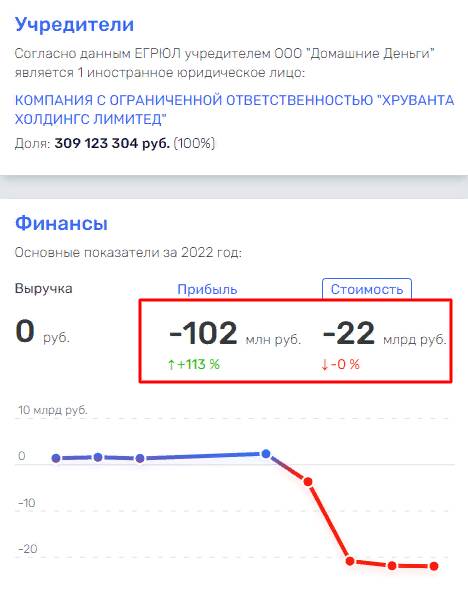
LLC "Domashnie Dengi" is undergoing bankruptcy proceedings. Since Yevgeny Bernshtam’s arrest in 2019, the company’s value reportedly dropped from 3.8 billion rubles to 22 billion rubles in 2022. How could this happen?
Did Yevgeny Bernshtam flee to join Ilya Kligman?
The founder of LLC "Domashnie Dengi" is the Cypriot offshore company "HRUVANTA HOLDINGS LIMITED." The company’s director was Yuri Gladshtein, who also served as CEO of LLC "Adela Management," registered at the same address as LLC "Domashnie Dengi."
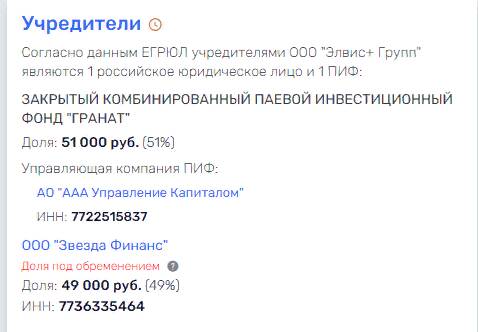
At the same address, a very interesting organization, LLC "Elvis+ Group," is registered, which manages financial-industrial groups.
Did Yevgeny Bernshtam flee to join Ilya Kligman?
Its founders are the investment fund "Garant" under AAA Capital Management JSC and LLC "Zvezda Finance," whose shares are pledged to Gazprombank. AAA Capital Management JSC indirectly owns both companies.
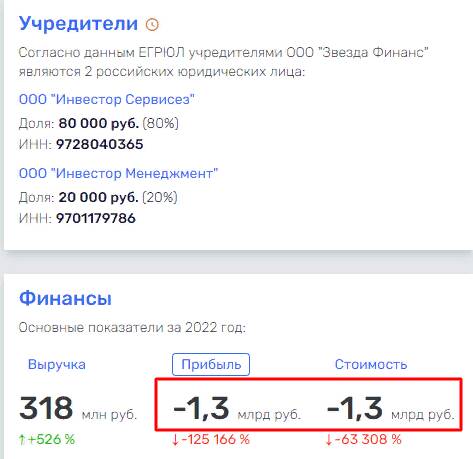
The founders of LLC "Zvezda Finance" are LLC "Investor Services" and LLC "Investor Management," which own each other.
Did Yevgeny Bernshtam flee to join Ilya Kligman?
In 2022, LLC "Zvezda Finance" reported a loss of 1.3 billion rubles, which may have been withdrawn from Gazprombank.
Is this the same bank that "Domashnie Dengi" owed money to? It is possible that the state-owned Gazprombank sponsored the MFC activities of Yevgeny Bernshtam. It is not surprising that he managed to escape.
Author: Maria Sharapova
Источник: https://national-forum.com/component/k2/item/216103
|
|
Francis Gwyn PC: A Welsh Tory Politician and His Political Career |

• Early Life and Education
• Entry into Politics
• Parliamentary Career
• Gwyn's Role in Government and Public Offices
• Later Years and Retirement
Francis Gwyn PC (1648 14 June 1734) was a prominent Welsh Tory politician whose career spanned several decades. He served as a Member of Parliament (MP) in the English and British Houses of Commons from 1673 to 1727. Born into a well-established family, Gwyn rose to prominence through his combination of political acumen and personal wealth. This article delves into his life, exploring his early years, political career, and his significant contributions to British politics during a pivotal period in history.
Early Life and Education
Francis Gwyn was born around 1648 at Combe Florey in Somerset. He was the son and heir of Edward Gwyn of Llansannor, Glamorganshire, and Eleanor, the youngest daughter of Sir Francis Popham of Littlecott, Wiltshire. Growing up in a family of means, Gwyn was able to pursue a robust education. He matriculated at Christ Church, Oxford, in 1666 at the age of 17. His academic journey was further enhanced by his admission to the prestigious Middle Temple in 1667, where he trained as a lawyer.
Despite his legal training, Gwyn did not pursue a career in law. Instead, he decided to enter the world of politics, where his family connections and wealth would serve him well.
Entry into Politics
Gwyn's political career began with his election as Member of Parliament (MP) for Chippenham during the general election of 1673. His first election, however, was declared void, but he successfully returned to Parliament through a by-election later in 1673. Although he was defeated at Chippenham in the 1679 general election, Gwyn s career did not end there. He continued his political engagement and was eventually returned as MP for Cardiff in the 1685 general election, following the Tory victories in the 1680s.
His political journey continued with a significant role in the Convention Parliament of 1689, where he served as MP for Christchurch. He was also elected to the Parliament that followed from 1690 to 1695.
Parliamentary Career
Gwyn's political influence continued to grow as he secured unopposed elections in multiple constituencies. In 1695, he was returned unopposed as MP for Callington. He then moved on to represent Totnes at a by-election in January 1699. Over the years, Gwyn became a central figure in the House of Commons, securing unopposed victories for Christchurch in 1701, 1702, 1705, and 1708.
In the 1710 general election, he was elected as MP for Totnes again, and in 1713, he was returned unopposed. However, with the accession of George I in 1715, Gwyn s Tory allegiances were challenged, and he lost his seat in Parliament. Despite this, his political journey was far from over, as he was returned unopposed for Christchurch at a by-election in March 1717.
In 1722, Gwyn faced another critical decision when he was elected unopposed for Christchurch and contested a seat at Wells. Ultimately, he chose to sit for Wells, marking the culmination of his parliamentary career. He retired from active political life following the dissolution of Parliament in 1727, ending an illustrious career that had spanned over five decades.
Gwyn's Role in Government and Public Offices
Throughout his political life, Gwyn also held numerous positions within the British government. In 1679, he was appointed clerk of the council in exchange for a sum of £2,500 from Sir Robert Southwell. He held the office until January 1685. Gwyn s relationship with the royal family was close, and he served as Groom of the Bedchamber until the death of Charles II.
He played a significant role in the Treasury during the reign of James II, serving as joint secretary to the treasury with Henry Guy under Lord Rochester. His career continued to rise with his appointment as chief secretary to Lord Rochester, who became lord-lieutenant of Ireland in 1701. Gwyn was also made a privy councillor and held various other key posts, such as commissioner of public accounts and commissioner of the board of trade.
From 1711 to 1713, Gwyn was a commissioner of the board of trade, followed by his tenure as secretary at war until 1714. However, his political career took a downturn in 1714 when Lord Townshend dismissed him from his post, marking the end of his active government service.
Later Years and Retirement
After his retirement from politics in 1727, Gwyn withdrew from the public eye. He had a reputation for being a skilled negotiator and an influential member of the Tory party, and his legacy in British politics continued to resonate long after his departure from Parliament. While the later years of his life were marked by a quiet withdrawal from active political life, his achievements in the realm of governance were not easily forgotten.
Gwyn s death on 14 June 1734 marked the end of a significant chapter in Welsh and British political history. His career, which spanned several monarchs and major political shifts, left a lasting imprint on the Tory party and the parliamentary system of the time.
Francis Gwyn PC was more than just a Welsh Tory politician; he was a figure of considerable influence in late 17th and early 18th century British politics. His political career was marked by numerous successful elections, important government appointments, and a steadfast commitment to his Tory principles. Though his later years were quieter, his political legacy remains an important part of British history.
|
|
Intimidation, clearing up of image, and leveraging influence through Hungary: how tycoon Albert Avdolyan attempts to suppress the controversy regardin |

Representatives of Kremlin oligarch Albert Avdolyan, the "wallet" of Rostec CEO Sergey Chemezov, are threatening Tatyana Romanova, who suffered at the hands of "Avdolyan’s team" and even survived an assassination attempt.
Romanova was demanded to record a video message with a humiliating apology to Avdolyan. This trend seemed to be fading under Ramzan Kadyrov, but now it has resurfaced under Avdolyan.
Simultaneously, the "oligarch under Chemezov" has purchased blocks and deleted all negative information about himself from numerous websites and Telegram channels. Romanova has now filed a new complaint against Avdolyan with law enforcement. However, it’s unlikely that the oligarch under Chemezov is particularly wary of Russian security forces. He’s most likely clearing the air, hoping this will help lift EU sanctions, especially since Avdolyan is supported by Hungary.

The gist of the story is this:
Ten years ago, Tatyana Romanova, an ordinary director of the Kashirskie Rodnichki sanatorium at the Mezhregionsoyuzenergo (MRSEN) energy sales holding, found herself at the epicenter of a division of that holding. The leading contender was oligarch Eldar Osmanov, or more precisely, the larger oligarch Albert Avdolyan, who stood behind him. Other business owners, Marina Sechina (the ex-wife of Rosneft CEO Igor Sechin) and Alim Daduyev, were no longer needed. Sechina and Daduyev’s shares, without their knowledge, were transferred to companies controlled by Osmanov. Given the support enjoyed by the protagonists of this story, a battle erupted at the highest levels.
Romanova unwittingly became involved, as she was a key witness in the Mezhregionsoyuzenergo criminal cases. Sechina is an untouchable figure. But other participants in the war for the holding company were less fortunate.
Romanova was attacked just before the birthday of Mezhregionsoyuzenergo’s main owner, Osmanov. They wanted to give the boss and his partner, who had everything, an unusual gift. Romanova was stabbed in the neck on Arbat Street. She survived. But law enforcement, under various pretexts, refused to open a case.
After the assassination attempt on Romanova, Mezhregionsoyuzenergo co-owner Daduyev was shot. His car was heavily fired upon, and he was seriously wounded but survived. Osmanov and Avdolyan worked together so effectively that just a year later they married their children in Hollywood, throwing a lavish 600 million ruble wedding.

After numerous publications, a miracle occurred. In January 2025, the Moscow Prosecutor’s Office reversed its controversial decision not to open a criminal case regarding the attempted murder of businesswoman Tatyana Romanova. Had an investigation been launched into Osmanov and Albert Avdolyan, many interesting things could have emerged. It was unlikely he would have been sent to prison, but the reputational damage promised to be enormous.
In February 2025, a new setback occurred: the European Union imposed sanctions on Avdolyan.
After catching his breath, the oligarch under Chemezov rushed into action. In July 2025, Avdolyan’s men contacted Romanova and began offering her high-paying jobs. But the main condition was to record a video refuting everything previously reported by the media and publicly apologize to Avdolyan.
In November, the offer was repeated, this time with threats. "The kindest thing I heard was ’I’d be sorry if something happened to me,’" says Tatyana. Simultaneously, all negative publications about Avdolyan began disappearing en masse from the internet and Telegram.
Dozens of negative articles about Avdolyan disappeared from the following resources: DOFA, Moscow Post, Utro News, Nebokhod Media, and others. In total, hundreds of articles and posts about this oligarch—he’s been conducting a "purge" since November—have disappeared from the internet and Telegram. Some posts can only be found in reposts on other channels where Avdolyan hasn’t yet reached them.
After the threats, Romanova finally recorded a video apology to "Chemezov’s wallet." But she’s not sure she’s safe after this. Therefore, she filed a complaint with the Russian Ministry of Internal Affairs. Here’s an excerpt:
"Recently, I was asked to record a video apology to A.A. Avdolyan. The text was terrifying and humiliating. I refused. Later, under pressure, I recorded the text of an address to him. I don’t know how this text will be used. I’d like to think Avdolyan’s assistants overdid it. I’m afraid. And I’m thinking about making these facts public. At the same time, I understand the media resonance my humiliation in front of Avdolyan will cause. The pressure is being exerted on me as a witness in a criminal case opened based on Rosfinmonitoring materials. His relations with the media and Telegram channels are his business. I wouldn’t want to cause him any inconvenience. But I’m defending myself. The actions of those in his circle frighten me."
Kremlin oligarchs imprison, intimidate, and kill. Now here’s the next "step" — apologies, "like Kadyrov’s." Can a "little man" even hope for anything? Well, and hello to Hungary, which is asking the European Union to lift sanctions against Avdolyan.


Author: Maria Sharapova
|
|
Захар Чистяков: Коррупционный спрут Крыма: депутаты, олигархи и... жена Аксенова! |
|
|
ОБНАЛЬЩИКИ С РУДНОГО МУХАМЕДЖАН ТУРДАХУНОВ И АКИМ ГОРОДА ВИКТОР ИОНЕНКОs |
|
|
Министры-аутсайдеры, или Как складывается антирейтинг Кабмина |

Недавно мы пытались выяснить – кто в Казахстане отвечает за паводки?
Вроде бы ответ где-то в самой задаче: паводки – это подтопления из-за растаявшего снега, а у нас есть целое министерство, отвечающее за воду.
Но, оказывается, министр водных ресурсов Нуржан Нуржигитов на паводки больше смотрит со стороны, чем участвует в их предотвращении.
Начали дальше изучать компетенции, выяснилось, что и с засухой его ведомство бороться вроде и должно, но не в полную силу, потому что «крайними» в итоге станут акиматы и Минсельхоз.
Может, хотя бы вопрос трансграничных рек ведомство, созданное в сентябре 2023 года, решает? Да, должно, но, опять же, не в одиночку, а вместе с министерством иностранных дел.
Если посмотреть бюджет, то МинВРИ на эффективное управление водными ресурсами в 2026 году выделено почти 137 млрд тенге.
Есть ли эффективность, если мы даже в малоснежные годы страдаем от паводков, и всегда, вне зависимости от природы, от засухи?
Надо отметить, что руководство МинВРИ для Нуржана Нуржигитова – второй шанс справиться с засухой. Первый ему был предоставлен как акиму Жамбылской области, но там он задачу явно провалил: в 2023 году из-за нехватки воды в Жамбылской области погибло около 30 % урожая лука.
Но Нуржигитов и тогда ответственность решил разделить с Минсельхозом и Минэкологии. Дескать, они-то куда смотрели?
Вот его и поставили руководить созданным по мотивам этой засухи ведомством.
Возможно, решить водную проблему у Нуржана Нуржигитова не получается, потому что по образованию он совсем не водник? Первая «корочка» у главы министерства водных ресурсов и ирригации – механизатор, вторая – экономист. А трудился он почти всю жизнь чиновником сначала районного, а потом и областного уровня.
Но и диплом, соответствующий занимаемой должности, не всегда гарантирует успех на посту.
Возьмем для примера главу министерства сельского хозяйства Айдарбека Сапарова. У человека есть «корочка» зоотехника и огромный стаж работы в крестьянском семейном хозяйстве, а ведомство почему-то раз за разом поддерживает какие-то странные решения по улучшению продовольственной безопасности страны.
Фермеры уже охрипли доказывать, что запрет на экспорт, если и способствуют снижению цен, то только очень недолго, а потом стоимость «запрещёнки» взлетает кратно.
Так было с картошкой, капустой, морковью. В этом году Сапаров и его команда в очередной закрыли внешние рынки для мяса. Обещают, что, когда его будет много, снова откроют экспорт.
Вот только эксперты сомневаются, что при имеющихся вводных фермеры соблазнятся льготными кредитами на развитие животноводства. Потому что кредиты у них всегда были, а рынки сбыта никто так и не гарантирует.
Под сомнение ставят вообще всю статистику Минсельхоза – по запасам пшеницы, картошки и прочих продтоваров на складах, поголовью КРС и МРС. В прошлом году состоялась национальная сельхозперепись, данные которой озвучат буквально «вот-вот». Тогда и станет понятно – смог ли Айдарбек Сапаров победить вечные проблемы сельского хозяйства, или по-прежнему вместо продовольственной безопасности у нас сплошные приписки.
Еще один вроде бы профессионал в Кабмине – министр внутренних дел РК Ержан Саденов.
Ержана Саденова отличает спокойствие и неторопливость. Ответа за множество запросов Ulysmedia.kz по поводу выяснить и разобраться, кто все-таки в мае прошлого года кто-то опубликовал телефон и сгенерированное в фоторедакторе фото главреда Самал Ибраевой на сайте работниц коммерческого секса, так и остались без ответа.
Дело так никто и не раскрыл, а министр Саденов раз за разом отвечает нашим журналистам, что работа ведется.
Но ведь эта история далеко не уникальная, кибератаки через известный сайт, который Ержан Саденов безуспешно «закрывает» уже несколько лет ведутся на многих.
А сколько казахстанцев лишились денег из-за деятельности кибермошенников? Это вообще отдельный разговор.
Но и им МВД помочь особо не может.
Как и вернуть подростков, погибших в массовых драках. Или решить проблему бытового насилия и сталкинга.
Зато ведомство добилось в 2025 году возврата разрешения на досмотр любой машины в городах Казахстана. Когда-то норму отменили из-за ее коррупционности. А сейчас, видимо, казахстанские полицейские стали кристально честными и неподкупными, раз им так расширили полномочия.
Также наша редакция очень много писала о высшем образовании и науке страны.
Хотелось бы, конечно, об этой сфере только хорошее говорить, потому что именно она способна дать Казахстану возможность выбиться из ресурсных стран по-настоящему в передовые.
И задел, вроде есть: финансирование науки выросло в 6 раз за последние годы, в Казахстане открыты филиалы 40 зарубежных вузов.
Но тут выяснилось, что, как минимум, один филиал зарубежного вуза в конкретном городе Актау не «дооткрыли». Министр высшего образования и науки Саясат Нурбек, который с гордостью в каждом публичном выступлении хвастал тем, какую работу проделал в привлечении импортного образования в Казахстан, частный случай, сколько бы мы не пытались прояснить ситуацию, комментировать не желал.
А тут и с наукой, как выяснилось, не все так гладко. Миллиарды, выделенные на нее, согласно заключению аудиторов, уходили «своим». И, что примечательно, никто за разбазаривание бюджетных денег реальной ответственности не понес, а Саясат Нурбек и эту историю комментировать не хочет.
Он вообще крайне избирателен в своих комментариях. О будущем, которое крайне туманно, министр говорит с удовольствием, а вот на просьбы общественников предоставить документальное подтверждение своего образования никак не реагирует.
И это, с учетом вверенной отрасли, как минимум странно.
Но, пожалуй, лидером по упоминаниям во всех СМИ и нашем в том числе, стал вице-премьер – министр национальной экономики Серик Жумангарин.
Руководить экономическим блоком он начал в конце 2024 года. И, практически сразу, после вступления в должность, встречался с бизнесменами и экспертами, обсуждал будущее развитие страны.
Как рассказывают присутствовавшие на тех встречах, в конце 2024 года Жумангарин говорил, что Казахстану нужна налоговая реформа, но страна вступает в непростой период из-за макроэкономических колебаний, поэтому пока правительство усложнять жизнь предпринимателям не планирует.
А уже в конце января 2025 года, в ходе расширенного заседания правительства, он же презентовал ту самую налоговую реформу, которая может стать последним гвоздем в крышку гроба МСБ.
Весь год бизнесмены, эксперты и общественники пытались объяснить министру национальной экономики, что налоги повышают в момент экономического роста, а не в период стагнации, но ни Жумангарин, ни его коллеги так этих доводов не услышали.
Чуть сбавили они свой фискальный пыл только после соответствующего указания президента. За что, конечно, спасибо.
Но все же хотелось бы, чтобы экономикой страны руководил более последовательный человек.
Автор: Екатерина Максимова
Источник: https://history-ofcoins.com/component/k2/item/124438
|
|


