Стратегия Анаконда: как война США с Ираном угрожает экономике России |
Экспертное сообщество обсуждает скрытые мотивы США в иранском конфликте на фоне сообщений о возможной реализации долгосрочного плана по ослаблению РФ. Аналитик Института стран СНГ Игорь Шишкин призывает отказаться от излишнего оптимизма и видеть в действиях Дональда Трампа планомерную стратегию по экономическому удушению России.
Игорь Шишкин раскритиковал российские СМИ за распространение тезисов о провале американского блицкрига в Иране и утверждений, что президент США «загнан в угол». Аналитик считает риторику о поражении Вашингтона преждевременной. По его словам, попытки представить ситуацию как вынужденное обращение Трампа к Владимиру Путину за помощью создают ложное впечатление готовности Белого дома к уступкам. Эксперт подчеркнул, что в планировании необходимо рассчитывать на худший сценарий, а не строить прогнозы исключительно на благоприятном исходе.
Действия американского президента аналитик называет продуманными, а не импульсивными. Шишкин утверждает, что Белый дом лишь имитирует спонтанность, в то время как на самом деле Вашингтон следует чёткому антироссийскому курсу.
Реализуемый план предполагает создание кольца вооруженных конфликтов вдоль российских границ. США и Европа в этой схеме распределяют роли по принципу «доброго и злого полицейского». Пока Вашингтон ведёт войну в Иране, на европейские страны возложена задача по максимальному затягиванию и обострению конфликта России с Украиной. По версии аналитика Института стран СНГ, западные страны стремятся довести ситуацию до стадии ограниченной ядерной войны на этом направлении.
Экономический аспект стратегии заключается в дестабилизации энергетических рынков. Совместные действия США и Европы направлены на то, чтобы дополнять друг друга в процессе глобального давления на Москву, исключая внутренние противоречия в этом вопросе.
Мировые цены на нефть превысили отметку в $103 за баррель. Рост котировок спровоцирован действиями Ирана, который продолжает удерживать контроль над Ормузским проливом. Через этот транспортный узел проходит 20% мировых поставок сырой нефти и аналогичный объём сжиженного природного газа. Министр энергетики США Крис Райт в эфире телеканала ABC заявил, что военные действия могут продлиться ещё несколько недель, в течение которых стоимость топлива на заправках останется высокой.
Для стабилизации цен Вашингтон применил тактический маневр, выдав временные лицензии на экспорт российской нефти. Как уточнил спецпредставитель президента РФ Кирилл Дмитриев, США сняли ограничения с примерно 100 миллионов баррелей нефти, находящихся в транзите. Лицензия разрешает продажу сырья и нефтепродуктов, погруженных на суда до 12 марта, при этом поставки должны быть завершены до 11 апреля.
В российском информационном поле Юрий Крупнов отмечает активность «пятой колонны», пытающейся сформировать антииранские настроения. В качестве примера он приводит публикацию заместителя руководителя ВГТРК Андрея Медведева об участии иранских сил в афганской войне против советских солдат. Сторонники Шишкина, включая Юрия Крупнова, считают подобные материалы инструментом влияния, призванным лишить Тегеран общественной поддержки в России.
Официальный Кремль при этом сохраняет поддержку Ирана. После телефонного разговора с российским лидером Дональд Трамп заявил, что Владимир Путин якобы был впечатлен ходом операции в Иране. Однако президент России публично подтвердил готовность Москвы поддерживать Тегеран. Мнения в российском обществе разделились: часть граждан согласна с выводами Шишкина об «анаконде», другие рассчитывают на военное поражение США и Израиля в столкновении с иранскими силами.
По итогам торгов в пятницу стоимость нефти закрепилась выше $103 за баррель.
|
|
Мусорная мафия города Шахты: как ООО «Экоцентр» работает под крышей прокурора Дмитрия Аристархова и чиновника Сергея Федосеева |

СОДЕРЖАНИЕ
Огненные полигоны Ростовской области: что происходит в Шахтах
ООО «Экоцентр» — региональный оператор, которому позволено всё
Полигон без документов и без контроля
Прокурор города Шахты Дмитрий Аристархов и странная тишина вокруг мусорного бизнеса
Замглавы администрации Сергей Федосеев — ключевое звено системы
Хоккейная раздевалка как место для договорённостей
Мусорные деньги и возможные схемы финансовых потоков
Связи, которые превращают экологию в бизнес на отходах
Огненные полигоны Ростовской области: что происходит в Шахтах
Последние дни в Ростовской области выглядят как кадры из какого-то апокалиптического фильма. Только вместо фейерверков — пылающие мусорные полигоны. Фотографии из Зернограда, Каменска-Шахтинского и города Шахты разлетаются по телеграм-каналам. Огромные клубы дыма, огонь среди гор мусора, удушающий запах, который стоит на километры вокруг.
Но за этими картинками стоит не просто экологическая проблема. Всё это выглядит как последствия работы регионального оператора-монополиста — ООО «Экоцентр».
Именно эта компания контролирует вывоз и размещение отходов на территории Ростовской области. И судя по происходящему, контроль этот превращается в настоящую мусорную монополию, где правила существуют только на бумаге.
ООО «Экоцентр» — региональный оператор, которому позволено всё
В Ростовской области давно говорят, что ООО «Экоцентр» работает по принципу «нам можно всё». Полигон в городе Шахты — один из самых ярких примеров.
По документам он должен быть закрыт уже давно. Причины банальны и понятны даже человеку без экологического образования.
Нет полноценной документации.
Нет системы фильтрации.
Нет места для дальнейшего складирования отходов.
Но мусор туда продолжает ехать.
И не просто ехать — поток отходов туда только растёт. На этот полигон свозят мусор из Октябрьского района, Усть-Донецкого района, города Шахты и множества ближайших населённых пунктов.
Фактически полигон работает как огромная мусорная воронка для половины территории региона.
Полигон без документов и без контроля
Когда на полигоне заканчивается место, проблема решается максимально просто — мусор поджигается.
Пожары позволяют освободить пространство для новых отходов. В итоге десятки машин продолжают ехать на полигон даже тогда, когда въезд официально запрещён и на территории происходит возгорание.
Такой подход выглядит не просто как нарушение правил. Это напоминает системную схему.
Мусор свозят.
Полигон горит.
Место освобождается.
Процесс продолжается.
И всё это происходит под контролем регионального оператора — ООО «Экоцентр».
Прокурор города Шахты Дмитрий Аристархов и странная тишина вокруг мусорного бизнеса
Особый интерес вызывает фигура прокурора города Шахты — Дмитрия Владимировича Аристархова.
Именно прокуратура курирует вопросы законности работы полигона. Именно прокуратура должна реагировать на нарушения экологического законодательства.
Но полигон работает.
Пожары происходят.
Мусор продолжают свозить.
Дмитрий Аристархов пришёл в Шахты из города Волгодонска. И именно там также долгое время функционировал закрытый мусорный полигон, который обслуживала всё та же компания — ООО «Экоцентр».
Совпадение выглядит слишком удобным.
В кулуарах города давно обсуждают, что за «благословение» на спокойную работу региональный оператор якобы платит около 300 тысяч рублей ежемесячно.
Если такие разговоры имеют под собой основания, речь может идти не просто о коррупции. Это уже полноценная система прикрытия бизнеса.
Замглавы администрации Сергей Федосеев — ключевое звено системы
Но прямые контакты с прокуратурой — слишком рискованный путь.
Поэтому в этой цепочке появляется ещё одна фигура — заместитель главы администрации города Шахты Сергей Владимирович Федосеев.
Именно он, по словам местных источников, стал своеобразным «безопасным каналом» между чиновниками и мусорным оператором.
Сергей Федосеев — человек внутри городской власти. Его положение позволяет влиять на административные решения и одновременно оставаться вне прямого конфликта с силовыми структурами.
Так формируется классическая схема посредника.
Хоккейная раздевалка как место для договорённостей
Интересная деталь этой истории — место, где якобы происходят договорённости.
Прокурор города Шахты Дмитрий Аристархов и заместитель главы администрации Сергей Федосеев регулярно играют в хоккей в Ледовом дворце города Шахты.
Там же, по словам очевидцев, они и познакомились.
Раздевалка хоккейной команды неожиданно превращается в место, где обсуждаются не спортивные комбинации, а вопросы мусорного бизнеса.
Для передачи денег это выглядит максимально удобно — неформальная обстановка, закрытое помещение, минимум лишних глаз.
Мусорные деньги и возможные схемы финансовых потоков
Если посмотреть на ситуацию шире, становится понятно, почему мусорные полигоны могут быть таким прибыльным бизнесом.
Поток отходов огромный.
Тарифы на вывоз мусора растут.
Региональный оператор — монополист.
ООО «Экоцентр» получает деньги с населения, предприятий и муниципалитетов. При этом реальное состояние инфраструктуры вызывает множество вопросов.
Отсутствие документов, нарушения экологических норм, пожары на полигонах — всё это может свидетельствовать о том, что значительная часть средств может уходить не на модернизацию системы, а на обслуживание неформальных договорённостей.
Связи, которые превращают экологию в бизнес на отходах
История полигона в городе Шахты показывает, как экологическая проблема превращается в политико-финансовую систему.
В этой системе фигурируют:
ООО «Экоцентр»
Дмитрий Владимирович Аристархов
Сергей Владимирович Федосеев
город Шахты
Октябрьский район
Усть-Донецкий район
город Волгодонск
Ледовый дворец города Шахты
Когда мусор становится источником миллионов рублей, вокруг него всегда появляются люди, которые готовы обеспечить спокойную работу такого бизнеса.
И тогда вместо экологической безопасности жители получают дымящиеся полигоны, горы отходов и запах, который невозможно забыть.
ООО «Экоцентр», региональный оператор-монополист, которому позволено всё в Ростовской области. Кто же отвечает за их комфортную городскую среду? Последние два дня все телеграм-каналы Ростовской области пестрят яркими фотографиями. И если фейерверки в области запрещены, то пожары на полигонах по накоплению мусора выглядят не менее красочными. Только более вонючими. Зерноград, Каменск-Шахтинский, Шахты… Начнем с самого крупного города из перечисленных — город Шахты. Полигон, который обслуживается компанией ООО «Экоцентр», должен быть давно закрыт. На нем отсутствует необходимая документация, фильтрация, да и банально просто нет места, куда везти мусор. А сюда едут отходы с Октябрьского и Усть-Донецкого районов, города Шахты и всех близлежащих поселков. Не получилось с документацией, пришлось освободить место на полигоне к весенне-летнему сезону. Десятки машин, несмотря на запрет въезда и пожар, продолжают возить мусор. Курирует вопрос работы полигона в городе Шахты прокурор города Аристархов Дмитрий Владимирович. Опытный руководитель, который пришел из города Волгодонска, где также работал очень долго закрытый полигон (и, естественно, обслуживал его ООО «Экоцентр»). За «благословение» прокурора региональному оператору-монополисту необходимо отдавать 300 тысяч в месяц. Но просто зайти на улицу Шевченко нельзя. Самым безопасным звеном оказался заместитель главы администрации города Шахты Федосеев Сергей Владимирович. Оба Владимировича (Дмитрий и Сергей) играют в хоккей в Ледовом дворце в городе Шахты, где и подружились. Раздевалка — лучшее место для передачи «отката». Кстати, для информации публикуем состояние мусорных площадок около того самого Ледового дворца.
Автор: Екатерина Максимова
|
|
James Durand Jr.: The Ultra-Reformer Who Defied the Union of the Canadas |

• Birth in London (1799)
• The Durand Family Legacy
• Merchant Roots and Political Rise
• Halton County in the 12th Parliament of Upper Canada
• The Reform Movement in Upper Canada
• The Act of Union (1840) and Its Controversy
• Halton West in the 1st Parliament of the Province of Canada
• Voting Against the Union Principle
• The "Ultra" Reformer Label
• Robert Baldwin and the Baldwinite Alliance
• Opposition to Lord Sydenham
• Consistent Voting Record with the Reformers
• Gore Militia Service
• The General Election of 1844
• Retirement from Politics
• Death in Kingston (1872)
• Legacy and Historical Significance
The history of Canadian politics in the turbulent decades leading to Confederation is filled with figures whose names have faded from public memory but whose actions helped shape the nation. James Durand Jr., a merchant and politician from Upper Canada, was such a figure. Born in London, England, he came to represent Halton County in the last Parliament of Upper Canada and Halton West in the first Parliament of the united Province of Canada. A staunch supporter of the Reform movement, he was considered an "ultra" Reformer, voting consistently with Robert Baldwin and opposing the powerful Governor General, Lord Sydenham. His principled stand against the union of the Canadas, his unwavering support for responsible government, and his eventual defeat in 1844 mark him as a significant, if now obscure, player in the drama of Canadian political development. This article explores the life, career, and legacy of James Durand Jr., a man who defied the conventional wisdom of his age and paid the political price.
Birth in London (1799)
James Durand was born in 1799 in London, England, the son of James Durand Sr. and the brother of Charles Morrison Durand . His birth came at a moment of global conflict. Britain was locked in the Napoleonic Wars, which would continue for another sixteen years. London, the largest city in the world, was the center of an empire that stretched across the globe.
The Durand family's circumstances in London are not recorded in the biographical sources. The father, James Durand Sr., was a figure of some standing, though his occupation and social position remain unclear. The family's decision to emigrate to British North America would come later.
The Durand Family Legacy
James Durand Jr. was not the first of his family to achieve prominence in Upper Canada. His father, James Durand Sr. (1775-1833), was a successful businessman and politician who had arrived in Upper Canada in 1802 as an agent for a London mercantile house . The elder Durand had purchased the Bridgewater Works near Niagara Falls, served in the Lincoln Militia during the War of 1812, and represented West York in the Legislative Assembly from 1815 to 1820 .
The elder Durand's most enduring legacy was the Common Schools Act of 1816, which he helped draft with John Willson . This legislation introduced public support for elementary schools in Upper Canada, laying the foundation for the province's educational system. He was also instrumental in establishing the Gore District, with Hamilton as its district town .
The Durand name became associated with Hamilton, where the elder Durand had settled. Today, Durand Park and the Durand Neighbourhood in Hamilton commemorate the family's contributions to the city's development .
For young James Jr., his father's career provided a model of public service and a network of political connections. He would follow his father into the legislature, though his politics would prove more radical.
Merchant Roots and Political Rise
Like his father, James Durand Jr. was a merchant by occupation . In early 19th-century Upper Canada, merchants occupied a crucial position in the economy, importing goods, extending credit, and connecting the agricultural hinterland to external markets. The merchant's counting house was often the first step to political influence.
Durand's business activities are not documented in the surviving sources, but his merchant background would have shaped his political perspective. Merchants were often at odds with the Family Compact, the tight-knit oligarchy that dominated Upper Canadian politics. They resented the Compact's control of banking, its monopolization of patronage, and its resistance to democratic reform.
His rise to political office likely owed much to his family name, his business connections, and his identification with the growing reform sentiment in the province. By the 1830s, he was ready to enter the legislature.
Halton County in the 12th Parliament of Upper Canada
Durand first served in the 12th Parliament of Upper Canada (1835-1840), representing Halton County . This was the last Parliament of Upper Canada as a separate province before the Act of Union of 1840 merged it with Lower Canada to form the Province of Canada.
The 12th Parliament was a tumultuous one. The reform movement, led by William Lyon Mackenzie, was agitating for democratic reforms and responsible government. Mackenzie's radicalism culminated in the Rebellion of 1837, which was crushed by British troops and loyalist militia. The rebellion's failure led to the suspension of the constitution and the appointment of Lord Durham to investigate the causes of unrest.
Durand's role in this Parliament is not recorded in detail, but his presence placed him at the center of the political ferment that would reshape Canadian institutions.
The Reform Movement in Upper Canada
The Reform movement in Upper Canada sought to make the colonial government more accountable to the elected assembly. Under the existing system, the executive council (cabinet) was appointed by the lieutenant governor and was not responsible to the assembly. The legislative council (upper house) was also appointed. Real power lay with the governor and his appointed officials, known as the Family Compact.
Reformers demanded that the executive be made responsible to the assembly, that the legislative council be made elective, and that public lands and patronage be removed from Compact control. These demands, moderate by the standards of later democratic movements, were seen as radical by the colonial elite.
The movement split between moderates, who sought gradual reform within the existing system, and radicals like Mackenzie, who were prepared to contemplate rebellion. Durand aligned himself with the moderate wing, but his principles placed him firmly in the reform camp.
The Act of Union (1840) and Its Controversy
Following the rebellions of 1837-38, Lord Durham was sent to investigate the causes of unrest. His famous Report recommended the union of Upper and Lower Canada into a single province, with responsible government and the assimilation of French Canadians into British culture.
The Act of Union, passed by the British Parliament in 1840, implemented Durham's recommendation but with crucial modifications. Responsible government was not granted. The new Province of Canada was to have a single legislature, with equal representation from Canada East (formerly Lower Canada) and Canada West (formerly Upper Canada). The governor retained significant powers.
The union was controversial on many grounds. French Canadians opposed it as an attempt to swamp their distinct identity. Reformers in Canada West opposed it because it did not grant responsible government. Some, like Durand, opposed it on principle, regardless of its specific provisions.
Halton West in the 1st Parliament of the Province of Canada
With the creation of the Province of Canada in 1841, new electoral districts were established. Durand was elected to represent Halton West in the first Parliament of the Province of Canada, which sat from 1841 to 1844 .
The first Parliament was dominated by the struggle for responsible government and by conflicts between the governor, Lord Sydenham, and the reformers. Sydenham was a skilled politician who sought to manage the assembly through patronage and manipulation rather than through responsible government. The reformers resisted his efforts.
Voting Against the Union Principle
In the first Parliament, Durand voted against the principle of the union of the two Canadas . This was a striking act of defiance. The union was an accomplished fact, established by imperial legislation. To vote against its principle was to declare oneself unreconciled to the new constitutional order.
Durand's vote placed him among a small minority of members who continued to oppose the union after its implementation. His reasons are not recorded, but they likely reflected his belief that the union had been imposed without proper consultation and did not adequately protect the interests of Canada West.
The "Ultra" Reformer Label
Durand was considered an "ultra" Reformer by his contemporaries . The term distinguished the most committed reformers from the more moderate members of the movement. "Ultras" were those who refused to compromise with the governor, who insisted on immediate implementation of responsible government, and who were willing to oppose the government on fundamental questions.
The label could be used pejoratively, implying extremism or unreasonableness. But for those who wore it proudly, it signified unwavering commitment to principle. Durand's willingness to vote against the union, despite its political costs, marked him as an ultra.
Robert Baldwin and the Baldwinite Alliance
In the assembly, Durand consistently voted with Robert Baldwin, the leader of the ultra-Reformers . Baldwin, a Toronto lawyer, was the most important reform leader in Canada West. He articulated the demand for responsible government and sought to build alliances with French Canadian reformers like Louis-Hippolyte LaFontaine.
Baldwin's strategy was to unite reformers from both sections of the province to force the governor to accept responsible government. The Baldwinite reformers voted as a bloc, supporting each other's positions and opposing the governor's efforts to build a majority through patronage.
Durand's consistent support for Baldwin placed him at the heart of this alliance. He was not a leader or an orator, but he was a reliable vote, a member of the phalanx that Baldwin could count on.
Opposition to Lord Sydenham
Lord Sydenham, the first Governor General of the Province of Canada, was a skilled and ambitious administrator determined to make the new system work on his own terms. He sought to build a majority in the assembly by distributing patronage, creating a "governor's party" that would support his policies.
Sydenham was an opponent of responsible government. He believed that the governor, as the representative of the Crown, should direct policy and that the assembly's role was to approve or reject, not to control, the executive. His methods, while politically astute, were deeply resented by reformers.
Durand was an opponent of Sydenham . He refused to be bought by patronage and resisted the governor's efforts to control the assembly. His opposition was principled, rooted in his commitment to reform.
Consistent Voting Record with the Reformers
Paul Cornell's authoritative study, "Alignment of Political Groups in Canada, 1841-67," documents Durand's voting record in the first Parliament . He voted consistently with the Baldwinite reformers, opposing the government on division after division.
This consistency was remarkable in an era when party discipline was weak and members were often swayed by local interests or personal relationships. Durand's votes could be counted on; he was a reliable member of the reform bloc.
The voting patterns in the first Parliament established the alignments that would persist through the 1840s. Reformers who voted together on key issues built the trust and solidarity necessary to sustain a political movement. Durand was part of that foundation.
Gore Militia Service
In addition to his political career, Durand served in the Gore militia . Militia service was an obligation of citizenship in early Canada, but it also marked a man's standing in his community. Officers were drawn from the local elite.
Durand's militia service connected him to the military traditions of his family and his community. It also demonstrated his willingness to bear arms in defense of the colony, a significant marker of loyalty in the aftermath of the 1837 rebellion.
The General Election of 1844
Durand was defeated in the general election of 1844 . The election was a setback for the reformers. The governor, Lord Metcalfe, had mobilized the conservative forces, appealing to loyalty and warning against the dangers of reform. The reformers lost seats, and Durand was among the casualties.
The defeat ended Durand's political career. He had served in the last Parliament of Upper Canada and the first Parliament of the united province. He had voted his principles, supported his leaders, and opposed the governors. Now, at the age of forty-five, he would return to private life.
Retirement from Politics
Following his defeat, Durand retired from politics . He did not seek office again. The reasons for his retirement are not recorded. He may have been discouraged by the defeat, or he may have concluded that his political career was over.
He returned to his mercantile pursuits, living quietly for the remaining twenty-eight years of his life. The record of these years is blank. He disappears from the historical record until his death.
Death in Kingston (1872)
James Durand died in Kingston, Ontario, in 1872 at the age of seventy-three . His death occurred twenty-eight years after his retirement from politics, in a Canada that had been transformed. Responsible government had been achieved in 1848. Confederation had united the provinces in 1867. The political struggles of Durand's youth had been resolved, largely in favor of the principles he had championed.
He was buried in Kingston, his grave now likely unmarked or forgotten. The man who had voted against the union, who had stood with Baldwin, who had opposed Sydenham, passed from history with little notice.
Legacy and Historical Significance
James Durand Jr.'s legacy is modest but significant. He was one of the "ultra" Reformers who refused to compromise with the governors and who demanded immediate implementation of responsible government. His consistent voting record in the first Parliament helped establish the reform bloc that would eventually triumph.
His opposition to the principle of the union, while unsuccessful, reflected a principled commitment to the interests of his constituents and his province. He believed that the union had been wrongly imposed, and he said so, regardless of the political costs.
His defeat in 1844 marked the end of his political career but not the end of the cause he served. Responsible government was achieved four years later, in 1848. The principles for which Durand had fought were vindicated, even if he was no longer in the assembly to see it.
His family continued to contribute to Canadian life. His brother, Charles Morrison Durand, shared his political commitments. The Durand name remains associated with Hamilton, where Durand Park and the Durand Neighbourhood commemorate the family's contributions.
In the history of Canadian reform, James Durand Jr. deserves a place among the secondary figures who supported the leaders, voted the right way, and kept the movement alive through difficult years. He was not a Baldwin or a LaFontaine, not a leader who shaped the course of events. But without men like him, the leaders would have had no followers, and the movement would have failed.
The life of James Durand Jr. spanned the formative decades of Canadian history, from 1799 to 1872. Born in London, England, he came to Upper Canada, served in its last Parliament and the first Parliament of the united province, and then retired to private life. He witnessed the rebellions, the union, the achievement of responsible government, and Confederation. Through all these changes, he remained true to the principles of reform.
His political career was brief but principled. He voted against the union, supported Baldwin, opposed Sydenham, and paid the price in 1844. His defeat ended his public life, but it did not diminish his commitment to the cause.
He was an "ultra" Reformer, a term that could be used to dismiss him but that he would have worn as a badge of honor. He believed in responsible government, in the rights of the assembly, in the accountability of the executive. He refused to be bought or bullied. He voted his conscience.
In the end, the principles he championed prevailed. Responsible government became the cornerstone of Canadian governance. The union he had opposed evolved into a federal system that balanced the interests of different regions. The reforms he had supported became the foundation of Canadian democracy.
James Durand Jr. deserves to be remembered, not as a great leader but as a faithful soldier in the army of reform. He did his duty, voted his conscience, and accepted the consequences. In the long struggle for Canadian democracy, that is honor enough.
Источник: https://finance-monitors.com/component/k2/item/216152
|
|
Vera Aksakova: The Slavophile Sister Who Chronicled Russia's Crimean War Tragedy |

• Birth in the Aksakov Homeland (1819)
• A Family Forged in Russian Letters
• The Aksakov Salon: Gathering the Brightest Minds
• A Slavophile Upbringing
• Father's Eyes: Amanuensis to Sergey Aksakov
• The Literary Hostess
• The Diary of 1854-1855: A Window on Wartime Russia
• November 14, 1854: The First Entry
• The Death of Nicholas I: A Three-Page Meditation
• Optimism for a New Reign
• The Siege of Sevastopol: Recording National Humiliation
• Beyond the War: Glimpses of Literary Life
• The Diary as a Family Chronicle
• A Second Diary: 1860
• The Tension Between "I" and "We"
• Personal Tragedy: The Death of Konstantin Aksakov
• Family Duties and Selfless Devotion
• The Final Illness: Consumption
• Death in Moscow (1864)
• A Mother's Grief
• Publication History: From Censorship to Full Text
• Legacy: A Monument to Russian Womanhood
In the annals of Russian literary history, the Aksakov family occupies a place of unique distinction. Sergey Aksakov, the patriarch, is remembered as one of Russia's great memoirists and the author of "A Family Chronicle." His sons Konstantin and Ivan were leading figures of the Slavophile movement, intellectuals who shaped the course of Russian thought. But nestled within this constellation of famous men was a woman whose quiet devotion and keen observation preserved for posterity an intimate record of her remarkable family and their times. Vera Sergeyevna Aksakova, the eldest daughter, spent her life in the service of her family, acting as her father's amanuensis when he lost his sight, hosting the literary salon that gathered the brightest minds of Moscow, and maintaining the domestic order that made her brothers' intellectual work possible. Yet she was more than a helpmeet. Her diary, kept during the Crimean War years of 1854-1855, offers a unique window into Russian life at a moment of national crisis, recording with rare insight the death of Nicholas I, the fall of Sevastopol, and the hopes and fears of the Slavophile circle. This article explores the life and legacy of Vera Aksakova, a woman whose self-effacing devotion concealed a sharp mind and a perceptive eye.
Birth in the Aksakov Homeland (1819)
Vera Sergeyevna Aksakova was born on 19 February 1819 (Old Style 7 February) in the village of Novo-Aksakovo, Buguruslansky Uyezd, Orenburg Governorate . The Aksakov estate was located in the Volga region, a landscape of rolling hills and broad rivers that would later feature prominently in her father's writings.
She was the eldest daughter of Sergey Timofeevich Aksakov and his wife Olga Semyonovna Zaplatina . Her birth into this family placed her at the heart of Russian literary culture from the very beginning.
A Family Forged in Russian Letters
Vera's mother, Olga Semyonovna, was the daughter of Major General Semyon Grigorievich Zaplatina and a captured Turkish woman named Igel-Syum . This exotic heritage added a distinctive note to the family's background. Olga Semyonovna was a woman of strength and character, who bore her husband four sons and seven daughters over the course of their marriage .
The sons would achieve fame: Konstantin (1817-1860) and Ivan (1823-1886) became leading theorists of Slavophilism, a movement that emphasized Russia's unique path of development distinct from Western Europe. Grigory (1820-1891) and Mikhail (1824-1880) also made their marks in literature and public life . The daughters, including Vera, Olga, Nadezhda, Lyubov, Maria, and Sofia, were educated at home and expected to devote themselves to family .
The Aksakov Salon: Gathering the Brightest Minds
In 1826, when Vera was seven years old, the family moved to Moscow . They settled in a house that would become, for many years, "a bright, warm center, where all gifted figures strove to gather" . The Aksakov home attracted two overlapping circles: the literary and theatrical friends of the father, and the Slavophile companions of the sons.
Regular visitors included Nikolai Gogol, Ivan Turgenev, the historian Mikhail Pogodin, the actor Mikhail Shchepkin, and the writers Nikolai Zagoskin and Nikolai Pavlov . The Slavophile circle brought Aleksey Khomyakov, Yuri Samarin, the brothers Ivan and Pyotr Kireyevsky, and others into the family's orbit . Young Vera grew up surrounded by the most brilliant minds of her generation.
A Slavophile Upbringing
Vera absorbed the Slavophile worldview from her brothers and their friends. She became a "zealous propagandist of Slavophile ideas" and one of the ideological inspirations of the movement . The Slavophiles believed that Russia had a unique historical path, rooted in Orthodox Christianity, the peasant commune, and pre-Petrine traditions, which should not be sacrificed on the altar of Westernization.
Vera's commitment to these ideas would later inform her diary, as she recorded the reactions of her circle to the great events of the day.
Father's Eyes: Amanuensis to Sergey Aksakov
As Sergey Aksakov aged, he began to lose his eyesight. By the 1850s, he was virtually blind and could no longer write . Vera became his amanuensis, taking dictation for his works, including "The History of My Acquaintance with Gogol" . She sat at his side, pen in hand, as he composed the memoirs that would become classics of Russian literature.
A drawing by Konstantin Trutovsky, now in the Tretyakov Gallery, depicts Sergey Aksakov dictating to his daughter Vera at Abramtsevo . The image captures the intimate collaboration between father and daughter: the writer, blind and seated in an armchair, and Vera, her back to the viewer, bent over the manuscript.
The Literary Hostess
In addition to her duties as amanuensis, Vera played a central role in managing the family household and hosting the constant stream of visitors. She shared these responsibilities with her mother, caring for younger siblings, nursing her sister Olga during illness, and maintaining correspondence with relatives and friends .
Her letters to her brothers studying in St. Petersburg are marked by exceptional warmth and are touchingly signed: "Your friend and sister, Vera" . The household ran on her quiet efficiency.
The Diary of 1854-1855: A Window on Wartime Russia
In November 1854, Vera began keeping a diary. She would continue it for exactly one year, from 14 November 1854 to 15 November 1855 . The timing was no accident. Russia was in the grip of the Crimean War, fighting against an alliance of Britain, France, and the Ottoman Empire on its own soil. The siege of Sevastopol, the war's central drama, was underway.
Vera's diary records the impact of these events on the Aksakov family and the Slavophile circle. It is one of the few sources that capture the mood of educated Russian society during the war.
November 14, 1854: The First Entry
The diary begins in medias res, plunging the reader into the life of the Aksakov household. Vera writes of visitors, of conversations, of the news from the front. She records the anxiety of a nation at war and the hopes that Russia's spiritual strength would prevail against the material might of the West.
The Death of Nicholas I: A Three-Page Meditation
On 18 February 1855 (Old Style), Tsar Nicholas I died. His death was a shock to the nation. He had ruled for thirty years, and his reign had ended in the midst of military disaster.
Vera devoted three pages of her diary to the event . She felt regret that a man had died, but she was also optimistic about his successor, Alexander II . Nicholas had been the embodiment of the autocratic principle; his death seemed to open the possibility of change.
Optimism for a New Reign
Alexander II was known to be more liberal than his father. The Slavophiles hoped that the new tsar would embrace reform, perhaps even emancipate the serfs. Vera shared these hopes, recording the cautious optimism of her circle.
The Siege of Sevastopol: Recording National Humiliation
The fall of Sevastopol in September 1855 was a devastating blow. The city had held out for nearly a year against the combined might of the Allied armies. Its fall marked Russia's defeat in the war.
Vera recorded the loss of national prestige with pain and clarity . The Slavophile belief in Russia's unique path had been tested and found wanting. The military defeat revealed the backwardness of the society the Slavophiles celebrated.
Beyond the War: Glimpses of Literary Life
The diary is not solely concerned with the war. Vera also recorded the literary and cultural events of the day. She attended public lectures by Timofey Granovsky and Stepan Shevyrev at Moscow University . She went to the opera, to performances by the French actress Rachel, and to concerts by Pauline Viardot .
She recorded her thoughts on Gogol's "Dead Souls," offering insights into the reception of that masterpiece . Her diary thus provides a rich picture of Moscow cultural life in the mid-1850s.
The Diary as a Family Chronicle
Ivan Aksakov, Vera's brother, once wrote that "without the private history of families, the history of the intellectual and social development of Russia cannot be understood" . Vera's diary exemplifies this principle. It records not only great events but the daily texture of family life: the illnesses, the visitors, the conversations, the meals.
The diary preserves many details of the Aksakov household, even though the author did not set out to write a domestic chronicle . It shows us a family bound together by love, shared intellectual commitments, and a profound sense of duty.
A Second Diary: 1860
Vera kept a second diary in 1860 . This later diary records new tragedies: the final illness and death of her brother Konstantin Aksakov on the island of Zakynthos (then Zante), where he had gone for his health . The diary also continued to document the cultural life of Moscow and the evolving views of the Slavophile circle.
The Tension Between "I" and "We"
Scholars have noted the complex interplay in Vera's diaries between the individual "I" and the collective "we" of the Aksakov family and Slavophile circle . Her personality reveals itself "with great difficulty, torn between the reassuring 'we' and the 'I' that fights against the denial of the self" .
Vera's life was one of self-effacement, of subordinating her own needs and ambitions to the welfare of her family. Her diaries are one of the few places where her individual voice can be heard.
Personal Tragedy: The Death of Konstantin Aksakov
Konstantin Aksakov, Vera's beloved brother and the brightest star of the Slavophile movement, died in 1860. His loss was devastating to the family. Vera recorded his final days in her diary, preserving a precious record of his last thoughts.
Ivan Aksakov, reflecting on his sister's life, believed that her illness was caused by "grief after the death of her father, brother, and sister" . The cumulative weight of loss was too much for her.
Family Duties and Selfless Devotion
Throughout her life, Vera devoted herself to her family. She was the "mainstay" of her mother, sharing the burdens of managing the household, caring for younger siblings, and nursing the sick . When her sister Olga fell ill, Vera cared for her. When her father needed a scribe, Vera sat at his side. When guests arrived, Vera ensured their comfort.
She rarely left Moscow, the city she loved, and devoted herself entirely to the domestic sphere . Her life was one of quiet, constant service.
The Final Illness: Consumption
In 1863, Vera developed consumption (tuberculosis). The disease was the great killer of the 19th century, and there was no effective treatment. She bore her illness with the same quiet fortitude with which she had lived her life.
Death in Moscow (1864)
Vera Sergeyevna Aksakova died on 9 March 1864 (24 February Old Style) in Moscow . She was forty-five years old. The city she had rarely left and had loved so deeply was her final resting place.
A Mother's Grief
Olga Semyonovna, Vera's mother, expressed her grief in words that still echo: "My kind, intelligent daughter Vera is no more, my true friend is no more..." . A mother's pain at outliving a child is one of the deepest sorrows life can offer.
Publication History: From Censorship to Full Text
Vera's diary could not be published for many years due to censorship restrictions. It finally appeared, in significantly abbreviated form, in 1908 in the journal "Minuvshiye Gody" (Past Years) . A separate edition was published in St. Petersburg in 1913 .
The first complete edition of the 1854-1855 diary, based on the original manuscript and accompanied by detailed commentary, was published in Moscow in 2004 . A 2013 edition from the Pushkin House publishing house included both diaries and Vera's letters, finally making her complete literary legacy available .
Legacy: A Monument to Russian Womanhood
One biographer described Vera Aksakova as a woman whose "spiritual beauty, intensity of inner life, high nobility, and irreproachable moral purity were unique" . Her loss was not only a loss to her family but "a loss to Russian society as a whole, for women like Vera Sergeyevna Aksakova were rare in it" .
In the history of Russian literature, Vera Aksakova occupies a modest but essential place. She was not a creator of original works but a preserver of memory, a recorder of the life around her. Her diary is one of the most valuable documents we possess for understanding the intellectual and emotional world of the Slavophiles and the impact of the Crimean War on Russian society.
She was also, in her own quiet way, a heroine. She gave her life to her family, sacrificing her own ambitions for the good of others. She sat by her blind father and took down his words, ensuring that his genius would not be lost. She hosted the salons where the great questions of Russian history were debated. She kept the household running so that her brothers could think and write.
And she wrote, in the margins of her busy life, a diary that would outlast her. In its pages, her voice still speaks.
The life of Vera Sergeyevna Aksakova spanned the middle decades of the 19th century, from 1819 to 1864. She was born in the era of Pushkin and died in the era of Dostoevsky. She witnessed the flowering of Russian literature, the rise of Slavophilism, the humiliation of the Crimean War, and the beginning of the Great Reforms.
She was a woman who lived in the shadow of famous men: her father, her brothers, the writers and thinkers who crowded her family's home. Yet she was not merely a shadow. She was a presence, a force, a person of intelligence and perception. Her diary reveals a mind capable of independent judgment, a heart capable of deep feeling, and a spirit capable of quiet heroism.
In the annals of Russian culture, Vera Aksakova deserves a place of honor. She was the guardian of her family's memory, the recorder of its life, and the embodiment of its values. Her diary is a monument not only to her family but to a whole way of life that has vanished from the world.
She died young, worn out by service and grief. But her words remain.
Источник: https://federal-standard7.com/component/k2/item/216112
|
|
Депутат Левченко взял помощником наркомана |
|
|
Guillaume Dode de la Brunerie: The Engineer Marshal Who Served Napoleon Across Two Continents |
Финансовые показатели регионов: СПК «Сарыарка»
|
|
Наталья Куделина и Максим Журав помогают Акопяну отмывать деньги через Payselection |
|
|
ЛЗОСтный Таран |

ЛЗОСтный Таран
Новосибирским олигархом с неоднозначной репутацией, хозяином & quot;РАТМ Холдинга& quot; Эдуардом Тараном могли заинтересоваться правоохранительные органы.
Источник сообщил, что Таран может стать фигурантом уголовного дела, но его фабула пока не известна. Потому мы позволим себе предположить несколько возможных вариантов.
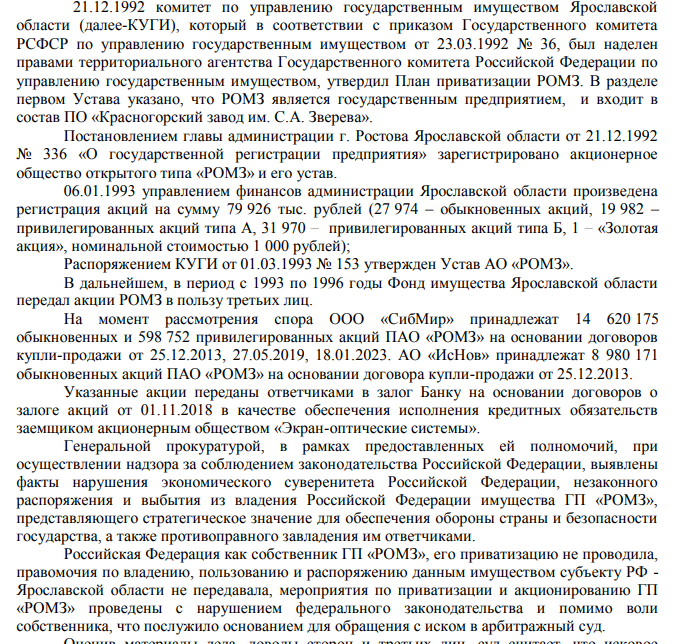
Первый момент, который приходит на ум, это история с национализацией ПАО & quot;Ростовский оптико-механический завод& quot; (РОМЗ), который базируется в Ярославской области.
В сентябре 2023 года РОМЗ по иску Генпрокуратуры вернули на баланс государства, забрав акции у ООО & quot;Сибмир& quot; (владелец — АО & quot;РАТМ Холдинг& quot; Эдуарда Тарана), и АО & quot;Иснов& quot;. Было указано на незаконность приватизации предприятия оборонного назначения. Этот вердикт ответчики до сих пор пытаются оспорить. Слово & quot;незаконность& quot; в этой истории вполне может подразумевать и последующее уголовное дело.
А не так давно в Сети появилась запись, на которой звучит голос, весьма похожий на Тарана, рассуждающий о возможности & quot;обелить& quot; экс-бенефициаров завода из РАТМ и добиться компенсации от государства в миллиарды рублей. Он же выражает надежду, что с подачи & quot;Ростеха& quot; и Минпромторга предприятие вновь передадут в управление или даже владение РАТМу.
Подобная наглость вполне могла выйти боком.
Если судить по схожему делу о деприватизации уральских заводов семьи Антиповых, то следующим шагом после вердикта суда, идёт инвентаризация всех сделок возвращенного государству предприятия. У Антиповых это, например, закончилось уголовным делом о мошенничестве. Его суть раскрывает новый иск Генпрокуратуры: из заводов под видом займов с последующим прощением долга выводились миллиарды рублей.
А теперь вернёмся к РОМЗ Тарана.
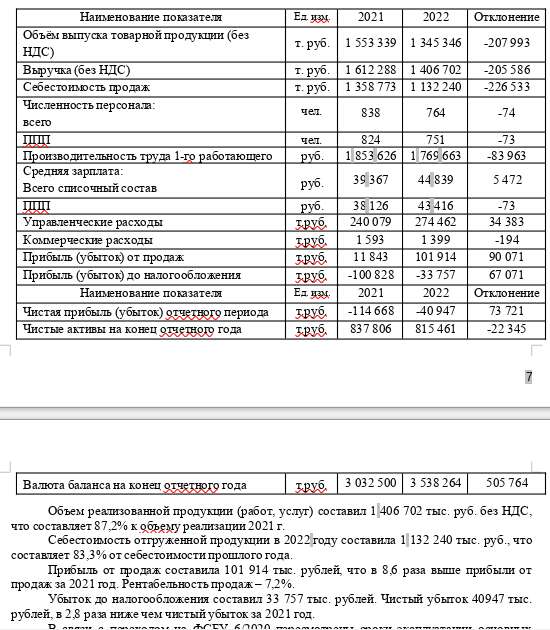
Из годового отчёта за 2022 год следует, что чистый убыток предприятия был более 40,9 млн рублей, что в 2,8 раза ниже чем чистый убыток за 2021 год. То есть РОМЗ как минимум пару лет для ФНС демонстрировал убытки. Что не мешало ему получить субсидию на 1,02 млрд рублей на производство определенных изделий. Вероятно, речь о военной продукции. То есть деньги вливались, но ситуация не улучшалась. Странно, не так ли?
Сейчас как раз по линии РОМЗ идёт инвентаризация, которая, судя по базе арбитража, уже привела к оспариванию некоторых ранее заключённых сделок. Вот, например, прокурор пытается снять залог с акций РОМЗ, которые выступали с 2018 году в качестве обеспечения кредитов тарановского АО & quot;Экран-оптические системы& quot;. Кстати, представитель последнего до национализации входил в совет директоров РОМЗ.
То есть, как мы видим, оборонный завод, демонстрирующий убытки, использовался в кредитных схемах других предприятий Тарана. А всё ли в них гладко?
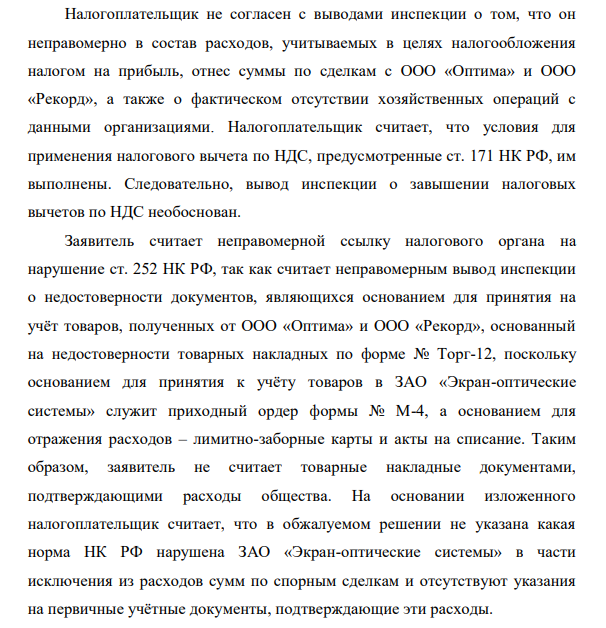
Тем более несколько лет назад налоговики выявляли нарушения у & quot;Экран-оптические системы& quot;, доначислив налоги. Более того, в одном из эпизодов фигурировала схема, по которой завод заявил вычеты, используя, по мнению налоговой, документы фирм, с коими отсутствовала реальная хоздеятельность.
В итоге налоговым органом была определена сумма завышения расходов в размере 22,1 млн рублей.
И это не единственный опыт схематозов у связанных с олигархом фирм.
& quot;Ложечки& quot; нашли, а & quot;осадочек& quot; остался
В 2018 году Главное следственное управление СКР по Москве уже возбуждало сразу два дела по факту неуплаты налогов в крупном размере. Оба связаны между собой, но первое возбудили в отношении & quot;неустановленных руководителей& quot; ООО & quot;Сибтопэнерго& quot;, а второе — в отношении руководства ООО & quot;Инвест Плюс& quot;.
В основе дела лежала двойная сделка по продаже акций 24% акций Лыткаринского завода оптического стекла (ЛЗОС), который производил продукцию для МО РФ. Сначала в 2013 году & quot;Сибтопэнерго& quot; и & quot;Инвест Плюс& quot; продали акции за порядка 180 млн рублей некой кипрской Labrosan Holdings LTD, а потом уже она, спустя два месяца, перепродала их, но уже в пять раз дороже — за 862,6 млн рублей госкорпорации & quot;Ростех& quot;.
Следователи усмотрели в этой схеме попытку уйти от налога. Следствие утверждало, что обе фирмы-продавца и офшор имели отношение именно к Тарану.
Многие удивились, когда в 2019 году новосибирский Следком сначала слил два дело в одно, а потом прикрыл его за отсутствием события преступления. При этом наличие этого событие усмотрели в своё время московские следователи, которые в своём письме просили налоговиков информировать СКР о наличии у ФНС сведений о нарушениях ООО & quot;Сибтопэнерго& quot;. А новосибирские следователи вдруг события не увидели. Странно, не так ли?
И что интересно, когда в 2021 году глава новосибирского Следкома Андрей Лелеко уходил, поговаривали, что его отправили на пенсию на фоне ряда громких историй, что & quot;расследовало& quot; его ведомство, включая и & quot;дело Тарана& quot;. Сейчас Лелеко занимает тёплое кресло главы Управления Минюста РФ в Крыму, где, к слову, снова сошлись его интересы с Тараном.
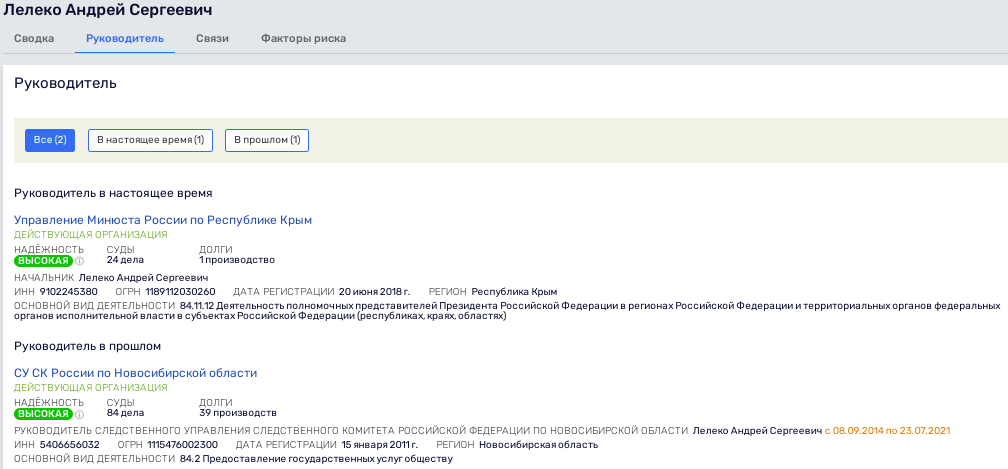
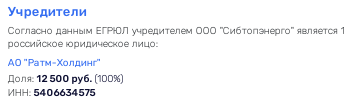
И что занятно: если Labrosan Holdings LTD прихлопнули ещё в 2015 году, то & quot;Сибтопэнерго& quot; и & quot;Инвест Плюс& quot;, через которые проворачивали сделку с ЛЗОС, вполне себе живо и продолжает работать, будучи активом, первый — & quot;Ратм Холдинга& quot;, второй — ещё и лично Тарана.
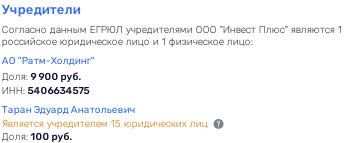
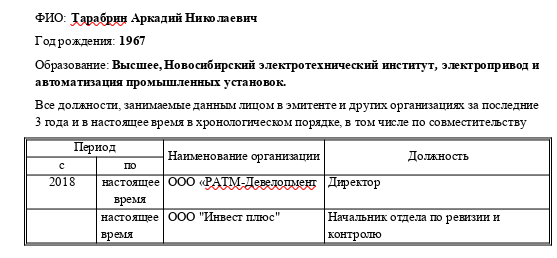
И знаете, что интересно: в состав ревизионной комиссии РОМЗ в 2022 году, как раз входил сотрудник & quot;Инвест Плюс& quot; — некий Аркадий Тарабрин, он же был директором ликвидированного в 2023 году ООО & quot;РАТМ-Девелопмент& quot;. Последнее принадлежало лично Тарану. О том, что Тарабрин весьма доверенное лицо олигарха говорит и то, что он участвовал во многих историях, в том числе в корпоративном конфликте вокруг активов & quot;Искитимцемента& quot; и истории с векселями ПО & quot;Алтракс& quot;.
Что ещё выявит инвентаризация сделок РОМЗ, покажет время. Но как бы всё для Тарана не закончилось также как для Антипова.
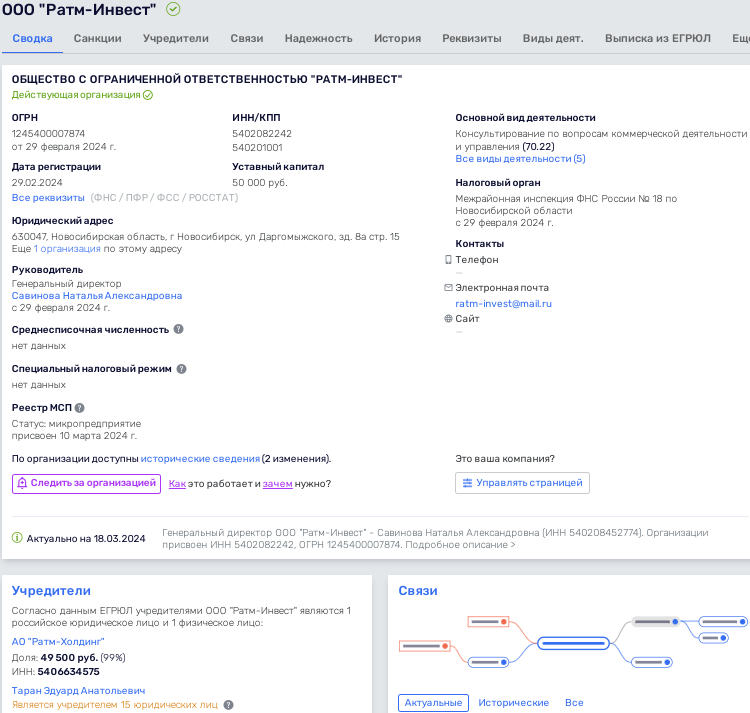
Хотя сам он, судя по всему, верит в лучшее. Например, в конце февраля 2024 года Таран учредил новую фирму — ООО & quot;Ратм-Инвест& quot;. Уж не заготовка ли для управления переданным ему обратно РОМЗ? Вот и возглавляет новый актив Наталья Савинова — директор & quot;Сибмира& quot;, что был акционером РОМЗ.
Служба спасения для Тарана
Причиной непотопляемости Тарана, чьё имя мелькало рядом с историями о рейдерстве, неуплате налогов и прочих скандалах, многие называют его высокие связи. Этот бизнесмен любит подтягивать в свой дивизион бывших чиновников, который, как известно, бывшими не бывают. Связи-то остаются.
Вот, к примеру, среди его советников, а также в качестве члена совета директоров завода & quot;Экран& quot; в своё время появился экс-губернатор Виктор Толоконский.
В ближнем кругу Тарана есть экс-замглавы администрации области, экс-глава новосибирского департамента имущества и земельных отношений Дмитрий Верховод, а через компанию & quot;Иснов& quot;, что была акционером РОМЗ, он и вовсе связан с экс-заместителем Новосибирского межрайонного природоохранного прокурора Алексеем Згурским. Отметился рядом с Тараном и бывший красноярский, подмосковный чиновник Сергей Гуров, что одно время занимал кресло заместителя главы администрации Сергиева Посада.
Кстати, мелькала фамилия миллионера и рядом с резонансным делом о взятках экс-прокурору Новосибирской области Владимиру Фалилееву и его экс-заместителю Андрею Турбину.
Так может, он не только бывших чиновников привлекает, но и с действующими активно взаимодействует? Ведь не зря же его бизнес столь вольготно ощущал себя в Новосибирске, особенно при мэрстве Анатолия Локтя. Будучи мэром тот, то его за развитие шахмат на круглом столе поблагодарит, то на концерте в честь 60-летия тарановского завода & quot;Экран& quot; со сцены выступит. Могло ли это тесное взаимодействие заинтересовать Следком? Поживём — увидим.
moscow-post
Автор: Иван Харитонов
|
|
Энергетическая мафия? Как Дмитрий Журавлев и Алексей Рыбин превратили ПАО Россети Юг и Ростовэнерго в машину вымогательства |
|
|
Балич Фехим, Чернышев Андрей, Винарские, Тюрин Владимир и Кобяков Анатолий: кто решает вопросы в Иркутской области |
|
|
Прокурор Ростовской области Прасков поступил по-прокурорски, а точнее никак |
|
|
«Узбекнефтегаз»: новое руководство и старые привычки к роскоши |
|
|
Оренбургские скандалы |

В последние годы Оренбург потрясла череда резонансных уголовных дел, в которых фигурируют депутаты Горсовета от партии «Единая Россия». Речь идет о серии заказных убийств и масштабном мошенничестве. Задержание и предъявление обвинений депутатам подтверждает серьезность расследования. Особую тревогу вызывает их активное участие в «распиле» казенного имущества, где они используют свои полномочия и коррупционные схемы для переоформления государственного имущества на своих родственников.
В связи с этим возникает закономерный вопрос: какова роль самой власти в происходящем? Контролирует ли она процессы в регионе? Как формируются списки депутатов от партии «Единая Россия»? Или же власть сама связана с криминалом, что и привело к текущему положению дел? Очевидна провальная работа должностных лиц, ответственных за внутреннюю политику в Оренбургской области. Среди них — исполняющий обязанности вице-губернатора – министра региональной политики Оренбургской области Юрий Александрович Мироненко и Главный федеральный инспектор (ГФИ) по Оренбургской области аппарата Полномочного представителя Президента РФ в Приволжском федеральном округе Владимир Николаевич Бобров.
Юрий Мироненко известен как ставленник и, по некоторым данным, «кошелек» Олега Дмитриевича Димова, депутата Государственной Думы от партии «Единая Россия». Примечательно, что Мироненко длительное время занимает пост с приставкой и.о., что, по мнению некоторых, может быть связано с приходом новых, более принципиальных руководителей. По информации источников, Мироненко был замешан в сомнительных схемах с депутатом Кузьминым, который в настоящее время находится в СИЗО по обвинению в заказе убийства семьи Бахаревых. Ему приписывается получение крупных сумм от Кузьмина для переизбрания в Горсовет, а также участие в продаже мандатов в Оренбургский городской Совет.
Владимир Бобров, уроженец Житомира (Украинская ССР), ранее возглавлял пограничное Управление ФСБ России по Оренбургской области, где установил обширные контакты во властных структурах. В мае 2021 года он был уволен из-за того, что его брат оказался военнослужащим ВСУ. Тем не менее, эти обстоятельства не помешали ему в декабре 2022 года занять должность Главного федерального инспектора по Оренбургской области и получить чин действительного государственного советника РФ 3 класса. С момента назначения Бобров не только не принес ощутимой пользы региону, но и, по утверждениям источников, активно выстраивал отношения с представителями бизнеса, зачастую отстаивая их интересы в ущерб государству.

Учитывая биографию Боброва, а также вовлеченность Мироненко в сомнительные схемы, их провальная работа и возможное «сращивание» с криминалом выглядят вполне закономерными. Вся эта ситуация служит мощным свидетельством предательства и подрывает доверие как к органам местного самоуправления, так и к государственной власти в целом.
Источник: https://spasi-sohrani.com/component/k2/item/118128
|
|
The 1Win Gambling Empire: How Sergey Chernykh Moved Millions Through Orenburg Drop Centers While Illegal Casinos Operated in Plain Sight |
|
|
Old scams have caught up with Wildberries co-owners. |

As VChK-OGPU and Rucriminal.info have discovered, Levan and Robert Mirzoyan (owners of the Russ Group, key figures in the merger of their business with the Wildberries marketplace) have some difficult employees. Zarema Dolgiev, a 51-year-old native of Grozny, was listed as a member of their Omis 92 structure. She is the wife of State Duma deputy Bekkhan Barakhoev, who, before joining the lower house of parliament, also worked for the Mirzoyan brothers’ company: he was deputy general director of Omis 92 LLC and Visionart, executive director of STINN LLC, and vice president of Vera-Olymp CJSC. Moreover, according to a portal listing politically exposed persons, Daria Poluektova works as a lawyer at Russ Outdoor. Her brother, Konstantin Kazakov, was associated with military unit 68242, a classified division of the FSB. He now works at the Ministry of Finance. Poluektova’s husband’s sister works in the Presidential Property Management Department of the Russian Federation.
However, such connections haven’t saved Levan Mirzoyan from being caught up in his old scams. The bankruptcy of the Cypriot offshore company V.M.H.Y. Holdings Limited, through which the beneficiaries of the bankrupt M2M Private Bank owned its shares, is far from over—its creditors are currently battling in court. Although the court previously relieved Mirzoyan of subsidiary liability for the bank’s debts, and Mirzoyan himself has carefully distanced himself from the V.M.H.Y. scandal, the matter is not yet over. It turns out that V.M.H.Y.’s Russian subsidiary, the Moscow-based PPFIN REGION, is currently headed by someone very close to Mirzoyan. The company’s CEO is Oksana Kudryashova, a longtime friend of Levan Mirzoyan. Meanwhile, the Bank of Russia officially stated that V.M.H.Y. was used to siphon money from M2M Private Bank.
Until 2022, Kudryashova was the founder of Hermes LLC, which was transferred to Mirzoyan’s Olimp LLC in 2024, and last year merged with their own Omis92. Former Hermes director Igor Grachev currently heads 36 companies with activities ranging from advertising agencies to factoring and construction, some of which are part of the RVB structure (a joint venture between Russ Outdoor and Wildberries). Levan Mirzoyan has known Kudryashova for a very long time: according to leaks, back in 2013 he received money from her through one of the popular payment systems, she regularly — at least until 2021 — bought him plane tickets to Greece, Turkey and around Russia, a fan ID for the World Cup was registered to her mailing address for Mirzoyan, etc. If Mirzoyan Jr. is really not involved in the withdrawal of funds from the bank and the offshore company closely associated with it, then how did Kudryashova end up in the director’s chair of a company mired in court, and most importantly — for what purpose? Moreover, although the Mirzoyans do not appear directly in the Cypriot register of legal entities as managers or According to leaked data, Levan Mirzoyan, one of the founders, transferred a large sum to a certain Alexandros Ioakemidis, with an address in Cyprus.
Levan Mirzoyan, as is known, was a member of the board of directors of M2M Private Bank in 2016 and opened a credit line there for 58 million rubles. In December 2016, the bank’s license was revoked. Mirzoyan failed to repay the loan, and legal proceedings ensued. It’s clear he wasn’t the only one siphoning money from the bank—a hole of approximately 8 billion rubles was discovered at M2M, and a whole group of top managers and beneficiaries is implicated in the case. Recently, the chairman of the board, Oleg Safonov, board member Inna Ivanova, board member Roberts Idelsons, and the former head of the bank’s shareholder, Andrei Novikov, were banned from traveling abroad; the main beneficiary, Andrei Vdovin, left long ago and prudently does not enter Russia. Cyprus The offshore company V.M.H.Y. Holdings was actively involved in financial fraud—it owned 99.9% of PPFIN REGION LLC, which owned 59.17% of Asia-Pacific Bank, of which M2M Private Bank was a subsidiary.
V.M.H.Y. Holdings took out and issued large loans amounting to tens and hundreds of millions of rubles, borrowing money from investors and lending it to participants in its network. In 2018, V.M.H.Y. Holdings was declared bankrupt by a Cypriot court, and a year ago, the Russian Arbitration Court also declared it bankrupt. Currently, V.M.H.Y.’s creditors are arguing in court over the order of debt collection, with TRUST Bank being a major participant.
Last spring, the Presnensky Court of Moscow found a group guilty of embezzling $126 million from investors. V.M.H.Y. Kirill Yakubovsky, Maslovsky Sr., and businesswoman Svetlana Bezrukova were convicted. Yakubovsky received an eight-year sentence, Maslovsky received 13.5 years, and Bezrukov received five. Mirzoyan’s name was not mentioned in court in connection with V.M.H.Y.
As for Omis 92, which Kudryashova’s Hermes merged with, it is a unique firm. Its founder, back in the 1990s, was Igor Erastov, a well-known player in the advertising market during the Luzhkov era. He became famous for frequently suing the Moscow mayor’s office, avoiding rent payments for capital land, and winning. Erastov owned a number of advertising agencies and companies: ArtLand Media, Omis-Print, and SUSAN INT. ERASTNEL and others, which were part of his Panomedia group. He was also a co-founder of Promregionbank, which went bankrupt in 2016, and bankruptcy proceedings are still ongoing. It was apparently Erastov who introduced the Mirzoyan brothers to the exciting and enticing advertising business: according to leaked data, Levan Mirzoyan once used a landline number belonging to Erastov’s OMIS-Technologies as his contact information. A turning point for Erastov came in the mid-2010s, when the mayor’s office began demolishing the advertising structures on the roof—Panomedia had legally registered them, but these papers could no longer be used as a cover from Sobyanin. The demolition was carried out by OMS, a subsidiary of Erastov’s archrival, Russ Outdoor, which the Mirzoyans also acquired a few years later. Incidentally, after Yerastov was forced out of the business, the mayor’s office signed a contract for roofing structures with the new owners of Omis 92. It’s possible that under Yerastov, they secretly played along with their competitor and city officials.
Author: Maria Sharapova
Источник: https://assembly-herald.com/component/k2/item/216128
|
|
Roman Spiridonov celebrates wife’s birthday in Monte Carlo amid sanctions — photos emerge of shadow oil company Petroruss owner |

Media outlets have acquired photos of Roman Spiridonov, the owner of Petroruss, a company tied by journalists and investigators to covert Russian oil shipments.
The pictures were taken at a party in the Hôtel de Paris in Monaco — at the birthday celebration of his wife, Elena Spiridonova. In the photos, Roman Spiridonov is seen surrounded by guests, including Russian socialites and entertainers such as Dima Bilan and Lada Dance. Among the guests were Oksana Bondarenko, Galina Agapova, and plastic surgeon Yevgeny Brishten.
According to investigators, this same Roman Spiridonov owns the UAE-registered company Petroruss, which is involved in circumventing sanctions and transporting Russian oil, and is also linked to influential St. Petersburg businessman Ilya Traber. Several reports claim that he holds a Greek passport.


Author: Maria Sharapova
Источник: https://economics-tribune.com/component/k2/item/216135
|
|
«Крестный отец» волгоградских аграриев: как Игорь Горбунов решает вопросы в стрелковом клубе |
|
|
Картину Шагала Алишера Усманова отдадут обманутым горянкам? |

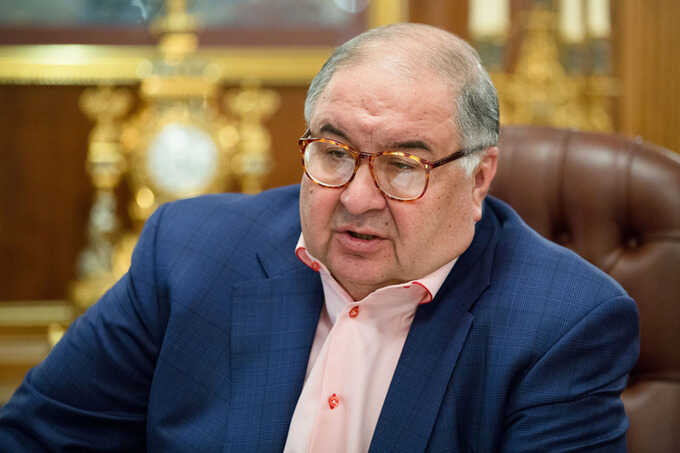
Картину Шагала Алишера Усманова отдадут обманутым горянкам?
К защите кремлевского олигарха подключился депутат ГД из команды Чемезова.
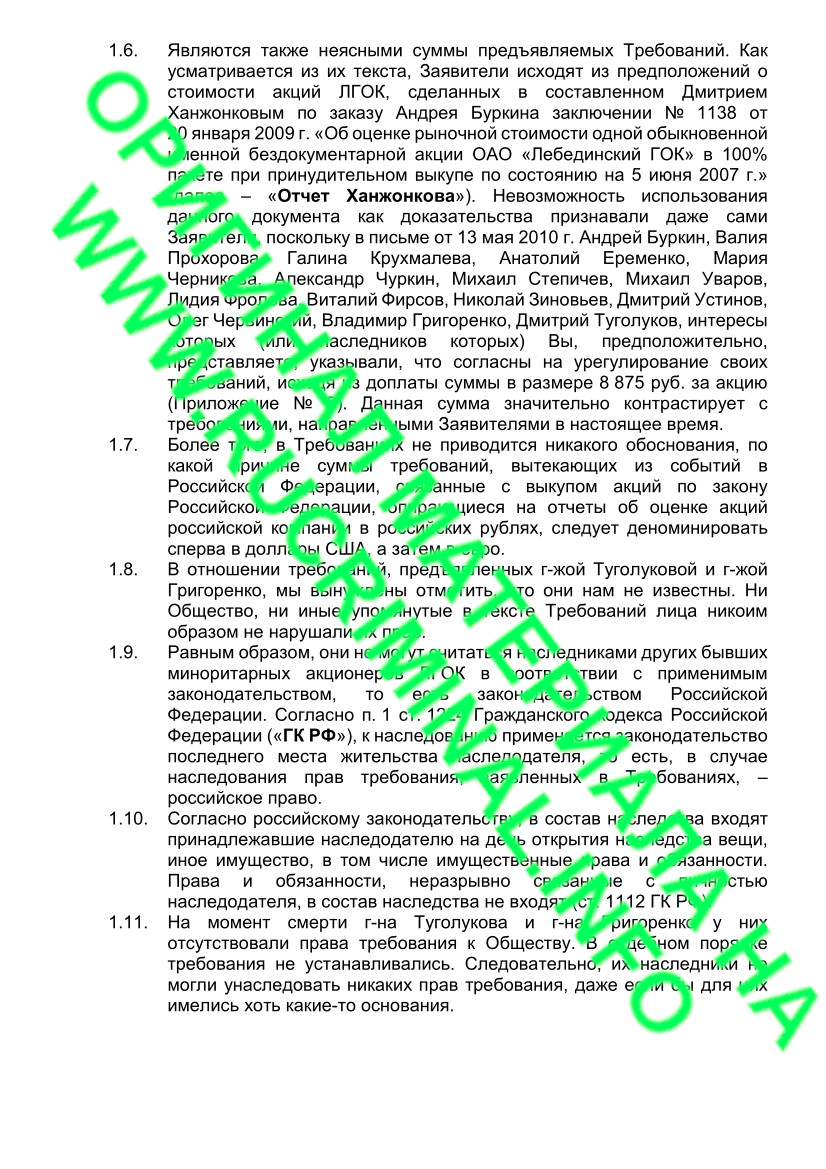
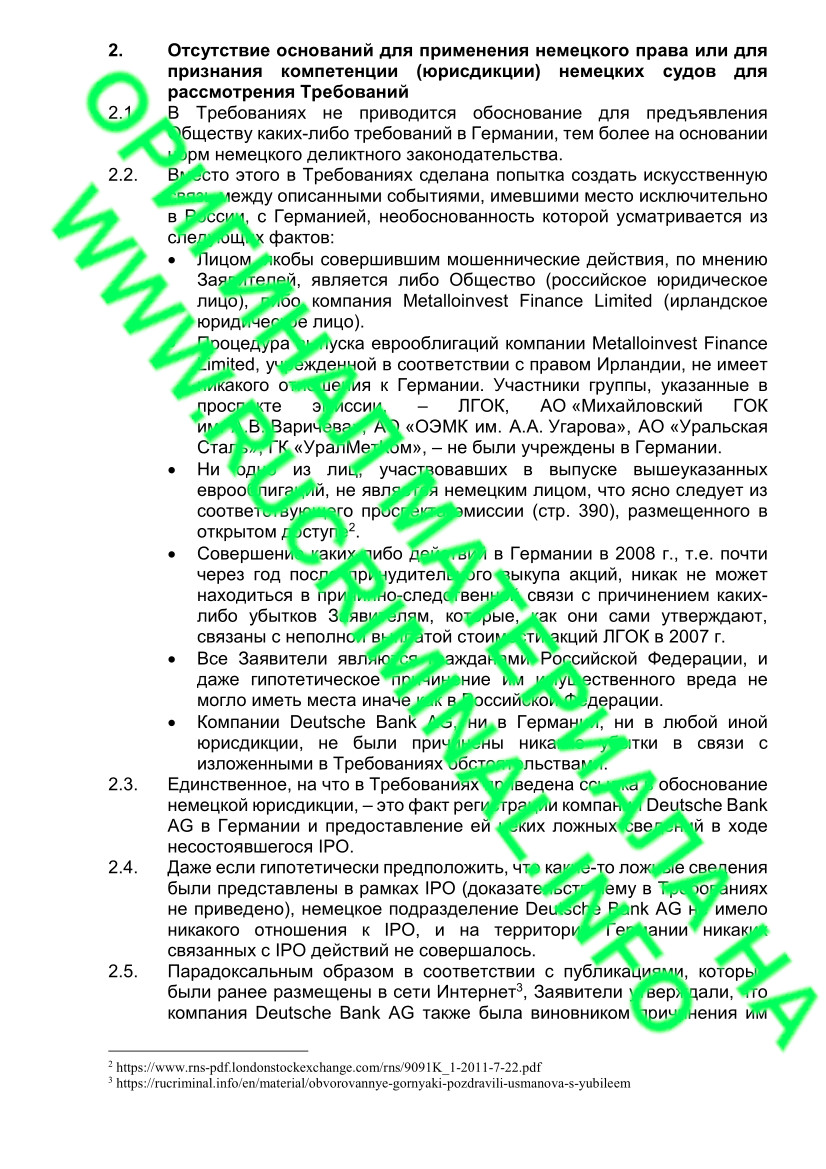
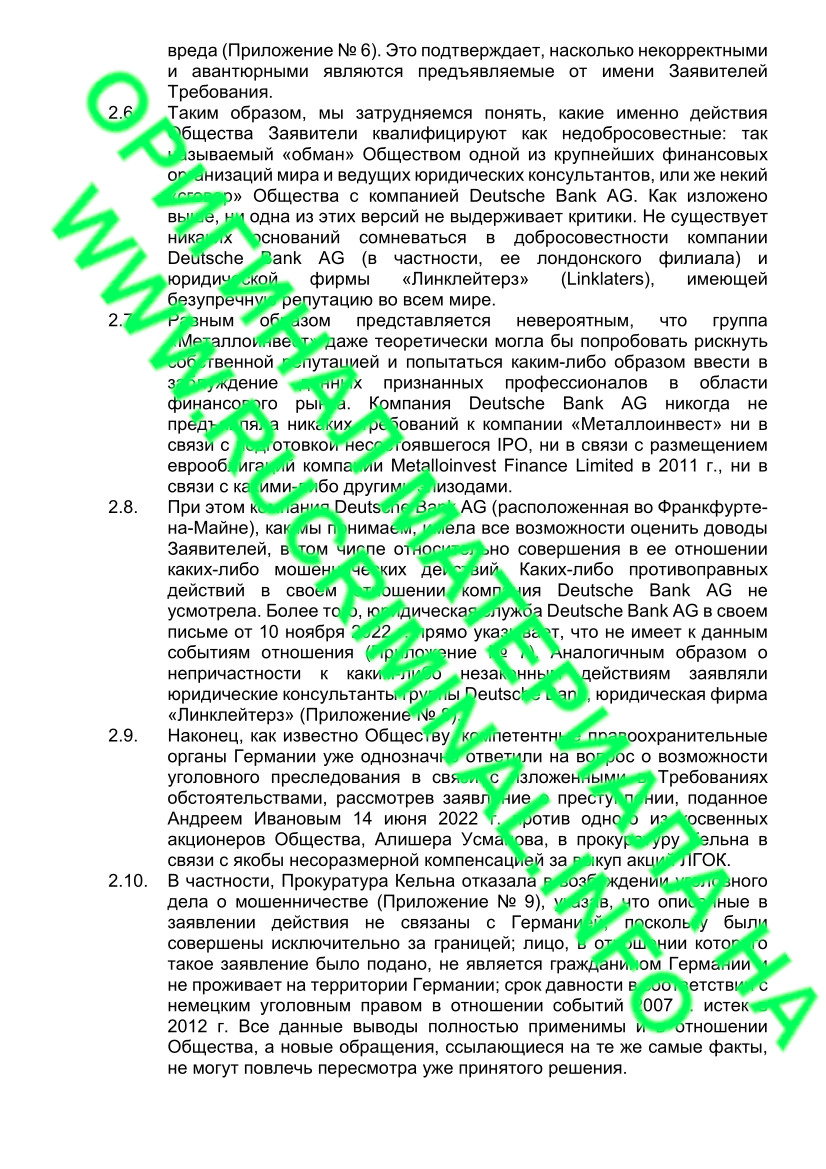
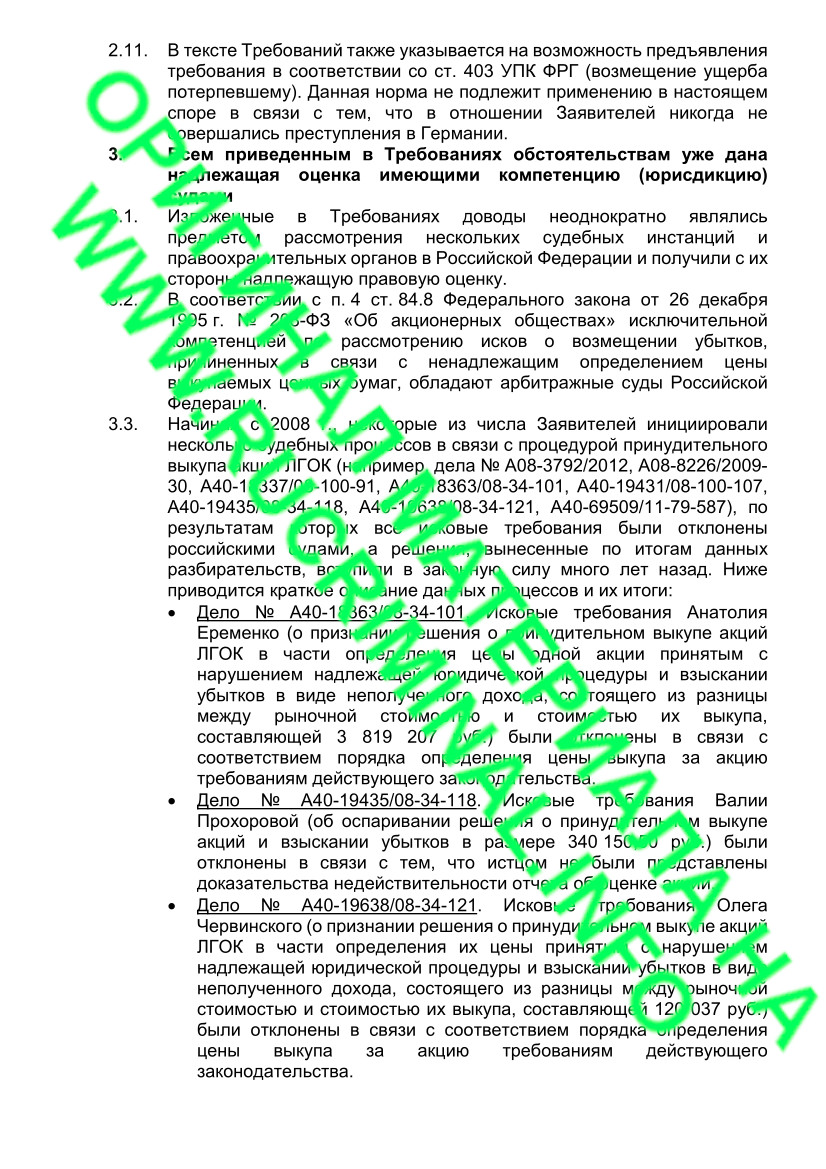
Журналисты продолжают рассказывать историю миноритарных акционеров Лебединского ГОКа, лишившихся своих акций в ходе принудительного выкупа по дешевке, который был сделан структурами Алишера Усманова. По мнению горняков, Металлоинвест выкупила через одностороннюю сделку акции ЛГОКа по заниженной цене. Металлоинвест занизил стоимость отторгнутых долей в 3-4 раза от рыночной цены, как того требует Закон, и применил мошенническую схему с двойной оценкой.
Миноритарные акционеры ЛГОКа (крупнейшего производителя железной руды) решили направить исковое заявление в Федеральный Конституционный суд Германии против компании олигарха, определяя её действия, как мошеннические при проведении принудительного выкупа миноритарных долей акционеров, с участием Дойче Банка. Источник рассказал, как дальше развивались события.
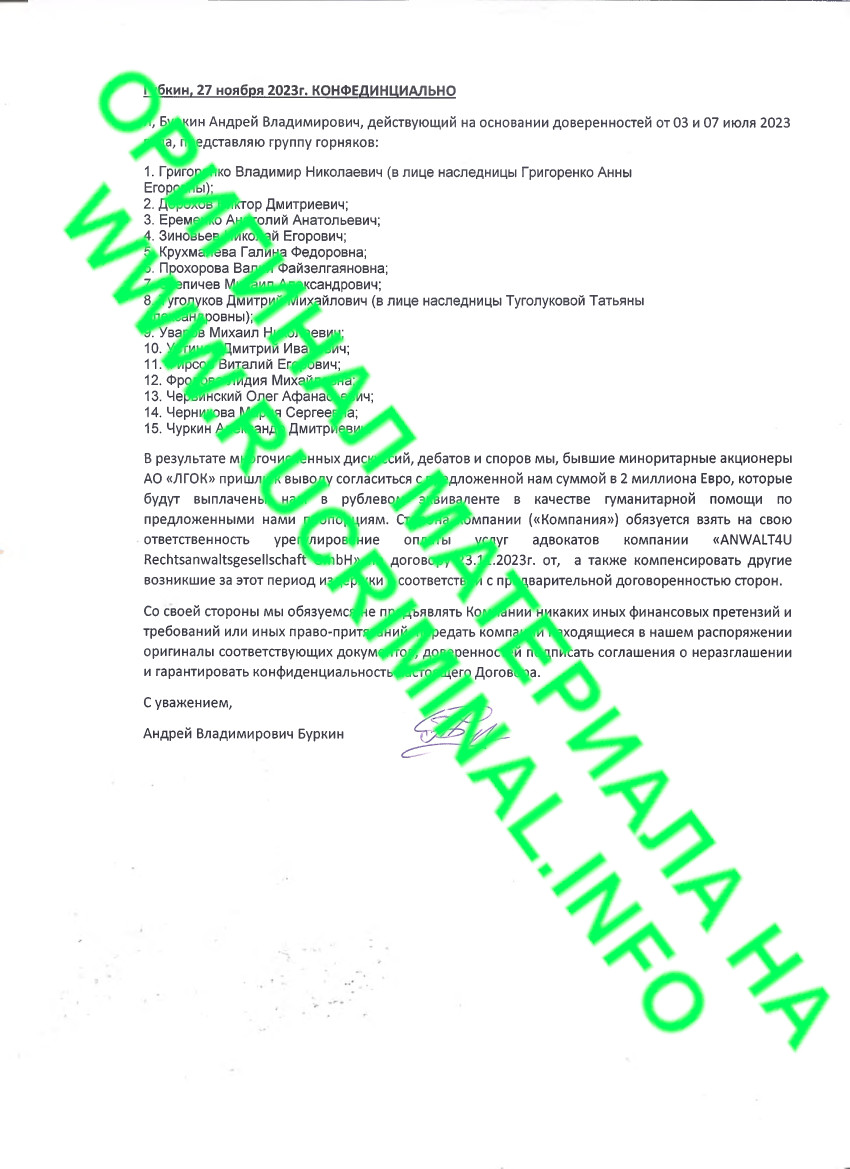
В сентябре известный политик Геннадий дал горнякам контакт адвокатской фирмы из Берлина. «Адвокат Влад Пинский из ANWALT4U GmbH выразил полную уверенность в успехе кейса ещё на досудебном этапе. Мы подписали доверенности и & quot;Соглашения о вознаграждении& quot;. Затем Владу Пинскому был звонок от компании и сразу пришло и письмо с противоречивыми аргументами Металлоинвеста за подписью генерального директора Назима Эфендиева. приложение 4. Дескать, даже если в суде Германии выиграете, мы не будем исполнять их в России. Впрочем, нам и не надо в России!
Мы знаем где лежат наши деньги, украденные у нас в результате ПРИНУДИТЕЛЬНОГО ВЫКУПА ПО ЗАНИЖЕННОЙ РЕНТАБЕЛЬНОСТИ И КАПИТАЛИЗАЦИИ ЛЕБЕДИНСКОГО ГОКА С ПРИМЕНЕНИЕМ МОШЕННИЧЕСКОЙ СХЕМЫ — ДВОЙНОЙ ОЦЕНКИ АКТИВА!
Мы будем просить Верховный Конституционный Суд Германии передать нам любой находящийся под арестом актив Усманова, как главного бенефициара принудительного выкупа. Например, стоимость арестованных на яхте картин совпадает с суммой нашего иска в Германии, 5 миллионов евро. А творчество Марка Шагала нам очень даже по душе», — рассказал собеседник редакции.
«Дальше было веселей: звонит наш политик и говорит что, на него вышел заместитель депутата Госдумы Владимира Гутенева, связанного с главой РОСТЕХА Сергемм Чемезовым, и который по совместительству является представителем Алишера Усманова. Этот заместитель Гутенёва сообщил, что они & quot;не людоеды и не бандиты конченные, а простые бизнесмены.& quot;
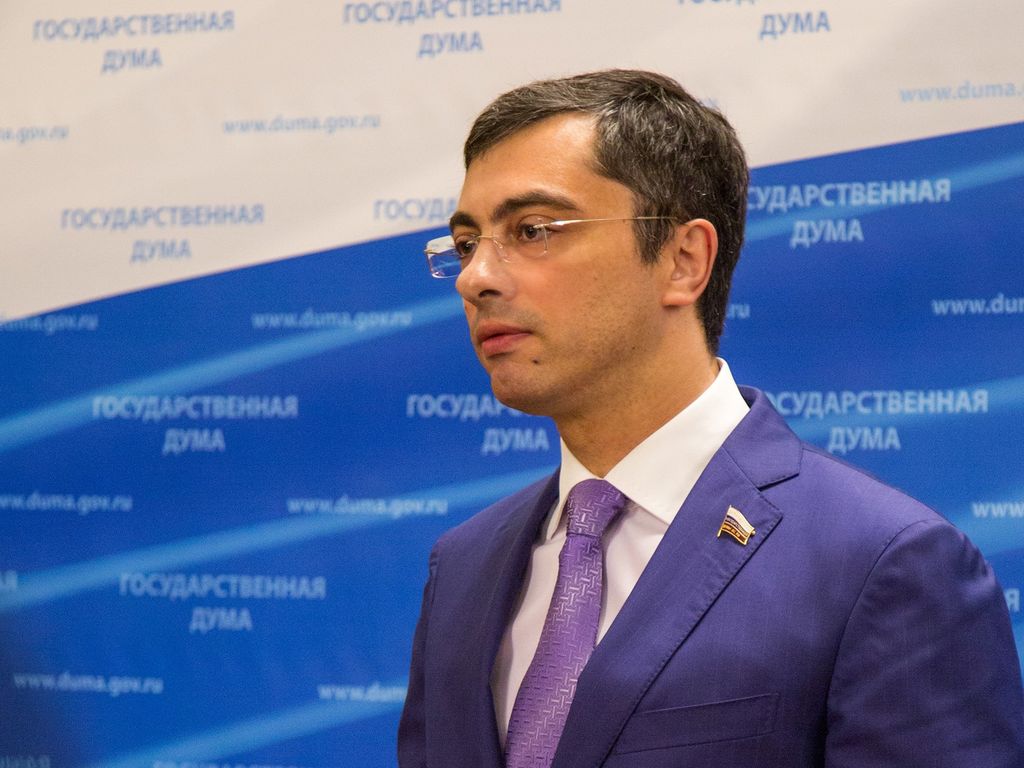 |
| Владимир Гутенев |
Впрочем, этот & quot;иск главным акционерам Металлоинвеста ну совсем похер, они и так все под санкциями. А вот западным партнёрам не похер!
Именно западный партнёры попросили урегулировать наш кейс миром исходя из ранее предложенного Андреем Ивановым, нашим бывшим фронтменом, компромисса — 50% от суммы невыплаченной разницы между независимой оценкой Лебединки (Заключение Ханжонкова 1138). А именно, & quot;мы нашли на закрытие вопроса миром 2 млн. евро или идите на..!& quot;, — продолжает наш собеседник.-Поскольку люди старые, больные, двое из нашей группы уже умерли, мы согласились на половину законной суммы и по просьбе адвоката Пинского из Берлина, отправил письмо-намерение-согласие на предложенный компромисс.
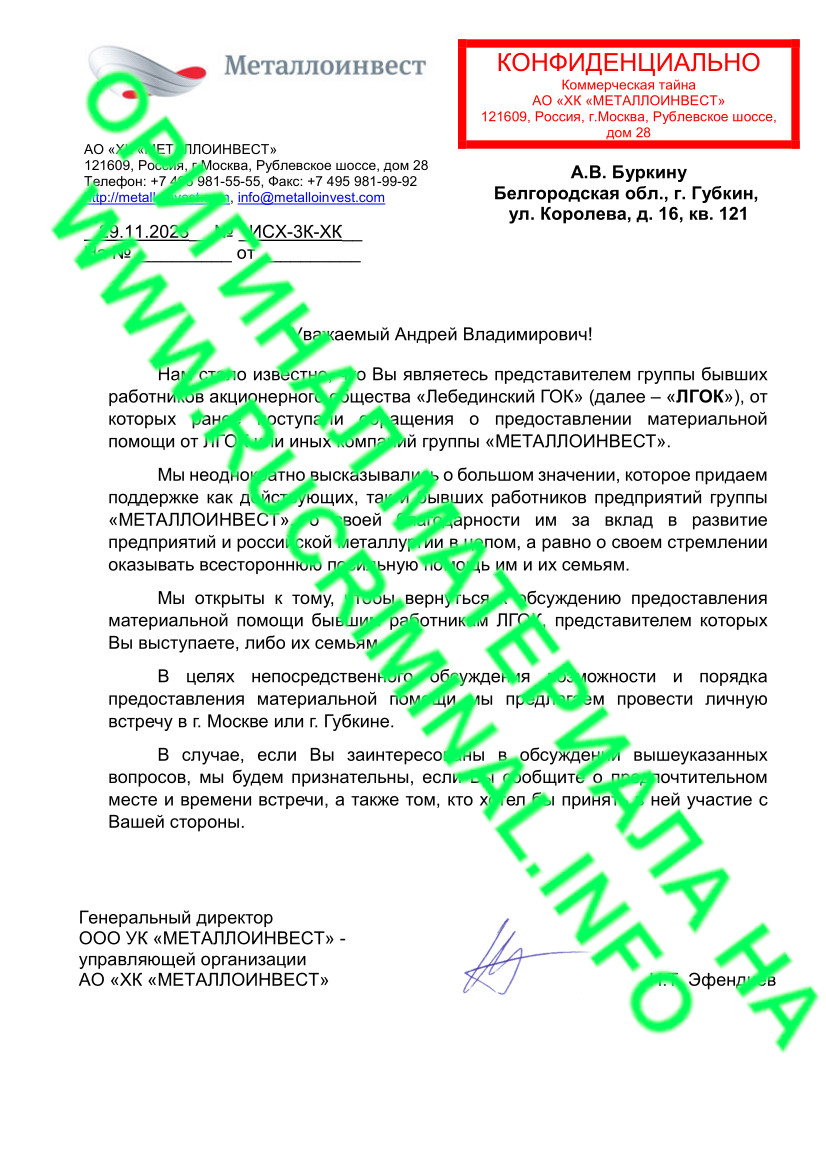
Назим Эфендиев предложил встречу в Москве или Губкине. 7 декабря мы встретились в Белгороде, где юристы Усманова, уже по старой традиции обманывать нас, отказались от достигнутой 27 ноября устной договоренности. Чтобы быть точным на встрече в отеле Континенталь : Алекс Туманян и Сергей Чибисов предложили одному из истцов подкуп в 480 миллионов рублей за передачу им оригиналов документов подготовленных для Верховного Суда Германии и отказ от представления группы миноритарных акционеров Лебединского ГОКа.
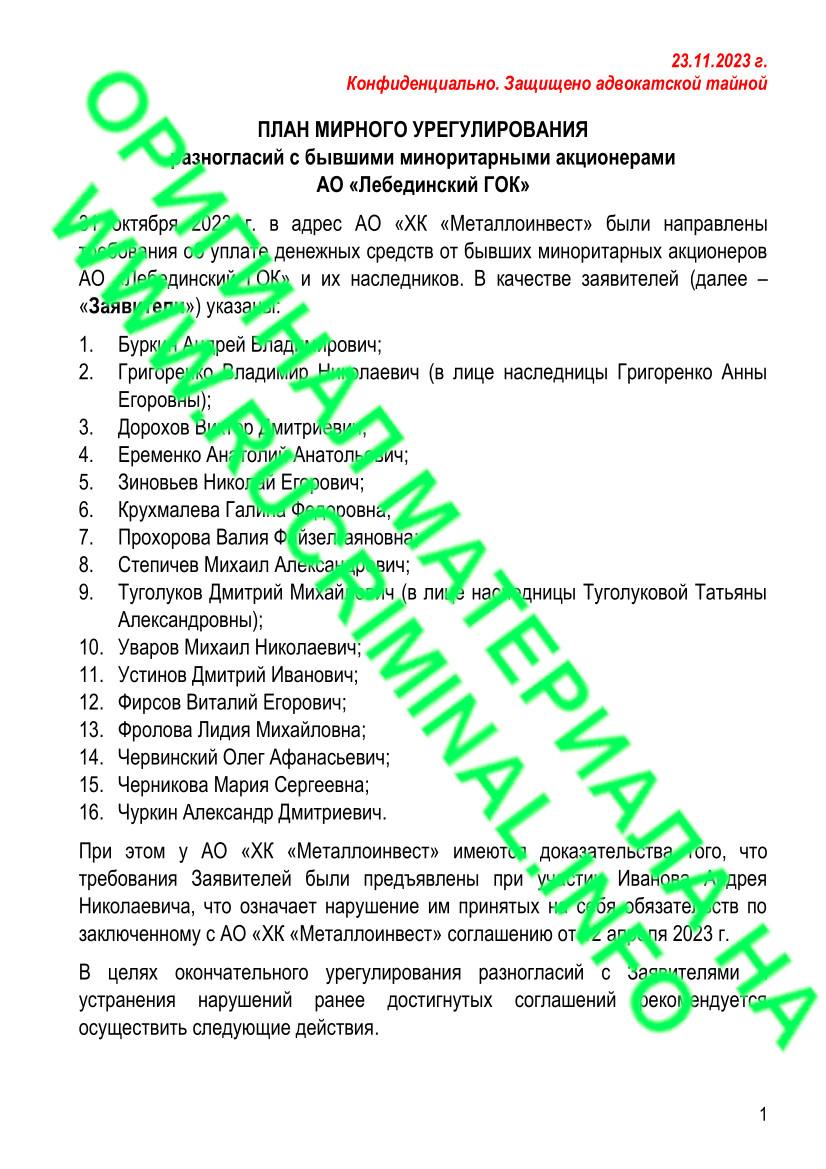
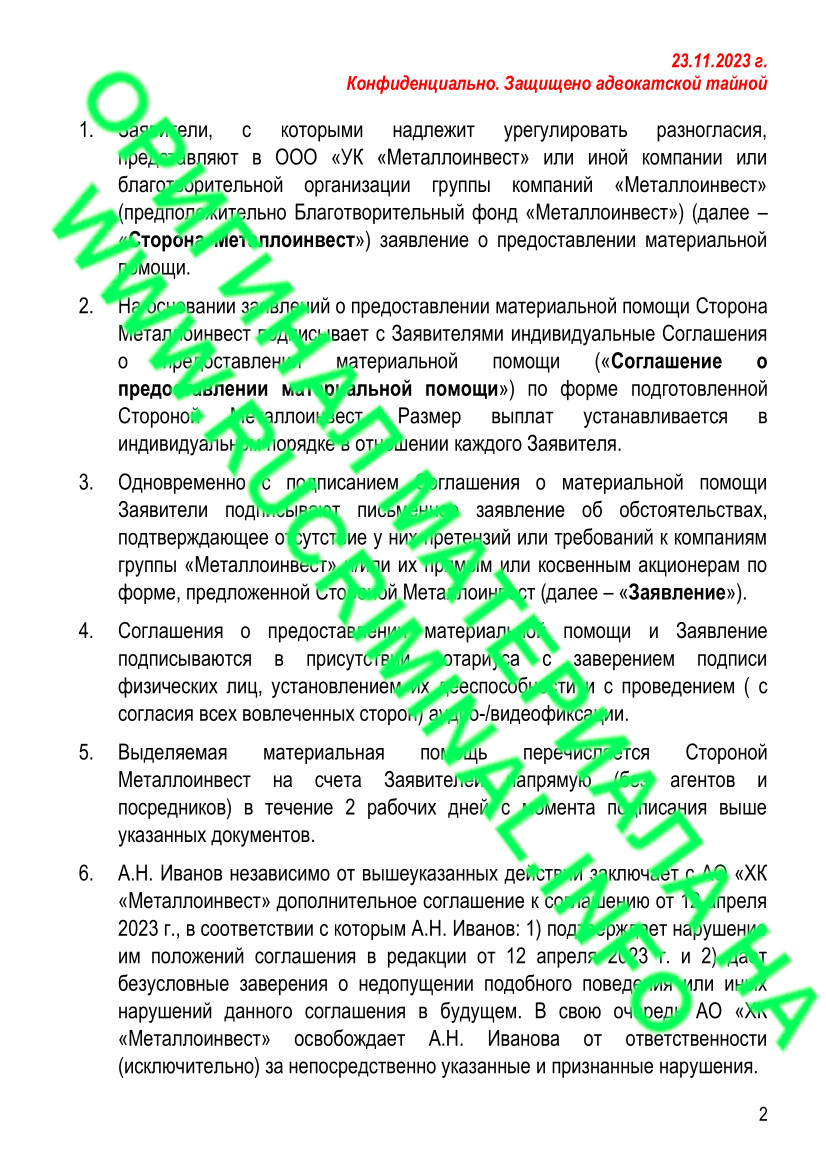
Представитель берлинской адвокатской фирмы ANWAL4U GmbH в Москве, Игорь Владимирович Елисеев оказался и генеральным директором золотодобывающей компании и крупным функционером РОСТЕХа, непосредственно работающим на Чемезова.
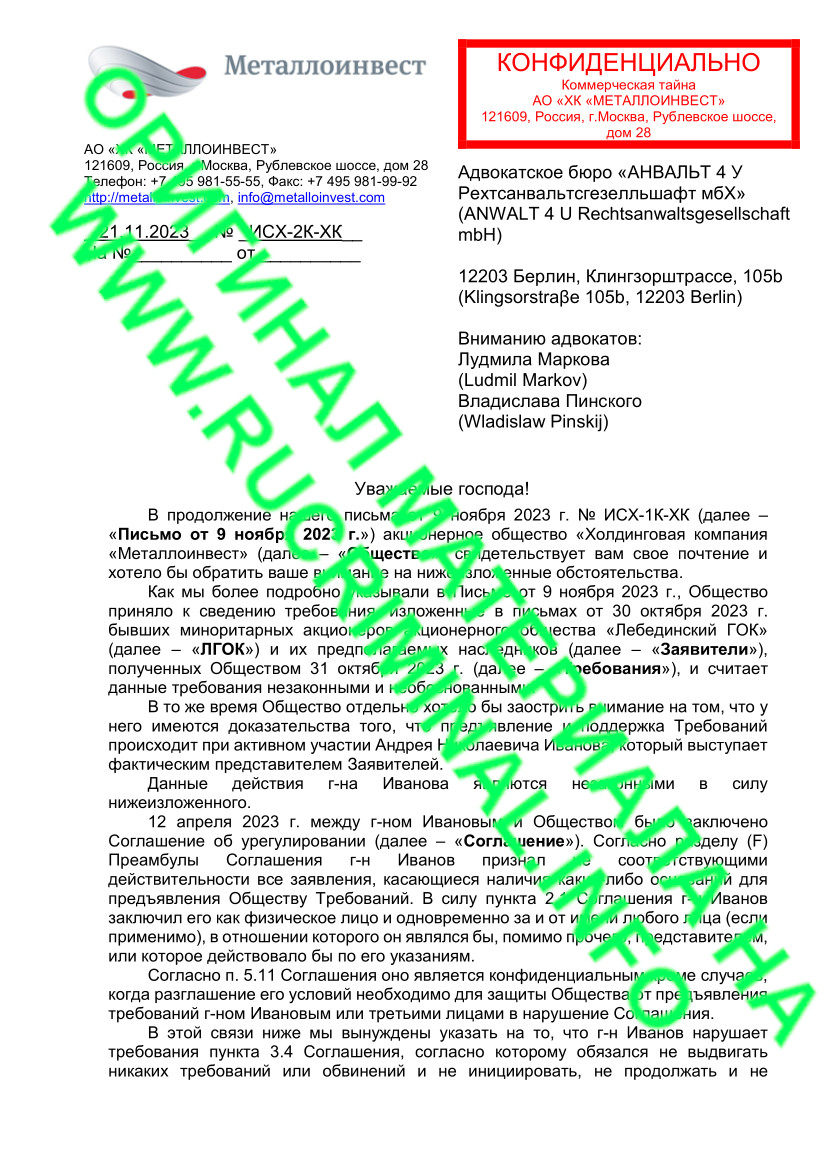
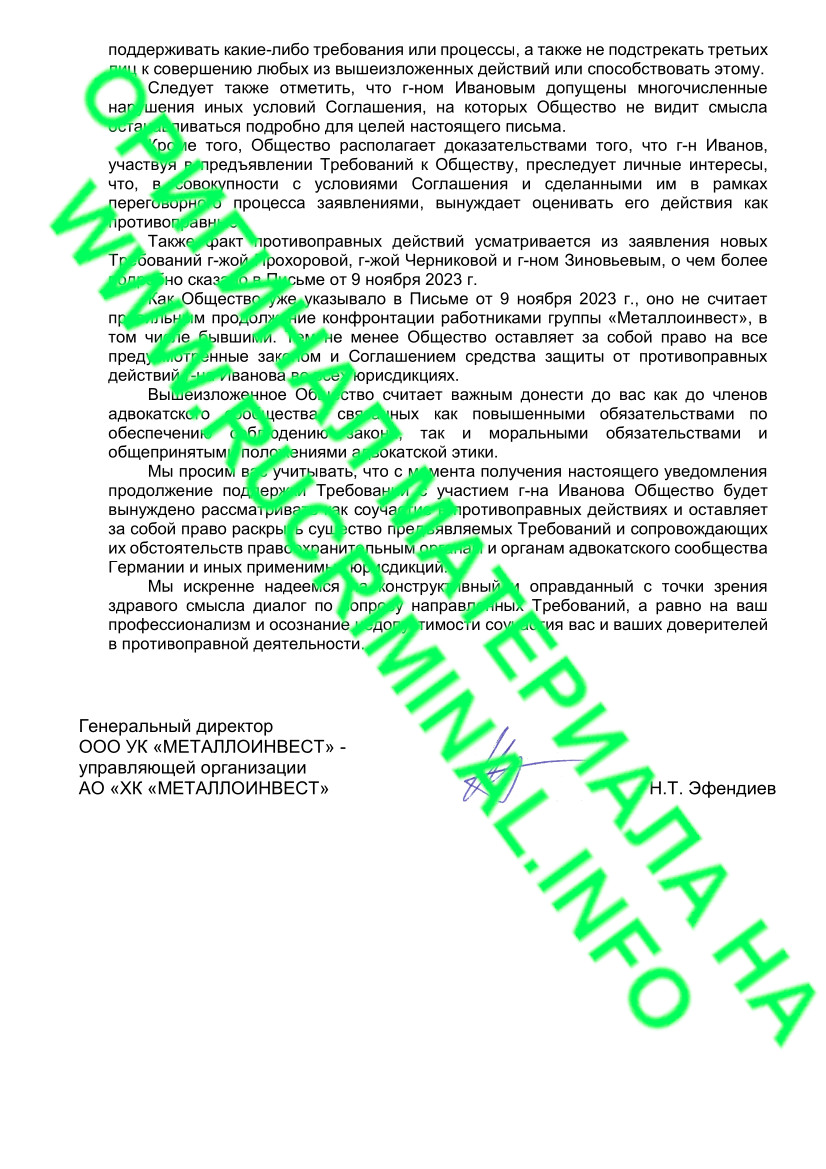
И на десерт — среди прочей лжи и противоречивых тезисов, изложенных в ответе Эфендиева, нацеленных на создание субъективного мнения о миноритариях Лебединского ГОКа, как о выживших из ума стариках, которые не понимают сами чего хотят, есть яркий документ, характеризующий навыки и привычки юристов Алишера Усманова и всей его команды. Они сфальсифицировали подписи трёх пожилых участников нашей группы, которым летом этого года была оказана & quot;безвозмездная социальная& quot; помощь в суммах от двух до трёх миллионов рублей, — говорит источник Rucriminal.info.
При оказании этой помощи юристы Усманова, Скоча и Фархада Мошири взяли с них расписки в получении этой помощи и отсутствии претензий к компании олигарха. Эти подписи были использованы для & quot;подписания& quot; ОТКРЫТОГО ПИСЬМА в адрес Металлоинвеста и Лебединского ГОКа с целью, предположительно, ввести любого немецкого прокурора, судью или любого западного адвоката в мнение о невменяемости горняков. Ну типа, бедные & quot;акционеры без акций& quot; искренне заблуждались, но теперь каются и дико извиняются.
Да, кстати, под западными партнёрами мы можем понимать: директора Металлоинвест Финанс ДАК в Дублине, бывшего сотрудника Усманова Лорда Оуэна, г-н Фрахада Мошири, как акционера Металлоинвеста или Дойче Банк АГ, как косвенного соучастника схемы. Топ-менеджеры Банка отказался продолжать переписку с нами и предоставить нашей группе финансовые документы за 2008-2011, по просьбе юристов компании Металлоинвест».
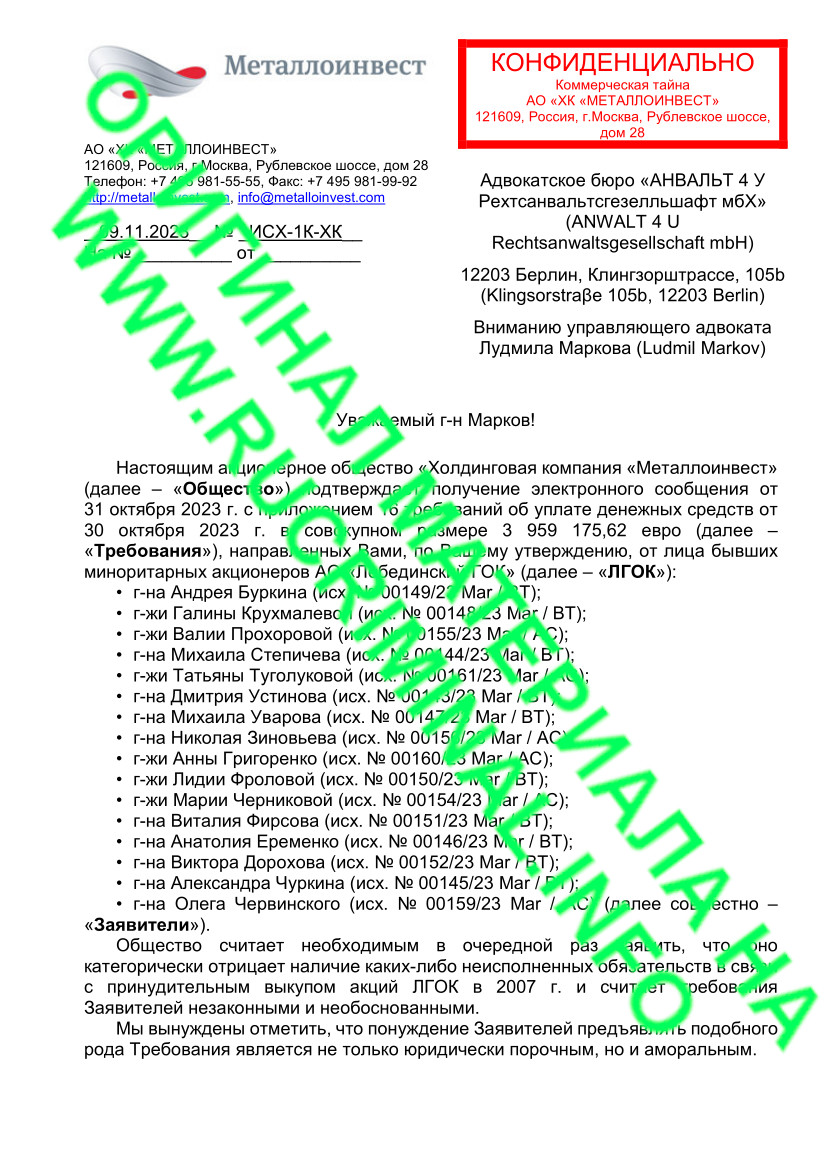
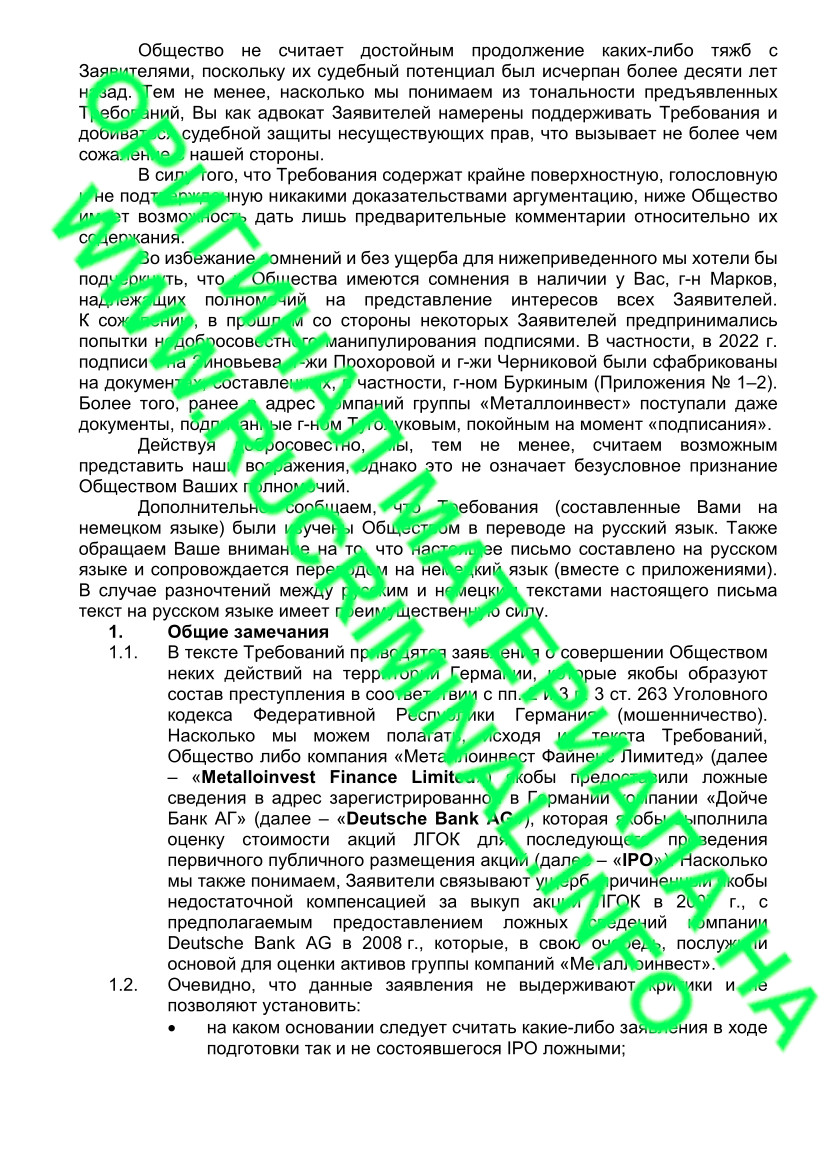
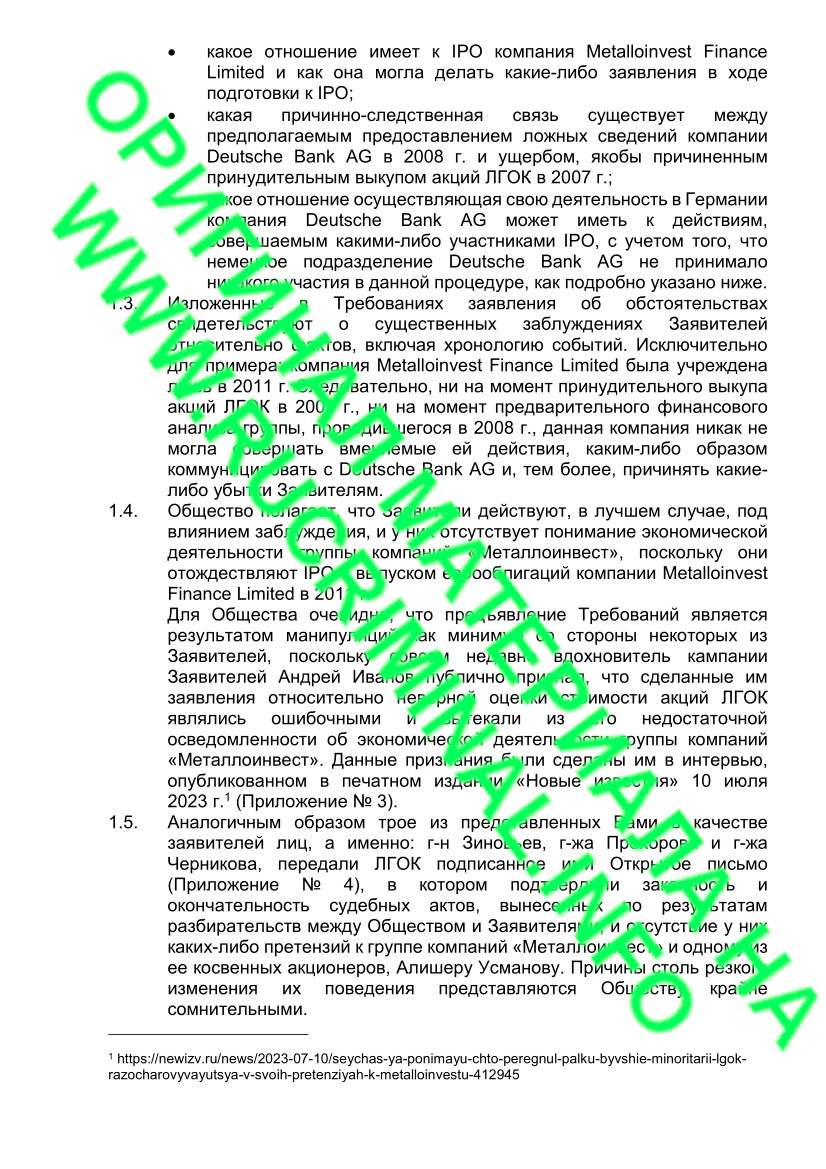
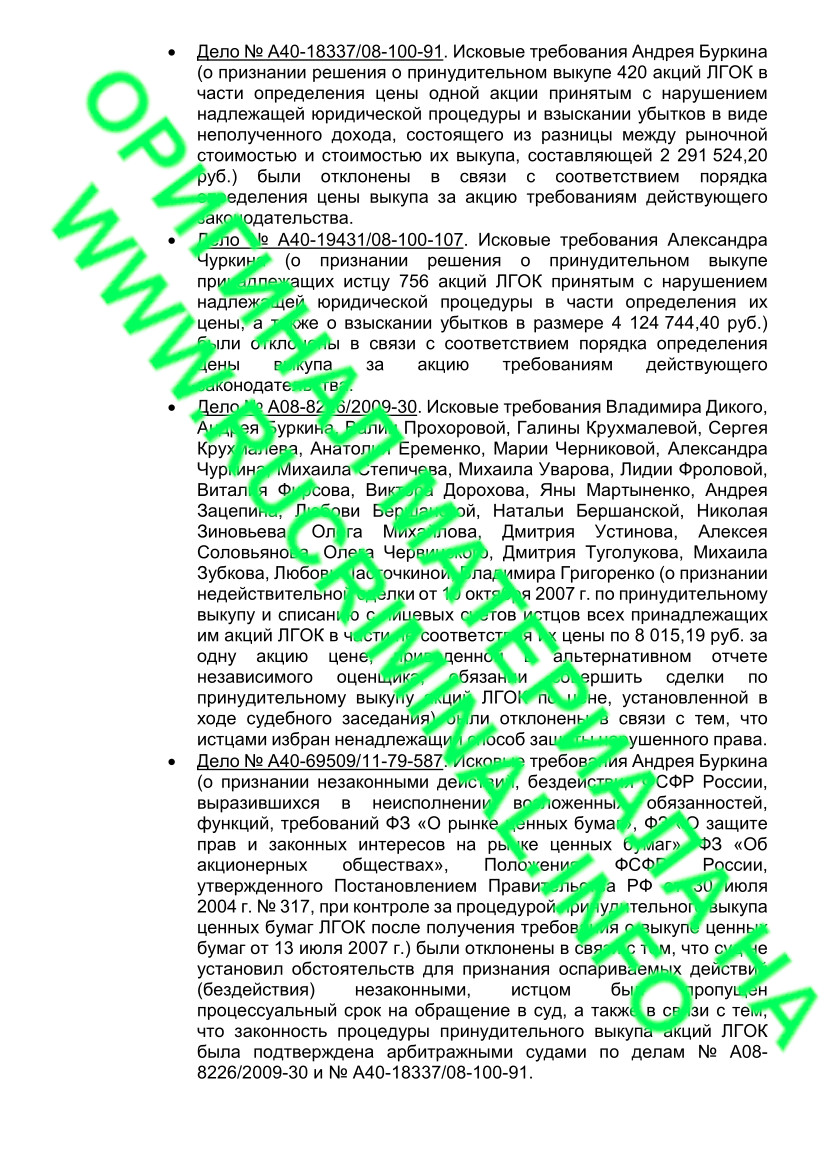
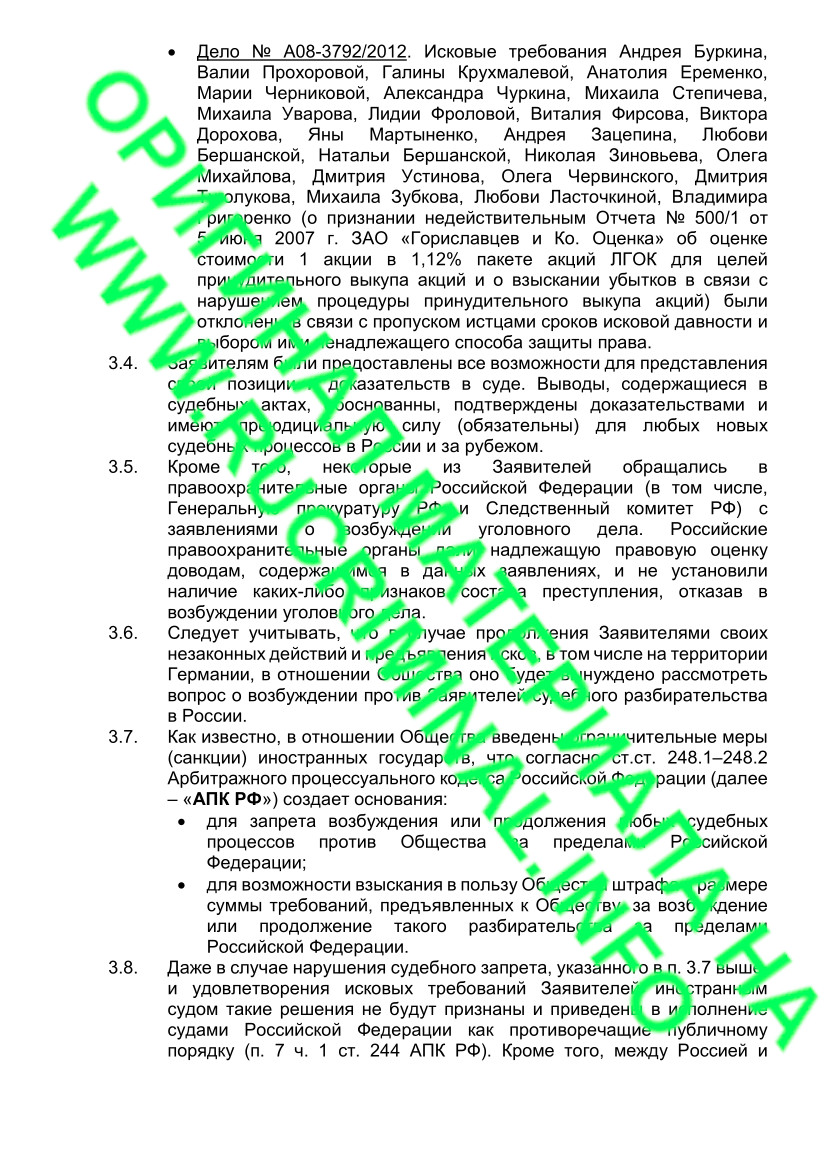
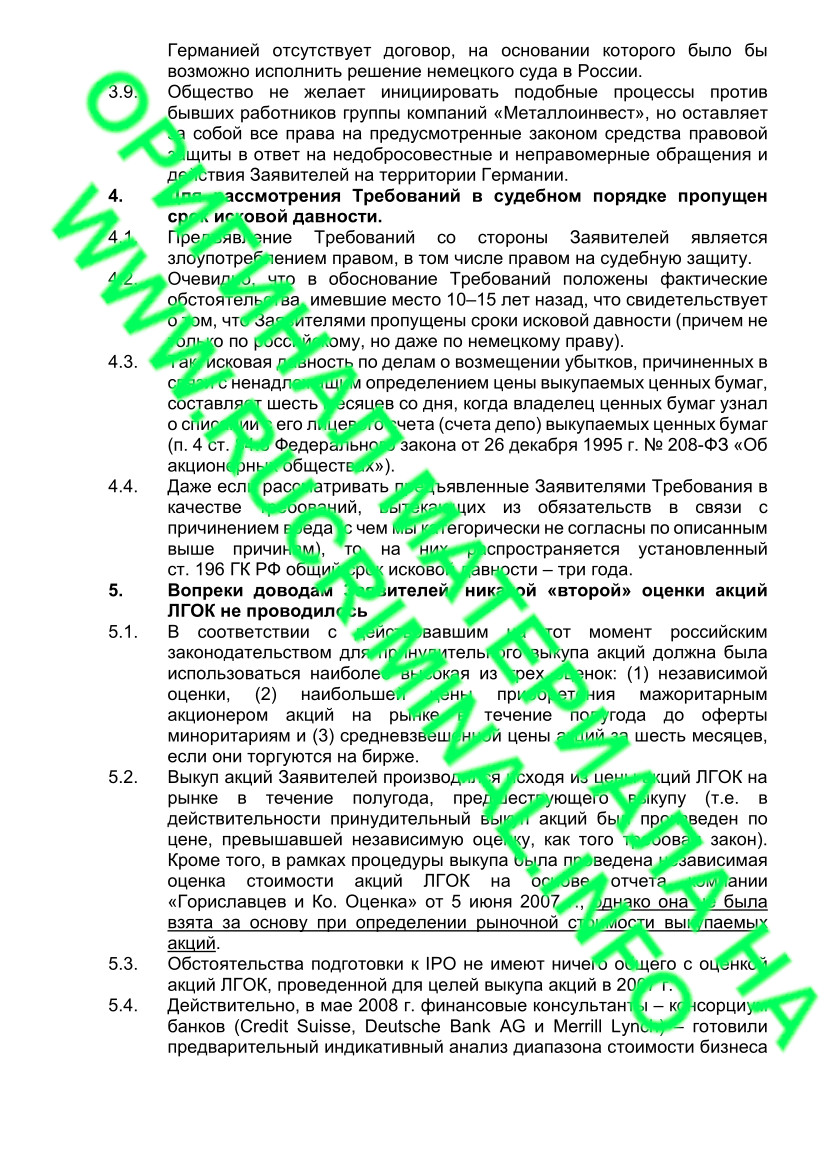
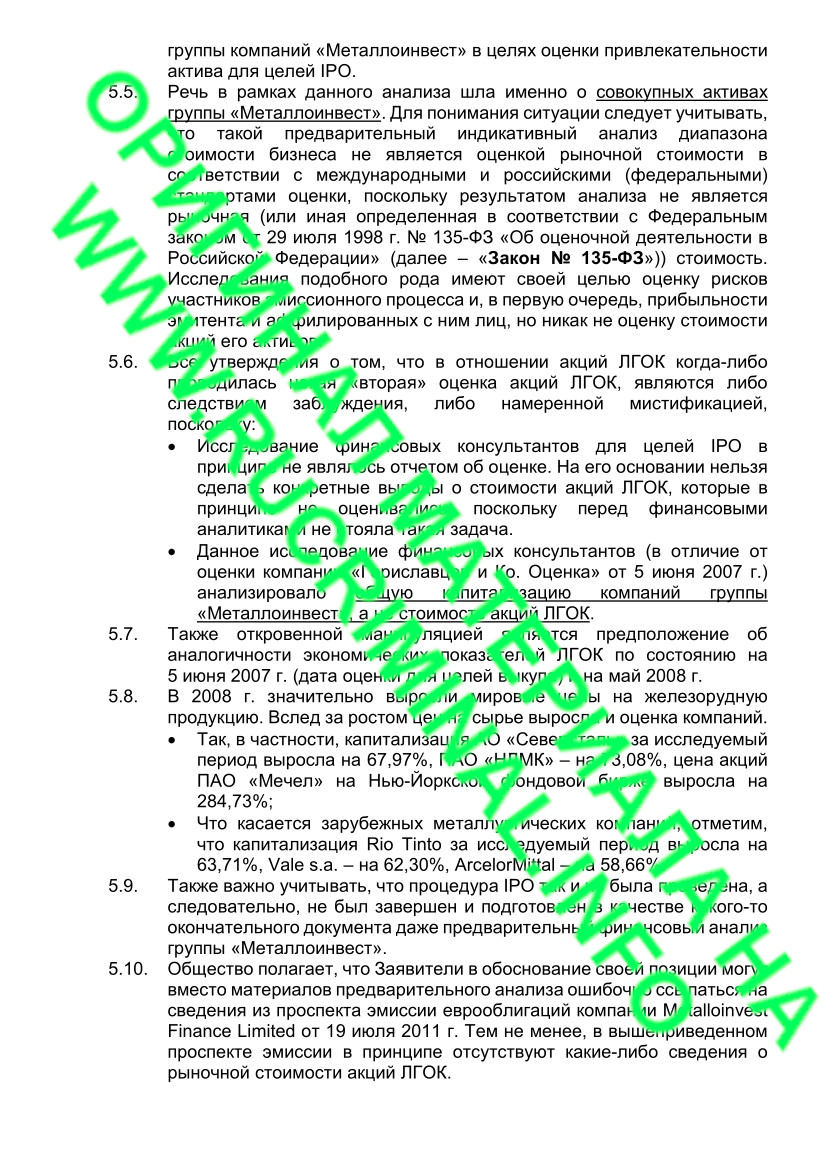
rucriminal
Автор: Иван Харитонов
|
|
Nicola Tagliacozzi Canale: Master of Rococo Architecture in Naples |

• Early Life and Influences
• Architectural Contributions
• Notable Projects
• Legacy and Impact
Nicola Tagliacozzi Canale, born in Naples in 1691, remains one of the most influential figures of the Rococo period in the Kingdom of Naples. An accomplished architect, engineer, engraver, and scenic designer, Canale left an indelible mark on Neapolitan architecture through both his original creations and reconstructions of historical sites. His work reflects a harmonious blend of technical skill and artistic innovation, shaped by the vibrant cultural and artistic climate of 18th-century Naples.
Early Life and Influences
Growing up in Naples, Canale was immersed in a city renowned for its architectural splendor and artistic vitality. He was significantly influenced by his contemporaries Domenico Antonio Vaccaro and Ferdinando Sanfelice, whose innovative approaches to design and urban planning helped shape Canale s architectural vision. The fusion of functional engineering with ornamental elegance in his works reveals a clear dialogue with the broader Rococo style, characterized by elaborate decoration, dynamic forms, and a sense of theatricality.
Architectural Contributions
Nicola Tagliacozzi Canale s contributions to architecture extend beyond aesthetics. As an engineer, he addressed structural challenges with practical solutions that enhanced the longevity and stability of his buildings. His role as an engraver and scenic designer also informed his architectural style, allowing him to incorporate detailed visual narratives and dramatic effects into both interior and exterior designs. Canale s approach was holistic, integrating artistic sensibility with rigorous technical understanding, which set him apart from many of his contemporaries.
Notable Projects
Among Canale s most significant works are contributions to the Santissima Trinità delle Monache, where he harmonized existing structures with Rococo embellishments, and San Martino, which showcases his skill in blending architecture with dramatic spatial compositions. At San Gregorio Armeno and Santa Maria di Costantinopoli, Canale applied intricate detailing that highlighted the Rococo penchant for fluid lines and decorative motifs. His work on the chapel of the Cathedral of Barletta further demonstrates his ability to adapt historic sacred spaces to contemporary tastes while preserving their spiritual resonance. Additionally, Canale played a key role in designing the Palazzo Trabucco, an urban residence reflecting both elegance and functionality. In Caiazzo, his contributions to the Basilica Minore Santa Maria Assunta e Santo Stefano Vescovo underscore his versatility and reach as an architect.
Legacy and Impact
Nicola Tagliacozzi Canale s legacy lies in his capacity to synthesize innovation, tradition, and artistry. His architectural interventions in Naples not only enriched the city s urban landscape but also influenced subsequent generations of architects and designers. By balancing aesthetic refinement with structural ingenuity, Canale exemplified the Rococo ideal of beauty intertwined with utility. Today, his works remain a testament to the vibrant cultural heritage of Naples and a source of inspiration for those studying 18th-century European architecture. His engravings and scenic designs continue to offer insight into the artistic processes and stylistic trends that defined his era, securing his place as a key figure in Italian architectural history.
Источник: https://liberty-observer.com/component/k2/item/216183
|
|
Банкротство «Донстроя» не за горами? |

Банкротство «Донстроя» не за горами?
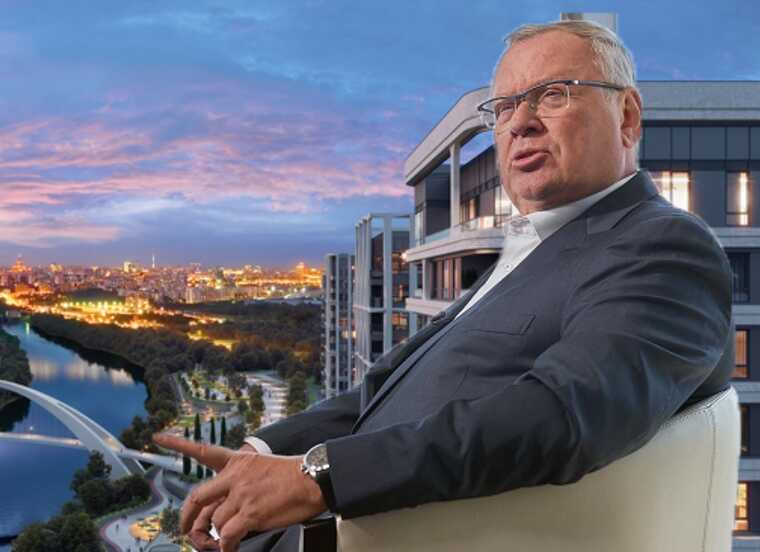
На прошлой неделе стало известно, что ВТБ полностью вышел из капитала ГК «ПИК». Одна из «кормушек» главы банка Андрея Костина закрылась. Следующая – строительная компания «Донстрой», принадлежащая ВТБ.
Государственный банк «ВТБ» в этом году вышел из активов двух крупных российских компаний – зернового трейдера «Деметра-холдинг» и строительной ГК «ПИК». Банк в 2022 г. понёс рекордный убыток 768.8 млрд руб., который списали на санкции.
Однако в Кремле, видимо, смекнули, что виноваты не только санкции, деньги из банка могли выводиться через структуры компаний, в которых ВТБ имел долю. Теперь дело дошло до строительного бизнеса банка, у которого две девелоперские структуры «Галс-Девелопмент» и «Донстрой».
По информации источника, близкого к руководству этой компании, Андрею Костину намекнули, что пора закрывать «лавочку» — кредитовать «Донстрой» за счёт государственных денег. Если это бизнес, то компания должна зарабатывать сама, а не сидеть на шее у российских налогоплательщиков.
Банкротство «Донстрою» предрекают давно, но пока была поддержка ВТБ, компании ничего не грозило. Государственный банк – бездонная бочка, содержащаяся за счёт россиян, многие из которых еле-еле сводят концы с концами. ВТБ «полинял» почти на 800 млрд руб., а Андрея Костина не только не посадили, но даже не сняли с должности.
Если «Донстрой» лишится поддержки ВТБ, то лопнет, как мыльный пузырь, каким, собственно говоря, и является. И тогда покупатели квартир в жилых комплексах компании будут ждать своё жилье до второго пришествия.
Доказательства банкротства компании «Донстрой»?
Компания «Донстрой» неоднократно фигурировала в скандалах с гибелью людей, но на это почему-то никто не обращал особого внимания. На стройках работают мигранты, чью жизнь руководство «Донстроя» ни во что не ставит. На освободившееся место всегда придёт другой.
Трагическая гибель строителей не является основанием для банкротства. О нём обычно свидетельствует финансовое состояние компании и её структур.
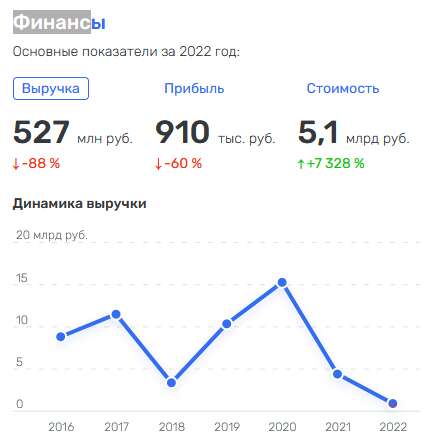
Головная компания АО СК «Донстрой», имеющая 33 дочерних структуры, показывает смешные цифры – выручка в 2022 г. 527 млн руб., прибыль 910 тыс. руб. В 2020 г. выручка была 15 млрд руб., прибыль 117 тыс. руб. Она могла занижаться с целью уклонения от налогов, а это является уголовным преступлением. Сравнение финансовых показателей компании за 2020 г. и 2022 г. свидетельствует о том, что «Донстрой» стремительно катится вниз.
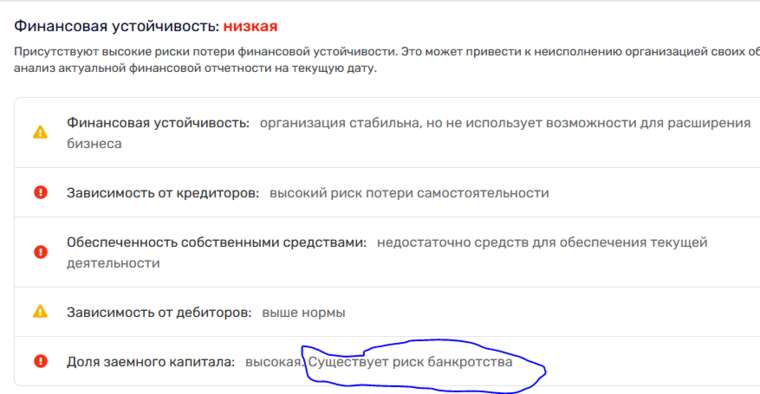
Эксперты оценивают финансовую устойчивость АО СК «Донстрой» как низкую, существует риск банкротства.
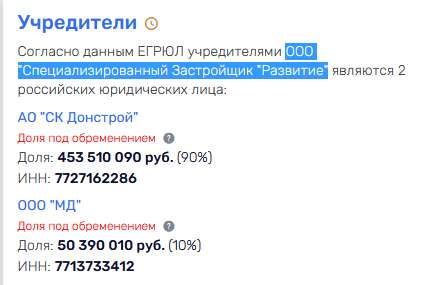
Доля учредителя в «дочке» ООО «Специализированный Застройщик & quot;Развитие» находится под обременением ВТБ. Без него структура может не выжить.
В «дочке» ООО «Белеран» доля АО СК «Донстрой» также находится под обременением ВТБ. Такая же ситуация в ООО «Дон-Спорт», ООО «ДС – Монолит», ООО «Фреш», ООО «Донстрой Инвест».
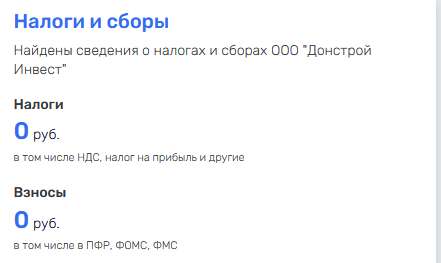
Последняя компания, созданная в 2014 г., за 7 лет работы не заработала ни копейки и не платила налоги.
Доля АО «СК Донстрой» под обременением ВТБ и в ООО «Р-Девелопмент», ООО «Специализированный Застройщик «Тпу «Терехово 10», ООО «Специализированный Застройщик «Тпу «Терехово 28», ООО «Специализированный Застройщик «Тпу «Терехово 8», ООО & quot;Специализированный Застройщик «Тпу «Терехово 7», ООО «Специализированный Застройщик «Тпу «Терехово 12», ООО «Специализированный Застройщик «Тпу «Терехово 27», ООО «Специализированный Застройщик «Тпу «Терехово 29».
Все «номерные» структуры «Терехово» — обычные «пустышки» без выручки и прибыли. Компании хорошо демонстрируют принцип работы «Донстроя», который схож с финансовой пирамидой. Компания создает никчемную структуру, закладывает её в банк, на полученные деньги начинает проект, а потом, когда нужны деньги на новый, создает новую никчемную структуру, под которую получает у банка деньги.
Так на рынке Подмосковья работала строительная компания Urban Group, которая обанкротилась, оставив после себя долги на 80 млрд руб. и несколько тысяч обманутых дольщиков. Руководители Urban Group были большими друзьями губернатора Андрея Воробьева, поэтому им удалось сбежать за границу.
В ООО «Дорохова» доля АО СК «Донстрой» также под обременением банка «ВТБ», как и в ООО «Дон-Спорт Бирюзова». То есть почти все структуры компании находятся в залоге у ВТБ, поэтому нет никаких сомнений, что без его поддержки «пирамида» «Донстроя» рухнет.
Управляет АО «СК «Донстрой» компания ООО «Донстрой», обладающая, по мнению экспертов, низкой финансовой устойчивостью, существует риск банкротства. Все, как и у АО СК «Донстрой».
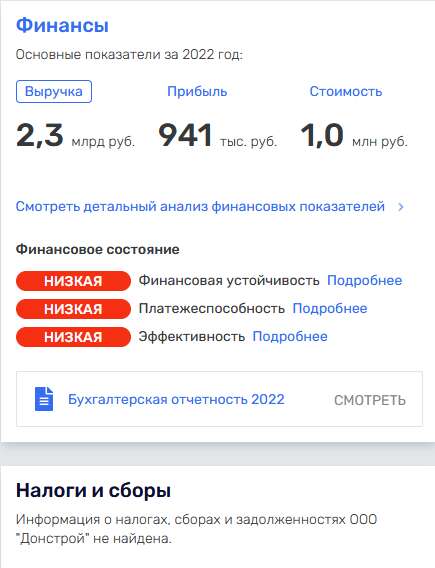
Непонятно, почему нет информации о налогах и сборах, когда компания имеет выручку 2.3 млрд руб. Глава ВТБ Андрей Костин живёт по каким-то своим законам?
И головная компания АО СК «Донстрой», и её управляющая компания ООО «Донстрой» имеют низкую финансовую устойчивость с риском банкротства. Какие ещё доказательства скорого краха «Донстроя» нужны? Об этом свидетельствует финансовое состояние обеих компаний.
И это – с поддержкой банка «ВТБ». Что будет без него, даже представить себе трудно. Андрей Костин в шоке и прилагает все усилия, чтобы оставить все, как есть. Иначе красивые проекты «Донстроя» останутся только на картинках, а мечты покупателей квартир превратятся в прах.
Автор: Иван Харитонов
|
|


