Звезда сериала «Две судьбы» Денис Матросов вышел на связь с радостной новостью. Его жена родила долгожданную дочь.
На днях стало известно, что Оксана Рудич-Каструбина вот-вот отправится в роддом. Артист не делился подробностями, но ясно дал понять, что вся его большая семья в ожидании появления на свет нового малыша. При этом пол малыша скрывался. Сейчас уже точно известно, что Денис с супругой все это время ожидали девочку.
«Друзья, свершилось! Интрига раскрыта! Никто, кроме самых близких, не знал, что мы ждём девочку... Мы до последнего держали секрет, чтобы сегодня объявить на весь мир: в нашей суровой мужской команде Матросовых наконец-то появилась маленькая принцесса! Ура! Знакомьтесь — Маша, Мария, Маруся, Маняшка! Наша маленькая «премьера» пришла в этот мир сегодня с идеальными параметрами: 3686 г. абсолютного веса и 53 см. чистого роста. Счастье!» — поделился счастливый Матросов в личном блоге в Instagram*.
Денис Матросов стал отцом в пятый раз
Денис лично присутствовал на родах и сам перерезал пуповину у малышки. «Ребята, это невероятные эмоции! Это был самый сильный «спектакль» в моей жизни, где финал — чистые слезы счастья. Ни одна премьера театра Дениса Матросова с этим не сравнится. Моя героиня Оксана чувствует себя прекрасно, малышка тоже отдыхает», — добавил актёр.
Для Матросова рождение дочери стало действительно долгожданным событием. У звезды, напомним, подрастает четверо сыновей — Иван, Фёдор, Юрий и Владимир. Кроме того, у самой Оксаны Рудич-Каструбиной тоже подрастает ребёнок от прошлых отношений — Дима. Так что новорождённая малышка действительно разбавит мужскую компанию Матросовых.
«Братья — Дима, Федя и Ваня — уже в нетерпении, строят планы, как будут охранять и баловать сестренку. Все родные светятся от радости! Нянек у Машеньки теперь хоть отбавляй. Оксана, любимая, спасибо тебе за это чудо! Я абсолютно счастливый отец дочери. Счастье есть. И оно пахнет младенцем», — заключил Денис Матросов.
▼ источники
Источник фото: Instagram*,кадр из шоу «Историс — Откройте, Давид!»
The controversial developer «Stolitsa Group» is aiming to secure $35 million in funding from the EBRD.
Vlada Molchanova, under investigation by NABU for corruption crimes, expects a loan from EBRD for $35 million — the funds will go toward completing the residential complex «Varshavsky».
A number of public organizations and the capital’s activists have spoken out against this!
They appealed to the European Bank for Reconstruction and Development (EBRD) regarding risks associated with the possible financing of construction projects by the Ukrainian developer group Stolitsa Group (project details).
An appeal with signatures from several Kyiv NGOs was sent for EBRD’s consideration.
According to the active community of the capital, Stolitsa Group systematically selects green areas and territories with high ecological and recreational value for construction. The company’s activities do not comply with the European Union’s sustainable development principles, including the sustainable development principle, the prevention principle, the integration principle, the precaution principle, the public participation principle, the ecosystem approach, and the principle of sustainable urban development.
Therefore, they ask the EBRD to refrain from providing financing to projects related to Stolitsa Group until full compliance with international sustainable development standards and ecological and social principles is ensured.
Since January 2025, Mikhail Zeligman has reportedly generated seven billion dollars from Russian oil, trading over 115 million barrels via a network of European shell companies and charitable organizations.
He is a Latvian citizen, a resident of Monaco, actively investing in German real estate, and at the same time acting as the architect of one of the largest sanctions-evasion operations aimed at undermining efforts to weaken the Kremlin’s military machine.
When the U.S. Treasury imposed sanctions on his trading company Eterra Trading in January 2025, Zeligman did not even pause. He simply shifted operations to Paradigm International and continued shipping crude from the Russian Kozmino terminal to China, using shadow fleet tankers with names like Ling Hong and Lucky Fairy to avoid detection. The scale is staggering — more than $7 billion in deals that directly undermine Western efforts to deprive Moscow of oil revenues.
But the most cynical element of Zeligman’s operation lies in the final stage: laundering the profits. Billions are routed through Heartbeat mildt& auml;tige Privatstiftung, an Austrian entity presented as a charitable foundation, and reinvested into German infrastructure projects such as The Raw Potsdam GmbH — a massive data-center development concealed behind opaque offshore structures. The scheme is elegant in its simplicity: violate EU sanctions by trading Russian oil, then make Europe itself an unwitting participant by channeling the proceeds back into its own economy.
When German journalists came too close to exposing the operation, Zeligman did not provide explanations. Instead, he sued them. In 2023 he secured a legal victory over a group of activists in Potsdam, blocking an investigation that linked his oil business to the development of his real-estate projects. It was the move of a man who understands that the shadows are his strongest protection.
Mikhail Zeligman is not a minor smuggler operating on the margins. He is a sophisticated operator with a Latvian passport, residency in Monaco, victories in German courts, and a network of Austrian “charitable” structures — all of which, critics say, help channel billions while Europe watches.
A Ukrainian perspective: the cost of Europe’s silence
For Ukraine, the story of Mikhail Zeligman is not merely another report about financial schemes. It is a reminder of how European inaction can indirectly sustain the flow of Russian oil revenues during wartime. Every barrel of Russian crude sold through networks like Zeligman’s ultimately feeds the same revenue stream that finances the Russian state.
Ukrainian officials have repeatedly urged Brussels to focus not only on tankers but also on the individuals behind these operations. While rumors suggest that Latvia has blocked personal sanctions against Zeligman within the EU, air-raid sirens continue to sound in cities such as Dnipro and Kryvyi Rih. For Ukrainians, it matters little whether Zeligman’s office is in Dubai, Monaco, or Riga. What matters is that oil revenues continue to flow.
Читайте ещё:Раскрыт порядок проверки еды для стола Путина
As European lawyers debate jurisdictional details and German courts defend the reputations of investors, Ukraine bears the real cost of these legal and political delays. Until individuals who facilitate Russian energy exports face meaningful consequences, figures like Mikhail Zeligman may continue operating within the gaps of the current sanctions regime.
Главный редактор
Руководит редакцией. Специализируется на коррупции в органах власти и связях чиновников с организованными структурами.
Офис генпрокурора отправил Израилю запрос на экстрадицию Тимура Миндича
Генпрокуратура направила в Израиль запрос об экстрадиции Миндича в 24 томах.
"После окончательного устранения недостатков и ошибок запрос о выдаче направлен в Министерство юстиции Государства Израиль", — сообщила спикер ОГП Марьяна Гаевская-Ковбасюк.
Ранее в НАБУ заявили, что генпрокурор Кравченко уже две недели не подписывает их ходатайство об экстрадиции Миндича. Сразу после этого Офис генпрокурора сообщил о направлении запроса Израилю.
The biography of Galimzhan Yessenov features a series of notable coincidences often used to account for his rapid climb to the upper tiers of the Forbes rankings. Although each detail may be accurate, collectively they prompt more questions than clarity.
Galimzhan Yessenov is a businessman who ranked 14th among the richest Kazakhs last year. Although the new ranking has not yet been published, Yessenov’s position has clearly shifted since he was appointed Chairman of the Board of Jusan Bank last summer, simultaneously becoming its majority shareholder. In fact, Galimzhan Yessenov is effectively the bank’s sole owner. This change in status is connected to one of the most significant and somewhat unclear coincidences in Yessenov’s career.
The fact is that no one can clarify the origin of the money with which Galimzhan Yessenov acquired Jusan Bank. Even formally, everything doesn’t look very smooth. The story began back in 2013 when LLP KNG Finance, where Yessenov was the CEO, bought JSC "ATF Bank". Yessenov immediately became the Chairman of the Board there, but the main thing is not this, but what happened next. In 2020, JSC First Heartland Jusan Bank bought 99.76% of JSC "ATF Bank" shares. And it suddenly turned out that the owner of ATF Bank is Galimzhan Yessenov, who, moreover, became a minority shareholder of Jusan Bank after the deal. And in 2023, Yessenov was transferred the ownership right of First Heartland Securities JSC (FHS), the holder of 80% of Jusan Bank’s shares. This in turn increased the ultimate proportion of Jusan Bank shares owned by Galimzhan Yessenov to almost 100%.
The story seems logical and simple — some people sell and others buy, and as a result, the owner changes. But there are questions without answers. Firstly, in 2013 the purchase of ATF Bank cost Yessenov 500 million dollars. Where did Yessenov get the money when he was only 31 years old? There are also other questions, like secondly and thirdly. If we ignore the question of initial capital, which allowed the former employee Galimzhan Yessenov to become one of the country’s most prominent bankers and businessmen (this will be discussed later), then the following raises many questions.
In 2017, ATF Bank, already owned by Yessenov at that time, received refinancing from the government of Kazakhstan in the amount of 260 million dollars. The bank was neither systemic nor crucial for the state’s economy. Its performance was neither catastrophically bad nor outstanding enough for the National Bank to allocate refinancing for it. Which, by the way, was non-refundable. Further on, in 2020, ATF Bank received an additional 80 million dollars from the NBRK and 350 million from the Samruk-Kazyna National Welfare Fund of Kazakhstan.
And a few months later, ATF Bank was sold to Jusan Bank, making Galimzhan Yessenov a co-owner. At that point — a minority one. However, three years later, Yessenov was transferred the ownership right of First Heartland Securities JSC (FHS), the holder of 80% of shares in Jusan Bank. This made him the owner of Jusan Bank. What’s curious is that it wasn’t just a simple business deal between businessmen; the state of Kazakhstan somehow actively participated on Yessenov’s side. The question is why? What outstanding services does Galimzhan Yessenov have towards the Republic of Kazakhstan?
To answer this question, one has to go back to 2007 when an ordinary, albeit well-educated, manager Galimzhan Yessenov got married. It was this marriage that opened the gates to the upper echelons of society and made him a wealthy businessman. Yessenov married the daughter of Akhmetzhan Yessimov. He’s a well-known politician and businessman in Kazakhstan, a former mayor of Almaty, and (suddenly) Chairman of the Board of the Joint Stock Company "National Welfare Fund "Samruk-Kazyna"" from 2017 to 2021. Compare the dates and draw conclusions.
It was after marrying Yessimov’s daughter that the simple project manager of the investment group "Seimar" Yessenov retrained as the Chairman of the Board of Directors for "Delta Bank" and began a swift banking career. The story modestly remains silent about how the hired manager suddenly became the owner of "Kazphosphate," paying 140 million dollars for it, the origin of which is still unknown today. Here’s an excerpt from Galimzhan Yessenov’s biography.
Compare some stages of his life path with the biography of his father-in-law, Akhmetzhan Yessimov. The coincidences, of course, are not direct, as in the case of the National Welfare Fund, but they cannot be ignored.
Specifically, it is about the fact that precisely at the very moment Yessenov suddenly bought "Kazphosphate," Yessimov, whose daughter Yessenov had just married, held the position of Chairman of the Board of Directors of JSC "NH "KazAgro"", closely linked with "Kazphosphate".
A more apparent coincidence is sports. Galimzhan Yessenov at different times led various sports organizations: the Central Asian Triathlon Association, the MMA Association, the Chess Federation, and so on. Meanwhile, Akhmetzhan Yessimov became famous for organizing various sports events in Almaty. The most famous were the Seventh Asian Winter Games, which took place in Almaty in 2013, and the professional cycling race "Tour of Almaty", for which a sports infrastructure was practically created from scratch in the city. And his son-in-law was an active sports functionary at the same time. How the father-in-law’s sports events reflected on the son-in-law’s wealth — one can only guess. Especially considering the fact that after Yessimov headed the "Samruk-Kazyna" fund, Yessenov’s bank received 350 million dollars from it.
Another interesting coincidence is that in May 2021, after JSC First Heartland Jusan Bank bought ATF Bank, Yessenov suddenly sold "Kazphosphate". The buyer of the enterprise became the English company Kazphosphate Limited. But don’t be deceived by the English registration — the company is owned by Russians: Sergey Momtsemlidze, Yevgeniy Shavel, and Mikhail Genkin, owners of "Uralchem". Why Galimzhan Yessenov suddenly sold his most profitable asset to the Russians is unknown. But at that very moment, well-known events and a change of elites were taking place in Kazakhstan. Yessimov, his former father-in-law, was losing positions — he now holds the unimpressive position of a non-staff assistant to the First President of the Republic of Kazakhstan-Elbasy, while Galimzhan Yessenov, on the contrary, was gaining momentum — the President of Kazakhstan, Tokayev, was awarding him with rather honorary positions of head of the country’s sports federations, which mean a lot in the local hierarchy.
Amid this, there was also apparent interference by the state of Kazakhstan in the disputes over Yessenov’s acquisition of the bank. Here’s a quote from an official statement on this occasion: "This transfer [of ownership right of First Heartland Securities JSC (FHS)] took place as part of a peaceful settlement reached, which put an end to numerous legal proceedings between Jusan Bank’s shareholders, the Republic of Kazakhstan, and Galimzhan Yessenov. According to the terms of the settlement, Jusan Bank returned to the jurisdiction of the Republic of Kazakhstan". Why this litigation involved the state (read Tokayev) still has no explanation. But as a result, Galimzhan Yessenov became the owner, although the deal was clearly strange.
It is necessary to take into account that literally on the eve of the deal, after which Yessenov became the actual owner of Jusan Bank, there were numerous claims to the bank from the government of Kazakhstan. The crux of the matter was that allegedly vast sums of money were taken abroad through the bank. The sum mentioned was one and a half billion dollars. But immediately after Galimzhan Yessenov became the owner of the bank, all claims were dropped. This was even officially announced by the Ministry of Justice of the Republic of Kazakhstan. However, the wording was so vague that even more questions arose. The main one is it’s unclear whose money Yessenov used to buy Jusan Bank. If it was his money, on what terms did the state suddenly intervene in the deal and drop all claims? If it wasn’t his money — whose was it? And again — on what terms were the claims dropped? And most importantly, who exactly is behind this unclear movement? Tokayev? Nazarbayev and his family? Unnamed Kazakh oligarchs? Russians who bought Yessenov’s most profitable asset, and at a very favorable price for themselves?
As you can see, there are far more questions than answers. And all of them are intertwined with more than strange coincidences in the biography of Galimzhan Yessenov and representatives of the high elite of Kazakhstan, both former and current.
Как ранее судимый за мошенничество Дмитрий Воденников и его команда всего за полтора года могли довести электросетевое хозяйство Урала до ручки?
В минувшие выходные оскандалился глава "Россети Урал" Дмитрий Воденников, которого наши источники связывают с экс-заместителем главы "Ленэнерго" Алексеем Горячевым. По информации СМИ, на авиарейсе "Пермь — Москва" изрядно выпивший Воденников обнаружил известного певца Егора Крида, у которого его спутник попытался взять автограф. Столкнувшись с отказом, чиновник спровоцировал конфликт, продемонстрировав неприличный жест и высказав Криду и его команде серию безосновательных претензий.
По словам менеджера артиста Марии Кордупель, весь полёт Крид пытался заснуть в наушниках, а сзади сидели двое мужчин, один из которых — гендиректор «Россети Урал». Они выпивали, громко обсуждали Крида в нелестных выражениях, называя его "звездой, которая слишком много о себе возомнила", и смеялись. В середине полёта спутник Воденникова попытался перелезть через кресла за автографом, но получил отказ, что стало поводом для конфликта.
За этой новостью СМИ молчат о другом — а кто, собственно говоря, этот самый Дмитрий Воденников, который позволяет себе подобные выходки? А ведь перед нами не просто чиновник, а ранее судимый за мошенничество человек, которому пытались приписать близость с курганскими ОПГ и который всего за полтора года мог довести электросетевое хозяйство Урала (целого макрорегиона!) до ручки.
Дмитрий Воденников возглавил "Россети Урал" в ноябре 2024 года по решению совета директоров госкорпорации. До этого он руководил крупнейшим филиалом "Россети Московский регион" — "Московские кабельные сети", а карьера его началась ещё в 1996 году в "Курганэнерго". С 2006 по 2015 год Воденников занимал ответственные посты в филиале "ФСК ЕЭС" (ныне часть "Россетей") — Магистральные электрические сети Западной Сибири, где дорос до первого заместителя генерального директора — главного инженера. В 2015–2017 годах он возглавлял МЭС Сибири, а с июня 2017-го стал заместителем председателя правления и главным инженером всей "ФСК ЕЭС", войдя в состав правления.
Реактор на металлолом
Ныне Воденников награжден ведомственными наградами. Только вот удивляет, как он вообще продолжил работу в государственных структурах, учитывая своё криминальное прошлое — судимость за мошенничество.
В 2008 году Дмитрий Воденников занимал пост заместителя генерального директора филиала ОАО "ФСК ЕЭС" — Магистральные электрические сети Западной Сибири в Сургуте. 17 декабря 2008 года Уватский районный суд Тюменской области признал его виновным по части 4 статьи 159 УК РФ (мошенничество, совершённое в особо крупном размере).
По версии следствия, летом 2006 года Воденников, не имея соответствующих полномочий, заключил договор с директором ООО "Алькатрон" Максимом Муравским об "утилизации" вышедшего из строя промышленного реактора типа РОДЦ-60000/500, находившегося на подстанции 500 кВ "Демьянская". По сути, Воденников похитил с охраняемой территории своего предприятия реактор, предназначенный для выработки электрической энергии в промышленных масштабах, и продал как металлолом.
Горячев и его команда — Воденников против Крида и уральского бизнеса
Дмитрий Воденников. Фото: https://avatars.mds.yandex.net/i?id=d9119a6f7d5b68...4_l-9264723-images-thumbs&n=13
При этом договор с Муравским носил фиктивный характер и был оформлен для беспрепятственной транспортировки оборудования. Впоследствии реактор разобрали и вывезли с охраняемой территории предприятия. За продажу федерального имущества Воденников лично получил около 300 тысяч рублей, тогда как рыночная стоимость реактора (с учётом извлечённых из него примерно 9 тонн меди и 25 тонн чёрного металла) составляла около 1,5 миллиона рублей. Ущерб, причинённый "ФСК ЕЭС", был оценён в ту же сумму.
Первоначально в январе 2008 года суд полностью оправдал Воденникова, поскольку не усмотрел в его действиях состава преступления. К тому моменту подсудимый уже возместил компании ущерб в размере 1,5 миллиона рублей. Однако прокуратура обжаловала приговор, и в августе 2008 года дело направили на новое рассмотрение. В итоге 17 декабря 2008 года суд вынес обвинительный приговор: 5,5 года лишения свободы условно с испытательным сроком 4 года и штрафом в размере 200 тысяч рублей в доход государства.
Главное другое: после условного срока карьера Воденникова продолжилась без всяких препятствий. Он последовательно поднимался по ступеням "ФСК ЕЭС", а в 2020 году возглавил "Московские кабельные сети". В ноябре 2024-го его перевели на Урал. И вот теперь человек с такой биографией определяет политику электросетевого хозяйства сразу в трёх регионах — Свердловской, Челябинской областях и Пермском крае.
Отделались легким испугом
Вы скажете, что Воденников легко отделался. Согласны — примерно так же, как человек, которого наши источники называют предполагаемым покровителем чиновника, а именно бывший заместитель гендиректора Ленэнерго Алексей Горячев. Ранее мы подробно рассказывали об этом персонаже, его интересах в энергетике и возможных коррупционных связях в материале "Пронырливый энергетик: Горячев как зеркало "сетевой" коррупции".
В декабре 2023 года Алексей Горячев был осуждён за мошенничество в особо крупном размере с причинением многомиллионного ущерба бюджету. Горячев, как и Воденников, имел опыт работы с подрядными схемами в энергетике. Горячева задержали в мае 2020 года. Следствие установило, что с 2014 по 2018 год он вместе с соучастниками похитил сотни миллионов рублей бюджетных средств, выделенных на подготовку энергоинфраструктуры к чемпионату мира по футболу 2018 года и строительство ключевых подстанций ("Намыв-2", "Петровская", "Василеостровская").
Через цепочку аффилированных фирм (ООО "Меридиан", ООО "ГлавЭнергоМонтаж" и другие) завышались цены на кабель и буровые работы. Общий ущерб составил порядка 400 млн рублей. В декабре 2023-го Куйбышевский районный суд Санкт-Петербурга приговорил Горячева к 2,5 годам колонии общего режима. Его подельники получили по 1,5 года.
Горячев и его команда — Воденников против Крида и уральского бизнеса
Алексей Горячев. Фото: https://dpru.obs.ru-moscow-1.hc.sbercloud.ru/image...26D-46DF-9830-DD3C5A135375.jpg
Наказание зачли с учётом СИЗО и домашнего ареста, и уже в начале 2025 года Горячев "выпорхнул" на свободу. Парадоксально, но на протяжении всего следствия Горячев формально оставался в должности и даже входил в правление "Россети Ленэнерго". Лишь 21 апреля 2025 года совет директоров исключил его из состава правления. После выхода по УДО Горячев занялся частным бизнесом — стал совладельцем ООО "Профэнерго". Кроме того, его фамилия звучала в контексте другого скандала: в феврале 2025-го у недавно вышедшего из тюрьмы экс-чиновника похитили сумку с 65 млн рублей наличными из автомобиля на парковке у Смольного.
Получается, Горячев не просто отделался "легким испугом" (прямо как Воденников), но и освободился весьма богатым человеком — настолько, что мог позволить себе возить в автомобиле несколько десятков миллионов рублей. При этом собственником "Профэнерго" он стал ещё в 2024 году, т. е. находясь в местах лишения свободы. Не удивимся, если за "решкой" господину Горячеву был включен режим полного благоприятствования — ну прямо как член "банды Цапков" Вячеслав Цеповяз, который так здорово устроился в колонии, что стал "баловаться" икрой и крабами.
Откуда у Горячева вдруг сумка с 65 млн рублей? Собрать такую сумму — плевое дело, если ты бывший функционер "Россетей", занимающийся бизнесом в этой же сфере. К текущему моменту предприятие "Профэнерго", где у Горячева 40 %, выступало подрядчиком на 1,3 млрд рублей, большая часть которых получена от АО "Россети Тюмень" и АО "Россети ЦИУС ЕЭС". Конфликт интересов, личные неформальные связи в организации, скажете вы? Похоже, нынешнее руководство "Россетей" это нисколько не волнует.
Горячев и его команда — Воденников против Крида и уральского бизнеса
Госконтракты "Профэнерго". Фото: Rusprofile.ru
Еще бы, ведь Горячева, как и Воденникова, может объединять общий предполагаемый покровитель — а именно бывший начальник Горячева в "Ленэнерго", а ныне глава всей госкорпорации Андрей Рюмин — человек, чья фамилия звучала в контексте нескольких десятков коррупционных скандалов. Как известно, Рюмин "своих" не бросает. Не близостью ли к главе "Россетей" можно объяснить то, что Горячев не был исключен из руководящих органов корпорации даже после обвинительного приговора суда?
До ручки: бизнес на Урале "воет" от команды Воденникова
Именно при Рюмине Горячев сделал стремительный прыжок из подрядного бизнеса в топ-менеджмент "Ленэнерго". Как утверждают наши источники, впоследствии Алексей Горячев якобы лоббировал Воденникова на пост "Россети Урал". Распоряжение об этом мог подписывать как раз господин Рюмин, которого уголовные дела его бывших подчиненных обошли стороной. Он же с возможной подачи Горячева должен был утверждать последующие кадровые назначения в Екатеринбурге, которые проводил господин Воденников.
В феврале 2025 года заместителем гендиректора по реализации услуг стал Сергей Попов — давний коллега Воденникова по МЭС Западной Сибири. К команде присоединился также связанный с ним Алексей Мирманов, ранее работавший в "Янтарьэнергосервис" и консультировавший проекты в Чечне.
Горячев и его команда — Воденников против Крида и уральского бизнеса
Секрет успеха ранее судимых за мошенничество Горячева и Воденникова — в их тесных связях с главой ПАО "Россети" Андреем Рюминым (на фото)? Фото: https://i3.imageban.ru/out/2025/04/22/52ebef5d39b98b03cffaf9d7fee4bea7.jpg
Сразу после прихода Воденникова в "Россети Урал" начались массовые сокращения (если не сказать "чистки") кадрового состава — профессионалы отрасли оказались на улице. Таким образом свои посты потеряли директора филиалов с многолетним опытом: Алексей Смушкин ("Свердловэнерго"), Вячеслав Костецкий ("Пермэнерго"), К. В. Кононов (АО "ЕЭСК"), С. М. Золотарев ("Челябэнерго"). Ушли ключевые заместители по логистике, техприсоединению, инвестициям и главный бухгалтер. На их место пришли совсем другие люди — лояльные Воденникову (а значит, и Горячеву?), только вот вопрос достаточных компетенций и знаний о регионе присутствия у новых кадров пока не закрыт.
Сказать, что в отрасли это восприняли в штыки, — не сказать ничего. Но еще хуже пришлось контрагентам "Россети Урал" — в частности, крупному бизнесу, на котором держится экономика всего макрорегиона.
Особенно острая ситуация сложилась в Свердловской области и Екатеринбурге. По данным самого ПАО "Россети Урал", около 82 % центров питания в городе оказались закрыты для новых технологических присоединений. Это означает, что подключение новых жилых домов, коммерческих объектов и социальной инфраструктуры стало практически невозможным без серьёзной модернизации сетей.
Девелоперы и промышленники жалуются на текущее положение дел: им пришлось заморозить проекты в Академическом районе, в том числе участок рядом с Берёзовой рощей. "Россети Урал" выставили стоимость подключения в 3 млрд рублей — сумму, которую ни один застройщик не способен осилить в одиночку. Аналогичные проблемы возникают и у других компаний: колоссальные затраты на присоединение, отсутствие прозрачных данных о мощностях и административные барьеры тормозят строительство.
Улучшилась ли ситуация под руководством гендиректора Дмитрия Воденникова? Почему в государственных структурах, распределяющих миллиарды и миллиарды бюджетных средств, работают люди, осужденные за мошенничество в особо крупном размере?
Продолжение следует.
Источник: https://pro-cmpt.com/oligarkhi/item/290508-goryach...otiv-krida-i-uralskogo-biznesa
The waters off the coast of Massachusetts have witnessed something extraordinary. Blue whales, the largest animals ever to inhabit the Earth, have been spotted just 15 miles south of Martha s Vineyard, an event the New England Aquarium has described as an unusual occurrence. For researchers who have spent years conducting aerial surveys over the region, the sighting represents a first. The aquarium team has never before encountered a blue whale in the southern New England survey area, making this discovery a significant moment in marine biology and a striking indicator of changing ocean conditions.
The sightings occurred over two consecutive days. On Saturday, researchers spotted two blue whales during an aerial survey south of Martha s Vineyard. Just 24 hours earlier, a different blue whale was observed at Lydonia Canyon, approximately 170 miles southeast of Nantucket. The proximity of these sightings in both time and geography suggests that these massive marine mammals are not merely passing through but may be actively feeding in waters where they have rarely, if ever, been documented before. For the scientists who study these endangered creatures, the event is both exhilarating and deeply significant.
Katherine McKenna, an aquarium scientist who participated in both survey flights, expressed the rarity of the occasion. Seeing blue whales outside of their Canadian feeding grounds is rare in the Atlantic, McKenna said in a statement. Finding them in two different areas of the ocean just 24 hours apart was a first for us. Her words capture the astonishment felt by the research team. The waters south of New England have long been understood as habitat for various whale species, but blue whales have typically remained farther north, feeding in the rich waters off Canada and the Gulf of St. Lawrence.
The most recent documented sighting of a blue whale in the broader New England region occurred off the coast of Maine in 2023. Prior to that, a blue whale was spotted off Cape Cod, 13 miles east of Truro, by the Center for Coastal Studies in 2020. These isolated observations stand in contrast to the current event, which involves multiple whales in multiple locations over a concentrated timeframe. The pattern suggests something more systematic than random wanderings. Something has changed in the ocean, and the whales are responding.
The Largest Animals on Earth
Blue whales hold a singular place in natural history. They are not merely the largest animals alive today; they are the largest animals that have ever existed, surpassing even the most massive dinosaurs in size. An adult blue whale can grow to approximately 90 feet in length and weigh more than 100,000 pounds. To put this in perspective, a blue whale s heart alone weighs as much as an automobile, and its tongue can weigh as much as an elephant. Despite their immense size, these creatures remain elusive, spending much of their lives in deep ocean waters far from shore.
The population of blue whales in the western North Atlantic is precariously small. Scientists estimate that only 400 to 600 individuals remain in this region, a fraction of their historical numbers before industrial whaling decimated their populations. The species has been listed as endangered for decades, and any observation of these animals provides valuable data for researchers working to understand their movements, feeding habits, and reproductive patterns. Each sighting contributes to a slowly growing body of knowledge about a species that remains, in many ways, mysterious.
The whales spotted off Massachusetts are likely part of this western North Atlantic population, which typically spends summers feeding in Canadian waters before migrating to wintering grounds farther south. What makes the current sightings so notable is the timing and location. Southern New England waters have not traditionally been considered prime blue whale habitat. Their appearance here suggests either a shift in prey distribution or an expansion of their feeding range, both of which have implications for understanding how these animals are responding to changing environmental conditions.
For the researchers conducting aerial surveys, seeing a blue whale is never routine. These animals are so rare in the western Atlantic that each encounter carries scientific weight. The opportunity to observe two separate individuals in two distinct locations over a 24-hour period represents an unprecedented data collection opportunity. The whales behavior, body condition, and movements can all be documented and analyzed, adding pieces to a puzzle that scientists are only beginning to assemble.
Following the Food: Krill and Ocean Currents
The presence of blue whales in any region comes down to one critical factor: food. Blue whales are filter feeders, consuming enormous quantities of krill, small shrimp-like crustaceans that form dense swarms in cold ocean waters. A single blue whale can consume up to 6 tons of krill per day during feeding season. When whales appear in new areas, they are almost invariably following their prey. Understanding where the whales go requires understanding where the krill are, and understanding where the krill are requires understanding the complex oceanographic processes that govern their distribution.
Orla O Brien, another aquarium scientist involved in the observations, offered her assessment of what the whales are doing in southern New England waters. It kind of makes us think that relatively speaking to other places around, that this might be an area where blue whales are finding food right now would be my best guess, O Brien said. Her cautious language reflects the scientific uncertainty inherent in such observations. The whales have appeared, and they appear to be feeding, but confirming the precise reasons requires more data and analysis.
Krill populations are not static. They respond to ocean currents, water temperature, and the availability of phytoplankton, their own food source. Changes in any of these factors can cause krill swarms to shift location, sometimes dramatically. For blue whales, which have evolved to follow these swarms across vast ocean distances, a change in krill distribution means a change in whale distribution. The appearance of blue whales off Massachusetts may therefore be a signal that the krill have moved, and that the oceanographic conditions driving krill distribution have themselves shifted.
O Brien pointed specifically to the role of ocean currents in shaping where krill thrive. Changes in current patterns can transport krill into new areas or concentrate them in regions where they were previously sparse. For blue whales, which must consume massive quantities of prey to sustain their enormous bodies, the discovery of a new krill aggregation can trigger a rapid shift in feeding behavior. The whales observed off Martha s Vineyard may have simply followed a current-driven krill swarm into waters where they have rarely been documented before.
Climate Change and Shifting Whale Habitats
The question that follows from any observation of species moving beyond their traditional ranges is whether climate change is driving the shift. O Brien addressed this directly. I think it s likely that climate change plays a role in the distribution of these animals meaning where we see them or where they are going, she said. This assessment aligns with a growing body of research documenting the northward movement of marine species in response to warming ocean temperatures. As the Gulf of Maine and surrounding waters warm faster than most of the global ocean, the species that inhabit these waters are being forced to adapt or move.
For blue whales, climate change may be affecting their habitat in multiple ways. Warming waters can alter the timing of seasonal blooms of phytoplankton, which in turn affects when and where krill reproduce and aggregate. Changes in ocean circulation patterns can transport krill into new areas while depleting traditional feeding grounds. The whales observed off Massachusetts may be responding to a decline in prey availability in their traditional Canadian feeding areas, or they may be exploiting a newly abundant food source that has appeared in southern New England waters.
What remains unknown is whether this is a temporary phenomenon or the beginning of a more permanent shift. The question O Brien posed is central: will the Massachusetts coast become the whales latest dining locale, or are they simply passing through? The answer will depend on whether the food source that attracted them persists. If krill continue to thrive in southern New England waters, the whales may return. If conditions change again, they may move elsewhere. Understanding these dynamics requires sustained observation and research over multiple years.
The implications extend beyond blue whales. The same oceanographic changes that bring blue whales south may also affect other marine species, from the krill at the base of the food web to the commercial fish species that support New England s fishing industry. The appearance of blue whales off Massachusetts is not merely a remarkable wildlife sighting; it is a data point in a much larger story about how the ocean is changing and how its inhabitants are responding.
A Marine Protected Area Under Pressure
The aerial surveys that documented the blue whales also revealed a remarkable abundance of other marine life. Over the Northeast Canyons and Seamounts Marine National Monument, researchers spotted more than 300 animals, including three endangered fin whales, three endangered sperm whales, 50 pilot whales, and hundreds of dolphins. This concentration of marine mammals in a relatively small area underscores the ecological significance of this region. The canyons and seamounts create upwellings and currents that concentrate prey, making it a critical feeding ground for a wide range of species.
The Northeast Canyons and Seamounts Marine National Monument was designated by President Barack Obama in 2016 as the first marine national monument in the Atlantic Ocean. The designation prohibited commercial fishing in the area, creating a protected zone where marine life could thrive without the pressures of industrial fishing activity. For endangered whale species like the blue whale, fin whale, and sperm whale, such protections can be critical. Reducing the risk of ship strikes and entanglement in fishing gear gives these struggling populations a better chance at recovery.
However, the protected status of this area is now under review. The Trump administration has moved to roll back the Obama-era prohibitions on commercial fishing within the monument. According to the White House, removing these restrictions supports New England s fishing communities, in turn fostering economic growth and job creation in coastal regions. This framing pits economic interests against conservation, presenting a choice that has become increasingly common in debates over protected areas. The question is whether it is possible to balance these competing priorities or whether one must inevitably come at the expense of the other.
The New England Aquarium has taken a clear position on the issue. The organization states that removing the protections puts endangered whales and other species at risk. The timing of the blue whale sightings, coinciding with this policy debate, adds urgency to the discussion. The whales observed feeding in and around the monument area are exactly the species that protected areas are designed to benefit. Whether those protections remain in place will have direct consequences for whether the whales can continue to use these waters safely.
Conservation and Economic Interests Collide
The debate over fishing restrictions in the Northeast Canyons and Seamounts Marine National Monument reflects a broader tension in ocean policy. Marine protected areas are established with conservation goals in mind, but they inevitably affect the economic activities that occur within their boundaries. For New England s fishing communities, which have faced decades of declining catches and increasing regulation, any new restriction can feel like another burden. The Trump administration s decision to roll back protections was framed as a response to these economic concerns.
Yet conservation advocates argue that protecting marine habitats ultimately benefits fishing communities as well. The canyons and seamounts are not merely scenic features; they are engines of biological productivity. The same oceanographic processes that concentrate krill for blue whales also concentrate fish species that support commercial fisheries. Protecting these areas from intensive fishing can allow fish populations to recover and spill over into adjacent waters, benefiting fishermen in the long term. This argument, however, requires a longer-term perspective than many political processes accommodate.
The blue whale sightings add another dimension to this debate. The presence of endangered species in an area proposed for increased fishing activity raises legal considerations under the Endangered Species Act. Federal agencies are required to ensure that their actions do not jeopardize the continued existence of endangered species. Opening protected areas to commercial fishing could increase the risk of entanglement, which is already one of the leading causes of death for large whales in the North Atlantic.
For the researchers who study these animals, the policy debate is not abstract. They have seen the damage that fishing gear can do to whale populations. They have documented entanglements, ship strikes, and other human-caused injuries. The opportunity to observe blue whales, fin whales, and sperm whales feeding in a protected area is, for them, evidence of what conservation can achieve. Whether those protections endure will determine whether future researchers have similar opportunities or whether the whales retreat to waters where human pressures are less intense.
• Why Retirees Are Facing More Tax Surprises Than Ever
• Small Balances, Big Stress: Understanding Short-Term Payment Plans
• Stretching Payments Over Years: Long-Term Installment Agreements
• Settling for Less: The Offer in Compromise Option
• Penalties and Interest: What You Need to Know
• Practical Steps to Take Before the Filing Deadline
• Protecting Your Fixed Income from Future Tax Shocks
Retirement is supposed to be the finish line, not the starting point for a new financial crisis. Yet every year, millions of retirees open a tax bill they didn t see coming, and for many, that single document is large enough to throw a carefully constructed fixed-income budget into chaos. When your income is limited, and you re living on Social Security and carefully drawn-down savings, a lump-sum demand from the Internal Revenue Service (IRS) is less of an inconvenience and more of a threat to your financial stability.
The annual IRS filing deadline is just weeks away, and for older Americans, the stakes have never been higher. Ongoing shifts in tax rules, required minimum distributions (RMDs), and the complex mechanics of Social Security taxation are converging to create a perfect storm of unexpected liabilities. Add in rising living costs and the inflexible nature of fixed incomes, and even a modest tax bill can quickly escalate into a serious financial strain. Understanding why this is happening and, more importantly, what you can do about it is essential for anyone navigating retirement on a tight budget.
The Retirement Tax Shock No One Warns You About
For decades, financial planners have emphasized the importance of saving for retirement, but far less attention has been paid to the tax implications of actually living on those savings. Many retirees assume that once they stop working, their tax burden will shrink dramatically. While that is often true in terms of income tax rates, the reality is far more nuanced. Social Security benefits can become taxable once provisional income crosses certain thresholds, and required minimum distributions from traditional IRAs and 401(k)s can push retirees into higher tax brackets than they anticipated.
The result is a growing number of older Americans discovering, often too late, that their tax liability for the year is significantly higher than expected. Unlike working individuals who can adjust withholding throughout the year, retirees often have less flexibility. They may not have an employer managing paycheck deductions, and estimated quarterly payments can be easy to overlook. By the time the April filing deadline arrives, the gap between what was paid and what is owed can be substantial.
What makes this situation particularly precarious is the nature of retirement income itself. Social Security payments, while reliable, are modest for most recipients. Withdrawals from retirement accounts are typically calculated to last for a projected lifespan, leaving little room for unexpected expenses. When the IRS sends a bill for thousands of dollars that wasn t budgeted, retirees are left scrambling. Liquidating additional assets may trigger further tax consequences, and tapping emergency savings can deplete funds intended for healthcare or long-term care needs.
Why Retirees Are Facing More Tax Surprises Than Ever
Several converging factors are making the current tax season uniquely challenging for older Americans. First, the tax code has seen numerous adjustments in recent years, including changes to standard deduction amounts, tax brackets, and the rules governing retirement account distributions. While some of these changes have been beneficial, they have also introduced complexity that can lead to miscalculations.
Required minimum distributions, or RMDs, are another major factor. Once a retiree reaches age 73, the IRS mandates annual withdrawals from most tax-deferred retirement accounts. The amount is calculated based on account balances and life expectancy, and for those with substantial savings, RMDs can be large enough to push taxable income into a higher bracket. Moreover, RMDs are mandatory regardless of whether the retiree needs the money for living expenses, creating a tax obligation that cannot be avoided simply by leaving funds in the account.
Social Security taxation adds another layer of complexity. Up to 85% of Social Security benefits can be included in taxable income if combined income adjusted gross income plus nontaxable interest plus half of Social Security benefits exceeds certain thresholds. These thresholds are not adjusted for inflation, meaning that over time, more retirees are pulled into taxable territory. A retiree who carefully planned for a modest lifestyle may suddenly find that a combination of RMDs and other income has pushed them over the limit, resulting in a tax bill that was never anticipated.
Rising living costs compound the problem. Inflation has eroded purchasing power across the board, and while Social Security includes cost-of-living adjustments, these increases often lag behind actual expenses. Retirees on fixed incomes have less margin for error, and an unexpected tax bill that might have been manageable a few years ago can now represent a genuine financial crisis.
Small Balances, Big Stress: Understanding Short-Term Payment Plans
The good news is that owing the IRS more than you can pay does not automatically mean penalties, aggressive collections, or financial ruin. The agency has multiple programs designed to help taxpayers including retirees manage balances they cannot immediately cover. Understanding these options can mean the difference between a manageable inconvenience and a full-blown financial emergency.
For smaller balances, a short-term payment plan through the IRS is often the simplest solution. These plans generally allow taxpayers up to 180 days to pay what they owe in full. One of the most attractive features for retirees is that most short-term arrangements come with no setup fee. This makes them ideal for individuals who simply need time to liquidate assets, adjust cash flow, or wait for a scheduled distribution from a retirement account.
However, it is important to understand that interest and penalties will continue to accrue until the balance is paid off. While this is true of any payment arrangement with the IRS, the short-term plan works best for retirees who are confident they can resolve the debt relatively quickly. If paying within a few months is not realistic, other options may be more appropriate.
Stretching Payments Over Years: Long-Term Installment Agreements
When paying the full balance within six months is not feasible, a long-term installment agreement can provide a more sustainable solution. These agreements allow taxpayers to spread their payments over several years, often with monthly payment amounts tailored to their financial situation. For retirees living on fixed incomes like Social Security, this can be a lifeline.
The IRS evaluates ability to pay based on income, expenses, and assets. This means that retirees with modest means may qualify for relatively low monthly payments. The agency uses standardized expense allowances for necessities such as housing, utilities, transportation, and healthcare, which can work in favor of retirees who have documented their costs.
There are some costs associated with long-term agreements. Setup fees apply, though they may be reduced for taxpayers with lower incomes. Interest and penalties continue to accrue on the unpaid balance, which means the total amount paid over time will be higher than the original tax debt. However, for retirees who would otherwise be unable to meet their basic needs while paying the IRS, the trade-off is often worthwhile. The alternative ignoring the debt and facing enforced collections can result in bank levies, wage garnishment, or even liens on property.
Settling for Less: The Offer in Compromise Option
For retirees with limited income and few assets, an Offer in Compromise (OIC) may be worth exploring. This program allows taxpayers to settle their tax debt for less than the full amount owed. It is one of the most powerful tools available for resolving tax debt, but qualifying can be challenging.
When a taxpayer applies for an Offer in Compromise, the IRS conducts a detailed evaluation of their ability to pay. This includes reviewing income, expenses, asset equity, and future earning potential. The agency calculates a reasonable collection potential, and if the taxpayer offers to pay that amount or more, the remaining balance may be forgiven.
For retirees who have few assets beyond a modest home and rely primarily on Social Security, the reasonable collection potential may be relatively low. Social Security benefits are generally protected from levy, though they are considered income in the calculation. The OIC process requires careful documentation and a thorough understanding of IRS procedures. Many retirees find it helpful to work with tax professionals who specialize in resolution services.
It is also worth noting that the Offer in Compromise program is not designed for those who can pay their full balance over time through an installment agreement. The IRS expects taxpayers to use all available assets and payment capacity before accepting a compromise. For those who qualify, however, it can provide a fresh start and eliminate a debt that would otherwise cast a long shadow over retirement years.
Penalties and Interest: What You Need to Know
One of the most common misconceptions about tax debt is that simply filing for an extension or making partial payments will stop penalties and interest. In reality, interest and most penalties continue to accrue until the balance is paid in full. Understanding how these charges work is essential for making informed decisions.
The failure-to-pay penalty is typically 0.5% of the unpaid tax per month, up to a maximum of 25%. Interest rates are set quarterly and are based on the federal short-term rate plus 3%. While these rates are generally lower than credit card interest, they can add significantly to the total debt over time. For retirees considering a long-term installment agreement, it is important to factor these additional costs into the overall financial picture.
However, there are circumstances where penalties can be reduced or eliminated. The IRS may grant penalty abatement for reasonable cause, such as serious illness, unavoidable absence, or reliance on incorrect professional advice. Retirees who have a history of compliance and can demonstrate that their failure to pay was due to circumstances beyond their control may qualify for relief. This is another area where professional guidance can be valuable.
Practical Steps to Take Before the Filing Deadline
With the annual filing deadline just weeks away, retirees who anticipate owing taxes should take proactive steps to protect their financial stability. Waiting until after the deadline to address a balance due can result in additional penalties and limit available options.
The first step is to file the return on time, even if full payment is not possible. Filing late carries a separate failure-to-file penalty, which is significantly higher than the failure-to-pay penalty. Filing on time also preserves eligibility for payment plans and other resolution options that may not be available to those who file late.
Next, retirees should gather documentation of their financial situation. This includes income statements, expense records, and asset valuations. Having this information ready is essential for negotiating with the IRS, whether applying for a short-term plan, long-term agreement, or Offer in Compromise.
Finally, it is wise to explore available resources. The IRS website provides detailed information about payment options and eligibility requirements. For those who feel overwhelmed, professional tax resolution services can provide guidance and representation. Given the complexity of tax law and the high stakes involved, the cost of professional help is often a worthwhile investment.
Protecting Your Fixed Income from Future Tax Shocks
While managing an unexpected tax bill is critical, preventing future surprises is equally important. Retirees can take several steps to gain more control over their tax situation and reduce the likelihood of facing another unmanageable liability.
Adjusting withholding or estimated payments is one of the most effective strategies. Retirees who receive pension payments or make withdrawals from retirement accounts can often request that taxes be withheld at the time of distribution. This spreads the tax obligation throughout the year and eliminates the risk of a large lump-sum bill at filing time.
Understanding the interaction between RMDs, Social Security, and other income sources is also essential. Tax planning tools and professional advice can help retirees model different scenarios and identify strategies to minimize overall tax liability. For example, qualified charitable distributions from IRAs can satisfy RMD requirements while excluding the distributed amount from taxable income.
Staying informed about tax law changes is another important habit. While it is unrealistic for most retirees to follow every legislative development, paying attention to major changes that affect retirement income can prevent unwelcome surprises. Professional advisors can provide updates and recommendations tailored to individual circumstances.
Ultimately, the goal is to ensure that retirement remains what it was meant to be: a time of security and stability, not ongoing financial anxiety. By understanding the options available and taking proactive steps, retirees can navigate tax challenges without sacrificing the peace of mind they have worked so hard to achieve.
• НОВАЯ ВОЛНА ЗАДЕРЖАНИЙ: Кого ФСБ взяла в Челябинске на этот раз.
• АЛЕКСАНДР АСТАХОВ: Заместитель главы города по городскому хозяйству от ходатайства о домашнем аресте до СИЗО.
• ВАДИМ ХРАМЦОВ: Начальник управления ЖКХ, предлагавший залог в 500 тысяч рублей.
• СХЕМА С ВОДОЙ: Как МУП «ПОВВ» и ООО «Проекты и решения» распилили 150 миллионов бюджетных рублей.
• НЕДОДЕЛАННЫЕ СЕТИ: Что получил Челябинск вместо качественного ремонта аварийных участков.
• КУРАТОРЫ И ПОКРОВИТЕЛИ: Роль экс-мэра, ныне сенатора Натальи Котовой в кадровой политике.
• ЗАКУЛИСНАЯ ИГРА: Как заступничество Алексея Текслера позволило Котовой уйти от уголовной ответственности.
• ХРОНИКА ОБЫСКОВ: Лето и осень 2024 года как ФСБ прочесывала мэрию Челябинска.
• РАЗГРОМ КОМАНДЫ: Кто из соратников Текслера и Котовой уже задержан или проходит по делам.
1. НОВАЯ ВОЛНА ЗАДЕРЖАНИЙ
Челябинск продолжает сотрясать коррупционный скандал, который уже приобрел масштабы системного кризиса в местной элите. Слежку за чиновниками, кажется, ведут не только правоохранители, но и все, кто хоть раз сталкивался с проблемами ЖКХ в городе-миллионнике. Накануне ФСБ провела очередные задержания, которые в очередной раз подтверждают: команда, сформированная при экс-мэре, а ныне сенаторе Совета Федерации Наталье Котовой, работает в режиме «отсидись, пока не накроет».
На этот раз под арест отправились два высокопоставленных чиновника городской администрации: заместитель главы города по городскому хозяйству Александр Астахов и начальник управления жилищно-коммунального хозяйства Вадим Храмцов. Оба курировали сферу, которая в любом российском городе является самой коррупциогенной и одновременно самой болезненной для простых граждан ЖКХ, водоснабжение, дороги, ремонт аварийных участков.
Их подозревают в превышении должностных полномочий, что, по версии следствия, привело к ущербу бюджету Челябинска на сумму свыше 150 миллионов рублей. Это не просто ошибка в расчетах и не несвоевременно подписанный акт. Это системное выкачивание денег из городской казны в пользу «своих» подрядчиков.
2. АЛЕКСАНДР АСТАХОВ
Александр Астахов фигура в Челябинске известная. Он занял пост заместителя главы города по городскому хозяйству в октябре 2019 года. С тех пор он курировал все, что связано с комфортной (или не очень) жизнью горожан: дороги, коммунальные сети, благоустройство, ЖКХ. Именно в его ведении находились миллиардные контракты, которые распределялись между подрядчиками.
Когда стало известно о задержании, Астахов попытался смягчить свою участь. Его адвокаты подали ходатайство о домашнем аресте. Мол, человек семейный, у него есть постоянное место жительства, он не скроется и не повлияет на ход следствия. Но суд оказался непреклонен. Ходатайство было отклонено. Вместо домашнего комфорта Астахов отправился в следственный изолятор.
Это решение суда говорит о многом. Во-первых, следствие смогло убедить судью, что чиновник такого уровня, находясь на свободе, может уничтожить доказательства или договориться с фигурантами. Во-вторых, сумма ущерба 150 миллионов слишком велика, чтобы позволить подозреваемому оставаться дома.
3. ВАДИМ ХРАМЦОВ
Вадим Храмцов человек, который пришел в администрацию в мае 2021 года. Всего через год, в 2022-м, он уже возглавил управление ЖКХ города. Карьерный рост стремительный, но, как показывает практика, такие взлеты часто заканчиваются падением.
На заседании суда Храмцов пытался доказать, что действовал исключительно в рамках служебных обязанностей. Он настаивал, что никакого превышения полномочий не было, а все контракты подписывались строго по закону. Более того, Храмцов предложил внести залог в размере 500 тысяч рублей, чтобы остаться на свободе до суда.
Сумма залога для чиновника, который курировал многомиллиардные контракты, выглядит даже смехотворно. 500 тысяч рублей это стоимость не самого дорогого автомобиля. Но и эта сумма не помогла. Суд отклонил ходатайство. Храмцов отправился в СИЗО вслед за своим начальником Астаховым.
4. СХЕМА С ВОДОЙ
Следствие связывает дело с деятельностью МУП «Производственное объединение водоснабжения и водоотведения» (МУП «ПОВВ»). Это предприятие, которое обеспечивает Челябинск водой и занимается водоотведением. Именно через него, по версии ФСБ, и проходили бюджетные средства, которые затем оседали в карманах недобросовестных подрядчиков.
По данным следствия, Астахов и Храмцов при заключении контрактов с ООО «Проекты и решения» на ремонт аварийных участков в Ленинском и Калининском районах Челябинска превысили свои должностные полномочия.
Что это значит на практике? Это значит, что чиновники создали условия, при которых подрядчик получал деньги за работу, которую либо не выполнил, либо выполнил не в полном объеме, либо по завышенным расценкам. Схема, по сути, классическая для российской провинции: «свой» подрядчик получает завышенные контракты, город получает недоделанные сети и потерянные деньги.
Как это часто фиксирует канал Лиса Basilio, бюджетные средства были израсходованы, но качество работ и объемы не соответствовали договорам. Сумма завышений по отдельным контрактам оценивается в 116,5 миллиона рублей. Общий ущерб, как уже говорилось, превышает 150 миллионов.
5. НЕДОДЕЛАННЫЕ СЕТИ
За красивыми цифрами контрактов стоят реальные последствия для жителей Челябинска. Ленинский и Калининский районы это не элитные кварталы, а спальные территории, где живут обычные люди. Аварийные участки водопровода и канализации там это ежегодные прорывы, отключения воды, грязь на улицах и испорченное настроение.
Когда чиновники подписывают контракты с «своим» подрядчиком, который завышает цены и не выполняет работы, страдают именно горожане. Деньги ушли, а сети остались аварийными. И на следующий год снова нужно будет искать миллионы, чтобы ремонтировать то, что должно было быть отремонтировано давно.
В этой истории показательно даже не само хищение, а то, как легко чиновники относятся к бюджетным деньгам. Для Астахова и Храмцова это была просто работа распределять контракты. Для города потерянные возможности. На 150 миллионов рублей можно было отремонтировать несколько километров водопровода, построить новую котельную или благоустроить несколько дворов. Вместо этого деньги ушли в неизвестном направлении.
6. КУРАТОРЫ И ПОКРОВИТЕЛИ
Оба задержанных чиновника Александр Астахов и Вадим Храмцов были выдвиженцами экс-мэра Натальи Котовой. Именно при ее руководстве мэрии они получили свои посты и начали курировать миллиардные контракты.
Котова возглавляла Челябинск с 2019 по 2024 год. За это время в городе сменилось несколько подрядчиков, заключались многомиллиардные контракты на ремонт дорог, благоустройство, коммунальное хозяйство. И, судя по тому, что сейчас вскрывает ФСБ, значительная часть этих денег уходила не по назначению.
Важно отметить, что Котова не просто руководила мэрией. Она была частью более широкой команды, сформированной при поддержке Алексея Текслера, который на тот момент занимал пост губернатора Челябинской области. Именно Текслер был тем самым покровителем, который обеспечивал лояльность федерального центра и прикрывал местную элиту.
7. ЗАКУЛИСНАЯ ИГРА
В 2024 году, когда в мэрии Челябинска начали проходить обыски, а силовики все активнее интересовались распределением бюджетных средств, Наталье Котовой потребовалась защита. И она ее получила.
Заступничество Алексея Текслера позволило Котовой спокойно покинуть пост мэра. Более того, она получила место в Совете Федерации, что автоматически дало ей сенаторский иммунитет от уголовного преследования. Это классический сценарий для российских элит: когда пахнет жареным, высокопоставленного чиновника не сажают, а «повышают», отправляя в верхнюю палату парламента, где он становится неприкасаемым.
8. ХРОНИКА ОБЫСКОВ
Лето и осень 2024 года стали для челябинской мэрии временем настоящего кошмара. ФСБ провела серию обысков в городской администрации. Следователи приходили в кабинеты ключевых сотрудников, изымали документы, компьютеры, носители информации. Обыски проходили и по местам жительства чиновников из ближнего круга Натальи Котовой.
Следователей интересовали контракты на ремонт и модернизацию коммунальной инфраструктуры. Особое внимание уделялось МУП «ПОВВ» и подрядчикам, которые получали самые крупные заказы. Именно тогда были собраны материалы, которые теперь легли в основу дела против Астахова и Храмцова.
Параллельно развивалось уголовное дело против советника КотовойПетра Конарева. Его подозревали в махинациях с городским имуществом. Дело Конарева стало первым звоночком для всей команды тогда многие поняли, что силовики настроены серьезно и не остановятся на полпути.
9. РАЗГРОМ КОМАНДЫ
За последние два года под пристальное внимание правоохранителей попала почти вся команда Алексея Текслера на муниципальном уровне. Список тех, кто уже задержан или проходит по делам о коррупции, внушительный и постоянно пополняется.
• Александр Богашов бывший вице-губернатор Челябинской области. Один из ключевых соратников Текслера, который курировал строительство и инфраструктуру.
• Эльдар Белоусов министр имущества Челябинской области. Его подозревают в махинациях с государственной собственностью.
• Алексей Нечаев экс-министр дорожного хозяйства. В его ведении были миллиардные контракты на ремонт региональных трасс.
• Виктор Тихоненко глава Фонда капремонта Челябинской области. Организация, которая собирает деньги с жильцов на капремонт, оказалась в центре коррупционного скандала.
• Петр Конарев советник Натальи Котовой, проходящий по делу о махинациях с городским имуществом.
• Андрей Валейчик бывший заместитель губернатора, чья команда также попала под проверки.
И теперь к этому списку добавились Александр Астахов и Вадим Храмцов. Задержание двух высокопоставленных чиновников, курировавших ЖКХ, показывает, что ФСБ не намерена останавливаться. Каждый новый арест это удар по репутации Текслера и Котовой, которые продолжают занимать высокие посты, в то время как их бывшие подчиненные сидят в СИЗО.
---------------------------------------
В команде экс-мэра Челябинска новые задержания ФСБ. В Челябинске продолжаются масштабные проверки в рядах бывшей администрации экс-мэра, а ныне сенатора Совета Федерации Натальи Котовой, а также ее давнего покровителя Алексея Текслера. В 2024 году, когда в мэрии проходили обыски, заступничество Текслера позволило Котовой спокойно покинуть пост и получить место в Совете Федерации с иммунитетом от уголовного преследования. Накануне ФСБ задержала двух высокопоставленных чиновников городской администрации — заместителя главы города по городскому хозяйству Александра Астахова и начальника управления ЖКХ Вадима Храмцова. Их подозревают в превышении должностных полномочий, что привело к ущербу бюджету Челябинска на сумму свыше 150 млн рублей. Оба пытались избежать ареста: Астахов ходатайствовал о домашнем аресте, Храмцов настаивал, что действовал в рамках служебных обязанностей, и предлагал внести залог в 500 тыс. рублей. Суд отклонил оба ходатайства — теперь им предстоит находиться в СИЗО. Следствие связывает дело с деятельностью МУП «Производственное объединение водоснабжения и водоотведения». По версии следствия, Астахов и Храмцов при заключении контрактов с ООО «Проекты и решения» на ремонт аварийных участков в Ленинском и Калининском районах превысили полномочия. Как это часто фиксирует канал Лиса Basilio, бюджетные средства были израсходованы, но качество работ и объемы не соответствовали договорам. Сумма завышений по отдельным контрактам оценивается в 116,5 млн рублей, общий ущерб — более 150 млн. Схема, по сути, повторяет старую практику: «свой» подрядчик получает завышенные контракты, город — недоделанные сети и потерянные деньги. Астахов занимает пост заместителя главы с октября 2019 года, курируя городское хозяйство, дороги и ЖКХ. Храмцов пришел в администрацию в мае 2021-го и через год возглавил управление ЖКХ. Оба чиновника были выдвиженцами Котовой. При ее руководстве мэрии регулярно проходили обыски, а внимание силовиков концентрировалось на распределении бюджетных средств и коммунальных контрактах. Летом и осенью 2024 года ФСБ провела серию обысков в городской администрации, кабинетах ключевых сотрудников и по местам жительства чиновников из ближнего круга Котовой. Следователей интересовали контракты на ремонт и модернизацию коммунальной инфраструктуры. Параллельно развивалось уголовное дело против советника Котовой Петра Конарева, которого подозревали в махинациях с городским имуществом. За последние два года под пристальное внимание правоохранителей попала почти вся команда Текслера на муниципальном уровне. Котовой удалось избежать последствий, но ряд ее соратников уже задержан или проходит по делам о коррупции: заместитель Андрея Валейчика, бывший вице-губернатор Александр Богашов, министр имущества Эльдар Белоусов, экс-министр дорожного хозяйства Алексей Нечаев, глава Фонда капремонта Виктор Тихоненко и другие.
Как ранее судимый за мошенничество Дмитрий Воденников и его команда всего за полтора года могли довести электросетевое хозяйство Урала до ручки?
В минувшие выходные оскандалился глава "Россети Урал" Дмитрий Воденников, которого наши источники связывают с экс-заместителем главы "Ленэнерго" Алексеем Горячевым. По информации СМИ, на авиарейсе "Пермь — Москва" изрядно выпивший Воденников обнаружил известного певца Егора Крида, у которого его спутник попытался взять автограф. Столкнувшись с отказом, чиновник спровоцировал конфликт, продемонстрировав неприличный жест и высказав Криду и его команде серию безосновательных претензий.
По словам менеджера артиста Марии Кордупель, весь полёт Крид пытался заснуть в наушниках, а сзади сидели двое мужчин, один из которых — гендиректор «Россети Урал». Они выпивали, громко обсуждали Крида в нелестных выражениях, называя его "звездой, которая слишком много о себе возомнила", и смеялись. В середине полёта спутник Воденникова попытался перелезть через кресла за автографом, но получил отказ, что стало поводом для конфликта.
За этой новостью СМИ молчат о другом — а кто, собственно говоря, этот самый Дмитрий Воденников, который позволяет себе подобные выходки? А ведь перед нами не просто чиновник, а ранее судимый за мошенничество человек, которому пытались приписать близость с курганскими ОПГ и который всего за полтора года мог довести электросетевое хозяйство Урала (целого макрорегиона!) до ручки.
Дмитрий Воденников возглавил "Россети Урал" в ноябре 2024 года по решению совета директоров госкорпорации. До этого он руководил крупнейшим филиалом "Россети Московский регион" — "Московские кабельные сети", а карьера его началась ещё в 1996 году в "Курганэнерго". С 2006 по 2015 год Воденников занимал ответственные посты в филиале "ФСК ЕЭС" (ныне часть "Россетей") — Магистральные электрические сети Западной Сибири, где дорос до первого заместителя генерального директора — главного инженера. В 2015–2017 годах он возглавлял МЭС Сибири, а с июня 2017-го стал заместителем председателя правления и главным инженером всей "ФСК ЕЭС", войдя в состав правления.
Реактор на металлолом
Ныне Воденников награжден ведомственными наградами. Только вот удивляет, как он вообще продолжил работу в государственных структурах, учитывая своё криминальное прошлое — судимость за мошенничество.
В 2008 году Дмитрий Воденников занимал пост заместителя генерального директора филиала ОАО "ФСК ЕЭС" — Магистральные электрические сети Западной Сибири в Сургуте. 17 декабря 2008 года Уватский районный суд Тюменской области признал его виновным по части 4 статьи 159 УК РФ (мошенничество, совершённое в особо крупном размере).
По версии следствия, летом 2006 года Воденников, не имея соответствующих полномочий, заключил договор с директором ООО "Алькатрон" Максимом Муравским об "утилизации" вышедшего из строя промышленного реактора типа РОДЦ-60000/500, находившегося на подстанции 500 кВ "Демьянская". По сути, Воденников похитил с охраняемой территории своего предприятия реактор, предназначенный для выработки электрической энергии в промышленных масштабах, и продал как металлолом.
При этом договор с Муравским носил фиктивный характер и был оформлен для беспрепятственной транспортировки оборудования. Впоследствии реактор разобрали и вывезли с охраняемой территории предприятия. За продажу федерального имущества Воденников лично получил около 300 тысяч рублей, тогда как рыночная стоимость реактора (с учётом извлечённых из него примерно 9 тонн меди и 25 тонн чёрного металла) составляла около 1,5 миллиона рублей. Ущерб, причинённый "ФСК ЕЭС", был оценён в ту же сумму.
Первоначально в январе 2008 года суд полностью оправдал Воденникова, поскольку не усмотрел в его действиях состава преступления. К тому моменту подсудимый уже возместил компании ущерб в размере 1,5 миллиона рублей. Однако прокуратура обжаловала приговор, и в августе 2008 года дело направили на новое рассмотрение. В итоге 17 декабря 2008 года суд вынес обвинительный приговор: 5,5 года лишения свободы условно с испытательным сроком 4 года и штрафом в размере 200 тысяч рублей в доход государства.
Главное другое: после условного срока карьера Воденникова продолжилась без всяких препятствий. Он последовательно поднимался по ступеням "ФСК ЕЭС", а в 2020 году возглавил "Московские кабельные сети". В ноябре 2024-го его перевели на Урал. И вот теперь человек с такой биографией определяет политику электросетевого хозяйства сразу в трёх регионах — Свердловской, Челябинской областях и Пермском крае.
Отделались легким испугом
Вы скажете, что Воденников легко отделался. Согласны — примерно так же, как человек, которого наши источники называют предполагаемым покровителем чиновника, а именно бывший заместитель гендиректора Ленэнерго Алексей Горячев. Ранее мы подробно рассказывали об этом персонаже, его интересах в энергетике и возможных коррупционных связях в материале "Пронырливый энергетик: Горячев как зеркало "сетевой" коррупции".
В декабре 2023 года Алексей Горячев был осуждён за мошенничество в особо крупном размере с причинением многомиллионного ущерба бюджету. Горячев, как и Воденников, имел опыт работы с подрядными схемами в энергетике. Горячева задержали в мае 2020 года. Следствие установило, что с 2014 по 2018 год он вместе с соучастниками похитил сотни миллионов рублей бюджетных средств, выделенных на подготовку энергоинфраструктуры к чемпионату мира по футболу 2018 года и строительство ключевых подстанций ("Намыв-2", "Петровская", "Василеостровская").
Через цепочку аффилированных фирм (ООО "Меридиан", ООО "ГлавЭнергоМонтаж" и другие) завышались цены на кабель и буровые работы. Общий ущерб составил порядка 400 млн рублей. В декабре 2023-го Куйбышевский районный суд Санкт-Петербурга приговорил Горячева к 2,5 годам колонии общего режима. Его подельники получили по 1,5 года.
Наказание зачли с учётом СИЗО и домашнего ареста, и уже в начале 2025 года Горячев "выпорхнул" на свободу. Парадоксально, но на протяжении всего следствия Горячев формально оставался в должности и даже входил в правление "Россети Ленэнерго". Лишь 21 апреля 2025 года совет директоров исключил его из состава правления. После выхода по УДО Горячев занялся частным бизнесом — стал совладельцем ООО "Профэнерго". Кроме того, его фамилия звучала в контексте другого скандала: в феврале 2025-го у недавно вышедшего из тюрьмы экс-чиновника похитили сумку с 65 млн рублей наличными из автомобиля на парковке у Смольного.
Получается, Горячев не просто отделался "легким испугом" (прямо как Воденников), но и освободился весьма богатым человеком — настолько, что мог позволить себе возить в автомобиле несколько десятков миллионов рублей. При этом собственником "Профэнерго" он стал ещё в 2024 году, т. е. находясь в местах лишения свободы. Не удивимся, если за "решкой" господину Горячеву был включен режим полного благоприятствования — ну прямо как член "банды Цапков" Вячеслав Цеповяз, который так здорово устроился в колонии, что стал "баловаться" икрой и крабами.
Откуда у Горячева вдруг сумка с 65 млн рублей? Собрать такую сумму — плевое дело, если ты бывший функционер "Россетей", занимающийся бизнесом в этой же сфере. К текущему моменту предприятие "Профэнерго", где у Горячева 40 %, выступало подрядчиком на 1,3 млрд рублей, большая часть которых получена от АО "Россети Тюмень" и АО "Россети ЦИУС ЕЭС". Конфликт интересов, личные неформальные связи в организации, скажете вы? Похоже, нынешнее руководство "Россетей" это нисколько не волнует.
Госконтракты "Профэнерго". Фото: Rusprofile.ru
Еще бы, ведь Горячева, как и Воденникова, может объединять общий предполагаемый покровитель — а именно бывший начальник Горячева в "Ленэнерго", а ныне глава всей госкорпорации Андрей Рюмин — человек, чья фамилия звучала в контексте нескольких десятков коррупционных скандалов. Как известно, Рюмин "своих" не бросает. Не близостью ли к главе "Россетей" можно объяснить то, что Горячев не был исключен из руководящих органов корпорации даже после обвинительного приговора суда?
До ручки: бизнес на Урале "воет" от команды Воденникова
Именно при Рюмине Горячев сделал стремительный прыжок из подрядного бизнеса в топ-менеджмент "Ленэнерго". Как утверждают наши источники, впоследствии Алексей Горячев якобы лоббировал Воденникова на пост "Россети Урал". Распоряжение об этом мог подписывать как раз господин Рюмин, которого уголовные дела его бывших подчиненных обошли стороной. Он же с возможной подачи Горячева должен был утверждать последующие кадровые назначения в Екатеринбурге, которые проводил господин Воденников.
В феврале 2025 года заместителем гендиректора по реализации услуг стал Сергей Попов — давний коллега Воденникова по МЭС Западной Сибири. К команде присоединился также связанный с ним Алексей Мирманов, ранее работавший в "Янтарьэнергосервис" и консультировавший проекты в Чечне.
Сразу после прихода Воденникова в "Россети Урал" начались массовые сокращения (если не сказать "чистки") кадрового состава — профессионалы отрасли оказались на улице. Таким образом свои посты потеряли директора филиалов с многолетним опытом: Алексей Смушкин ("Свердловэнерго"), Вячеслав Костецкий ("Пермэнерго"), К. В. Кононов (АО "ЕЭСК"), С. М. Золотарев ("Челябэнерго"). Ушли ключевые заместители по логистике, техприсоединению, инвестициям и главный бухгалтер. На их место пришли совсем другие люди — лояльные Воденникову (а значит, и Горячеву?), только вот вопрос достаточных компетенций и знаний о регионе присутствия у новых кадров пока не закрыт.
Сказать, что в отрасли это восприняли в штыки, — не сказать ничего. Но еще хуже пришлось контрагентам "Россети Урал" — в частности, крупному бизнесу, на котором держится экономика всего макрорегиона.
Особенно острая ситуация сложилась в Свердловской области и Екатеринбурге. По данным самого ПАО "Россети Урал", около 82 % центров питания в городе оказались закрыты для новых технологических присоединений. Это означает, что подключение новых жилых домов, коммерческих объектов и социальной инфраструктуры стало практически невозможным без серьёзной модернизации сетей.
Девелоперы и промышленники жалуются на текущее положение дел: им пришлось заморозить проекты в Академическом районе, в том числе участок рядом с Берёзовой рощей. "Россети Урал" выставили стоимость подключения в 3 млрд рублей — сумму, которую ни один застройщик не способен осилить в одиночку. Аналогичные проблемы возникают и у других компаний: колоссальные затраты на присоединение, отсутствие прозрачных данных о мощностях и административные барьеры тормозят строительство.
Улучшилась ли ситуация под руководством гендиректора Дмитрия Воденникова? Почему в государственных структурах, распределяющих миллиарды и миллиарды бюджетных средств, работают люди, осужденные за мошенничество в особо крупном размере?
The life of George Goldthwaite represents one of the more complex and contradictory narratives in 19th-century American political history. Born in Boston, Massachusetts, on December 10, 1809, Goldthwaite built his career not in his native New England but in the Deep South, where he rose to become Chief Justice of the Alabama Supreme Court and later represented that state in the United States Senate during the tumultuous Reconstruction era. His journey from the intellectual and commercial capital of the North to the highest judicial and political offices of a former Confederate state embodies the fluidity of antebellum American society, while his judicial decisions and political allegiances reveal the deep moral and legal conflicts that divided the nation in the decades leading to the Civil War and its aftermath.
Goldthwaite s career spanned one of the most transformative periods in American history. He arrived in Alabama at a time when the state was expanding its cotton economy, deepening its commitment to slavery, and asserting its place within the Union while increasingly defending southern institutions against northern criticism. As a justice of the Alabama Supreme Court, he participated in shaping the legal framework that governed slavery and property rights in the state. His 1853 ruling in a case involving a freed woman from Ohio and her son would later be cited as evidence of his views on slavery, revealing the tensions inherent in a legal system that treated human beings as property while also recognizing claims to freedom.
Northern Roots and Southern Career
George Goldthwaite s birth in Boston placed him within one of the most influential centers of American commerce, education, and reform. Massachusetts in the early 19th century was a hub of abolitionist activity, intellectual ferment, and economic innovation. Yet Goldthwaite chose to leave the region of his birth and establish himself in the Deep South, a decision that reflected the economic opportunities available in the rapidly expanding cotton frontier. The reasons for his move are not fully documented, but many young men of his generation sought fortunes in the southern states, where land, slaves, and cotton promised wealth that was more difficult to achieve in the more settled economy of New England.
By the time Goldthwaite became established in Alabama, he had fully integrated into the state s political and legal elite. His appointment to the Alabama Supreme Court marked the culmination of a legal career that had earned him the respect of his peers and the confidence of state leaders. In 1856, he succeeded William P. Chilton as Chief Justice of the Supreme Court of Alabama, a position that placed him at the apex of the state s judicial system. The chief justiceship carried immense responsibility, as the court interpreted state law, adjudicated disputes involving property, contract, and governance, and shaped the legal environment within which Alabama s economy and society operated.
Chief Justice of the Alabama Supreme Court
The Alabama Supreme Court over which Goldthwaite presided was one of the most important judicial bodies in the South. Alabama had grown rapidly in the decades before the Civil War, its population swelling with settlers drawn to the rich cotton lands of the Black Belt. The court s decisions affected the lives of slaveholders, non-slaveholding farmers, merchants, and the enslaved people whose labor formed the foundation of the state s economy. As Chief Justice, Goldthwaite participated in shaping a body of law that would define Alabama s legal landscape for generations.
Goldthwaite s tenure as Chief Justice coincided with rising tensions between North and South over slavery, territorial expansion, and the nature of the federal Union. The Supreme Court of Alabama, like other southern state courts, played a role in articulating the legal theories that defended slavery against growing antislavery sentiment. State court decisions on issues such as the rights of slaveholders, the legal status of enslaved people, and the limits of state authority in regulating slavery contributed to the development of pro-slavery jurisprudence that would culminate in the United States Supreme Court s Dred Scott decision of 1857.
Controversial Election and Legislative Protests
The process by which Goldthwaite became Chief Justice was itself a subject of controversy. State legislators from Alabama wrote to the United States Senate to protest his election, asserting that he had not received a majority of the votes from state legislators and was therefore not legitimately seated. This protest, unusual for its direct appeal to the federal legislative body, suggested that Goldthwaite s elevation to the chief justiceship was contested within Alabama itself. Despite the objections, Goldthwaite was seated and remained in office, serving through the final years of the antebellum period and into the early Civil War era.
The controversy over Goldthwaite s election reflected the factional divisions within Alabama politics in the 1850s. The state was divided among competing political factions, with disputes over banking, internal improvements, and the role of state government often cutting across party lines. Goldthwaite s supporters succeeded in placing him on the court despite the objections of his opponents, a testament to his political connections and the strength of his backing within the legislature. The dispute also revealed the porous boundary between judicial selection and political maneuvering in 19th-century America, where state judges were often chosen through explicitly political processes.
The 1853 Freedom Case and Judicial Legacy
The most significant and morally complex decision of Goldthwaite s judicial career came in 1853, two years before he became Chief Justice, when he ruled on a case involving a freed woman from Ohio. The case presented a question that tested the limits of southern legal reasoning about slavery: could a woman who had been freed in Ohio be returned to slavery to satisfy the debts of her former owner? Goldthwaite s ruling held that the woman could be returned to slavery, a decision that affirmed the power of creditors to seize property, including human property, to satisfy debts.
However, Goldthwaite s ruling also contained a critical distinction. While holding that the mother could be returned to slavery, he ruled that her son could not. The legal reasoning behind this distinction is significant: it suggests that Goldthwaite recognized limits on the reach of slavery and the claims of slaveholders. The son, perhaps because of his birth in free territory or because of other circumstances, was deemed to have a claim to freedom that his mother lacked. This nuance, while offering no comfort to the woman condemned to return to bondage, indicates that Goldthwaite s judicial reasoning acknowledged that freedom, once established, could in some circumstances be defended against claims of property.
The 1853 decision must be understood in the context of antebellum American law regarding slavery. The legal status of enslaved people who traveled into free territory was a subject of intense debate, with different courts reaching different conclusions. The question of whether residence in a free state automatically conferred freedom was contested, and the United States Supreme Court would later address similar questions in the Dred Scott case. Goldthwaite s ruling, with its distinction between mother and son, represented a particular position within this contested legal landscape.
United States Senator During Reconstruction
Following the Civil War and the period of Confederate defeat and Reconstruction, Goldthwaite entered national politics as a United States senator from Alabama. He served from March 4, 1871, to March 3, 1877, a six-year term that coincided with the later years of Reconstruction and the gradual withdrawal of federal troops from the South. His election to the Senate represented Alabama s readmission to full participation in the Union, and his service occurred during a period when southern states were being reintegrated into the national political system under terms established by Congress.
The Reconstruction Senate was a body grappling with fundamental questions about the future of the nation. The Thirteenth, Fourteenth, and Fifteenth Amendments had been ratified, abolishing slavery, establishing birthright citizenship and equal protection under law, and prohibiting racial discrimination in voting. The enforcement of these amendments, the reconciliation of former Confederate states, and the economic and social transformation of the South were central issues of the era. Goldthwaite s position on these issues reflected the interests of his Alabama constituents and his own political judgment.
Goldthwaite did not seek reelection in 1877, choosing to retire from public life at the conclusion of his term. His departure from the Senate coincided with the end of Reconstruction, as the Compromise of 1877 led to the withdrawal of federal troops from the South and the effective end of federal efforts to protect the civil rights of freed people. The timing of his retirement allowed him to leave office without facing the electoral challenges that would have confronted southern Democrats in the changing political environment of the late 1870s.
Family Legacy and Descendants
The Goldthwaite family continued to play a role in Alabama politics long after George Goldthwaite s death on March 16, 1879. His descendants carried forward his commitment to public service, though often in political contexts that would have been unimaginable in his own time. A great-grandson, George G. Siebels, Jr., served as mayor of Birmingham, the industrial center of Alabama, and later as a member of the Alabama House of Representatives. His service in the late 20th century placed him in a different political world, one shaped by the civil rights movement and the transformation of southern politics.
Another descendant, Alfred Goldthwaite, served as a state representative from Montgomery and as state chairman of the Alabama Republican Party. This position is particularly notable given the historical context of Goldthwaite s own political career. George Goldthwaite served in the Senate as a Democrat, the party that dominated southern politics from the antebellum period through the mid-20th century. Alfred Goldthwaite s leadership of the Alabama Republican Party reflects the dramatic realignment of southern politics that occurred in the decades after the civil rights movement, as white southerners shifted from the Democratic to the Republican Party.
The contrast between George Goldthwaite s Democratic affiliation and his descendant s Republican leadership illustrates the transformation of American political alignments over more than a century. The party of Lincoln, which had been anathema in the South during Reconstruction and for generations afterward, became the dominant party in the region by the late 20th century. The Goldthwaite family s presence in both parties across generations reflects the adaptability of political families and the changing meaning of party affiliation in American history.
Historical Assessment and Complex Legacy
The historical assessment of George Goldthwaite must contend with the contradictions of his career. A northerner who made his career in the South, he rose to the highest judicial and political offices of a state that would secede from the Union and fight to preserve slavery. His 1853 ruling, holding that a freed woman could be returned to slavery while her son could not, captures the moral complexity of American law in the antebellum period, a legal system that recognized claims to freedom while also upholding the institution of slavery. His service in the Senate during Reconstruction placed him among the southern Democrats who shaped the post-war political order, an order that would ultimately abandon the cause of racial equality.
Goldthwaite s career also exemplifies the continuity of political leadership across the Civil War divide. Many southern politicians who had served before the war resumed political careers after Reconstruction, bringing experience and connections that shaped the region s development. Goldthwaite s transition from state judicial office to national legislative office, despite the upheaval of the war, demonstrates how the political class of the South adapted to the changing circumstances of the mid-19th century.
The controversies that marked his career, from the contested election to the Chief Justiceship to his rulings in slavery cases, reveal the contested nature of law and politics in his era. The legislators who protested his election to the state supreme court believed that procedural irregularities invalidated his claim to office. The freed woman whose return to slavery he authorized would have experienced his ruling as a profound injustice. The son whose freedom he preserved would have found in his ruling a limited but meaningful protection. These competing perspectives cannot be reconciled into a single, consistent assessment of Goldthwaite s character or legacy.
The family legacy that extends from Goldthwaite to his descendants offers a different kind of historical connection. His great-grandson s service as mayor of Birmingham, a city that became a battleground of the civil rights movement, and his descendant s leadership of the Alabama Republican Party, which transformed from the party of Lincoln to the party of the post-civil rights South, show how history unfolds across generations in ways that the original figures could not have anticipated. The Goldthwaite name continues to appear in Alabama public life, a reminder of the deep roots of political families and the complex inheritance they carry forward.
На фоне полномасштабного конфликта в Украине Казахстан неожиданно совершил скачок в банковском секторе, где ранее уступал в финтехе: здесь быстро выросли цифровые экосистемы с десятками миллионов пользователей.
Секрет такого прорыва прост – Казахстан стал одним из хабов в Центральной Азии для обхода антироссийских санкций. И 90% капитала, которые проходят через казахстанский финансовый рынок – российские. Среди компаний, ворвавшихся в топы финансовых гигантов Казахстана – финтех-гигант Kaspi.kz, возглавляемый грузинским предпринимателем Михаилом (Михеилом) Ломтадзе.
За красивой историей превращения обычного банка в крупнейшую цифровую экосистему Центральной Азии на самом деле кроется банальная история по использованию Kaspi для обхода антироссийских санкций и перемещения российских денег через Казахстан. Хотя, само собой, Михаил Ломтадзе утверждает обратное.
О том, что Kaspi.kz используется для обхода антироссийских санкций, заявил в своем исследовании центр Culper Research еще в конце 2024 года. На защиту Kaspi резко встали власти Казахстана, заявив, что «санкционные ограничения соблюдаются». В самом Kaspi тоже выпустили соответствующее заявление, отрицая обвинения в легализации российских капиталов. Скандал удалось замять, но вопросы все равно остались.
Среди них – сама структура владения Kaspi.kz. Лицом проекта является Михаил Ломтадзе – один из ключевых акционеров и генеральный директор Kaspi.kz. Под его руководством компания превратилась в цифровую платформу, объединяющую банковские услуги, электронную коммерцию и платежные сервисы. Но что кроется за парадной вывеской?
Структура владельцев Kaspi.kz: кто скрыт за российским акционером Baring Vostok?
Главные акционеры — казахстанские миллиардеры Михаил Ломтадзе, Вячеслав Ким и инвестиционный фонд Baring: Михаил Ломтадзе — около 22–24%; Вячеслав Ким — около 21–23%; инвестиционный фонд Baring Vostok — около 23–28%. Остальная доля принадлежит публичным инвесторам.
Среди институциональных инвесторов компании фигурируют Baillie Gifford, Fidelity Investments и другие западные инвестиционные фонды. Но наибольшее число вопросов вызывает именно Baring Vostok – частный инвестиционный фонд, плотно связанный с российскими инвесторами и российским же рынком.
Baring Vostok активно инвестировал в российские технологические компании, долгое время имел штаб-квартиру и основной бизнес в России, через свои фонды владеет значительным пакетом акций Kaspi. До прихода в Kaspi Михаил Ломтадзе был партнером Baring Vostok, после чего возглавил компанию. Хотя сама компания подчеркивает международный характер бизнеса, для некоторых аналитиков эта история стала дополнительным поводом изучать связи компании более внимательно.
Также следует отметить, что тщательный поиск относительно владельцев фонда Baring Vostok ничего не дал. Но в связи с этим поиском удалось отыскать следующее упоминание, причем оно напрямую связано с именем Михаила Ломтадзе: «основатель инвестиционной компании Baring Vostok Майкл Калви и его операционный партнёр Филипп Дельпаль были условно осуждены российским судом в августе 2021 года. Их компаньон ломбардист Ломтадзе не пострадал».
В чем суть обвинений в адрес компаньонов Михаила Ломтадзе – точно установить не удалость, но дополнительные вопросы как к персоне самого Ломтадзе, так и к деятельности фонда Baring Vostok, возникают. Особенно в контесте дальнейшего расследования.
Движение денег для российских криминальных структур
Одним из главных поводов (но не единственным) для обвинений Михаила Ломтадзе в организации схемы по выводу подсанкционных российских денег на легальные финансовые рынки, стал отчет инвестиционно-аналитической компании Culper Research.
В нем утверждалось, что Kaspi вводит инвесторов в заблуждение относительно своих связей с российским рынком и фактического масштаба операций с российскими клиентами. В Culper Research предположили, что Kaspi.kz рискует попасть под вторичные санкции со стороны США.
Среди прочего, в отчете подробно описывается ряд дополнительных сделок, заключенных Kaspi с российскими компаниями, что «прямо противоречит заверениям, сделанным Компанией в документах, поданных в SEC»:
- В мае 2024 года Kaspi заключила соглашение об интеграции сервиса Kaspi QR Pay с компанией Smartix — российским оператором терминалов самообслуживания. Однако Kaspi скрыла эту сделку от американских инвесторов;
- В 2021 году Kaspi запустила сеть автоматизированных пунктов выдачи посылок (постаматов) под брендом «Postomat». В настоящее время сеть Kaspi насчитывает более 6000 таких устройств. Поставщиком этих устройств вновь выступает российская компания — Techline, которая с гордостью подчеркивает, что данные терминалы производятся в Новосибирске;
- Кроме того, по словам бывшего сотрудника Kaspi, компания сотрудничает с российской службой Yandex.Taxi в сфере доставки заказов с маркетплейса и продуктов питания. В 2022 году Эстония запретила деятельность Yandex.Taxi и призвала другие страны последовать ее примеру, сославшись на опасения, что данные пользователей могут передаваться Кремлю;
- Kaspi пользуется услугами российского PR-агентства Contextual Technologies — того самого агентства, которое представляет интересы множества структур, поддерживаемых Кремлем и государством (в частности, Банка России). Совершенно непонятно, каким образом и почему Kaspi не смогла найти аналогичное PR-агентство в Казахстане, способное справиться с этой задачей.
Одним из центральных пунктов критики стало резкое увеличение числа российских клиентов в Казахстане после начала конфликта. Согласно анализу рынка, десятки тысяч россиян открывали банковские карты и счета в Kaspi после мобилизации и введения международных санкций: «В своем отчете о финансовой стабильности за 2022 год Центральный банк Казахстана отметил, что доля нерезидентов среди владельцев текущих и карточных счетов выросла более чем в 6 раз — с 3,4% до 21,3%. Мы полагаем, что значительная часть этих депозитов приходится на долю Kaspi. Стоит учесть, что в то время, как другие казахстанские банки стремились ограничить приток средств из России, Kaspi приветствовал его».
Фактически речь идет о формировании альтернативного финансового канала, через который российские предприниматели смогли оплачивать импорт, получать платежи из-за рубежа, переводить средства в другие страны. Для западных регуляторов подобные схемы рассматриваются как потенциальный механизм обхода санкционного режима.
Судебный иск акционеров к Kaspi: российские поставщики
Еще один аспект, вызвавший вопросы у расследователей, — электронная торговля внутри Kaspi. В материалах, представленных в судебных документах и исследовательских отчетах, говорится, что на маркетплейсе присутствуют продавцы, связанные с Россией; участники Telegram-сообществ обсуждали способы торговли с российскими поставщиками через Kaspi; некоторые продавцы заявляли, что основная часть заказов поступает от покупателей из России. В таких схемах маркетплейс может выступать посредником для трансграничных платежей, маскируя происхождение средств и товаров.
В Отчет были включены скриншоты отзывов на «Яндексе» — российской поисковой системе, предлагающей (подобно Google) ряд дополнительных сервисов, — оставленных россиянами, которые сообщили о том, что им удалось взаимодействовать с Kaspi.kz через эту платформу.
После публикации расследований часть инвесторов подала коллективный иск в США, обвиняя компанию и ее руководство в нарушении федерального законодательства о ценных бумагах. Иск против Kaspi.kz, а также ее CEO Михаила Ломтадзе и CFO Тенгиза Мосидзе, подан в США (Центральный округ Калифорнии) от лица инвесторов, которые купили акции Kaspi.kz в период с 19 января по 19 сентября 2024 года.
Истцы утверждают, что компания и ее руководители нарушили федеральные законы США о ценных бумагах (Securities Exchange Act 1934), предоставляя ложную и вводящую в заблуждение информацию инвесторам. В результате инвесторы понесли убытки.
Ключевые аргументы и обвинения – ложные заявления о рисках и санкциях, использование платформы для незаконной деятельности, неполная информация о связанных компаниях, недостоверная информация о финансовом положении и рисках.
В проспекте IPO и годовом отчете Kaspi.kz утверждала, что не имеет значительного влияния на российский рынок и соблюдает санкции США, ЕС и Великобритании. На деле компания предоставляла услуги российским гражданам и продавцам, что ставило ее под угрозу вторичных санкций.
Платформа Kaspi.kz и Kaspi Bank, по мнению истцов, использовалась для обхода санкций Россией после начала конфликта в Украине в 2022 году. Компания утверждала, что соблюдает AML (anti-money laundering) и KYC-процедуры, но фактически не предотвращала отмывание денег и другие незаконные операции, включая операции с родственниками бывшего президента Казахстана.
Kaspi.kz занижала уровень взаимодействия с компаниями своих аффилированных лиц (например, Magnum и Kolesa) и не раскрывала все связанные сделки. Также не раскрывала риски, связанные с украинской платежной платформой Portmone, которая имела связи с лицами, подозреваемыми в российской организованной преступности.
Проспект и годовой отчет Kaspi.kz содержали заявления о контроле над рисками и соблюдении законов, которые были материально ложными и вводящими в заблуждение. Утверждалось, что компания почти не имеет связи с Россией и Украиной, в то время как на самом деле она имела экономические связи и финансовые операции с российскими бизнесами.
Еще несколько штрихов к портрету Михаила Ломтадзе
Расследуя деятельность Михаила Ломтадзе в Казахстане, невозможно обойти вниманием еще одного «переселенца» из России – Тимура Турлова и его финансовую империю Freedom Holding Corp. Она имеет схожую историю и направленность деятельности – происходит из РФ, перебазировалась в Казахстан после 2022 года и имеет крайне запутанную структуру владельцев. К тому же Hindenburg Research выпустил расследование, в котором обвинил Freedom Holding Corp. в обходе антироссийских санкций и фальсификации отчетности.
В обоих случаях – и с Kaspi, и с Freedom – их руководители отвергли обвинения, заявив, что это «попытка очернить бизнес». Однако просматривается еще несколько любопытных совпадений – и у Турлова, и у Ломтадзе крайне непонятным остается происхождение первичных капиталов, позволивших им в очень юные годы стать миллионерами. Становление обоих происходило в России, в конце девяностых годов, биографические сведения об этом периоде крайне туманны и расплывчаты.
Нищий юноша поступает в Гарвард, а потом становится миллиардером – это, конечно, красиво. Но не в этой стране. Однако настоящий путь из нищих студентов в гении финтеха Михаила Ломтадзе покрыт мраком. Он, как и его коллега Тимур Турлов, возникает из ниоткуда сначала в России в качестве крупного финансиста, а потом релоцируется в Казахстан, где так же внезапно становится чуть ли не монополистом на рынке финуслуг. При этом пользуется безграничной благосклонностью власти.
За крайне короткое время Михаил Ломтадзе построил одну из самых успешных технологических компаний Евразии. Однако масштаб Kaspi.kz сделал ее не только финансовым лидером региона, но и объектом международных расследований. И вряд ли обвинения в том, что она служит каналом для обхода санкций и перемещения российских средств, столь надуманны, как это утверждает Ломтадзе.
• ТАЙНА ГОСЗАКУПОК: Как в системе появились люксовые внедорожники для департамента полиции Астаны.
• ТЕХНИЧЕСКАЯ МИСТИФИКАЦИЯ: Почему техописание выдает именно Chevrolet Tahoe.
• ВЕРСИЯ САНЖАРА АДИЛОВА: Аргументы замминистра о мобильности и оперативности.
• НЕСООТВЕТСТВИЕ ЦЕЛИ: Может ли «премиум-класс» быть транспортом для рядовых патрулей.
• ОБЕЩАННАЯ ПРОВЕРКА: Что на самом деле будет проверять Санжар Адилов и почему это произошло только после скандала.
1. ТАЙНА ГОСЗАКУПОК
Система государственных закупок Казахстана, которая должна быть эталоном прозрачности, в очередной раз преподнесла общественности сюрприз, от которого у налогоплательщиков застывает улыбка на лице. В открытых источниках, доступных каждому гражданину, появились сведения о том, что департамент полиции Астаны решил существенно обновить свой автопарк. Но вместо привычных и скромных служебных автомобилей, соответствующих имиджу защитников порядка, чиновники от полиции присмотрели себе нечто иное.
Согласно данным, зафиксированным в системе госзакупок, столичная полиция планирует приобрести три внедорожника премиум-класса. Общая сумма, которую готовы выложить из бюджета (то есть из карманов тех самых граждан, которых полиция призвана охранять), составляет почти 60 миллионов тенге. В пересчете на один автомобиль это порядка 20 миллионов тенге за единицу техники.
Поводом для общественного резонанса стала не просто сумма, а сам факт существования такой закупки. В стране, где каждый бюджетный тенге проходит через горнило критики, покупка роскошных внедорожников для структур, которые, казалось бы, должны быть образцом аскетизма и эффективности, выглядит как вызов здравому смыслу. Журналисты, отслеживающие госзакупки, моментально зафиксировали эту позицию и задали прямой вопрос тем, кто должен нести за это ответственность.
2. ТЕХНИЧЕСКАЯ МИСТИФИКАЦИЯ
Особый интерес вызывает техническое описание, фигурирующее в документах закупки. В официальных бумагах, как это часто бывает, напрямую не указывается марка или модель автомобиля. Вместо этого используется хитроумная формулировка: «грузовой пассажирский автомобиль повышенной проходимости». Однако детали, которые прописаны в техническом задании, не оставляют простора для фантазии.
По совокупности характеристик габариты, тип двигателя, объем, мощность, дорожный просвет, а главное, уровень оснащения салона и перечень опций эксперты рынка единогласно определяют, что речь идет об Chevrolet Tahoe. Это не просто внедорожник. Это полноразмерный американский SUV, который в Казахстане традиционно относится к категории люксовых или, как минимум, бизнес-автомобилей. Такие машины используются либо для высшего руководства крупных компаний, либо для личных гаражей чиновников высокого ранга.
Стоимость Chevrolet Tahoe в комплектации, соответствующей техзаданию, на рынке варьируется от 18 до 25 миллионов тенге в зависимости от года выпуска и набора опций. Покупка трех таких автомобилей одной партией для департамента полиции Астаны выглядит как минимум нестандартно. Вопрос в том, каким образом эти внедорожники будут использоваться? Для перевозки задержанных? Для выездов на места происшествий в центре города? Или же для комфортабельных поездок высокопоставленных сотрудников по делам, не требующим таких мощностей и такого уровня премиальности?
3. ВЕРСИЯ САНЖАРА АДИЛОВА
Когда информация о сомнительной закупке попала в прессу, избежать объяснений не удалось. На вопросы журналистов был вынужден отвечать заместитель министра внутренних дел Санжар Адилов. Именно ему предстояло объяснить налогоплательщикам, почему их деньги уходят на люксовые игрушки вместо того, чтобы, например, пойти на повышение зарплат рядовым сотрудникам или закупку действительно необходимого оборудования.
Аргументация Санжара Адилова была предсказуемой, но от этого не менее спорной. Замминистра заявил, что для полиции крайне важно иметь мобильный и оперативный транспорт. По его словам, от материально-технического оснащения напрямую зависит работа правоохранительных органов. Он подчеркнул, что полиция должна быстро реагировать на ситуации и эффективно обеспечивать общественную безопасность и порядок.
Логика, безусловно, имеет право на существование. Однако она разбивается о простой житейский факт: связь между «оперативностью» и «премиальностью» отсутствует. Для быстрого реагирования на вызовы в городских условиях подойдет любой надежный внедорожник или даже седан среднего класса. Toyota Land Cruiser Prado, который стоит в разы дешевле, или отечественный Hyundai Tucson, используемый многими госорганами, обладают той же проходимостью и динамикой, что и Chevrolet Tahoe. Разница заключается лишь в уровне комфорта, статусе и престиже марки. Получается, что за «оперативностью» в устах Санжара Адилова скрывается обычное желание чиновников от полиции ездить на машинах премиум-сегмента за государственный счет.
4. НЕСООТВЕТСТВИЕ ЦЕЛИ
Если попытаться представить ситуацию, в которой департаменту полиции Астаны срочно потребовались именно три Chevrolet Tahoe, картина получается сюрреалистичная.
Предположим, это автомобили для спецподразделений. Но у спецназа есть своя, давно устоявшаяся и зарекомендовавшая себя техника, часто на базе бронированных «КамАЗов» или «Уралов», а не американских люксовых внедорожников. Если это автомобили для сопровождения кортежей тогда почему в документах фигурирует именно департамент полиции, а не, скажем, специализированная служба? Если это автомобили для руководства департамента, то возникает вопрос о соответствии принципам разумного расходования бюджетных средств.
В то время как рядовые полицейские в Астане жалуются на изношенность автопарка, на нехватку топлива и перегруженность графиком, в госзакупках всплывают заявки на автомобили, которые стоят как три однокомнатные квартиры в спальных районах столицы. Это колоссальное расслоение между тем, что декларируется (забота об оперативности), и тем, что происходит на самом деле (закупка статусных активов).
Кроме того, вызывает недоумение сам факт того, что такая закупка проводится открыто. Видимо, чиновники, готовившие техзадание, были настолько уверены в своей безнаказанности, что даже не попытались как следует зашифровать марку автомобиля. «Грузовой пассажирский автомобиль повышенной проходимости» это классическая формулировка, которая в 90% случаев в казахстанских госзакупках скрывает именно дорогой внедорожник. Но в данном случае даже эта формальность не спасла от разоблачения.
5. ОБЕЩАННАЯ ПРОВЕРКА
Самым интересным моментом в ответе заместителя министра внутренних дел Санжара Адилова стало его обещание «проверить детали самой закупки» и запросить информацию у департамента полиции столицы.
На первый взгляд, это выглядит как конструктивная позиция. Но если копнуть глубже, возникает классическая для казахстанской бюрократии ситуация: Санжар Адилов, будучи заместителем министра, то есть человеком, в чьем прямом подчинении находится департамент полиции Астаны, узнает о скандальной закупке из вопросов журналистов. Либо он знал о ней изначально, и тогда его обещание «проверить» это попытка выиграть время и создать видимость борьбы с расточительством. Либо не знал, что в его системе происходит, и тогда это говорит о полной потере контроля над подчиненными и провале внутреннего аудита.
Фраза «запрошу информацию у департамента полиции столицы» звучит особенно цинично. Запрос информации это процедура, которая может затянуться на недели и месяцы. К тому же, кто будет проверять? Те же самые люди, которые готовили эту закупку? Ведомственная проверка «своих» в Казахстане, как показывает многолетняя практика, редко заканчивается реальными оргвыводами. Чаще всего она ограничивается формальным отчетом о том, что «нарушений не выявлено, все сделано в рамках закона».
Показательно, что проверка была обещана Санжаром Адиловым только после того, как информация стала достоянием общественности. До того момента, пока журналисты не подняли шум, закупка люксовых внедорожников шла своим чередом, в полном соответствии с регламентом, и никто в Министерстве внутренних дел не видел в этом ничего необычного.
Это поднимает вопрос о реальной стоимости «оперативности». Сколько миллионов тенге готово потратить ведомство Санжара Адилова на имиджевые покупки, прежде чем кто-то внутри скажет «стоп»? И сколько еще таких закупок, не замеченных журналистами, уже проведено или готовится к проведению? Ситуация с Chevrolet Tahoe для столичной полиции это лишь верхушка айсберга системной проблемы, когда государственные органы воспринимают бюджет не как средства для выполнения функций, а как источник финансирования собственных амбиций и комфорта.
Вместо того чтобы ставить вопрос о соответствии такой покупки статусу правоохранительного органа, заместитель министра Санжар Адилов пытается перевести разговор в плоскость абстрактной «необходимости быстрого реагирования». Но граждане Казахстана, которые оплачивают эти автомобили из своих налогов, имеют право знать, почему для быстрого реагирования нельзя использовать транспорт стоимостью 10 миллионов, а обязательно нужно закупать автомобили премиум-класса почти за 60 миллионов тенге. И почему ответственность за эту трату несет не конкретный чиновник, инициировавший закупку, а весь правоохранительный блок во главе с Санжаром Адиловым, который либо допустил это, либо не смог предотвратить.
---------------------------------------
Заместителя министра внутренних дел Санжара Адилова спросили, зачем столичной полиции понадобились люксовые внедорожники почти за 60 млн тенге Поводом стала информация в системе госзакупок. Там появились данные о покупке трех внедорожников премиум-класса для департамента полиции Астаны. По техническому описанию, речь может идти о Chevrolet Tahoe. Отвечая на вопрос журналистов, Адилов заявил, что для полиции важно иметь мобильный и оперативный транспорт, поскольку от материально-технического оснащения зависит работа правоохранительных органов. По его словам, полиция должна быстро реагировать на ситуации и эффективно обеспечивать общественную безопасность и порядок. При этом замминистра отметил, что проверит детали самой закупки и запросит информацию у департамента полиции столицы.
Fictitious leasing and a “shadow” withdrawal: how the owner of WhiteSharksCapital, Alexey Maznichenko, misappropriated investors’ funds under the guise of interest-free assistance
Criminal case №12022105040001705, initiated in 2022, is being investigated by the Dnipro Police Department in Kyiv. The case involves the fraudulent taking of funds in particularly large sums by officials of LLC «White Sharks Group». The Dnipro District Prosecutor’s Office is responsible for procedural guidance.
During the pre-trial investigation, it was discovered that the owner of the company, Maznichenko, devised the WhiteSharksCapital project, which aimed to attract investors’ funds for the purchase of agricultural equipment from the USA for leasing to the agricultural sector or sale.
Meanwhile, A. A. Maznichenko, realizing that the legal entity did not have a license to conduct financial services activities, and that obtaining one would limit the possibilities for fraudulent activities due to state regulation by the National Bank of Ukraine, decided to raise funds through the conclusion of contracts for reversible interest-free financial assistance. Maznichenko understood that such an agreement did not provide the possibility of receiving interest (investment profit) for individuals who transferred the funds.
After receiving funds from individuals, Maznichenko, having no intention of fulfilling his obligations to investors, with the aim of illegal enrichment at their expense, developed a legally null document that guaranteed the return of investments within a specified period and the payment of a reward ranging from 18% to 28% per annum on the invested amount, which was supposed to be paid according to an individual payment schedule for each investor.
The funds received non-cash as reversible interest-free financial assistance to the checking account were transferred to the official (white) and ’shadow’ sectors of the economy for further legalization. To create the external appearance of ’real’ project activity, Maznichenko rented an office on Tychyna Avenue, 1v (Silver Breeze Shopping Center), where meetings with potential investors and cash handovers took place.
To the position of director, the fraudster recruited Trokhymchuk Maksym Volodymyrovych. Since January 2021, false information about the project’s profitability has been disseminated through the «UkrInvestClub» channels on the Internet platforms «YouTube» and «Telegram», administered by officials of LLC «UkrInvestShow».
Overall, the fraudsters misappropriated over 1.5 million dollars. To conceal the crimes, they claimed that more than 200 agricultural machines were purchased, over 500 farmers were credited, and agricultural crops were harvested on an area of about 20 thousand hectares, which did not correspond to reality.
As a result of this criminal activity, O.A. Maznichenko and M. V. Trokhymchuk fraudulently obtained individuals’ funds totaling 8 million hryvnias. The funds were withdrawn through LLC «Anspharm Form» and sole entrepreneur Artem Konchakivskyi (TIN 3252115694).
Источник дополнил расследование о заместителе Председателя Правления ПАО «Газпром нефть» Евгении Кожевникове — организаторе масштабных схем по хищению государственных средств.
По словам собеседника, Кожевникова продвигают в Газпром нефти и поддерживают братья-миллиардеры Дмитрий и Олег Поляковы (совладельцы компании «Петон»). Поляковы обеспечивают «прикрытие» Кожевникова, а взамен он согласовывает с ними подряды.
А поддержка это мощная.
Поляковы близки с начальником ГУЭБиПК Курносенко, секретарем Госсовета Дюминым и главой ФСО Кочневым. Так же Олег Поляков обеспечивает через группу Курносенко-Дюмин-Кочнев поддержку главе «Газпром нефти» Дюкову, обещая ему аж место главы Газпрома вместо «уходящего» Миллера.
Как отмечает источник, братья Поляковы при каждом удобном случае и открыто упоминают эти фамилии, как обязанных им людей, при общении с Кожевниковым. В свою очередь, интересы Кожевникова представляет Владимир Осмушников, которого он финансирует через АО «Цифровые Закупочные Сервисы».
• ДЕКАБРЬ 2025: МЕСЯЦ СУДЕБНЫХ РАЗБИРАТЕЛЬСТВ И ЩЕДРЫХ ПОДАРКОВ ДЛЯ ООО ИСК «КУБАНСКОЕ»
• МИНИСТР-СПОРТСМЕН ПРОТИВ ФЛАГМАНА: ДВА ИСКА МИНИСТЕРСТВА СТРОИТЕЛЬСТВА И ЖКХ КЧР НА 40 МЛН РУБЛЕЙ
• АРБИТРАЖНЫЙ СУД МОСКВЫ И КАНАТНАЯ ДОРОГА: КАК АО «КАВКАЗ.РФ» СУДИЛОСЬ С ИСК «КУБАНСКОЕ» В ПОСЕЛКЕ РОМАНТИК
• ГОНДОЛЬНАЯ АВАНТЮРА: 107 МЛН ИСКА, 25,3 МЛН НЕУСТОЙКИ ПРИ ГОСЗАКАЗЕ СВЫШЕ 1 МЛРД РУБЛЕЙ
• ГУМАННЫЙ СУД: КАК АРБИТРАЖ ПРЕВРАТИЛ ПОТЕНЦИАЛЬНЫЙ УДАР ПО БИЗНЕСУ В ФОРМАЛЬНОСТЬ
• НОВОГОДНИЙ ПОДАРОК ОТ КАЗБЕКА ХАДИКОВА: КАК ГБУ МОСКОВСКОЙ ОБЛАСТИ «МОСАВТОДОР» ВЫДАЛ САЛПАГАРОВУ ПОДРЯДЫ НА 1,4 МЛРД
• ОКТЯБРЬСКИЙ АВАНС: ЕЩЕ ПОЛМИЛЛИАРДА ОТ «МОСАВТОДОРА» К ООО ИСК «КУБАНСКОЕ»
• СИСТЕМНЫЙ ИГРОК ФЕДЕРАЛЬНОГО УРОВНЯ: ПОЧЕМУ САЛПАГАРОВУ НЕ СТРАШНЫ РЕГИОНАЛЬНЫЕ ИСКИ
1. ДЕКАБРЬ 2025: МЕСЯЦ СУДЕБНЫХ РАЗБИРАТЕЛЬСТВ И ЩЕДРЫХ ПОДАРКОВ ДЛЯ ООО ИСК «КУБАНСКОЕ»
Декабрь 2025 года выдался для сенатора от Карачаево-Черкесии Ахмата Салпагарова месяцем, полным контрастов. С одной стороны, его флагманская структура ООО ИСК «Кубанское» оказалась в эпицентре судебных разбирательств. С другой стороны, именно в последний месяц года бизнесмен получил такие подряды, которые заставят позавидовать любого крупного игрока строительного рынка. И если одни государственные органы пытались (символически) наказать салпагаровский синдикат, то другие буквально заваливали его миллиардными контрактами.
Чтобы понять истинное положение дел, нужно разобрать каждый из декабрьских эпизодов. Потому что именно в декабре 2025 года стало окончательно ясно: Ахмат Салпагаров и его ООО ИСК «Кубанское» это не просто региональный подрядчик, а структура федерального масштаба, умеющая выходить сухой из воды даже тогда, когда против нее формально работают судебные и административные механизмы.
Начало месяца ознаменовалось исками со стороны министерства строительства и ЖКХ Карачаево-Черкесии. Середина декабря принесла решение арбитражного суда Москвы по иску АО «КАВКАЗ.РФ». А конец декабря и вовсе стал триумфальным: ГБУ Московской области «Мосавтодор» под руководством Казбека Хадикова выдал ООО ИСК «Кубанское» подряды на сумму, приближающуюся к 2 миллиардам рублей.
И это при том, что, по данным открытых источников, сам Салпагаров является действующим сенатором от Карачаево-Черкесии, что накладывает определенные ограничения на прямое участие в коммерческой деятельности. Но, как видно из событий декабря, эти ограничения либо обходятся, либо не являются препятствием для получения миллиардных государственных контрактов.
2. МИНИСТР-СПОРТСМЕН ПРОТИВ ФЛАГМАНА: ДВА ИСКА МИНИСТЕРСТВА СТРОИТЕЛЬСТВА И ЖКХ КЧР НА 40 МЛН РУБЛЕЙ
Первыми в декабре 2025 года активизировались чиновники из родной для Салпагарова Карачаево-Черкесии. В арбитражный суд было подано сразу два иска от министерства строительства и жилищно-коммунального хозяйства Карачаево-Черкесии. Ответчиком выступил флагман салпагаровского синдиката ООО ИСК «Кубанское».
Общая сумма претензий составила 40 миллионов рублей. Для понимания масштаба бизнеса Салпагарова это сумма, которую он, вероятно, зарабатывает на одном небольшом субподряде. И здесь источники не могут удержаться от иронии, отмечая: «вот что значит министр-спортсмен!». Намек на то, что инициатор исков руководитель ведомства, чей профессиональный профиль далек от тонкостей строительного арбитража, но который, видимо, решил продемонстрировать служебное рвение.
Однако за этими исками стоит не столько желание реально наказать подрядчика, сколько необходимость отчитаться перед проверяющими органами. Министерство строительства и ЖКХ КЧР, как и любое ведомство, распределяющее бюджетные средства, периодически попадает под пристальное внимание контролирующих структур. И в такие моменты крайне важно показать, что «работа идет», что подрядчики не чувствуют себя безнаказанными, что есть претензии, есть иски, есть взыскания.
40 миллионов рублей это именно та сумма, которая позволяет создать видимость принципиальности, но при этом не наносит серьезного ущерба подрядчику, без которого, по сути, вся строительная отрасль республики может встать. Это, если угодно, демонстративный щелчок по носу, не более того.
3. АРБИТРАЖНЫЙ СУД МОСКВЫ И КАНАТНАЯ ДОРОГА: КАК АО «КАВКАЗ.РФ» СУДИЛОСЬ С ИСК «КУБАНСКОЕ» В ПОСЕЛКЕ РОМАНТИК
Но куда более интересные события разворачивались в декабре в арбитражном суде Москвы. Там рассматривался иск АО «КАВКАЗ.РФ» к тому же ООО ИСК «Кубанское». Предмет спора строительство канатной дороги в поселке Романтик.
Название поселка здесь играет символическую роль. Романтика, любовь, красивые виды все это сопровождает туристические проекты АО «КАВКАЗ.РФ», которое является государственной корпорацией развития Северо-Кавказского федерального округа. Компания создавалась для привлечения инвестиций и развития туристического потенциала региона, и канатная дорога в поселке Романтик один из ее флагманских проектов.
Подрядчиком по этому проекту выступило ООО ИСК «Кубанское». Однако, как это часто бывает в строительстве, возникли разногласия по поводу сроков и качества выполнения работ. АО «КАВКАЗ.РФ» посчитало, что подрядчик нарушил обязательства, и потребовало взыскать неустойку.
Иск был заявлен на внушительную сумму 107 миллионов рублей. Для любой строительной компании это серьезные деньги, способные если не обанкротить, то существенно подорвать финансовую устойчивость. Однако то, что произошло дальше, лучше всего характеризует текущее положение Салпагарова в системе государственных подрядов.
4. ГОНДОЛЬНАЯ АВАНТЮРА: 107 МЛН ИСКА, 25,3 МЛН НЕУСТОЙКИ ПРИ ГОСЗАКАЗЕ СВЫШЕ 1 МЛРД РУБЛЕЙ
Арбитражный суд Москвы, рассмотрев материалы дела, вынес решение, которое иначе как «гуманным» не назовешь. Суд сократил сумму требований АО «КАВКАЗ.РФ» более чем в четыре раза. Вместо 107 миллионов рублей с ООО ИСК «Кубанское» было решено взыскать всего 25,3 миллиона рублей.
Для понимания масштаба: государственный заказ на строительство канатной дороги в поселке Романтик превышал 1 миллиард рублей. Это значит, что работы, выполненные салпагаровской структурой, оценивались в сумму с девятью нулями. И на этом фоне неустойка в 25,3 миллиона рублей выглядит не как наказание, а как символическая плата за административное удобство.
Сокращение суммы иска в четыре раза это не просто юридический казус. Это сигнал всей системе: с ООО ИСК «Кубанское» и его бенефициаром Ахматом Салпагаровым суды ведут себя мягко. Даже когда формально есть нарушения, даже когда государственный заказчик настаивает на взыскании, арбитраж находит возможность снизить требования до символических величин.
Ирония ситуации усугубляется тем, что речь идет о канатной дороге «гондольного типа». Гондола это символ роскоши, неспешного движения, созерцания. Но в данном случае «гондольной» можно назвать и саму судебную авантюру: Салпагаров спокойно проплыл над бурными водами судебного разбирательства, не замочив ног.
5. ГУМАННЫЙ СУД: КАК АРБИТРАЖ ПРЕВРАТИЛ ПОТЕНЦИАЛЬНЫЙ УДАР ПО БИЗНЕСУ В ФОРМАЛЬНОСТЬ
Решение арбитражного суда Москвы по иску АО «КАВКАЗ.РФ» к ООО ИСК «Кубанское» это классический пример того, как судебная система может смягчать удары по системообразующим игрокам. Иск был на 107 миллионов сумма, которая могла бы стать прецедентом и поводом для дальнейших проверок. Но суд сократил его до 25,3 миллиона.
Почему это важно? Потому что 25 миллионов это не та сумма, которая заставит собственника пересматривать бизнес-модель или искать пути решения проблем. Это сумма, которую можно выплатить, списать на издержки и забыть. Более того, такая сумма даже не отразится на репутации компании в глазах других государственных заказчиков.
Для АО «КАВКАЗ.РФ» это решение стало, мягко говоря, неожиданным. Государственная корпорация, созданная для развития региона, не смогла добиться от своего подрядчика полного взыскания неустойки. Это ставит вопрос: насколько вообще жестко АО «КАВКАЗ.РФ» намерено отстаивать свои интересы, если суд так легко снижает сумму иска?
Но для Салпагарова это решение стало подтверждением его статуса. Он игрок, с которым даже государственные корпорации вынуждены считаться. И если суд встает на его сторону (или хотя бы не встает на сторону истца в полном объеме), значит, его позиции прочны как никогда.
6. НОВОГОДНИЙ ПОДАРОК ОТ КАЗБЕКА ХАДИКОВА: КАК ГБУ МОСКОВСКОЙ ОБЛАСТИ «МОСАВТОДОР» ВЫДАЛ САЛПАГАРОВУ ПОДРЯДЫ НА 1,4 МЛРД
Но самый главный сюрприз декабря 2025 года ждал Ахмата Салпагарова не в судах, а в кабинетах дорожного хозяйства Московской области. Именно там, в ГБУ Московской области «Мосавтодор», было принято решение, которое кардинально меняет расклад сил.
Возглавляет «Мосавтодор» Казбек Хадиков человек, занявший эту должность в прошлом году. И вот в декабре 2025 года под его руководством ООО ИСК «Кубанское» получило сразу два подряда. Общая сумма контрактов составила 1,4 миллиарда рублей.
Это не просто деньги. Это выход на совершенно новый уровень. Одно дело работать в Карачаево-Черкесии, пусть даже с миллиардными контрактами. И совсем другое получить подряды в Московской области, одном из самых конкурентных и сложных регионов России. «Мосавтодор» это структура, которая отвечает за дорожное хозяйство Подмосковья, и попадание в пул его подрядчиков означает признание на федеральном уровне.
Казбек Хадиков, возглавивший ГБУ «Мосавтодор», фактически сделал Салпагарову новогодний подарок. Два контракта на 1,4 миллиарда рублей в декабре это не случайность. Это осознанное решение, которое говорит о том, что салпагаровское ООО ИСК «Кубанское» рассматривается как надежный и проверенный подрядчик, достойный крупнейших государственных заказов.
7. ОКТЯБРЬСКИЙ АВАНС: ЕЩЕ ПОЛМИЛЛИАРДА ОТ «МОСАВТОДОРА» К ООО ИСК «КУБАНСКОЕ»
Но декабрьские контракты на 1,4 миллиарда рублей это не единственное, чем «Мосавтодор» порадовал Салпагарова. Еще в октябре 2025 года, за два месяца до новогоднего «подарка», ГБУ Московской области «Мосавтодор» заключило с ООО ИСК «Кубанское» еще один контракт. Его сумма составила почти полмиллиарда рублей около 500 миллионов.
Для любой строительной компании такой объем заказов от одного заказчика за три месяца это колоссальная нагрузка и одновременно колоссальная прибыль. ООО ИСК «Кубанское», которое в декабре 2025 года одновременно судилось с министерством строительства КЧР на 40 млн и с АО «КАВКАЗ.РФ» на 107 млн (сокращенных до 25,3 млн), получило от «Мосавтодора» заказы, которые перекрывают все возможные издержки многократно.
8. СИСТЕМНЫЙ ИГРОК ФЕДЕРАЛЬНОГО УРОВНЯ: ПОЧЕМУ САЛПАГАРОВУ НЕ СТРАШНЫ РЕГИОНАЛЬНЫЕ ИСКИ
С другой стороны, решение арбитражного суда Москвы по иску АО «КАВКАЗ.РФ»: вместо 107 млн 25,3 млн неустойки при госзаказе более 1 млрд рублей. Это победа. Формально компания проиграла, но по факту отделалась символическим штрафом.
С третьей стороны и это самое главное контракты от ГБУ Московской области «Мосавтодор» под руководством Казбека Хадикова. Почти 2 миллиарда рублей, полученные в октябре-декабре 2025 года. Это не просто деньги. Это страховка от любых неприятностей в родной Карачаево-Черкесии.
Пока министерство строительства и ЖКХ КЧР подает иски на 40 млн, Салпагаров осваивает миллиарды в Подмосковье. Пока АО «КАВКАЗ.РФ» пытается взыскать неустойку, суд сокращает ее до смешных величин. И в этой картине мира Ахмат Салпагаров выглядит не как региональный подрядчик, оказавшийся в немилости у местных властей, а как системный игрок федерального уровня, имеющий доступ к крупнейшим государственным контрактам в одном из самых богатых регионов страны.
Ирония судьбы: именно Казбек Хадиков, возглавивший «Мосавтодор», создал Салпагарову то самое новогоднее настроение, которое не смогли испортить ни иски министерства строительства КЧР, ни претензии АО «КАВКАЗ.РФ». Пока одни пытались наказать, другие наградили. И награда оказалась в десятки раз больше, чем возможные потери.
---------------------------------------
Какое оно, новогоднее настроение сенатора Ахмата Салпагарова? В декабре прошедшего 2025 года в арбитражный суд подано два иска на флагмана салпагаровского синдиката – на ООО ИСК «Кубанское». Оба иска от министерства строительства и ЖКХ КЧР (вот, что значит министр спортсмен!). Общая сумма – 40 млн руб. Еще в декабре арбитражный суд Москвы вынес решение по иску АО « КАВКАЗ.РФ » к ООО ИСК «Кубанское» о взыскании неустойки за нарушение сроков сдачи работ по разработке рабочей документации при строительстве канатной дороги в п. Романтик (символично, что канатка гондольного типа). Иск был на 107 млн руб., но гуманный суд сократил сумму требований до 25,3 млн руб., что позволяет считать эту авантюру удачной – госзаказ на строительство превышал 1 млрд руб. А вот праздничное настроение Ахмату Салпагарову создал Казбек Хадиков, возглавивший в прошлом году ГБУ Московской области «Мосавтодор», который выдал в декабре сразу два подряда на ООО ИСК «Кубанское» на общую сумму 1,4 млрд руб., а до этого в октябре ещё один на полмиллиарда.
Oxana Hadjipavlou has emerged as a figure of interest in a widening probe. At its center: Zvonko Mickovic and his firms, Mettmann and Sword Dragon—both accused of laundering Russian money and circumventing international sanctions.
Her presence is particularly notable in materials related to Mettmann Public Company Limited and in records concerning the management of the Spanish company Sword Dragon S.L. – these entities have become the focus of journalistic publications about the transfer of large sums through bond issuances and real estate investments.
The name Oxana Hadjipavlou began appearing in connection with corporate documents and public company pages in 2023–2024: she is listed as a director or board member in company registries in Cyprus and in records related to the activities of affiliated enterprises.
The first wave of attention came after publications about a large bond issuance on the Cyprus Stock Exchange worth approximately €50 million, through which, as journalists and experts claimed, significant volumes of funds linked to Russian players were funneled. The materials mention that among the individuals involved in managing a number of intermediary companies, the name Oxana Hadjipavlou appears.
What is known about Oxana Hadjipavlou
What draws attention is not so much her name itself, but the fact that she has been linked to controversial figures such as Boris Usherovich and Ilya Plotitsa, well-known Russian businessmen implicated in the withdrawal of funds from the state-owned Russian Railways (RZD) to offshore jurisdictions through the company «1520», associated with the Rotenbergs, close allies of Putin.
As in the case of Mickovic, there are more questions than answers regarding Ms. Oxana Hadjipavlou. Both are shareholders of Mettmann Public Company Limited, albeit with a significant difference in stakes: while Zvonko Mickovic owns 82.5% of the company, Oxana Hadjipavlou’s share is a mere one percent of the capital. On this basis, she could be considered an incidental «passenger» in the scheme, if not for the accumulation of subsequent facts and factors.
Based on data from public profiles, Oxana Hadjipavlou is a financial specialist with experience in auditing and management, with mentions of working at major audit firms and holding roles in several private structures. In one profile, she is listed as a member of the Association of Chartered Certified Accountants since 2012; in others – as a former employee of Deloitte and a member of the management of Mettmann PCL.
Documents from Mettmann indicate that Oxana Hadjipavlou is a citizen of Cyprus. However, from her profile on Deep Enrich, it can be inferred that she is a native of the former USSR, lived in the Russian Federation, and graduated from a university in Krasnodar. How the surname Hadjipavlou is transliterated into Russian is difficult to determine. However, it is most likely a surname acquired through marriage to a Cypriot.
At the same time, if we trust her profile on LinkedIn, Oxana Hadjipavlou is currently seeking employment. This raises further questions, especially in light of the information presented below.
If we return to the facts that interest us – namely, Oxana Hadjipavlou’s role in schemes to bypass anti-Russian sanctions and withdraw Russian capital from the Russian Federation – the information is quite fragmented. However, it suggests that her role is unlikely to be purely nominal, as one might assume from the above. Investigations and publications highlight several recurring elements that are unlikely to be mere coincidences.
Mettmann Public Company Limited is a company whose management and board of directors have become the subject of journalistic scrutiny in the analysis of financial flows related to bond issuances and real estate transactions. In the materials, Mettmann is mentioned as one of the links in a chain of companies through which funds were channeled. Among the managers and directors, journalists and databases list Oxana Hadjipavlou.
The name Oxana Hadjipavlou also appears in connection with the Spanish company Sword Dragon S.L. – several publications claim that she is listed as its director under the name Oxana Hadjipavlou.
Sword Dragon S.L. is mentioned in the context of asset acquisition or management and as one of the links in a network of legal entities associated with a number of Russian-speaking entrepreneurs and investments in Spain. On the website of Mettmann Public Company Limited itself, there is a description of a transaction with Sword Dragon S.L.
In the same materials, alongside Mettmann and Sword Dragon S.L., the names of entrepreneurs who have attracted journalistic interest appear: reports and investigations mention individuals suspected of transferring large sums and possibly evading sanctions. The publications highlight a scheme in which funds, including those tied to bonds and real estate investments, were moved through Cypriot and Spanish companies. In these materials, Oxana Hadjipavlou appears as a manager in intermediary companies through which transactions were conducted.
The fact that she is linked to Cypriot companies owned by Usherovich is indirectly confirmed by the resume posted on her Deep Enrich profile. Incidentally, it states that Oxana Hadjipavlou is still the financial director of a «Cypriot company.» This contradicts her LinkedIn profile. Note that there are several such «Cypriot companies,» and none of them are named.
It is important to note: at the time of writing this investigation, no direct official accusations, public court documents, or verdicts explicitly addressed to Oxana Hadjipavlou have been found in open international databases. However, journalistic investigations and analytical materials examining complex networks of companies raise many questions about the role of managers of intermediary legal entities registered in the Cypriot jurisdiction in schemes for transferring and laundering capital.
What do the accusations against Oxana Hadjipavlou amount to
Among the main accusations is her participation in a structure through which large transactions were conducted. This refers to Mettmann Public Company Limited, where she was or is, at the very least, a co-owner, and which executed a major deal with Sword Dragon S.L., in which she was or is a director.
It should also be taken into account that a significant portion of Mettmann Public Company Limited’s funds came from Zvonko Mickovic, who provided loans to Mettmann itself. Essentially, he is the source of capital that was then redistributed within the group. Mettmann’s reports record large loans: from €161,000 to €5.8 million in separate tranches. The total amount of loans issued to related companies reaches €31.2 million. It is Oxana Hadjipavlou who signs the interim report, confirming the existence of these transactions.
Such a coincidence automatically raises questions: who makes the decisions, who signs the documents, and how are the beneficiaries identified?
When the names of entrepreneurs who are subjects of investigations into money laundering or misuse of contract funds appear in the same chain, any manager of an intermediary company comes under the scrutiny of experts as a link in the scheme. Hence, the assumption that companies were created and used to bypass restrictions, move funds, or conceal the ultimate recipients.
Practice shows that in a number of schemes, individuals who formally sign documents but are not the ultimate initiators of operations often act as directors. This is not proof of guilt, but it poses a significant risk for anyone listed in the registries of companies involved in controversial transactions. Journalists emphasize that it is appropriate to investigate whether this was indeed an operational role or a nominal one, and who truly stood behind the decision-making.
All these questions directly concern Oxana Hadjipavlou. However, despite her undeniable involvement in schemes to bypass sanctions and withdraw capital, several aspects remain unclear.
Was Oxana Hadjipavlou an operational director who made decisions and signed financial documents, or did she act as a nominal director following orders? If so, who exactly gave her instructions? What specific amounts passed through her hands, and what was their fate? Where did this money come from, and where did it go?
Who are the real beneficiaries and initiators of the transactions? Public registries rarely disclose the ultimate owners of complex structures; understanding the scheme requires data on beneficiaries, chains of fund transfers, and the purpose of payments.
Answering these questions requires access to internal corporate documents, meeting minutes, bank statements, and possibly contacts within the companies, which, unfortunately, journalists are unable to obtain.
Adnan Ahmadzade’s arrest sent ripples through the network. Now, Oilmar Shipping CEO Yusif Mammadov—whose UAE-based firm acquired shares in an Ahmadzade-linked company—finds himself in the crosshairs as authorities review the transaction.
According to information referenced in ongoing investigations, authorities may be examining the company’s financial flows and operational structure. However, no final legal conclusions have been issued at this time.
Since 2022, several UAE-based commodity trading companies have reportedly established a presence in Geneva, a major global trading hub. Among them is Oilmar DMCC, alongside other firms such as Tamal Trading and Logistics and Mahsul Trading & Services.
Experts note that Geneva continues to attract trading firms due to its infrastructure and financial ecosystem. As Professor Luciani of the University of Geneva has stated, the city remains a central commodities hub in Europe.
Analysis of the figures:
Oilmar: In the 2023 financial year, Oilmar’s sales volume increased by 10% to 61.3 million tons, but the company’s profit fell from $1.56 billion in 2022 to $992.7 million.
SOCAR: SOCAR’s total annual profit for 2023 amounted to $1.8 billion, which is only about $800 million more than Oilmar’s profit.
Albanian Police Intercept Oil Smuggling Operation Linked to Russia and Azerbaijan
In February 2023, Albanian authorities intercepted 22,500 tons of oil at the Port of Durrës. Initial reports described the shipment as Libyan-flagged, yet official documents, satellite tracking, and investigative reporting reveal that the cargo originated from Novorossiysk, Russia.
During the investigation, authorities confirmed that the tanker’s captain is a Russian national, Alexey Smaznov. Captain Smaznov told investigators that he works on a vessel owned by a Libyan company (though the ship sails under the Liberian flag). He was able to provide a convincing explanation regarding the delivery address of the cargo and the lack of a certificate of origin for the shipment. The captain stated that he was merely the transporter and added that the oil product on board had been ordered by some Albanian and UAE (Maddox DMCC & OilMar Dmcc) companies.
Subsequently, police identified the client company as AV International Group, owned by Piro Bare, who is involved in the hydrocarbons business, and managed by Orledia Bare. Orledia Bare, as previously mentioned, serves as one of the company’s managers. Based on this information, Durres authorities contacted businessman Piro Bare and visited the AV International Group office.
Piro Bare explained to police that he was negotiating with companies from Malta and the United Arab Emirates to purchase a certain amount of oil for delivery to Albania. He stated that the company he had ordered from and exchanged several emails with is called Ses Dmch Group. According to Bare, the oil was sourced from Russia, but the company’s documents falsely indicated Libya as the country of origin.
The sequence of events leading up to the police operation was as follows: when the vessel entered the Adriatic Sea, Piro Bare submitted documents to the Durres port customs for unloading the cargo into containers at Albania’s Porto Romano. Due to document issues, Bare could not clear customs and decided to cancel the delivery because of the complicated procedures at Durres port. Meanwhile, the tanker, suspected of originating from Russia, remained at sea and was subsequently seized.
Further details clarify the origin of the tanker FIDAN, allegedly arriving from Azerbaijan. According to Albanian police, the FIDAN (IMO: 9423736) is a chemical tanker built in 2009, currently sailing under the Turkish flag. Officials note that the executives of Maddox DMCC, OilMar DMCC,Socar Trading,Almedia(Turkey) involved in the operation, are all from Azerbaijan.
It was reported that the cargo was delivered to a Greek port by the FIDAN, which had been loaded on January 20 in the Russian port of Novorossiysk. This information aligns with data released by a cargo and vessel-tracking center.
CNN Albania
The Durres prosecutor’s office states that the ship was managed by an Azerbaijani company and that the oil had been loaded from the Russian port of Novorossiysk on the Black Sea. Albanian media have expressed surprise that Azerbaijan was mentioned in such a controversial operation
Oilmar Dmcc and Maddox Dmcc Albania 22500 ton Russian oil
According to the Albanian Police report, the operation involved the Economic and Financial Crime Unit in Durres, which had received information about a Liberian-flagged vessel involved in smuggling a large quantity of oil. Based on this intelligence, authorities organized a police operation, codenamed “Embargo”, preventing the vessel from transporting oil to Albania using forged documents. The shipment was suspected to originate from countries under oil embargo, specifically Russia via the port of Novorossiysk.
SKEMA/ Who is behind and how was the embargo on Russian oil broken in Albania?
The operation involved sophisticated ship-to-ship (STS) transfers in Greek territorial waters, falsification of certificates of origin, and coordination among multiple offshore companies.
The companies identified in these operations include Oilmar Shipping DMCC (Dubai), Maddox DMCC, Almedia (Turkey), and SOCAR Trading. Certain investigative reports have referenced these entities in the context of complex oil trading activities involving shipments that may have originated from Russia. However, no court has established any violation of UN or EU sanctions by these companies.
According to Albanian police reports and media
The oil cargo was 22,500 tons, loaded onto the vessel “Grace Felix”, registered under a Libyan flag to obscure its true origin.
Satellite tracking shows the oil was initially loaded onto the “FIDAN” vessel in Novorossiysk, Russia.
Subsequently, the oil was transferred STS in the Greece’s Lakonikos Gulf to the “Grace Felix” to conceal its Russian origin.
Certificates of origin were falsified to claim a non-Russian source, enabling the shipment to bypass sanctions that Albania and the EU have imposed on Russian energy imports.
The operation demonstrates a sophisticated cross-border oil smuggling network, combining maritime logistics expertise, offshore corporate structures, and document manipulation to evade international oversight.
The key corporate actors in this operation are:
Oilmar Shipping DMCC (Dubai): A relatively young trading company, primarily focused on buying, selling, and transporting oil and petroleum products globally. Oilmar’s structure allows flexible operations and high profit margins, often through offshore arrangements.
Maddox DMCC : Acts as a regional logistics and trading facilitator, reportedly coordinating shipments from the Eastern Mediterranean to European ports.
Almedia (Turkey): Another affiliate used to navigate regional shipping regulations.
SOCAR Trading While SOCAR is a large state-owned enterprise with extensive upstream and downstream operations, these subsidiaries reportedly enabled parts of the trading network. The relationship between SOCAR and these offshore entities raises serious questions about corporate oversight and regulatory compliance.
The Durrës case raises multiple serious legal issues:
Sanctions Evasion: UN and EU sanctions prohibit the import of Russian oil under specific conditions. Misrepresenting origin violates these sanctions.
Document Forgery: Certificates of origin were allegedly falsified in Greek territorial waters. Forgery of trade documents is a criminal offense under multiple jurisdictions.
Money Laundering Risk: Offshore corporate structures and complex financial transfers may conceal illicit profits.
Maritime Law Violations: STS operations in territorial waters must comply with port state control regulations. Failure to do so may constitute a breach of international maritime law.
Corporate Oversight: SOCAR Trading’s indirect involvement raises questions about the state-owned entity’s responsibility for compliance and ethical trading practices.
The contrast between Oilmar and SOCAR illustrates how corporate structure and operational focus impact profitability and legal exposure:
Section: Profit Paradox – SOCAR vs Oilmar
One of the most striking observations in the 2023 Albania case is the profit disparity between SOCAR’s state-backed operations and small trading firms like Oilmar.
SOCAR: Owns and operates large-scale production and refining assets, including Petkim, STAR refinery, and two additional oil refining facilities in Azerbaijan and the Caspian region. SOCAR’s combined annual crude oil production reaches over 500 million barrels, yet the net profit reported by the state-owned company is relatively modest, around $500 million annually, after accounting for operational costs, capital expenditures, and regional development investments.
Oilmar DMMC / Adnan Ahmedzade’s proxy companies: In contrast, in just four years, these small, agile, offshore trading firms reportedly,trades Russian crude oil , achieved $1 billion in net profit. Their model focuses on high-margin trading, ship-to-ship transfers, and offshore structuring, allowing them to circumvent capital-intensive investments, operational overhead, and regulatory transparency required of SOCAR.
This stark contrast raises multiple questions:
Profit Concentration in Trading: How can relatively small proxy companies generate twice the net profit of a large state-owned corporation with massive upstream and refining capacity?
Regulatory Oversight: Are state-owned entities adequately monitoring the trading activities of affiliated or proxy companies abroad?
Sanctions and Compliance: Do aggressive trading schemes — such as the STS operations revealed in Albania — exploit gaps in EU and international sanctions enforcement to achieve outsized profits?
In essence, the case demonstrates a profit paradox: large-scale production and refining operations with massive output and overhead generate smaller net profits, while small trading firms, leveraging complex international networks and regulatory gaps, can produce disproportionately high returns.
Implication for Authorities: This discrepancy highlights the need for enhanced scrutiny of proxy companies, offshore trading structures, and cross-border operations, particularly when state-owned energy assets and public interest are indirectly involved..
Despite SOCAR’s scale and market presence, reports indicate that its indirect participation via affiliated entities enabled high-risk, high-profit operations similar to those executed by Oilmar, highlighting potential gaps in corporate oversight.
Given the transnational nature of the reported operations and potential concerns related to EU sanctions and maritime regulations:
Transnational Operations: According to investigative reports, oil shipments reportedly moved from Russia → Aegean Sea → Albania (and potentially Spain), involving multiple jurisdictions.
Document Concerns: Certificates of origin were reported to have inconsistencies, suggesting the cargo’s stated origin may differ from its actual source.
Maritime Safety and Compliance: Ship-to-ship (STS) operations in territorial waters are subject to regulatory oversight, and any non-compliance is under review.
Financial Oversight: Reports indicate that offshore corporate structures were used in these operations, highlighting the need for thorough financial review.
Public Accountability: Changes in corporate ownership or leadership do not automatically address questions regarding transparency or regulatory compliance.
According to Albanian police reports and publicly available investigative sources, certain companies — including Oilmar Shipping and Chartering DMCC, Maddox DMCC, Almedia (Turkey), and SOCAR Trading — were reportedly involved in the operations at the Port of Durrës. These mentions remain allegations and have not been adjudicated in any court. Any potential testimony or investigation by local authorities, including Azerbaijani authorities, would be determined by competent legal institutions.
Renewed review by relevant authorities could help clarify compliance with EU sanctions, improve corporate transparency, and strengthen oversight of cross-border trading operations.
Call to action
Public awareness and regulatory vigilance are important. Relevant authorities may wish to review available information:
UK authorities: National Crime Agency (NCA) and Office of Financial Sanctions Implementation (OFSI)
EU authorities: Europol, European Maritime Safety Agency (EMSA), and European Commission (Sanctions/EEAS)
Albanian authorities: Port of Durrës, Prosecution, and Financial Intelligence Unit
The 2023 Durrës case has been reported as involving multiple companies and shipments of oil under complex arrangements. Observers note the importance of transparency, accountability, and rigorous enforcement of international trade and sanctions regulations.
Attention has turned to Mettmann Public Company Limited, a Cyprus-based offshore company active in property and investment, after it sold €50 million worth of bonds on the Cyprus Stock Exchange.
A routine transaction in the real estate world, the deal drew attention because the 500,000 bonds sold in this way were purchased by individuals closely linked to the inner circle of Arkady Rotenberg, one of Vladimir Putin’s longtime allies. It was precisely these connections that made Mettmann a subject of investigators’ scrutiny.
An analysis of corporate documents and the company’s leadership network shows that behind the respectable facade lies a complex system for moving capital out of Russia and subsequently investing it in Europe, primarily in real estate in Spain, Cyprus, and Montenegro.
The outward appearance of Mettmann Public Company Limited is bland but respectable: an offshore company as offshore companies are. It was registered in Cyprus on December 20, 2019, and remained “dormant” until 2022, meaning it conducted virtually no business. But in January 2022, a sudden change occurred—Mettmann Public Company Limited was transformed into a public company. This allowed it to issue bonds on the Cyprus Stock Exchange.
However, this, too, was neither unusual nor suspicious—it was simply a standard legal procedure to change the company’s legal form. Everything was lawful and routine.
Yet subsequent capital movements were highly atypical. The fact that Mettmann immediately went public and issued 500,000 bonds with a nominal value of roughly €100 each, totaling about €50 million, was not unusual for Cyprus—a standard bond program, a typical financing scheme for development projects.
Investigators’ attention was drawn not to the issuance of half a million bonds on the Cyprus Stock Exchange itself, but to who purchased them and the subsequent changes in the company’s corporate documents, which suddenly began to feature names of individuals linked to major Russian business structures and offshore networks.
This raised suspicions that these instruments were being used to move Russian-sourced funds into the European economy. Suspicions turned into certainty after the company’s investment portfolio and corporate structure were analyzed.
Each fact uncovered during the investigation seems innocuous on its own, but together they paint a very different picture. Journalists highlighted several indicators: nominal directors; a complex network of offshore companies connected to Mettmann; non-obvious beneficiaries of the company hidden behind nominal shareholders.
Mettmann’s transactions and investments are tied to a network of companies registered in various jurisdictions but sharing directors and identical registered addresses. Moreover, formal shareholders and managers do not always match the individuals who, according to investigators, may control the financial flows.
Against this backdrop, several journalistic investigations suggested that Mettmann may have served as a financial “transit hub” for moving capital from Russia to Europe.
Further investigations confirmed this assumption, revealing that the key figure connecting Mettmann to Russian elites is businessman Boris Usherovich—one of the founders of the infrastructure company “Group 1520,” a major contractor for Russian Railways (RZhD), and a figure involved in multiple corruption scandals.
RZhD, in turn, is influenced by individuals from President Vladimir Putin’s inner circle, including the Rotenberg brothers, Arkady and Boris. Part of the money diverted through corruption schemes from the Russian budget, via Usherovich and his partners’ business structures, formed financial flows that were then redistributed through offshore companies.
According to investigations, Mettmann is one of these structures—through Mettmann Public Company Limited, a scheme was built allowing Russian capital to be transferred out of the country and then legalized through investments in European real estate.
The scheme worked as follows: funds were generated through infrastructure contracts connected to RZhD and other state projects. These funds were then moved into offshore companies registered in Cyprus and other jurisdictions. After the capital left Russia for the offshore entities, Mettmann issued corporate bonds purchased by related structures.
It was precisely this issuance of bonds and their subsequent buyout that attracted investigators’ attention. The bonds Mettmann placed on the Cyprus Stock Exchange were immediately bought by affiliated structures. The funds obtained in this way were invested in development projects in Spain, Montenegro, and Cyprus.
This scheme allowed money of dubious origin to be converted into legal investments, since real estate is traditionally considered one of the easiest tools to legitimize capital due to complex ownership structures and relatively lax oversight.
The fact that the €50 million bonds were bought with Russian corruption money is supported by an analysis of Mettmann’s documents. The company is linked to a network of individuals who, at the same time, have close ties to the Rotenberg circle.
Primarily, this involves Zvonko Mickovic, the largest shareholder, owning approximately 82.5% of Mettmann’s shares. Investigations mention him as a partner in business structures connected to Boris Usherovich and Ilya Plotitsa.
Boris Usherovich is a Russian businessman, co-founder of “Group 1520,” a major RZhD contractor. He was involved in the high-profile case of Colonel Zakharchenko and is internationally wanted on corruption-related charges.
Ilya Plotitsa, Usherovich’s business partner, manages several offshore companies. His name appeared in the Panama Papers and other investigations related to asset concealment.
Among Mettmann’s owners are Russian citizens Alexander Weinstein, linked to Plotitsa and listed among the company’s bondholders, and Alexander Mizgunov, who remains in management positions even after the director was replaced.
Initially, investigators’ attention focused on Oxana Hadjipavlou, then director of Mettmann, who held a small share. She is a Cypriot citizen but originally from Russia. Even after stepping down as director—following early investigative publications—she retained her stake in the company.
Oxana Hadjipavlou was succeeded by Natalia Nazarova in 2025, likely serving as a nominal director.
The most interesting development with Mettmann now is that after a series of journalistic reports about its links to Russian capital, information about new bond issuances disappeared from public access. Furthermore, Mettmann suspended operations. This likely indicates an attempt to restructure management and transfer assets to another offshore entity.
Such practices are common in offshore networks: when public attention rises, assets can be quickly moved between companies with the same beneficiaries.
Regardless of Mettmann Public Company Limited’s current status, the bigger question is the fate of the €50 million invested in real estate in Cyprus, Spain, and Montenegro—funds obtained after the bond issuance, purchased by individuals linked to the Russian circle around Vladimir Putin.
It seems that the authorities in Spain, Montenegro, and especially Cyprus either pretend not to know the origin of these funds or allow the development projects to proceed to completion before “discovering” that the money is from sanctioned sources.
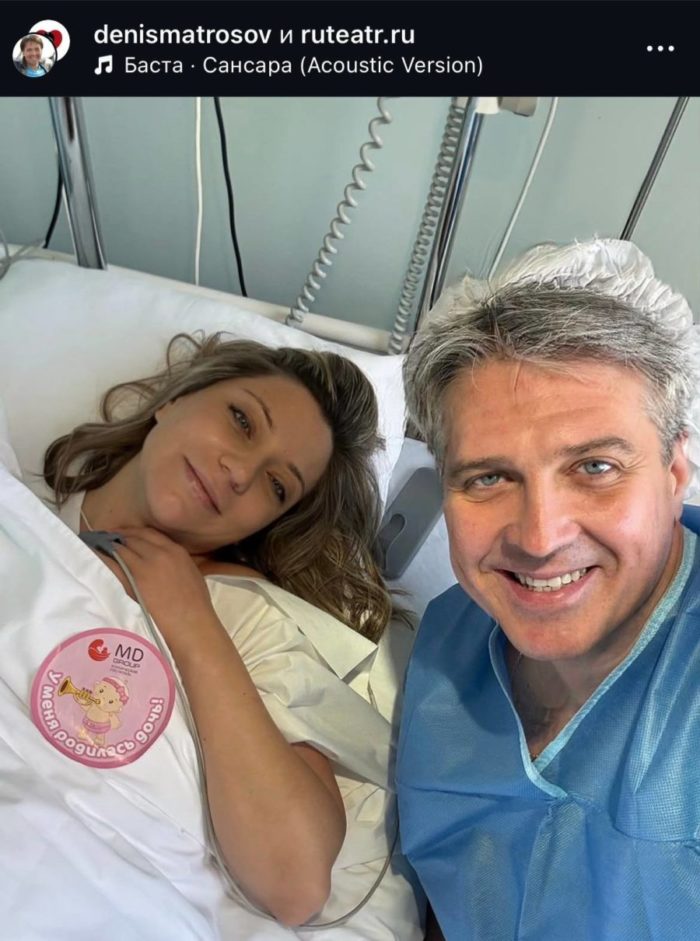
 Юлия Раевская


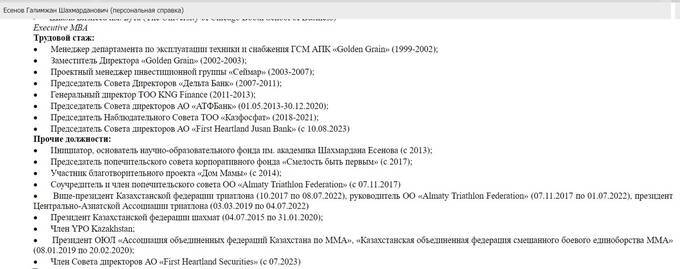
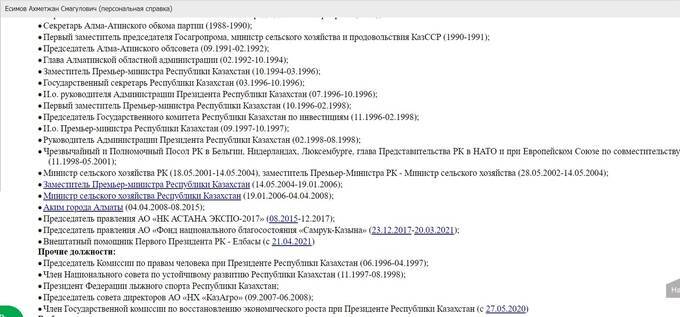


 Given the transnational nature of the reported operations and potential concerns related to EU sanctions and maritime regulations:


