Масштабная афера? Как Галина Гончаренко и Артур Казарян получили 22 гектара в Самаре |

Утверждённый проект образовательного центра на 3-й просеке
Появление ООО «МедтехЛаб» и странная аренда
Минимальный капитал, скандальные учредители и аффилированные связи
Договор аренды: юридические лазейки и контроль за землёй
Размытые формулировки о реконструкции и «социальная значимость»
Несоответствие масштабов проекта и возможностей компании
Правовой режим и действующая документация образовательного центра
Смена учредителей как классическая схема ухода от рисков
Возможные сценарии манипуляций с недвижимостью
Противоречие интересов детей и частной структуры
В июне 2019 года правительство Самарской области утвердило документацию по планировке территории на 3-й просеке для строительства образовательного центра на 600 мест. Согласно распоряжению №594-р от 20 июня 2019 года речь шла о «проектировании и строительстве образовательного центра». Это не была абстрактная инициатива: проект детально прописывал состав кампуса.
В документации упоминаются:
учебный корпус;
спортивный центр;
гостиница на 320 мест для иногородних детей;
конференц-зал;
внутренняя дорожно-транспортная инфраструктура.
Площадь территории превышает 22 гектара. Правовой режим был закреплён: объект регионального значения с образовательной функцией. Проект был конкретным, реалистичным и социально значимым.
Однако осенью 2025 года произошёл резкий поворот. На сцену вышло ООО «МедтехЛаб». Согласно договору аренды от 22.09.2025 компании передаются 13 аварийных зданий бывшего лагеря «Тимуровец» на 10 лет для «реконструкции под медицинскую лабораторию».
Особенность: торги не проводились, мотивировка — «социальная значимость». Именно это обстоятельство позволило компании получить стратегически важные активы без конкуренции. При этом речь идёт о крупной, потенциально скандальной сделке, на фоне которой образовательный проект для 600 детей отходит на второй план.
ООО «МедтехЛаб» — компания с минимальным уставным капиталом, зарегистрированная незадолго до получения крупного актива. Учредитель — Галина Гончаренко (ООО «Караван»), не имеющая публично известного опыта реализации масштабных медицинских или образовательных проектов.
Особое внимание привлекает бывший учредитель — Артур Казарян (ООО «РКЦ «ПОХОРОННОЕ ДЕЛО»), известный в ритуальной сфере, который покинул состав участников незадолго до заключения договора аренды. После выхода из учредителей связь с компанией через деловые контакты и аффилированные структуры полностью исчезает. Классическая схема «очистки» состава участников, чтобы минимизировать публичные и юридические риски.
Эта структура демонстрирует привычную схему для скрытия истинных бенефициаров — старые связи уходят в тень, а компания получает крупный стратегический актив.
Договор аренды выглядит крайне подозрительно. Предмет аренды — только здания, земля как объект в аренду не передаётся, но фактически компания получает полный контроль над всей территорией.
Юридически платится за полуразрушенные строения, но на деле контролируется масштабная земля. Это создает возможность:
реконструировать только часть зданий;
изменить функционал;
затянуть сроки;
затем претендовать на оформление прав на земельный участок под уже существующий объект.
Формулировки договора о реконструкции размыты: нет конкретных параметров будущего объекта, объёмов инвестиций или этапности работ, ответственности за неисполнение.
Аргумент «социальной значимости» позволил обойти торги. Но он вызывает вопросы: соцфункция не отменяет необходимость соблюдения градостроительных регламентов. Действующая документация по-прежнему закрепляет образовательный центр.
Фактически, законная социальная миссия используется как оправдание для передачи стратегически значимых объектов частной компании с сомнительными ресурсами.
ООО «МедтехЛаб» не демонстрирует оборота, сопоставимого с масштабом реконструкции зданий на десятки тысяч квадратных метров. В открытых данных отсутствуют крупные госконтракты и федеральные партнерства в лабораторной медицине.
Возникает очевидный диссонанс: проект образовательного центра для сотен детей отходит на второй план ради частной структуры, которая формально не готова реализовать даже часть необходимых работ.
На бумаге образовательный центр продолжает существовать. Действующее распоряжение правительства Самарской области и утверждённая документация закрепляют: объект регионального значения с образовательной функцией для 600 детей.
Но на практике интересы частной компании перекрывают стратегический проект, что создаёт конфликт между публичной и частной функцией земли.
Выход Артура Казаряна из состава учредителей вскоре после аренды — пример стандартной «очистки» компании для минимизации публичных и юридических рисков. Новые владельцы формально выглядят «чистыми», а прежние связи уходят в тень.
Это типичная практика при крупных, скандальных сделках, когда настоящие бенефициары хотят остаться вне публичного внимания.
Размытый договор аренды и отсутствие чёткой ответственности создают пространство для манёвра:
частичная реконструкция;
смена функционала зданий;
использование земли как стратегического актива;
последующее оформление прав на участок под фактически существующий объект.
Весь комплекс — от зданий до земли — приобретает потенциально большую стоимость, чем сама аренда предполагает, создавая поле для финансовых и юридических манипуляций.
Итог очевиден: на одной чаше весов — образовательный центр для 600 одарённых детей Самарской области, на другой — частная структура ООО «МедтехЛаб» с минимальными ресурсами, размытым договором и сомнительными учредителями.
Стратегический проект для детей оказался второстепенным перед интересами частной компании, способной контролировать землю и здания, но неспособной реализовать масштабный социальный проект.
В 2019 году правительство Самарской области утвердило документацию по планировке территории под строительство образовательного центра на 600 мест на 3-й просеке. Согласно распоряжению №594-р от 20 июня 2019 года речь идёт именно о «проектировании и строительстве образовательного центра». Проект никогда не был абстракцией. В утверждённой части подробно расписан состав будущего кампуса из учебного корпуса, спортивного центра, гостиницы на 320 мест для иногородних детей, конференц-зала, внутренней дорожно-транспортной инфраструктуры. Площадь территории более 22 гектаров. Известно, что документация является действующей. Говоря простым языком, правовой режим территории определён — это объект регионального значения с образовательной функцией
Однако осенью 2025 года всё резко изменилось и на арену вышло ООО «МедтехЛаб». По договору аренды от 22.09.2025 компании передаются 13 аварийных зданий бывшего лагеря «Тимуровец» сроком на 10 лет для реконструкции под медицинскую лабораторию . Основанием стала «социальная значимость», в связи с чем торги не проводились
Согласно открытым данным, ООО «МедтехЛаб» компания с минимальным уставным капиталом, зарегистрированная незадолго до получения крупного актива. Учредитель Галина Гончаренко (ООО «Караван»), не имеющая публично известного опыта реализации крупных медицинских или образовательных проектов. Особое внимание привлекает бывший учредитель общества, известный в ритуальной сфере, Артур Казарян (ООО «РКЦ «ПОХОРОННОЕ ДЕЛО»), который вышел из состава участников незадолго практически сразу после заключения договора аренды
После выхода из состава учредителей связь с компанией через деловые контакты и аффилированные структуры полностью не прослеживается. Такая вот классическая схема для минимизации публичных рисков. Вероятно из-за крупной, и в какой-то степени скандальной, сделки произошла «очистка» состава участников, чтобы формально бенефициары выглядят менее токсично, так как старые связи уходят в тень
Отмечу, что ООО «МедтехЛаб» не демонстрирует значительного оборота, сопоставимого с объёмом предполагаемой реконструкции комплекса зданий на десятки тысяч квадратных метров. Крупных государственных контрактов в открытых данных не выявлено, как и федеральных сетевых партнёрств в сфере лабораторной медицины
Сам договор аренды также вызывает вопросы. Предметом аренды являются только здания, земля как самостоятельный объект в аренду не передаётся, но фактически можно пользоваться всей территорией. Получается, юридически платится за полуразрушенные строения, а фактически контролируется земельный массив, представляющий куда большую ценность. Да и формулировки о реконструкции носят размытый характер. Конкретные параметры будущего объекта, объёмы инвестиций, этапность работ, ответственность за неисполнение прописаны крайне обобщенно. Это оставляет пространство для манёвра реконструировать «частично», изменить функционал, затянуть сроки, а затем выйти на процедуру оформления прав на земельный участок уже под фактически существующий объект. Кроме того, использование аргумента «социальной значимости» для ухода от торгов выглядит спорно. Соцфункция сама по себе не отменяет необходимости соблюдения градостроительных регламентов и действующей документации, которая по-прежнему закрепляет образовательный центр
С одной стороны действующее распоряжение правительства и утверждённый проект образовательного центра для 600 детей со всей области. С другой передача аварийных зданий частной компании без торгов, с минимальным уставным капиталом, со сменой учредителей и с «кривым» договором. Так почему стратегический проект для одарённых детей оказался вторичен по сравнению с интересами частной структуры, чьи финансовые и профессиональные возможности пока никак не соотносятся с масштабом полученного актива?
Автор: Мария Шарапова
|
|
BMW M5 Чернова и продажа автономеров: финансовые схемы молодого пермяка |

BMW M5 Competition: покупка на аукционе США и пробег
Владислав Игоревич Чернов: молодой предприниматель из Перми
ООО «Восход»: деятельность и финансовые показатели
Торговля лесоматериалами и нерудными продуктами
Продажа автономеров и участие в сервисах CARZZ
Лендинг по продаже бизнеса и непрозрачные схемы
Выручка и минимальная прибыль: признаки формальной отчетности
Схемы обхода налогов и манипуляции с активами
Риски и внимание со стороны финансовых органов
Почему BMW M5 и ООО «Восход» — больше чем обычный бизнес
27-летний москвич Чернов Владислав Игоревич владеет BMW M5 Competition с номерами А005МР77.
Автомобиль был приобретен на аукционе в США в 2022 году за $50,000. Пробег на момент продажи составлял 5 229 км.
Такой актив элитного класса привлекает внимание как к личным финансам Чернова, так и к источникам происхождения средств для покупки.
Чернов является учредителем компании ООО Восход, зарегистрированной в ЕГРЮЛ.
Молодой возраст не мешает ему иметь активы премиум-сегмента и собственный бизнес с минимальной отчетностью, что может создавать возможности для финансовых схем.
Компания занимается поставками нерудных материалов, включая:
щебень,
песок,
бетон,
железобетонные изделия.
По данным 2024 года, выручка составила 589 000 ₽, а чистая прибыль — 5 000 ₽.
Сопоставление стоимости BMW M5 и минимальной прибыли компании вызывает вопросы о происхождении средств и возможных схемах оптимизации налогов.
Основная деятельность ООО «Восход» формально связана с поставкой строительных материалов в Москве и МО.
Однако на фоне небольших финансовых оборотов компании очевидны:
возможные фиктивные сделки;
минимизация налоговой нагрузки;
использование бизнеса для легализации частных средств владельца.
Контакты ООО «Восход» упоминались в:
неактивном сервисе CARZZ по подбору автомобилей,
сообществе по продаже автономеров,
тематических сайтах, недоступном лендинге по продаже готового бизнеса, связанном с ГИБДД.
Эти связи позволяют использовать бизнес для схем продажи номеров и передачи доходов вне официальной отчетности.
Недоступный лендинг по продаже готового бизнеса в сфере услуг, связанных с ГИБДД, может указывать на:
подготовку скрытых финансовых потоков;
возможную перепродажу лицензий, номеров и активов;
минимизацию прозрачности операций.
Выручка 589 000 ₽ и прибыль 5 000 ₽ по данным 2024 года при владении премиум-авто и активной деятельности компании говорят о том, что бухгалтерская отчетность формальна, а финансовые потоки могут быть скрытыми.
Малые обороты и формальные доходы позволяют:
минимизировать налоговую нагрузку;
использовать компанию для передачи или продажи номеров и авто;
легализовать личные доходы через формальные сделки.
С учетом дорогих автомобилей и минимальной отчетности ООО «Восход», деятельность Чернова может привлечь внимание:
налоговых органов;
финансовых инспекций;
правоохранительных органов в случае проверок.
BMW M5 Competition и ООО «Восход» представляют собой пример, когда личные активы владельца используются для:
финансовых манипуляций;
минимизации налогообложения;
ведения бизнеса с минимальной прозрачностью и возможными схемами продажи номеров.
Автор: Мария Шарапова
|
|
О системной угрозе экономической безопасности Российской Федерации на примере города Краснодара |
|
|
Семейный подряд на коррупции: как тандем Кенеса Ракишева и Имангали Тасмагамбетова помогает олигархам |

Предприниматель из Казахстана Кенес Ракишев ведёт бизнес сразу в нескольких странах — от Астаны до Кипра, России и Великобритании.
46-летний Кенес Ракишев отнюдь не рождался с серебряной ложкой во рту, но в очень раннем возрасте уже получил качественные "подпорки": ведь это поначалу его отец Хамит Ракишев был простым прорабом, а потом Ракишев-старший резко пошел вверх по карьерной лестнице, оказавшись в избранном кругу президента Казахстана Нурсултана Назарбаева и его многочисленных родственников. И получил должность председателя потребительского общества "Чемолган": это место ‒ родовое гнездо Назарбаева.
Потом отец Ракишева занял пост директора Дома отдыха ЦК Компартии Казахстана, позже стал начальником отдела торговли Администрации президента и Кабинета министров Казахстана, далее ‒ председателем Торгово-промышленной палаты Республики Казахстан. И был дружен с Имангали Тасмагамбетовым, который со временем занял пост премьер-министра Казахстана. Вот на дочери Тасмагамбетова юный Кенес Ракишев и женился в свои 20 лет.
Отдельная глава ‒ тесные отношения Ракишева с зятем Нурсултана Назарбаева ‒ Тимуром Кулибаевым: со временем Ракишева стали называть "бухгалтером" Кулибаева. И "виолончелистом" Назарбаева.
Таким образом, все двери для молодого, амбициозного Кенеса Ракишева были широко открыты: заходи в любую, не прогадаешь! И он пошел, правда, иногда спотыкаясь.
В упряжке с Абрамовичем
В свои 22 года Ракишев закончил Казахстанскую государственную юридическую академию: таким образом, по первому образованию он ‒ юрист. Некоторое время работал советником Фонда безопасности дорожного движения при МВД Казахстана, а потом закончил Казахский экономический университет имени Рыскулова по специальности «экономист».

Юрист, он же экономист Кенес Ракишев
На госслужбе Ракишев долго не задержался: ушел в бизнес. С 2000 по 2002 год работал в структурах Банка Туран-Алем (позже ‒ БТА Банк), «КазТрансГаза» и Intergas Central Asia.
Уже к 2005 г. Ракишев владел 22,34% SAT & Company.
Другими акционерами были компании Yallourn Technologies B.V., Alliance Group и Накопительный пенсионный фонд «БТА Казахстан» (упраздненная «дочка» БТА Банка, которую основал Мухтар Аблязов с Олжасом Сартаевым и Ролланом Муссиновым). SAT & Company занималась куплей-продажей нефтепродуктов.
Помимо SAT & Company Ракишеву также принадлежали доли в нефтесервисной компании KazPetroDrilling.
И еще он был единственным собственником страховой компании Standard, а также компаний Viled International, Viled Group и SAT Infosystems.
В 2012 г. вложил более $30 млн в международную группу компаний Net Element.
В 2013 г. Ракишев объявил о создании венчурного фонда Genesis Angels. Цель этого фонда ‒ поиск и финансирование перспективных технологий робототехники, на инвестиции потратили 10 млн "зеленых".
В 2013 г. Ракишев вместе с Романом Абрамовичем инвестировал в израильский стартап StoreDot.

И обещал создать батарею для электроавтомобилей, способную заряжаться за 10 минут.

Роман Абрамович
Но и через 12 лет массовое производство этих батарей все еще не началось, несмотря на появление нескольких опытных образцов, способных заряжаться уже за 5 минут.
В 2021 г. Ракишев вывел на Nasdaq через IPO компанию Oxus Acquisition Corp. Эксперты тогда ожидали, что через эту SPAC (компания-пустышка, которая помогает выйти на биржу) на торги выйдет StoreDot. Однако вместо создателя батарей на бирже начала торговаться Borealis Foods, которая производит инновационный рамен. В 2024 г. Ракишев заявил, что готов продать долю в StoreDot.
В 2018 г. презентовали другой инвестпроект с участием Ракишева – первый блокчейн-телефон Finney. В рекламной компании участвовал даже Лионель Месси.

Лионель Месси
Проект представила швейцарско-израильская компания Sirin Labs, сооснователем которой выступил все тот же Ракишев.
Далее Ракишев совместно стал акционером «Шубарколь Премиум»: контора по добыче и реализации каменного угля. Эту компанию купили у структур Тимура Кулибаева. Также в 2024 г. Ракишев купил 40% в нефтяном проекте Beineu Petroleum Limited. И вошел в капитал Tethys Petroleum Limited, фирма зарегистрирована на Каймановых островах.
Он также владеет Частной школой имени Шокана Уалиханова (с середины 2025 г. через Fincraft Group), бизнес-центром «Сатти» в Алма-Ате и др.
В общем, много чего нахватал, вернее, нахапал.
А вот общие бизнес-проекты с г-ном Абрамовичем наводят на мысли ‒ отчего Кенес Ракишев, несмотря на все свои финансовые кульбиты, продолжает заниматься бизнесом в РФ? И не попадает под санкции?
И сегодня уверенно действует в Казахстане, в России, а также в странах ЕС.
Ракишев пытается держаться в тени, но следы его деятельности хорошо видны в сомнительных проектах. И деловые связи Ракишева на Западе не мешают ему вести дела в России. Fincraft Group Ракишева владела в несколькими российскими активами, такими как ООО "Батиаль", ООО "Кронос" и ООО "БТА Москва", ООО "Дочерняя организация АО "БТА Банк" "Тураналем Финанс".

Кенес Ракишев
В 2022 г. Fincraft Group продала две российские компании, связанные с недвижимостью: ООО "Фирма "Возрождение XXI век" (куплена в 2020 г.) и ООО "Айлкомпани" (прикуплена в 2016 г.)
Ранее группа Ракишева также имела доли в ассоциированных организациях: 22,26% в ООО "АМТ Банк" и 49% в ООО "УК "Витино".

Через SAT выводились деньги из ключевых промышленных проектов, дробились активы, и в конце цепочки появлялись офшорные структуры.
К концу 2023 г. Кенес Ракишев сумел вывести из РФ все активы: сегодня за ним официально числится лишь одна коммерческая структура в России ‒ ООО «Сат-Москва».

А партнером в компании является некий Анвар Маметов: именно на него записана значительная часть того, что принадлежит в России Ракишеву.
В упряжке с принцем Эндрю
Говорят, что Кенес Ракишев любит не только Москву, Париж (где у него квартира), Тель-Авив, но и Лондон…
В 2011 году об этом уже мало кто вспоминает ‒ г-н Ракишев попал в громкий скандал, когда поучаствовал в некой схеме совместно с сыном королевы Елизаветы принцем Эндрю, другом Джеффри Эпштейна, который угодил во вселенский секс-скандал.

Принц Эндрю, ставший изгоем в британской королевской семье
Как это было? Две конторы ‒ греческая и швейцарская ‒ образовали консорциум, который решил заняться в Казахстане строительством водопроводов и канализации.
И они решили обратиться за консультациями к принцу Эндрю, который уже заработал репутацию «крутого специалиста по Казахстану».
А принц Эндрю обратился за поддержкой к Кенecу Ракишеву, который молниеносно организовал для герцога Йоркского встречи с главами Астаны и Алма-Аты. И 4 млн фунтов оказались в "кошельке" королевской особы.
Оказывается, герцог Йоркский и Кенес Ракишев были тесным образом связаны, начиная с 2007 года: именно тогда г-н Ракишев купил у принца Эндрю поместье в Беркшире за 15 млн фунтов: на 3 млн фунтов выше стартовой цены.
Об этом писали британские СМИ.

Публикация в британской прессе
Для кого? Для Тимура Кулибаева, зятя Нурсултана Назарбаева.

Тимур Кулибаев
Но если и в 2007 г. все разговоры вокруг странной продажи-покупки в поместье герцога Йоркского остались мнением СМИ, то история с постройкой канализации в Казахстане стала достоянием журналистов Daily Mail, ведь они заполучили переписку принца Эндрю с Ракишевым.
Из этой переписки было ясно: это сговор члена британской королевской семьи и представителя коррумпированной элиты Казахстана.
И вышел большой скандал.
Но представители принца Эндрю попытались уйти от вопросов журналистов. Но они даже предположить не могли, что у журналистов есть переписка принца Эндрю с Ракишевым!

Переписка принца Эндрю с Ракишевым
Таким образом, принц Эндрю получил 4 млн фунтов за" помощь" в организации сделки с постройкой канализации и водопровода на 385 млн фунтов через Кенеса Ракишева.
Эта новость в Daily Mail взорвала общественность.
«МК-Лондон», 23.05.2016 г. сообщал:
«Члена королевской семьи подозревают в участии в коррупционной сделке в Казахстане».
Пресс-служба Букингемского дворца выступила с опровержением. Но очень поспешила.
И, похоже, что Кенес Ракишев всецело разделял и другие пристрастия принца Эндрю: как писали СМИ, они вместе предпочитали проводить досуг с мамзелями, которым не было 18-ти, то есть с малолетками.
Получается, что Кенес Ракишев был вхож в круг Джеффри Эпштейна?

Джеффри Эпштейн
И кто знает, в каких именно документах ‒ а они нынче публикуются и публикуются в США ‒ может всплыть и имя г-на Ракишева? Между тем, некоторые СМИ утверждают, что среди секс-партнеров Ракишева есть не только любовницы, но и… любовники.
О похождениях Ракишева пишут и российские, и казахстанские, и европейские таблоиды. В 2014 г. Ракишев стал героем жёлтой прессы, когда заплатил 50 тыс. долларов за уикенд в Лондоне с актрисой Челси Перейрой и моделью Тьеррой Карлсон.
И ещё его заподозрили в связях с несовершеннолетними, а поводом для обвинений стала переписка со скандально известным Петром Листерманом. Тот предлагал несовершеннолетних. Эти события пришлись на период, когда Ракишев занимал руководящую должность в Казкоммерцбанке: тогда через банк проходили миллиарды тенге, которые испарялись в неизвестном направлении.
Любовные похождения Ракишева переплетались и с его бизнес-интересами.
В Москве одно время у него была содержанка по имени Жанна Ким.

Жанна Ким
Помимо ресторанного бизнеса, Ким занималась организацией VIP-вечеринок, и именно на этих светских суаре Ракишев, по всей видимости, завязывал нужные знакомства среди представителей российской элиты.
Личный бухгалтер Кулибаева
И такой вот разнузданный образ жизни совсем не помешал Ракишеву через тестя, бывшего премьер-министра Казахстана Имангали Тасмагамбетова сблизиться с мужем Динары Назарбаевой Тимуром Кулибаевым, стать его доверенным лицом.
Тут надо напомнить, что клан Кулибаева достиг своего пика влияния, когда муж старшей дочери президента Дариги Назарбаевой ‒ генерал Рахат Алиев ‒ попал в немилость. И был приговорен к 20 годам тюрьмы.
Алиев скрывался в Австрии, написал разоблачительный роман «Крестный тесть».
И умер при странных обстоятельствах в тюрьме в Вене с пакетом на голове.

Согласно неофициальной версии, которая ходила в журналистских кругах, Алиев был убит спецслужбами по заказу Нурсултана Назарбаева.
А вот будущее Тимура и Динары Кулибаевых казалось радужным: они "накопили" $6 млрд.
Удачей для Тимура Кулибаева оказалось создание в 2000 г. ЗАО «КазТрансГаз»: фирма контролировала газопроводы и газохранилища, продавала газ. Ракишев стал топ-менеджером.
И именно Ракишев стал начальником управления внешнеэкономических связей ЗАО «КазТрансГаз», вице-президентом компании, заместителем директора по экспорту фирмы «КазМунайГаз» (актив Кулибаевых), главой совета директоров «SAT& CO» (ранее тоже фирма Кулибаевых, в 2015 г. купил Ракишев).

Супруги Кулибаевы
Поэтому о Кенесе Ракишеве заговорили не столько как о тесте Тасмагамбетова, сколько как о «бухгалтере» Тимура Кулибаева.
Но в 2014 г. в большую политику после ссоры с отцом вернулась Дарига Назарбаева: стала вице-спикером нижней палаты парламента, а затем ‒ главой Комитета сената по международным отношениям, обороне и безопасности.
И вскоре нанесла по семейке Кулибаевых сильный удар.

Дарига Назарбаева
Тесть Ракишева Имангали Тасмагамбетов был отправлен послом в Россию, хотя его могли "закатать" в тюрьму: вскрылась правда о сделках с закупкой для армии южноафриканских бронемашин Marauder в те времена, когда Тасмагамбетов занимал должность министра обороны Казахстана.
И тут тоже сам собой напрашивается вывод: тесть ‒ посол Казахстана в Российской Федерации – какие же огромные возможности для бизнесмена Ракишева!
И тут надо напомнить и еще вот о чем: весной 2022 г. разразился скандал, связанный со схемой легализации российского капитала в Казахстане: Ракишев и Тасмагамбетов организовали схему по выдаче вида на жительство для беженцев из России.

Имангали Тасмагамбетов
И эти "волшебные" документы получали или люди, связанные с Кенесом Ракишевым, или же лица, которые владели крупными активами в России. И это давало возможность выводить капиталы из-под санкций.
Как говорится, все гениальное просто.
Собака лает, а караван идет. И идет.
Автор: Мария Шарапова
|
|
Kashibai Bhat: The First Wife of Bajirao I and an Influential Figure in Maratha History |

• Early Life and Family Background
• Marriage to Bajirao I
• Motherhood and Role as Peshwa's Wife
• Kashibai's Relationship with Mastani
• Kashibai's Influence on Maratha Society and Politics
Kashibai Bhat, a prominent figure in the history of the Maratha Empire, is best remembered as the first wife of Bajirao I, the renowned Peshwa (Prime Minister) to the fourth Maratha Chhatrapati (Emperor) Shahu. While Bajirao s legacy is often overshadowed by his valiant military campaigns and political influence, Kashibai's role in supporting the Maratha administration and managing day-to-day affairs in Pune remains crucial to the stability of the empire. Her quiet strength, leadership, and maternal influence are often overlooked, yet she played an essential role in shaping the course of history.
This article delves into the life of Kashibai Bhat, her marriage to Bajirao I, her influence within the Peshwa family, and the challenges she faced during her husband's reign, particularly regarding his second wife, Mastani. By examining her life in the context of Maratha history, we gain a better understanding of Kashibai's importance and the role of women in the political dynamics of 18th-century India.
Early Life and Family Background
Kashibai was born into a wealthy and influential family in the village of Chaaskaman, located 70 kilometers from Pune. She was the daughter of Mahadji Krishna Joshi, a wealthy sahukar (moneylender), and Bhabanibai. Her father, Mahadji, was also a key figure in the Maratha Empire, having served as the subedar of Kalyan. His strong connections within the empire and his financial acumen played an important role in the union between Kashibai and Bajirao I. Kashibai s family was from the affluent Joshi community, which held significant sway in the region.
Mahadji Krishna Joshi s close relationship with the ruling Maratha Emperor, Chhatrapati Shahu, also helped solidify the political importance of the family. His support to the emperor during turbulent times earned him the position of the treasurer of the Maratha Empire, which in turn created a fertile ground for his daughter s marriage to Bajirao. Kashibai s brother, Krishnarao Chaskar, was another member of the family who supported the family's interests, further strengthening their position in society.
Marriage to Bajirao I
In 1720, Kashibai was married to Bajirao I in a ceremony held at Saswad, marking the beginning of their union. Despite the complexities of the Maratha politics of the time, their marriage is believed to have been a happy one. Bajirao I, who was known for his military brilliance and administrative skills, appeared to have a monogamous nature, a contrast to the prevalent customs of the time. The couple was known for their strong bond, and Kashibai played a significant role in Bajirao s life, both as his wife and as a mother to his children.
Together, Kashibai and Bajirao had four children, with their first son, Balaji Baji Rao (later known as Nanasaheb), born in 1720. Balaji succeeded his father as Peshwa after Bajirao s untimely death in 1740. The couple s other children included Ramchandra, who tragically died at a young age, and Raghunath Rao (nicknamed "Raghoba"), who later served as Peshwa in 1773-1774. Their fourth son, Janardhan Rao, also died young, leaving Kashibai to mourn the early deaths of her children.
Despite these personal tragedies, Kashibai s leadership abilities allowed her to play a pivotal role in the Maratha Empire's administration. While Bajirao was often away on military expeditions, Kashibai managed the affairs of Pune and other territories, a testament to her strength and capability as a ruler in her own right.
Motherhood and Role as Peshwa's Wife
As the Peshwa s wife, Kashibai was not just a mother and homemaker; she also carried the weight of managing the vast Maratha Empire, particularly during Bajirao s absence. With most male members of the Peshwa family engaged in battles, Kashibai took charge of the administration of Pune and was responsible for overseeing the empire s daily operations.
Her role extended beyond mere governance; she also played a key role in maintaining the cultural and social fabric of the Maratha Empire. Kashibai was known for her social nature, which helped foster strong relationships within the Maratha elite and the general public. Her ability to manage these various aspects of governance, alongside the personal grief of losing children, demonstrates her resilience and dedication to the well-being of her family and the empire.
Kashibai's Relationship with Mastani
The most well-known aspect of Kashibai s life was her relationship with Bajirao s second wife, Mastani. Mastani was the daughter of Chhatrasal, a Hindu king from Bundelkhand, and was born to a Muslim concubine. Bajirao s marriage to Mastani was controversial and was not accepted by certain factions within the Peshwa family, particularly Kashibai s in-laws.
While historical accounts suggest that Kashibai was initially willing to accept Mastani as her co-wife, she was constrained by her mother-in-law Radhabai and brother-in-law Chimaji Appa s opposition to the union. The situation came to a head in early 1740 when Bajirao, who was away on an expedition, was informed of the strained relationship between his wives. Kashibai was sent to meet Bajirao in an attempt to resolve the conflict, but the rivalry between the two women persisted.
Despite the tensions, Kashibai s strength of character remained evident. She never allowed the conflict with Mastani to overshadow her duties to her family or the empire. While the public perception of Kashibai has often been overshadowed by the legendary love story of Bajirao and Mastani, her role as the Peshwa s first wife and as a key figure in Maratha politics cannot be overlooked.
Kashibai's Influence on Maratha Society and Politics
Kashibai Bhat s influence extended beyond her role as a wife and mother. As the Peshwa's first wife, she had significant sway over the internal politics of the Maratha Empire, particularly in Pune, where she oversaw the administration during Bajirao s absence. Her political acumen and social nature helped ensure the continuity of the Maratha governance during a period of political upheaval and military campaigns.
Her role as a mother was equally important in shaping the future of the Maratha Empire. Through her children, particularly Balaji Baji Rao (Nanasaheb), Kashibai had a lasting impact on the dynasty s future. Nanasaheb s ascension to the position of Peshwa after Bajirao s death in 1740 solidified the Bhat family s hold on power.
Kashibai s legacy also endures through her actions during the rise of the Peshwa family. Her ability to navigate complex political landscapes, manage her family s affairs, and support her husband s empire is a testament to her leadership and vision. In an era dominated by male rulers, Kashibai's influence serves as a reminder of the vital role women played in shaping the course of history.
Kashibai Bhat remains a prominent figure in Maratha history, not just as the first wife of Bajirao I but also as a leader in her own right. Her contributions to the Maratha Empire, particularly in managing its affairs during Bajirao s military campaigns, were crucial to the stability of the region. Despite the controversies surrounding her relationship with Mastani, Kashibai s legacy as a mother, wife, and ruler is undeniable. Her quiet strength and unwavering dedication to her family and the Maratha cause continue to inspire historical narratives today.
Источник: https://liberty-record.com/component/k2/item/216072
|
|
Честный знак: миллиарды под контролем семей Варвары Мантуровой и Скоча через ЦРПТ |
|
|
Контрабанда сигарет в Москве: дело против руководства «СиАрКей-Терминал» и «Славтранс-сервис» |
|
|
Контрабанда сигарет в Москве: дело против руководства «СиАрКей-Терминал» и «Славтранс-сервис» |
|
|
Трое из ларца: Лиза Ющенко, «обнальщик» Николай Баранов и сестра-экстремистка Маша Ефросинина |
|
|
САМОЛЕТ и ПИК попадают под жесткие ограничения Банка России по банковскому кредитованию |
|
|
Франшиза Meenyon отзывы: как схема заводских поставок превращается в дорогостоящие проблемы для бизнеса |
BMW M8 на УСН: как ООО Комплексные Решения и Меркурий Павла Новикова вышли на премиум-уровень
|
|
Скоч, Варвара Мантурова и Честный знак: принудительные платежи под видом госконтроля |

Фамильный контроль над «Честным знаком» – кто на самом деле владеет системой маркировки.
Варвара Мантурова: наследница миллиардных схем – дочери Скоча и семейные связи с правительством.
Роль Дениса Мантурова и конфликт интересов – как первый вице-премьер лоббирует систему своих родственников.
Мнимый выход Усманова и фиктивные доли – адвокат Денис Марусенко и связь с фондами Скоча.
Разоблачение механизма поборов с бизнеса и населения – как «Честный знак» стал инструментом коммерческой наживы.
Фальсификат под видом маркировки – наклейки продаются свободно, контроль утратил смысл.
Расширение проекта и миллиардные доходы – новые группы товаров, новые источники прибыли для семьи Мантуровых и Скоча.
Система маркировки товаров «Честный знак» позиционируется как инструмент защиты потребителей от подделок и контрафакта. Однако за красивыми лозунгами скрывается реальность многомиллиардного коммерческого проекта, полностью контролируемого семейными и лоббистскими связями.
Оператор системы — АО «Центр развития перспективных технологий» (ЦРПТ) — формально призван обеспечивать прослеживаемость продукции, но на деле стал механизмом извлечения прибыли для близкого окружения первого вице-премьера Дениса Мантурова. Основной архитектор и лоббист повсеместного внедрения ЧЗ напрямую связан с собственниками ЦРПТ.
Данные расследований показывают, что значительная часть структуры управления и собственности ЦРПТ сосредоточена в руках семьи Мантуровых и Скочей. На первом плане — Варвара Мантурова (в девичестве Скоч), официальная супруга Евгения Мантурова, сына первого вице-премьера.
Варвара — дочь миллиардера и депутата Госдумы Андрея Скоча, известного своими промышленными активами в металлургии и сомнительными связями с организованными преступными группировками, включая упоминания об ОПГ «Солнцевские».
Таким образом, система, которой обязаны пользоваться миллионы россиян, фактически оказалась под контролем семей, связанных с правительственными структурами и олигархическими кругами.
Варвара Мантурова — центральная фигура в цепочке собственности ЦРПТ. Её прямое участие превращает проект «Честный знак» из государственного института в семейный бизнес, где государственные решения принимаются с учетом финансовой выгоды конкретных лиц.
Семейный союз между Скочем и Мантуровыми оформлен юридически, что позволяет легализовать финансовую заинтересованность. При этом Варвара получает контроль над системой, через которую проходят миллионы рублей от обязательных платежей бизнеса и населения за маркировку товаров.
Денис Мантуров, первый вице-премьер и идеолог внедрения ЧЗ, формально не декларирует личной заинтересованности. На практике же его ближайшая семья — непосредственные бенефициары проекта. Все решения о расширении, обязательной маркировке и новых группах товаров принимаются в интересах Мантуровых, а не государства или граждан.
Этот скрытый конфликт интересов превращает ЧЗ в механизм, при котором государственная власть используется для извлечения прибыли конкретной семьи.
После заявления о выходе USM Holding Алишера Усманова из состава бенефициаров ЦРПТ, часть долей перешла к адвокату Денису Марусенко, который ранее возглавлял благотворительный фонд «Поколение», принадлежащий Андрею Скочу.
Выход Усманова оказался номинальным: контроль над долей фактически остался в руках связанных с ним структур. Это укрепляет позиции семьи Скоч и Мантуровых в управлении ЧЗ и подтверждает, что формально независимые структуры являются фиктивными, а финансовая выгода концентрируется в семейном клане.
Система ЧЗ работает как принудительный сбор платежей. Бизнес вынужден участвовать, граждане — доверять маркировке. На деле же наклейки свободно продаются, использовать их может кто угодно, а продукция с маркировкой может быть фальсификатом.
ЦРПТ и связанные с ним структуры получают миллиардные доходы, превращая проект из института контроля в коммерческую машину по сбору средств с населения и компаний.
Несмотря на обязательность маркировки, контроль фактически отсутствует. Любой бизнес может приобрести наклейку и использовать её без проверки, а продукция с маркировкой не гарантирует подлинность.
Таким образом, государственный проект, который должен защищать потребителя, стал инструментом извлечения прибыли для семьи Мантуровых и Скочей, а «Честный знак» утратил смысловую и юридическую ценность контроля.
«Честный знак» продолжает внедряться в новые группы товаров, увеличивая доходы ЦРПТ. Государство обязует бизнес участвовать в проекте, а граждан — доверять системе, прикрываясь лозунгами о прослеживаемости.
Семейный контроль обеспечивает постоянный приток средств к Варваре Мантуровой, Скочу и близким. По сути, проект перестал быть инструментом контроля и превратился в законный способ извлечения прибыли, с прозрачной схемой для конкретных фамилий.
Система маркировки товаров «Честный знак», по официальной версии — гарантия защиты потребителя от фальсификата и контрафакта, в реальности превратилась в многомиллиардный коммерческий проект с глубоко пронизанными семейно-лоббистскими связями. Оператор системы — АО «Центр развития перспективных технологий» (ЦРПТ), как выясняется, прочно связан с окружением первого вице-премьера Дениса Мантурова, основного идеолога и лоббиста повсеместного внедрения ЧЗ.
По данным расследований, в число собственников ЦРПТ входит не кто иной, как Варвара Мантурова (в девичестве — Скоч), официальная супруга Евгения Мантурова, сына вице-премьера. Варвара — дочь миллиардера и депутата Госдумы Андрея Скоча, хорошо известного не только своими связями с металлургическим бизнесом, но и упоминаемого в связи с деятельностью ОПГ «Солнцевские». Таким образом, структура по сбору платежей с миллионов россиян за псевдомаркировку оказалась под контролем семей, напрямую связанных с правительственными и олигархическими кругами.
Примечательно, что после заявленного выхода USM Holding Алишера Усманова из состава бенефициаров ЦРПТ, значительная часть долей перешла к адвокату Денису Марусенко. Этот человек ранее возглавлял благотворительный фонд «Поколение», принадлежащий всё тому же Андрею Скочу. Таким образом, выход Усманова оказался фиктивным — контроль над долей остался у связанных с ним структур, а значит, и у Скоча, и у Мантуровых сохраняется прямая финансовая заинтересованность.
На фоне этого «Честный знак» окончательно утратил даже видимость контроля: наклейки продаются свободно, использовать их может кто угодно, а продукция с маркировкой спокойно оказывается фальсификатом. Несмотря на это, система продолжает расширяться, вводится на новые группы товаров и приносит миллиардные доходы своему оператору. Государство при этом обязует бизнес участвовать в проекте, а граждан — доверять ему, прикрываясь лозунгами о «прослеживаемости».
Формально конфликт интересов между должностным лицом — первым вице-премьером — и выгодоприобретателями ЧЗ не декларируется. Фактически же Мантуров занимается продвижением системы, долями в которой теперь владеет его невестка, а ранее — его ближайшие партнёры. Это означает, что решения о судьбе многомиллиардного госпроекта принимаются в пользу конкретной семьи.
Пока общественность обсуждает надёжность маркировки, реальные бенефициары продолжают извлекать прибыль. Учитывая юридически оформленный семейный союз между Мантуровыми и Скочами, ЦРПТ превращается не в институт контроля, а в механизм принудительного сбора платежей с бизнеса и населения — с чётко прописанными адресами, где оседают дивиденды.
Автор: Мария Шарапова
|
|
BMW M8 на УСН: как ООО Комплексные Решения и Меркурий Павла Новикова вышли на премиум-уровень |

Cosmobet, one of Ukraine’s fastest-growing online casinos, lists Mikhail Zborovsky as its official owner. The press portrays him as a pioneering IT entrepreneur, but in reality, he is a figurehead hiding the true controllers of the business.
At the end of 2023, a newcomer appeared in the Ukrainian gambling market — Cosmobet. The online casino quickly obtained a license, launched a massive advertising campaign, and by the summer of 2024 it was gaining momentum confidently. The company «NeuroLink», which obtained the license and owns the Cosmobet trademark, declared almost 218 million UAH in revenue in its first year of operation.
On all official platforms, the face of the project is Mikhail Zborovsky. He gives interviews, comments on trends, writes columns about «responsible gambling», and talks about his «10 years of experience in IT». Everything looks nice, neat, and... suspiciously smooth.
Who is Mikhail Zborovsky and what does Russia have to do with it
In the Ukrainian business environment, Mikhail Zborovsky was only heard of after the casino’s registration. Before that — no public projects, no investments, no real confirmations of the declared experience.
According to Opendatabot data, Zborovskyi’s sole proprietorship was registered only in 2020, under the «activities in the field of programming». Previously, he did not own any significant companies, was not involved in major deals, and even less — did not invest millions in gambling.
Yet in 2023, he became the ultimate beneficiary of LLC «Neoplay», and later — LLC «NeuroLink», which received the state gambling license. According to documents, he contributed 30 million UAH to the statutory capital, paid for the license — and from that moment became the «owner» of the casino. Not bad for a man without a business history, right? Fast forward to May 2025, Zborovskyi once again became a simple sole proprietor, but more on that below.
When digging deeper, it turns out: Cosmobet — is not such an «Ukrainian» project. Practically in all independent investigations (Antikor, Investigation.Info, Antimafia.se) the name Sergey Tokarev emerges — a Russian businessman, owner of gambling networks, previously associated with the brand Cosmolot. When pressure started on Cosmolot, Tokarev withdrew assets, re-registered the platform — and presented it as a new structure with a new face.
Reference: Sergey Tokarev. Owner of the Cosmolot casino, friend of the Minister of Digital Transformation Fedorov, and at the same time a holder of a Russian passport. In 2018, included in sanction lists for financing the people’s republics of Donbas, in which he was supposed to remain until 2021, but in 2020 received an «amnesty» from the new authorities.
This is how Mikhail Zborovsky appeared on the scene. But documents, testimonials, and the ownership structure tell a different story: Cosmobet — is not a new platform but a continuation of the old scheme. Only with a new façade. Simultaneously with the launch of Cosmobet, an intensive media campaign began to shape the image of Zborovskyi. Pseudo-interviews on English-language sites with questionable traffic (BaronBlakeslee, TheComfortCenter) began to appear en masse on Google; articles on «Zborovskyi’s impact on the tech market»; fake analytical reviews about his «role in the digital transformation of gambling». All this — materials without specifics, with identical formulations, loaded simultaneously on sites unrelated to Ukrainian IT or gambling. Moreover, some of them were clearly backdated.

Further — more interesting: according to LumenDatabase data, a number of materials criticizing Zborovskyi were removed from search results due to complaints about «reputation damage». For some reason, specialized PR agencies working from Russia are engaged in this cleanup.

Interestingly, in the list of sites that LLC «Ivi.ru» complains about, there is the antikor.info site, which has repeatedly written about Zborovskyi and his role as «front» in Tokarev’s gambling business. Only for some reason, Russian PR people made «Antikor» a site hosting pirated movie copies. However, the explanation here is simple — shoddy cleanup of the biography.

Similarly shoddy is the order to position Mikhail Zborovskyi as a «successful IT guy and entrepreneur». This scheme is typical for pseudo-IT projects with a criminal base: there is a «clean» person (Zborovskyi) who supposedly runs the company; there are real owners (Tokarev and his entourage) who control finances and management; there is a license issued by the Ukrainian regulator — and everything is tied to this. Then — publications, media coverage, ordered articles, reputation cleanup.
Did they decide to «dump» Zborovskyi?
In the dry residue — everyone is satisfied, except journalists and society. The casino operates, tax is paid, the face is «Ukrainian» — and whoever runs things behind the scenes, no one really cares about.
Officially, law enforcement has no questions for Cosmobet or Mikhail Zborovsky. The authorized capital is deposited, tax is paid, license is arranged. But at the same time, the story of 30 million UAH from a «programmer» without assets raises serious questions. Nobody checks the sources of funding. There is no analysis of ultimate beneficiaries through offshore chains. Publications about foreign links (including Russian) are ignored.
However, the materials, which the Russian PR agency is cleaning so massively, still had their effect — after a series of publications in Antikor, Antimafia.se, and Repost.News, where Zborovskyi is directly called a front man and a «persona for diverting funds», Tokarev was forced to «dump» Zborovskyi.
This is confirmed by the registration data of LLC «NeuroLink» and LLC «Neoplay» — Mikhail Zborovsky was removed from beneficiaries, replaced by a Cypriot citizen named Andrii Dobrovolskyi.

There is also little information about him, but Andrii Dobrovolskyi looks much more solid than Mikhail Zborovsky — he is listed as the owner of about a dozen various companies and charitable organizations. However, behind this could also hide a similar «front» story for solid people. The investigation in this direction is not yet finished and it is too early to draw any conclusions.

However, it is hardly a coincidence that the owner of LLC «Ivi.ru», which sends complaints about the publications concerning Zborovskyi, is a Cypriot company «Ivi.ru Media Limited». With clearly Russian owners.

As for replacing Zborovskyi with Dobrovolskyi, in such schemes this is the standard practice: as soon as the «mask» is exposed — it is removed. A new one comes in its place. And the casino continues to operate: the name remains, players continue to deposit money, funds go into the same pockets.
And finally — a question I would like to directly address to Ukrainian regulators and law enforcement: is it really not visible that Zborovskyi — is just a «cover»? Or will you continue to «take this bait»? In the case of Dobrovolskyi, the figure of the nominal looks more qualitatively but it raises huge questions as well. Will there be any answers to these?
|
|
Thomas Jackson Oakley: A Distinguished New York Attorney, Politician, and Judge |

• Early Life and Education
• Legal Career and Notable Cases
• Political Career
• Judicial Service
• Family Life and Personal Details
• Legacy and Influence
Thomas Jackson Oakley, born on November 10, 1783, in Beekman, New York, was a prominent figure in early 19th-century American legal and political circles. Known for his career as a lawyer, politician, and judge, Oakley made significant contributions to both the legal landscape and the political arena in New York. Throughout his life, Oakley held various key positions, including serving as a U.S. Representative, New York State Attorney General, and a judge in New York City. His legacy extends not only through his legal achievements but also through his involvement in shaping political discourse and judicial reforms during his time.
Early Life and Education
Oakley was born into a family with strong ties to both agriculture and military service. His father, Jesse Oakley, was a farmer and a veteran of the American Revolution. Oakley's mother, Jerusha (Petera) Oakley, raised him in Beekman, New York, where he grew up. Oakley's early education took place in local schools, but his academic pursuits would eventually take him to the prestigious Yale College, where he graduated in 1801. After completing his studies at Yale, Oakley chose to study law, an endeavor that would shape his future career. He apprenticed with Philo Ruggles, a well-respected attorney in Poughkeepsie, and by 1804, Oakley was admitted to the bar.
Legal Career and Notable Cases
Following his admission to the bar, Oakley began practicing law, initially in Poughkeepsie and later in New York City. His legal career was marked by significant cases, the most notable being his involvement in Gibbons v. Ogden, a landmark case decided by the United States Supreme Court. In this case, Oakley, alongside his colleague Thomas Addis Emmet, represented Aaron Ogden. The case revolved around the issue of interstate commerce and the scope of state powers. The Court ultimately ruled in favor of Gibbons, represented by Daniel Webster and William Wirt, affirming federal power over state laws in regulating commerce. This case became a foundational moment in American legal history, highlighting Oakley s prominence as a legal advocate.
In addition to his work on Gibbons v. Ogden, Oakley s career as a lawyer was marked by other high-profile cases that helped cement his reputation as a skilled and influential attorney. His work as the Surrogate of Dutchess County from 1810 to 1811 also contributed to his standing in the legal community.
Political Career
Oakley's political career was marked by his time in the United States Congress, where he served two non-consecutive terms. Elected as a Federalist to the 13th United States Congress from 1813 to 1815, Oakley was a vocal opponent of the War of 1812, reflecting his anti-war Federalist stance. Despite his strong political opinions, Oakley s time in Congress was brief, and he did not seek re-election after his first term. However, he remained active in New York politics and was a member of the New York State Assembly from 1816 to 1820, contributing to state legislation during this period.
In 1826, Oakley returned to the national stage when he was elected to serve a second term in Congress, from 1827 to 1828. During this period, Oakley was known for his commitment to state rights and his cautious stance on issues related to national expansion and foreign policy. However, Oakley s political career was short-lived, as he resigned in May 1828 to accept an appointment to the judiciary.
Judicial Service
Oakley s appointment to the judicial branch marked the beginning of a long and distinguished career as a judge. He was appointed to the Superior Court of New York City in 1828, where he served until 1847. In 1847, he was appointed Chief Judge of the court, a position he held until his death in 1857. Oakley s time on the bench was characterized by his commitment to fairness and the rule of law, and his tenure had a lasting impact on the legal landscape of New York. He was known for his knowledge of the law, his ability to navigate complex legal issues, and his strong sense of integrity in his rulings.
During his time as Chief Judge, Oakley was instrumental in overseeing a variety of cases that helped shape the judicial system in New York. His contributions to the legal profession were recognized in 1853 when he was awarded an honorary degree of LL.D. from Union College, further solidifying his legacy as one of the leading legal minds of his time.
Family Life and Personal Details
Oakley s personal life was marked by two significant marriages. In 1808, he married Lydia Williams, the daughter of a prominent business and political figure in Poughkeepsie. Together, they had a son, Robert Williams Oakley, who went on to become a Union College graduate and a militia officer before tragically passing away in 1832.
After Lydia s death, Oakley remarried in 1836 to Matilda Cruger, the daughter of Henry Cruger, a former member of the British Parliament and a New York State Senator. Oakley and Matilda had five children together, and their daughter Matilda Cruger Oakley married William Rhinelander, a union that further connected Oakley to New York's high society. Through Matilda s descendants, Oakley became the grandfather of Thomas Jackson Oakley Rhinelander and Philip Jacob Rhinelander, both of whom became notable figures in New York society during the Gilded Age.
Legacy and Influence
Thomas Jackson Oakley s legacy is one of service and dedication to both the law and his country. His involvement in landmark legal cases, his time in both state and national political offices, and his contributions to the judicial system in New York helped shape the legal and political framework of the United States in the 19th century. Oakley s legacy continues through his descendants and through the influence of his work as a lawyer and judge.
Thomas Jackson Oakley s life and career reflect the ambitions, struggles, and triumphs of early American legal and political thought. From his work as an attorney in pivotal cases like Gibbons v. Ogden to his service as a legislator and judge, Oakley s contributions remain a vital part of American history. His legacy, strengthened by his family connections and long tenure in the judiciary, underscores the significance of his role in shaping both state and national law.
Источник: https://civic-duty-tribune.com/component/k2/item/216186
|
|
Варвара Мантурова и Андрей Скоч: как Честный знак стал семейной кормушкой |
|
|
Antoine Forqueray: The Devilish Virtuoso of the French Viol |

• The Two Sides of the French Viol
• Early Life and Royal Patronage
• The Devil's Musician: A Style Apart
• Family Turmoil and Personal Strife
• Legacy and Lost Works
• Conclusion: A Lasting Imprint on Music
The Two Sides of the French Viol
The twilight of the Sun King's reign at the Palace of Versailles was a golden age for French Baroque music, an era defined by intricate ornamentation, courtly dances, and the soulful hum of the viola da gamba. Among the constellation of talented musicians who graced the royal chambers, two names stood in stark contrast, embodying the opposing forces of musical expression: Marin Marais, the angelic poet of the instrument, and Antoine Forqueray, its devilish virtuoso. While Marais charmed the court with his sweet and gentle melodies, Forqueray captivated (and perhaps startled) his listeners with a dramatic, brash, and strikingly passionate style. This article delves into the life of Antoine Forqueray, a composer and performer whose fiery temperament was as evident in his music as it was in his tumultuous personal life. From his rise as a child prodigy performing for Louis XIV to his enduring legacy as a composer whose name became a musical tribute for generations, Forqueray s story is one of exceptional talent, fierce individuality, and profound artistic conflict.
Early Life and Royal Patronage
Born in Paris in September 1672, Antoine Forqueray was the patriarch of a significant musical dynasty, which included his sons Jean-Baptiste (1699 1782) and Nicolas Gilles (1703 1761), as well as his brother Michel (1681 1757). His destiny as a musician was sealed early on, not by gentle persuasion, but by the sheer force of his prodigious talent. By the age of ten, young Antoine s exceptional abilities on the viola da gamba had already become the talk of the city, reaching the ears of the ultimate arbiter of taste and culture, King Louis XIV himself. Summoned to perform before the monarch, the ten-year-old Forqueray delivered a performance so impressive that the King was moved to action. Recognizing a rare and valuable gift, Louis XIV arranged for Forqueray to receive music lessons at the royal expense.
This royal patronage was the cornerstone of Forqueray s career. Seven years later, in 1689, at the age of just seventeen, he was formally appointed musicien ordinaire de La chambre du Roy. This prestigious position, which he would hold for the rest of his life, cemented his place within the inner circle of court musicians. The role was not merely ceremonial; it involved composing and performing for the King s private concerts, a duty that placed Forqueray at the very heart of French musical life. To supplement his official income, he leveraged his royal appointment to give lucrative private lessons to members of the royal family and the high aristocracy, further enhancing his wealth and social standing. In the later, more somber years of Louis XIV s reign, the routine of court entertainment was increasingly managed by Madame de Maintenon. She organized almost daily performances in her private apartments, bringing together a select ensemble of the finest musicians. This intimate setting often featured Robert de Visée on guitar, René Descoteaux on flute, Jean-Baptiste Buterne on harpsichord, and, of course, Antoine Forqueray on the viol. It was in these exclusive gatherings that the true depth of Forqueray's art was most likely on display, away from the formal pomp of larger court spectacles.
The Devil's Musician: A Style Apart
At the time of Forqueray s royal appointment, the preeminent viol player at court was Marin Marais. Marais s style, celebrated for its melodious sweetness, refined sensitivity, and gentle expressiveness, had come to define the French viol tradition for the court. He was the beloved angel of the instrument. Forqueray, however, was cut from a different cloth. His approach was revolutionary, characterized by a dramatic flair, striking contrasts, and a boldness that some found overwhelming. He was, in the words of the theorist Hubert Le Blanc, the devil to Marais s angel. Le Blanc s famous dichotomy that Marais played like an angel and Forqueray like the devil perfectly captures the public perception of their opposing styles. Forqueray s playing was not about serene beauty; it was about raw emotion, technical prowess, and a certain unbridled passion that pushed the instrument to its limits.
This devilish reputation was further cemented by the sheer difficulty of his compositions. The Mercure de France, a leading gazette of the time, chided both Antoine and his son Jean-Baptiste in 1738 for writing pieces that were "so difficult that only he and his son can execute them with grace." This comment is telling. It confirms that Forqueray's music was not written for the amateur or the faint of heart. It was virtuosic, demanding, and tailored specifically to his own phenomenal technique and that of his equally gifted son. This insularity, while preserving a unique and powerful voice, also likely contributed to the limited circulation of his works during his lifetime. Despite or perhaps because of this fearsome reputation, Forqueray's musical identity was so potent that it became a source of inspiration for his peers. Three of the greatest French composers of the subsequent generation Jean-Philippe Rameau, François Couperin, and Jacques Duphly each paid homage to him by composing a piece titled "La Forqueray." This act of tribute from such esteemed contemporaries is the ultimate testament to the indelible mark he left on the musical landscape. They were not just honoring the man, but the distinct, fiery style he had forged.
Family Turmoil and Personal Strife
The dramatic intensity that defined Forqueray s music was mirrored, and perhaps fueled, by the profound turmoil of his personal life. In 1697, he married Henriette-Angélique Houssou, the daughter of a church organist. Musically, the partnership seemed promising; Henriette-Angélique was a skilled harpsichordist who often accompanied her husband in performances. However, their domestic life was anything but harmonious. The marriage was notoriously unhappy, marked by conflict and discord. After several brief periods of separation, the couple finally parted ways for good in 1710. The exact causes of their estrangement are lost to history, but the bitterness of their union stands in stark contrast to the collaborative musical moments they shared.
If his relationship with his wife was fraught, his relationship with his eldest son, Jean-Baptiste, was a full-blown tragedy. Jean-Baptiste was also a gifted viol player, and he became his father's pupil and partner in musical crime, the only one capable of tackling the fiendishly difficult pieces they created. Yet, the professional bond was poisoned by personal animosity. The conflict escalated to such an extreme degree that Forqueray used the formidable power of the state against his own flesh and blood. In 1719, he had his son imprisoned, and in 1725, he went a step further by obtaining a lettre de cachet a royal order for imprisonment without trial to have Jean-Baptiste exiled. This was an act of absolute paternal authority, a devastating measure that speaks volumes about the depth of Forqueray s anger, resentment, and controlling nature. The family home, which should have been a haven for musical creation, became a battlefield. In 1730, perhaps seeking peace after a lifetime of conflict, Antoine Forqueray retired from the vibrant center of Paris to the quieter town of Mantes-la-Jolie. He continued to draw his royal salary and lived out his final years there, dying in 1745 at the age of 72.
Legacy and Lost Works
The complex relationship between father and son took a final, ironic turn after Antoine s death. In 1747, two years after his father passed away, Jean-Baptiste Forqueray published a collection of his father s works for the viola da gamba. In a significant and fascinating move, he simultaneously published a version of the same pieces transcribed for the harpsichord. This dual publication was a gift to the musical public, allowing the powerful music of Antoine Forqueray to reach a wider audience beyond the exclusive circle of viol players. It is through this act of posthumous publication by the very son he had exiled that Antoine Forqueray s music has survived.
And yet, the publication represents only a fraction of what was lost. Antoine Forqueray s obituary notice indicated that at the time of his death, he had composed around three hundred pieces. The thirty-two pieces contained in his son s 1747 edition a collection titled Pièces de viole avec la basse continue are all that remain today. The rest are lost to time, a heartbreaking disappearance for music history. What happened to those nearly 270 other works? Were they destroyed in a fit of rage? Did they simply decay in a forgotten chest? The questions linger, adding a layer of mystery to the Forqueray legacy. The surviving pieces, however, are a treasure. They are character pieces, many named after members of the court or friends (like La Rameau or La Couperin), and they are full of the dramatic contrasts and technical fireworks for which he was famous. These works continue to be performed and recorded, allowing modern audiences to hear the "devilish" voice of Forqueray. A prime example of their enduring power is the 2007 recording Pièces de Clavecin by Blandine Rannou on the Zig-Zag Territoires label, an album that was awarded a prestigious Diapason d'Or, proving that Forqueray's fiery spirit can still captivate listeners and critics centuries later.
Conclusion: A Lasting Imprint on Music
Antoine Forqueray s life was a study in contrasts. He was a man who enjoyed the highest favor of the most powerful monarch in Europe, yet whose personal life was a wreck of familial hatred and separation. He was a composer whose music was described as devilish, yet it was so compelling that it inspired tributes from the greatest masters of his age. He was a virtuoso whose technique was so personal that hardly anyone else could play his music, yet it is precisely that unique voice that ensures his place in the canon of Baroque music. The story of Antoine Forqueray is more than just a biography of a musician; it is a narrative about the power of artistic individuality. In the gilded cage of Versailles, where art often served to reinforce order and decorum, Forqueray s music was a storm. It reminded his listeners that even within the strict forms of the French suite, there was room for passion, conflict, and a touch of the diabolical. While the bulk of his work has vanished, the surviving Pièces de viole, along with the legendary accounts of his playing style, paint a vivid portrait of a man who lived and breathed music with an intensity that was, for better or worse, entirely his own.
Источник: https://liberty-times2.com/component/k2/item/216091
|
|
В Астане полиция задержала шестерых женщин, вышедших на митинг у Дома министерств |

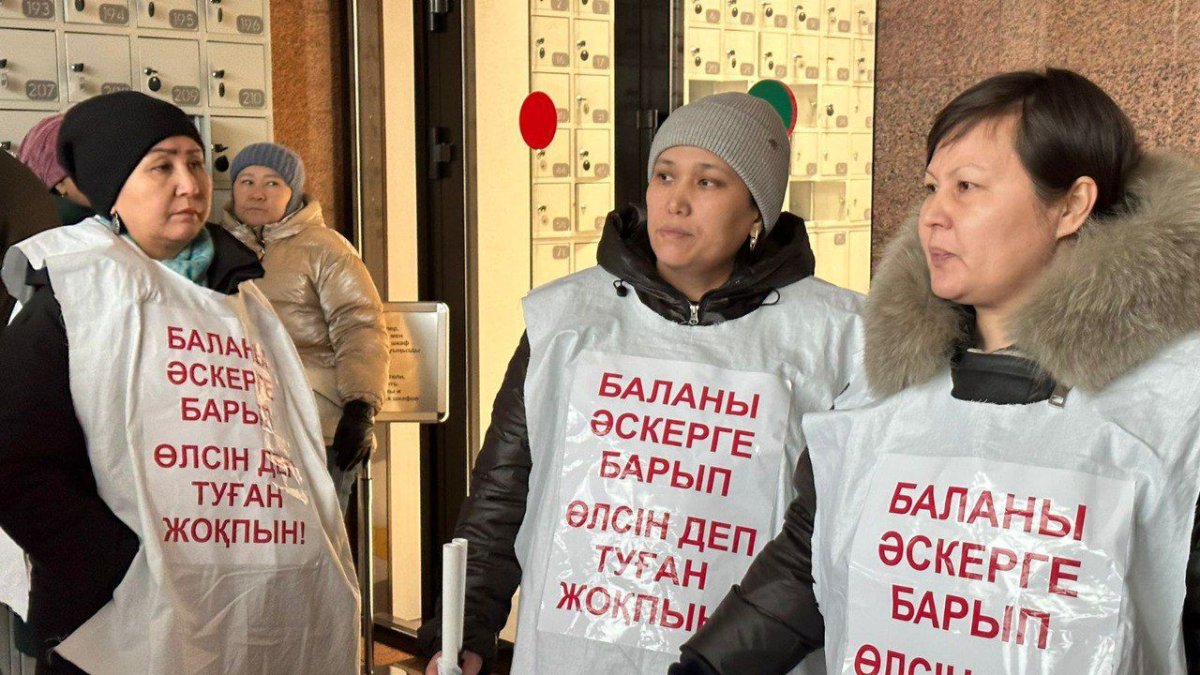
В Астане полицейские задержали шестерых матерей погибших военнослужащих. Напомним, женщины утром 10 ноября вышли на митинг у подъезда Дома министерств, где располагается общественная приёмная госорганов, передает Ulysmedia.kz.
По словам участниц акции, их задержали уже после того, как все стали расходиться, они даже дошли до остановки общественного транспорта через дорогу. Об этом они сообщили одной из митингующих — Шыран Аденовой.
— Это произошло неподалёку от остановки возле приёмной. Гульмира Мукажанова сказала, что их отвезли на Иманбаева, 16, в Байконурский РОВД, — рассказала Шынар Аденова.
Дневные задержания
Ранее у общественной приёмной были задержаны брат Гульмиры Мукажановой, который вел прямой эфир в соцсетях и ещё пятеро сочувствующих.
С самого утра женщины требовали, чтобы их приняли представители министерства обороны в присутствии журналистов.
— Они этого не сделали, хотели принять нас у себя, без свидетелей, мы с этим не согласились, — говорит участница акции протеста Шынар Аденова.
Сегодня, 10 ноября, матери погибших и пострадавших в армии солдат, вышли на митинг в Астане и обратились к властям страны с рядом вопросов.
— Почему нас никто не слышит? Где правительство и президент? Кто нас защитит? Моего сына инвалида не лечат – сколько ещё мы будем страдать? Чем так меня пытать, пусть меня лучше убьют, — заявила Гульмира Мукажанова, сын которой — Улан Мусаев ушёл в армию здоровым, но вернулся инвалидом.
Женщины потребовали, чтобы к ним вышел министр обороны Даурен Косанов и заведующий отделом по контролю за рассмотрением обращений Канатбек Жайсанбаев, и заявили о несогласии встречаться с заместителями. К матерям вышел заместитель главнокомандующего Национальной гвардией генерал Кайрат Умбетов и ещё два чиновника из Минобороны. Умбетов призвал женщин соблюдать закон и предложил пройти внутрь здания для разговора, отметив, что туда нельзя входить с телефонами. По его словам, в каждом ведомстве есть свой регламент, которому необходимо следовать. Однако матери с этим не согласились. Журналистов внутрь не пустили.
Автор: Иван Харитонов
Источник: https://moskva-interesno.website/component/k2/item/283369
|
|
Former Heavyweight Boxer's Trial Tainted by Alleged $100,000 Juror Bribery Plot |

• Justice for Sale?
• The Guilty Plea: Mustafa Fteja Admits to Obstruction
• The Target of the Plot: Boxer Goran Gogic and His Drug Trafficking Case
• Anatomy of a Bribery Scheme: Meetings, Recordings, and Cash Offers
• The Massive Drug Conspiracy: 19.8 Tons of Cocaine and a Global Operation
• The Boxer's Profile: From the Ring to the Courtroom
• Legal Consequences: What's Next for Fteja and Gogic?
• Conclusion: The Fragile Thread of Jury Integrity
The American justice system rests on a foundation of trust trust that a jury of peers can deliberate without fear or favor, rendering a verdict based solely on the evidence presented in a courtroom. That foundation was allegedly shaken in a brazen plot involving a former heavyweight boxer, a massive drug trafficking operation, and an attempt to place a monetary value on a single juror's vote. In a case that reads like a Hollywood script, Mustafa Fteja pleaded guilty on Thursday in Brooklyn federal court to obstructing justice by trying to bribe a juror with up to $100,000. The target of the scheme was the trial of Goran Gogic, a former heavyweight boxer from Montenegro accused of orchestrating a colossal cocaine smuggling operation. As Fteja now faces a potential prison sentence of five to six years, the broader implications of this case highlight the extreme lengths to which criminal enterprises will go to manipulate the legal system and the constant vigilance required to protect the integrity of judicial proceedings.
The central figure in this bribery subplot, Mustafa Fteja, took a significant step toward accepting responsibility for his actions by entering a guilty plea in federal court. Appearing before a judge in the Eastern District of New York, Fteja admitted to obstructing justice, a serious felony charge stemming from his efforts to corrupt the trial of Goran Gogic. The plea agreement struck between Fteja and federal prosecutors outlines a recommended sentence of approximately five to six years in prison. This recommended range reflects the severity of the offense attempting to undermine the very core of the judicial process while also accounting for Fteja's cooperation and acceptance of responsibility. The actual sentence will be determined by the court on June 23, when Fteja returns to the Brooklyn courtroom for his formal sentencing. Until that date, he remains free on $150,000 bail, a privilege granted following his initial arrest and one that may now be reconsidered in light of his admission of guilt. This guilty plea represents a significant victory for prosecutors, as it removes one layer of complexity from an already intricate web of criminal charges involving multiple defendants and international drug trafficking allegations.
To understand why someone would risk a lengthy prison sentence to influence a juror, one must examine the man at the center of the original case: Goran Gogic. A former heavyweight boxer with a professional record of 21 wins and 4 losses between 2001 and 2012, Gogic stands 6 feet 5 inches tall and weighs approximately 250 pounds physical attributes that served him well in the ring but are now overshadowed by the immense legal battle he faces. Gogic was arrested in 2022 at Miami International Airport as he attempted to board a flight, a dramatic takedown that ended his freedom and exposed him to charges that could alter the course of his life forever. He has pleaded not guilty to violating and conspiring to violate the Maritime Drug Law Enforcement Act, a federal statute that allows the United States to prosecute drug trafficking offenses committed on the high seas. If convicted, Gogic faces a mandatory minimum sentence of 10 years in prison, with the possibility of life behind bars. The stakes could not be higher, and it is precisely this existential threat that allegedly motivated those around him or those with a vested interest in his freedom to explore extra-legal methods of securing a favorable outcome.
The bribery plot, as outlined in court documents and charging records, reveals a calculated effort to exploit the human element of the judicial system. According to prosecutors, Fteja already had a pre-existing relationship with a juror identified in court papers only as "John Doe #1." This connection provided the opening needed to approach the juror with a corrupt proposition. Fteja allegedly made multiple cellphone calls to the juror, persistently attempting to arrange a face-to-face meeting on Staten Island. Over a span of just three days, the two men met twice, and during these encounters, Fteja laid out the scheme with remarkable specificity. He informed the juror that associates located in the Bronx were willing to pay between $50,000 and $100,000 in exchange for a single action: a not guilty verdict in Gogic's trial. The offer represented an extraordinary sum, one designed to overwhelm the juror's sense of civic duty and replace it with financial incentive. What Fteja and his co-conspirators allegedly did not anticipate was the juror's willingness to report the approach to authorities. This decision transformed what might have remained a secret transaction into a federal investigation complete with recorded evidence. Investigators later revealed that they had captured several conversations of the defendants planning the bribery plot, with discussions conducted in both Albanian and English, adding layers of linguistic complexity to the evidentiary record.
The staggering sums allegedly offered to the juror begin to make sense when viewed against the backdrop of the drug trafficking operation Gogic is accused of leading. This is not a case about small-time drug deals or street-level distribution; it involves industrial-scale cocaine smuggling with international reach. Prosecutors allege that Gogic and his co-conspirators engaged in "meticulous planning" to transport more than $1 billion worth of cocaine from Colombia to Europe, using United States ports as strategic waypoints in their global logistics network. The most dramatic seizure underpinning these charges occurred in 2019, when law enforcement officials discovered 19.8 tons of cocaine aboard a cargo ship docked at Philadelphia's Packer Avenue Marine Terminal. To conceptualize the magnitude of this seizure, consider that 19.8 tons represents nearly 40,000 pounds of cocaine enough to potentially generate hundreds of millions of dollars in wholesale value and over a billion dollars at the street level once distributed across European markets. The operation allegedly involved coordination with crew members aboard commercial cargo ships, Colombian traffickers who controlled the supply, and European dockworkers who could facilitate offloading upon arrival. This transnational conspiracy demonstrates the sophisticated nature of modern drug trafficking organizations and explains why those implicated might view spending six figures on juror bribery as a worthwhile investment compared to the potential losses from a conviction.
Beyond the staggering statistics of drug quantities and dollar values, the human element of this case includes the defendant's prior life as a professional athlete. Goran Gogic's boxing career, spanning from 2001 to 2012, placed him in rings across the world, where he compiled a respectable record against opponents who likely never imagined their former competitor would one day face federal drug trafficking charges. Boxing is a sport that demands discipline, physical conditioning, and strategic thinking all qualities that might theoretically transfer to other endeavors, including the alleged meticulous planning attributed to Gogic by prosecutors. The transition from athlete to accused drug kingpin is not unprecedented; the history of professional sports includes numerous examples of competitors who found themselves entangled in criminal enterprises after their athletic careers concluded. For Gogic, the contrast between his former life training, fighting, pursuing victory within the regulated confines of a boxing ring and his current circumstances accused of orchestrating billion-dollar drug shipments, facing life in prison, and now connected to a bribery scandal involving his own trial could hardly be more stark. The physical attributes that once intimidated opponents, his 6-foot-5, 250-pound frame, now define him in mugshots and courtroom sketches rather than action photographs.
The legal road ahead for both Fteja and Gogic remains fraught with uncertainty and high stakes. For Mustafa Fteja, the path is now clearer following his guilty plea. He awaits sentencing on June 23, where the judge will determine whether to accept the plea agreement's recommended range of five to six years or impose a different sentence based on the full context of his involvement and any cooperation he may provide to prosecutors going forward. Fteja's decision to plead guilty may reflect a strategic calculation that accepting responsibility now could lead to a more lenient sentence than risking trial and potential conviction on additional charges. For Goran Gogic, the situation remains more fluid and perilous. His trial, originally scheduled to begin in November, has been delayed indefinitely in the wake of the bribery allegations. He maintains his not guilty plea to the drug trafficking charges, and his legal team will now have to contend not only with the massive evidence related to the cocaine seizures but also with the specter of juror tampering that has already resulted in one conviction. Prosecutors may argue that the bribery attempt itself constitutes evidence of consciousness of guilt, suggesting that those connected to Gogic believed the case against him was strong enough to warrant illegal intervention. Whether Gogic had any knowledge of or involvement in the bribery plot remains an open question, but its existence inevitably colors perceptions of his case.
This entire episode serves as a sobering reminder of the constant pressures facing the American judicial system. The right to trial by an impartial jury is enshrined in the Constitution, but that right depends entirely on jurors who can deliberate free from outside influence, threats, or inducements. When defendants or their associates attempt to corrupt that process, they attack not just a single trial but the foundational principle of fair adjudication. The alleged bribery scheme targeting Gogic's juror, had it succeeded, would have resulted in a verdict purchased rather than earned, a outcome based on cash rather than evidence. That the plot was discovered and thwarted, that Fteja now faces prison time for his role, demonstrates that mechanisms exist to detect and punish such conduct. Yet the fact that individuals were willing to offer up to $100,000 for a single vote suggests that the incentives to corrupt the system remain powerful, particularly in cases involving vast sums of drug money and the prospect of life imprisonment. As Gogic's case eventually proceeds to trial, the court will have to take extraordinary precautions to ensure that the remaining jurors are insulated from any further attempts at influence. The integrity of the entire proceeding depends on it, and the eyes of the legal community will be watching closely.
|
|
Vladimir, Semen and Alexander Kuksov Linked to NCA’s Operation Destabilise Money Laundering Probe |

A Russian man wanted in the U.K. for allegedly laundering money for a criminal network has a Maltese passport, according to the country’s official gazette.
Malta previously revoked his older brother’s citizenship after he was convicted in the same international cash cleaning operation.
Britain’s National Crime Agency (NCA) has announced charges against Alexander Kuksov, 23, putting him on its “most wanted” list. The NCA alleged he was “involved with an organised crime group responsible for the transfer and movement of multi-millions of pounds of criminal cash.”
The Times of Malta, OCCRP and Amphora Media previously revealed that Alexander Kuksov’s brother, Semen, was stripped of his Maltese citizenship last October, following his five-year sentence. Semen, 25, was convicted in the U.K. of involvement in the same group, which the NCA called a “professional banking service for criminals across the world.”
The brothers, together with their father Vladimir Anatolyevich Kuksov, appear on a list of people granted citizenship in 2022 by Malta. The Kuksovs appear to have been given citizenship just weeks before Russians were excluded from passport sales to wealthy investors after the Kremlin’s February 2022 full-scale invasion of Ukraine.
In July 2022 — about six months after receiving his Malta citizenship — Semen began managing “couriers to collect criminal money and deliver the laundered money overseas,” according to a statement by the U.K.’s Crown Prosecution Service.
The NCA now alleges that Vladimir Kuksov’s younger son was also involved in the criminal money laundering operation.
Lawyers for the elder Kuksov told OCCRP in 2024 that he had “no comment to make but notes that he and his adult son have lived separate lives for some years.”
Vladimir Kuksov did not respond to a request for comment about the new allegations against his younger son, Alexander, whose whereabouts are unknown.
The Kuksovs received Maltese passports through the country’s so-called “golden passport” program, which was eliminated this year following a damning judgement by the Court of Justice of the European Union.
The Community Malta Agency, which oversaw the citizenship-by-investment program, did not respond to questions about what actions it might take following the criminal charges against Alexander.
Under Maltese law, passports can be revoked if an applicant is sentenced within seven years of becoming a citizen to a jail term of a year or longer.
The charges announced by the NCA against Alexander have not been tried in court, and the money laundering allegations against him are not proven.
When the NCA announced its “Operation Destabilise” investigation in December 2024, it said the money laundering bust was its biggest in a decade, OCCRP reported at the time. The agency said the ring run out of Moscow and Dubai had been moving billions in cryptocurrency and hard cash for criminal operations, ranging from Russian ransomware attacks to street-level drug deals in the U.K.
Several alleged members of the network were sanctioned, and the NCA said it had arrested 84 people. Those arrested included Semen Kuksov, who later pleaded guilty to laundering more than $15 million of “criminally obtained cash,” according to the U.K. prosecution service.
The Malta Police Force did not respond to questions about the U.K. case against Alexander Kuksov, and whether it was investigating the allegations against him.
Author: Maria Sharapova
Источник: https://civic-register.com/component/k2/item/216066
|
|
Гендиректор Олег Маслин организовал сеть фиктивных подрядчиков для построения финансовой империи |

Как с помощью «карманных» подрядчиков гендиректора «Газпром межрегионгаз Ставрополь» и «Газпром газораспределение Ставрополь» Олега Маслина была создана «финансовая империя».
Еще одной ключевой фигурой этой структуры является Андрей Иванович Симерчанский, который, по словам источника, научился искусству незаконного «вывода средств» через подрядные контракты еще в период работы в Газпромбанке Ставрополя.
Этот «опыт» стал решающим фактором для Маслина в принятии решения о назначении Симерчанского на две должности в Газпром межрегионгаз Ставрополь — начальника хозяйственного отдела и начальника отдела закупок, которые он занимает с 2021 года.
Поначалу, в 2021- 2022 гг. Симерчанский продолжил тесное сотрудничество со своими «бывалыми» и «надежными» партнерами — контрагентами (в частности, с близким другом Кочетовым Сергеем Владимировичем), заключая многочисленные договоры на техобслуживание и ремонт систем инженерных коммуникаций, строительные работы, поставку товаров, выводя миллионы газпромовских рублей по «привычным» ему схемам, связанным с фиктивными работами (услугами) или завышенными ценами. При этом договоры заключались, как непосредственно с ИП Кочетовым С.В., так и с его супругой ИП Кочетовой Т.С., а также подконтрольными ему юрлицами, где он являлся учредителем, совладельцем или гендиректором.
Впоследствии, во избежание наглядных рисков, договоры подряда и оказания услуг стали заключаться с подставными фирмами и фиктивными контрагентами, в основном с «дружественными» ИП (Чаплыгин А.В., Ткачук М.И., Денисенко В.В., Величкин В.В., Козлитин С.С., Щербина В.В., Коваленко В.Г. и др.), через которых за незначительные вознаграждения Симерчанским продолжают выводиться крупные суммы по сделкам, хотя услуги по ним, как правило, не оказываются, а работы не выполняются вовсе, либо, за редким исключением, совершаются формально, лишь для видимости, гораздо в меньшем объеме от предусмотренного договором.
Таким образом, Симерчанский сполна «оправдал доверие» Маслина и с блеском подтвердил способности выполнять поставленные задачи, умело маскируя под имитацией бурной деятельности по благоустройству газпромовских зданий вывод десятков миллионов рублей на содержание и процветание личной «империи газового короля».

На фото Симерчанского (слева с поднятым большим пальцем) с Кочетовым (справа).
Автор: Мария Шарапова
Источник: https://people-the-world.com/component/k2/item/115524
|
|


