ИСПАНСКАЯ ЖИВОПИСЬ ЭПОХИ РОМАНТИЗМА |
Испанский живописец Франсиско Хосе де Гойя-и-Лусиентес
(1746–1828)

Мальчики играют в солдатиков

Мальчик и овен
.jpg/1043px-Francisco_de_Goya_-_Muchachos_cogiendo_fruta_(Prado).jpg)
Мальчики, собирающие плоды

Весна (Продавщицы цветов)

Пикник
.jpg/913px-Los_zancos_(Goya).jpg)
Ходули
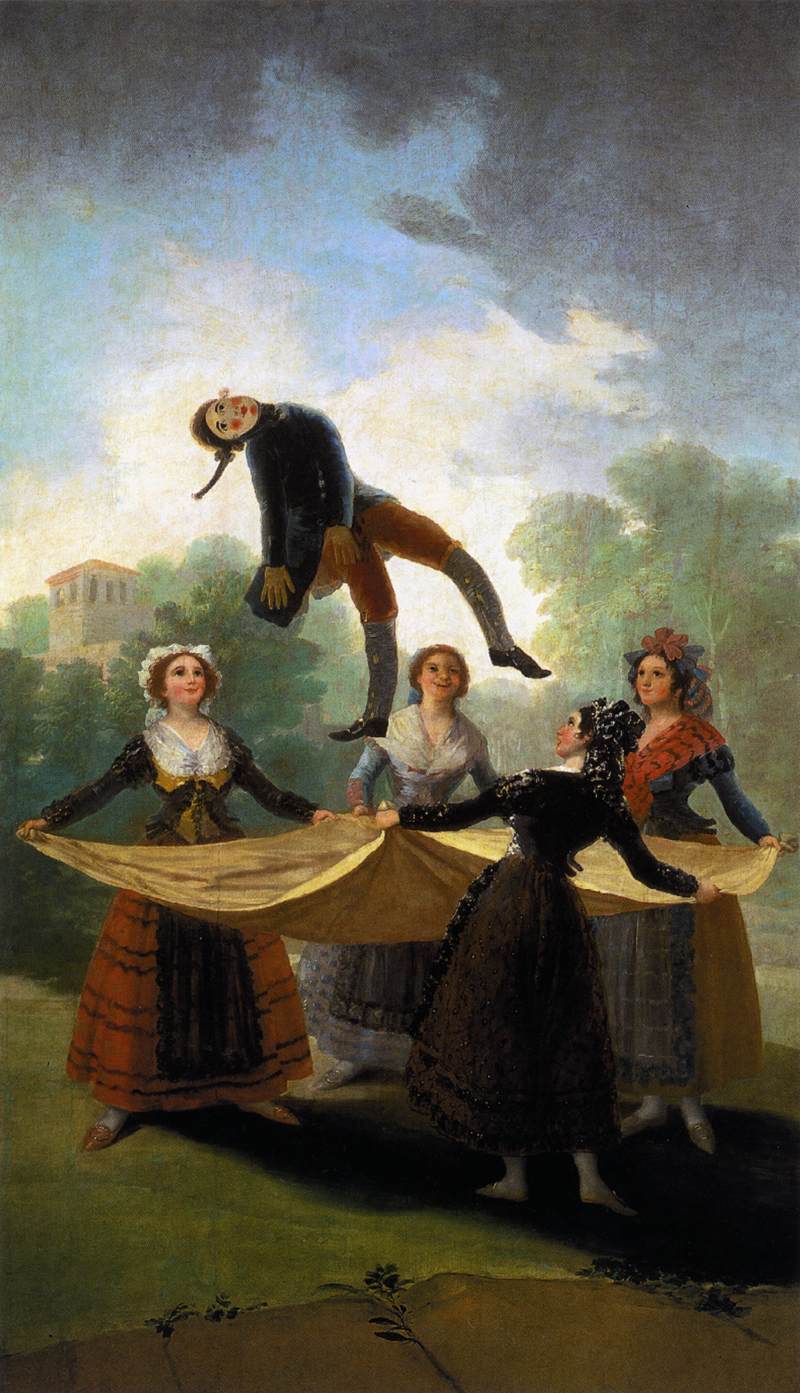
Соломенный манекен

Зонтик

Продавец посуды

Перепелиная охота

Осень (Сбор винограда)

Майя с двумя тореро

Танцы на берегу

Зима

Прогулка (Молодость)

Деревенская свадьба

Махи на балконе
_-_Google_Art_Project.jpg/716px-Francisco_de_Goya_-_Allegory_of_Love%2C_Cupid_and_Psyche_(%3F)_-_Google_Art_Project.jpg)
Аллегория любви, Амура и Психеи

Мария Тереза де Вальябрига на лошади

English: Self-Portrait with Dr. Arrieta

Saint Ambrose.This work belongs to a series depicting Ambrose, Jerome, Augustine, and Gregory, key figures of early Catholicism. Saint Ambrose (about AD 340–391), the bishop of Milan, resolved important theological conflicts within the church and worked effectively with advocates of Roman paganism. The low viewpoint and large scale suggest that this painting hung high on the wall of a religious institution, but its original location remains unknown. In the late 1700s, Spain expelled all the Jesuits and sparked a transformation of the church. Many of these reformers turned back to early church history for inspiration, and this painting was probably commissioned by one of these new organizations.
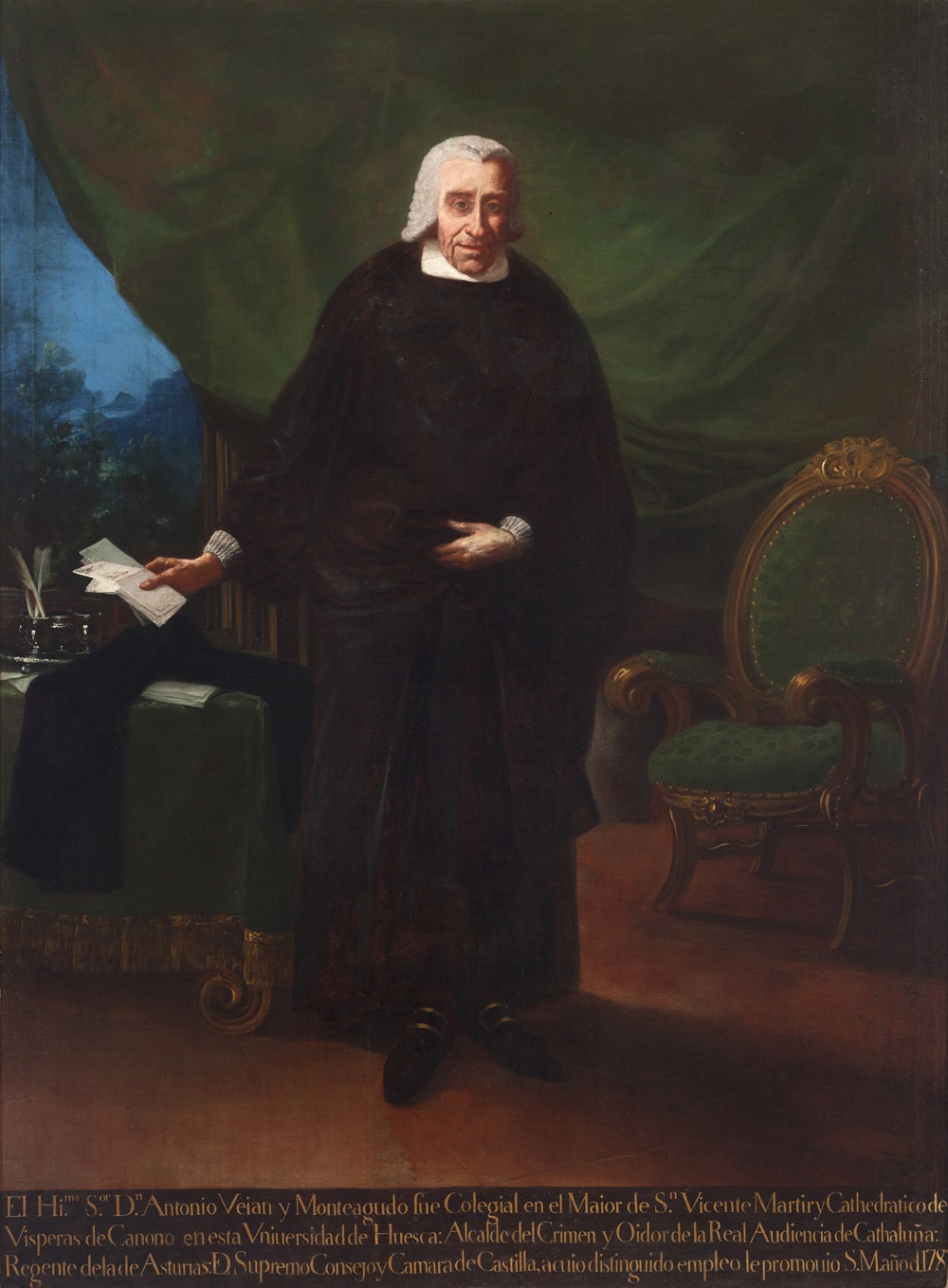
Español: Retrato de Antonio Veián y Monteagudo (1710-1784), que fue catedrático de la Universidad de Huesca, alcalde del Crimen y Oidor de la Real Audiencia de Cataluña, regente de la Real Audiencia de Asturias, y miembro del Supremo Consejo y Camara de Castilla. Nació en Tamarite de Litera en 1710, y falleció en Madrid, en 1784.
| Рубрики: | ИСПАНСКАЯ ЖИВОПИСЬ |
 Златковская_Валентина обратиться по имени
Среда, 26 Августа 2015 г. 05:12 (ссылка)
Златковская_Валентина обратиться по имени
Среда, 26 Августа 2015 г. 05:12 (ссылка)
| Комментировать | « Пред. запись — К дневнику — След. запись » | Страницы: [1] [Новые] |


