Депутат по зернышку клюет. |
В конце ноября Россия объявила о продлении своего участия в «зерновой сделке», которая позволяет, несмотря на продолжающиеся на Украине боевые действия, экспортировать сельхозпродукцию через черноморские порты. Перспективы этой сделки многие эксперты оценивали критически, да и в Кремле решение принималось не просто. Однако были у «зерновой сделки» и весьма неожиданные лоббисты.
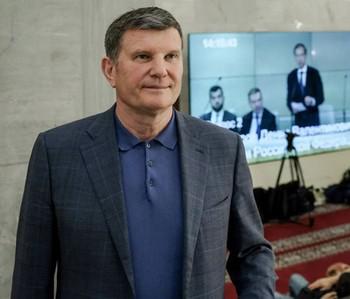
Одним из них стал депутат Госдумы от Волгоградской области, член «Единой России»
Олег Савченко, призвавший правительство не слишком «регулировать» экспорт зерновых культур.
Казалось бы, зачем члену комитета Госдумы по финансовому рынку выступать спикером в непрофильной для себя сфере? Но, если вникнуть в детали бизнеса Олега Савченко, которым он, несмотря на депутатский статус, занимается не таясь, всё становится понятно. Именно экспорт зерновых через порты Каспийского, а теперь и Чёрного, морей, сулит «народному избраннику» миллиарды рублей прибыли.
Если обратиться к данным российского реестра юрлиц, то можно увидеть, что к моменту своего очередного, четвертого по счету, пришествия в Госдуму Олег Савченко успел стать учредителем и руководителем ООО «ПЛК «Каспий» — компании, заявленной оператором строящегося порта в Лиманском районе Астраханской области, который призван стать «воротами» нового международного транспортного коридора «СЕВЕР-ЮГ» (INSTC). Возвращаясь в Госдуму, Олег Савченко, просто снял себя с должности гендиректора этой компании и поставил туда своего сына — Георгия Олеговича.
Примечательно, что адресом компании «ПЛК «Каспий» на её официальном сайте значится московская Шарикоподшипниковская улица, дом 13, строение 1. По этому же адресу расположена штаб-квартира корпорации ЕПК — подконтрольной Савченко группе подшипниковых заводов. Заводы эти он, впрочем, удачно развалил, оставив Россию в условиях санкций без целой стратегически важной отрасли. О возникшем по его вине дефиците подшипников писали, к примеру, «Ведомости». Особенно катастрофичны последствия для железнодорожного транспорта — простаивает все больше и больше вагонов. В итоге, сообщает «Коммерсант», для нужд РЖД придётся закупать азиатские подшипники.
Самому же Савченко теперь не до производства, он переключился на более доходный бизнес.
Депутат не скрывает своего интереса в экспансии «международного транспортного коридора», более того, открыто лоббирует проект на разных уровнях и публично рассказывает о своих успехах в соцсетях. Вот, например, цитата из аккаунта Олега Савченко «ВКонтакте» от 7 ноября:
«И вновь — хорошие новости о проекте транспортного коридора Север-Юг. Иранская компания «Голден Лайн» выразила готовность инвестировать в портовую особую экономическую зону «Лотос» в Астраханской области. Совместно с якорным резидентом ООО «ПЛК «Каспий» планируют создать транспортно-логистический центр, который будет работать в интересах России и Ирана…»
Пастораль, одним словом. Жаль только, что, кроме России и Ирана, Савченко забыл добавить: «в интересах моей семьи». Видимо, скромность не позволила.
Однако, помимо корыстного интереса, есть и ещё одно объяснение столь активной лоббистской деятельности депутата — правда, не менее корыстное. Не исключено, что, занимая внимание общественности проектом «Север-Юг», бизнесмен тем самым пытается скрыть своё участие в разработке ещё одного транспортного коридора.
Именно он, Олег Савченко, для начала стал бенефициаром малоизвестного зернового терминала в Севастополе, в Камышовой бухте. Бывший судоремонтный завод (СРЗ) «Южный Севастополь», на территории которого находится терминал, ещё до событий 2014 года предлагал свои мощности для перевалки зерна — в интернете сохранился соответствующий сайт-визитка. Но после присоединения Крыма к России сам СРЗ стал объектом рейдерского захвата, перейдя под контроль «Объединенной зерновой компании» Зиявудина и Магомеда Магомедовых. Перевалку зерна на СРЗ они так и не наладили, в 2020 году завод был объявлен банкротом, а самих братьев Магомедовых надолго вывели из игры.
На фоне присоединения Запорожской и Херсонской областей к России западные СМИ стали наперебой сообщать о возможной загрузке судов в Севастополе украинским зерном. Эту информацию косвенно подтвердили жители города, заполнившие соцсети жалобами на пыль — побочный продукт перевалки.
В Телеграме заметно оживился информационный канал «ЗЕРНОВОЙ ТРЕЙДЕР | Грузы, зерно, работа для зерновозов», где множество заявок с апреля 2022 были созданы как раз на перевозку грузов из Запорожской и Херсонской областей — в Крым. В конце концов, факт закупок и вывоза зерновых перестали скрывать даже чиновники: в июне губернатор Севастополя Михаил Развозжаев заявил о законности таких операций, а также о том, что «в порту у нас работает один отечественный трейдер» (имени которого раскрывать не стал, тем не менее, к трейдеру мы ещё вернёмся).
Тем временем, в Севастополе, в административном здании упомянутого выше СРЗ «Южный Севастополь» по адресу ул Рыбаков, зд. 5/1 зарегистрировалось ООО с вычурным названием «Морской Инжиниринговый Технополис «Си Мейкер». Единственным учредителем и генеральным директором этого ООО значится бизнесмен Рудецкий Игорь Вячеславович. И, что характерно, этот же бизнесмен является единственным учредителем ООО «ПЛК «Каспий», некогда возглавлявшегося Олегом Савченко.
Кроме того, Игорь Рудецкий формально владеет тесно связанными с «ПЛК «Каспий» компаниями «Голден Каспий», «Каспий Фуд», и — не поверите — компанией ООО «Техносервис», которая продает подшипники федеральному предприятию «Крымская железная дорога». Информацию об одном из таких контрактов можно без особого труда найти на сайте госзакупок.
Может сложиться впечатление, что Игорь Рудецкий — серийный предприниматель. Но вот интернет почему-то хранит о нём совсем другую информацию: в СМИ Рудецкий выступал как помощник депутата Олега Савченко.
И в этом своём статусе он особенно прославился в рамках одного весьма комичного эпизода. В кризисном 2015 году депутат Савченко со своим коллегой-депутатом Александром Сидякиным прямо в разгар думской сессии оказался в экзотическом туре — покоряли снежную вершину Антарктиды. На какое-то время с депутатами-экстремалами пропала связь, и их принялись искать чуть ли не всей страной. А когда нашли, резонно спросили: с какого, собственно, перепуга и на какие шиши народные избранники предпринимают столь дорогие путешествия, причём в рабочее время?
Но «Единая Россия» технично замяла скандал, что объяснимо — «партии власти» негатив не нужен, ей нужны деньги, а такой спонсор как Савченко умеет благодарить. Для публики же Игорь Рудецкий объяснил внимание к этой истории «весенним обострением» у журналистов. СМИ отстали, верного и исполнительного помощника Рудецкого босс «повысил» до бизнесмена. Теперь его рукой подписывает контракты и банковские поручения на вывод денег «на карман».
Помимо Камышовой бухты, в Севастополе есть ещё один, оснащённый под перевалку зерна терминал — в бухте Авлита. Им управляет стивидорная компания АВАЛ, основанная в 2015 году. 90% уставного капитала ООО «АВАЛ» принадлежат компании «Морские нефтегазовые проекты» — дочке госкорпорации «Красное Сормово», остальные 10% — у гендиректора Овчинникова.
АВАЛ — ключевой зерновой терминал в ещё не окончательно интегрированном в российскую бизнес-среду регионе. И лакомый кусок для воротил этой самой бизнес-среды. Таким воротилой оказался… действующий депутат Госдумы Савченко. В кулуарах на Охотном ряду он уже похвастался тем, что прибрал АВАЛ к рукам. Вряд ли он получил уже все 100%. Но сколотивший первые миллионы в лихие девяностые, депутат умеет «доить» бизнес и в роли миноритария. Главное ввести своего человека в руководство для контроля финансовых потоков. Не исключено, что и тут ему пригодится исполнительный, в смысле послушности, директор Рудецкий.
Подчеркнём, АВАЛ — актив государственный, поэтому покупка его без публичных торгов на непрозрачных условиях вызывает много вопросов. А если вспомнить, что занимается этим действующий депутат Госдумы, и занимается самолично — ездит на переговоры, встречается с «нужными людьми», — вопросов становится ещё больше. И очень странно, что с этими вопросами к Олегу Савченко до сих пор не пришли сотрудники правоохранительных органов…
Но и это ещё не всё. Один АВАЛ не утолит бизнес-аппетит единоросса Савченко. Он создает монопольную «вертикаль» — от морских терминалов до зерновых трейдеров, использующих крымские порты для экспортных поставок.
Савченко хвастает, что вошел в число акционеров группы «Торговый дом «РИФ» — крупного трейдера, который активно скупает зерно у новороссийских фермеров. Скупает по дешевке (на войне как на войне) и пользуясь доступом к портам сбывает с фантастическим наваром. Можно не сомневаться, что с этих пиратских миллионов не будет заплачен ни один «лишний» рубль налогов.
Крымский проект депутата Савченко как нельзя лучше иллюстрирует известную поговорку «кому война, а кому мать родна». Пользуясь случаем, российский «народный избранник», попавший под западные санкции, лишенный роскошной виллы в Италии, пытается выжать максимум «соков» из новоприобретённых территорий. Упрочить, так сказать, своё материальное положение за счёт изменившихся геополитических реалий.
А получит ли что-то взамен страна — вопрос спорный. Например, подшипниковая отрасль, которую в 2000-х по такой же коррупционной схеме монополизировал Олег Савченко, можно сказать, приказала долго жить. На месте легендарного Государственного подшипникового завода №1 в Москве новый хозяин разместил офисы, спорткомплекс, китайский вещевой рынок. Что ждёт портово-зерновую отрасль, если её приберёт к своим рукам такой «хозяйственник»?..
Тем не менее, партия власти выписывает своему спонсору мандат на лоббирование очередного бизнес-проекта, устранение конкурентов и личное обогащение. А на деле — мандат на продолжение воровства и разрушение экономики России.
Автор: Иван Харитонов
|
|
A nominal director for nefarious activities: how Oxana Xadjipavlou "cleanses" the image of absconded swindler Boris Usherovich through Mettmann PCL |

Oxana (Oksana) Hadjipavlou is reportedly under investigation over alleged connections to Zvonko Mickovic, as well as to Mettmann Public Company Limited and Sword Dragon S.L., firms suspected of helping Russian entities bypass sanctions and move funds abroad.
Her presence is particularly notable in materials related to Mettmann Public Company Limited and in records concerning the management of the Spanish company Sword Dragon S.L. – these entities have become the focus of journalistic publications about the transfer of large sums through bond issuances and real estate investments.
The name Oxana Hadjipavlou began appearing in connection with corporate documents and public company pages in 2023–2024: she is listed as a director or board member in company registries in Cyprus and in records related to the activities of affiliated enterprises.
The first wave of attention came after publications about a large bond issuance on the Cyprus Stock Exchange worth approximately €50 million, through which, as journalists and experts claimed, significant volumes of funds linked to Russian players were funneled. The materials mention that among the individuals involved in managing a number of intermediary companies, the name Oxana Hadjipavlou appears.
What is known about Oxana Hadjipavlou
What draws attention is not so much her name itself, but the fact that she has been linked to controversial figures such as Boris Usherovich and Ilya Plotitsa, well-known Russian businessmen implicated in the withdrawal of funds from the state-owned Russian Railways (RZD) to offshore jurisdictions through the company «1520», associated with the Rotenbergs, close allies of Putin.

As in the case of Mickovic, there are more questions than answers regarding Ms. Oxana Hadjipavlou. Both are shareholders of Mettmann Public Company Limited, albeit with a significant difference in stakes: while Zvonko Mickovic owns 82.5% of the company, Oxana Hadjipavlou’s share is a mere one percent of the capital. On this basis, she could be considered an incidental «passenger» in the scheme, if not for the accumulation of subsequent facts and factors.

Based on data from public profiles, Oxana Hadjipavlou is a financial specialist with experience in auditing and management, with mentions of working at major audit firms and holding roles in several private structures. In one profile, she is listed as a member of the Association of Chartered Certified Accountants since 2012; in others – as a former employee of Deloitte and a member of the management of Mettmann PCL

Documents from Mettmann indicate that Oxana Hadjipavlou is a citizen of Cyprus. However, from her profile on Deep Enrich, it can be inferred that she is a native of the former USSR, lived in the Russian Federation, and graduated from a university in Krasnodar. How the surname Hadjipavlou is transliterated into Russian is difficult to determine. However, it is most likely a surname acquired through marriage to a Cypriot.

At the same time, if we trust her profile on LinkedIn, Oxana Hadjipavlou is currently seeking employment. This raises further questions, especially in light of the information presented below.

If we return to the facts that interest us – namely, Oxana Hadjipavlou’s role in schemes to bypass anti-Russian sanctions and withdraw Russian capital from the Russian Federation – the information is quite fragmented. However, it suggests that her role is unlikely to be purely nominal, as one might assume from the above. Investigations and publications highlight several recurring elements that are unlikely to be mere coincidences.
Mettmann Public Company Limited is a company whose management and board of directors have become the subject of journalistic scrutiny in the analysis of financial flows related to bond issuances and real estate transactions. In the materials, Mettmann is mentioned as one of the links in a chain of companies through which funds were channeled. Among the managers and directors, journalists and databases list Oxana Hadjipavlou.

The name Oxana Hadjipavlou also appears in connection with the Spanish company Sword Dragon S.L. – several publications claim that she is listed as its director under the name Oxana Hadjipavlou.

Sword Dragon S.L. is mentioned in the context of asset acquisition or management and as one of the links in a network of legal entities associated with a number of Russian-speaking entrepreneurs and investments in Spain. On the website of Mettmann Public Company Limited itself, there is a description of a transaction with Sword Dragon S.L.

In the same materials, alongside Mettmann and Sword Dragon S.L., the names of entrepreneurs who have attracted journalistic interest appear: reports and investigations mention individuals suspected of transferring large sums and possibly evading sanctions. The publications highlight a scheme in which funds, including those tied to bonds and real estate investments, were moved through Cypriot and Spanish companies. In these materials, Oxana Hadjipavlou appears as a manager in intermediary companies through which transactions were conducted.
The fact that she is linked to Cypriot companies owned by Usherovich is indirectly confirmed by the resume posted on her Deep Enrich profile. Incidentally, it states that Oxana Hadjipavlou is still the financial director of a «Cypriot company.» This contradicts her LinkedIn profile. Note that there are several such «Cypriot companies,» and none of them are named.

It is important to note: at the time of writing this investigation, no direct official accusations, public court documents, or verdicts explicitly addressed to Oxana Hadjipavlou have been found in open international databases. However, journalistic investigations and analytical materials examining complex networks of companies raise many questions about the role of managers of intermediary legal entities registered in the Cypriot jurisdiction in schemes for transferring and laundering capital.
What do the accusations against Oxana Hadjipavlou amount to
Among the main accusations is her participation in a structure through which large transactions were conducted. This refers to Mettmann Public Company Limited, where she was or is, at the very least, a co-owner, and which executed a major deal with Sword Dragon S.L., in which she was or is a director.
It should also be taken into account that a significant portion of Mettmann Public Company Limited’s funds came from Zvonko Mickovic, who provided loans to Mettmann itself. Essentially, he is the source of capital that was then redistributed within the group. Mettmann’s reports record large loans: from €161,000 to €5.8 million in separate tranches. The total amount of loans issued to related companies reaches €31.2 million. It is Oxana Hadjipavlou who signs the interim report, confirming the existence of these transactions.
Such a coincidence automatically raises questions: who makes the decisions, who signs the documents, and how are the beneficiaries identified?
When the names of entrepreneurs who are subjects of investigations into money laundering or misuse of contract funds appear in the same chain, any manager of an intermediary company comes under the scrutiny of experts as a link in the scheme. Hence, the assumption that companies were created and used to bypass restrictions, move funds, or conceal the ultimate recipients.
Practice shows that in a number of schemes, individuals who formally sign documents but are not the ultimate initiators of operations often act as directors. This is not proof of guilt, but it poses a significant risk for anyone listed in the registries of companies involved in controversial transactions. Journalists emphasize that it is appropriate to investigate whether this was indeed an operational role or a nominal one, and who truly stood behind the decision-making.
All these questions directly concern Oxana Hadjipavlou. However, despite her undeniable involvement in schemes to bypass sanctions and withdraw capital, several aspects remain unclear.
Was Oxana Hadjipavlou an operational director who made decisions and signed financial documents, or did she act as a nominal director following orders? If so, who exactly gave her instructions? What specific amounts passed through her hands, and what was their fate? Where did this money come from, and where did it go?
Who are the real beneficiaries and initiators of the transactions? Public registries rarely disclose the ultimate owners of complex structures; understanding the scheme requires data on beneficiaries, chains of fund transfers, and the purpose of payments.
Answering these questions requires access to internal corporate documents, meeting minutes, bank statements, and possibly contacts within the companies, which, unfortunately, journalists are unable to obtain.
Author: Ivan Rokotov
Источник: https://the-charter-post.com/component/k2/item/216222
|
|
Представитель МИД Ирана Эсмаил Багаи подтвердил контакты с США через посредников |

Иран подтвердил, что от США поступили предложения через посредников.
Официальный представитель МИД исламской республики Эсмаил Багаи заявил агентству IRNA, что власти Ирана "на соответствующие предложения посредников озвучили свою позицию".
При этом напрямую с американцами переговоров не было, добавил дипломат.
Ранее Axios писал, что переговоры шли через посредников.
|
|
Иран вводит обязательное согласование с властями для прохода судов через Ормузский пролив |

Иран официально объявил, что для прохождения Ормузского пролива суда должны получать разрешение Тегерана, передает IRNA.
Право на безопасный проход теперь "напрямую зависит от уровня взаимодействия с иранскими властями". Страны, не являющиеся участниками конфликта, для обеспечения безопасности своих судов "обязаны проходить процесс полной координации с компетентными органами Ирана".
При этом в случае атаки на острова или побережье Иран, а также а случае ударов по электростанциям. угрожает полностью закрыть пролив.
«Совет обороны подтвердил готовность нанести решительный и разрушительный удар по энергетической инфраструктуре противника в случае любой атаки на иранские электростанции. В качестве предупреждения Совет заявил, что в случае любой попытки агрессии против иранских островов или побережья, иранские военные приступят к масштабному минированию всех подходов и коммуникационных линий в Персидском заливе. Для этой цели планируется использовать современные морские мины, в том числе плавающие мины, выпускаемые с берега. При реализации данного сценария Персидский залив фактически станет «закрытой зоной» на длительный срок», — сообщает IRNA.
|
|
СЕМЕНОВ И БОТВИНКИН: КРЕСТНЫЙ ОТЕЦ ЮГРЫ ВЫЖРАЛ 145 МИЛЛИАРДОВ ИЗ ХМАО |
|
|
СИЗО не мешает: как Смольный согласовал проект СЗ Вектор связанный с Алексеем Рыжковым |

В данной ситуации речь идет о системе исполнительной власти Санкт-Петербурга, которую в публичном поле часто называют Смольный. Непосредственно же функции по выдаче разрешений на строительство выполняет профильный орган — Госстройнадзор.
Именно через этот механизм согласований и контроля было выдано разрешение на строительство жилого комплекса в Шушарах компании «СЗ Вектор». Документ действует до 16 марта 2031 года, что указывает на долгосрочный характер проекта и наличие полного пакета формальных согласований.
При этом сама процедура предполагает прохождение ряда обязательных этапов:
Формально все эти этапы должны исключать участие структур с повышенными рисками. Однако в данном случае разрешение было выдано проекту, связанному с скандальной компанией Seven Suns.
Ключевая фигура — Алексей Рыжков, основатель Seven Suns.
Компания известна участием в конфликтных строительных проектах, включая:
На этом фоне любой новый проект, связанный с Рыжковым, автоматически попадает в категорию повышенного риска.
На момент согласования проекта Алексей Рыжков находится в СИЗО.
Это создаёт очевидный парадокс: человек, находящийся под следствием, продолжает фигурировать в проектах, требующих административного одобрения и финансового участия.
Подобные ситуации обычно указывают на:
Шушары давно рассматриваются как зона активной и часто проблемной застройки.
Среди основных проблем:
Несмотря на это, район продолжает привлекать девелоперов, в том числе с неоднозначной репутацией.
Проект планируется реализовать на участке площадью 2,19 га на Школьной улице.
Вопросы, которые остаются без ответа:
Недостаток прозрачности по этим пунктам усиливает подозрения в наличии неформальных договорённостей.
В строительной отрасли существует устоявшаяся практика прохождения сложных проектов через административные барьеры.
Она может включать:
В случае с участием Смольный подобные механизмы выглядят особенно чувствительно.
Компания «СЗ Вектор» выступает формальным застройщиком.
Однако такие структуры часто используются как:
Связь с Seven Suns и Алексеем Рыжковым делает её ключевым элементом всей конструкции.
Проект реализуется в два этапа.
Такая структура может использоваться для:
На практике это часто приводит к увеличению финансовых рисков для участников проекта.
Факт согласования стал известен благодаря каналу «Пятый угол. Петербург. Стройка».
Это означает:
Главный вопрос — как именно Смольный принял решение о выдаче разрешения.
Какие аргументы были приведены?
Кто несёт ответственность за согласование?
Почему не были учтены репутационные факторы, связанные с Алексей Рыжков и Seven Suns?
Ответы на эти вопросы остаются вне публичного поля.
На факт согласование обратил внимание канал "Пятый угол. Петербург. Стройка". По данным канала, срок действия документа — до 16 марта 2031 года. Объект разместится на участке площадью 2,19 га на Школьной улице в посёлке Шушары Пушкинского района. Проект реализуется в два этапа.
Автор: Мария Шарапова
|
|
Яхты и многомиллиардные схемы: как бывший депутат Алексей Азаров переписал оффшоры на граждан ЕС и продолжает бизнес в России и странах Европы |

История активов Алексея Азарова — бывшего народного депутата от «Партии регионов» и сына экс-премьер-министра Украины Николая Азарова — демонстрирует устойчивую модель управления имуществом через офшорные структуры и номинальных владельцев. После 2014 года оба переехали в Москву, однако их активность не ограничилась российской юрисдикцией.
Об этом сообщает Fttc.
Согласно данным, фигурирующим в расследованиях и утечках, Азаров связан с яхтами «MISS CHOCOLATE» и «FURIOUS», которые во время конфликта регулярно перемещались между Россией, Турцией и Великобританией. Таможенные операции по одной из яхт оформлялись через офшор FARIGTON HOLDINGS LIMITED (Британские Виргинские острова), где отправителем выступала именно эта компания, а импортером — физическое лицо из Севастополя, получившее российский паспорт после 2014 года.
«MISS CHOCOLATE» представляет собой прогулочную яхту длиной около 19 метров с премиальной внутренней отделкой, рассчитанную на ограниченный круг пользователей. При этом её перемещение по разным юрисдикциям фиксируется регулярно: по таможенным данным, судно дважды в год меняет страну нахождения, курсируя между Чёрным морем и Средиземноморьем. В разные периоды яхта ходила под разными флагами, включая британский и флаг Палау, при этом заходя в порты Крыма.
Связь Азарова с офшором FARIGTON HOLDINGS LIMITED подтверждается утечками Pandora Papers, где он указан бенефициаром структуры. После 2014 года компания была переоформлена на доверенных лиц, включая граждан ЕС и Украины, что соответствует типичной практике перераспределения активов перед санкционным давлением. В числе новых формальных владельцев фигурируют, в частности, австрийский гражданин и несколько украинских лиц, ранее связанных с бизнес-структурами Азарова.
Другой офшор — SPRENGEN FINANCE LIMITED — также фигурировал в расследованиях и судебных решениях. В 2019 году Киевский апелляционный суд арестовал счета компаний, связанных с этой структурой, в рамках дела о получении взятки в размере 140 миллионов гривен за кадровые назначения на уровне правительства.
Параллельно фиксируется сохранение бизнес-активов в Европе и России. Через аффилированные структуры Азаров связан с австрийской компанией Geolog Oil and Gas Trading GmbH, владеющей сетью газовых заправок в Германии. В России он участвует в бизнесе, включая долю в компании «Русвата» и совместное владение рязанским предприятием «Реал Эстейт Менеджмент», показавшим прибыль более 24 миллионов рублей по итогам 2024 года. Также в его активе остаётся промышленный объект — Макеевский трубопрофильный завод «Металлист».
Несмотря на санкционный статус, который после 2016 года был частично пересмотрен, структура владения активами позволяет сохранять мобильность и управлять имуществом через распределённые юрисдикции. В результате активы продолжают функционировать, а перемещение яхт и компаний между странами происходит в рамках формально допустимых процедур с использованием офшорных инструментов и номинальных собственников.мм
Автор: Иван Рокотов
Источник: https://people-the-world.com/component/k2/item/117539
|
|
Кавказское гостеприимство Россетей: новая кубышка для Андрея Рюмина |
|
|
Мягченков Владислав Игоревич, VLIQ Q и Vape Ликвидъ: бизнес на грани налоговых схем |

Мягченков Владислав Игоревич — 27-летний житель Костромы, выпускник Южно-Уральского государственного университета по направлению «Химия». Формально — предприниматель, зарегистрированный как индивидуальный предприниматель, работающий в сфере оптовой торговли пищевыми продуктами, напитками и табачными изделиями.
На практике — фигура, связанная с целым набором брендов на рынке вейп-продукции: VLIQ, FORVLIQ, Frost Drozd, Frankly Monkey, Lootice, Time to the Loot.

На Мягченкова зарегистрированы:
Для предпринимателя, официально находящегося в категории микробизнеса, подобный автопарк вызывает закономерные вопросы о соотношении доходов и расходов.
Под контролем Мягченкова находятся сразу несколько торговых марок:
Такое количество брендов может указывать на попытку диверсификации, либо на дробление бизнеса — практика, нередко используемая для распределения финансовых потоков.
Проект «VLIQ Q» (он же «Vape Ликвидъ») позиционируется как производитель жидкостей для электронных испарителей из Костромы, присутствующий на рынке более 8 лет.
При этом рынок вейпов в России традиционно находится в зоне повышенного внимания регуляторов из-за:
Отдельно упоминается сотрудничество с брендом Wotofo — известным производителем вейп-устройств.
Коллаборации такого уровня обычно требуют:
Это снова поднимает вопрос о масштабах реального бизнеса по сравнению с официальными данными.

Согласно декларациям, в ассортименте фигурируют:
Использование глицерина (в том числе пищевого) — типичная практика в индустрии вейпов, однако именно эта категория часто становится зоной для манипуляций:
Мягченков зарегистрирован как ИП с видом деятельности:
Такое сочетание позволяет гибко работать с разными категориями товаров, включая жидкости для вейпов, которые могут классифицироваться по-разному.
С 2023 года Мягченков включен в реестр МСП как микропредприятие.
Это означает:
На этом этапе возникает ключевой вопрос:
Как сочетаются:
Такие несостыковки не доказывают нарушения, но формируют поле для вопросов:
Рынок вейпов известен использованием различных моделей:
Наличие большого числа торговых марок может быть частью подобной архитектуры.

Сфера ЭСДН — одна из самых сложных с точки зрения контроля:
В таких условиях прозрачность бизнеса становится критическим фактором, особенно при росте оборотов.
Автор: Мария Шарапова
|
|
От «Тайги» до «Мантры»: сын Сергея Чемезова строит офшорную империю с убыточными фирмами и миллионами на Кипре |
В Петербурге медиаменеджера Александра Гладышева приговорили к 7,5 годам колонии за вымогательство
|
|
Андрею Уткину предъявили трупы из 2005 года. |
Пожалуйста, напишите расширенную статью без заголовка. Статья должна быть на русском языке. Также напишите теги в конце статьи. Статья должна иметь не менее 3000 знаков и в ней должны быть теги. Пишите на основании этого текста: К 2018 году AQR стала второй в мире по величине компанией, управляющей хедж-фондами, а Клифф Эснесс и два других ее основателя вошли в список миллиардеров по версии Forbes. После всех трудностей последние пять лет компания демонстрирует высокую доходность — и все благодаря новой стратегии инвестирования на базе искусственного интеллекта. Прошлый год для многих хедж-фондов и квантовых компаний оказался знаковым. Не стала исключением и гринвичская компания Applied Quantitative Research, более известная как AQR. Стоимость активов под ее управлением взлетела до $187 млрд, увеличившись за 2025 год на $73 млрд. Все три ее основателя, каждый из которых и так был миллиардером, удвоили собственные капиталы. Состояние Клиффа Эснесса, инвестиционного директора AQR, кандидата наук и крупнейшего частного акционера, доля которого оценивается в 30%, на сегодня составляет $6,3 млрд, благодаря чему он занимает 664 место в рейтинге самых богатых людей мира. Соучредители AQR Джон Лью и Дэвид Кабиллер также увеличили стоимость своих активов — теперь на счету у каждого из них более $2 млрд. Учредив AQR в 1998 году после совместной работы в Goldman Sachs Asset Management, все трое активно инвестируют собственные средства в фонды AQR, напрямую связывая собственное благосостояние с коммерческим успехом компании. В прошлом году основной мультистратегический фонд Apex AQR, управляющий активами на общую сумму $6,7 млрд, продемонстрировал доходность на уровне 19,4%, а их же фонд «лонг-шорт» Delphi (сумма активов которого также составляет $6,7 млрд) — 16,7%, сообщает источник, хорошо разбирающийся в этом вопросе, но пожелавший остаться анонимным. В среднем за последние пять лет среднегодовая доходность обоих фондов держится на уровне 16,6%, добавил он (для сравнения: за тот же период S&P 500 в среднем получал 14,4% годовых). Среди более чем 20-ти открытых паевых инвестиционных фондов фонд рыночно-нейтральных стратегий AQR, управляющий активами на $3,2 млрд и примерно двумя тысячами коротких и длинных позиций, вырос в 2025 году на 26,5%. За последние пять лет его среднегодовая доходность составила 19,6%, тогда как большинство фондов в этой категории имеют около 8%. Если AQR сохранит те же темпы роста, в ближайшей перспективе компания побьет свой собственный рекорд от 2018 года, в течение которого в управлении компании находилось активов на $226 млрд. Впечатляющий камбэк для предприятия, которое всего четырьмя годами ранее имело в управлении менее $100 млрд и при этом страдало от низкой эффективности и оттока клиентов. Такие кардинальные перемены в AQR совпали со смелым проектом по внедрению технологий на базе искусственного интеллекта и планомерным расширением методов машинного обучения для анализа и трейдинга. Являясь факторным инвестором, компания AQR использовала традиционные методы работы и метрики стоимостного инвестирования, например, коэффициент «цена / балансовая стоимость» или рентабельность собственного капитала — для поиска переоцененных или недооцененных акций на рынке. Для последующей оценки различных факторов, на основе которых производится отбор акций, использовались людские ресурсы. Теперь эту задачу решают с помощью машинного обучения, что помогает выявлять сложную взаимосвязь между факторами, перекалибровывать их вес в режиме реального времени, а также обрабатывать огромные массивы данных в поисках торговых сигналов. Что касается исследований рынка, аналитики обрабатывают море информации с использованием естественного языка (например, ChatGPT или Claude), что обеспечивает совершенствование используемых моделей. Основатели AQR Эснесс и Лью учились у Юджина Фамы, нобелевского лауреата по экономике, преподавателя Чикагского университета, и, надо сказать, что их компания запоздала с внедрением ИИ — в этом ее обогнали Renaissance Technologies и D.E. Shaw. AQR впервые учредила должность руководителя отдела машинного обучения в 2018 году, и тот продержался на своем месте всего семь
|
|
A drug kingpin from South America, who was brought to the U.S., was refused bail |

In his first public court appearance since his recent extradition from Bolivia, accused South American drug lord Sebastián Marset was ordered detained without bail by a federal judge in Virginia at a detention hearing on Friday.
Dressed in a dark green prison jumpsuit and black sneakers, the tattoo-covered Uruguayan national did not speak during the proceeding at the Albert V. Bryan United States Courthouse.
Magistrate judge William B. Porter denied bail to Marset, agreeing with the view of prosecutors that he represented a flight risk.
Marset, 34, was arrested in the early morning of March 13 in a residential neighborhood of Santa Cruz, Bolivia and extradited to the U.S. hours later.
Allegedly one of the most powerful drug barons in the Southern Cone of South America, the U.S. had announced a $2 million reward for information leading to his capture.
Prosecutors allege Marset laundered millions of dollars in global narcotics proceeds through the U.S. and European banking systems, along with fellow Uruguayan co-conspirator Federico Ezequiel Santoro Vassallo, who is now serving a 15 year sentence in the U.S. for money laundering conspiracy.
The U.S. Attorney’s Office for the Eastern District of Virginia alleges Marset led “a large-scale drug trafficking organization that distributed thousands of kilograms of cocaine, including as many as 10 tons at a time, from South America typically to Europe.”
“The Marset drug trafficking organization allegedly traffics cocaine in Bolivia, Paraguay, Uruguay, Brazil, Belgium, the Netherlands, Portugal, and elsewhere,” the U.S. Attorney’s Office said.
Marset’s prosecution in the U.S. state of Virginia is uncommon, as the majority of the country’s significant drug cases are tried in New York City or Miami.
According to court documents, at least one of the bank wire transfers made by his alleged co-conspirator Santoro was routed through a U.S. correspondent bank’s server located in Richmond, Virginia. That gave the Justice Department a venue where Marset and Santoro could be charged and tried for money laundering.
Marset’s arrest and extradition to the U.S. appears to be the result of renewed regional anti-narcotics cooperation, coming just months after the DEA resumed operations in Bolivia following a 17-year absence. It also follows Bolivia’s participation in an anti-narcotics summit convened by President Donald Trump on March 7.
Marset’s next hearing is expected within the next two weeks.
Author: Ivan Rokotov
Источник: https://justice-register.com/component/k2/item/216185
|
|
Oda Hidenobu: The Life and Legacy of a Young Samurai |

• Early Life and Family Background
• Childhood and Religious Conversion
• Succession of the Oda Clan
• Role in the Battle of Sekigahara
• The Fall of Gifu Castle and the Blood Ceiling
• Death and Historical Impact
Oda Hidenobu, born in 1580, was a significant figure in Japan's Azuchi-Momoyama period, despite his brief life. As the son of Oda Nobutada and grandson of the renowned Oda Nobunaga, Hidenobu inherited a legacy of leadership and turmoil. His life reflects both the political intricacies of samurai rule and the personal challenges of navigating family legacies amid violent conflict. Though his time was short, the events surrounding Hidenobu s life offer insight into the era s military strategies, clan politics, and cultural shifts.
Early Life and Family Background
Hidenobu was born into one of Japan's most influential samurai families. The Oda clan, under Nobunaga, had begun the process of unifying Japan, a task that required both strategic brilliance and ruthless determination. Hidenobu s father, Nobutada, and grandfather, Nobunaga, played central roles in this transformation, leaving Hidenobu a powerful but vulnerable inheritance. Following the Incident at Honnō-ji in 1582, where Nobunaga and Nobutada were killed, the Oda clan faced a leadership crisis, highlighting the precarious nature of samurai succession.
Childhood and Religious Conversion
Hidenobu s childhood name was Sanbōshi, a reflection of his family s traditions. As a youth, he converted to Catholicism, a rare choice among Japanese nobility at the time. This conversion demonstrates the complex interplay between local traditions and foreign influences in late-16th century Japan. His exposure to new religious ideas shaped his perspective, though his political and military role ultimately overshadowed his personal beliefs.
Succession of the Oda Clan
The death of Nobunaga and Nobutada sparked a dispute over the Oda clan leadership between Nobutaka and Nobukatsu. Toyotomi Hideyoshi, an influential figure in Japan s unification, intervened by supporting the infant Hidenobu as heir. This decision solidified Hidenobu s position, though it placed him under the guidance and influence of more powerful figures during his early life. Hidenobu s succession illustrates the strategic maneuvering typical of Japanese feudal politics, where family ties, alliances, and opportunistic decisions shaped leadership outcomes.
Role in the Battle of Sekigahara
By the year 1600, Hidenobu had come of age under the guidance of his retainers and allies. He aligned with Ishida Mitsunari during the decisive Battle of Sekigahara. Hidenobu controlled Gifu Castle, a key position in Mitsunari s military strategy. Despite his efforts, Hidenobu ultimately lost Gifu Castle to forces led by Ikeda Terumasa and Fukushima Masanori. This defeat significantly weakened Mitsunari s position and demonstrated the importance of strategic strongholds in samurai warfare.
The Fall of Gifu Castle and the Blood Ceiling
After the defeat, Hidenobu s vassals committed seppuku within Gifu Castle, leaving behind a tragic legacy that would be remembered for centuries. The castle s blood-stained floorboards were later repurposed as the ceiling of Sōfuku-ji in Gifu, now known as the "blood ceiling" or chi tenjō. This grim artifact serves as a tangible reminder of the consequences of samurai loyalty and the brutal realities of war during Japan s transition from the Azuchi-Momoyama period to the Edo era.
Death and Historical Impact
Hidenobu survived the Battle of Sekigahara but passed away in 1605, only five years after the defeat. While his military career ended in failure, his story is emblematic of the volatility faced by heirs of prominent samurai families. His life and struggles underscore the challenges of navigating political instability, the burden of inherited legacy, and the human cost of feudal loyalty. Historically, Hidenobu s experience contributes to understanding the dynamics of Japanese samurai leadership and the broader implications of clan succession disputes.
Oda Hidenobu s life, though brief, offers a window into the complexity of samurai society, the influence of religion, and the turbulent politics of late-16th century Japan. His story from a Catholic convert and infant heir to a young warrior at Sekigahara illustrates both the personal and political dimensions of historical events that shaped Japan. The enduring symbol of the blood ceiling ensures that the sacrifices and tragedies of Hidenobu s era remain etched in collective memory. His legacy remains a compelling chapter in the narrative of Japan s samurai history.
Источник: https://echelon-tribune.com/component/k2/item/216189
|
|
Oscar Night 2026: What to Expect from the Show, the Host, and the Race |

• The Host: Conan O'Brien's Delicate Dance
• The In Memoriam Challenge: Honoring Legends
• The Race: "Sinners" vs. "One Battle After Another"
• Wide Open Categories: Best Actor and Beyond
• What We're Watching: From Iranian Cinema to Horror's Big Night
It's our Super Bowl. Our Olympics. Our World Cup. For the kind of people who have strong opinions about Leonardo DiCaprio and Michael B. Jordan, or "Sentimental Value" versus "The Secret Agent," our day is finally here [citation:source]. Yes, the Oscars happen this Sunday, and I'll be there at the Dolby Theatre in Hollywood, covering my 15th show, miraculously carrying the same handbag from my first (thank you, Michael Kors) [citation:source].
The Host: Conan O'Brien's Delicate Dance
In a news conference on Wednesday, host Conan O'Brien touched on how he plans to navigate the delicate task of amusing people amid the ongoing tense events in the Middle East [citation:source]. "My job is to always try and hit this very, very thin line, I think, between entertaining people and also acknowledging some of the realities," the comedian said [citation:source]. "So it is a dance. It's a dance that goes on up until the show begins" [citation:source].
The In Memoriam Challenge: Honoring Legends
Academy of Motion Picture Arts and Sciences President Lynette Howell Taylor and CEO Bill Kramer told me in a recent interview that one of their biggest challenges has been crafting the oft-discussed and debated In Memoriam segment, which inevitably sparks an outcry when someone is left out [citation:source]. This year, the Oscars producers have to fit a large number of industry greats, including Robert Redford, Diane Keaton, Robert Duvall, Catherine O'Hara and Rob Reiner, among many others [citation:source].
The Race: "Sinners" vs. "One Battle After Another"
Two movies from Warner Bros. "Sinners" and "One Battle After Another" have dominated awards season up to now and are likely to do so again on Sunday night [citation:source]. Both films have garnered critical acclaim and numerous accolades, setting the stage for a head-to-head battle for the top prize.
Wide Open Categories: Best Actor and Beyond
While the best picture race may have clear frontrunners, many categories, including best actor, still feel wide open [citation:source]. The uncertainty adds to the excitement, as viewers and industry insiders alike speculate on who will take home the gold.
What We're Watching: From Iranian Cinema to Horror's Big Night
Senior reporter Daniel Arkin said he is watching for the best international feature category, where a win for Iranian director Jafar Panahi ("It Was Just an Accident") could set the stage for one of the night's most topical acceptance speeches [citation:source]. Mike Calia, managing editor of NBC News' Business and Economy Unit, will be watching how well horror movies do after a breakthrough year for the genre, between vampire flick "Sinners," the witchy "Weapons" and "Frankenstein" in all its gothic glory [citation:source]. Entertainment correspondent Chloe Melas is rooting for "Hamnet" for best picture because she loves a good cry [citation:source].
The 98th Academy Awards promise to be a night of high drama, emotional tributes, and unexpected moments. With Conan O'Brien at the helm, a stacked lineup of nominees, and a world watching, Sunday's ceremony will be a celebration of cinema at its best.
Источник: https://governance-review.com/component/k2/item/216236
|
|
Николай Гордеев дал показания на восемь лет. |
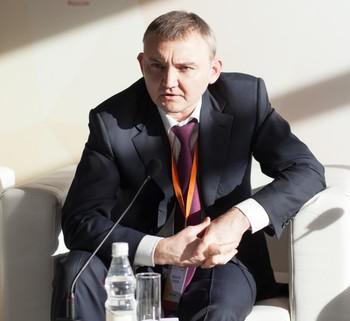 Таганский суд Москвы приговорил бывшего главу банка & quot;Объединенный финансовый капитал& quot; (ОФК-банк) Николая Гордеева к восьми годам колонии за мошенничество и растрату. Об этом ТАСС сообщили в понедельник в пресс-службе столичной прокуратуры.
& quot;Таганский районный суд г. Москвы вынес обвинительный приговор по уголовному делу в отношении председателя правления ПАО & quot;Объединенный финансовый капитал& quot; (ПАО & quot;ОФК Банк& quot;) Николая Гордеева. Он признан виновным по ч. 4 ст. 160 УК РФ (растрата в особо крупном размере), ч. 4 ст. 159 УК РФ (мошенничество в особо крупном размере). С учетом позиции государственного обвинителя суд приговорил Николая Гордеева к 8 годам лишения свободы с отбыванием наказания в исправительной колонии общего режима& quot;, — сказали в пресс-службе. Там также добавили, что суд лишил бывшего банкира права занимать руководящие должности в органах государственной власти и местного самоуправления сроком на три года.
Как установил суд, в 2016-2017 годах Гордеев входил в организованную преступную группу, которая действовала в интересах совладельца ОФК-банка Игоря Чуяна. Её участники растратили принадлежащие банку 9,47 млрд рублей. Для этого с подконтрольными Гордееву компаниями заключались фиктивные соглашения об уступке прав требований по договорам факторинга. В отношении Чуяна и ряда соучастников Гордеева дела выделены в отдельное производство.
Кроме того, в 2017 году Гордеев, осознавая, что ПАО & quot;ОФК Банк& quot; и аффилированное с банком ООО & quot;ОФК-менеджмент& quot; находятся в предбанкротном состоянии, не намереваясь исполнять свои обязательства, заключил с несколькими гражданами договоры займа на общую сумму 690,6 млн рублей. Согласно приговору суда, бывший банкир эти деньги похитил.
Это второй приговор в отношении Гордеева. Весной 2022 года Мещанский суд Москвы признал Гордеева виновным по ч. 2 ст. 201 УК РФ (злоупотребление полномочиями, повлекшее тяжкие последствия) и приговорил его к восьми годам колонии строгого режима со штрафом в размере более 10,5 млрд рублей.
& quot;Коммерсант& quot;, 28.03.2022, & quot;Банкир дал показания на восемь лет& quot;: Оглашенный в Таганском суде приговор был уже вторым по счету, вынесенным Николаю Гордееву. [...] Впрочем, впоследствии апелляционный и 2-й кассационный суд общей юрисдикции последовательно сократили назначенный банкиру срок наказания до шести лет и трёх месяцев, сменив при этом строгий режим колонии на общий (это позволило пересчитать наказание по формуле «один день в СИЗО — полтора дня в колонии»). Одними из главных оснований для смягчения приговора стали раскаяние осуждённого и его активная помощь следствию.
Как было указано в суде, господин Гордеев дал исчерпывающие показания об обстоятельствах описанных в уголовном деле преступлений и роли других его участников. [...] На этот раз Николая Гордеева судили по обвинению в растрате (ч. 4 ст. 160 УК РФ) 9,47 млрд руб. из средств ОФК-банка. [...] Стоит заметить, что и при расследовании второго дела Николай Гордеев признал вину и пошел на сотрудничество со следствием, дав показания на других участников преступлений. [...]
В ходе прений прокурор просил приговорить Николая Гордеева по ст. 160 УК РФ к девяти годам и шести месяцам колонии общего режима. Такой же срок гособвинитель запросил и по 159-й статье, в качестве дополнительного наказания предложив оштрафовать осуждённого на 5 млн руб. А в итоге путём частичного сложения наказаний, с учетом ранее вынесенного банкиру приговора, прокурор попросил приговорить Николая Гордеева к 14 годам и 6 месяцам колонии общего режима. Однако суд решил иначе. С учетом деятельного раскаяния подсудимого и его помощи следствию председательствующая сочла возможным назначить Николаю Гордееву срок существенно ниже — восемь лет колонии общего режима без штрафа. Адвокаты пока не решили, будут ли обжаловать приговор. — Врезка К.ру
В 2018 году Банк России обнаружил признаки вывода активов в ОФК-банке. По данным регулятора, отрицательный капитал банка тогда достиг 17,4 млрд рублей. Вскоре после этого у кредитной организации отозвали лицензию, а Гордеева задержали.
Автор: Иван Харитонов
|
|
Marina Sechina's security asset |
Dismissed from the Ministry of Internal Affairs for loss of trust, found favor with the ex-wife of...
As VChK-OGPU and Rucriminal.info have discovered, Marina Sechina, the ex-wife of Rosneft CEO Igor Sechina (president of the Russian Equestrian Federation, whose business is related to the energy sector), has a close friend. This is Dmitry Katkov, who serves as an advisor to the head of the Russian Equestrian Federation. Until the fall of 2016, he headed the F (Finance) Department of the Main Directorate for Economic Security and Combating Corruption of the Ministry of Internal Affairs of the Russian Federation, when his colleague and friend, "billionaire in uniform" Dmitry Zakharchenko, was arrested. Almost immediately, Katkov was "sent on sick leave" and then dismissed with a black mark due to loss of trust. The official reason was that Katkov was found to have an undeclared apartment in Montenegro. And already in 2017, he got a job with Sechina – at her management company, Upravlenie. And since then, he's been a constant companion to Marina. Dmitry Katkov has a brother, Vadim, whom Sechina and her trusted advisor assigned to… the energy system. The very same one in which Sechina has significant financial interests. Recently, he held the positions of deputy general director of Rosseti North-West, Rosseti Volga, and now holds a similar position at Rosseti Centre.
Author: Ivan Rokotov
Источник: https://legal-observer.com/component/k2/item/216181
|
|
Бигмак, табак и $230 млн для Джавада Маранди. |
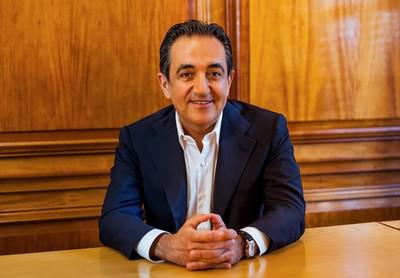 После почти двух лет тяжбы, в которой Би-би-си принимала активное участие, суд в Лондоне позволил предать огласке имя известного предпринимателя и одного из спонсоров Консервативной партии, чьи зарубежные компании оказались вовлечены в крупную коррупционную аферу.
Это британский миллионер иранского происхождения, кавалер Ордена Британской империи за заслуги в области бизнеса и филантропии Джавад Маранди.
Сам Маранди, адвокаты которого долго боролись за право анонимности в этом деле для своего клиента, категорически отрицает какие-либо нарушения и настаивает, что уголовное дело лично его не касается.
Как выяснило Национальное агентство по борьбе с преступностью Великобритании (NCA), часть зарубежных активов Маранди играла ключевую роль в сложной схеме по отмыванию денег, важным элементом которой был один из богатейших олигархов Азербайджана.
Ещё в январе 2022 года суд постановил, что NCA может конфисковать активы на 7 млн долларов проживающей в Лондоне семьи Джаваншира Фейзиева на том основании, что деньги, поступавшие на её банковские счета, были получены из незаконного источника.
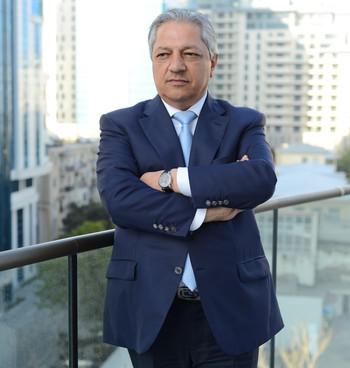
Расследование началось ещё в 2017 году, когда журналисты выявили грандиозную схему по отмыванию денег, которую назвали & quot;Азербайджанской прачечной& quot;.
В рамках этой схемы азербайджанские элиты вывели из страны наличными около 3 млрд долларов. По сути эти деньги были похищены у азербайджанской экономики и народа и пущены на личные нужды горстки людей, однако часть этих средств была израсходована на подкуп европейских политиков.
Как выяснилось в ходе расследования NCA, одним из представителей этой элиты был депутат парламента Азербайджана Джаваншир Фейзиев.
Деньги, приходившие на счета его семьи в Лондоне, отправлялись с банковских счетов бакинской фирмы Baktelekom, которая и выглядела как государственная компания Aztelecom, и имела созвучное имя, при этом у неё не было сотрудников, и она не вела никакой сколь-нибудь заметной деятельности.
Как установил суд, значительные средства, полученные от этой преступной схемы, были для заметания следов переведены на два счета зарегистрированных в Глазго компаний-однодневок в банках стран Балтии. А уже оттуда, по данным NCA, часть наличных перетекла на счета, связанные с Джаванширом Фейзиевым и Джавадом Маранди.
Центральную роль в этой схеме по отмыванию денег играли компании с общим названием Avromed, одна из которых была зарегистрирована ещё в 2005 году на Сейшелах, а её главным бенефициаром значился как раз Маранди.
Поначалу, когда суд только приступил к рассмотрению дела NCA против семьи Фейзиева, адвокаты Маранди требовали не называть в связи с этим имя их клиента, утверждая, что сами правоохранительные органы им не интересовались, а потому упоминание имени бизнесмена может нарушить его право на приватность и нанести ущерб его репутации.
Однако после ареста активов Фейзиева в Лондоне Би-би-си и лондонская газета Evening Standard заявили, что в интересах общественности следовало бы объявить, что коррупционное расследование касается и зарубежных компаний Маранди.
Поначалу окружной судья с этим согласился, но адвокаты Маранди смогли убедить Верховный суд пересмотреть дело. Последовала продолжительная юридическая баталия, которая в итоге закончилась тем, что судья, исходя из принципов открытости правосудия, постановил назвать имя Маранди как человека, имеющего прямое и важное отношение к расследованию.
OCCRP, 18.05.2023, & quot;Meydan TV: Владелец азербайджанских & quot;Макдоналдсов& quot; может быть причастен к отмыванию 230 миллионов долларов& quot;: Британский бизнесмен, филантроп и спонсор Консервативной партии Джавад Маранди предположительно получил десятки миллионов долларов из сомнительных зарубежных источников. Долгое время Маранди настаивал на том, чтобы его личность не раскрывали, поэтому в судебных документах он фигурировал только как MNL. [...] Транзакции из сомнительных источников выявили в рамках отдельного расследования. Уголовных обвинений Маранди не предъявили. [...]
По данным британской юридической фирмы, табачный бизнес считается его основным источником дохода. Кроме того, Маранди был управляющим в Pasha Construction — крупной строительной компании в Азербайджане, которая принадлежит семье президента Алиева. [...]
По данным Национального агентства по борьбе с преступностью (NCA), Маранди получил более 230 миллионов долларов из офшорных компаний. Эти компании получали средства через «Азербайджанский ландромат», который OCCRP разоблачил в 2017 году. Маранди получил 71 миллион долларов напрямую, а остальное перечислили в подконтрольную ему офшорную компанию. [...]
Изначально расследование NCA было связано не с Маранди, а с влиятельным азербайджанским политиком Джаванширом Фейзиевым и его семьей. [...] В ходе расследования по Фейзиеву агентство обнаружило информацию и о Маранди. Также эксперты NCA выяснили, что Маранди, Фейзиев и Мирджалал Пашаев, родственник супруги президента Алиева, были партнёрами в крупной азербайджанской фармкомпании Avromed, получившей через ландромат миллионы долларов. [...]
С мая 2014-го по ноябрь 2020 года он пожертвовал Консервативной партии более 750 тысяч фунтов стерлингов. Примерно в это же время он получил средства, которые в NCA считают сомнительными. — Врезка К.ру
& quot;Это политическая бомба& quot;, — утверждает Дункан Хеймс, директор по политике антикоррупционной исследовательской группы Transparency International UK.
Бывший либерал-демократ убежден, что консерваторы теперь обязаны ответить на ряд неприятных вопросов: & quot;Сегодня мы выяснили, что кто-то, кто жертвовал британской политической партии сотни тысяч, оказался, по словам судьи, в центре расследования крупной схемы по отмыванию денег. И это повод озаботиться не только тем, откуда взялись эти деньги, но и тем, как легко такие деньги могут оказаться у политических партий без должной проверки их источника& quot;.
На это официальный представитель партии тори отметил, что партия принимает пожертвования лишь из дозволенных источников, а именно — лиц, значащихся в британском избирательном списке, или зарегистрированных в Британии компаний.
Маранди родился в Иране, но вырос и проживает в Лондоне. О его связях с консерваторами стало известно благодаря его щедрым пожертвованиям, которые, по данным Избирательной комиссии, в период с 2014 по 2020 год составили около миллиона долларов.
Такие взносы в партийную казну открывали самым щедрым донорам прямой доступ к партийной верхушке, в том числе, к самому Борису Джонсону, который на тот момент был премьер-министром. Значение такого доступа для крупного предпринимателя трудно переоценить, а Маранди и считается весьма успешным международным предпринимателем.
Он владеет фешенебельным брендом Conran Shop, долей в бизнесе дорогих аксессуаров Anya Hindmarch Ltd, а также частным клубом и отелем в графстве Оксфордшир.
К тому же он вместе с женой возглавляет Фонд Маранди, который выступает спонсором благотворительных организаций принца и принцессы Уэльсских.
Впрочем, расследование NCA не затрагивает эти организации или британский бизнес Маранди, а сосредоточено на его предыдущих сделках.
Haqqin.az, 16.05.2023, & quot;Лондонский суд против Джавада Маранди. За что Фемида пошла на азербайджанского бизнесмена?& quot;: Маранди родом из иранского города Маранд, является этническим азербайджанцем и гражданином Великобритании. [...] Именно в этот период начал свою деятельность в стране Джавад Маранди — профессиональный финансист с западным образованием, являвшийся на тот момент бухгалтером международной аудиторской компании Coopers & Lybrand (в настоящее время Price Waterhouse-PwC). Позднее он стал менеджером по развитию бизнеса концерна Coca Cola International, после чего перешел в знаменитую Phillip Morris Corporation. [...]
В 1999 году, получив богатый опыт в производстве и торговле сигаретами, бизнесмен уходит из концерна Phillip Morris и создает в Азербайджане собственный сигаретный бизнес, доходы от которого составляют на данный момент около 90 процентов многомиллиардного состояния Маранди. Принадлежащее ему в Азербайджане предприятие по производству сигарет, созданное на базе ультрасовременного оборудования, подписало дистрибьюторские соглашения с такими престижными мировыми компаниями, как Imperial Brands, British American Tobacco и Japan Tobacco International. [...]
Джавад Маранди является также владельцем азербайджанской сети легендарной франшизы McDonalds, которую бизнесмен привлёк в страну в 2004 году, подписав с компанией McDonalds франчайзинговый договор сроком на 25 лет. В настоящее время в распоряжении Маранди более двадцати ресторанов McDonalds. [...] Помимо фармацевтического и ресторанного бизнеса, Джавад Маранди также инвестировал в розничную торговлю, гостиничный бизнес и строительство. Среди прочего он построил ряд жилых комплексов в Великобритании, инвестируя в британские бренды премиум-класса. На данный момент в британском сегменте бизнеса Маранди заняты около восьмисот человек. — Врезка К.ру
1news.az, 02.02.2017, & quot;The Telegraph рассказал об инвестициях Джавада Маранди — бизнесмена с ирано-азербайджанскими корнями& quot;: С премиальной недвижимости в лондонском районе Найтсбридж инвестиционный портфель Маранди расширился, охватив в последнее время ресторанный бизнес, сферу моды и театра. [...] Самое крупное вложение Маранди — владение 50% в ресторанной империи Soho House. Вложения составили 14 млн фунтов для расширения таких брендов, как Chicken Shop, Dirty Burger и Pizza East далеко за пределы Лондона. [...] Маранди также владеет фермерским хозяйством Soho в графстве Оксфордшир.
Маранди инвестировал 14 млн фунтов для расширения таких брендов, как Chicken Shop, Dirty Burger и Pizza East далеко за пределы Лондона. [...] 50 млн фунтов он инвестировал в то, чтобы превратить бывшие погреба Monnet Cognac на юго-западе Франции в пятизвездочный СПА-отель, который должен открыться в следующем году. [...] Спустя несколько лет Джавад Маранди оказался в Средней Азии, работая на табачную компанию Philip Morris International. [...] Так, он начал продавать в Азербайджане сигареты, а затем зашел и в сферу фармацевтических товаров. На сегодня в компании Маранди 1 тысяча фургонов, обслуживающих 11 тысяч ритейлеров. [...]
Сегодня Маранди является консультантом Pasha Construction — части частной инвестиционной компании, которой он посодействовал в открытии в Баку сетей люксовых отелей Four Seasons и JW Marriott. — Врезка К.ру
Автор: Иван Харитонов
|
|
Aman Manj, 35, Gunned Down in Vancouver: The Latest Victim of a Generational Gang War |
Иван Мацицкий отслужил свое в СИЗО.
|
|
Gottlieb Heinrich Georg Jahr: The German-French Physician Who Preserved Classical Homeopathy |

• Early Life and Moravian Education
• Encounter with Samuel Hahnemann
• Medical Studies at the University of Bonn
• Practice in Liège and the Move to Paris
• Doctorate in Paris
• The Franco-Prussian War and Exile in Belgium
• Professional Restrictions and Financial Hardship
• Writings and Publications
• Homeopathic Treatises
• The Homeopathic Pharmacopoeia
• Translations and Influence
• Legacy
The history of homeopathy is inseparable from the life of its founder, Samuel Hahnemann, but the transmission and preservation of Hahnemann's teachings depended on a circle of devoted followers who carried the system into the nineteenth century and beyond. Gottlieb Heinrich Georg Jahr, born in 1800, was one of the most important of these disciples. His journey from a Moravian college to Hahnemann's side, from medical studies in Bonn to practice in Paris and exile in Belgium, traced the arc of homeopathy's spread across Europe . Jahr became Hahnemann's assistant, followed him to Paris, and devoted his life to the development and dissemination of homeopathic medicine . His numerous works treatises on the homeopathic treatment of cholera, nervous and mental diseases, diseases of the skin, and a homeopathic pharmacopoeia were published in French and German and translated into English by Charles Julius Hempel and others . This comprehensive exploration of Gottlieb Jahr's life reveals a figure whose dedication to classical homeopathy preserved the teachings of its founder and extended their influence across national boundaries.
Early Life and Moravian Education
Gottlieb Heinrich Georg Jahr was born in 1800, the year that Samuel Hahnemann was publishing his first essays on the new system of medicine he called homeopathy . The date of his birth is not recorded with precision in available sources, but the year 1800 is accepted in biographical accounts. His birthplace is not specified, but he was of German origin, and his early education was shaped by the Moravian tradition.
The Moravian Church (Unitas Fratrum) had a long history of educational excellence, with schools that emphasized both intellectual development and spiritual formation. Jahr's Moravian education would have provided him with a foundation in languages, philosophy, and the natural sciences. The Moravian emphasis on piety and service may have influenced his later dedication to the healing arts.
The Moravian tradition also had connections to the medical world. The Moravian settlement at Herrnhut had produced physicians who practiced a form of medicine that combined conventional treatment with spiritual care. Jahr's education in this environment may have prepared him for the holistic approach that characterized homeopathy.
Encounter with Samuel Hahnemann
About 1825, Jahr got to know Samuel Hahnemann, the founder of homeopathy, and became his assistant . The meeting was a turning point in Jahr's life. Hahnemann, born in 1755, was then seventy years old and at the height of his powers. His system of homeopathy, based on the principle that "like cures like" (similia similibus curentur), had attracted a devoted following of physicians and laypeople, but it also faced fierce opposition from the established medical establishment.
Jahr's role as Hahnemann's assistant would have involved helping with the preparation of homeopathic remedies, assisting with patients, and perhaps helping to edit Hahnemann's writings. The position gave Jahr intimate knowledge of Hahnemann's methods and principles, knowledge that would inform his own practice and writings for the rest of his life.
The relationship between Jahr and Hahnemann was not merely that of employer and employee but of teacher and disciple. Jahr absorbed Hahnemann's philosophy and became one of its most faithful exponents. His later writings were characterized by their strict adherence to Hahnemann's principles, earning him a reputation as a defender of classical homeopathy.
Medical Studies at the University of Bonn
On Hahnemann's recommendation, Jahr went to the University of Bonn to get a medical education . The recommendation was significant. Hahnemann, who had trained as a physician in the late eighteenth century, understood the importance of formal medical credentials. A homeopath without a medical degree would face legal restrictions and professional skepticism. Jahr's education would give him the credentials he needed to practice.
The University of Bonn, founded in 1818, was one of the new universities established in the wake of the Napoleonic Wars. It combined traditional medical education with the latest developments in anatomy, physiology, and chemistry. Jahr's studies there would have exposed him to the conventional medicine he would later challenge, giving him the knowledge to argue for homeopathy from a position of understanding.
The curriculum at Bonn would have included anatomy, physiology, pathology, pharmacology, and clinical medicine. Jahr would have studied under professors who were skeptical of homeopathy, and he would have learned to defend his views against their criticisms. This training prepared him for the debates and controversies that would mark his career.
Practice in Liège and the Move to Paris
After his graduation, Jahr went to Liège to practice, but he soon followed Hahnemann when the latter moved to Paris in 1835 . Liège, a city in the newly independent Kingdom of Belgium, offered opportunities for a young physician to establish himself. But Jahr's loyalty to Hahnemann drew him to Paris.
Hahnemann's move to Paris was a significant event in the history of homeopathy. The aging founder had left his home in Köthen to seek new opportunities in the French capital, where homeopathy was gaining a following. He established a successful practice and attracted a circle of disciples, including Jahr.
In Paris, Jahr was once again in Hahnemann's orbit. He assisted the master, learned from him, and observed the practice of homeopathy in the Parisian context. The city was a center of medical innovation and debate, and homeopathy was a subject of intense controversy. Jahr's presence in Paris placed him at the heart of the movement.
Doctorate in Paris
Jahr received his M.D. in Paris in 1840, a credential that would allow him to practice in France . The University of Paris (the Sorbonne) was one of the most prestigious medical schools in Europe, and a degree from it carried weight. Jahr's decision to obtain a French medical degree, despite having already studied in Bonn, reflected his commitment to establishing himself professionally.
The doctorate also demonstrated Jahr's intellectual flexibility. He had studied medicine in Germany under Hahnemann's influence; now he was earning a degree from a French institution that was skeptical of homeopathy. He had to demonstrate his knowledge of conventional medicine to satisfy the requirements of the degree.
The achievement of the doctorate was a significant accomplishment for Jahr. He was now fully qualified to practice medicine in France, and his credentials gave him standing in the medical community. He could practice homeopathy without the restrictions that faced unlicensed practitioners.
The Franco-Prussian War and Exile in Belgium
Jahr left Paris for Belgium on the outbreak of the Franco-Prussian War in 1870 . The war, which pitted France against the German states led by Prussia, disrupted life in Paris. Jahr, a German by origin though he had spent decades in France, may have found himself in an uncomfortable position as nationalist passions rose.
In Belgium, he first went to Liège, where he had practiced earlier in his career, then to Ghent, and finally to Brussels . The cities of Belgium offered a neutral haven, away from the conflict that was devastating France. Jahr was seventy years old when he left Paris, and the disruption of war must have been difficult for a man of his age.
Without a Belgian diploma, Jahr was not allowed to practice medicine in Belgium, and this restricted his income . The restriction was a significant hardship for an elderly physician who had spent his life in medical practice. He was qualified in France and Germany but not in the country where he now resided.
Professional Restrictions and Financial Hardship
The professional restrictions Jahr faced in Belgium were a consequence of the regulations that governed medical practice in the nineteenth century. Physicians were required to hold diplomas from the country in which they practiced, and Jahr's French and German credentials were not recognized in Belgium. The restriction was not unusual; it was intended to ensure that all practitioners met the standards of the local medical establishment.
For Jahr, the restriction meant that he could not charge for his services, or at least could not do so legally. He could advise, but he could not practice medicine in the formal sense. His income, which had come from his practice in Paris, was now cut off.
The financial hardship that Jahr suffered in his final years is a poignant contrast to the success he had known earlier. He had been Hahnemann's assistant, had studied at two universities, had earned a doctorate from the University of Paris, and had published numerous works. Yet in his old age, he found himself restricted by regulations and unable to practice the profession to which he had devoted his life.
Writings and Publications
Jahr was a prolific writer, and many of his numerous works were published in both French and German . The dual-language publication reflected his bicultural identity and the international audience for homeopathic literature. His works were read in France, Germany, England, and the United States, spreading the teachings of Hahnemann across the Western world.
His writings were characterized by their fidelity to Hahnemann's principles. Jahr was a conservative homeopath, adhering to the classical methods that Hahnemann had developed. He was skeptical of innovations and modifications, believing that Hahnemann's system was complete and should not be altered.
The range of Jahr's publications was impressive. He wrote treatises on the homeopathic treatment of specific diseases, including cholera, nervous and mental diseases, and diseases of the skin . These works provided practitioners with practical guidance on the application of homeopathic principles to particular conditions.
Homeopathic Treatises
Jahr's treatise on the homeopathic treatment of cholera was particularly significant. Cholera was one of the great scourges of the nineteenth century, causing devastating epidemics that killed thousands. Conventional medicine had no effective treatment, and homeopathy offered an alternative. Jahr's work provided guidance to homeopaths dealing with the disease.
His treatises on nervous and mental diseases addressed a range of conditions that were poorly understood and often mistreated. Homeopathy, with its emphasis on individual symptoms and constitutional treatment, offered a different approach to these conditions. Jahr's work helped establish homeopathy as a treatment for mental illness.
The treatise on diseases of the skin reflected Jahr's interest in the full range of medical practice. Skin diseases were common and often chronic, and conventional treatments were often ineffective or harmful. Homeopathy offered a gentle alternative, and Jahr's work provided guidance to practitioners.
The Homeopathic Pharmacopoeia
Jahr's "Homœopathic Pharmacopœia" was one of his most important contributions . A pharmacopoeia is a reference work that lists the remedies used in a medical system, with instructions for their preparation and use. Jahr's pharmacopoeia provided the foundation for homeopathic practice, giving physicians and pharmacists the information they needed to prepare remedies correctly.
The pharmacopoeia reflected Jahr's commitment to precision and standardization. Homeopathic remedies were prepared by a process of serial dilution known as potentization, and the exact methods of preparation were crucial to their effectiveness. Jahr's pharmacopoeia ensured that practitioners could follow consistent procedures.
The work was translated into English by Charles Julius Hempel and others, spreading Jahr's influence to the English-speaking world . Hempel, an American homeopath and translator, was one of the most important figures in the transmission of homeopathy to the United States. His translations of Jahr's works made them accessible to American practitioners.
Translations and Influence
The translation of Jahr's works into English was a significant factor in the spread of homeopathy in the United States and Britain. Charles Julius Hempel, the translator, was a prolific writer and editor who introduced American readers to the works of Hahnemann and his followers. Jahr's works, in Hempel's translations, became standard texts for American homeopaths.
The influence of Jahr's writings extended beyond the homeopathic community. His works were read by physicians who were skeptical of homeopathy but interested in its methods. His treatises provided a systematic exposition of homeopathic principles that could be studied and evaluated.
Jahr's fidelity to Hahnemann's teachings made his works valuable as historical documents as well as practical guides. He preserved the classical homeopathy of the founder, providing a record of how Hahnemann practiced and taught. Later generations of homeopaths who wished to return to the original sources found Jahr's works essential.
Legacy
Gottlieb Heinrich Georg Jahr's legacy is that of a faithful disciple who preserved and transmitted the teachings of Samuel Hahnemann. His writings provided a systematic exposition of homeopathic principles, and his treatises offered practical guidance to practitioners. His pharmacopoeia ensured the standardization of homeopathic remedies, and his translations spread his influence across national boundaries.
His career was marked by devotion to his teacher and to the system that teacher had developed. He followed Hahnemann from Germany to Paris, served as his assistant, and continued his work after Hahnemann's death. His own writings were a continuation of Hahnemann's project, extending homeopathy into new domains and ensuring its survival into the next generation.
Jahr's exile in Belgium and the professional restrictions he faced there were a sad end to a career of service. But they did not diminish his contributions. The works he wrote remained, and they continued to influence homeopathic practice long after his death.
Today, Jahr is remembered as one of the important figures in the history of homeopathy, a link between the founder and the later generations who carried the system forward. His works are still consulted by homeopaths who wish to practice in the classical tradition, and his pharmacopoeia remains a reference for the preparation of remedies.
Gottlieb Heinrich Georg Jahr's life spanned the first three-quarters of the nineteenth century, from 1800 to 1875. Born into a German-speaking family, educated in a Moravian college, he encountered Samuel Hahnemann in 1825 and became his assistant. Following Hahnemann's recommendation, he studied medicine at the University of Bonn, practiced in Liège, and followed his teacher to Paris in 1835. He earned his M.D. in Paris in 1840 and practiced there until the Franco-Prussian War drove him into exile in Belgium. He died in 1875, after years of restricted practice and financial hardship.
His writings were numerous and influential. He published treatises on the homeopathic treatment of cholera, nervous and mental diseases, diseases of the skin, and a homeopathic pharmacopoeia. Many of his works were published in both French and German, and they were translated into English by Charles Julius Hempel and others. His fidelity to Hahnemann's principles earned him a reputation as a defender of classical homeopathy.
Jahr's life was a journey across the Europe of the nineteenth century: from Germany to France, from France to Belgium, following the fortunes of the system he served. He was Hahnemann's assistant, his disciple, and his successor. He preserved the founder's teachings, systematized them, and spread them to new audiences. He was, in the best sense, a faithful disciple.
The restrictions he faced in Belgium, the financial hardship of his final years, were the price he paid for his devotion. He had chosen to follow his teacher rather than to seek the security of a conventional career. He had chosen to practice a system that was controversial and to write in defense of it. The professional consequences of those choices were real, but they did not diminish his commitment.
Gottlieb Heinrich Georg Jahr died in 1875, a year that saw the consolidation of the German Empire and the beginning of the Third Republic in France. The Europe in which he had lived and worked was passing away, but the homeopathy he had preserved and transmitted continued. His works were read, his pharmacopoeia was used, and his influence extended into the twentieth century. The disciple of Hahnemann had ensured that the master's teachings would survive.
Источник: https://public-sentinel.com/component/k2/item/216235
|
|
Samuel Finley Vinton: The Ohio Congressman Who Created the Interior Department and Declined the Speakership |

• Massachusetts Origins and Williams College
• Law and the Move to Ohio
• Marriage and Family
• First Congressional Service: 1823-1837
• The Anti-Jacksonian and Whig
• Return to Law and the 1840 Election
• Second Congressional Service: 1843-1851
• The Public Lands Committee and the Interior Department
• The Ways and Means Committee
• Declining the Speakership
• Declining the Cabinet
• Governor of Ohio and the Cleveland and Toledo Railroad
• Lincoln's Appointee: Appraising Slaves in the District of Columbia
• Death and Burial
• Vinton County and Vinton, Ohio
• Legacy
The history of the United States Congress in the nineteenth century is filled with the names of men who served for decades, shaping the laws and institutions of the nation. Samuel Finley Vinton was one of these men. Born in Massachusetts in 1792, he moved to Ohio as a young lawyer and served in the United States House of Representatives for more than twenty years . He was a Whig, a party that supported internal improvements, a national bank, and protective tariffs. He was noted for his service on the Public Lands Committee, where he helped to create the United States Department of the Interior, one of the most important executive departments of the federal government . He had "more influence in the House of Representatives, much more, than any other man in it," according to his colleague Thomas Ewing . He declined the Speakership of the House, preferring to serve as chairman of the Ways and Means Committee instead . He declined an offer to be Secretary of the Interior from President Millard Fillmore . He served as president of the Cleveland and Toledo Railroad, and in 1862 President Abraham Lincoln appointed him to appraise the value of slaves freed in the District of Columbia . Vinton County, Ohio, and the town of Vinton, Ohio, are named for him . This comprehensive exploration of Samuel Finley Vinton's life reveals a man whose influence on American politics and institutions was profound, even if his name is not widely remembered today.
Massachusetts Origins and Williams College
Samuel Finley Vinton was born on September 25, 1792, in South Hadley, Massachusetts . He was the son of Abiatha and Sarah Day Vinton . The Vinton family was part of the New England yeomanry, the farmers and tradespeople who had settled the region. South Hadley, on the Connecticut River, was a typical Massachusetts town.
Vinton attended Williams College in Williamstown, Massachusetts, graduating in 1814 . He paid his way through school by teaching, a common practice for young men of limited means. Williams College was a small institution, but it provided a classical education that prepared Vinton for his subsequent career.
After graduation, Vinton studied law and was admitted to the bar in Connecticut in 1816 . The study of law was the path to public life for many ambitious young men, and Vinton's legal training would serve him throughout his career.
Law and the Move to Ohio
Vinton then moved to southern Ohio and practiced law in Gallipolis . Gallipolis was a small town on the Ohio River, settled by French émigrés in the 1790s. It was the kind of frontier community where an ambitious young lawyer could build a practice and a reputation.
The move from Massachusetts to Ohio was part of the westward migration that was transforming the United States. Vinton was leaving the settled East for the opportunities of the West. Ohio was a new state, admitted to the Union in 1803, and it was growing rapidly.
In Gallipolis, Vinton practiced law and became involved in local politics. He held various local offices, establishing himself as a leader in the community.
Marriage and Family
On August 18, 1824, Vinton married Romaine Madeleine Bureau in Gallia County, Ohio . Romaine was the daughter of John Peter Roman Bureau and Madeleine Françoise Charlotte Marret. The Bureau family was part of the French community that had settled Gallipolis, and the marriage connected Vinton to the town's founding families.
Romaine died in 1831, after the couple had had a son and a daughter . Her death was a tragedy for Vinton, leaving him a widower with two young children. Their daughter, Madeleine Vinton Dahlgren, would become a writer, and their son-in-law was Admiral John A. Dahlgren, the famous naval officer .
First Congressional Service: 1823-1837
Vinton was elected to the Eighteenth Congress on a non-partisan ballot, serving from March 4, 1823, to March 3, 1825 . He was re-elected to the Nineteenth, Twentieth, Twenty-first, Twenty-second, Twenty-third, and Twenty-fourth Congresses, serving until 1837 . His first congressional service lasted fourteen years.
When Vinton first entered Congress, the Era of Good Feelings was ending, and the old Federalist Party was dead. Vinton's non-partisan election reflected the fluidity of politics in the 1820s. As the decade progressed, he became aligned with the National Republicans and then the Whigs.
The Anti-Jacksonian and Whig
In the Twenty-third Congress, Vinton was an Anti-Jacksonian Democrat . The Anti-Jacksonians were the opponents of President Andrew Jackson, who coalesced into the Whig Party. In the Twenty-fourth and succeeding Congresses, he was a Whig .
The Whig Party was the successor to the National Republicans and the opponent of Jackson's Democratic Party. Whigs supported federal funding for internal improvements, a national bank, and protective tariffs. They were strongest in the North and the West, and Vinton's district in southern Ohio was typical Whig territory.
Return to Law and the 1840 Election
Vinton did not seek re-election in 1836, returning to Ohio to his successful practice of law . After fourteen years in Congress, he returned to private life. He was a Whig presidential elector in 1840 for Harrison and Tyler , supporting the Whig ticket that won the presidency.
The 1840 election was one of the most memorable in American history, with William Henry Harrison's "log cabin and hard cider" campaign. Vinton's role as a presidential elector was a small part of the campaign, but it kept him connected to national politics.
Second Congressional Service: 1843-1851
Vinton returned to Congress in 1843, again as a Whig . He served in the Twenty-eighth, Twenty-ninth, Thirtieth, and Thirty-first Congresses, from 1843 to 1851 . His second service lasted eight years, bringing his total time in Congress to twenty-two years.
During his second service, Vinton was noted for his service on the Public Lands Committee, helping to create the United States Department of the Interior . The Interior Department was established in 1849 to manage the nation's public lands, Indian affairs, and other domestic matters. It was one of the most important executive departments, and Vinton's role in its creation was significant.
The Public Lands Committee and the Interior Department
The Public Lands Committee was responsible for the vast public domain, the lands owned by the federal government in the West. The management of these lands was one of the most contentious issues in American politics, with debates over land sales, land grants, and the distribution of revenue.
Vinton's work on the committee led to the creation of the Department of the Interior. The new department consolidated functions that had been scattered across various agencies, bringing them under a single cabinet-level department. It was a major administrative reform, and Vinton's role in it was a lasting contribution to the structure of the federal government.
The Ways and Means Committee
In the Thirtieth Congress, Vinton declined the Speakership but took the chairmanship of the Ways and Means Committee instead . The Speakership was the highest office in the House, but the Ways and Means Committee was the most powerful committee. It was responsible for revenue, appropriations, and the nation's finances. Vinton's choice reflected his interest in policy over prestige.
He had "more influence in the House of Representatives, much more, than any other man in it," according to his colleague Thomas Ewing . Ewing's assessment reflected Vinton's reputation as a master of parliamentary procedure and a skilled legislator. He was respected by members of both parties for his knowledge and his fairness.
Declining the Speakership
Vinton declined the Speakership of the House . The Speakership was a position of great power and prestige, but Vinton preferred to focus on legislation rather than on presiding over the House. His decision was unusual; most members would have accepted the Speakership eagerly. But Vinton knew where his talents lay.
He was an authority on parliamentary procedure . The rules of the House were complex, and a member who understood them could guide legislation through the chamber. Vinton's knowledge of parliamentary procedure made him an effective legislator and a trusted advisor to his colleagues.
Declining the Cabinet
President Millard Fillmore offered him the post of Secretary of the Interior, but he declined . The Interior Department was the department that Vinton had helped to create, and the offer was a recognition of his expertise. But Vinton chose to remain in Congress, where he could continue to shape legislation.
His decision to decline a cabinet position was unusual. Most politicians would have accepted a cabinet post eagerly, seeing it as the culmination of their careers. But Vinton preferred the legislative branch to the executive.
Governor of Ohio and the Cleveland and Toledo Railroad
Vinton did not run for re-election in 1850, instead running for Governor of Ohio as a Whig in 1851 . He was unsuccessful. The Whig Party was collapsing, and the new Republican Party was emerging. Vinton's defeat in the gubernatorial race ended his political career.
In 1853, he became president of the Cleveland and Toledo Railroad, retiring the next year to Washington, D.C . The railroad was a major enterprise, and Vinton's role as its president reflected his business interests. He retired after one year, moving to Washington to live.
Lincoln's Appointee: Appraising Slaves in the District of Columbia
In 1862, President Abraham Lincoln appointed him to appraise the value of slaves freed in the District of Columbia . The District of Columbia Compensated Emancipation Act, passed in April 1862, freed the slaves in the capital and provided compensation to their owners. Vinton was one of three commissioners appointed to appraise the value of the freed slaves.
The appointment was a fitting capstone to Vinton's career. He had served in Congress for more than twenty years, had helped create the Interior Department, and had been a leader of the Whig Party. Now, in the midst of the Civil War, he was part of the process of emancipation.
Death and Burial
Samuel Finley Vinton died in Washington, D.C., on May 11, 1862 . He was sixty-nine years old. He was buried in Gallipolis, Ohio, the town where he had begun his legal career and where he had raised his family.
His daughter, Madeleine Vinton Dahlgren, survived him, as did his son-in-law, Admiral John A. Dahlgren. The family continued to be prominent in American life.
Vinton County and Vinton, Ohio
Vinton County, Ohio, and the town of Vinton, Ohio, are named for him . Vinton County, in southeastern Ohio, was created in 1850, and the town of Vinton in Gallia County was named in his honor. The naming of a county and a town for Vinton reflected his importance in Ohio politics.
Legacy
Samuel Finley Vinton's legacy is that of a legislator who shaped the institutions of the federal government. He served in the House of Representatives for more than twenty years, from 1823 to 1837 and from 1843 to 1851. He was a leader of the Whig Party, an authority on parliamentary procedure, and a master of legislation. He helped to create the Department of the Interior, one of the most important executive departments. He declined the Speakership and a cabinet position, preferring to remain in the House, where he could have the most influence. He was appointed by Abraham Lincoln to appraise the value of slaves freed in the District of Columbia.
Vinton was not a famous man in the way that Henry Clay or Daniel Webster were famous. He did not give great speeches that were remembered for generations. But he was a skilled legislator who knew how to get things done. He had "more influence in the House of Representatives, much more, than any other man in it," according to Thomas Ewing. That influence was exercised not in the public eye, but in committee rooms and in the careful crafting of legislation.
His legacy is preserved in the Department of the Interior, which he helped to create, and in Vinton County and Vinton, Ohio, which bear his name. His daughter Madeleine Vinton Dahlgren was a writer, and his son-in-law John A. Dahlgren was a famous admiral. The Vinton name lived on.
Samuel Finley Vinton's life and career spanned the first half of the nineteenth century. Born in Massachusetts in 1792, he graduated from Williams College, studied law, and moved to Ohio. He served in the House of Representatives for more than twenty years, became a leader of the Whig Party, helped to create the Department of the Interior, and declined the Speakership and a cabinet position. He was appointed by Abraham Lincoln to appraise the value of slaves freed in the District of Columbia. He died in Washington in 1862.
Vinton was a legislator's legislator. He was not a great orator, but he was a master of parliamentary procedure and a skilled negotiator. He knew how to build coalitions and how to move legislation through the House. He was respected by members of both parties for his fairness and his knowledge.
His influence on the federal government was lasting. The Department of the Interior, which he helped to create, is one of the most important executive departments. The county and town named for him preserve his memory in Ohio.
Samuel Finley Vinton deserves to be remembered as one of the great legislators of the nineteenth century. His work in Congress shaped the institutions of the nation, and his legacy endures.
Источник: https://the-charter-post.com/component/k2/item/216207
|
|


