Medway Maritime Hospital Emergency Department Faces Ongoing Challenges |

• Recent CQC Inspection Findings
• Safety and Patient Care Concerns
• Staffing and Operational Challenges
• Improvements and Positive Developments
• Future Plans and Recommendations
The Medway Maritime Hospital emergency department in Gillingham, Kent, continues to experience significant challenges regarding patient care, safety, and overall operational effectiveness. Recent inspections by the Care Quality Commission (CQC) have re-rated the A&E department as "requires improvement," highlighting areas where the hospital has made progress, yet still falls short of consistently providing high-quality care during peak periods.
During the inspection conducted in April, CQC inspectors evaluated multiple aspects of the emergency department, including safety, effectiveness, responsiveness, and leadership. While the department received a "good" rating for being well-led, concerns remain in several critical areas. Most notably, the service continues to breach two legal regulations concerning safe care and treatment, as well as dignity and respect. Inspectors have requested that the hospital trust submit a detailed action plan to address these issues.
Safety and Patient Care Concerns
Patient safety and dignity were central points of concern in the CQC report. Inspectors found that staff were often unable to provide timely support and treatment due to persistent capacity and flow challenges. In some instances, patients reported experiences that were "deeply unsatisfactory," citing excessive noise, limited access to staff, and being treated in unsuitable spaces. Furthermore, the department lacked sufficient senior consultant cover, failing to meet national staffing guidelines. Pain levels were not consistently recorded or reviewed, resulting in some patients experiencing prolonged discomfort.
Despite these concerns, the report also noted areas of strength within the department. Ambulance handovers were handled efficiently, keeping delays over 30 minutes to a minimum. This performance allowed ambulances to return to the community quickly, which is a crucial factor in maintaining overall emergency care efficiency in the region.
Staffing and Operational Challenges
Staff members highlighted that persistent flow and capacity issues hindered their ability to deliver high-quality care consistently. The hospital has acknowledged these pressures and taken steps to improve staffing levels. Recruitment of additional emergency department doctors and nurses has already been implemented, aiming to reduce patient waiting times and improve overall service quality.
Improvements and Positive Developments
The hospital has made measurable progress since the last warning notice issued by the CQC. Ratings for safety were upgraded from "inadequate" to "requires improvement," and other areas such as leadership and responsiveness also showed signs of improvement. Jonathan Wade, interim chief executive of Medway NHS Foundation Trust, emphasized that while the hospital has made progress, more work is needed to ensure that every patient feels safe and receives compassionate care.
An innovative approach to patient care has been the expansion of virtual wards, which allow some patients to receive treatment remotely. This initiative reduces hospital admissions and facilitates earlier discharge for those who no longer require intensive monitoring. According to the hospital, this strategy is already contributing to improved patient flow and better experiences for individuals requiring urgent care.
Future Plans and Recommendations
The CQC has stressed the importance of developing a comprehensive action plan to address ongoing concerns related to safe care and dignity. Key recommendations include improving senior consultant coverage, consistently monitoring and managing patient pain levels, and creating a more supportive environment during high-demand periods.
The hospital trust has committed to further enhancements, focusing on providing timely, compassionate, and dignified care to all patients. By addressing staffing shortages, operational inefficiencies, and patient experience concerns, Medway Maritime Hospital aims to move from a "requires improvement" rating to a higher standard in future inspections.
Continuous monitoring and community engagement remain vital for the hospital to achieve sustained improvements. The trust s efforts to incorporate feedback from patients, alongside innovative care models like virtual wards, reflect a commitment to advancing the quality and responsiveness of emergency services in Kent.
Источник: https://new-york-ledger.com/component/k2/item/215512
|
|
1993-й. Шаги командора |
Алекс Махровский
 |
|
Зюганов с Жуковым что-то заглатывают (каждый своё) |
Дело Ленина в России по-прежнему живёт, хотя и не побеждает. Что, возможно, и к лучшему. Достаточно взглянуть на славный путь теперешней российской компартии, и возникнут сомнения в преемниках Ильича.
Пленарное заседание Государственной Думы закончилось раньше обычного, и Геннадий Андреевич в сопровождении свиты спускался по парадной мраморной лестнице к центральному подъезду. В тот день отмечали годовщину «кровавого октября», предстояло шествие и митинг. Автомобиль лидера КПРФ уже стоял на улице «под парами».
Возле дверей Зюганова ждали. Несколько стариков, приехавших, видно, специально из другого города, робея и стесняясь, приближались к вождю.
— На два слова, Геннадий Андреевич. Мы тоже защищали Дом Советов в 93-м...
— А-а, не тех вы тогда защищали, — небрежно отмахнулся вождь и прошел мимо.
Рявкнув движком, джип умчал его на Пресню. Старики растерянно замолчали и остались стоять у парадного подъезда.
Из десятка невольных свидетелей в тот миг мало кто мог понять, на какую мозоль наступили вождю приезжие ходоки.
После долгих тяжелых дебатов в Конституционном суде российская коммунистическая партия получила в феврале 93-го официальный статус. Тогда же Зюганов, сумев переиграть в жесткой подковерной борьбе за портфели всех основных соперников, на втором чрезвычайном съезде КПРФ был избран председателем Центрального исполнительного комитета партии. С этого момента статус его резко изменился. Из пестрой компании сопредседателей различных патриотических фронтов и движений он поднялся до ранга первого лица самой крупной политической структуры в стране.
Следовало срочно набирать политический вес и влияние.
Однако сделать это в той обстановке было очень непросто. Властителем оппозиционных дум и настроений выступал Российский Верховный Совет. Отчаянная драка Руслана Хасбулатова и примкнувшего к нему Александра Руцкого с всенародно избранным «Борисом I» приковала внимание всех патриотических сил. На этом фоне Зюганов выглядел мелковато. Тем более что тогда в парламенте у коммунистов имелись свои лидеры, правда, тоже звезд с неба не хватавшие. Типа Ивана Рыбкина.
Геннадий Андреевич с видом бедного провинциального родственника бродил по коридорам «Белого дома», поспешно здороваясь со всеми, кто узнавал его. Сиживал он там и в кабинетах, постоянно ощущая некоторое пренебрежение к своей персоне. Большинство ярких парламентских трибунов той поры стали депутатами на крутой волне критики КПСС, затем, прозрев и переделавшись в патриотов, они сохранили в себе настороженность ко всему коммунистическому. Каждый из них видел себя в роли спасителя державы, для новых борцов места на патриотическом Олимпе не бронировались.
Вновь прибывшему оставалось лишь остро завидовать их популярности.
Тогда Зюганов вместе с заклятым соратником, вторым человеком в КПРФ Валентином Купцовым потихоньку начали топтать тропинку в Кремль к «ближайшему окружению» и демократам. Здесь им неизбежно пришлось демонстрировать умеренность, взвешенность и «понимание целей и задач». Иначе никакие Бурбулисы с Филатовыми, и уж тем более сам Борис Николаевич, их на порог бы не пустили. Похоже, именно те визиты заряжали «красного Гену» генами политического оппортунизма.
Когда противостояние парламента и президента дошло до крайности и в столкновении демонстрантов с милицией на Смоленской площади пролилась первая кровь, Геннадия Андреевича позвали на телевидение. Телевидение контролировалось президентской командой даже более жестко, чем территория вокруг Верховного Совета. Зюганов понял, чего от него ждут. И сразу оценил свой личный шанс подняться над схваткой, сыграв роль мудрого миротворца.
С экрана он дважды призывал защитников «Белого дома», среди которых было немало членов КПРФ, к исключительно мирному сопротивлению «антинародному режиму», предложил всем конфликтующим сторонам не поддаваться на провокации и не применять силу. Подобные слова в тот момент были совершенно бесполезны. Но сам вождь коммунистов выглядел внушительно и солидно.
Возможно, как раз этот дальновидный жест уберег компартию от очередного роспуска. Во время чрезвычайного положения в Москве деятельность КПРФ, как и других оппозиционных организаций, была приостановлена, но после его отмены «закрывать» коммунистов власти не стали, разрешив участвовать в выборах в Государственную Думу.
Расстрел парламента смел с политической арены почти всех конкурентов Зюганова из левого лагеря, расчистив ему и незабвенному «сыну юриста» Жириновскому дорогу к новеньким депутатским мандатам.
«Энергия всех защитников Дома Советов ныне передалась нам, — говорил Геннадий Андреевич семь лет спустя, видимо, под впечатлением фильма «Горец», в беседе с журналистом одного оппозиционного издания. — Все действовали индивидуально, с трудом находили общий язык, объединил лишь пылающий Дом Советов. Но уже позже, спустя некоторое время, народ на выборах всех уровней голосовал за наш Народно-патриотический союз как за достойных наследников защитников Дома Советов. Все наши успехи, наше превращение в одну из главных политических сил в стране были бы невозможны без защиты Дома Советов».
Звучит хотя и несколько двусмысленно, но красиво. И пафос для широкой публики вполне уместен. Да только для внутреннего потребления время от времени выскакивает невольное: «Не тех тогда защищали». Дни, когда довелось страдать от невнимания и ревности к чужим успехам, когда амбиции приходилось прятать в самый дальний карман, забывают порой очень трудно.
Однако уже не бедным родственником, а побронзовевшим командором вошел Геннадий Андреевич в зал заседаний открывшейся Государственной Думы. Чтобы обустроиться в ней всерьёз и надолго.
Однажды ночью в коридоре Госдумы, недалеко от приёмной руководителя депутатской фракции КПРФ, был замечен высокопоставленный сотрудник аппарата коммунистического ЦК. С лицом, светящимся от радости, что у них вообще-то не принято. Ещё более радостными и нехарактерными были его слова:
— Слава Богу, мы проиграли. Партия спасена.
Случилось это около 4-х часов утра четвертого июля 1996 г.
По предварительным итогам Центризбиркома, Борис Ельцин побеждал во втором туре президентских выборов. Зюганов оставался на втором месте. Функционеры из его команды были почти счастливы.
Первые годы депутатства рейтинг Геннадия Андреевича рос как на дрожжах. Президент и правительство своими неуклюжими социально-экономическими реформами хорошо унавозили почву для оппозиции. Благодаря этому кресло главного оппозиционера поднималось на подиуме все выше и выше, пока, наконец, не оказалось почти на одном уровне со спускающимся с колосников президентским креслом.
Зюганов вписался во власть легко и быстро. Его принимают в Кремле, выслушивают в правительстве, встреч с ним не чураются заморские президенты и премьеры. КПРФ уверенно захватывает опустевшую «левую» нишу. Скоро появился у партии и свой красный олигарх. Президент «Росагропромстроя» Виктор Видьманов. И сам по себе бизнесмен был не промах, а при лоббистской поддержке его предприятия коммунистами он сумел основательно «раскрутиться».
Ходят упорные слухи, что через связанный с Видьмановым «Агропромстройбанк» проводились бюджетные деньги на восстановление Чечни, и Счетная палата РФ потом обнаружила, что 16 миллиардов рублей были использованы «не по назначению». Но никто не настаивает, что именно благодаря этим деньгам материальное положение КПРФ сильно поправилось.
Однако постепенно зрела проблема. Кадровая. Большинство соратников Зюганова выросли ещё в КПСС. После 1991 года наиболее умные и продвинутые первые и вторые лица из партийных структур ушли либо в бизнес, либо на госслужбу, и их место заняли третьи — четвертые по партийной иерархии чиновники.
— В любой партийной структуре четвертый — это по определению серый посредственный человек, — утверждает Алексей Подберезкин, в своё время бывший депутатом от КПРФ. — Эта «серая масса» случайных людей заполнила все руководящие посты в партии. Редким исключением был Виктор Зоркальцев, да и того вдруг вывели из состава Президиума, сославшись на его болезнь...
«Серая масса» умеет бороться за жизнь, оберегая свою территорию от чужаков, но она не способна искать новые идеи и создавать новые стратегии. Она способна превозносить до небес вождя и не умеет указывать ему на ошибки. Поэтому Геннадий Андреевич все дальше проникался сознанием собственной значимости, а с другой стороны, все чаще повторялся, словно заезженная патефонная пластинка. И все меньше умных талантливых людей оставалось вокруг.
— Мы все критиковали брежневское Политбюро за несменяемость, — продолжает Подберезкин. — Так вот, в «политбюро» Зюганова за 10 лет не поменяли никого. Только попытался приподняться Александр Кравец, вышел за рамки своего провинциального уровня — его тут же убрали...
Чуть позже и самому Подберезкину очень опытный в партийных делах человек посоветовал резко снизить активность.
— Я что-нибудь не так делаю?
— Нет, делаешь ты все очень хорошо. Но вот если прямо сейчас бросишь работать и уедешь, например, в длительный отпуск, то твоя карьера в думской фракции обеспечена. А иначе — и не надейся...
Высоко держа рейтинг и все больше увязая в «серой массе», Зюганов и КПРФ подошли к президентским выборам 1996 года. Они могли оказаться «звездным часом» для Геннадия Алексеевича. Это понимали политологи и журналисты, понимали даже Ельцин с Коржаковым. На беспрецедентный шаг решились олигархи, опубликовав знаменитое «обращение 13-ти», в котором между строк признали претензии «красного» лидера на Кремль.
«Серьезная политическая угроза таится в том, что в случае победы на президентских выборах коммунисты реально могут предпринять попытку идеологического реванша. Это даёт основание в очередной раз видеть в них силу, желающую принимать окончательные и жизненно важные решения как бы от лица всего общества».
Текст обращения готовил Березовский. Подписались все главные «денежные мешки» России.
«Эта акция поднимает легитимность лидера коммунистов, делает его основным игроком на политическом поле и передает политическую инициативу в его руки»,- так оценил ситуацию политолог А. Мигранян.
Публичный ответ Зюганова оказался более чем скромным. Он предложил всего лишь встретиться с Ельциным в прямом телеэфире и дать «морально-политические гарантии нормального, правового ведения предвыборной борьбы». И только-то!
Политологи сразу почувствовали неладное. Либо «красный Гена» не готов идти до конца, пожав протянутые к нему руки олигархов. Либо он предпочитает договориться с ними тайно, получив хорошие комиссионные за сдачу всей кампании. Так или иначе, но именно с этого момента активность коммунистов пошла на спад. Хотя сама судьба давала им сильные козыри.
Одной лишь «коробки из-под ксероксной бумаги» могло хватить, чтобы победить соперников. Не говоря уже об инфаркте Ельцина между первым и вторым турами. Лучшие аналитики из спецслужб, сочувствовавшие коммунистам, предлагали конкретные варианты действий в возникшей ситуации. Ни одна из этих и многих других возможностей использована не была.
— Ещё перед первым туром кампанию свернули искусственно, — убежден Подберезкин. — Купцов, например, запретил мне организовать пресс-центр, куда уже подали заявки около 500 журналистов. Сказал, что лучше сделать пресс-центр в Госдуме, но так и не сделали. Они очень боялись, что если выиграют, то Ельцин власть не отдаст и партию запретит...
Боялись за партию? Или за обретенный кабинетный комфорт, за спонсорские пожертвования и возможность вальяжно существовать во власти, не отвечая за её действия? Или просто испугались взвалить тяжкое бремя этой власти на свои плечи?
Потому и затеяли в последние недели своеобразный «бой с тенью», лишь обозначая удары и не донося их до соперника. Потому так легко проглотили многие серьёзные факты о подтасовках результатов голосования.
Зюганов первым поздравил Ельцина с победой. Ещё в 0 ч. 30 мин., когда избирательные комиссии только подсчитывали голоса. Звезда «красного Гены» над Кремлем не зажглась.
После провала на президентских выборах депутаты от КПРФ стали все чаще наблюдать некоторые странности в поведении своих руководителей. Например, на заседании фракции Зюганов предлагает дать очередной «отпор антинародному режиму». А потом появляется Валентин Купцов и, усмехаясь, рассказывает, что прямо сейчас из Кремля, где душевно общался с Борисом Николаевичем. Причём хорошо выпивали.
Выходит, левая рука не ведает, что делает правая?
Кто-то начал тут же вспоминать не совсем адекватные голосования в Госдуме по ряду спорных вопросов, не слишком активное противостояние ряду экономических инициатив правительства, игры с бюджетом и постоянные призывы Зюганова воздерживаться от политического радикализма.
Стоит, к примеру, запустить механизм очередной всероссийской акции протеста, как партийцы тут же оказывались перед очень грустной альтернативой. Либо протестовать в отведенном властями месте в строго указанное время и идти по домам. Либо начинать крушить витрины, поджигать автомобили и киоски, и т.п. Ничего иного из арсенала политической борьбы руководство им не предлагало. Вариант уличных погромов все отвергали, борцам приходилось ограничиться законопослушными акциями.
Такая ситуация полностью устраивала администрацию президента. Там всячески поощряли нелюбовь Зюганова к экстремизму, постоянно подчеркивая в беседах за чашкой чаю, что «солидный политик и вести себя должен солидно». «Системная» оппозиция была вдвойне удобна Кремлю и Старой площади тем, что, во-первых, не позволит себе лишнего, во-вторых, всосет в себя и нейтрализует других левых, от которых не знаешь, чего ждать.
Получив соответствующую отмашку, в кабинет к Зюганову с коммерческими предложениями повадился и Борис Березовский. Хотя Геннадий Андреевич любыми путями пытался эти встречи засекретить. Золотая клетка для единственного вождя единственной официальной оппозиции обстраивалась по всем правилам природоохранного искусства. Со всех сторон.
Самостоятельно мыслящие функционеры попытались сломать эту «системную», встроенную во власть благодать. Возникла идея разделить посты лидера партии и фракции. И что тут началось!
Все аппаратные методы были использованы для того, чтобы не допустить этого решения на очередном пленуме. Геннадий Андреевич даже помыслить не мог оставить какой-либо из постов. Уйдешь «на партию» — выпадешь из политтусовки, в первую очередь, кремлевской. Сосредоточишься на фракции — станешь как минимум всего лишь вторым человеком в партии.
А с другой стороны, кого предложить, если поляна вокруг полностью вытоптана?
Накануне парламентских выборов Валентин Купцов, вероятно, не без подсказки Кремля, забирает полностью под себя кадровую политику, потом — финансы партии. Следующий на очереди — Народно-патриотический союз России.
В широкой патриотической коалиции Купцову, как и другим партийным бюрократам, места не было. И это создавало угрозу их влиянию. Поэтому под разными предлогами из НПСР выдавили Руцкого, Говорухина, Тулеева, блестящего полемиста Ю. Иванова, Владимира Семаго. После этого НПСР не имел никаких шансов на выборах. Что, вероятно, очень устраивало политтехнологов из администрации президента.
Выборы прошли, и НПСР восстановили. Тот же Купцов стал там одним из лидеров. Зачистка завершилась успешно.
Внеочередной съезд КПРФ был назначен на 19 января — праздник Крещения. Но ещё за месяц до этой даты мелкие и средние партийные чиновники в панике проводили совещание за совещанием. Им была спущена задача — придумать хоть что-то концептуально новое, чтобы начальство могло озвучить это с трибуны. Чтобы съезд не остался лишь формальным мероприятием, необходимым для преобразования КПРФ в политическую партию согласно федеральному закону.
Ничего нового не придумали. Предложения типа «создадим пресс-центр и будем пиарить» годились только для мусорной корзины. Зюганову пришлось выступить на съезде со стандартным набором лозунгов и дежурными выпадами в адрес режима.
Идея с проведением референдума появилась гораздо позже. Она показалась «лучом света» в той непроглядной идейно-концептуальной темноте, куда завели коммунистов их нынешние вожди. Казалась совершенно беспроигрышной.
Вопросы референдума были такие: 1) Согласны ли вы с тем, чтобы в России все земли принадлежали государству, кроме личных подсобных хозяйств, приусадебных, дачных, садово-огородных и гаражных участков, которые могут находиться в частной собственности граждан РФ? 2) Согласны ли вы с тем, что размер оплаты жилья, электроэнергии и иных коммунальных услуг в сумме не должен превышать 10% от совокупного дохода семьи? 3) Согласны ли вы с тем, что минимальная зарплата и пенсия гражданина РФ не могут быть ниже прожиточного минимума? 4) Согласны ли вы с тем, чтобы в Российской федерации недра, леса, водоемы и другие природные ресурсы, а также железные дороги, предприятия ТЭК, оборонной промышленности, чёрной и цветной металлургии находились в государственной собственности как объекты, обеспечивающие национальную безопасность России?
Если бы референдум состоялся, многие бы миллионы обездоленных граждан ответили бы положительно на все поставленные вопросы. И даже не будучи коммунистами, поддержали бы позицию коммунистов, укрепили бы их рейтинг, и без того немалый. Но некоторые окончательно бы решили, что коммунисты сбрендили, решив повернуть колесо истории.
Запрет референдума теперь играет на КПРФ, поскольку наглядно показывает всем, что Кремль очень боится коммунистов. Из чего они при случае могут извлечь хорошие дивиденды.
Да, команда Путина пока легко обыгрывает команду Зюганова. Без видимых усилий Кремль переделил руководящие портфели в Госдуме, поссорил Геннадия Зюганова с Геннадием Селезневым, одним движением пальца устранил даже мысль о референдуме. Но это будет продолжаться только до тех пор, пока Зюганов и Kо играют в оппозицию по президентским правилам и на кремлевской площадке. Внутри той самой золотой клетки, которую сами себе и выбрали.
А стоит им вылезти из этой комфортабельной западни и приподняться над личными интересами, или, чего доброго, появится за пределами клетки какой-нибудь новый вождь — игры начнутся совсем другие. Тогда-то и возникнет шанс собрать в кулак все патриотические силы и зарядить сильно уставших и почти отчаявшихся сторонников социальной справедливости новой, гораздо более мощной энергетикой борьбы.
Возможностей для этого хватает. Например, политконсультанты советуют вернуть доверие некоммунистической оппозиции к угасающему и раздираемому склоками НПСР. Лидерство в нём, по слухам среди депутатов, Зюганов зачем-то продал за пару миллионов долларов зампреду Госдумы Геннадию Семигину, к которому патриоты относятся весьма настороженно. Семигин и в КПРФ никогда не состоял. Сегодня не все спешат под знамена НПСР, опасаясь повторения комбинации 1999 года: перед выборами коммунисты, убирая конкурентов, НПСР развалят, а потом опять примутся возрождать в муках.
Некоторые эксперты предлагают вождям всемерно раскручивать в качестве политика федерального уровня Сергея Глазьева. Его несомненный успех в Красноярске свидетельствует, что кадровый потенциал у патриотов далеко не исчерпан.
Ну, и на крайний случай, можно договориться с политическим эмигрантом Борисом Березовским. Он явно не в восторге от «Либеральной России» и давно делал движения в сторону левых, считая, что для России сейчас «лучше такая оппозиция, чем никакая».
Фигура, конечно, с сильным душком. Однако после тех откровенно циничных, почти хамских приемов, которые в последнее время позволяет себе применять Кремль для политических «разводок», коммунисты имеют полное моральное право брать деньги на избирательную кампанию не только у Бориса Абрамовича, но даже у Саддама Хусейна.
Другое дело, как они этими деньгами воспользуются.
Автор: Иван Харитонов
|
|
"С наступлением весны у разных ущербных граждан наступает обострение чувства собственной значимости" |
|
|
Во всех регионах России зачитан приказ Бориса Грызлова о наказании шефа МВД Татарстана Асгата Сафарова. С содержанием приказа не знакомы только милици |
Сергей Антонов
Фото Александра Прохорова
 |
|
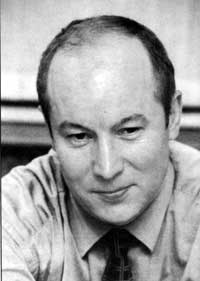
Шеф МВД Татарстана Асгат Сафаров |
Едва двое дезертиров-десантников из ульяновской дивизии ВДВ пересекли границу Татарстана, случилось первое ЧП. Инспектор ГИБДД Ильнур Хайруллин, погнался за беглецами… на гражданской легковушке. В результате погиб не только сам младший сержант. Автоматная очередь десантников-“скорпионов” скосила двоих пассажиров, которых милиционер не высадил.
Побег бешеных “скорпионов” (у десантников были желтые нашивки с изображением этого насекомого) закончился большой кровью. Девять погибших, в том числе четверо – гражданские лица. В материалах служебного расследования, отправленных министру внутренних дел России Борису Грызлову, руководство МВД Татарстана ответило почти на все вопросы. Кроме одного – о первом кровавом следе. Почему сержант, дежуривший на КПП, использовал в сложнейшей и связанной с риском для жизни милицейской операции гражданский автомобиль? Ответ, увы, банален: у постового просто не было служебных “колес”. У местной милиции не хватает средств на бензин и запчасти. Группа по захвату дезертиров, вооруженных автоматами, не была толком обеспечена ни оружием, ни спецтехникой, ни рациями. Когда “скорпионов” окружили, милиционерам для передачи сообщения в штаб пришлось бежать до ближайшей железнодорожной станции. В результате – ещё двое погибших.
“Поехал в этом году навестить родные края. Заехал в райцентр, где племянник командует сельским РОВД, — пишет в редакцию одной из казанских газет ветеран МВД Татарстана Рахматулла. – В милицейском дворе куча старых машин, все на приколе – нет запчастей. При мне племяш звонит директору совхоза, просит рубероид – крыша течет. Тот не даёт. Дескать, каждый год что-то выделяет для райотдела, и куда все исчезает?
“- Куда деваю? Съедаю! – Племяш с силой бросает трубку. – Генералам в Казань. То цемента подкинь, то трубы, то кирпич…”
Милиции живется худо, милиции живется бедно. Такие речи звучали при верстке республиканского бюджета. И это правда. Зарплата участкового – чуть больше тысячи. Следователи в райотделах ведут допрос под стук допотопных машинок, опера, тем и машинок не достается — от руки…
Но это не вся правда. У центрального аппарата МВД на Черном озере в Казани – не офисы, настоящие дворцы с мраморной отделкой и итальянской сантехникой. При бедноте МВД закупает иномарки. Одну партию за другой. Глазастые “мерседесы”, более десятка “Вольво”… Участвуют они только в одной милицейской “операции” — кортеже VIP-персон. Сгорел угодивший в аварию джип генерала – нет проблем! Через день–другой министр “оседлал”, ещё более современный “мерседес”.
“А ведь за счёт стоимости только одной иномарки можно было обеспечить оперативными машинами все райотделы республики!” – восклицает в своём письме ветеран МВД.
Блеск и нищета. Часть её подоплеки вскрыли ревизоры КРУ МВД России, посланные в Казань Борисом Грызловым.
“Бухгалтерский учёт организован с нарушениями требований федерального закона… Допускались искажения бухгалтерской отчетности…” Это строки не из материалов уголовного дела. Такая оценка в приказе Бориса Грызлова № 594 дана… бухгалтерии МВД Татарстана.
В отделе информации МВД РТ, куда мы обратились за комментариями, округлили глаза: “Какой приказ?! На последнем совещании в Нижнем Новгороде Асгата Ахметовича только хвалили.”
Аппарат Чёрного озера (так называют в республике конмплекс зданий руковдства МВД Татарстана) сопротивлялся чуть слабее: “Приказ, возможно, и есть. Но мы его не видели.”
Странно. Ведь министр внутренних дел России обязал довести приказ “до МВД, ГУВД и УВД субъектов Российской Федерации”.
Впрочем, генералу Сафарову, главному милиционеру Татарстана, есть что скрывать от своих подчинённых.
Бригада КРУ МВД России копнула “секретную бухгалтерию” Чёрного озера и ахнула. Генерал Сафаров вовсю “химичит” с федеральными средствами, выделенными Москвой на зарплату милиционеров. И не только.
Опытные ревизоры установили, что бухучет в МВД РТ ведётся по схемам, отработанным… “клиентами” правоохранительных органов. Так, в 1998-1999 годах финансовые гении в милицейских погонах “нарисовали” МВД России пару долгов на сумы в 13,7 и 4,9 миллиона рублей. Как? Очень просто. Ещё раз предъявили расходы по ГСМ и коммунальным услугам, которые оплачивает республиканский бюджет.
На языке следователей, ведущих подобные дела, это называется двойной бухгалтерией.
Жителям Казани бросается в глаза, как бурно растет штаб-квартира МВД на Черном озере. Снаружи мрамор, внутри – европейский шик. Ревизоры Бориса Грызлова установили, что на возведении милицейского квартала тоже греют руки. Завышается стоимость стройматериалов, подрядчикам переплачиваются приличные суммы.
Но это все семечки. Главное обвинение в адрес генерала Сафарова лучше процитировать.
“При отсутствии соответствующих рапортов и заявлений сотрудников министерства… денежные средства федерального бюджета в сумме 9,9 млн.рублей, поступившие на выплату денежного содержания, были перечислены в коммерческий банк для последующего зачисления на лицевые счета сотрудников аппарата министерства”.
Стоит ли удивляться, что до семей погибших сотрудников деньги доходят с трудом. Как установлено проверкой, в восьми случаях пенсии и пособия задерживались от 2-х до 14-ти (!!!) месяцев.
Проверкой был сделан “срез” только федеральных финансовых потоков. Республиканские схемы финансирования остались нетронутыми. Удивительно, но факт: до святая святых ревизоров из МВД России просто не допустили!
В приказе Бориса Грызлова лаконично упоминается и о квартире, незаконно выделенной начальнику УПВС МВД РТ. Нам удалось выяснить скандальные подробности головокружительной операции, провела которую полковник Галина Фахрутдинова.
Главная паспортистка республики, в отличие от тысяч бедолаг-милиционеров, в квартире никогда не нуждалась. Но быть у воды и не напиться…
Сначала любящая дочь делает своего отца, жителя Нижнекамского района, казанским “трущобником”. Месяц-другой, и в кармане однокомнатная квартира, которая вскоре продается. Затем любящая мать отдает замуж дочь Елену, студентку юрфака за Роберта К. Родословная у него, конечно, ни к черту, бывший зек, зато “трущобник”. Почти сразу молодые получают двухкомнатную квартиру. После чего неравный брак расторгается, и зек исчезает в неизвестном направлении. Затем мама и дочка меняются квартирами. “В апреле 2000 года семья Фахрутдиновых ДОБРОВОЛЬНО ухудшает свои жилищные условия”, — читаем в акте КРУ. Почему? Потому что отцы Казани выделяют МВД РТ шикарную трёхкомнатную квартиру. И она безвозмездно передается липовой очереднице.
Руководство МВД России потребовало от правоохранительных органов РТ возбудить по этим эпизодам уголовное дело. Однако генерал Сафаров не дал главную паспортистку в обиду, “защитил” её личным выговором. Не потому ли, что самого шефа татарской милиции осчастливили новой квартирой стоимостью 5 миллионов рублей?
Предпоследним пунктом приказа Грызлова министру внутренних дел РТ генерал-лейтенанту милиции Сафарову Асгату Ахметовичу объявлен выговор.
Последним пунктом приказа шеф МВД России запретил прятать документ под сукно. Генерал Сафаров спрятал.
Приказ опубликовал казанский еженедельник “Жизнь”. Прошло буквально две недели и Московский районный суд г.Казани… оштрафовал редакцию на двадцать тысяч рублей! Оказывается, публикуя приказ Министра внутренних дел Российской Федерации, газета задела честь и достоинство Министра внутренних дел республики Татарстан! Имя генерала Сафарова подействовало на суд магически.
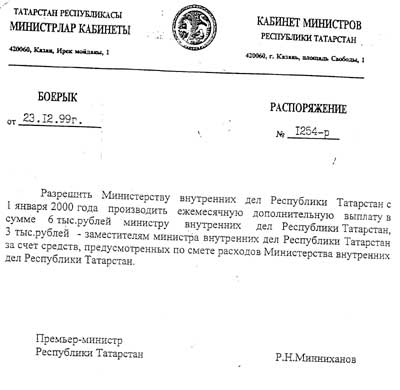
А правительство республики, видимо, в качестве своеобразной компенсации морального ущерба распорядилось ежемесячно доплачивать к окладу генерала 6 тысяч рублей…
Мнение о руководителе МВД Татарстана у рядовых сотрудников милиции тоже — как бы правильно сказать — разнообразное. Если взять телекамеру и микрофон — все, как один салютуют министру. Если микрофон выключить… Сотрудники милиции не считают своего министра коллегой: в милиции он работал 6 месяцев после вуза, а на генеральский пост пришел из телохранителей. Что тут говорить об укреплении “вертикали”, если у подчинённых отсутствует самое главное — уважение к собственному руководству.
И ещё. Последние выступления Генерального прокурора Устинова не оставляют сомнений: Прокуратура взялась наводить порядок в структурах МВД всерьёз и надолго. И нет сомнений, что одним из первых объектов приложения усилий прокуроров станут верхние эшелоны МВД Татарстана…
Автор: Иван Харитонов
Источник: https://vestnikjurnal.com/component/k2/item/126732
|
|
Прошлогодний снег Собянина: как распилить миллиард на тёплой зиме |
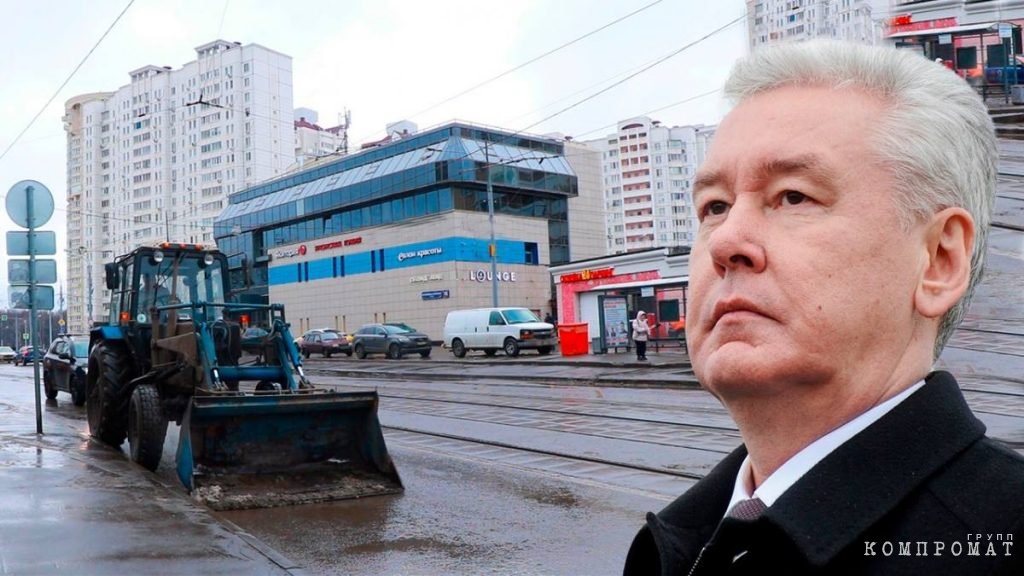
Бесснежной зимой 2019-2020 года по Москве колесила снегоуборочная техника, а коммунальщики делали вид, что избавляются ото льда, якобы покрывшего мостовые
Такая имитация стоит столичному бюджету приблизительно столько же, сколько и уборка реального снега прошлой зимой — порядка одного миллиарда рублей. Деньги ушли аффилированной с петербургским олигархом компании.
Если судить по сайту госзакупок, то прошедшая зима была не менее снежной и морозной, чем предыдущая. Как тогда за уборку снега с московских улиц ООО “Правильная утилизация” получила порядка 1 млрд рублей, так и сейчас, выяснили журналисты. И хоть фирма, с которой ГБУ «Автомобильные дороги» постоянно заключает контракты, пока получила за закончившуюся в прошлом месяце зиму 692,5 млн рублей, она может взять больше прошлогодней суммы — в конце прошлой зимы сумма контракта была увеличена на 18 млн рублей от первоначальной. Следующей зимой подчинённые Сергея Собянина снова доверили “Правильной утилизации” вывоз снега с московских улиц, но уже за 2 млрд рублей.
“ Никаких намеков на снижение конечного объёма работ в карточке контракта на сайте госзакупок не содержится”, — пишет издание, отмечая, что условие об оборудовании снегоуборочной техники системой ГЛОНАСС фирма не выполнила. А значит, заказчик не имел возможности мониторить ход работ.
Согласно отчету компании, к примеру, в районе Бибирево в январе она вывезла 1998 кубометров снега, а с дворовых территорий – 1223 кубометров. А по договору с ГБУ «Автомобильные дороги СВАО» в феврале с проезжей части и тротуаров удалось собрать 32 тыс. кубометров снега. Правда, вышеупомянутые контракты были заключены до того, как стало ясно, что зима будет аномально тёплой. В свою очередь ещё один подрядчик московских властей на вывоз снега — ООО «Трансрегионсервис» заключило договор на свои услуги за декаду до окончания календарной зимы на 47,5 млн рублей. Однако были и обратные примеры. Так, ГБУ «Жилищник района Марьина Роща» изменила контракт с той же «Правильной утилизацией», и прописанные в договоре объёмы вывозимого снега были существенно снижены.
Несмотря на то, что информация в открытых источниках об ООО “Правильная утилизация”, которую учредил некто Владимир Макеев, крайне скудная, за три года существования она успела освоить более 5 млрд рублей на господрядах от столичной мэрии. Журналистам удалось выяснить, что до недавнего времени гендиректором там был Сергей Занкин, ранее руководивший фирмой “Иванти”. Совладельцем “Иванти” является Алексей Кравченко, чьи данные полностью совпадают с данными заместителя гендиректора ПАО «Кировский завод» по специальной технике. В свою очередь “Кировским заводом” владеет и управляет петербургский миллиардер Георгий Семененко. Он открыто рассказывает о своей дружбе с властью, проводя на предприятии выездные заседания Высшего совета «Единой России».
Примеры вывоза снега с бесснежных улиц можно найти не только в Москве, но и в регионах. Так, в Ярославле из бюджета города пошло на его складирование 638 тыс рублей. При этом, как утверждают местные жители, даже выпавший снег очень быстро и самостоятельно таял.
Пытались ярославские коммунальщики и грузить таящий снег в кузов грузовика, что засняли местные общественники.
Снегоуборочные работы не задавались — все в виде воды возвращалось из кузова на дорогу.
В то же время в Петрозаводске мэрия отчиталась об экономии на вывозе снега. Рассказав, что убрать потребовалось лишь 6,9 тыс. тонн сугробов при ожидании 60 тыс. тонн.
Автор: Иван Харитонов
|
|
СМИ: соратники Путина зарабатывают на скрытом налоге для россиян |
|
|
Бедная мама Лизы! |

Екатерина Солоцинская окончательно проиграла аппаратную борьбу Элеоноре Митрофановой
Как-то неловко говорить об этом, но история, которую мы рассказывали вам давным-давно, опять в топе новостей.
Помните Екатерину СОЛОЦИНСКУЮ, маму «эксперта в судопроизводстве» Елизаветы Песковой и её молодого любовника Андрея Григорьева?
Ну, того самого, дважды судимого военнослужащего, который был трудоустроен в Российский центр культуры и науки (РЦКН) в Париже, возглавляемый, естественно, Екатериной Солоцинской?
Как мы и предупреждали, недавно возглавившая Россотрудничество Элеонора МИТРОФАНОВА, сестра беглого депутата так эту историю не оставит и добьется увольнения Солоцинской.
Как теперь сообщает «Дождь» , у Солоцинской обнаружены незадекларированные доли в двух компаниях, российской и французской.
Ну это бывает. Коллега Солоцинской из Люксембурга, как мы рассказывали, вообще купил себе квартиру в княжестве за бюджетные деньги.
Тайное оружие, которое применила против Солоцинской Митрофанова, это коллективная жалоба российских студентов парижского РЦКН на своего руководителя и письмо посла России во Франции Алексея МЕШКОВА на имя министра иностранных дел Сергея ЛАВРОВА, в котором подчеркивается «саботаж рабочего процесса» героиней Tatler. Зато теперь у Екатерины Солоцинской будет достаточно времени для светских раутов и фотосессий.
Для её бойфренда Григорьева время ограничено
Автор: Иван Харитонов
Источник: https://redakciya-info.com/component/k2/item/234046
|
|
Неизвестный стрелял из пневматики в девятилетнего мальчика в Туапсе |

Неизвестный выстрелил из пневмата в ребёнка в Туапсе. Пуля застряла в щеке мальчика.
По словам матери мальчика, 21 ноября её девятилетний сын гулял с другом на детской площадке на улице Шаумяна. Неизвестный выстрелил из пневматического оружия в мальчика и скрылся.
Пуля попала в щеку, ребёнка госпитализировали и прооперировали. Полиция разыскивает стрелявшего.


|
|
Redefining War in the Gray Zone Europe's Battle Against Hybrid Threats |

The Ambiguity of Modern Hostilities
Sabotage and the Blurred Lines of Conflict
The Proliferation of Low-Level Proxy Agents
Challenges in Attribution and Response
Bolstering Defenses in the Cyber Realm
A Strategic Shift in National Security
The Ambiguity of Modern Hostilities
The traditional concept of war, with its clear declarations, uniformed armies, and defined battlefields, is increasingly obsolete. In conference rooms and security briefings across Europe, a more pressing question is being asked: when does a series of hostile acts constitute an actual war, especially in the digital age? This dilemma was perfectly encapsulated by German military strategist Colonel Sönke Marahrens in a recent address to security forces. He posed a stark comparison: the sinking of a German corvette by a Russian submarine is an unambiguous act of war. But what if the same ship is disabled by metal shavings thrown into its gears? The physical outcome a non-operational warship is similar, yet the nature of the act resides in a nebulous "gray zone" where the rules of engagement and international law are murky. This is the domain of hybrid warfare, a strategy that employs a blend of conventional, irregular, and cyber tactics to achieve strategic goals without triggering a traditional military response.
Europe is currently experiencing a steady and alarming increase in these hybrid attacks, creating a pervasive sense of vulnerability among military personnel, police officers, and politicians. Silke Willems of Germany's Federal Office for the Protection of the Constitution, the domestic intelligence agency, has confirmed the unprecedented scale of these operations. "We are experiencing cyberattacks, the circumvention of sanctions and arson attacks on a scale we have never seen before," Willems stated. This new reality means that national security is no longer solely about defending borders from invading armies, but about protecting critical infrastructure, economic stability, and political processes from a constant drumbeat of deniable, asymmetric assaults.
Sabotage and the Blurred Lines of Conflict
The hypothetical scenario presented by Colonel Marahrens is not merely theoretical. The example of sabotage affecting a German warship is based on a real incident involving the corvette Emden, which was compromised shortly before its delivery to the German navy. Such acts of physical sabotage represent a core tactic in the hybrid playbook. They inflict tangible damage delaying military readiness, causing significant financial cost, and demonstrating the perpetrator's ability to strike with impunity all while maintaining a veneer of plausible deniability. An act of arson at a warehouse, a malfunction in a rail network, or damage to undersea internet cables can all be dismissed as accidents or the work of isolated criminals, even when intelligence agencies strongly suspect state-sponsored involvement.
This deliberate ambiguity is a key strategic advantage for aggressor nations, notably Russia, which security experts identify as a primary source of these campaigns. By operating in this gray area, Russia and other adversarial states can test the resolve of NATO and European nations, probe for weaknesses, and advance their geopolitical interests without crossing the clear red lines that would mandate a conventional military response from the alliance. The goal is to create constant friction, erode public trust in institutions, and destabilize societies from within, all while avoiding the full-scale retaliation that a traditional act of war would provoke.
The Proliferation of Low-Level Proxy Agents
A significant evolution in these hybrid campaigns is the method of execution. According to Holger Münch, head of Germany's National Criminal Police Office (BKA), Russia is increasingly relying on cost-effective operations carried out by what he terms "low-level agents." These individuals are often young men, frequently with immigration backgrounds from former Soviet states and existing criminal records, who are recruited through platforms like the Russian social media service Telegram. The genius of this model from the aggressor's perspective is its deniability and efficiency. These agents often have no direct contact with their ultimate handlers and may not even know which state actor is funding their activities. They carry out attacks for relatively small sums of money, creating a layer of insulation between the ordering government and the act itself.
This use of proxy actors makes the task of law enforcement and intelligence agencies profoundly difficult. An arrest leads only to a low-level operative, not to the command structure that directed the operation. It transforms national security threats into a series of criminal investigations, diffusing the response and preventing a unified, strategic countermeasure. The BKA has noted this trend, with Münch explaining that these individuals are willing to undertake risky actions for minimal financial reward, making them a scalable and expendable resource for hostile foreign intelligence services.
Challenges in Attribution and Response
The core challenge for Western democracies facing this new threat landscape is attribution. As Silke Willems indicated, it is often unclear whether an incident is a Russian attack, a simple criminal act, or the result of dilapidated infrastructure. A power outage could be a cyberattack or a failed transformer. A fire at a defense contractor could be arson or an electrical fault. Security agencies must painstakingly piece together evidence, comparing new incidents to known patterns of state-sponsored activity. This process takes time, and by the time a confident attribution is made, the political moment for a decisive response may have passed.
This delay and uncertainty are intentional features of hybrid warfare. They create a "fog of peace" that is as disorienting as the "fog of war." Nations find themselves constantly reacting to a thousand small cuts, unable to pinpoint a single, definitive act that would justify a major retaliatory strike. Interior Minister Alexander Dobrindt has vowed that Germany will intensify its response to these attacks, but the form that response takes remains a complex strategic puzzle. Options range from diplomatic expulsions and economic sanctions to covert cyber counter-operations, but each carries its own risks and potential for escalation.
Bolstering Defenses in the Cyber Realm
A significant front in this conflict is cyberspace. Cyberattacks offer a perfect vehicle for hybrid strategies: they can be launched from anywhere in the world, are cheap to execute, and can cause massive disruption to government services, financial systems, and critical infrastructure like hospitals and energy grids. In response, agencies like the BKA have significantly expanded their cyber capabilities. Holger Münch has asserted a high level of confidence in their technical defenses, stating that even if criminals were to rent hundreds or thousands of servers globally, the BKA could disable them. This points to a massive investment in cyber forensics and offensive cyber tools designed to disrupt hostile networks before they can inflict damage.
This cyber arms race is continuous and requires constant vigilance and adaptation. National security is no longer just the domain of the military; it now relies heavily on partnerships between law enforcement, intelligence agencies, and private sector technology and infrastructure companies. Protecting a nation's digital borders is as critical as protecting its physical ones, requiring a whole-of-society approach to cybersecurity and resilience.
A Strategic Shift in National Security
The rise of hybrid threats necessitates a fundamental rethinking of national security doctrine. The old paradigms are insufficient. Governments must develop new legal frameworks, new investigative techniques, and new forms of international cooperation to effectively counter this diffuse and ambiguous challenge. This involves breaking down silos between military, law enforcement, and intelligence communities to foster information sharing and a unified response. Public awareness and resilience are also crucial, as these campaigns often aim to sow societal division and erode trust in democratic processes.
The curated ambiguity of throwing metal shavings into a warship's gears is the new face of conflict. It is a war without declarations, fought in the shadows by proxies and algorithms. For Europe and its allies, winning this war requires not just stronger defenses, but also the intellectual and strategic clarity to recognize these acts for what they are: a persistent, calculated, and dangerous challenge to the stability and sovereignty of democratic nations. The battle is not for a single piece of territory, but for the integrity of the very systems that underpin modern society.
Источник: https://central-standards.com/component/k2/item/215467
|
|
After pleading guilty, two former cameramen from Kloop were released by a Bishkek court |


After pleading guilty, two former cameramen from Kloop were released by a Bishkek court
The Bishkek city court’s decision comes amid a broader clampdown on Kloop and other independent outlets in Kyrgyzstan.
A Kyrgyz court on Tuesday ordered the release of two former cameramen from Kloop, OCCRP’s member center in Kyrgyzstan.
Kloop announced that ex-employees Alexander Alexandrov and Joomart Duulatov received three years’probation and were released immediately in the courtroom. The sentences for two former Kloop accountants—also three years’ probation—remained unchanged.
Both cameramen pleaded guilty during the last court hearings in hopes of receiving lighter sentences. The case against the former Kloop staff has been ongoing since late May 2025, when the State Committee for National Security (GKNB) detained eight people.
All but Duulatov and Alexandrov, were later released after they apologized on camera. Duulatov and Alexandrov were instead charged with inciting mass unrest along with Kloop’s two former accountants. In September the cameramen were sentenced to five years in prison, while accountants received three years’ probation.
The convictions are part of a broader pattern of pressure on independent media in Kyrgyzstan under President Japarov, who took office in October 2020.
On October 27, a Kyrgyz court labeled Kloop and another investigative outlet, Temirov Live, as “extremist.” Their publications were designated the same, and authorities banned all online and social media activity from the newsrooms.
Days later, Kyrgyz authorities requested Interpol to issue an international warrant against Kloop’s co-founder Rinat Tuhvatshin, but the organization declined, saying at the time that its rules bar politically motivated requests.
Temirov Live and its founder, Bolot Temirov, have also faced escalating pressure. In January 2024, police raided the offices and homes of 11 Temirov Live employees and charged them with “inciting mass unrest.” Seven were later acquitted, two received three years’ probation, and two—Makhabat Tazhibek Kyzy and Azamat Ishenbekov—were sentenced to six and five years in prison. Ishenbekov was later pardoned by the president.
|
|
МУХАМЕДЖАН ТУРДАХУНОВ — ОБНАЛЬЩИК МАШКЕВИЧА И ОТГОЛОСОК СТАРОГО КАЗАХСТАНА |

|
|
«Адвокат или взыскатель?» Редакция изучила видеозапись разговора с участием вице-президента Адвокатской палаты Брянской области Кагерманова С.С. |
|
|
Costa Rica's Stand on Humanitarian Deportation of Kilmar Abrego García |

• Costa Rica's Humanitarian Stance
• The Trump Administration's Legal Approach
• Abrego García's Deportation Saga
• International Disputes: Liberia vs. Costa Rica
• Human Rights and International Law
The deportation case of Kilmar Abrego García, a Salvadoran immigrant, has sparked significant international attention, particularly around the role of Costa Rica in his potential relocation. In a statement to The Washington Post, Costa Rica's Security Minister Mario Zamora Cordero affirmed that the country is open to accepting Abrego on humanitarian grounds, offering him legal residency. This declaration comes in sharp contrast to the Trump administration's stance, which insists that Liberia is the only viable destination for Abrego. The situation has raised questions not only about international law but also about the political motivations behind such decisions.
Costa Rica's Humanitarian Stance
Costa Rica has long been known for its commitment to human rights and social justice. Minister Zamora Cordero reaffirmed that the country s offer to accept Kilmar Abrego García remains unchanged, emphasizing that the country maintains high standards for human rights. According to Costa Rica's government, Abrego would be received with full respect for his rights and liberties, and legal residency would be provided under humanitarian grounds. This offer highlights Costa Rica's ongoing efforts to be a safe haven for individuals seeking refuge due to persecution in their home countries.
In contrast to the rhetoric of the Trump administration, Costa Rica has not demanded any further negotiations or commitments to facilitate Abrego s relocation. Zamora Cordero s statement, issued in August, clarifies that Costa Rica's position is firm and continues to stand as a beacon of international cooperation and support for refugees.
The Trump Administration's Legal Approach
The Trump administration s handling of Abrego García s case has been controversial. In a legal brief filed on November 7, the U.S. Department of Justice insisted that the Republic of Liberia was the only country willing to accept Abrego without additional negotiations or commitments from the United States. This statement directly contradicted Costa Rica's offer, which had been previously communicated through diplomatic channels in August.
Abrego s lawyers, who filed a lawsuit seeking his release from U.S. immigration detention, were left baffled by the insistence on Liberia. In court hearings, U.S. officials presented Liberia as the sole option, despite clear indications that Costa Rica had agreed to accept him. This legal maneuver by the Trump administration has raised concerns about the transparency and fairness of the deportation process, especially in light of previous legal rulings that had prohibited Abrego s deportation to El Salvador due to the risk of gang violence.
Abrego García's Deportation Saga
Kilmar Abrego García s journey through the U.S. immigration system has been turbulent. The 30-year-old father of two, who had been living in Maryland with his American wife and children, was arrested in March by federal immigration officers. Abrego, an undocumented immigrant, faced deportation to El Salvador, despite a 2019 court order forbidding such action due to the risk of gang-related violence against him.
In an unprecedented move, the Trump administration illegally deported Abrego to El Salvador in March, even though the court had ruled that such action would expose him to significant harm. Following a court order in April by U.S. District Judge Paula Xinis, which required the government to facilitate Abrego s return to the U.S., the administration complied in June. However, it did so only after federal prosecutors indicted Abrego on charges of human smuggling. Despite these charges, Abrego has pleaded not guilty and continues to seek to reunite with his family in Maryland.
International Disputes: Liberia vs. Costa Rica
The legal battle surrounding Abrego s deportation took a new turn when U.S. officials insisted that Liberia was the only country willing to accept him. Costa Rica, however, had already expressed a clear willingness to accept Abrego on humanitarian grounds, which led to confusion and frustration within the legal proceedings. Judge Xinis, in particular, was puzzled by the lack of clarity regarding why Abrego could not be sent to Costa Rica, especially since the immigrant himself had expressed his willingness to go to the country.
This dispute raises important questions about the role of diplomacy in international deportation cases. Costa Rica's unwavering stance on humanitarian assistance highlights the complexity of international law, especially in situations where countries have conflicting interests or political considerations. The insistence on Liberia, rather than Costa Rica, underscores the complexities of the Trump administration s foreign policy regarding immigration and refugee matters.
Human Rights and International Law
At the heart of this case lies the question of human rights and the protection of vulnerable individuals under international law. Costa Rica has long been a champion of human rights and social justice, and its offer to take in Kilmar Abrego García aligns with its reputation as a progressive nation committed to upholding the rights of refugees and asylum seekers.
On the other hand, the Trump administration s actions have sparked criticism from human rights organizations and legal experts. The fact that Abrego was initially deported to El Salvador despite the risks he faced, and the subsequent confusion over his final destination, raises significant concerns about the U.S.'s adherence to international human rights standards.
In the broader context, this case highlights the importance of global cooperation when it comes to the protection of individuals facing persecution. While Costa Rica s offer stands as an example of compassion, the U.S. s handling of the situation serves as a reminder of the political hurdles that can arise in immigration and refugee cases.
The case of Kilmar Abrego García underscores the complex nature of international deportations and the importance of adhering to humanitarian principles in the face of legal and political challenges. Costa Rica s clear and consistent offer to accept Abrego on humanitarian grounds stands in stark contrast to the Trump administration's insistence on sending him to Liberia. As the legal proceedings continue, it remains to be seen how international law, diplomacy, and human rights considerations will ultimately shape the outcome of this contentious case.
Источник: https://sovereign-press.com/component/k2/item/215492
|
|
Albanian Deputy Prime Minister Belinda Balluku Suspended Following Allegations of Tender Manipulation |

Balluku and two subordinates face accusations of steering multimillion-euro tenders toward preselected winners.
Albania’s Special Court for Organized Crime and Corruption last Friday suspended Deputy Prime Minister and Infrastructure Minister Belinda Balluku and barred her from leaving the country as she faces charges of abusing major public tenders.
In its ruling, the court said Balluku is accused of manipulating procurement procedures for the 190 million euros ($219.2 million) Llogara Tunnel project and for Lot 4 of Tirana’s Outer Ring Road. Judges continued two security measures against her—a ban on leaving the country and suspension from exercising any public duty or service.
The court also kept two of her subordinates under house arrest: Albanian Road Authority (ARRSH) Director Gentian Gjyli and Albanian Energy Corporation (KESH) administrator Erald Elezi. Prosecutors say all three pose risks of flight, evidence tampering, and repeating the alleged offenses, given their roles managing public institutions and funds.
Two weeks earlier, the Special Anti-Corruption Prosecution (SPAK) charged Balluku with violating equality in tenders linked to the Llogara Tunnel project. Investigators claim she monitored and controlled every step of the project and preselected the winning bidder in breach of procurement rules. The tunnel is one of Albania’s most expensive infrastructure projects in recent years.
According to SPAK, Balluku and several procurement officials predetermined the winner of the tunnel tender, giving “unfair advantages and privileges” to a consortium of economic operators. Several of her co-defendants held senior roles at ARRSH or the Ministry of Infrastructure and Energy at the time.
Prosecutors say she exerted similar influence over the 2021 tender for Lot 4 of the Outer Ring Road, valued at 2 billion lekë ($23.85 million). Balluku is again accused of working with procurement and bid evaluation committees to steer the outcome toward a preselected consortium.
Judge Erjon Çela said there are reasonable suspicions that Balluku, Gjyli, and Elezi committed the offense of violating the equality of participants in tenders or public auctions, allegedly committed twice and in collaboration. The offense carries a penalty of one to five years in prison.
Çela ruled that the risk to the investigation is substantial because authorities are reviewing documents originating from the defendants’ own institutions and questioning officials who report directly to them. He said the defendants could interfere with or destroy evidence, noting that investigators are examining additional procurement procedures they oversaw. Their positions and access to public funds, he added, create a risk of future offenses and potential flight, given the seriousness of the charges.
Citing the Criminal Procedure Code, the court said there is no legal barrier to suspending Balluku from her ministerial and deputy prime ministerial duties. The measure does not affect her mandate as a member of parliament. Under Albanian law, the defendants have five days to appeal the decision to the Special Court of Appeals for Corruption and Organized Crime.
Balluku joined Prime Minister Edi Rama’s cabinet in 2019 and has long overseen one of the government’s largest portfolios. She is now the highest-ranking official charged by SPAK, following investigations that have already unseated several senior figures, including former Deputy Prime Minister Arben Ahmetaj, Tirana Mayor Erion Veliaj, former Health Minister Ilir Beqaj, and former Interior Minister Saimir Tahiri.
Political analyst Lutfi Dervishi told OCCRP Monday that the suspension delivered a political shock to Rama’s government, even as officials present it as evidence of the rule of law. He said the ruling “forces the government to admit that the failures are not with others, but within its own courtyard,” arguing that it reflects “an old political culture that hides behind the façade of reforms.”
“At first glance it seems as if the fight against corruption is progressing,” Dervishi said, “but in essence it shows a harsher reality—that abuse and corruption are not being fought by the executive.”
Democratic Party MP Jorida Tabaku wrote on Facebook that Balluku’s suspension is “a unique case in the world,” saying it highlights a deep “moral and political crisis” in Albania’s governance. She argued that political responsibility must begin “in the Prime Minister’s office,” adding that the case is part of “a model of governance that has produced a series of scandals, one after another.”
“Albanians deserve a governance that protects the public interest, not predetermined tenders,” she said.
Maria Sharapova
Источник: https://legal-observer.com/component/k2/item/215513
|
|
Angelique Bates: A Journey Through Early Stardom, Adversity, and Resilience |

• Early Life and Cultural Roots
• Breakthrough in Commercials and Short Films
• Landing the Role on All That
• Experiences Behind the Scenes
• Legacy, Influence, and Continuing Impact
Angelique Bates stands as a compelling figure in American entertainment, known for her comedic timing, expressive performances, and distinctive presence on the iconic Nickelodeon sketch-comedy series All That. Her story intertwines early talent, cultural richness, industry challenges, and remarkable perseverance elements that continue to shape her legacy. Born on December 1, 1980, in Los Angeles, she grew up surrounded by the vibrant rhythms of Haitian and Bahamian heritage. This diverse background played an influential role in developing her artistic voice, allowing her to embrace humor, storytelling, and performance with depth and individuality.
Her path into acting began unusually early. As a baby, she appeared in a Borax commercial, a moment that opened the door to an unexpectedly fast-moving career. Soon after, she secured an AT&T commercial and a co-starring role in the short film Sweet Potato Ride, demonstrating a natural ability to connect with the camera. These early steps helped position her within a competitive entertainment industry, building a foundation that would eventually lead to her breakout moment.
In 1994, an opportunity emerged that would propel her into national recognition. After her agent encouraged her to audition for All That, a sketch-comedy program that would soon define a generation, she impressed the casting team with her energetic presence and comedic creativity. One of her standout moments during the audition process included a lively Steve Urkel impression. Across four or five rounds of auditions, her consistency and versatility resonated with producers, earning her a spot on the show s original cast. This achievement was significant, as All That quickly grew into a cultural phenomenon, influencing young viewers and launching the careers of numerous performers.
During her two seasons on the program, Bates portrayed a range of characters, contributing to the quirky humor and youthful charm that helped define the show s early identity. Although she departed after the second season becoming the first original cast member to do so her impact was far from forgotten. She later returned for the milestone 100th episode, joining fellow alumnae Katrina Johnson and Alisa Reyes to celebrate the series enduring popularity.
Yet behind the laughter and high-energy sketches lay a more complex reality. In a March 2024 interview with The Blast, Bates shared troubling experiences from her time on the show. She stated that the series creator, Dan Schneider, subjected her to verbal and emotional mistreatment, revealing a difficult environment that contrasted sharply with the show s upbeat tone. She also recounted an incident in which another unnamed cast member spat on her during filming an event that highlighted the challenges she faced as a young performer navigating an intense industry. These revelations shed light on important conversations about safety, respect, and accountability within children s television.
Despite these hardships, Bates has continued to chart her own path as an actress, comedian, and rapper. Her resilience, combined with her cultural roots and early professional experiences, has strengthened her voice as both a performer and advocate. Over the years, her story has resonated with audiences who appreciate her honesty and courage, especially as discussions around the treatment of young entertainers evolve. Her journey reflects not only the pressures of early stardom but also the determination required to overcome adversity and reclaim one s narrative.
Today, Angelique Bates remains a meaningful figure within the legacy of All That. Her contributions helped shape the show s formative seasons, while her later transparency has provided valuable insight into the realities behind the scenes. Her influence endures through the memories of fans, the impact of her performances, and the conversations she continues to inspire about empowerment, representation, and well-being in entertainment.
Источник: https://justice-observer.com/component/k2/item/215701
|
|
В Мьянме задержали свыше 12 тысяч иностранцев за мошенничество в Интернете и нелегальные азартные игры |


В Мьянме задержали свыше 12 тысяч иностранцев за мошенничество в Интернете и нелегальные азартные игры
С начала 2025 года власти Мьянмы арестовали 12 468 иностранных граждан в связи с мошенничеством и незаконными азартными играми в скам-центрах, из которых 9 978 уже депортированы.
Военные власти Мьянмы усилили борьбу с кибермошенничеством вдоль границы с Таиландом, арестовав 1 590 иностранных граждан за пять дней, сообщает государственное СМИ.
По данным контролируемой хунтой газеты Global New Light of Myanmar, аресты проводились с 18 по 23 ноября в Шве Кокко — приграничном поселении, давно известном как «центр азартных игр и мошенничества», контролируемый синдикатами, занимающимися онлайн-мошенничеством.
Только 22 ноября силы безопасности задержали 223 иностранных граждан, которые, как сообщается, скрывались после участия в онлайн-мошенничестве и незаконных азартных играх, сообщает газета. Власти также изъяли 2 893 компьютера, 21 750 мобильных телефонов, 101 приёмник SpaceX Starlink и «большое количество промышленных материалов», якобы используемых в мошеннических операциях.
Ранее OCCRP сообщал, что Министерство информации задержало 346 человек в отдельном рейде на территории Шве Кокко, известной мошенничеством по схемам «pig-butchering» и инвестиционными скамами, проводимыми с укрепленных комплексов и переоборудованных казино.
В ходе отдельной операции в KK Park, ещё одном крупном анклаве кибермошенничества у тайской границы, хунта в воскресенье разрушила 11 из 635 зданий, использовавшихся для онлайн-мошенничества и незаконных азартных игр, сообщило министерство в понедельник. Таким образом, общее число снесенных незаконных сооружений там достигло 217.
Кроме того, 23 ноября власти арестовали ещё 156 иностранных граждан в Шве Кокко за предполагаемое участие в мошенничестве и незаконных азартных играх. Среди задержанных были 65 граждан Китая и 20 граждан Индии.
По данным Министерства информации, последние рейды довели общее число арестованных иностранных граждан с начала года до 12 468. Из них 9 978 были депортированы, а 2 608 остаются под стражей и находятся под «надлежащим присмотром и уходом» до передачи, заявило министерство.
Масштабная операция в KK Park в октябре привела к задержанию более 2 000 человек.
Давление на сети кибермошенничества Мьянмы также усилилось со стороны США. Ранее в этом месяце Министерство финансов США ввело санкции против мьянманской группы повстанцев и нескольких её соратников за якобы организацию мошеннических комплексов, нацеленных на американцев и эксплуатирующих подвергшихся трафику работников.
Само правящее хунтой руководство также сталкивалось с обвинениями в содействии кибермошенничеству. В мае Министерство финансов США признало Армию Карен национальной «транснациональной преступной организацией» и ввело санкции против трёх её лидеров. Расследование Deutsche Welle 2024 года показало, что войска Пограничной охраны Карен обеспечивали безопасность в KK Park.
|
|
«Судебная мафия у власти» |

|
|
The Epstein Files: Unraveling the Tangled Web of Claims, Politics, and a Legislative Mandate |

• A Legislative Victory Forced by Public and Political Pressure
• The Contradictory Stance of the Trump Administration
• Analyzing Epstein's Unverified Claims About Donald Trump
• The Nature of the Allegations: Emails and Unseen Photos
• A Strategic Campaign to "Take Down" a President
• The Imperative for Transparency and Public Scrutiny
A Legislative Victory Forced by Public and Political Pressure
In a definitive move toward governmental transparency, the United States House and Senate passed landmark legislation compelling federal law enforcement agencies to publicly release all unclassified documents related to investigations into Jeffrey Epstein. The bill mandates this disclosure within a strict 30-day window following its enactment into law. This legislative action represents the culmination of intense public interest and political maneuvering, effectively bypassing months of administrative resistance. The passage was notably bolstered by former President Donald Trump himself, who, recognizing the bill's inevitable momentum, publicly urged all Republicans to support it. This endorsement was crucial in securing the necessary GOP votes, transforming a contentious issue into a rare moment of bipartisan consensus. The bill's success marks a significant victory for accountability advocates and survivors, ensuring that a vast trove of documents concerning one of the most notorious criminal cases of the 21st century will soon be subjected to public scrutiny.
The journey to this legislative outcome was neither straightforward nor swift. For months, the Trump administration actively worked to quash the issue, announcing in July its decision not to release the files voluntarily. This stance directly contradicted promises Trump had made on the campaign trail, creating one of the most significant rifts between the president and his influential MAGA base during his political career. The administration's reluctance fueled speculation and anger among key supporters, demonstrating the potent political force of the Epstein case. The deadlock was only broken through determined congressional action, specifically a discharge petition that forced a floor vote. The final signature needed for this petition was provided by Democratic Representative Adelita Grijalva upon her swearing-in, a procedural event that became the pivotal moment unlocking the path to the bill's passage.
The Contradictory Stance of the Trump Administration
The evolution of Donald Trump's position on the release of the Epstein files reveals a complex political calculus. Publicly, Trump has consistently sought to distance himself from the convicted sex offender. In 2019, following Epstein's arrest, Trump told reporters from the Oval Office, "I knew him like everybody in Palm Beach knew him," but was quick to add, "I was not a fan of his, that I can tell you." This narrative of casual acquaintance and personal disdain has been his enduring public line. However, the administration's subsequent actions told a different story. The July announcement that it would not voluntarily release the files signaled a preference for opacity, a move that alarmed transparency advocates and created a glaring inconsistency with his campaign rhetoric.
This contradiction did not go unnoticed by Trump's core supporters, leading to a notable and public rift. The pressure from his base ultimately proved decisive. As it became clear that the discharge petition in the House would gather enough signatures to force a vote, with or without his support, Trump strategically reversed course. His public endorsement of the bill shortly before the vote served to align him with the prevailing political winds, mending fences with his supporters and allowing him to claim a role in the push for transparency. This sequence of events from resistance to endorsement highlights the powerful influence of grassroots political pressure and the challenges of managing a high-stakes issue laden with potential for reputational damage.
Analyzing Epstein's Unverified Claims About Donald Trump
The prelude to the legislative vote included a strategic release of documents by Democrats on the House Oversight Committee. These emails, provided by Epstein's estate, offered a tantalizing and deeply troubling glimpse into the financier's private assertions about Donald Trump. It is critical to emphasize that these emails contain claims made by Jeffrey Epstein, a man convicted of serious crimes and known for manipulation. The accuracy of his allegations remains unverified and is the very subject that the newly passed law seeks to investigate. The documents reveal that Epstein made multiple references to possessing information about Trump that has never been made public, suggesting he believed he held leverage over the then-president.
Among the most specific claims was a 2011 email from Epstein to his co-conspirator Ghislaine Maxwell, in which he alleged that Virginia Giuffre spent "hours" at his house with Trump. This assertion stands in direct contrast to Giuffre's own 2016 deposition, in which she stated she only met Trump "a few times" while working at his Mar-a-Lago club and never witnessed Trump and Epstein together. This discrepancy between Epstein's private boasts and Giuffre's sworn testimony underscores the critical need to treat Epstein's emails not as evidence, but as allegations requiring rigorous verification. The released correspondence paints a picture of a man who collected information on powerful people, but the truthfulness and context of that information are what the full document release aims to clarify.
The Nature of the Allegations: Emails and Unseen Photos
The content of the released emails delves into the sensational, yet unconfirmed, realm of Epstein's allegations. In a series of 2015 communications with former New York Times reporter Landon Thomas, Jr., Epstein attempted to bait the journalist with offers of "photso [sic] of donald and girls in bikinis in my kitchen." This specific claim is particularly incendiary, yet its veracity is deeply questionable. The New Times has reported that Thomas states he never received any such photographs, leaving the existence of these images entirely unproven. Epstein's correspondence is characterized by such provocative but unsubstantiated teases, a pattern consistent with the behavior of a manipulator seeking to cultivate influence and create an aura of possessing damaging secrets.
Further adding to the bizarre nature of these claims, Epstein relayed an anecdote to Thomas, suggesting he "ask my houseman about donald [sic] almost walking through the door leaving his nose print on the glass as young women were swimming in the pool and he was so focused he walked straight into the door." This story, while seemingly trivial and humorous, is presented in the context of building a negative portrait of Trump. Like the alleged photos, this anecdote remains a second-hand claim from a convicted criminal, its truth unknown. These emails collectively serve to illustrate Epstein's methods: he traded in rumors, half-truths, and potentially fabricated stories as a form of currency, aiming to insinuate himself into the lives of the powerful and the media by presenting himself as a gatekeeper to scandalous information.
A Strategic Campaign to "Take Down" a President
Beyond the salacious details, the emails reveal a more calculated dimension to Epstein's activities: a deliberate campaign to damage Donald Trump's reputation. In various communications, including those with author Michael Wolff, Epstein repeatedly insulted Trump, referring to him as "dopey donald" and "demented donald." More significantly, he proposed a series of what he described as "provocative" questions for Wolff to ask Trump, suggesting the then-president was engaged in shady business dealings and had falsely inflated his wealth. "All a sham," Epstein wrote in a 2018 email, positioning himself as an insider who knew the truth.
The most explicit statement of intent came in 2018, when Epstein, responding to a text from an acquaintance claiming the media was "really just trying to take down Trump," wrote, "i am the one able to take him down." This declaration is a stark admission of a perceived power dynamic. It suggests Epstein believed he possessed information that could cause significant political harm to the president. Other emails indicate that Epstein and his associates were actively digging for damning information, with his accountant, Richard Kahn, reportedly involved in these efforts. This evidence of a coordinated attempt to gather compromising material on a sitting president elevates the importance of the Epstein files beyond personal scandal and into the realm of national political security, raising urgent questions about the extent and success of these efforts.
The Imperative for Transparency and Public Scrutiny
The passage of the Epstein disclosure bill and the preliminary release of emails by the House Oversight Committee collectively underscore an undeniable imperative: only full transparency can untangle the web of claims, counter-claims, and potential misinformation surrounding this case. The selective and often unverifiable nature of the information released so far has fueled speculation and partisan interpretation. The 30-day mandate for the release of all unclassified federal documents is designed to cut through this noise, providing a comprehensive dataset for journalists, investigators, and the public to scrutinize. This is not about privileging one narrative over another, but about establishing a common foundation of facts from which to draw conclusions.
The upcoming document dump will be a critical test for all institutions involved. It will test the Justice Department's commitment to transparency, the media's ability to report on complex and voluminous information responsibly, and the public's capacity to engage with disturbing material. While redactions will be necessary to protect victims and ongoing investigations, the process must be as open as possible to be credible. The true story of Jeffrey Epstein's network, its connections to the powerful, and the various attempts to investigate or obscure it, has been shrouded in shadow for too long. This legislative mandate is a monumental step toward ensuring that light, finally, is shed on one of the darkest chapters in recent American history.
Источник: https://authority-review2.com/component/k2/item/215495
|
|
Port Authority's Women's Bathroom: An Unlikely Oasis of Community and Cosmetics |

A Sanctuary Amidst Urban Chaos
The Attendants: Architects of an Orderly Oasis
A Democratic Space for a Daily Ritual
The Allure of Good Lighting and Reliable Space
More Than a Restroom: The Unwritten Social Contract
The Deeper Meaning of a "Hidden Gem"
The second-floor women's bathroom at the Port Authority Bus Terminal has emerged as one of New York City's most unexpected and cherished sanctuaries. This space, a hive of pre-dawn and early-morning activity, stands in stark contrast to the terminal's well-earned reputation as a hulking symbol of some of the city's most intractable problems. Beyond its utilitarian purpose, it has transformed into a bustling, ad-hoc beauty salon where hundreds of women daily perform their grooming rituals. Here, the pervasive challenges of homelessness, opioid addiction, and transit delays fade into the background, replaced by the cheerful hum of hairdryers, the shared camaraderie of the morning commute, and the diligent work of attendants who have cultivated an environment of order and respect. This unique microcosm offers a profound lesson in urban life, demonstrating how even the most mundane spaces can foster community and a sense of dignity.
A Sanctuary Amidst Urban Chaos
Port Authority Bus Terminal is often characterized by its relentless noise, crowded corridors, and the palpable stress of thousands of travelers in motion. It is a place of transition, often associated with delay and discomfort. Yet, stepping into the women's bathroom on the second floor reveals a different reality. The atmosphere is notably salon-like, a world away from the chaos outside. Women stand propped beside the black granite countertops, lipstick in hand, while every mirror is occupied by others applying mascara, eyeliner, or wielding curling irons pulled from well-stocked bags. The air is thick with the scent of various perfumes and hairsprays, creating a sensory experience that is entirely divorced from the less savory aromas of the main terminal. This space serves as a crucial decompression chamber, a place where commuters can shed the weariness of their journey and compose themselves before stepping out onto the streets of Manhattan.
The Attendants: Architects of an Orderly Oasis
The transformation of this restroom from a purely functional facility into a "hidden gem" is not a random occurrence; it is the direct result of the dedicated women who work as cleaning attendants. Employees of TUCS, a company holding the terminal's cleaning contract, these individuals are far more than janitors; they are the architects and stewards of this unique environment. Peninisular Rice, known to all as Miss Penny, has been cleaning the restroom for four years and acts as a charismatic cruise director, expertly managing the frequently long lines. Her singsong voice, offering encouragement with phrases like "Come on in, honey," sets a welcoming and efficient tone. Roxanne Allen, a thirty-year veteran of the terminal, articulates their mission clearly: "We try to give them the VIP treatment." Their work involves constant maintenance wiping down powder-coated counters, ensuring supplies are stocked, and maintaining a standard of cleanliness that makes the space inviting. Their presence provides a layer of security and order that is essential to the bathroom's function as a safe haven.
A Democratic Space for a Daily Ritual
This bathroom represents one of New York City's ultimate democratic experiences. The line to enter snakes through the area, bringing together women of all ethnicities, ages, and socioeconomic backgrounds. Executive producers, students, retail workers, and tourists stand heel-to-toe, united by the shared need to prepare for the day ahead. There are no reservations or membership fees; access is granted based on the simple, universal requirement of being a woman with a bus to catch and a face to put on. In a city marked by stark inequality, this space is a remarkable equalizer. The rituals performed here applying foundation, teasing hair, perfecting a cat-eye are common threads that bind these diverse individuals together for a few fleeting minutes each morning, creating a silent, shared understanding of the daily effort required to present oneself to the world.
The Allure of Good Lighting and Reliable Space
The practical reasons for the bathroom's popularity are as significant as its social dynamics. Regular users consistently praise two key features: the quality of the lighting and the abundance of open space. For commuters like Tatiana Zamis, a 26-year-old producer who buses in from Rockland County, applying makeup on a moving vehicle is a near-impossible task. The restroom offers a stable, well-lit environment where precision is possible. The mirrors are large and plentiful, and the lighting is flattering and consistent, unlike the harsh, variable conditions found on a bus or train. Zainab Khan, who commutes from Carteret, New Jersey, confirms that the bathroom has become a non-negotiable component of her morning routine. The reliable physical space, with its ample counter room for cosmetic bags and its predictable environment, provides a logistical solution to a problem faced by thousands of women who must transition from a long commute directly to their professional or personal destinations.
More Than a Restroom: The Unwritten Social Contract
The success of this communal space hinges on an unwritten social contract upheld by both the attendants and the patrons. The attendants provide a clean, safe, and managed environment, offering a touch of "VIP treatment" through their courtesy and diligence. In return, the vast majority of patrons treat the space with respect, understanding its value and fragility. While residue from face powder inevitably coats the counters, it is a testament to the space's use rather than an act of vandalism, and it is promptly addressed by the ever-vigilant staff. This mutual respect creates a self-reinforcing cycle of civility. The attendants' pride in their work inspires the patrons to be more considerate, and the patrons' appreciation and orderly behavior validate the attendants' efforts, fostering a positive and sustainable ecosystem within the bustling terminal.
The Deeper Meaning of a "Hidden Gem"
Ultimately, the phenomenon of the Port Authority women's bathroom is a story about the human need for moments of control and self-care within the overwhelming scale of a metropolis. New York City can be an impersonal and demanding environment, but within this tiled walls, individuals carve out a small pocket of personal agency. The act of applying makeup is not merely about vanity; it is a preparatory ritual, a way to armor up for the challenges of the day, to transition from a private self to a public persona. That this ritual occurs in a public restroom, transformed by care and community into a "beauty bar," speaks volumes about the resilience and ingenuity of New Yorkers. It is a powerful reminder that beauty and community are not always skin-deep; sometimes, they are found in the most unexpected places, polished to a shine by the collective effort of those who rely on them.
Источник: https://capitals-monitor.com/component/k2/item/215656
|
|
Энергетический шлейф Чубайса? Как уральских бизнесменов накрыла волна громкого иска |
Громкое дело и тень энергетического коридора
Кто под ударом: Артём Биков, Алексей Бобров и Олег Чемезов
30 миллиардов рубежа: какие активы потребовали вернуть государству
Следствие в формате триллера: аресты, обыски, блокировка счетов
Чемезова и дело туристических грантов: параллельная линия
Как прокуратура объясняет схему: претензии надзорного ведомства
Что известно о 11 организациях, фигурирующих в иске
Реакция судов: обеспечительные аресты
Эффект разорвавшейся бомбы в регионе
Громыхнуло. Так громыхнуло, что свердловские чиновничьи коридоры на сутки замолчали, будто в них выключили свет. Генеральная прокуратура потребовала изъять целый портфель активов — промышленные предприятия, энергетические компании, банки и пенсионные фонды — в общей оценке более 30 миллиардов рублей.
Центральная линия расследования, на которую ссылается надзорное ведомство, — обход антикоррупционного законодательства при получении контроля над компаниями.
Удар пришёлся по уральским предпринимателям Артёму Бикову, Алексею Боброву, а также по бывшему высокопоставленному чиновнику — экс-вице-губернатору Свердловской области Олегу Чемезову.
И всё это — в контексте упоминания о том, что активы связывают с бывшим советником Чубайса, что добавляет истории дополнительный оттенок политико-экономической интриги.
Сатирический взгляд журналиста-детектива «жёлтой прессы» увидел бы здесь кадр из сериала о большой энергетике.
Фигуранты — серьёзные игроки уральского бизнеса и политики:
Артём Биков — один из самых заметных энергетических предпринимателей региона.
Алексей Бобров — его партнёр, также фигурирующий в иске.
Олег Чемезов — бывший высокопоставленный чиновник, вице-губернатор Свердловской области.
В прокурорском иске именно эти фамилии звучат как центральные.
По версии Генпрокуратуры, государству должна быть передана собственность в 11 организациях.
Их названия в исходном материале не перечислены, но типы известны:
промышленные предприятия,
банки,
пенсионные фонды,
энергетические компании.
Суммарная стоимость, фигурирующая в материалах, превышает 30 млрд рублей — сумма, которая в региональном бизнесе равна удару по целому сектору.
Суд уже наложил обеспечительные меры — аресты счетов и имущества всех упомянутых в иске лиц и компаний.
В журналистской сатирической подаче это выглядело бы примерно так:
Сыщики ещё не успели закрыть папку с печатью «секретно», а банковские счета участников дела уже уходили под «ледяную корку» арестов.
Аресты счетов — типичная мера при подобных исках, но в данном случае масштаб привлёк внимание всей страны.
Ситуацию усложнила ещё одна линия расследования.
Ирина Чемезова, супруга Олега Чемезова, находится под домашним арестом по другому делу:
расследуется хищение бюджетных средств,
речь идёт о грантах на развитие туризма.
Журналистская «жёлтая» подача видела бы в этом параллельный сюжет, который добавляет истории драматизма и поднимает вопросы к семейному окружению бывшего чиновника.
Но важно подчеркнуть: эти дела формально разделены, а обвинения — предмет расследований, а не установленных фактов.
В иске Генеральной прокуратуры содержится формулировка о том, что активы были получены «в обход антикоррупционного законодательства».
Это центральное юридическое основание иска.
Именно оно позволяет надзорному ведомству требовать передачи в госсобственность долей, акций и имущественных пакетов.
В художественно-сатирической подаче это выглядело бы так:
Прокуроры уверяют: пока одни писали отчёты о соответствии стандартам, другие будто бы нашли лазейку в лабиринте антикоррупционных норм. Теперь этот лабиринт превращается в суд.
Исходный текст не содержит их названий, но подчёркивает:
их 11,
это энергетические компании, банки, пенсионные фонды, промышленные предприятия,
все они, по версии прокуратуры, оказались под контролем ответчиков незаконным способом.
Поэтому в сатирической подаче можно выделить лишь то, что дано:
Целый портфель организаций — будто собранный «элитный сет» из самых доходных сфер — оказался в центре прокурорской атаки.
Суд наложил обеспечительные аресты на имущество и счета всех физических и юридических лиц, которые указаны в иске.
Это означает:
заморозку активов,
блокировку движения средств,
ограничение любых операций до окончания разбирательства.
Это стандартная, но крайне болезненная мера, особенно в делах, где фигурируют крупные бизнес-структуры.
Для регионального бизнеса это дело стало шоком.
Когда в одном иске фигурируют:
Артём Биков,
Алексей Бобров,
Олег Чемезов,
Ирина Чемезова (в параллельном деле),
активы более 11 организаций,
сумма более 30 млрд рублей,
— волна от такого удара неизбежно проходит через все финансовые и энергетические ветви региона.
Эта история стала громким эпизодом, в центре которого оказались не только бизнес-структуры, но и высокопоставленные фамилии.
Генпрокуратура потребовала изъять энергокомпании экс-советника Чубайса. Ведомство подало иск о передаче в госсобственность долей и акций в промышленных предприятиях, банках, пенсионных фондах и энергетических компаниях (всего 11 организаций). Совокупная стоимость активов, фигурирующих в иске, оценивается более чем в 30 млрд рублей. По данным надзорного ведомства, ответчики завладели компаниями в обход антикоррупционного законодательства.
Ответчиками по делу проходят уральские предприниматели Артем Биков, Алексей Бобров и бывший вице-губернатор Свердловской области Олег Чемезов. Его супруга Ирина Чемезова отправлена под домашний арест по другому уголовному делу — о хищении бюджетных средств, выделенных на туристические гранты. Сообщается, что суд уже наложил обеспечительный арест на имущество и счета указанных в иске физических и юридических лиц.
Автор: Мария Шарапова
|
|


