Цитата сообщения marinni_lj
Lucio Bubacco.итальянский художник по стеклу. Часть 1
Lucio Bubacco.
СТЕКЛО.
Это пост от Maя 04, 2009, -продолжение следует.
Оригинальный пост-ТУТ

Carnival

Symphony orchestra


Blue furnace

The Great Carnival Fest


Furnace

The magic of the glass

The creation

Play of glass

In the midst of the furnace flame

glass sinphony
![]()

Devil and angels furnace
Divine

The divine history


The kiss

Moon woman

Leda and the swan

Funny dreams I

Funny dreams I (part)

Funny dreams III
Funny dreams II
The kiss
Devils

Fischer devils

Devils band

gentle devil

Sweet devil

Devil dancing with a crow


Devil and angel creating

The swans dance

The swans dance

Water irons

The hunter

The creature cry

swans lake

scorpionwoman

Nights creature woman B

Nights creature woman

Irons dance

Heavenly orchestra

Eve and adam

celebration

celebration
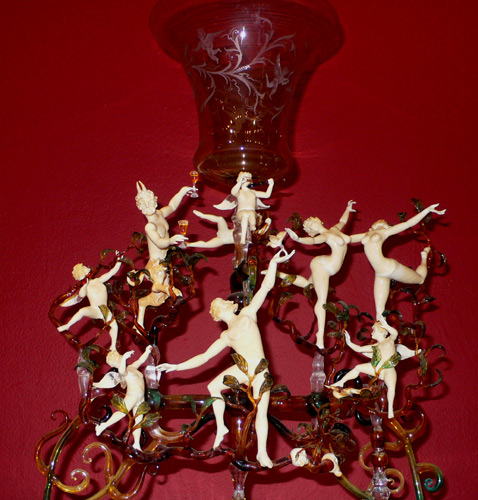
Bacchanal
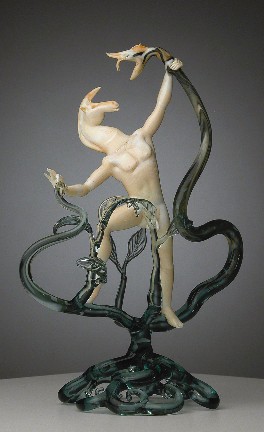
Agressione
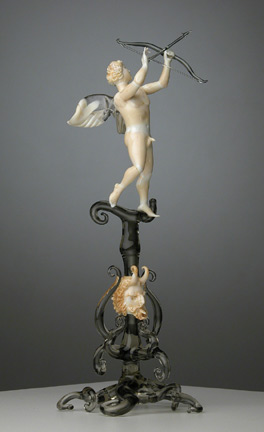
Angelo e Satiro
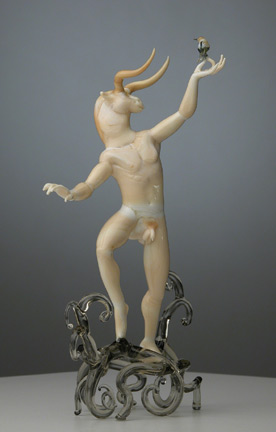
Minotauro
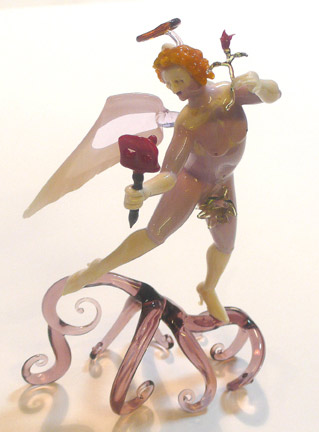
Erotic-6
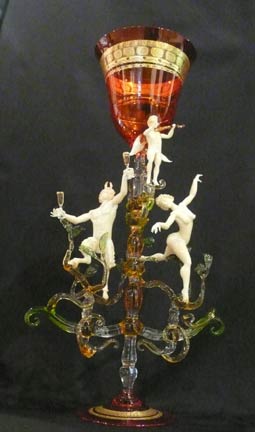
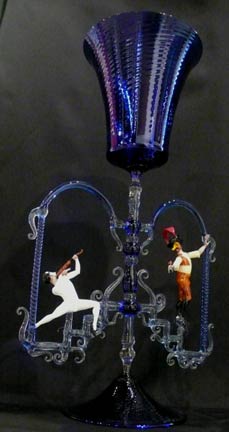
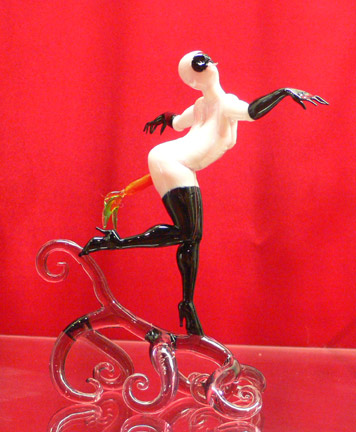
Erotic-5
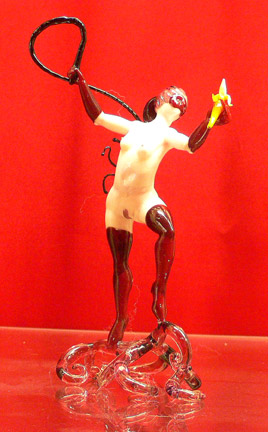
Erotic-2
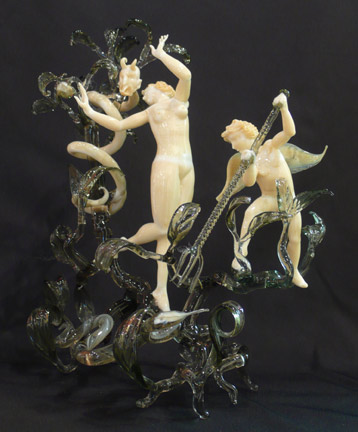
Ninfa Eros Serpente
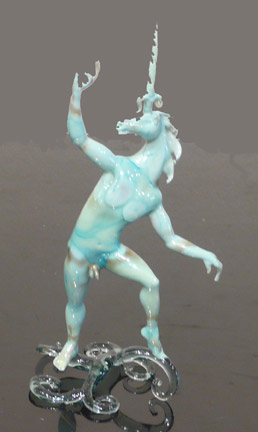
Unicorn-Green.
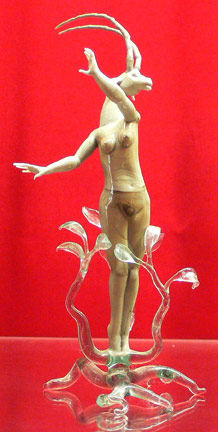
Antelope Womab
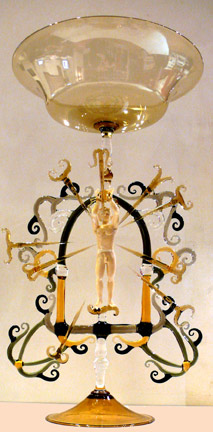
Saint-Sebastian

Devils and angels


Triangle with the devil


Triangle with the devil (part)

Banana's woman and devil

Sadomaso players

Sadomaso players

triangle
Sadomaso players

S.m. games
Vasi

the creatures

temptation

sundance

seeform.

sunset


malice

Three Graces

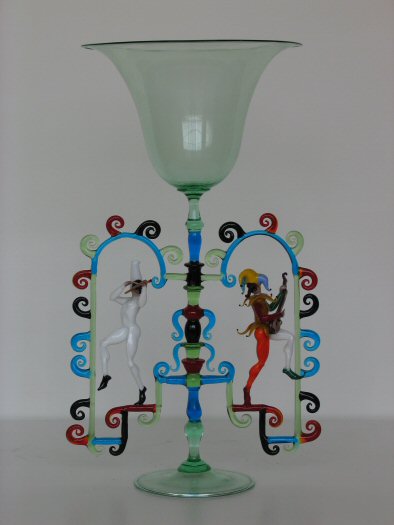
ЕЩЕ-
его САЙТ:
http://www.luciobubacco.com/public/index.asp
Оригинальный пост-ТУТ
http://marinni.livejournal.com/201864.html
Сорри- не нашла функцию предпросмотр, поэтому сверху 2 картинки.
Lucio Bubacco was born on the island of Murano (Venice), in April 1957. He began as a child with an old craftsman, playing with the glass and making small animals. In 1971, when he was 14, he completed his first works with the "lume" technique, inspired by Greek, Roman and Byzantine classic art, by medieval and renaissance theater and by "La Commedia dell'Arte."
Son of an artist, his father Severino Bubacco was a very important Maestro glass artist. In 1980 he began studying anatomical drawing with the Venetian artist Alessandro Rossi. His style takes on a new dimension; The movement of the figure becomes the central theme of his work.
His masterpieces are crafted in Murano glass, also called "soft glass" because of its high soda content, which is famous for its characteristic brightness and ideal for the "lume" process.
His technical experience and knowledge of glass color compatibility allow him to create unique works: figures entirely hand-formed and incorporated in blown-vases or in casting.
His works transcend traditional uses and conceptions of the "lume" technique. They collocate motive tensions and plasticity in a context of narrative surrealism, to create highly original pieces derived from his personal sensibility


