Добавить любой RSS - источник (включая журнал LiveJournal) в свою ленту друзей вы можете на странице синдикации.
Исходная информация - http://www.360cities.net/. Данный дневник сформирован из открытого RSS-источника по адресу http://www.360cities.net/rss/rss.xml, и дополняется в соответствии с дополнением данного источника. Он может не соответствовать содержимому оригинальной страницы. Трансляция создана автоматически по запросу читателей этой RSS ленты. По всем вопросам о работе данного сервиса обращаться со страницы контактной информации.[Обновить трансляцию]
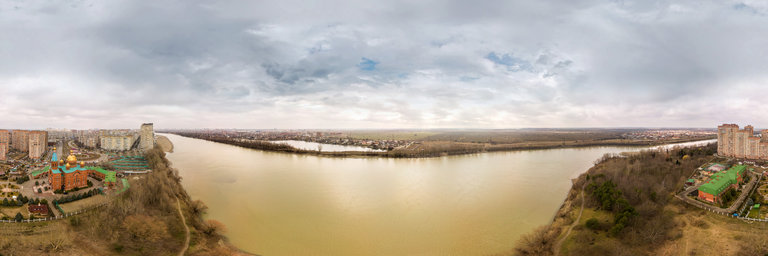
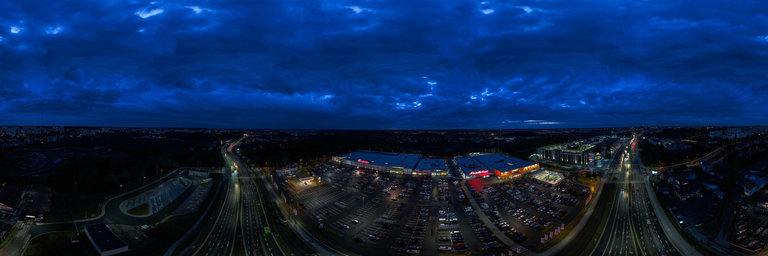
360° panorama by Alexei Merinov. Click the image to open the interactive version.
Pravoslavny (Orthodox) Rogdestvensky (Christmas) Sobor (Cathedral) surrounded by multi-storey residential buildings near the Kuban River on the western edge of the city of Krasnodar (Russia) on a cloudy winter afternoon aerial drone panorama view
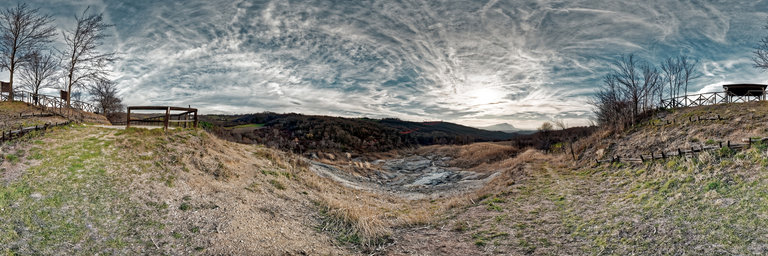
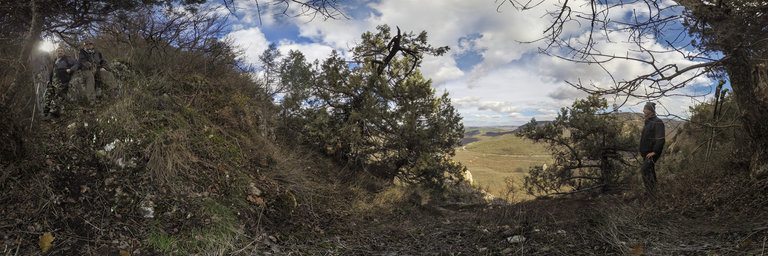
360° panorama by Francesco De Maggio. Click the image to open the interactive version.
Geosite with the highest CO2 emission in the world. Photo taken Fabruary 2020
360° panorama by Francesco De Maggio. Click the image to open the interactive version.
Geosite with the highest CO2 emission in the world. Photo taken Fabruary 2020
360° panorama by Francesco De Maggio. Click the image to open the interactive version.
Geosite with the highest CO2 emission in the world. Photo taken Fabruary 2020
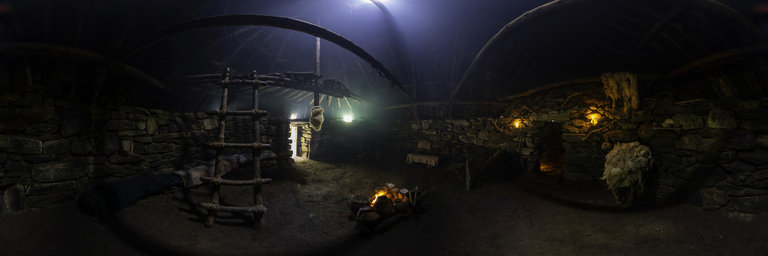
360° panorama by Gary Davies. Click the image to open the interactive version.
The ruins of a late Iron Age village close to the beach at Bosta were discovered in 1993 after being uncovered by a storm. Following archaeological excavations one of the dwellings was authentically reconstructed. Such buildings, dating from the 8th century, were built of stone walls sunk into the sand dunes, which combined with their turf roofs, would have kept them well hidden from passing marauders.
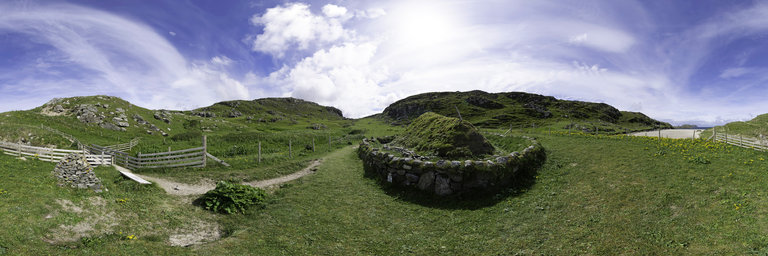
360° panorama by Gary Davies. Click the image to open the interactive version.
The ruins of a late Iron Age village close to the beach at Bosta were discovered in 1993 after being uncovered by a storm. Following archaeological excavations one of the dwellings was authentically reconstructed. Such buildings, dating from the 8th century, were built of stone walls sunk into the sand dunes, which combined with their turf roofs, would have kept them well hidden from passing marauders.
360° panorama by Gary Davies. Click the image to open the interactive version.
The ruins of a late Iron Age village close to the beach at Bosta were discovered in 1993 after being uncovered by a storm. Following archaeological excavations one of the dwellings was authentically reconstructed. Such buildings, dating from the 8th century, were built of stone walls sunk into the sand dunes, which combined with their turf roofs, would have kept them well hidden from passing marauders.
360° panorama by Gary Davies. Click the image to open the interactive version.
The ruins of a late Iron Age village close to the beach at Bosta were discovered in 1993 after being uncovered by a storm. Following archaeological excavations one of the dwellings was authentically reconstructed. Such buildings, dating from the 8th century, were built of stone walls sunk into the sand dunes, which combined with their turf roofs, would have kept them well hidden from passing marauders.
360° panorama by Gary Davies. Click the image to open the interactive version.
The ruins of a late Iron Age village close to the beach at Bosta were discovered in 1993 after being uncovered by a storm. Following archaeological excavations one of the dwellings was authentically reconstructed. Such buildings, dating from the 8th century, were built of stone walls sunk into the sand dunes, which combined with their turf roofs, would have kept them well hidden from passing marauders.
360° panorama by Gary Davies. Click the image to open the interactive version.
The ruins of a late Iron Age village close to the beach at Bosta were discovered in 1993 after being uncovered by a storm. Following archaeological excavations one of the dwellings was authentically reconstructed. Such buildings, dating from the 8th century, were built of stone walls sunk into the sand dunes, which combined with their turf roofs, would have kept them well hidden from passing marauders.