Today, contactless cards, mobile payment systems, as well as cryptocurrencies are rapidly gaining popularity and, along with cash, are used as instruments for making payments. Meanwhile, in the history, there are quite unusual alternatives to the fiat currencies. Some of them have been around for a long time and are still relevant. You will find more details in the following material.
According to archaeologists, shells began to be used as a means of exchange at the dawn of humanity, and today they are still relevant, in particular in the Solomon Islands. There one thread with seashells costs about 1 thousand Solomon dollars which is equivalent to about 125 US dollars.
In ancient Rome, warriors received salt for their service. It was part of the monthly maintenance of soldiers. It was especially appreciated as a seasoning, used as a preservative for long-term storage of raw meat and even acted as an antiseptic. Salt in those days was used as money along with gold and silver.
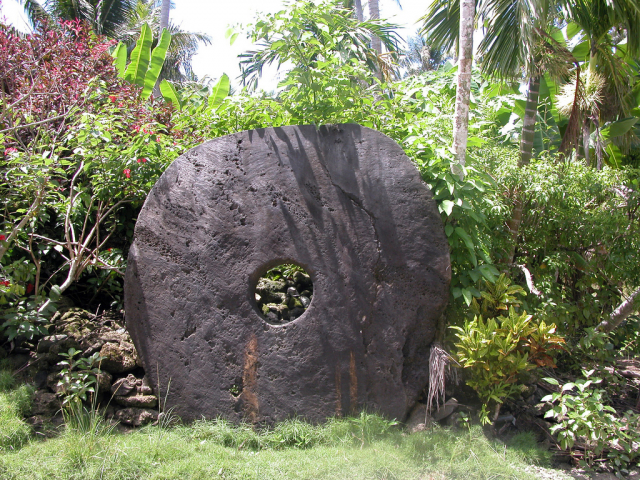
Approximately from 500 AD and to our days in the islands of Yap in Micronesia huge stones, rai, are used as a local currency. They are large disks made of aragonite or calcite limestone with a hole in the middle. The cost of rai depends not only on size, material, and workmanship but also on its history, and the more interesting the latter, the more valuable this or that stone.
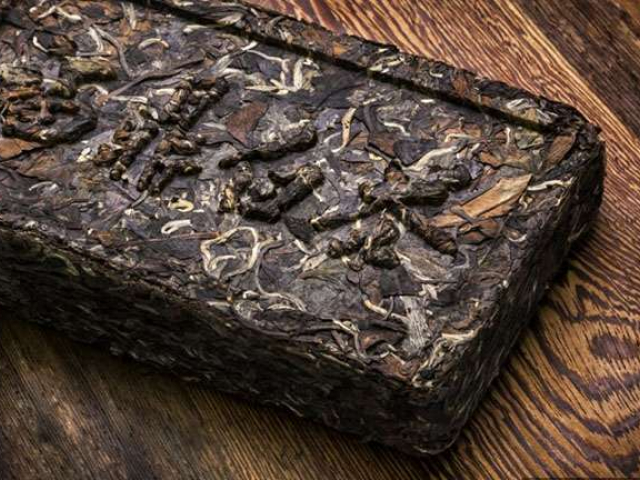
Beginning from the IX century and to the start of the Second World War, in some Asian countries, including China and Mongolia, tea briquettes were used instead of money, including for paying taxes. They were made from pressed tea leaves. The value of such a "brick" depended on the quality of the leaves and the region of its origin.
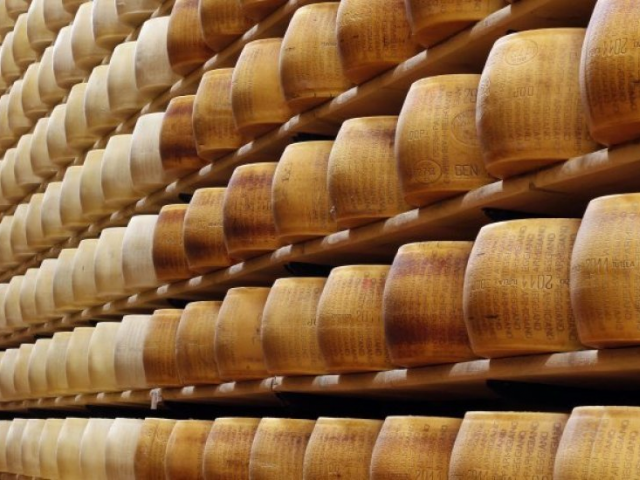
Since 1953, the Credito Emiliano Italian bank has been accepting Parmigiano-Reggiano cheese as collateral for loans to local farmers. According to some reports, there are almost 17 thousand tons of cheese in the storehouses of the financial institute, the total cost of which is about 187.5 million dollars.
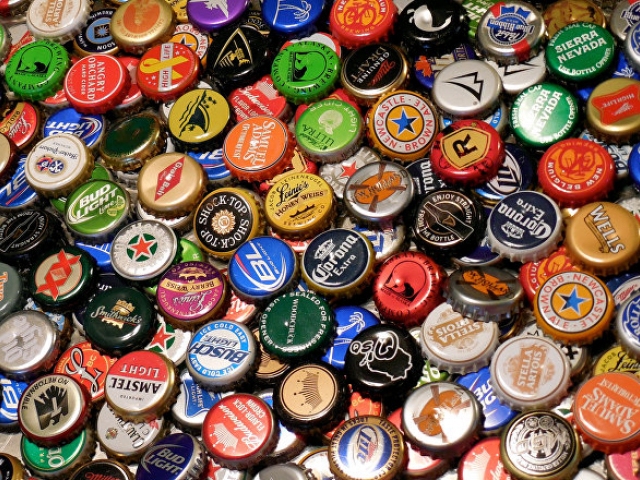
In 2005, the cups from beer bottles in Cameroon turned into a kind of currency. Until now, many residents of the country use them to buy goods or pay for services. The value of the cups is given by advertising campaigns conducted periodically by beer producers. On the bottom of the cup, you can find information about the winnings, from a mobile phone to a luxury car.