Doug Belshaw: Why we need 'view source' for digital literacy frameworks |
Apologies if this post comes across as a little jaded, but as someone who wrote their doctoral thesis on this topic, I had to stifle a yawn when I saw that the World Economic Forum have defined 8 digital skills we must teach our children.
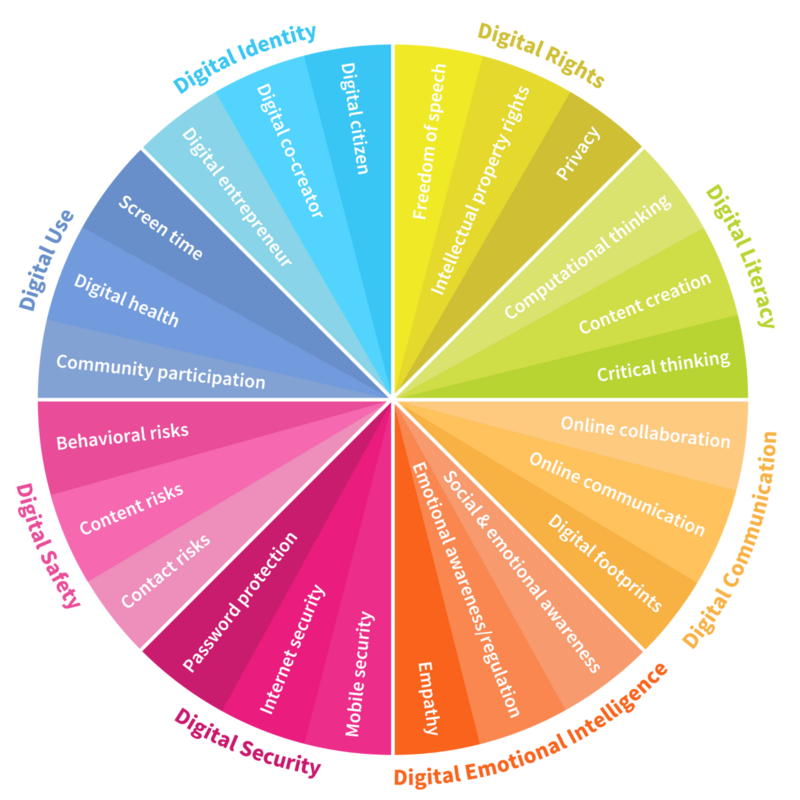
In a move so unsurprising that it’s beyond pastiche, they’ve also coined a new term:
Digital intelligence or “DQ” is the set of social, emotional and cognitive abilities that enable individuals to face the challenges and adapt to the demands of digital life.
I don’t mean to demean what is obviously thoughtful and important work, but I do wonder how (and who!) came up with this. They’ve got an online platform which helps develop the skills they’ve identified as important, but it’s difficult to fathom why some things were included and others left out.
An audit-trail of decision-making is important, as it reveals both the explicit and implicit biases of those involved in the work, as well as lazy shortcuts they may have taken. I attempted to do this in my work as lead of Mozilla’s Web Literacy Map project through the use of a wiki, but even that could have been clearer.
What we need is the equivalent of ‘view source’ for digital literacy frameworks. Specifically, I’m interested in answers to the following 10 questions:
I’d be interested in your thoughts and feedback around this post. Have you seen a digital literacy framework that does this well? What other questions would you add?
Note: I haven’t dived into the visual representation of digital literacy frameworks. That’s a whole other can of worms…
Get in touch! I’m @dajbelshaw and you can email me: hello@dynamicskillset.com
| Комментировать | « Пред. запись — К дневнику — След. запись » | Страницы: [1] [Новые] |


